2002 - 2008

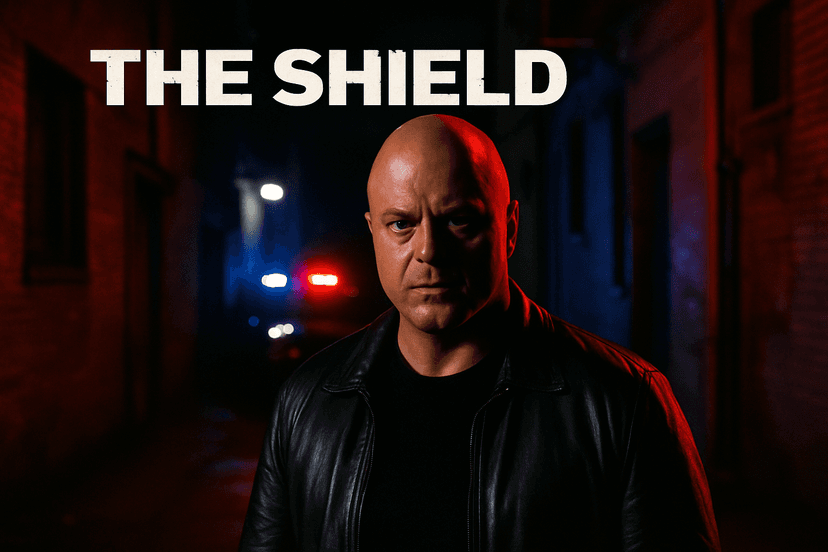
The Shield ran on FX from 2002 to 2008 across seven seasons and 88 episodes, and it arrived loud. The pilot ends on a gut-punch that announced to anyone watching that basic cable was now playing in the same league as The Sopranos. Shawn Ryan, a writer then best known for Nash Bridges, built a police drama that took the old NYPD Blue energy and stripped the moral safety net out of it. The show is set in the fictional Farmington district of Los Angeles, in a converted church the cops call the Barn, and it follows Detective Vic Mackey and the Strike Team, an experimental anti-gang unit whose methods would get most of them fired in a single afternoon of a real IA review.
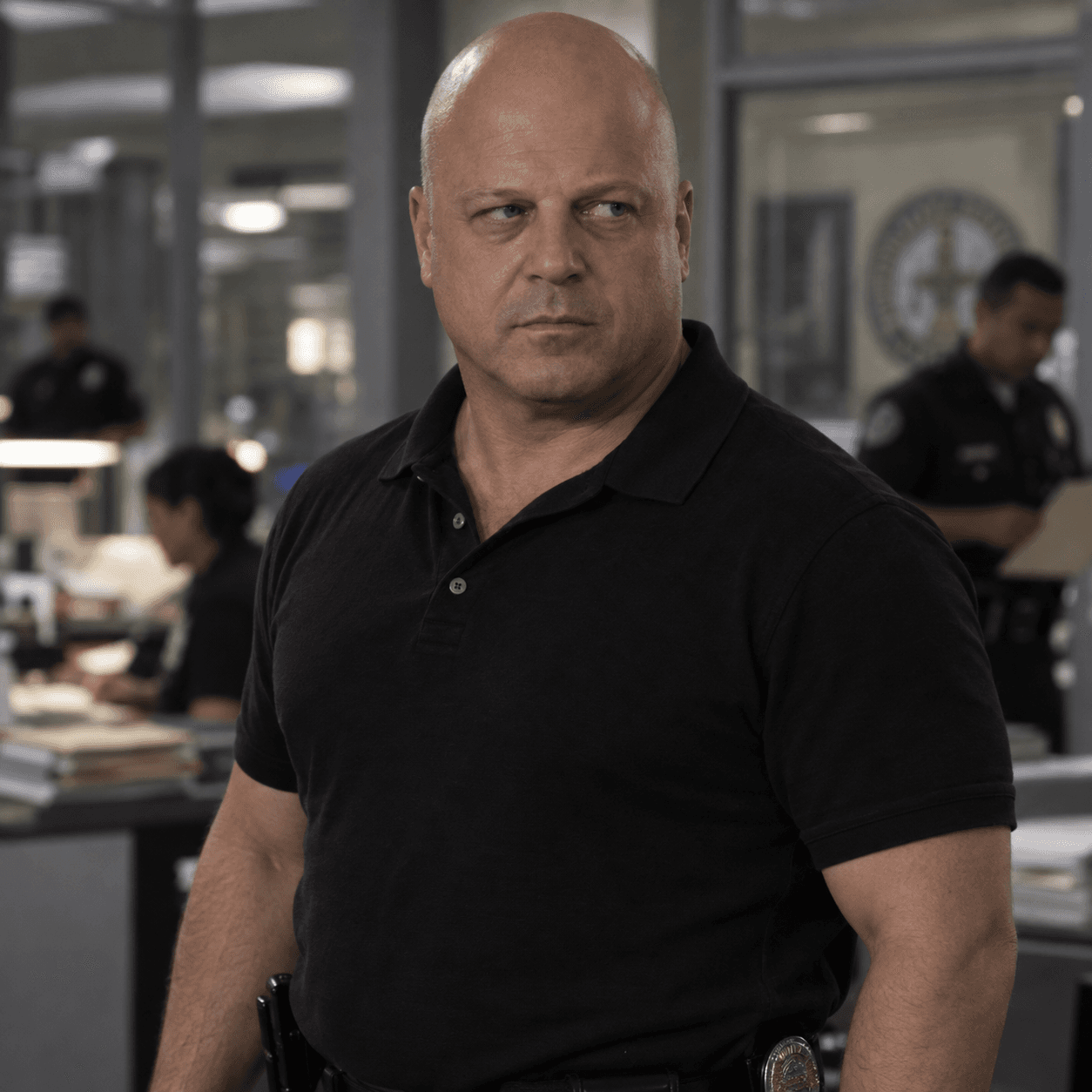
Mackey is played by Michael Chiklis, previously the cuddly lead of The Commish, unrecognisable here as a bull-necked thug with a badge. His Strike Team: Shane Vendrell, Curtis Lemansky (Lem), and Ronnie Gardocki. Around them orbits a full bullpen of detectives and uniforms, each with their own caseloads and their own opinions about what Mackey is actually up to. I would argue the show's cleverest trick is refusing to let you see the Strike Team as cops OR criminals. They are both. Every episode.
Chiklis won the Outstanding Lead Actor Emmy for season one, beating the Sopranos, Six Feet Under, and 24 fields in the same year. That was the moment the industry clocked what FX had on its hands. He is extraordinary in the role. Watchable, charming, frightening, occasionally even tender, often inside the same scene.
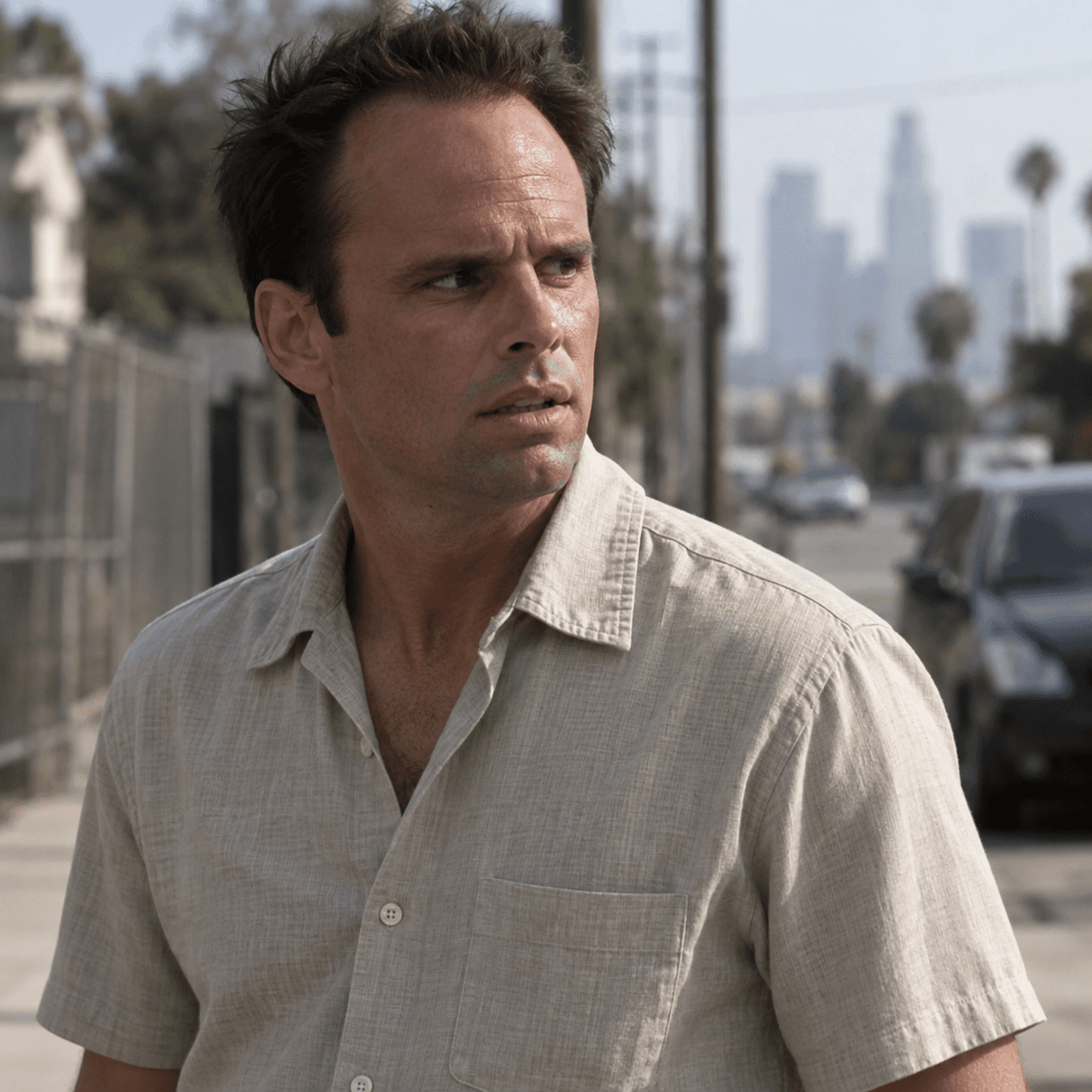
Walton Goggins as Shane Vendrell is the other miracle of the casting. Goggins would later become a household face through Justified and The White Lotus, but Shane is the role that made the rest possible. A Georgia-accented Strike Team hothead who is equal parts loyal, dim, and dangerous, Shane is the engine of a lot of the show's best and worst moments.
The ensemble around them is deep:
Kenny Johnson
Curtis 'Lem' Lemansky
David Rees Snell
Ronnie Gardocki
Walton Goggins
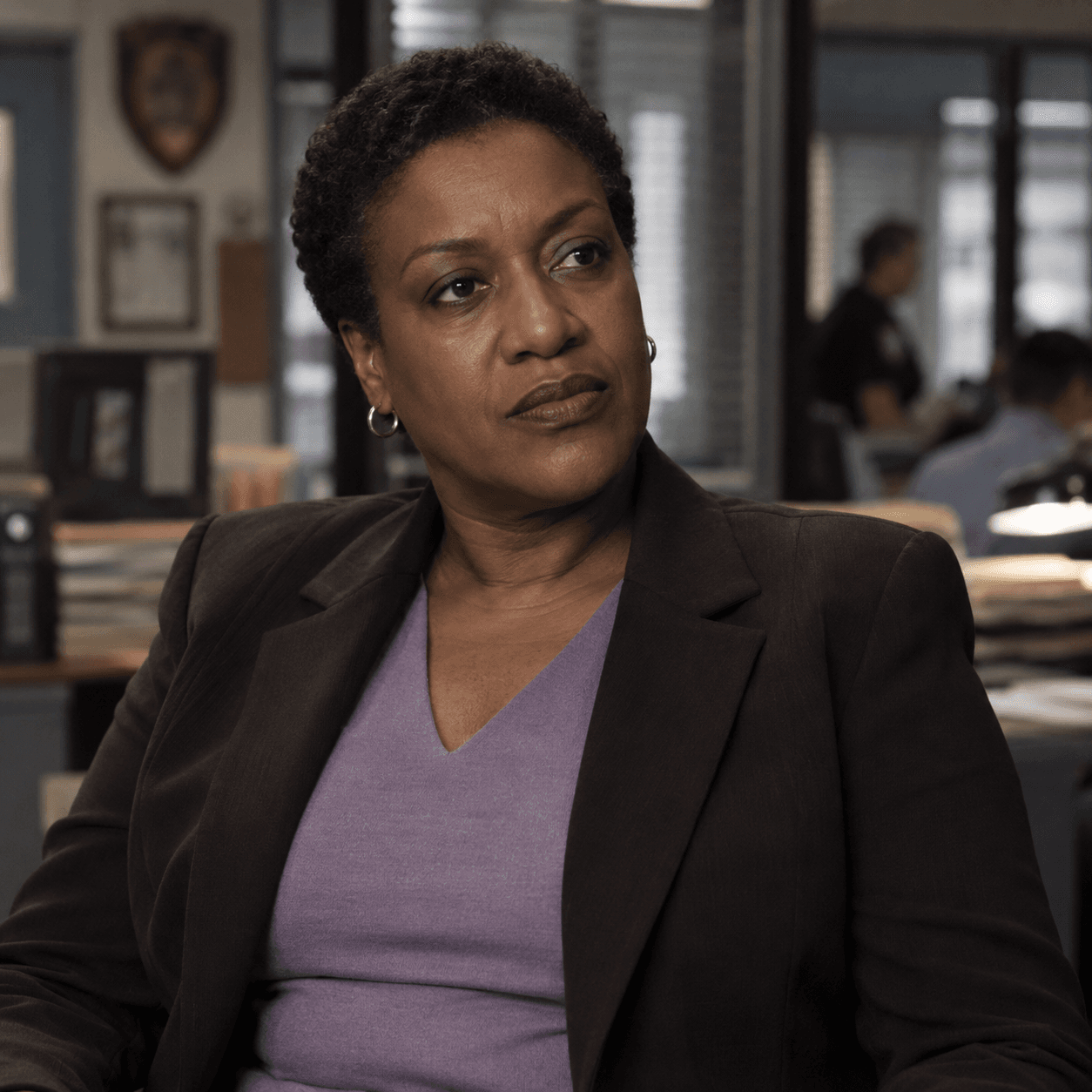
CCH Pounder
Detective Claudette Wyms
Jay Karnes
Benito Martinez
Captain David Aceveda
Glenn Close
Forest Whitaker
Catherine Dent
Officer Danny Sofer

In-depth review of The Shield – examining gritty storytelling, character depth, and delivering a 5/5 Not Woke rating. See if this acclaimed cop drama holds up.
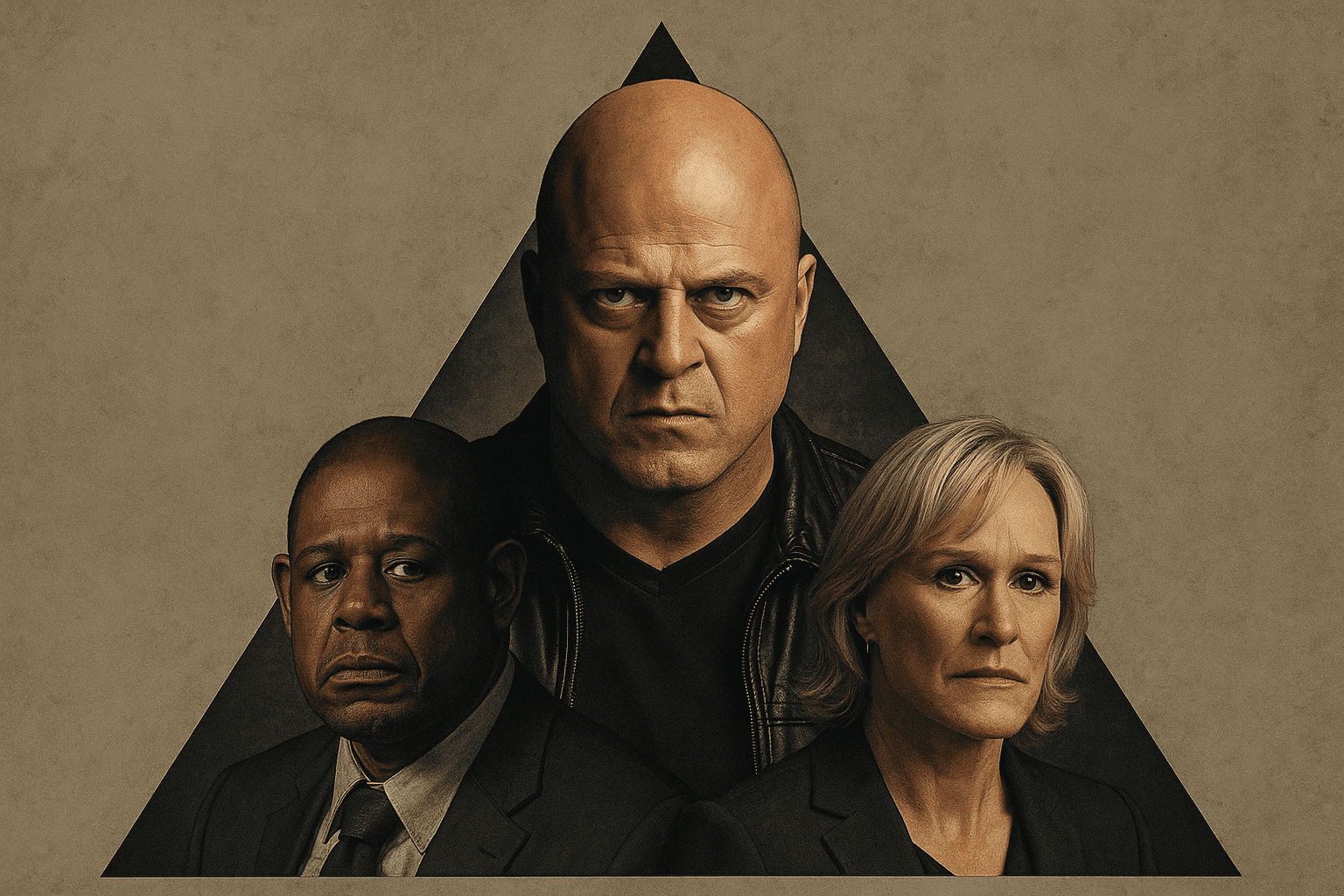
Read MoreSeason four brings in Glenn Close as Captain Monica Rawling, an Oscar-level actor slotting into cable TV years before that became normal. Season five brings Forest Whitaker as IAD Lieutenant Jon Kavanaugh, and his performance is pure coiled menace. Whitaker was Emmy-nominated for the arc and deserved to win.
Most cop shows give you a weekly crime and a resolution. The Shield gives you a weekly crime and a ticking bomb. The bomb is Vic Mackey's history. The question is not whether his past catches up with him. The question is who gets burned when it does.
Underneath the case-of-the-week structure the show is really a study of institutional rot. The LAPD in The Shield is not the LAPD of CSI or Law and Order. It is a tired, underfunded, politically micromanaged department where almost everyone is compromising something to stay afloat. Mackey just compromises more, and more creatively, than anyone else. The show is honest about why cops like him exist, why their bosses tolerate them, and what they actually leave behind.
It is also a show about loyalty as a drug. The Strike Team love each other like brothers. That is not a flowery metaphor, it is the actual premise. Watching what that love does to them over seven seasons is the reason the finale hits as hard as it does.
Shot fast and handheld, mostly on 16mm early on, with a washed-out Los Angeles palette that looks nothing like the glossy crime procedurals of the era. The camera runs after the actors rather than framing them. Scenes are often cut at the moment you would expect them to resolve, so the unease never lifts. Mark Mancina's main title is three notes of dread on repeat and it sets the tone for everything that follows.
The pace is fast. Episodes routinely juggle four or five plotlines and none of them feel undercooked. Seasons are built so every episode raises the stakes on at least two fronts at once. There is almost no filler across 88 hours, which is a claim I cannot honestly make about many other shows of this length.
Critical reception was strong from the pilot and only got stronger. The final season is frequently ranked among the best in television history, and the finale itself sits in the same conversation as the finales of Breaking Bad, Six Feet Under, and The Wire. Critics who compared the two often said the The Wire was the better sociological portrait and The Shield was the better thriller.
It won multiple Emmys and a Golden Globe for Chiklis. More importantly, it is the show that proved FX could build a prestige drama bench. Without The Shield you do not get Rescue Me, Damages, Sons of Anarchy, Justified, The Americans, or Fargo, at least not on that network. Shawn Ryan went on to run The Unit and Terriers, and Chiklis, Goggins, and half the ensemble have worked constantly since.
My honest answer. Because it never blinks. Most antihero-era shows flatter their protagonist somewhere along the way, let them off the hook for a scene or a subplot to keep the audience on side. The Shield does not do that. Mackey is charming, he is effective, and he is a bad man. The writing knows it and never forgets it. When the show wants you to like him it lets you like him. When it wants you to recoil, it does not beg for forgiveness afterwards.
I watched the whole run across about six weeks and the thing I keep thinking about is how modern it still feels. Breaking Bad owes it a great deal. Sons of Anarchy owes it more. Every subsequent cable drama about men who do bad things for plausibly decent reasons is shaped by what Shawn Ryan did in that Los Angeles church.
If you have never watched it, start with the pilot. You will know by the end of the episode whether this is your kind of show. And if it is, clear your calendar, because there are 88 episodes of this and almost none of them are skippable.
Michael Chiklis