2002 - 2008

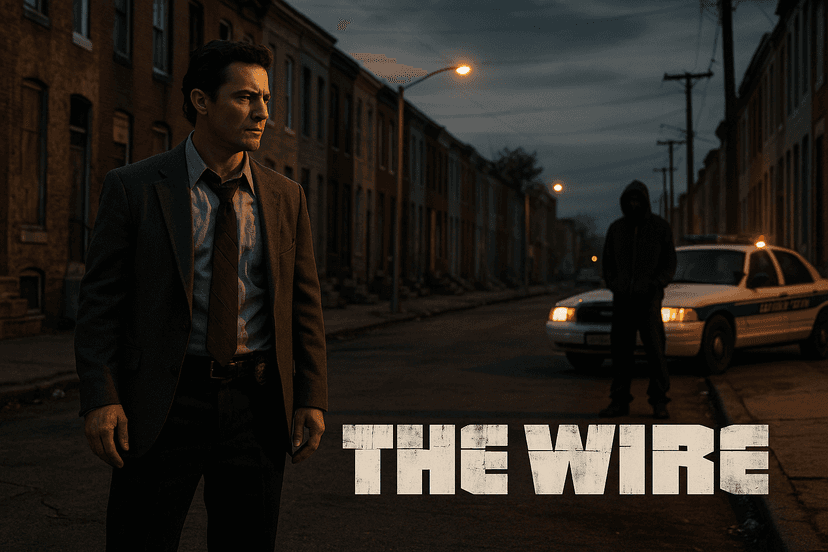
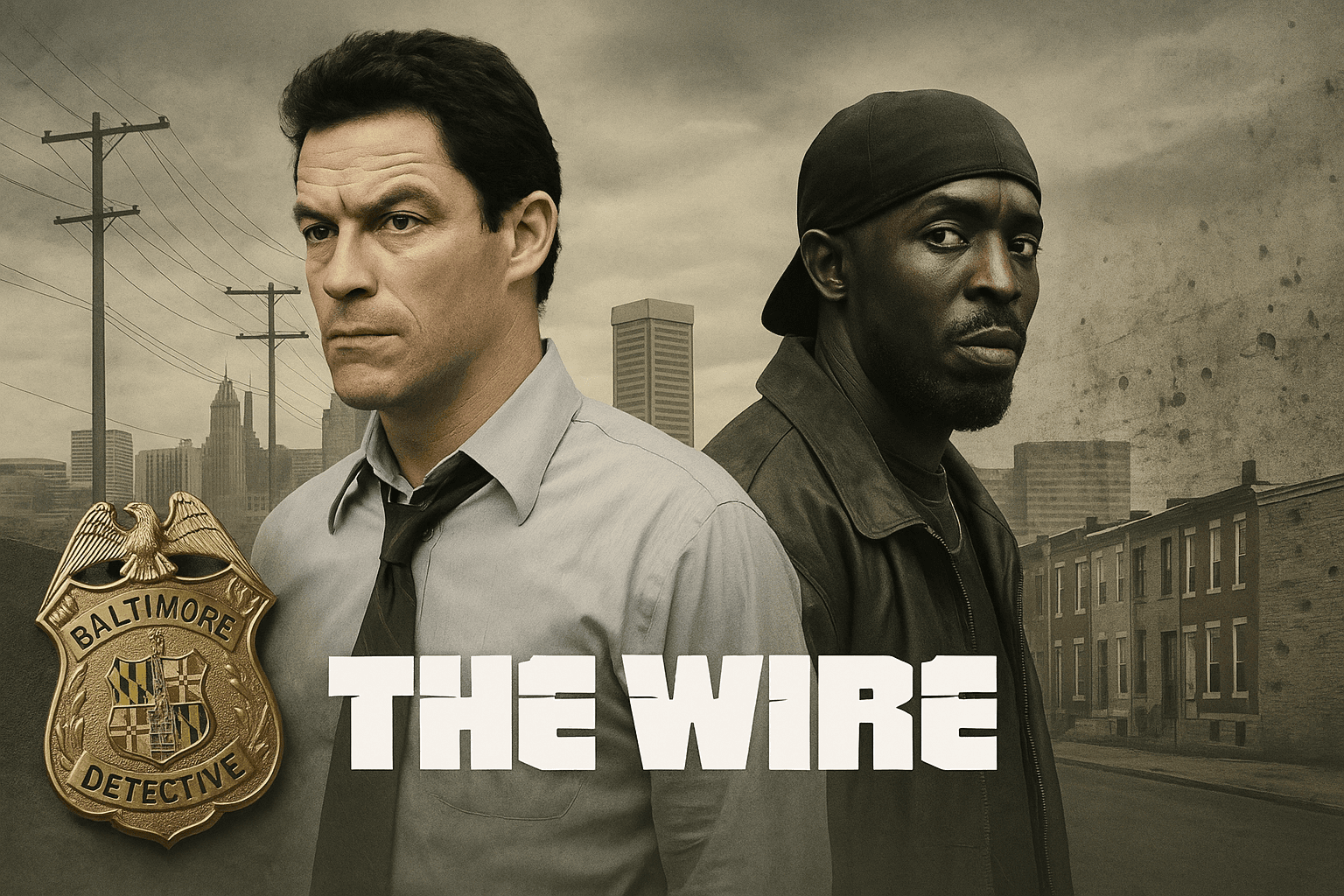
The Wire ran on HBO from 2002 to 2008, five seasons, sixty episodes, and it is the closest American television has come to a Dickens novel. Created by David Simon, a former crime reporter at the Baltimore Sun, and Ed Burns, a former Baltimore Police detective and public school teacher, the show drags the viewer through the back alleys, boardrooms, docks, schools, and newsrooms of a single American city and asks a very simple question. Who does the system actually serve?
The premise sounds small. A Major Crimes unit inside the Baltimore Police Department uses wiretaps to investigate a West Baltimore drug crew running the Towers. From that seed, the show grows into something bigger every season. Season one is the drug war on the Corner. Season two is the collapse of the blue-collar working class on the docks. Season three is City Hall and the political machine. Season four is the Baltimore public schools. Season five is the newspaper. Each season widens the frame without letting you off the hook for what came before.
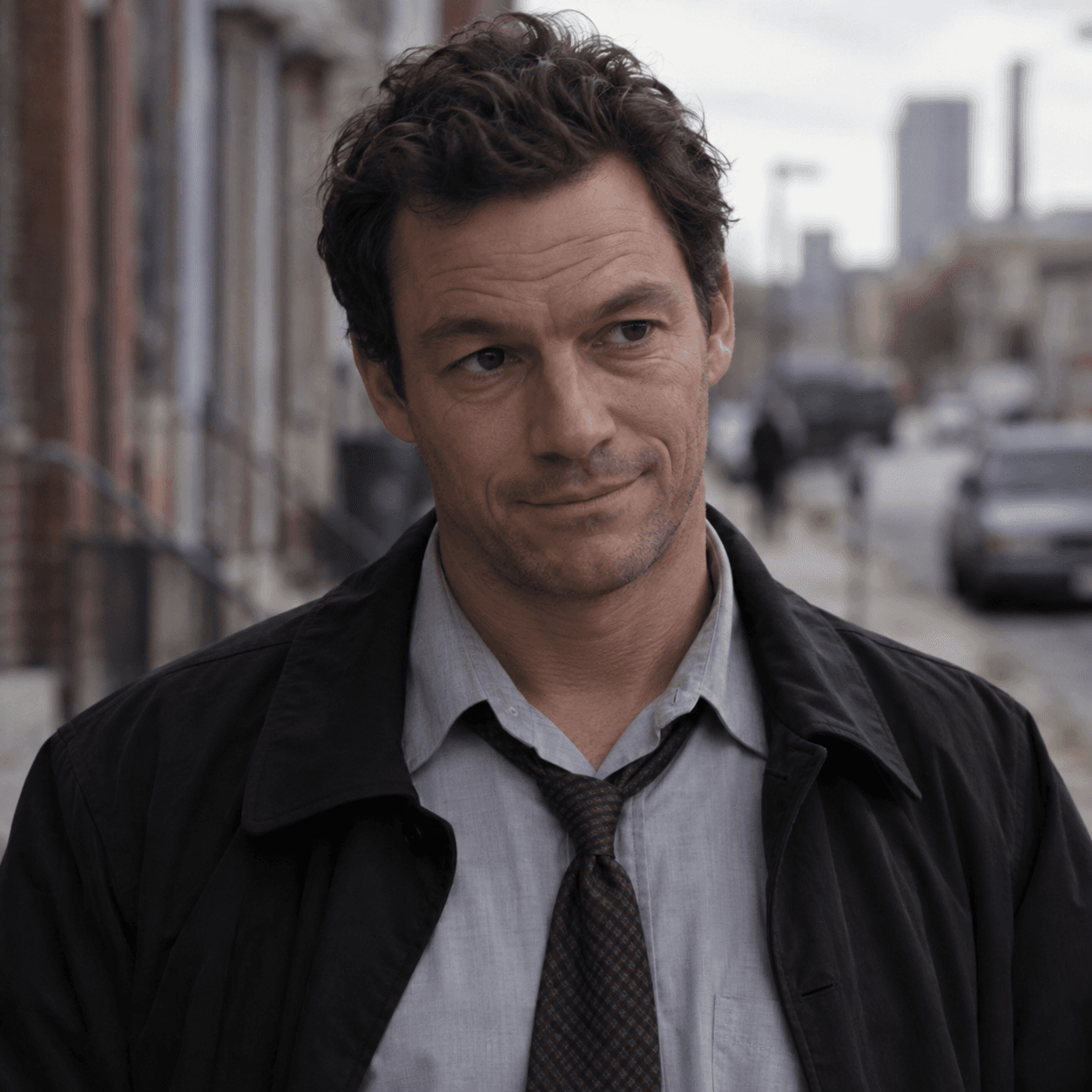
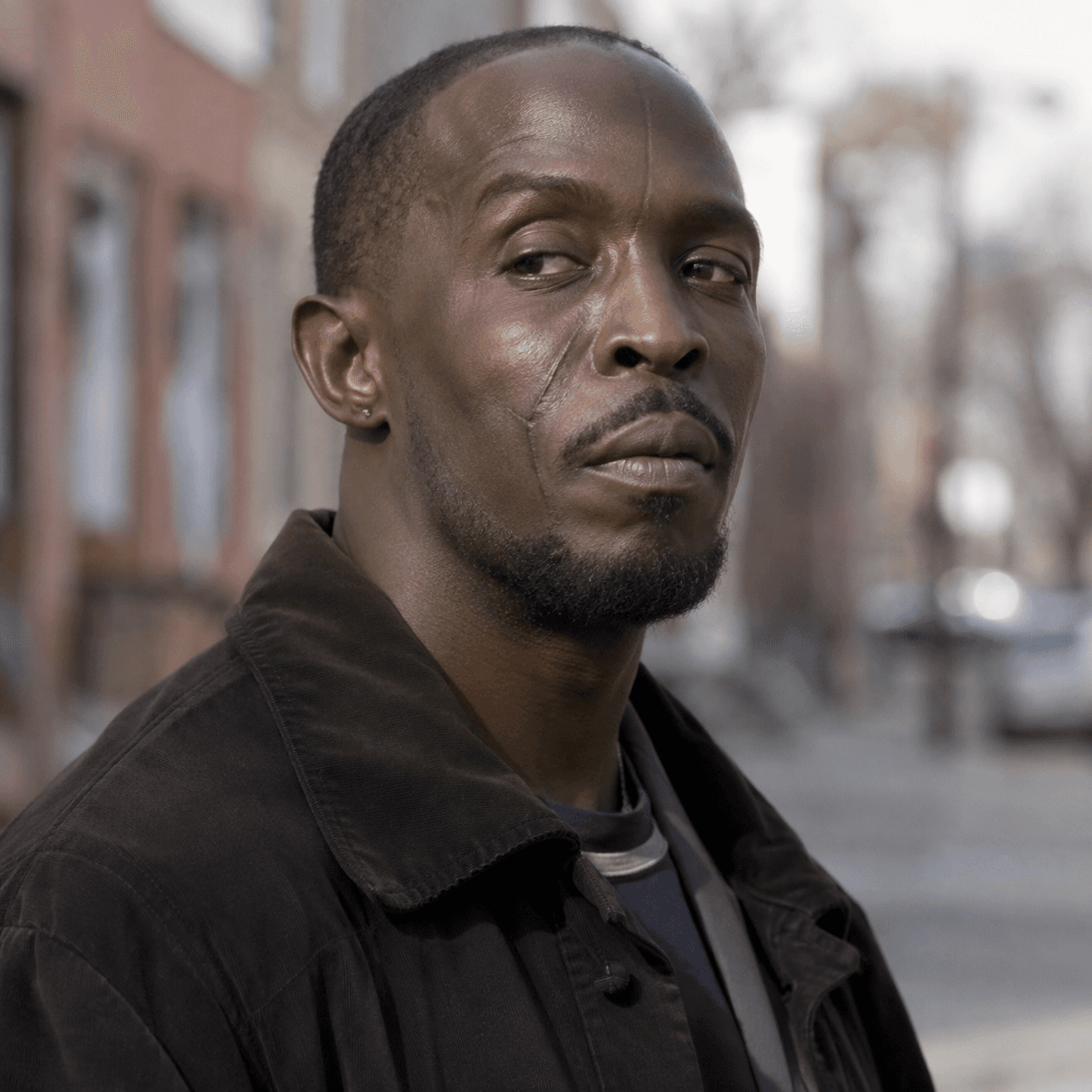
Start with Dominic West as Detective Jimmy McNulty, a gifted police and a catastrophic human being, the spine of the show even when he is off-camera for long stretches. Idris Elba plays Stringer Bell, an ambitious drug lieutenant who reads Adam Smith and tries to run a narcotics operation like a legitimate business. Michael K. Williams plays Omar Little, the stickup man with a code who robs dealers for a living and whistles a childhood song while he works. He is one of the great characters in television history, and I mean that flatly, not as hype.
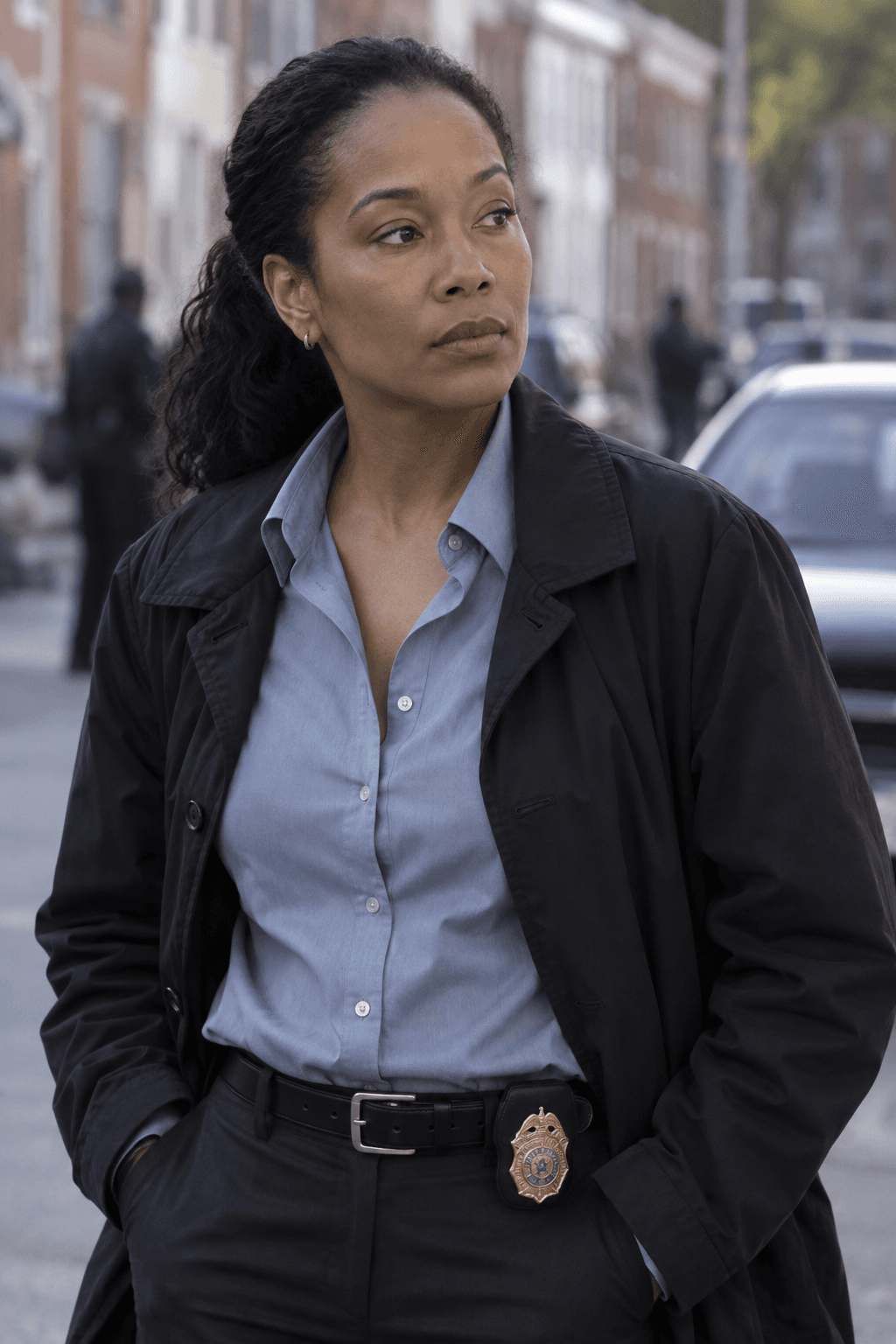
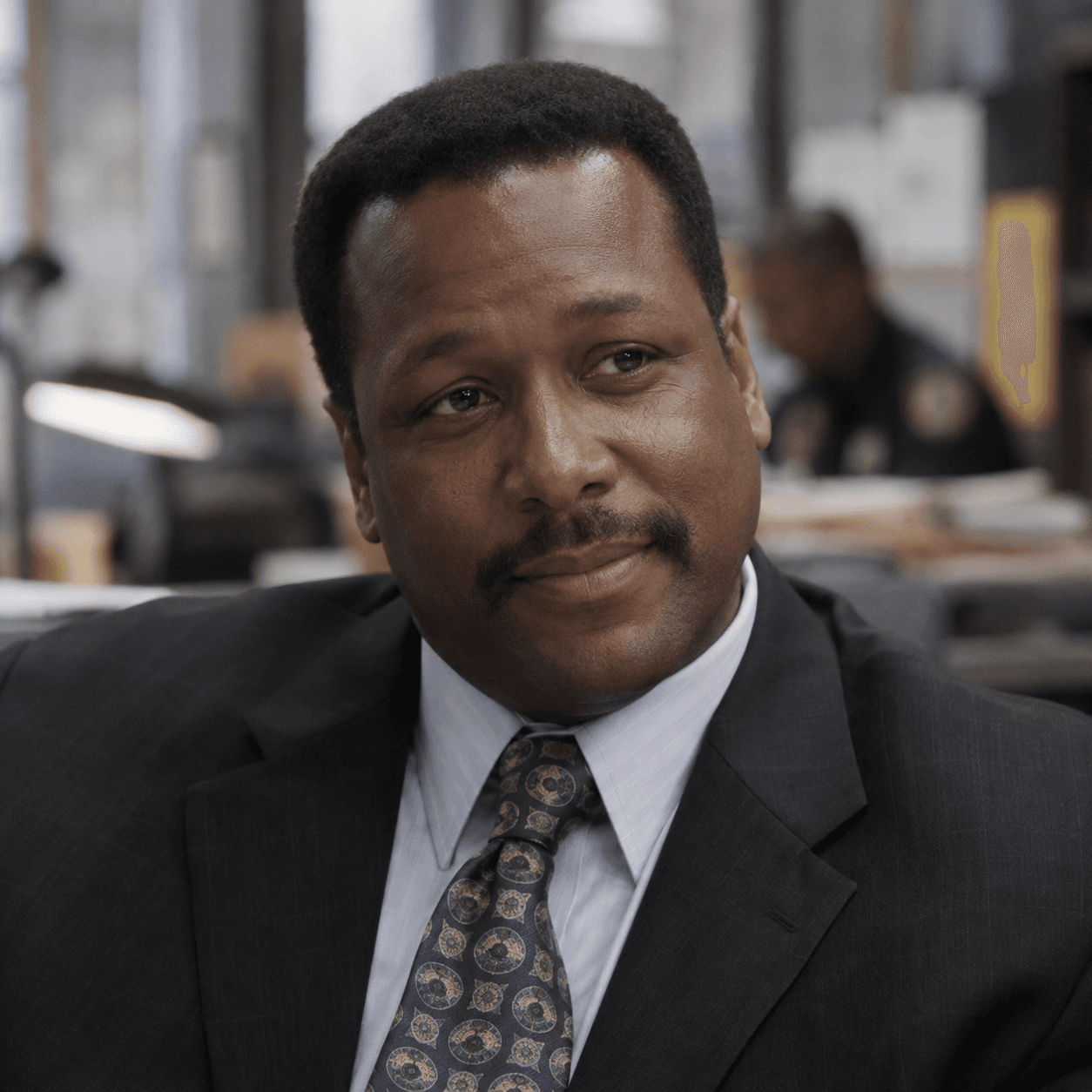
The supporting bench is as deep as any ensemble ever assembled. Wendell Pierce as Bunk Moreland, McNulty's long-suffering partner and moral mirror. Sonja Sohn as Detective Kima Greggs, the best police in the unit and the most grown-up adult on either side of the law. Lance Reddick as Lieutenant Cedric Daniels, the career officer trying to do his job inside a political machine that punishes competence. Andre Royo as Bubbles, a heroin addict and police informant whose storyline across all five seasons is the most humane thing Simon and Burns ever wrote. Clarke Peters as the patient, pipe-smoking Detective Lester Freamon. Wood Harris as Avon Barksdale, Stringer's partner and blood cousin who still believes in the old ways of the game. Jamie Hector as Marlo Stanfield, a younger, colder rival who arrives with different ideas about how business should be done.
Then there is the rest of Baltimore. Aidan Gillen as the politically hungry Mayor Tommy Carcetti. Isiah Whitlock Jr. as Senator Clay Davis, whose drawn-out "Sheeeeit" became a cultural catchphrase on its own. Chris Bauer as Frank Sobotka, the union boss anchoring season two. Amy Ryan as Beadie Russell, the port authority officer who accidentally cracks the docks case wide open. Chad Coleman as Cutty, a former soldier out of prison trying to walk a straight line. Jim True-Frost as Prez, who has one of the strangest and most moving arcs in the whole series. Reg E. Cathey as Norman Wilson. Robert F. Chew as Prop Joe. Seth Gilliam as Sergeant Ellis Carver. Michael Potts as the bow-tied enforcer Brother Mouzone. And dozens of real Baltimore figures playing versions of themselves, because Simon has always believed the street knew the story better than any actor could.
Dominic West
Lead Actor
Idris Elba
Lead Actor
Michael K. Williams
Supporting Actor
Wood Harris
Supporting Actor
Wendell Pierce
Supporting Actor
Lance Reddick
Supporting Actor
Sonja Sohn
Supporting Actor
Clarke Peters
Supporting Actor

The Wire review – comprehensive analysis of HBO's iconic crime drama with our 5/5 Woke Rating. Discover if this acclaimed series lives up to its reputation.
Read MoreThe Wire is not a cop show. That is the first thing to get out of the way. It is a show about American institutions and what happens to the people inside them when those institutions stop working. The police. The drug trade. The docks. The mayor's office. The school system. The press. Each of these is treated with the same cold, patient eye, and each is shown to be failing in the same structural way. Good people inside bad systems get ground up. Bad people who learn to game the system do fine.
The central argument is that the war on drugs, the hollowing out of American manufacturing, the collapse of inner-city public schooling, and the decline of local journalism are not separate stories. They are the same story, told through different institutions. Simon calls it the death of the American city, and across five seasons he proves the case with a patience almost no other show has ever attempted.
Visually the show is plain. Handheld cameras. Natural light. Baltimore row houses and police bullpens shot with documentary discipline. No flashy cold opens, no musical score under dialogue, no "previously on" recap in most seasons. You are expected to keep up. If you miss a name in episode three, that is your problem.
The dialogue is the showpiece. Half of it is Baltimore street vernacular and police jargon, delivered unsubtitled and unapologetic. Some hallmarks worth knowing going in:
That last one is more or less the thesis statement for how the show writes dialogue. Context does the work. Viewers do the rest.
The critical reputation of The Wire is almost unmatched for a modern drama. The Guardian has called it the greatest TV show ever made. Barack Obama cited Omar as his favourite character on television. Academic courses on urban policy, race, and American institutions now assign the series as primary reading. Oddly, it never won a major Emmy. The Academy ignored it in its own time, and the show has since been vindicated almost entirely by posterity.
Its influence is everywhere. Every serialised institutional drama that followed owes it a debt. Simon himself went on to make Generation Kill and Show Me a Hero and We Own this City, which returns to the same Baltimore police department a generation later with many of the same faces.
I have watched The Wire through three times and every rewatch surfaces something I missed. That is the honest test of a great show. The first pass gets you the plot. The second pass gets you the structure. The third pass gets you the tiny recurring visual and verbal motifs Simon and Burns seeded across sixty hours, the small favours that come back as large betrayals, the kid from season one who shows up again in season four as someone you recognise but cannot place for ten minutes.
If you liked the institutional patience of The Sopranos, the moral weight of Breaking Bad, or the grounded policework of The Shield, this is a level above any of them in ambition and scope. Stick with season one. Episode four is where it clicks. After that you are in for the duration.
Andre Royo
Supporting Actor
Michael B. Jordan
Supporting Actor
Jamie Hector
Supporting Actor
Aidan Gillen
Supporting Actor
David Simon
Creator/Producer
Ed Burns
Creator/Producer
Isiah Whitlock Jr.
Supporting Actor
J.D. Williams
Supporting Actor
Domenick Lombardozzi
Supporting Actor
Robert Wisdom
Supporting Actor
Lawrence Gilliard Jr.
Supporting Actor
Frankie Faison
Supporting Actor