2006 - 2009
CBS, four seasons, 2006 to 2009. Created by David Mamet and Shawn Ryan, loosely based on Command Sergeant Major Eric L. Haney's memoir Inside Delta Force. Haney served as the show's technical advisor, which is the reason the tradecraft feels right in a way network television usually does not bother with.
The premise: the 303rd Logistical Studies Group, a covert special-mission unit based at fictional Ft. Griffith, Missouri. The name is paperwork camouflage. The 303rd is a thinly veiled Delta Force, and the show alternates week to week between two arenas. Downrange, the operators run classified missions in places the U.S. government would rather not admit to. At home, their wives hold the base community together while their husbands are gone for weeks at a time with no way to call, text, or explain why.
That second half is the thing that separated The Unit from everything else in the post-24 action-drama pile. It was a war show and a marriage show, and it took the marriage show seriously.
Dennis Haysbert anchors the whole thing as Sergeant Major Jonas Blane, callsign Snake Doctor. This is his post-24 heavyweight role, the one where he gets to stop playing the fantasy president and start playing a working CSM with a wife, a daughter, and two decades of classified history behind his eyes. Haysbert's default setting is quiet authority, and the show knows to let him sit inside a scene and not push.
Regina Taylor plays his wife Molly Blane, the de facto den mother of the base wives. Scott Foley is Sgt. First Class Bob Brown, the new guy on the team and the audience surrogate, with Audrey Marie Anderson as his wife Kim. Max Martini plays Sgt. First Class Mack Gerhardt, with Abby Brammell as his wife Tiffy, whose storyline across the four seasons is the most complicated on the homefront side. Michael Irby is Sgt. First Class Charles Grey. Demore Barnes is Sgt. First Class Hector Williams.
Robert Patrick shows up as Col. Tom Ryan, the base commanding officer and Haysbert's civilian-facing boss. He plays Ryan with a deliciously slimy streak. Rebecca Pidgeon, Mamet's long-time collaborator and wife, plays Charlotte Ryan. Season two adds Renee Humphrey and Alyssa Shafer. Guest slots went to Eric Stoltz and a young Pablo Schreiber, among others.
Plot-wise this is a show about operators doing wet work in countries that do not appear in the press release. Thematically it is about what that job costs the people you come home to.
The writer's room under Shawn Ryan understood that a hostage rescue in Yemen is a story with a clear start and finish, and a wife sitting in a base kitchen not knowing whether her husband is dead is a story that runs for years. The show gave both stories equal weight. The wives of the 303rd are not accessories to the operator plotline. They run intelligence-gathering of their own, they deal with the base chain of command, they cover for each other when someone's marriage is falling apart, and they do all of it knowing the men cannot tell them where they have been.
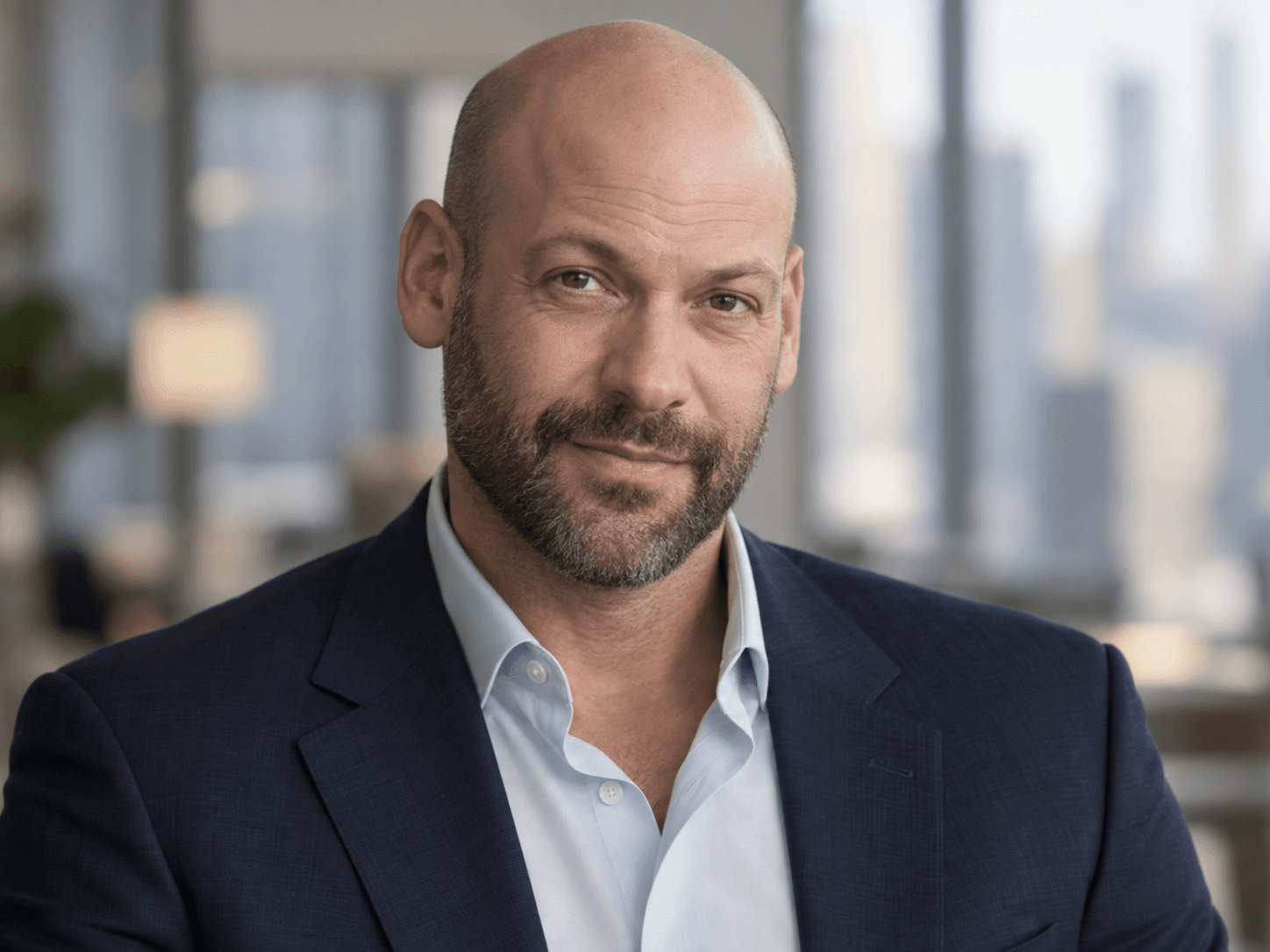
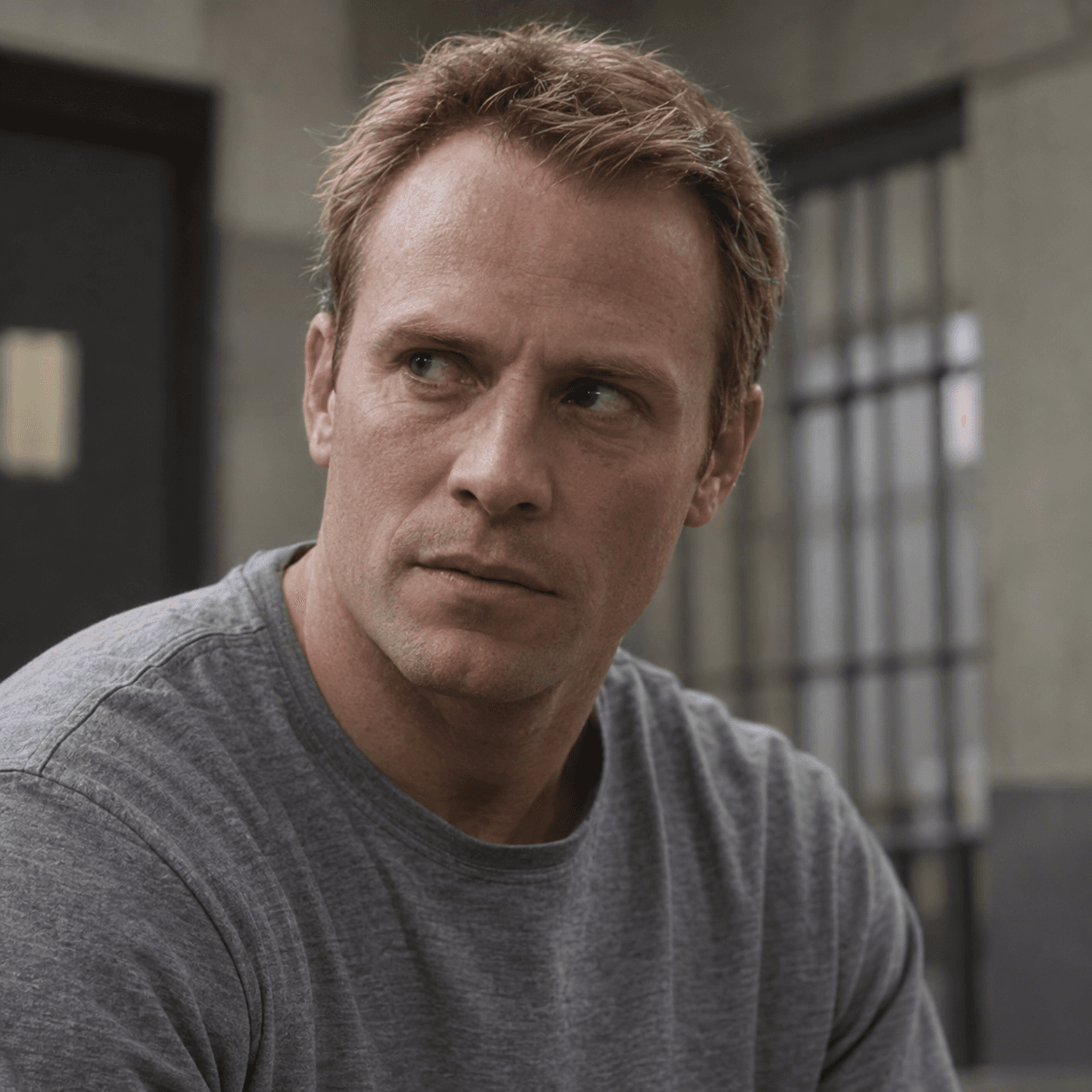
Robert Patrick
Col. Tom Ryan
Regina Taylor
Molly Blane
Abby Brammell
Tiffy Gerhardt
Audrey Marie Anderson
Kim Brown
Shawn Ryan
Co-creator and showrunner
Pablo Schreiber
Guest role
Michael Irby
Sgt. First Class Charles Grey
Scott Foley
Sgt. First Class Bob Brown
A few of the hallmarks:
Visually it is a 2006 network drama, which is to say it is shot clean and flat and fast. No prestige-cable colour grade. The action is competent for its budget and era, and Haney's fingerprints are all over the tradecraft: room clearing, comms protocols, kit choices, how operators actually talk to each other on a net. It is not Generation Kill level, but it is much closer than it had any right to be, and a long way ahead of the NCIS-era CBS peer group.
The homefront scenes are where the direction works hardest. A lot of the best episodes are essentially two parallel one-act plays: a kitchen argument cut against a compromised exfil. Mamet's structural instincts are audible in those intercuts even in episodes he did not personally write.
Solid ratings across all four seasons. A loyal, vocal fan base. Critical reception was warmer than a lot of CBS procedurals got because of the Mamet and Ryan names on the letterhead, because Haysbert's lead performance carried real weight, and because the homefront material genuinely surprised critics who had written the show off as Rambo with a logo.
CBS cancelled it after season four in 2009. Not because of ratings. The cast went into a contract renegotiation as a group, CBS balked, and the show ended mid-stride. You can see the seams in the back half of season four where stories were being wrapped without the breathing room they needed. The fan campaign to bring it back has never quite died. A decade later, people still show up on Haysbert's interviews asking whether a revival is on the table.
In the lineage of American military drama on television it sits between the boots-on-ground grit of Generation Kill and Band Of Brothers and the spycraft procedural register of Homeland and The Americans. It also shares DNA with The Shield, Shawn Ryan's previous show, in the way institutional loyalty gets weaponised against the people who believe in it most.
Two reasons it holds up. First, the tradecraft. Haney on set meant the operational side was never stupid, and the show respected its audience enough to let dialogue stay technical without pausing to explain. Second, and more important, that homefront half. The Unit is one of the few American action dramas that understood the war ends every time the plane lands, and the people who pick that war back up are the wives.
If you were drawn in by the grounded special-ops register of Reacher or the high-wire political stakes of The Night Agent, this is a deeper, sadder version of the same instinct. A show about the cost rather than the thrill.
It deserved its fifth season. It did not get one.
Max Martini
Sgt. First Class Mack Gerhardt
Demore Barnes
Sgt. First Class Hector Williams
Rebecca Pidgeon
Charlotte Ryan
Dennis Haysbert
Sergeant Major Jonas Blane