2021 - Present

The White Lotus arrived on HBO in July 2021 as a pandemic-era stopgap that turned into one of the network's defining prestige properties of the decade. Mike White wrote and directed every episode of the first season in a bubble-production shoot at the Four Seasons Resort Maui at Wailea, and what was meant to be a contained six-part limited series became an anthology that has since moved to Taormina, Sicily for season two (2022) and Koh Samui, Thailand for season three (2025). A fourth season is in development.
The format is elegant and stubbornly consistent. One week. One White Lotus resort. A staggered cast of wealthy guests and the staff paid to manage them. A body reveal in the opening minutes of each season premiere that the remaining episodes then reverse-engineer into place. You know someone is dead. You do not know who, how, or why. Mike White runs his guests through seven days of collisions, awkwardness, and moral slippage until the camera catches up with the cold open.
The acting is the engine. Each season rebuilds the ensemble from scratch with one or two returning threads, and White has proven to be an uncanny caster. Season one's Maui edition introduced Murray Bartlett as the immaculate-then-unravelling manager Armond, Jennifer Coolidge as grieving heiress Tanya McQuoid, Alexandra Daddario and Jake Lacy as newlyweds Rachel and Shane Patton, and the Mossbacher family played by Connie Britton, Steve Zahn, Sydney Sweeney, and Fred Hechinger. Natasha Rothwell as spa manager Belinda gave the show its moral conscience. Molly Shannon and Brittany O'Grady filled out the guest register.
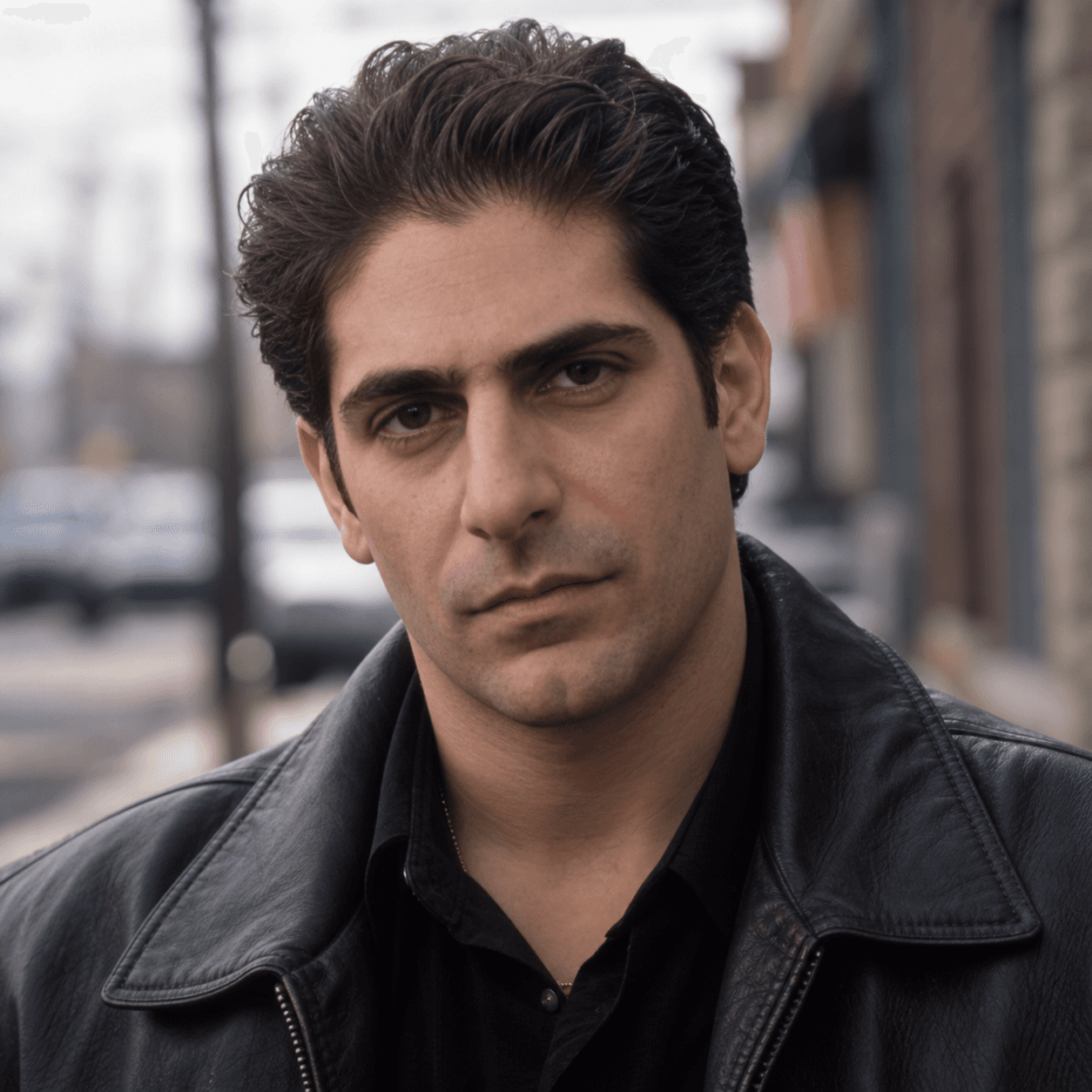
Season two moved the action to Taormina and brought Coolidge's Tanya back for a trip that would earn her a second Emmy. Around her, White built a new chessboard: Aubrey Plaza and Will Sharpe as the Spillers, Meghann Fahy and Theo James as the Sullivans, F. Murray Abraham and Michael Imperioli across three generations of the Di Grasso family alongside Adam DiMarco, Tom Hollander as the dangerously well-mannered Quentin, Haley Lu Richardson as Tanya's long-suffering assistant Portia, and Sabrina Impacciatore as hotel manager Valentina. It is the season most viewers point to as the ensemble high-water mark.
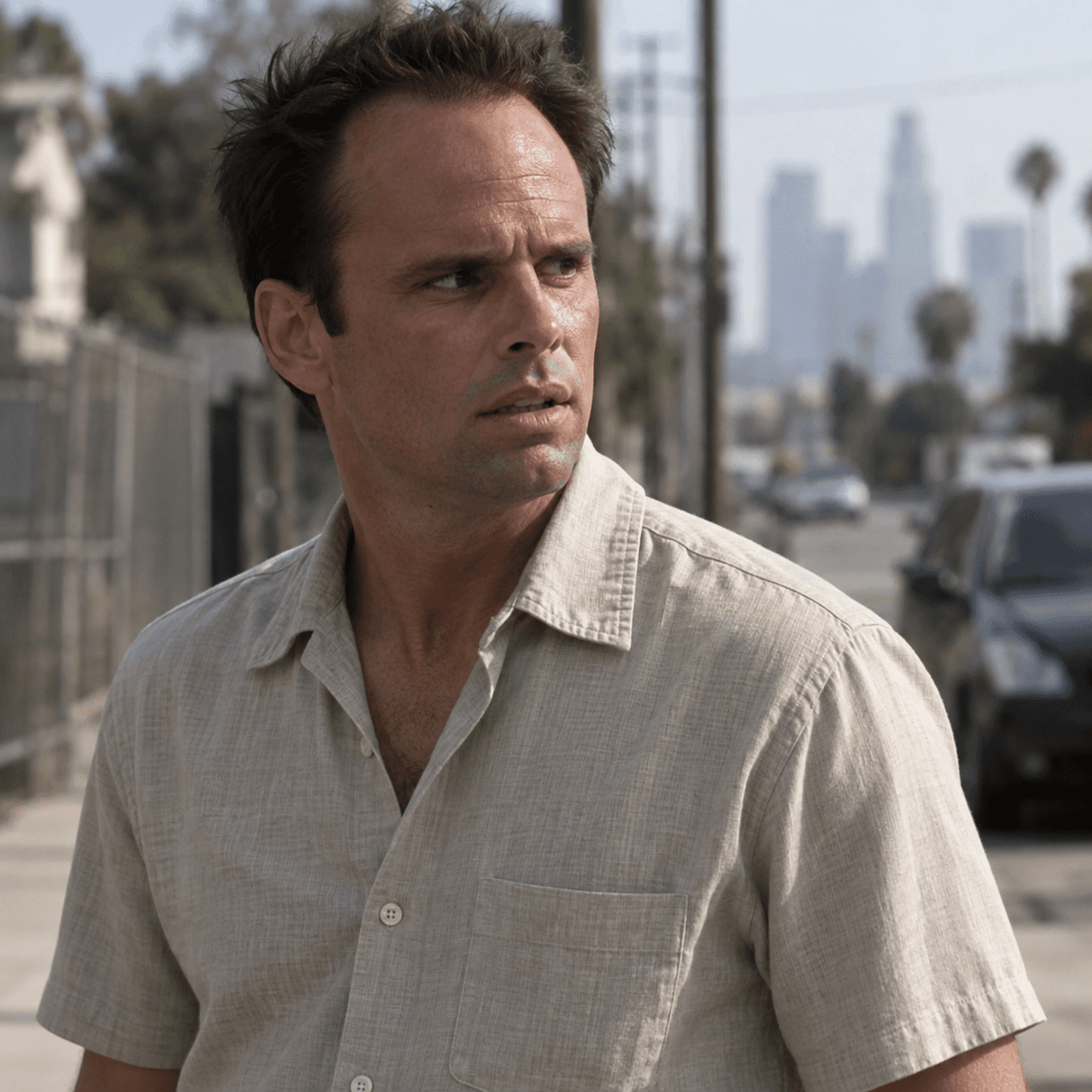
Season three took the show to Thailand with another near-total reset. Walton Goggins brings a wounded stillness as Rick. Parker Posey plays Victoria, matriarch of the Ratliff family, with Jason Isaacs as husband Timothy and their children Saxon (Patrick Schwarzenegger), Piper (Sarah Catherine Hook), and Lochlan (Sam Nivola). Carrie Coon, Michelle Monaghan, and Leslie Bibb form a tight middle-aged girls' trip that doubles as the season's most quietly devastating character study. Aimee Lou Wood plays Chelsea. Blackpink's Lalisa Manobal and Tayme Thapthimthong carry the resort-staff side alongside Dom Hetrakul and Christian Friedel.
Murray Bartlett
Armond (S1)
Jennifer Coolidge
Tanya McQuoid (S1, S2)
Alexandra Daddario
Rachel Patton (S1)
Jake Lacy
Shane Patton (S1)
Connie Britton
Nicole Mossbacher (S1)
Steve Zahn
Mark Mossbacher (S1)
Sydney Sweeney
Olivia Mossbacher (S1)
Fred Hechinger
Quinn Mossbacher (S1)
On the surface, this is an HBO whodunit dressed in linen and set in places most viewers will never afford to visit. Underneath, it is about the specific forms of ugliness that money fails to hide. Wealth without purpose, marriages held together by Wi-Fi and pill bottles, the quiet performance of progressive values by people whose bank accounts are funding the opposite, and the casual cruelty of tourism in places where the locals work twelve-hour shifts to plump a stranger's pillow.
Mike White is not subtle, which is part of why the show works. He writes upper-middle-class and upper-class Americans with the knowing cruelty of someone who grew up adjacent to that world and still finds it hilarious. His targets rotate each season:
Nobody on screen is allowed to be pure. Staff included. That refusal to let anyone off the hook is what lifts the series above "rich people behaving badly" and puts it in conversation with Succession and Mad Men as a serious piece of American class satire.
Cristobal Tapia de Veer's score is central to the identity of the show. The first-season theme is one of the most distinctive pieces of television scoring of the last decade, all stuttering vocals and tropical menace. The show feels beautiful and wrong at the same time. Linen billowing in slow motion over a shot you know should be sinister.
Visually, each season leans hard into its location. Maui in season one plays bright and open, slightly too perfect. By season two, Sicily is where the show gets moodier, thick with old Europe and stone. Thailand in season three runs humid and green, spiritually uneasy in a way the show earns rather than imports. Each destination is cast as another character, which is why viewers started booking Four Seasons stays after watching, to the quiet amusement of the same writer who is using the show to skewer them.
The comedy runs on cringe. Long, unbroken dinner scenes where you can feel the social pressure building. Misread intentions. People talking past each other for four minutes straight. Jennifer Coolidge's Tanya delivered a line in season two that became the show's unofficial tagline, "These gays, they're trying to murder me", which captures the register more or less exactly. Funny. And not actually wrong.
The first two seasons won Outstanding Limited or Anthology Series at the Emmys in 2022 and 2023 before HBO reclassified the show as a continuing drama. Jennifer Coolidge won consecutive Emmys for her work. Murray Bartlett, Will Sharpe, and Jennifer Coolidge all took home supporting acting awards. Cristobal Tapia de Veer took two for his score.
By any honest count, The White Lotus is the most-awarded HBO drama of the post-Succession era.
It has also become a cultural object. The Four Seasons San Domenico Palace in Taormina turned into a destination. Couples still quote season-one plane scenes at each other. Season three split the online audience harder than either of its predecessors, with viewers arguing about its pacing and its body count, but the conversation itself is the tell. This is a show people care enough about to argue over.
I came into season one expecting one thing and got another. Mike White is the most unexpectedly vicious mainstream writer working on American television, and he hides it behind sun hats and spa music. The format should have burned out by season two and did not. It should have worn thin by season three and has not, though the discourse gets louder every year.
The show is also one of the rare HBO dramas that earns its runtime. Six to eight episodes. Pilot through finale. No filler, no dropped threads, no lore bloat. You get in, you watch people who look like they have everything reveal that they have nothing, you get out. Somewhere in the middle, someone ends up dead.
If the first season hooked you, stay through the second. If the second hooked you, season three is a harder, quieter watch that rewards patience. And if any of them hooked you, Mike White's earlier HBO series Enlightened is worth the back-catalogue detour. Few shows since Mad Men have been this good at making comfort look uncomfortable.
Natasha Rothwell
Belinda (S1, S3)
Molly Shannon
Kitty Patton (S1)
Brittany O'Grady
Paula (S1)
Aubrey Plaza
Harper Spiller (S2)
Will Sharpe
Ethan Spiller (S2)
Meghann Fahy
Daphne Sullivan (S2)
Theo James
Cameron Sullivan (S2)
F. Murray Abraham
Bert Di Grasso (S2)
Michael Imperioli
Dominic Di Grasso (S2)
Adam DiMarco
Albie Di Grasso (S2)
Haley Lu Richardson
Portia (S2)
Tom Hollander
Quentin (S2)
Sabrina Impacciatore
Valentina (S2)
Walton Goggins
Rick (S3)
Parker Posey
Victoria Ratliff (S3)
Carrie Coon
Laurie (S3)
Michelle Monaghan
Jaclyn (S3)
Leslie Bibb
Kate (S3)
Jason Isaacs
Timothy Ratliff (S3)
Sarah Catherine Hook
Piper Ratliff (S3)
Patrick Schwarzenegger
Saxon Ratliff (S3)
Sam Nivola
Lochlan Ratliff (S3)
Aimee Lou Wood
Chelsea (S3)
Lalisa Manobal
Mook (S3)
Tayme Thapthimthong
Gaitok (S3)
Dom Hetrakul
Chief of Security (S3)
Christian Friedel
Fabian (S3)
Mike White
Creator, Writer, Director