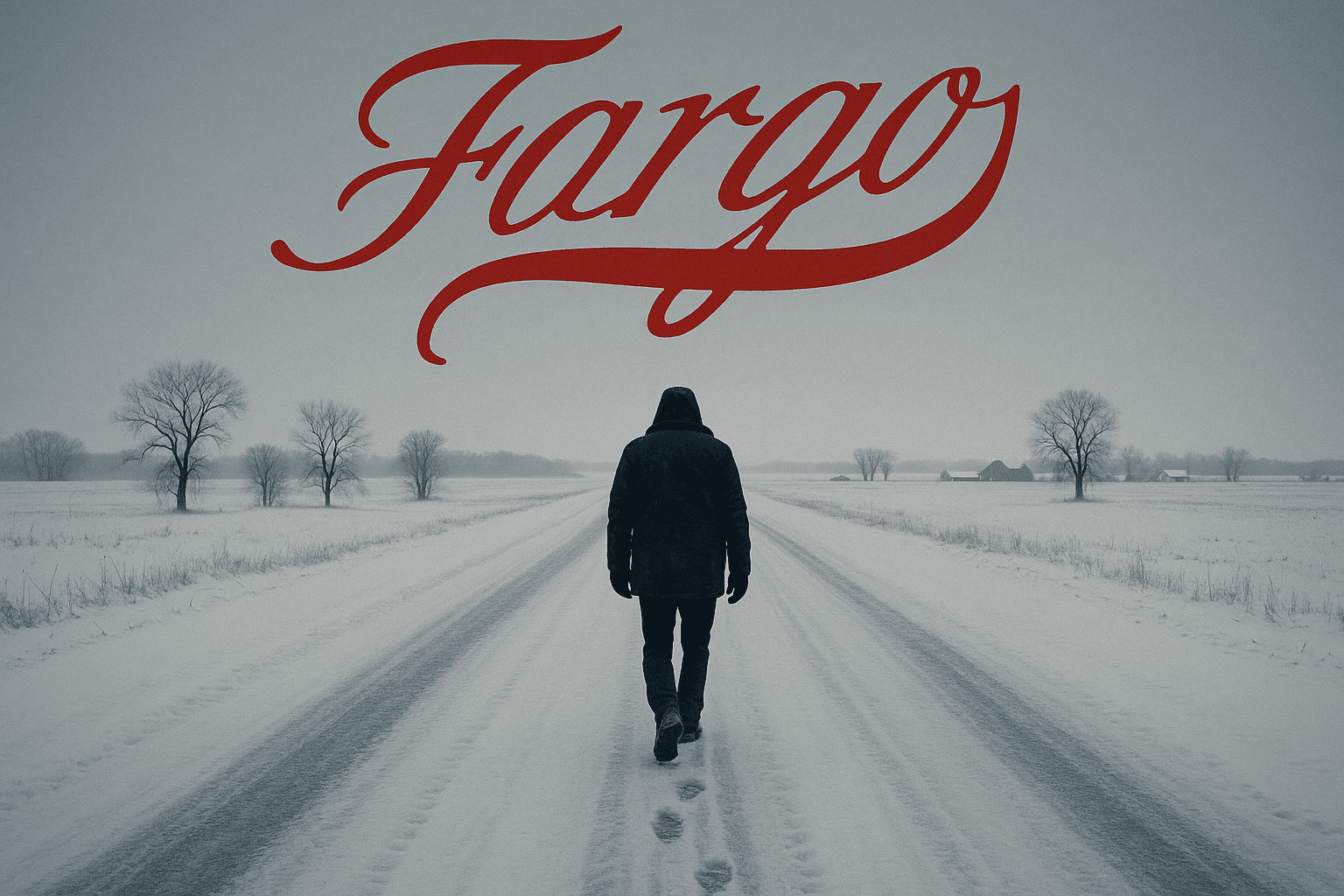
2014 - Present

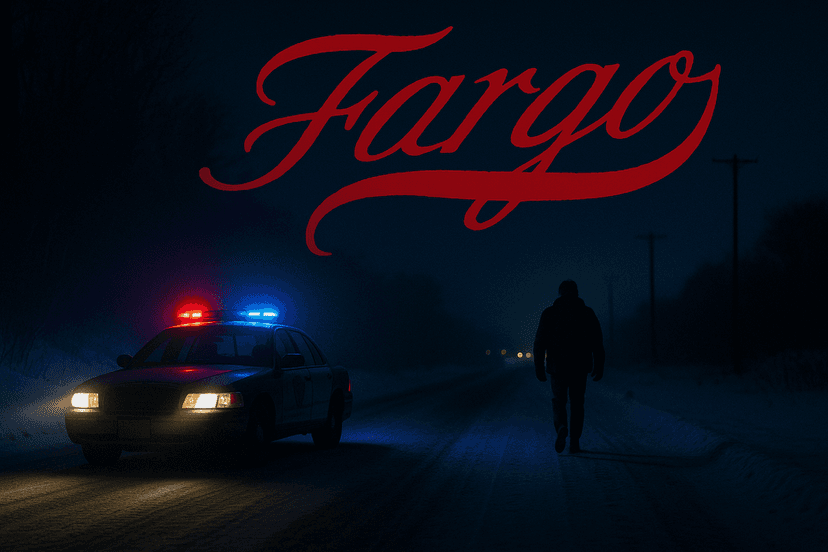
Fargo is Noah Hawley's FX anthology, loosely hung on the bones of the Coen Brothers' 1996 film and then let loose to do its own thing. It premiered in 2014 and has run for five self-contained seasons so far, with a sixth greenlit. Each season throws out the previous cast, picks a new year in the upper Midwest, and tells a brand new "true crime" story about ordinary people who make one bad choice and discover how quickly snow, ice, and Minnesota nice can hide a body.
The genius move was recognising that the Coens' Fargo was never really about Fargo. It was about a moral universe. Decent people doing decent work. Ridiculous people doing terrible work. And flat, frozen country that swallows everything in the end. Hawley took that moral universe and built a TV show on top of it that actually feels like a continuation of the film, not a knock-off. That is harder than it sounds.
If you have never seen the film, the show still works. If you have, half the fun is spotting the callbacks that are not really callbacks.
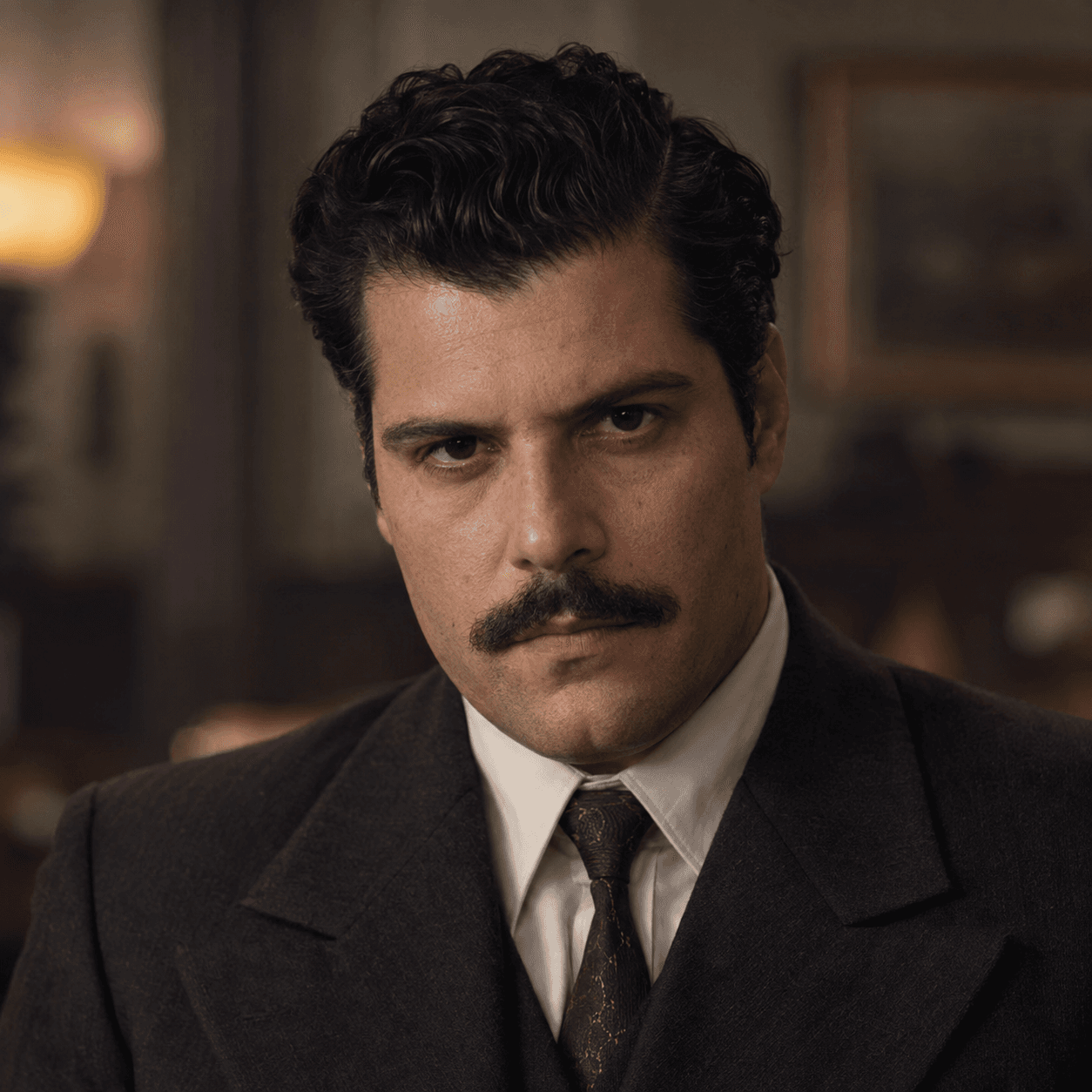
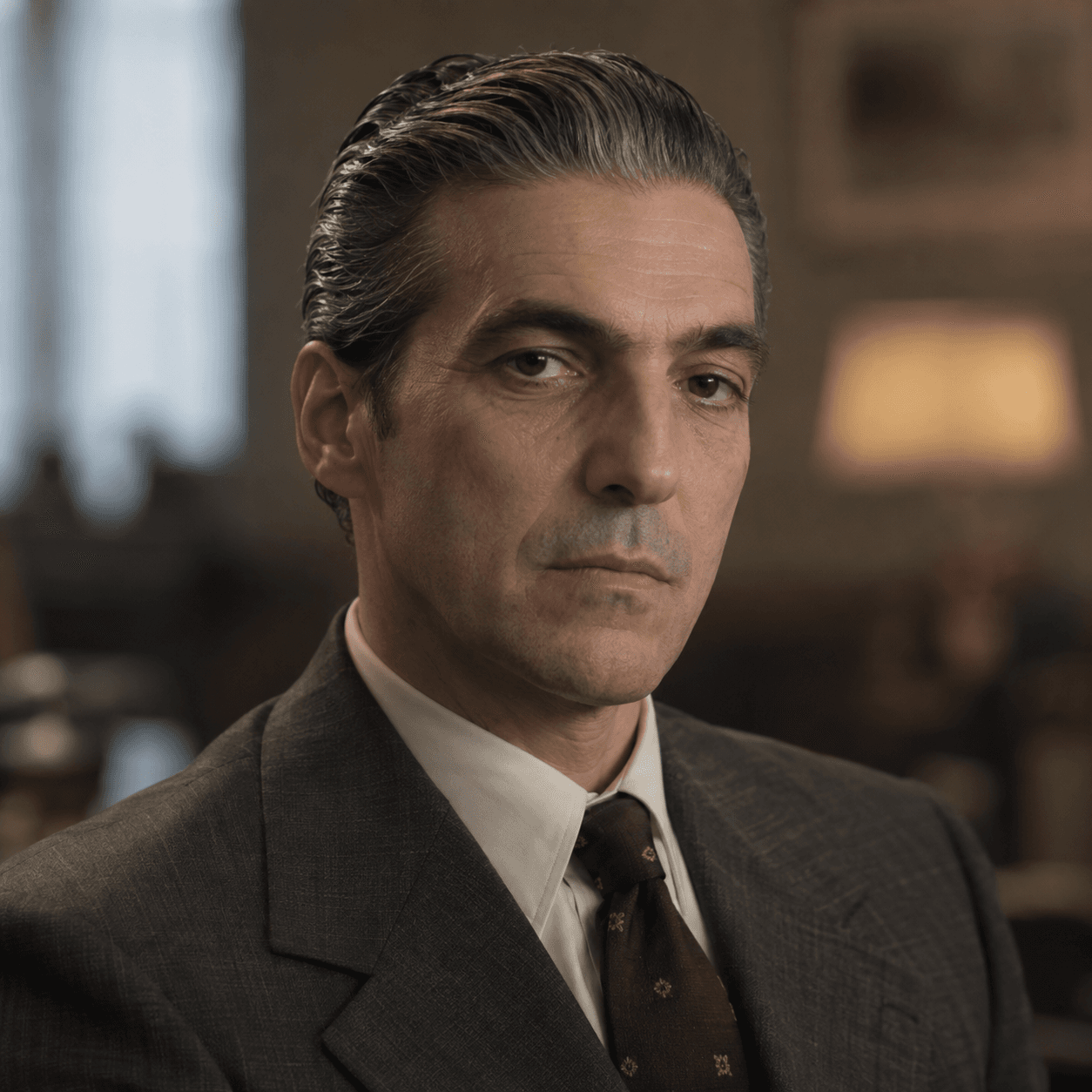
Each year brings a new ensemble. This is what the anthology format buys you, and Fargo spends the money.
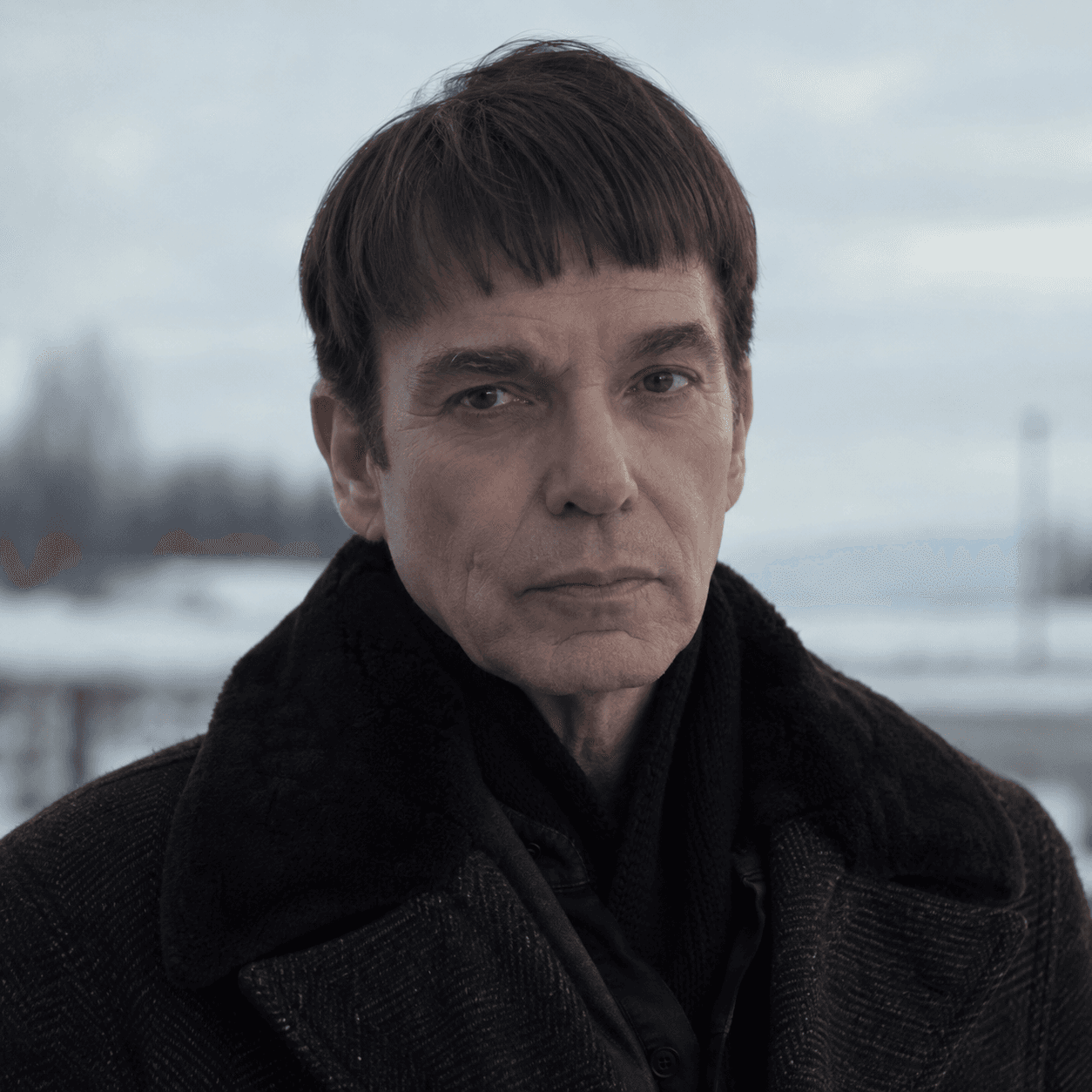
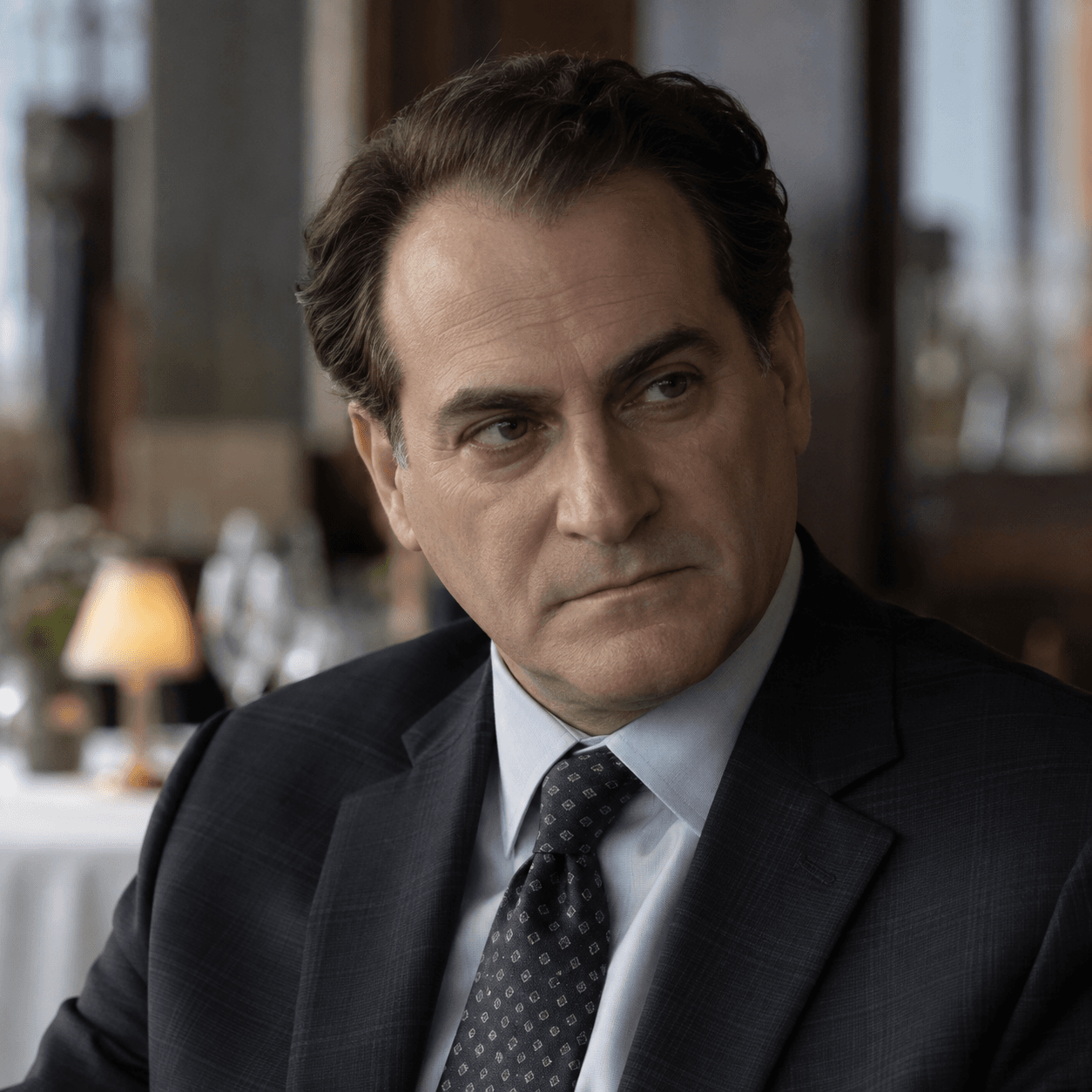
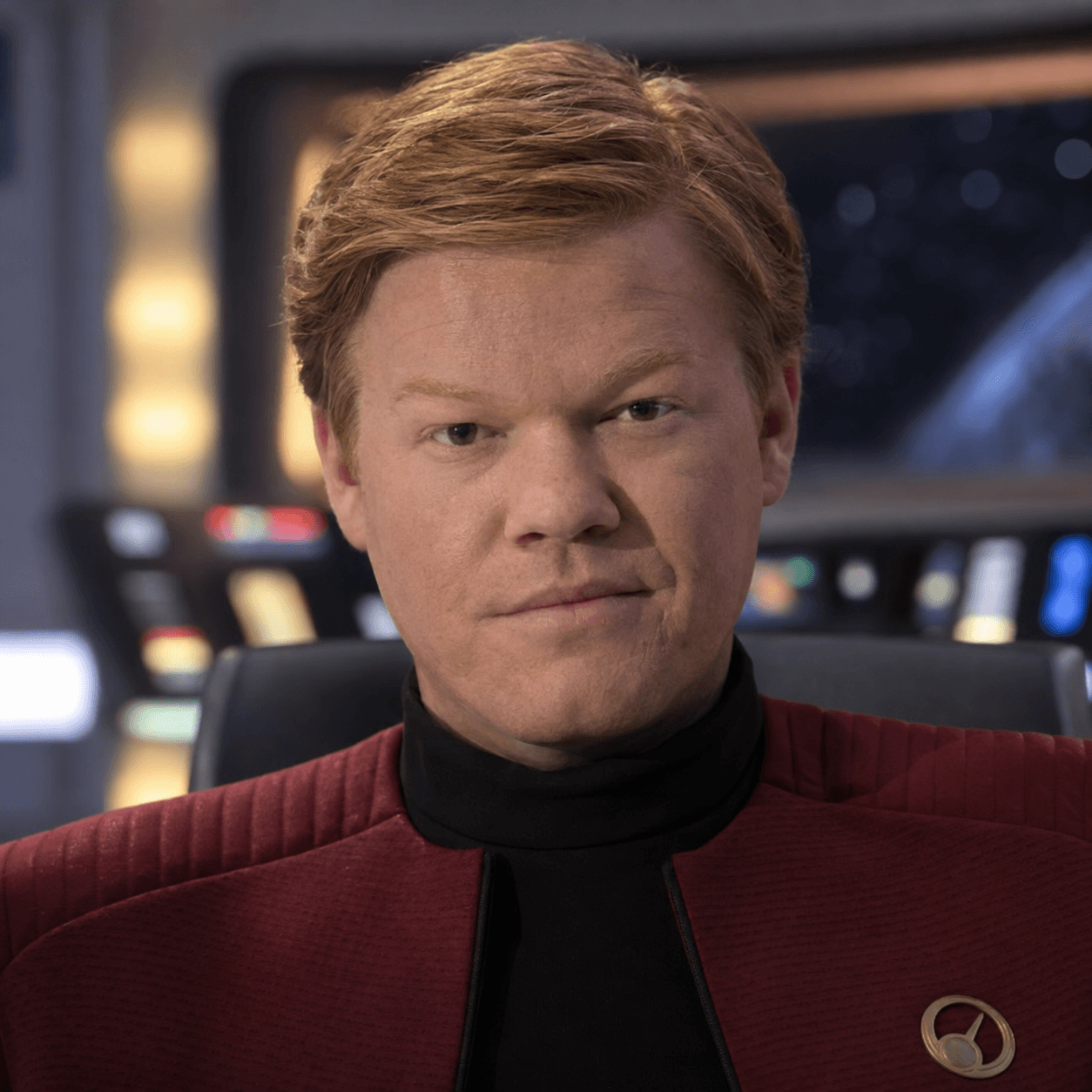
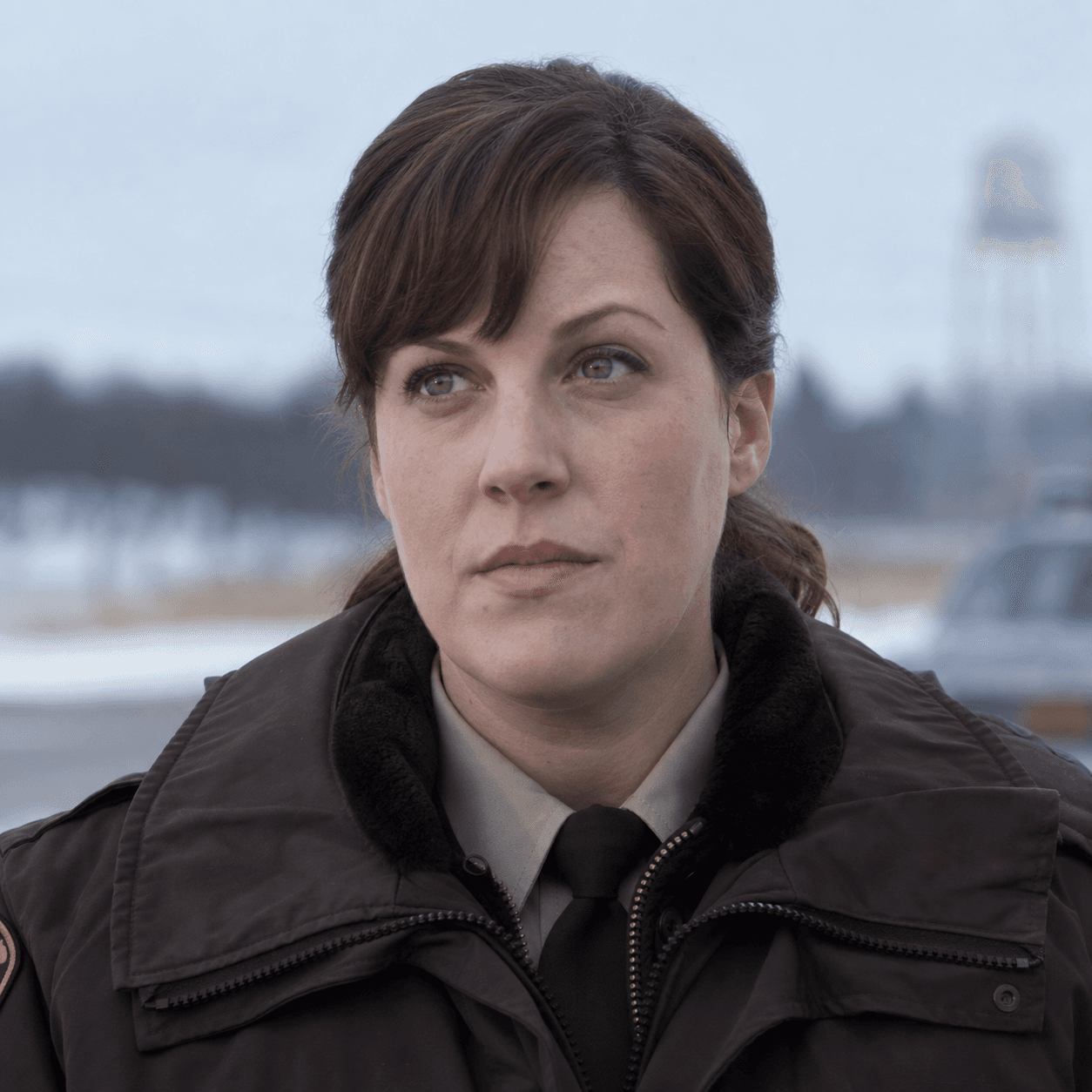
Ten key actors carry most of the weight across those five years, but every season is stuffed with ringers in smaller parts. Hawley attracts theatre actors, indie-film leads, and character actors who rarely get to play leads on network or cable. They all want to work with him. It shows.
Kirsten Dunst
Lead Actor (Season 2)
Juno Temple
Lead Actor (Season 5)
Salvatore Esposito
Actor
Francesco Acquaroli
Actor
Ewan McGregor
Lead Actor (Season 3)
Martin Freeman
Lead Actor
Noah Hawley
Creator/Writer/Producer
Billy Bob Thornton
Lead Actor

Fargo review – a deep dive into FX's darkly comic crime anthology series. Our analysis includes a 5/5 woke rating and whether this series is worth watching.
Read MoreStrip the snow and the accents and the dark humour away and Fargo is a show about decency. About small competent people holding a line against much larger, louder, more violent nonsense, and about whether that line actually holds.
Every season has a decent person at the middle of it. Usually a cop. Often a woman. Sometimes just a person who does not want to do the wrong thing even when it would be easier. Around them the story arranges a procession of ghouls, fools, and true believers. The show's running argument is that competence and kindness are their own kind of heroism, even when the universe is indifferent to both.
It also has the clearest voice on American capitalism of any show since Mad Men. Season 3's V.M. Varga speech about money being a fiction, Season 4's immigrant syndicates trading their firstborns as insurance, Season 5's incel billionaire funding private militias. Hawley keeps finding new angles on the same rot. He is genuinely angry about it. You can feel it in the writing.
Visually, Hawley shoots cold. Wide flat horizons. Snow. Christmas lights glowing in kitchens at 4pm. Diner booths with jukeboxes. Cars with no GPS. The show loves period detail and it never uses it as nostalgia. The past on Fargo is grim and specific. Brown. Beige. Yellowish lamplight.
The dialogue is what hooks you. Minnesota cadence, with its polite "okay then" and "you betcha" and "that's different", is used as a rhythm the ghouls cannot match. When a villain shows up speaking flat corporate English at someone who talks like they are from Bemidji, you know who to root for before either character does anything.
And the music carries it. Jeff Russo has scored every season, building a woodwind and string vocabulary that feels pulled out of a cold Nordic forest. If you have seen True Detective season one and remember how much the score did the heavy lifting, imagine that across 50 hours of television.
Season 1 won the Emmy for Outstanding Limited Series and cemented the show as a peer to the prestige dramas it came in alongside. Season 2 is widely held up as one of the best single seasons of television in the 2010s. Season 3 polarised, in the way most anything with a David Thewlis villain this committed tends to polarise. Season 4 was the most uneven stretch. Season 5 recovered the show's footing and gave Juno Temple the role of her career.
Hawley's ability to keep it running as an anthology is what keeps it healthy. He does not have to protect a continuing character. When a season is over, it is over. The risk is low. The reward is that every year feels like its own small film.
Awards-wise the show has collected four Emmys across its run, a Golden Globe for Ewan McGregor, a Critics' Choice for Juno Temple, and writing nominations for Hawley in every season bar one. Critics tend to argue about which season is best more than they argue about whether the show itself is good. That is a healthy place for a decade-old TV show to be.
I came to Fargo sceptical. Another Coens adaptation. Another cable anthology at a time when the format was already thinning. Ten years on, I rank the first three seasons among the best television I have watched.
The show's secret is that it takes Minnesota Nice seriously as a moral position, not a punchline.
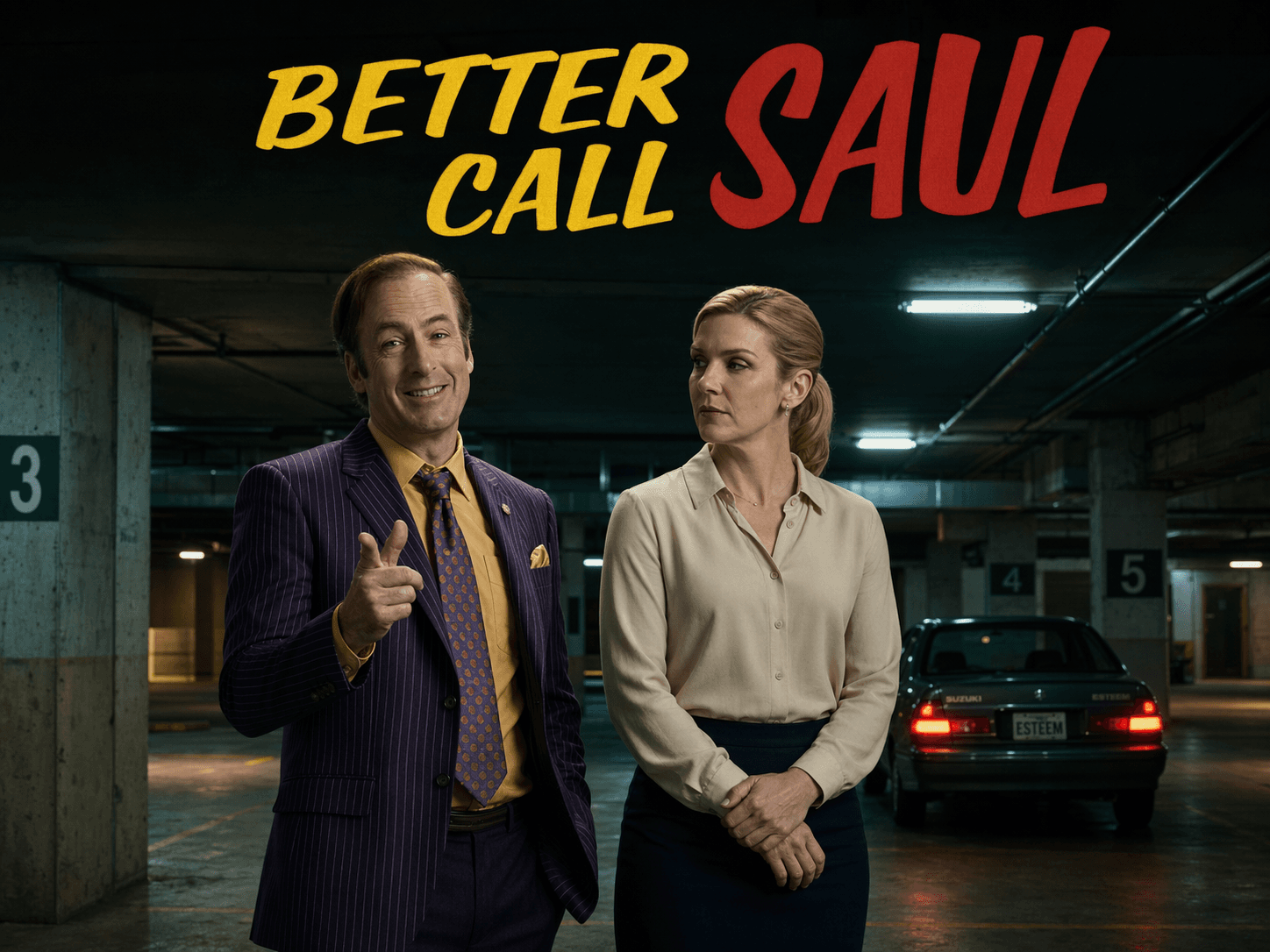
If you liked the long-game criminal craft of Better Call Saul or the rural-noir dread of True Detective, you will find a lot to chew on here. And if you want a show that actually has something to say about money, power, and decency in the American century without wagging a finger at you, this is the one.

Jon Hamm
Lead Actor (Season 5)
Allison Tolman
Lead Actor (Season 1)