2013 - 2018

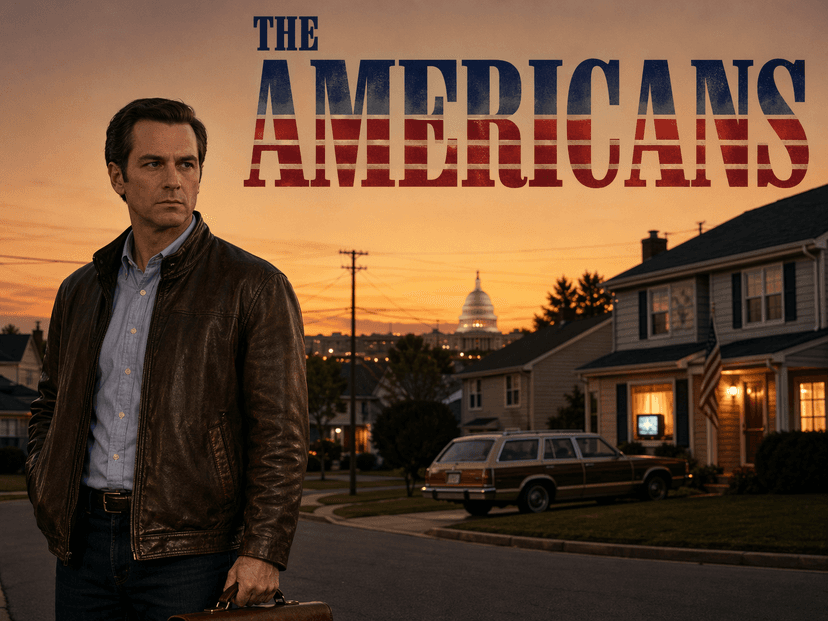
The Americans aired on FX from 2013 to 2018. Six seasons. Seventy-five episodes. A cold, patient, almost unnerving piece of television that did not get the mainstream noise of its prestige-era peers until its run was nearly over.
The setup is this. Philip Jennings and Elizabeth Jennings are travel agents in a leafy Washington DC suburb. They have two kids, Paige and Henry, a split-level house, a station wagon, and a neighbour across the street named Stan Beeman who happens to be an FBI counterintelligence agent. They are also KGB illegals. Directorate S. Soviet deep-cover operatives placed together by Moscow years earlier to pose as an American married couple, raise American children, and carry out wetwork and intelligence operations against the Reagan-era United States.
Creator Joe Weisberg was a CIA officer before he was a showrunner, and you can feel it in every episode. The tradecraft feels right. Dead drops and disguises, improvised violence in parking garages, coded messages passed back to Moscow through embassy Rezidentura channels. It is the kind of show that trusts you to keep up and punishes you quietly if you do not.
Matthew Rhys and Keri Russell carry the whole thing as Philip and Elizabeth. Rhys won the lead drama Emmy in the final season. Russell should have won it three times over and did not, which is one of those weird Academy oversights that happens every decade or so.
The casting is what sells the double life. Rhys plays Philip as a man going soft on the job, a believer who has started to like the cover story a little too much. Elizabeth in Russell's hands is the true believer, steel under the hairstyle, and she is terrifying in a way that sneaks up on you across six seasons.
The ensemble around them does serious work too.
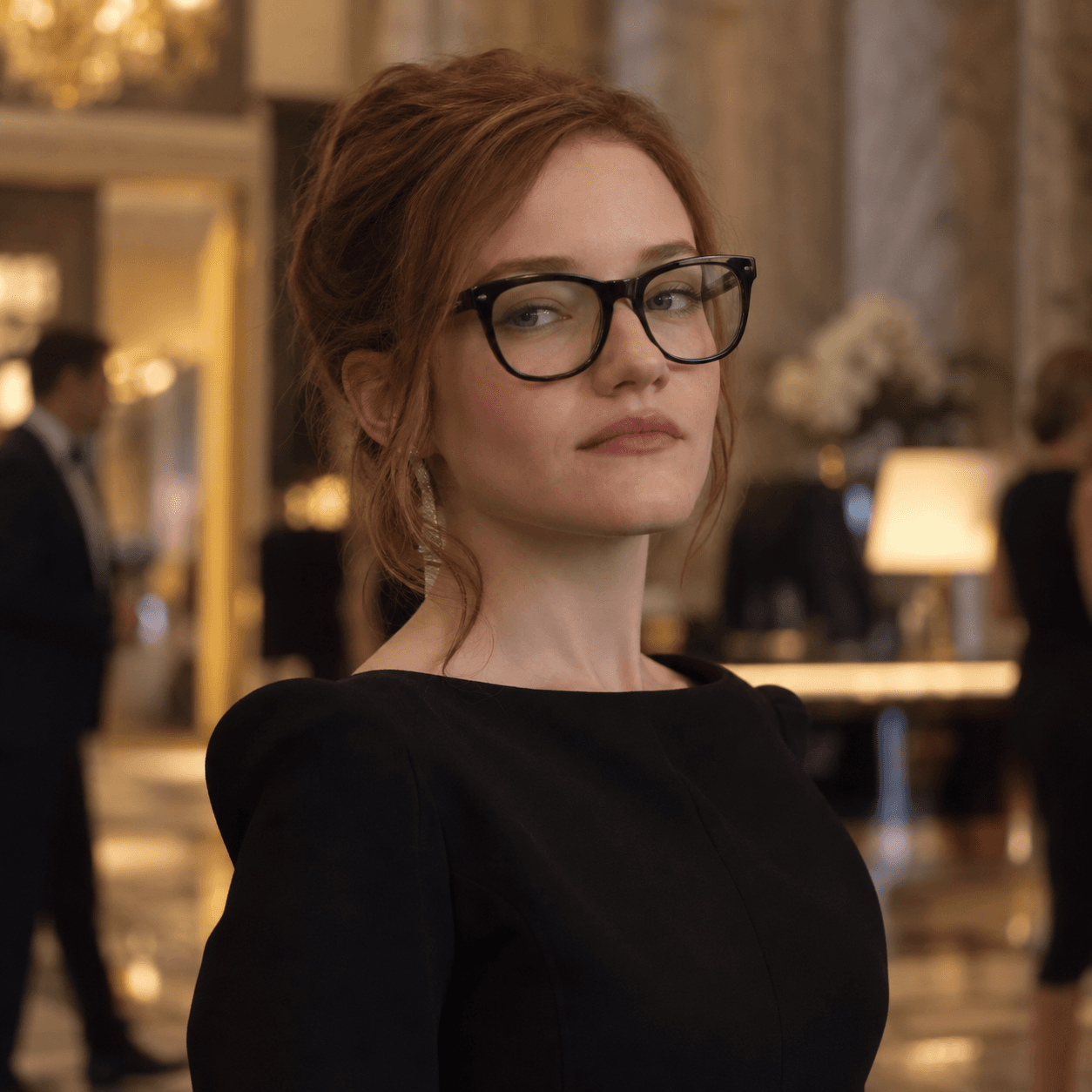
Alison Wright
Martha Hanson
Costa Ronin
Oleg Burov
Frank Langella
Gabriel
Holly Taylor
Paige Jennings
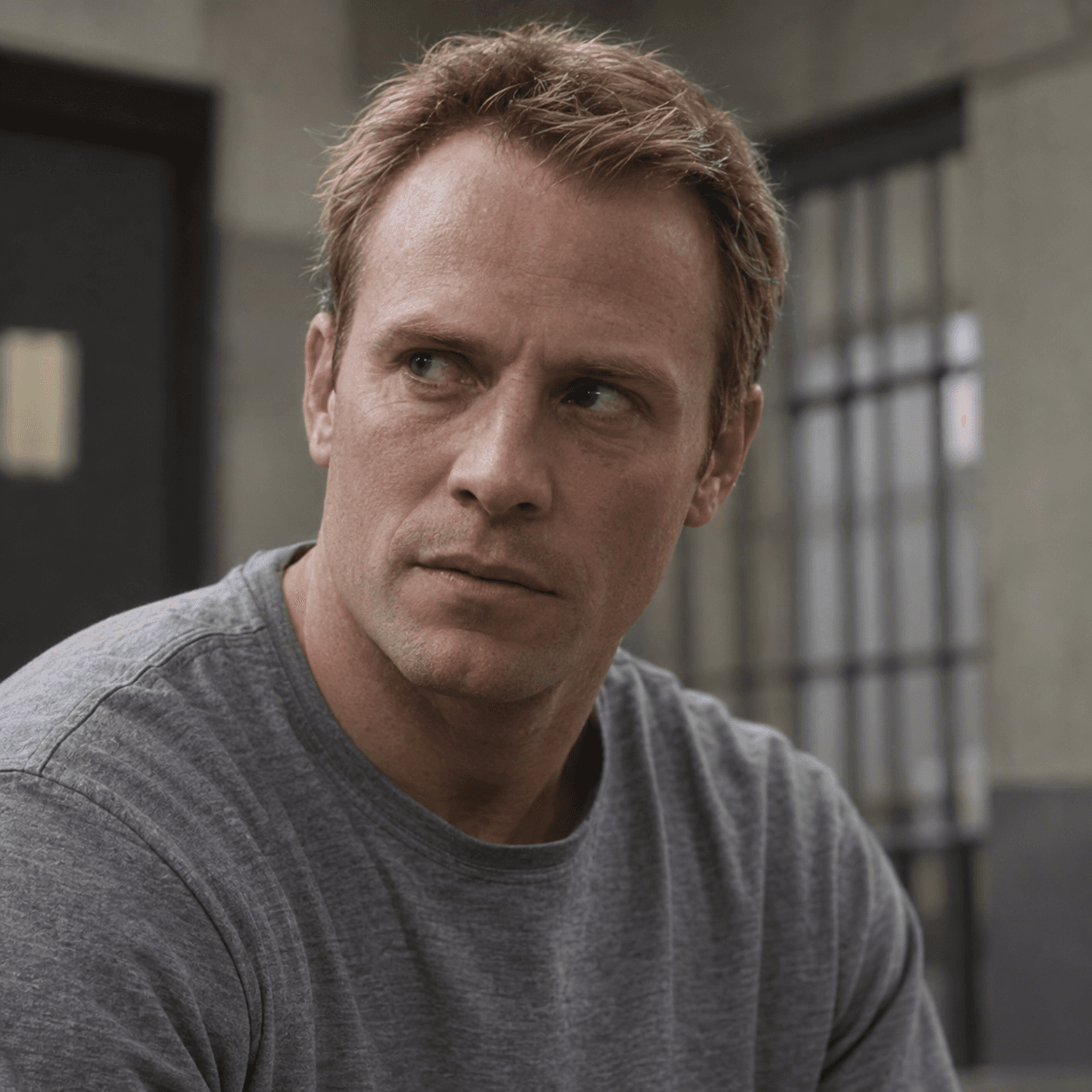
Noah Emmerich
Stan Beeman
Annet Mahendru
Nina Krilova
Richard Thomas
Frank Gaad
Keri Russell
Elizabeth Jennings
Every one of those supporting players is given room to carry episodes, which is a rare thing. The show is an ensemble in the old HBO sense even though it was airing on FX.
On paper, a spy show. In practice, a marriage show.
The espionage is real and well-observed, but the actual engine of The Americans is two people in an arranged marriage pretending to love each other until at some point they might have started actually loving each other and are now trying to figure out which version is real. Philip and Elizabeth disagree about the mission. They disagree about the kids. They disagree about who they are when no one is watching. Weisberg and co-showrunner Joel Fields keep finding new ways to turn that disagreement into drama without ever letting it tip into melodrama.
Underneath the marriage sits a quieter question about assimilation. Philip has started enjoying the country he was sent to undermine. The line readings are working on him. So are the suburban comforts. So are the EST sessions he keeps not-quite-joking about. Elizabeth sees this as weakness. The show refuses to tell you who is right.
The atmosphere is a huge part of why this show lands. The 1980s are rendered with no nostalgia, just fidelity. You get beige carpets and bad haircuts. You get Volvos in driveways. You get Fleetwood Mac on a car stereo and Reagan on a television in the background of an FBI bullpen. The wig work alone could fill a retrospective. Rhys and Russell go through dozens of aliases across the run of the show and the disguises are never a joke, they are part of the tradecraft.
The pacing is the other thing. The Americans is often called the most patient prestige drama ever made and that is about right. A season can spend nine episodes setting up a single operation that pays off in four minutes of almost unwatchable tension. A slow burn with a detonator on the end.
The show was a critical darling from the start and a ratings underdog for most of its run. It took until the final season for the Emmys to catch up, when it finally won Outstanding Drama Series and handed Rhys a lead actor trophy. By then anyone who was paying attention had already worked out that it was one of the best dramas of its era, quietly sharing a table with Mad Men, Breaking Bad, and The Sopranos.
Its afterlife has been strong. You can see its DNA in anything that tries to sit inside a long marriage as a spy story, from The Night Manager through A Spy Among Friends and into Slow Horses. Homeland covers similar ground from the other side of the table. Chernobyl is the closest comparator for how seriously it takes Soviet interiority. The Spy sits right next to it in the illegals-and-tradecraft lane.
A spy show that turns out to be a marriage show, and the best marriage show turns out to be a spy show. Nobody clocked it until it was almost finished.
I came to The Americans late, years after it had finished, and the thing I was not expecting was how much of it is about parenting. The espionage is the logline. The marriage is the engine. The kids are the actual stakes. Paige and Henry are what Philip and Elizabeth cannot discuss honestly without blowing the cover, and Weisberg and Fields build the entire run of the show around that unspeakability.
What you get is a drama where every conversation has a second meaning, every car ride has a fourth wall, and every domestic scene is weighted with something the characters cannot say out loud. My wife tapped out around episode four of season one because the tension was stressing her out, which I consider a rave review. It is bloody good television. The kind you finish and then rewatch the pilot on a Sunday afternoon just to see how much was already there at the start.
Keidrich Sellati
Henry Jennings
Margo Martindale
Claudia
Matthew Rhys
Philip Jennings