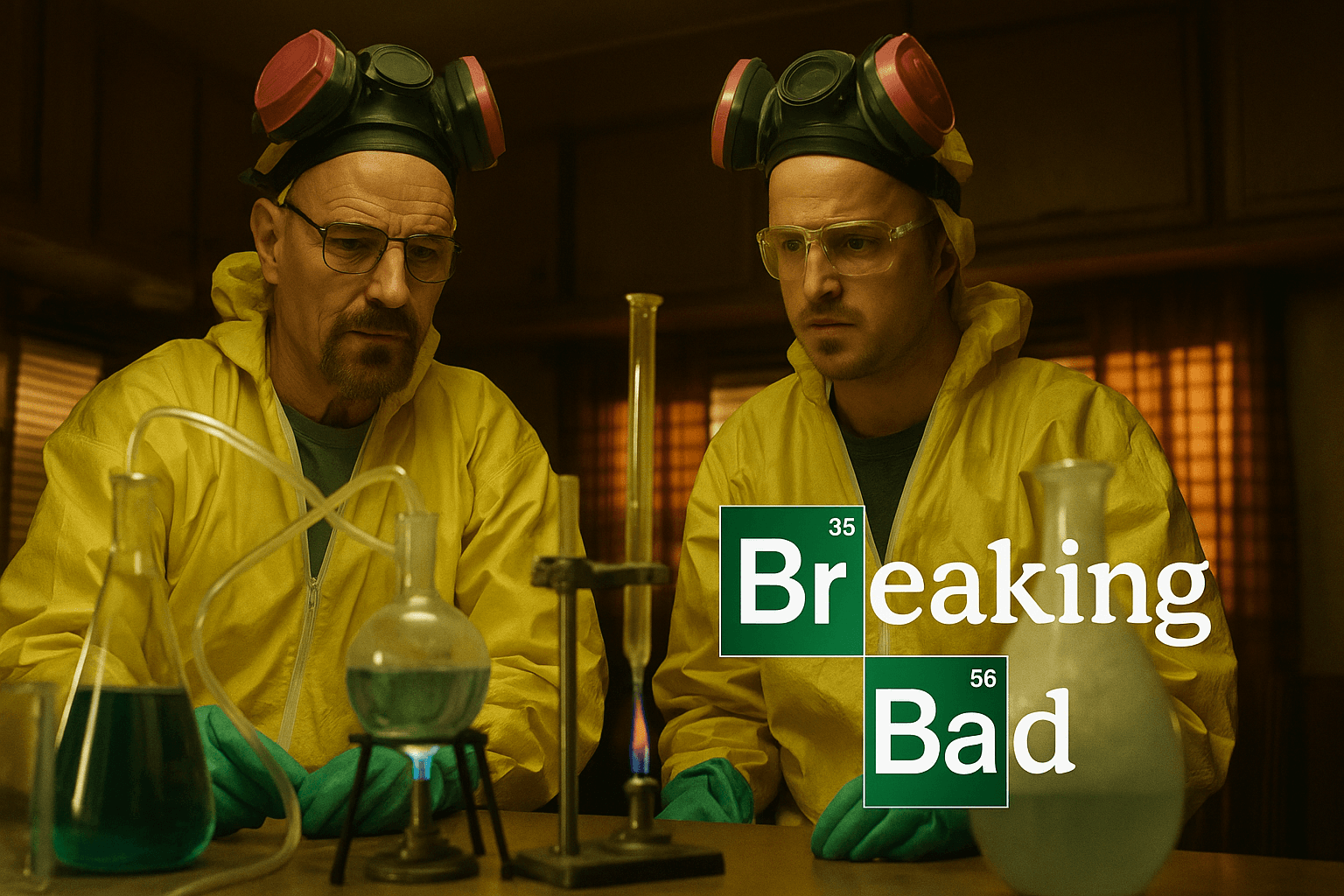
2008 - 2013

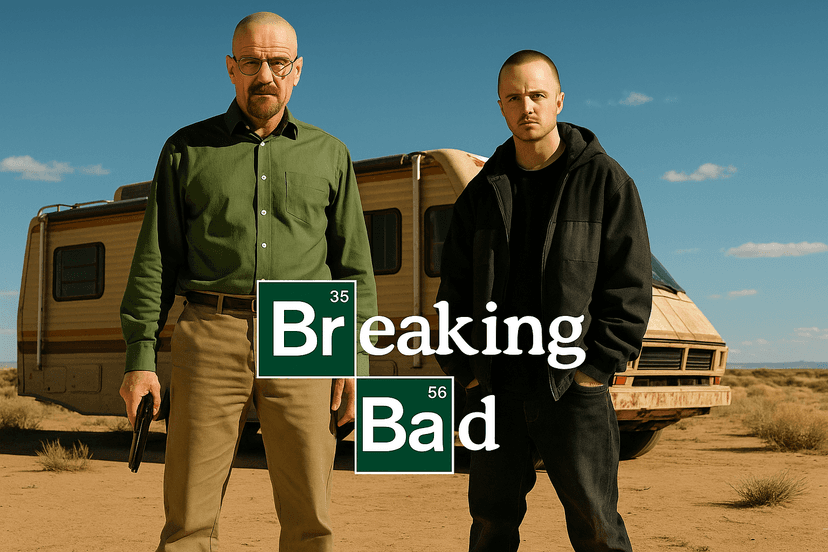
Breaking Bad aired on AMC from 2008 to 2013. Five seasons. Sixty-two episodes. Created by Vince Gilligan, a X-Files alumnus who pitched the show with a one-line premise that nobody in Hollywood wanted to hear: take Mr Chips and turn him into Scarface. AMC bit. Everyone else lost out.
The pilot finds Walter White turning fifty. He is a high school chemistry teacher in Albuquerque with a second job at a car wash, a pregnant wife, a teenage son with cerebral palsy, and a lung cancer diagnosis that arrives before the first commercial break. His response, eventually, is to partner with a former student, Jesse Pinkman, and cook methamphetamine. The rationalisation is that he needs money for his family before the cancer takes him. Whether that is ever the real reason is one of the series' long arguments with itself.
Gilligan has described the guiding question of the show as "what happens when a good man decides to be bad." He meant it literally. Most antihero dramas start with a protagonist already compromised. Breaking Bad starts with a man who is not, then spends sixty-two episodes asking how much of the change was always latent and how much he chose.
Bryan Cranston was known mainly for Malcolm in the Middle when he took the role. He won four Primetime Emmys for Outstanding Lead Actor in a Drama Series, three of them consecutively, and a fourth for the final season. The arc he pulls off, the slow hardening of a meek man into someone you barely recognise, is the show's central magic trick.
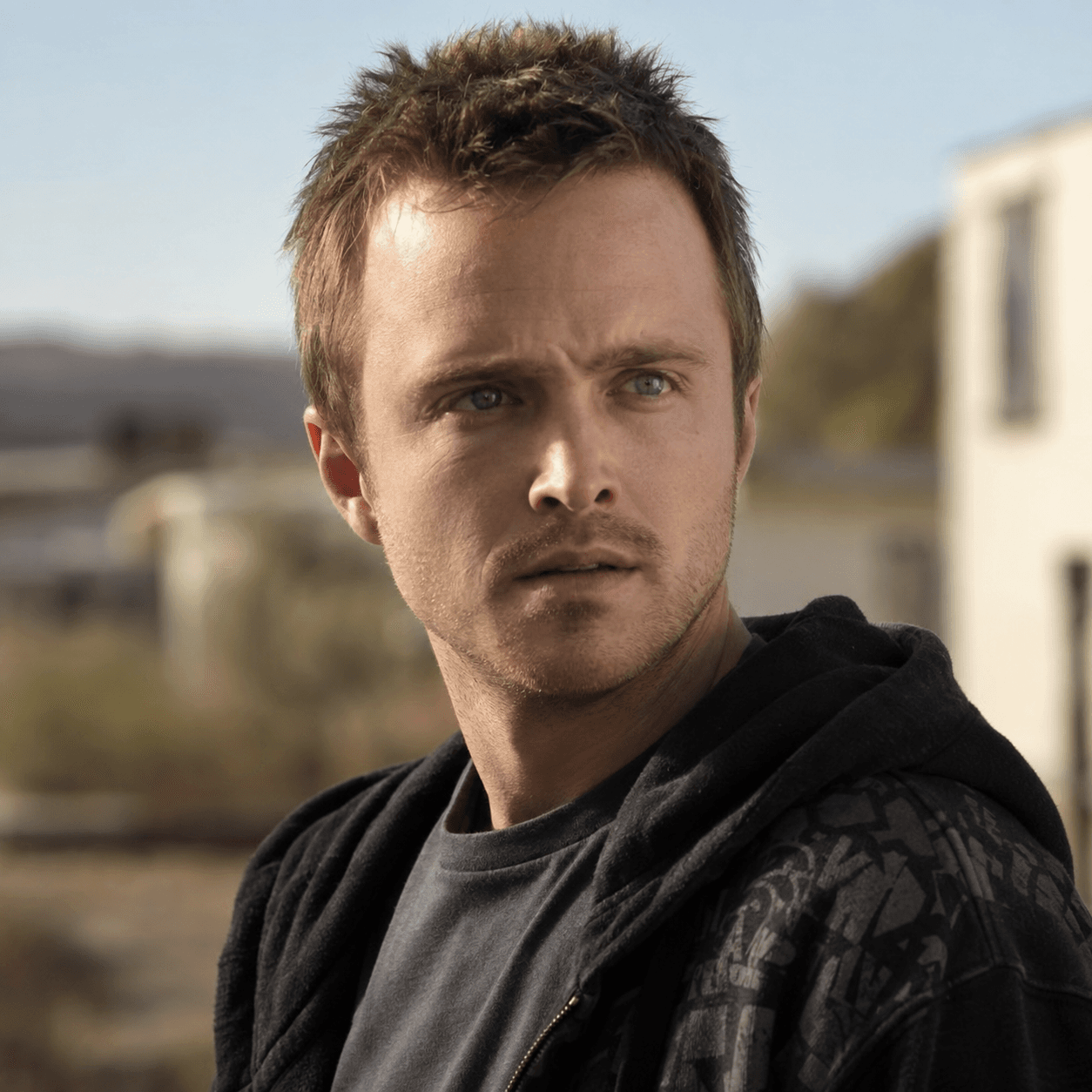
Aaron Paul plays Jesse Pinkman, the strung-out former student who becomes Walter's partner and, at various points, his conscience. Paul won three Emmys for the role. The chemistry between Cranston and Paul, mentor and wayward apprentice, flipping between contempt and genuine affection, is the relationship the whole series is built around.
Around them:
Vince Gilligan
Creator/Writer/Producer
RJ Mitte
Walter "Flynn" White Jr.
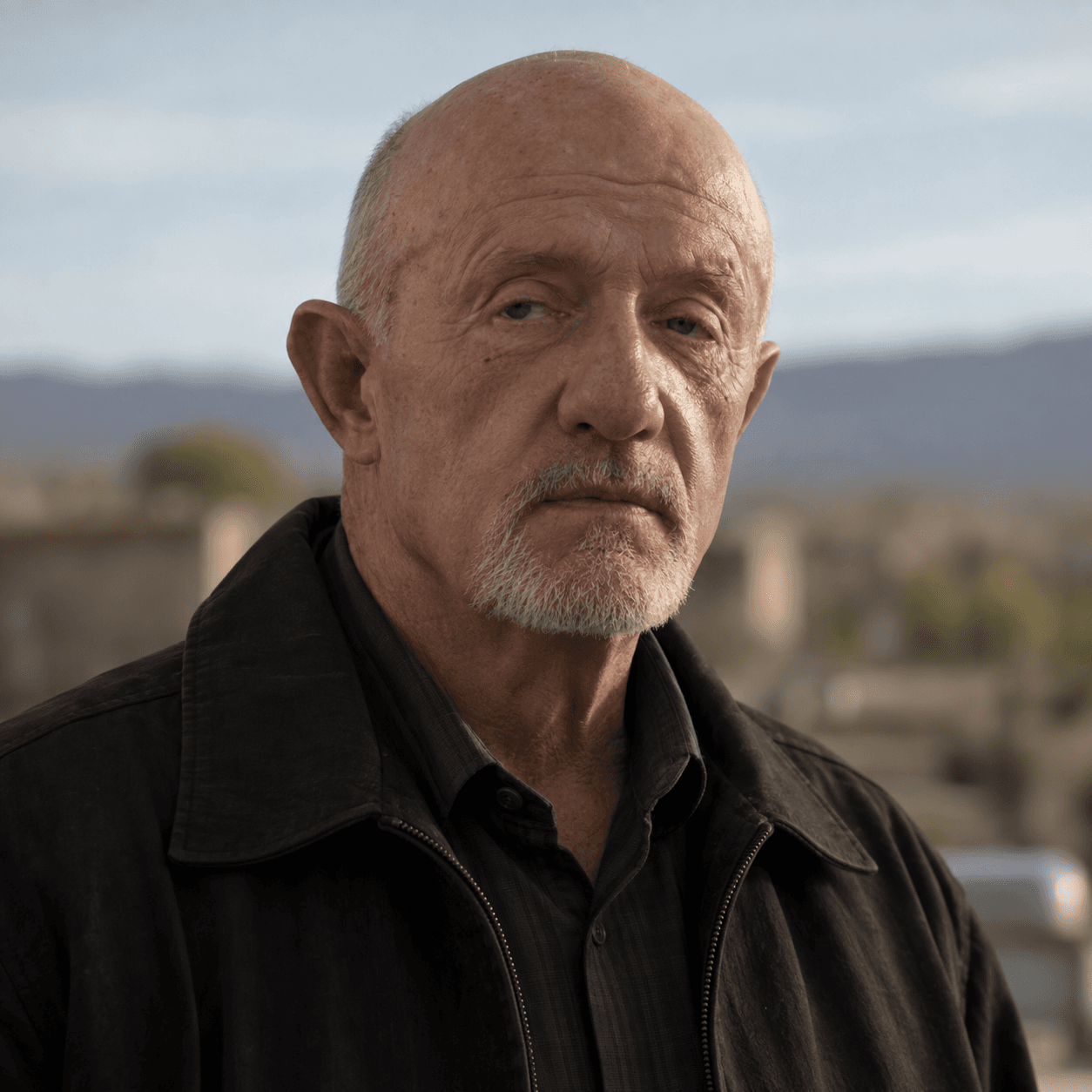
Jonathan Banks
Mike Ehrmantraut
Mark Margolis
Hector "Tio" Salamanca
Aaron Paul
Lead Actor
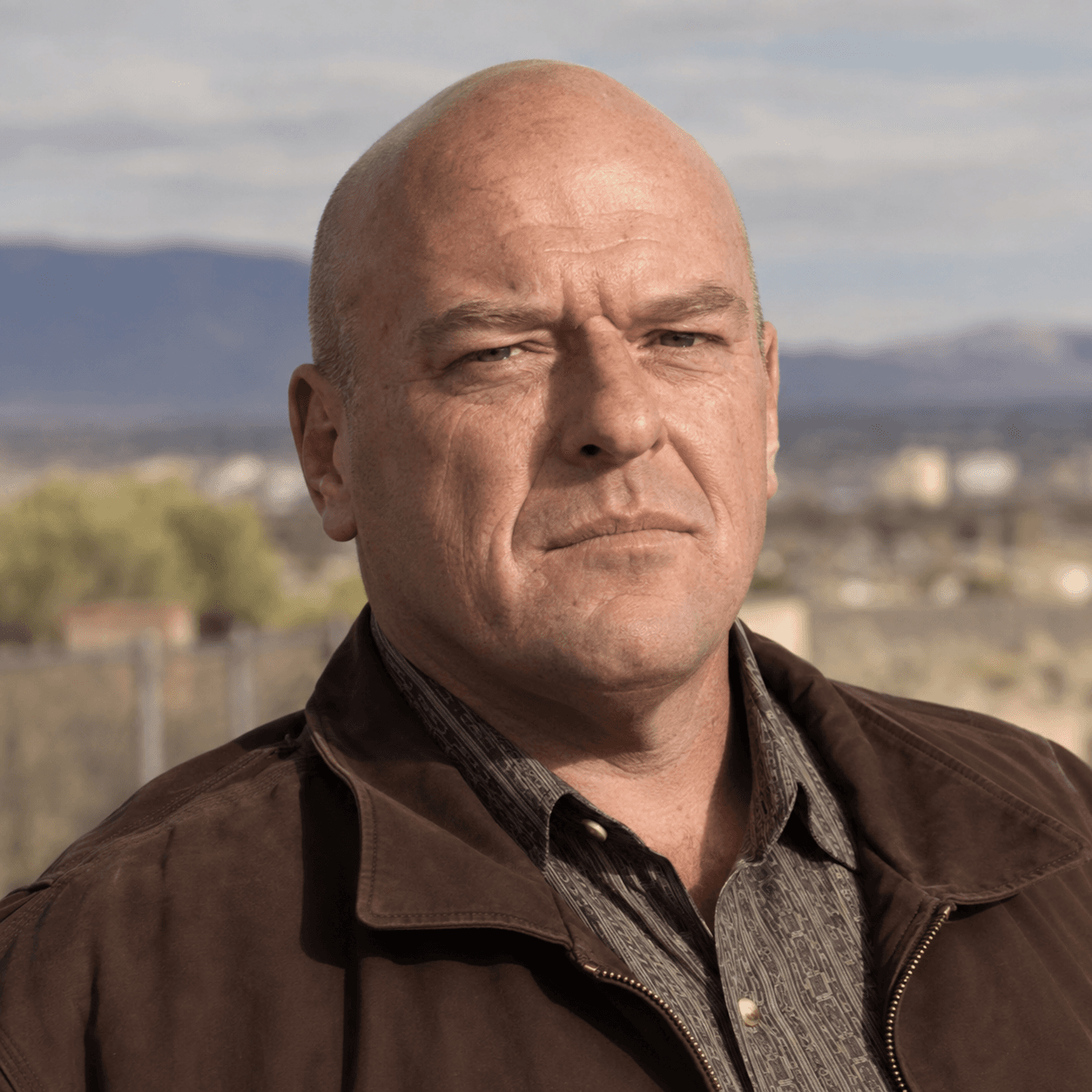
Dean Norris
Hank Schrader
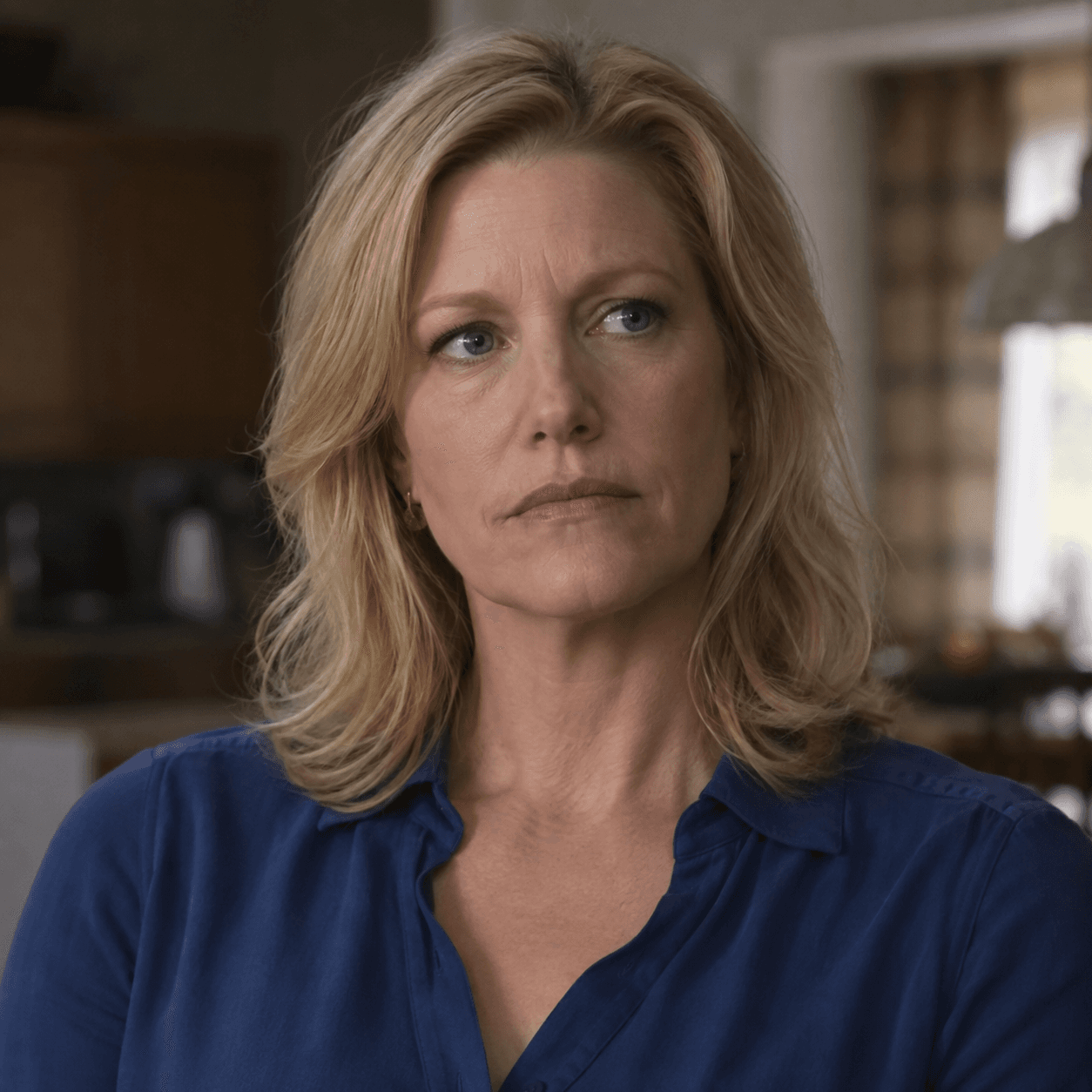
Anna Gunn
Skyler White
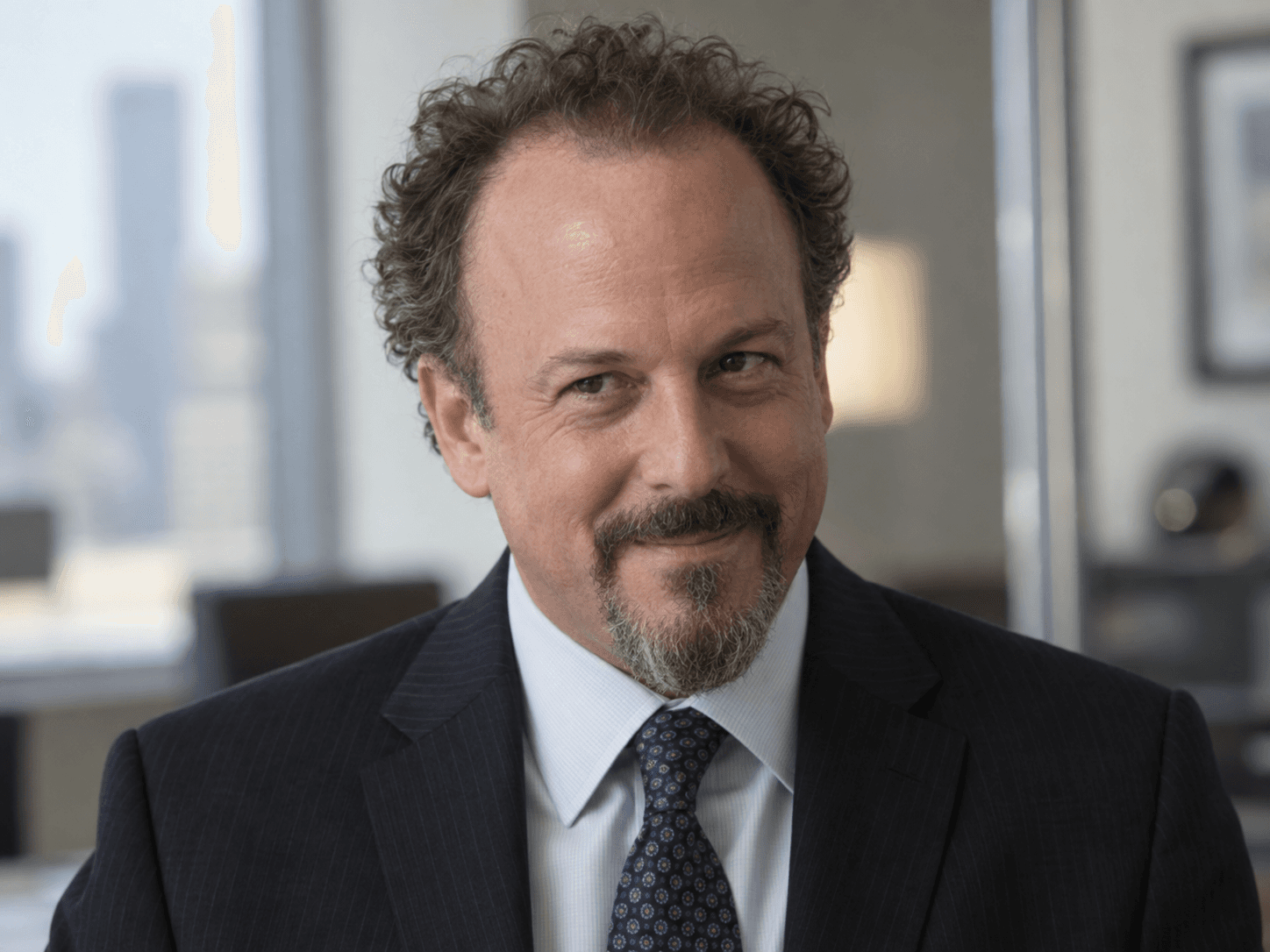
Giancarlo Esposito
Supporting Actor

Breaking Bad review – 5/5 Woke Rating. Analyzing how its storytelling, characters, and cultural impact make this iconic crime drama a must-watch.
Read MoreIf you ask ten fans what Breaking Bad is about, you get ten answers. That is a feature, not a flaw.
It is, surface level, a crime story about a chemistry teacher cooking meth. One layer down, it is a study of American masculine crisis. Walter is a man who believes he has been cheated out of the life he deserves. The cancer does not make him do anything. It gives him permission to do what he has wanted to do for years. Every lie he tells Skyler, every act of violence he justifies, every time he refuses to stop when stopping was offered, is a choice presented plainly.
The show is also about Jesse, in ways the marketing never really captured. Jesse is the emotional engine. He is the character who feels what is happening to them both, who breaks when a decent person breaks, who asks the questions Walter refuses to answer. If Walter is the thesis, Jesse is the counter-argument.
And then there is the money. The show thinks hard about money, about what people will do for it, about how much is enough, about the lies people tell themselves when the amount stops making sense. There is a scene in a later season involving a storage unit full of cash that doubles as a visual argument against the protagonist's self-justifications that the genre has rarely matched.
The Albuquerque setting was a budget decision that became an aesthetic signature. The high desert, the endless sky, the yellow light on adobe walls, the lab buried under the laundromat, the chemistry itself rendered as ritual. Director of photography Michael Slovis and the rotating directors (Gilligan himself, Michelle MacLaren, Rian Johnson before Star Wars) built a visual grammar around symmetry, overhead shots of reactions bubbling in glass, and faces held too long.
The colour-coded wardrobe became a minor industry among fans. Skyler in blue, Marie in purple, Walter drifting toward darker and darker tones. It is the kind of design discipline that rewards a rewatch.
And the sound. The show is one of the most confident users of silence on television. Whole scenes play out with nothing but a fridge hum and a slow pan. When the music does come, from Dave Porter's score to the soul cuts dropped into montage, it hits harder because the space around it has been kept clean.
Sixteen Primetime Emmys, including Outstanding Drama Series twice in a row. The Guinness World Record for highest-rated TV show of all time, as measured by Metacritic, at one point. A final season discussed in the same breath as the endings of The Sopranos and The Wire.
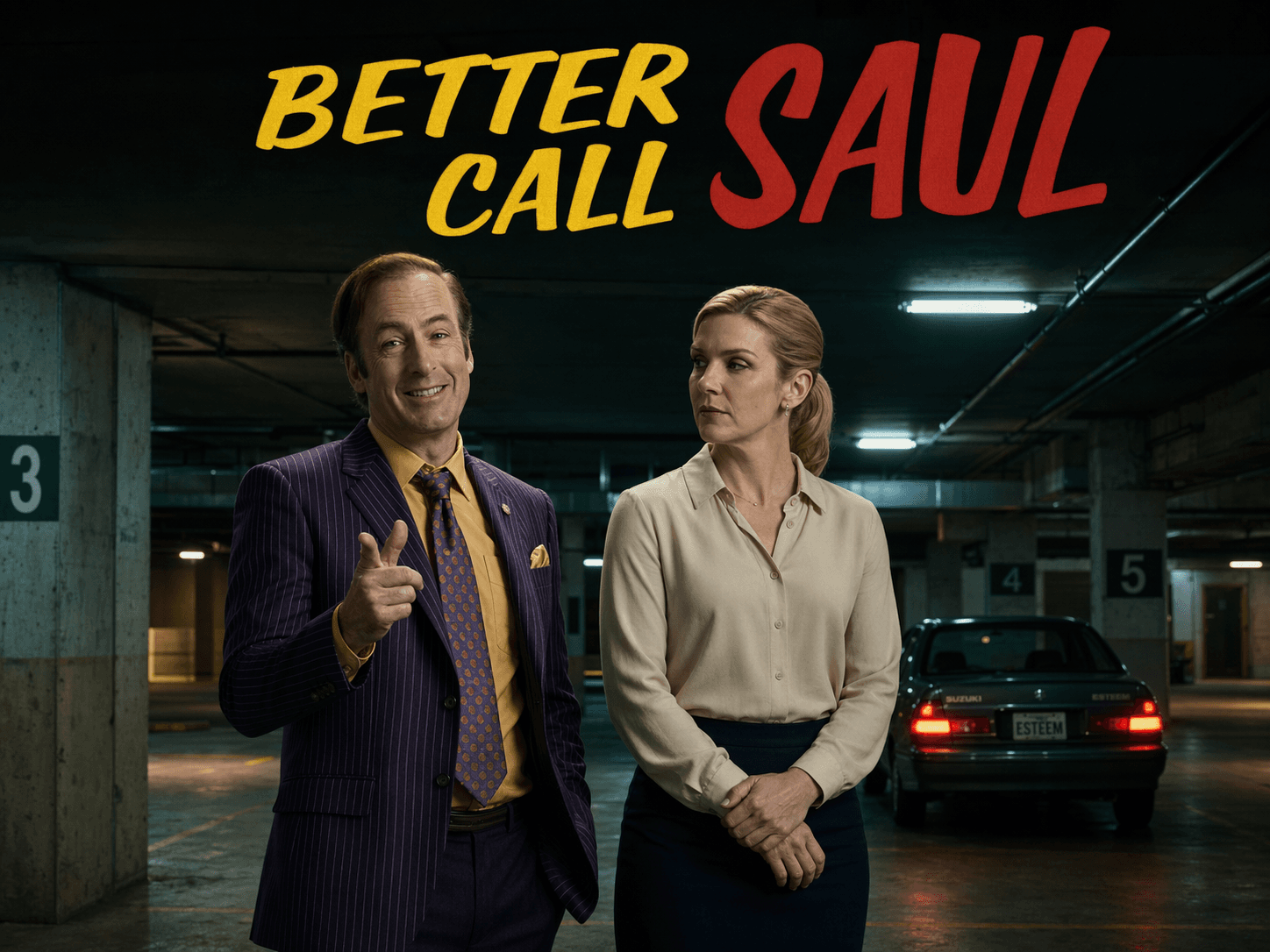
The show spawned a full prequel in Better Call Saul, which ran six seasons and arguably matched it for craft. It also produced El Camino, a feature-length coda released on Netflix in 2019. Few TV universes have been allowed to expand and still land every beat.
Its influence is everywhere now. The antihero decade that The Sopranos opened, Breaking Bad's careful, patient approach to moral decline closed. Shows like Ozark and Better Call Saul inherit its DNA directly. You can trace a line from Walter White through a dozen cable and streaming protagonists who would not exist without him.
Plenty of prestige dramas of the 2000s and 2010s are about bad men. What sets this one apart is patience. Gilligan and his writers do not rush the turn. They do not let Walter off the hook with a tidy trauma flashback. They give him choice after choice and let you watch him pick the wrong one, in full daylight, for reasons he explains to himself out loud.
A good cable drama is one you remember. Breaking Bad is one you argue about for years afterwards.
I came to the show late, binged five seasons inside a month, and still think about the third season finale regularly. It does not look like any other crime drama. It does not sound like one. And it does not flinch. If you want to understand why prestige TV mattered, this is the show I would hand you first.
Bob Odenkirk
Supporting Actor
Betsy Brandt
Marie Schrader
Bryan Cranston
Lead Actor