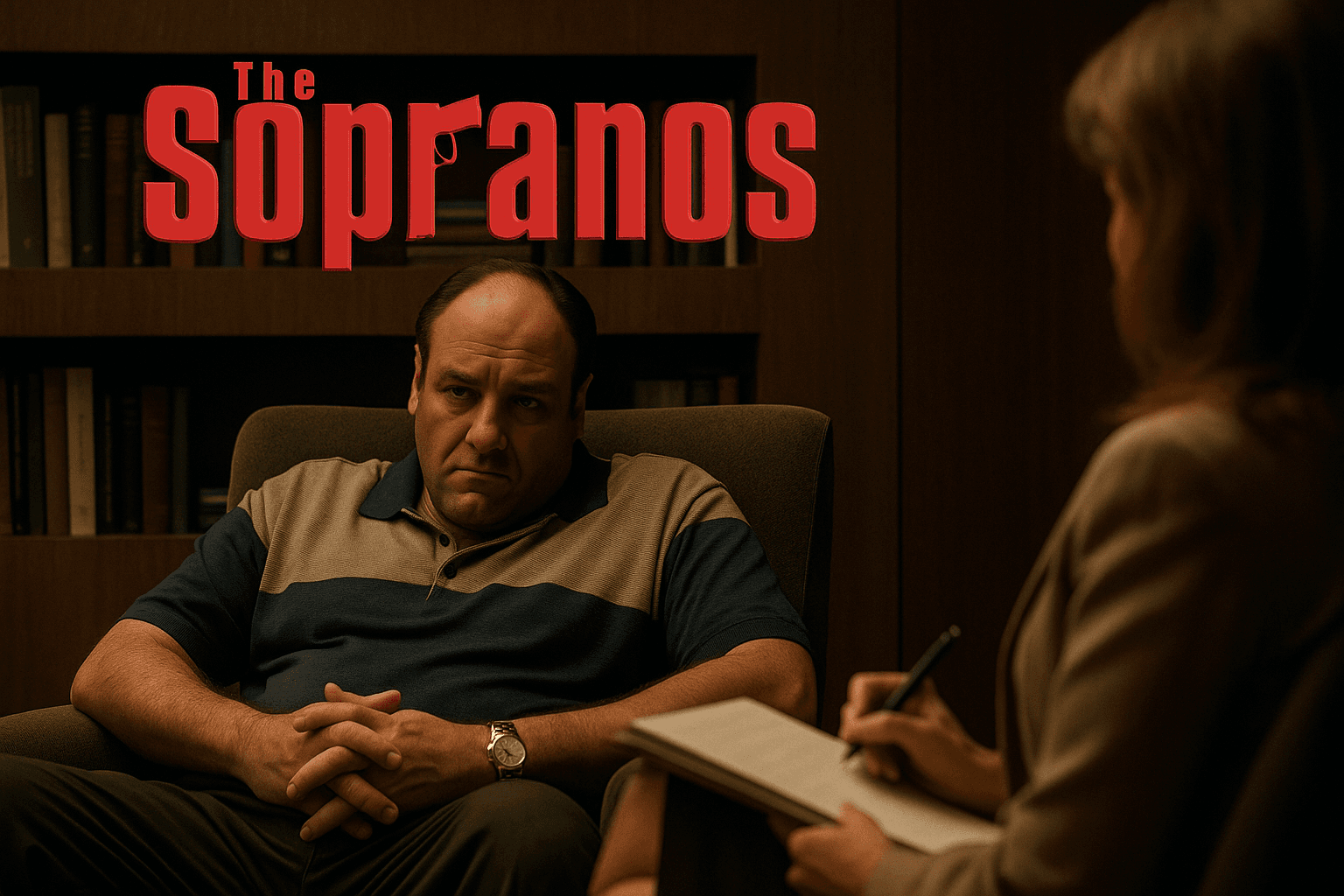
1999 - 2007

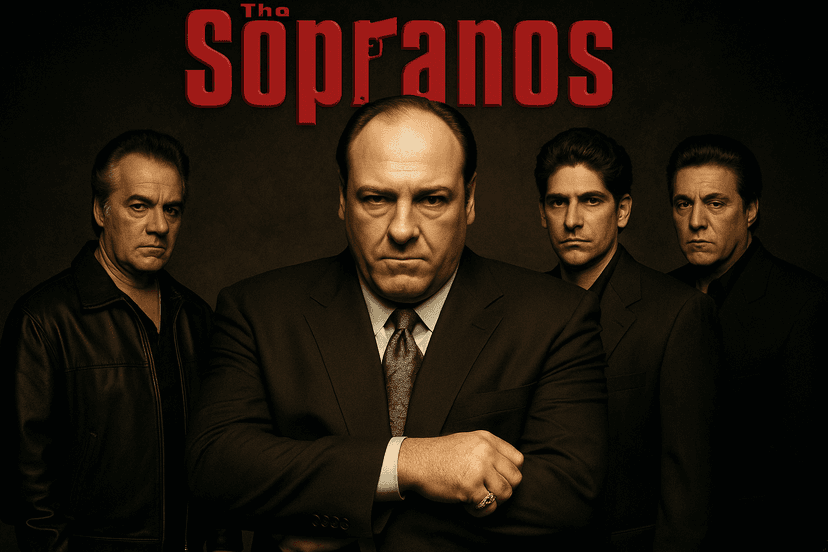
The Sopranos ran on HBO for six seasons and 86 episodes between 1999 and 2007, and it is the show that invented the television we now take for granted. David Chase's creation about a New Jersey mob boss in therapy drew the blueprint every prestige drama since has worked from.
The premise is the hook of the century. Tony Soprano, capo in the DiMeo crime family, starts having panic attacks in his backyard while watching a family of ducks take off from his pool. His doctor sends him to a psychiatrist. So begins a startling storytelling decision: a mob boss who spends an hour a week on a leather couch telling an Italian-American woman his age about his mother, his marriage, his crew, and the dreams that wake him up at 3am.
Tony runs his operation out of the back of Satriale's Pork Store and holds court in a booth at the Bada Bing. He eats too much gabagool. He loves his kids and cheats on his wife. He pays for Meadow's college and mentors his nephew Christopher and sits across from Dr. Melfi week after week trying to figure out why he is the way he is. None of it is glamorised. That is the point.
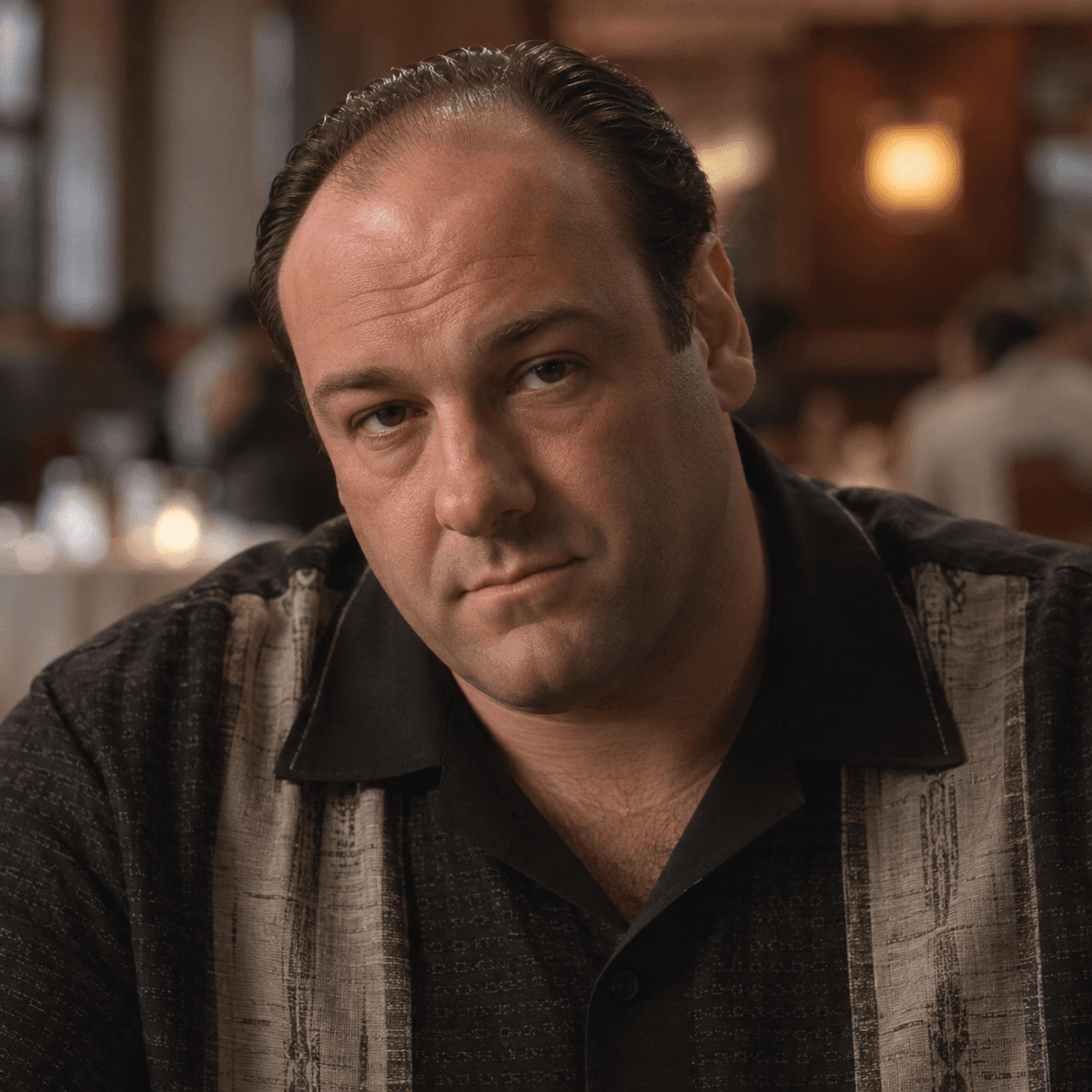
The casting is one of those rare alignments where nearly every role finds the exact right actor. James Gandolfini as Tony is a performance I still reach for when people argue about the best ever done on television. He is funny and terrifying inside the same sentence. A 260-pound man carrying grief and rage and a weird tenderness in the same glance.
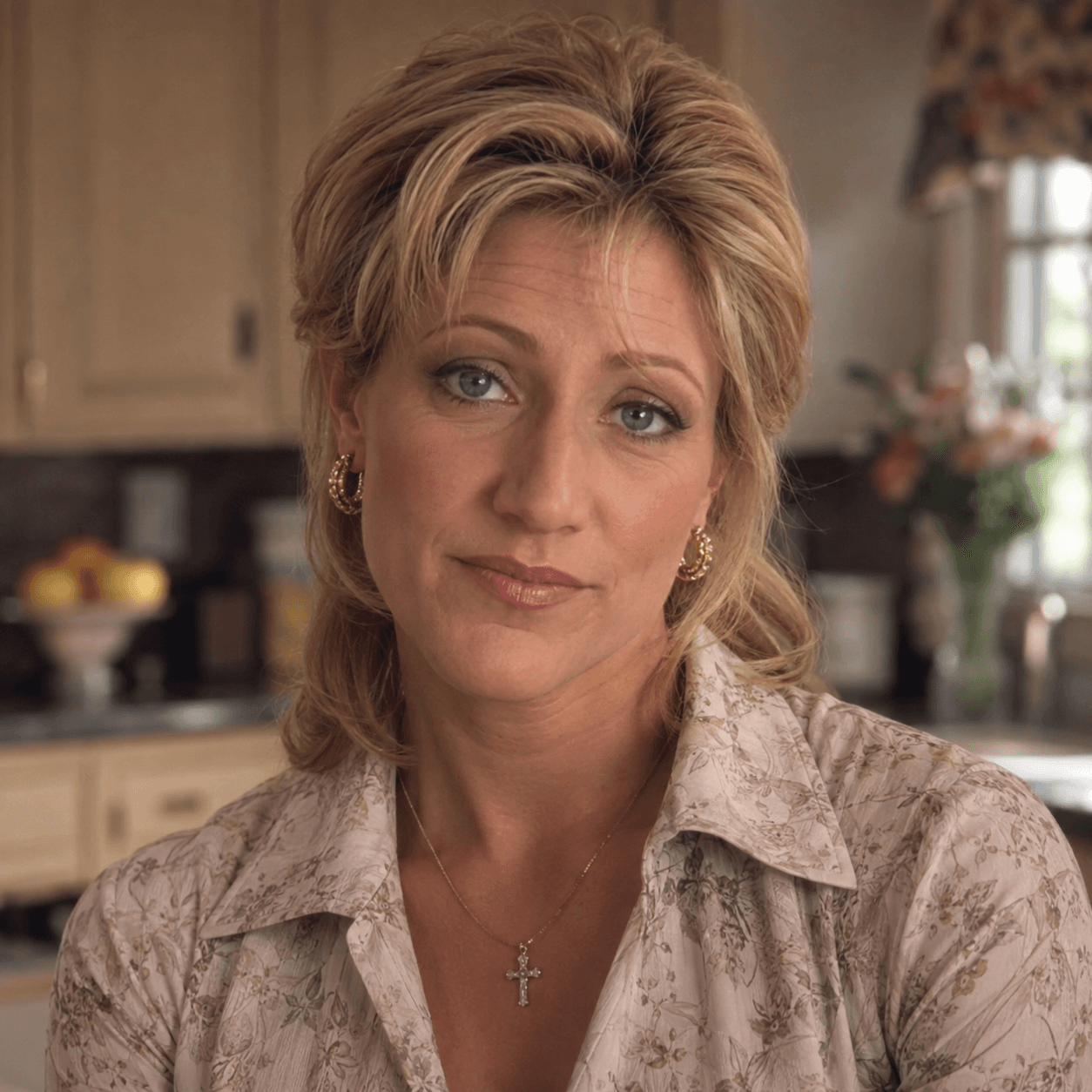
Edie Falco as Carmela is where the show does its quietest, best work. Carmela knows exactly what her husband does and what it pays for. Falco plays that knowledge as a slow internal weather system, never a speech. She won three Lead Actress Emmys for the role and every one of them was deserved.
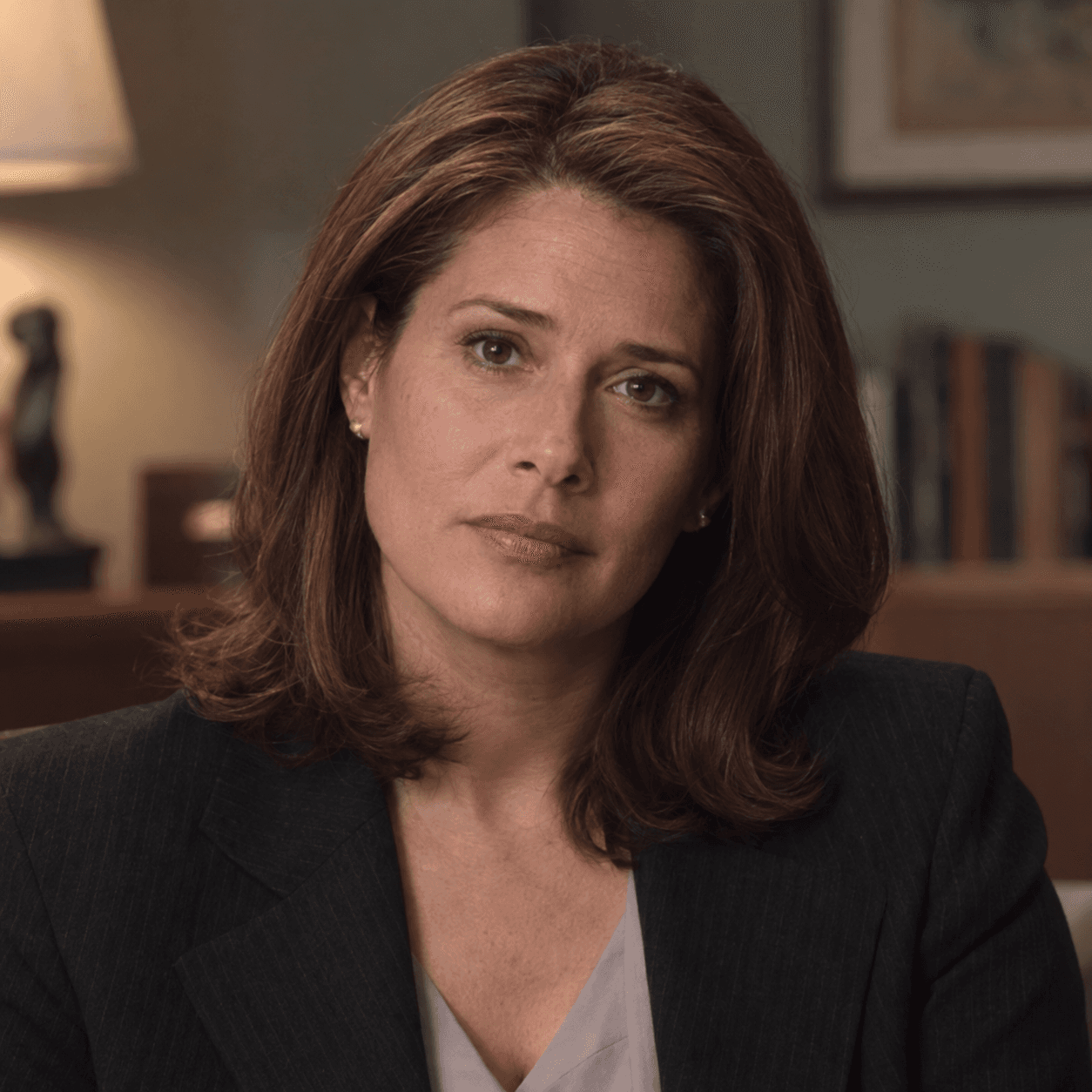
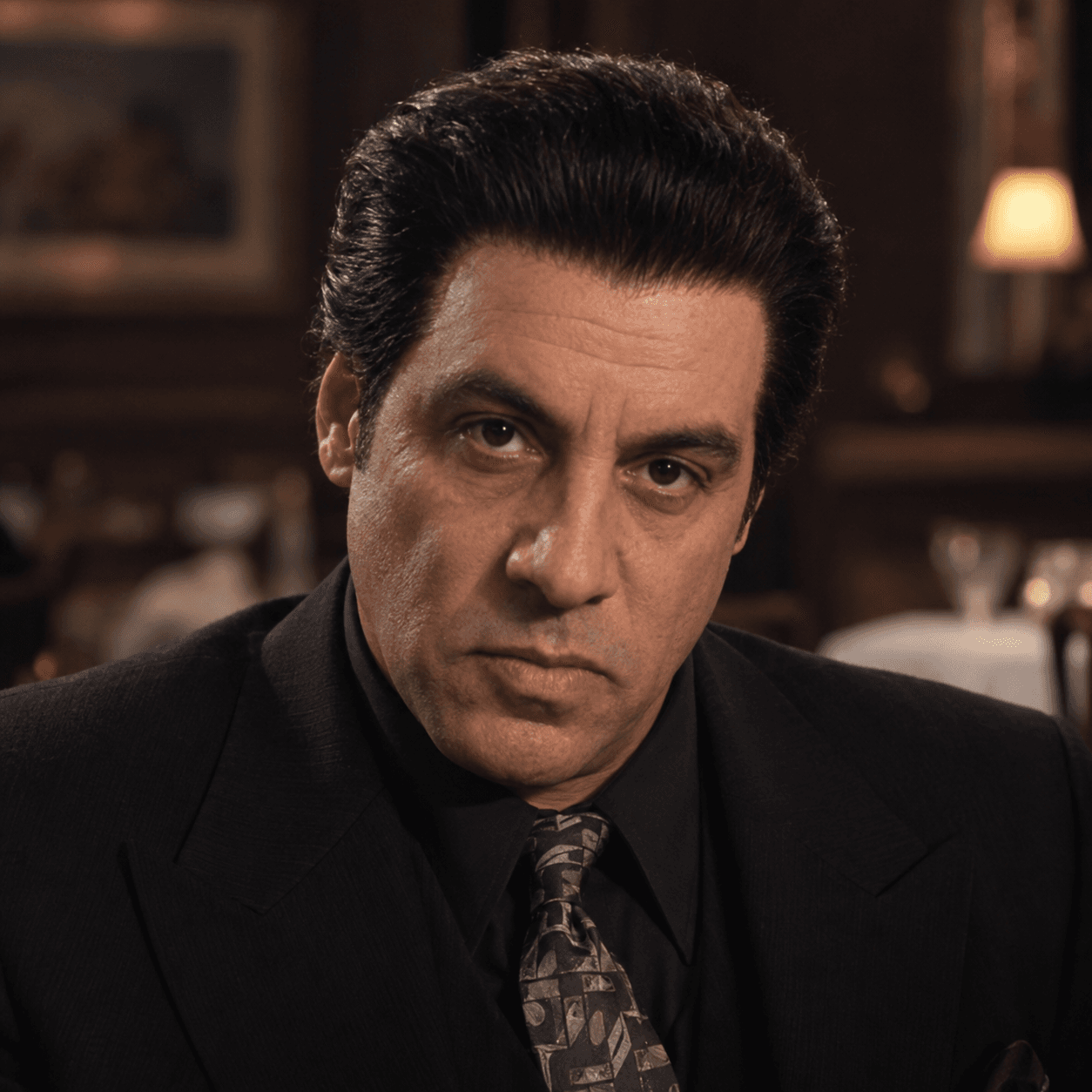
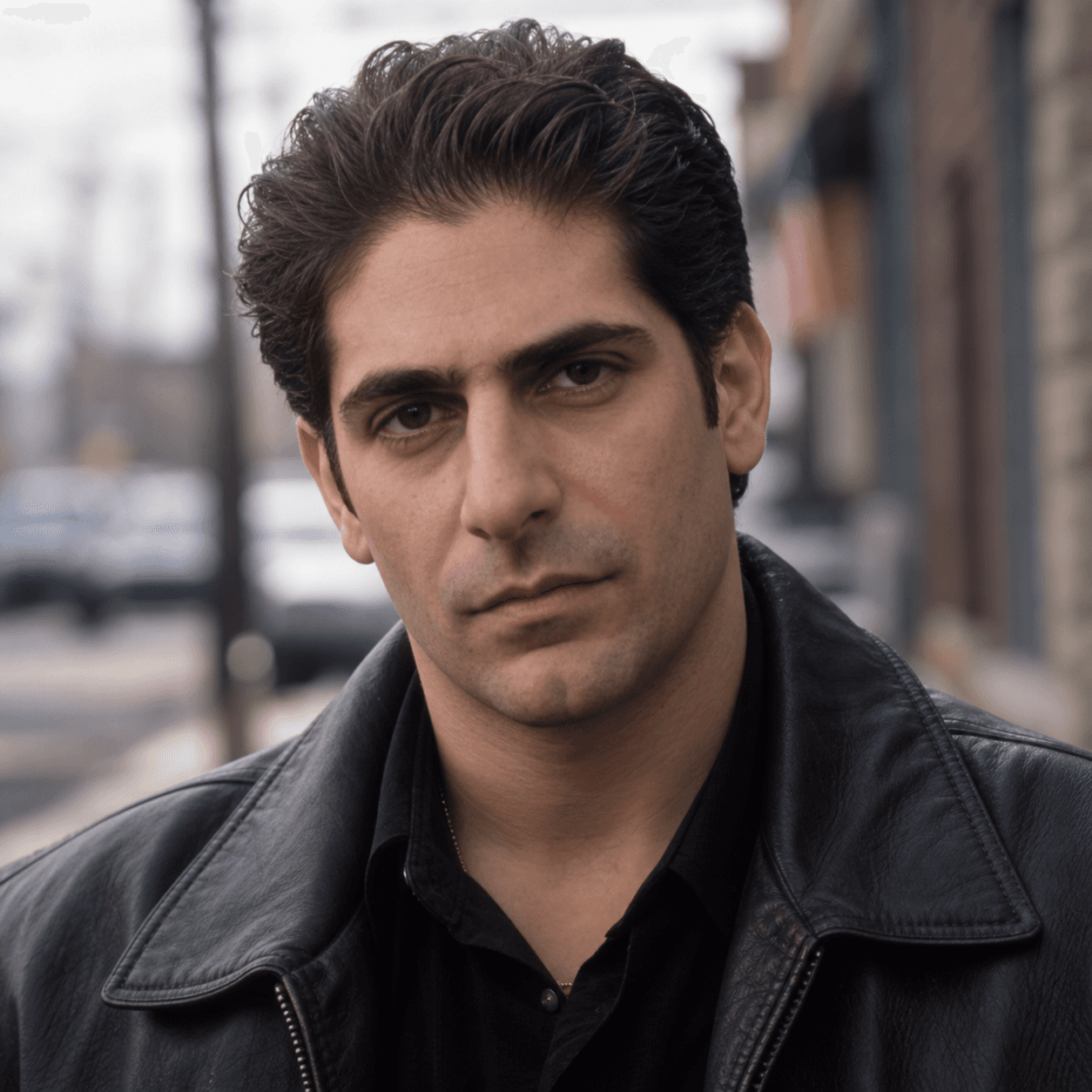
Lorraine Bracco, already an icon from Goodfellas, plays Dr. Jennifer Melfi as the show's moral pivot. Michael Imperioli is Christopher Moltisanti, Tony's nephew and the cracked mirror through which the show looks at its own mythology of the gangster as artist. Steven Van Zandt, then better known as Bruce Springsteen's guitarist, plays consigliere Silvio Dante so convincingly you forget he had never acted before. He later headlined Lilyhammer, a show that is essentially a comedic riff on a Silvio-adjacent character in witness protection in Norway.
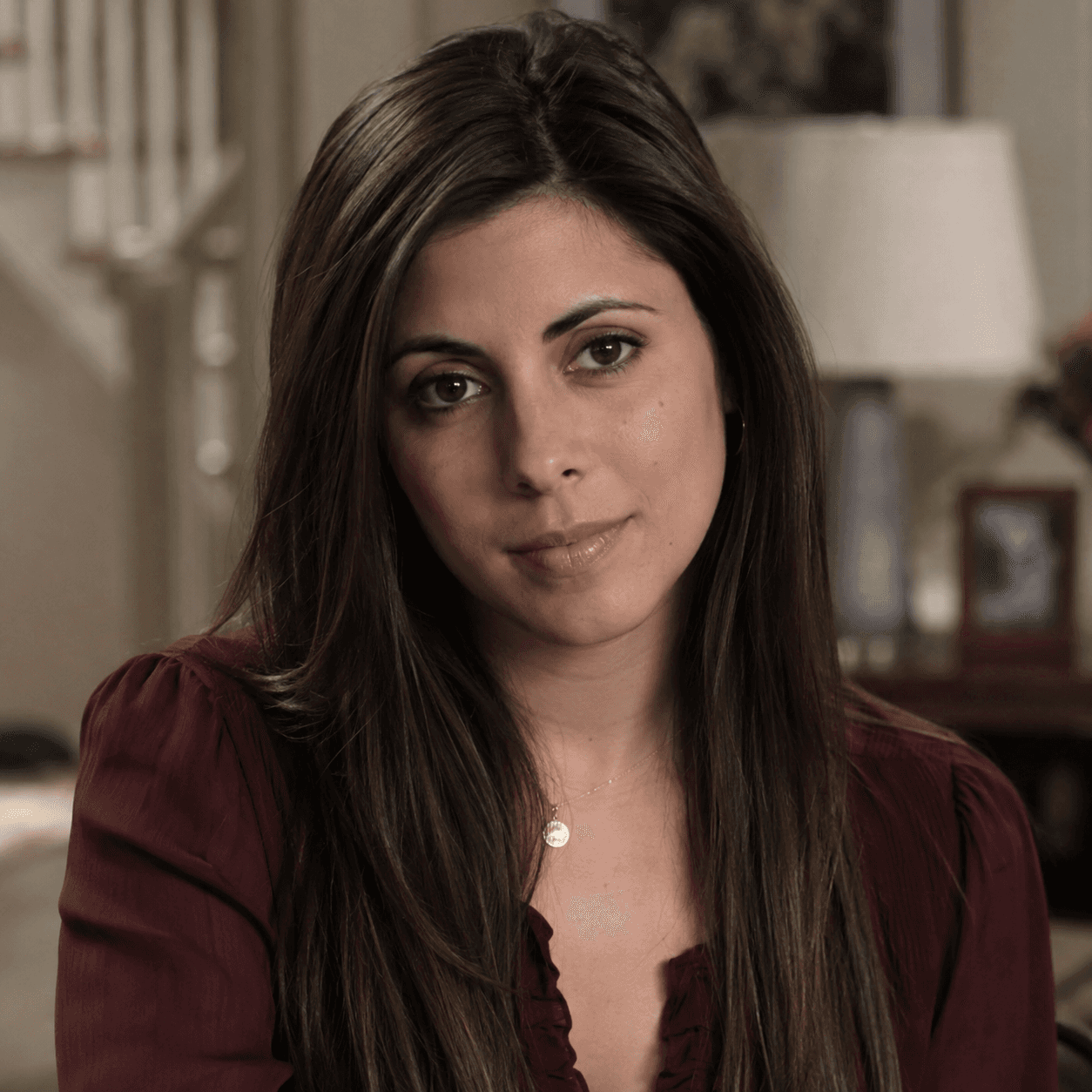
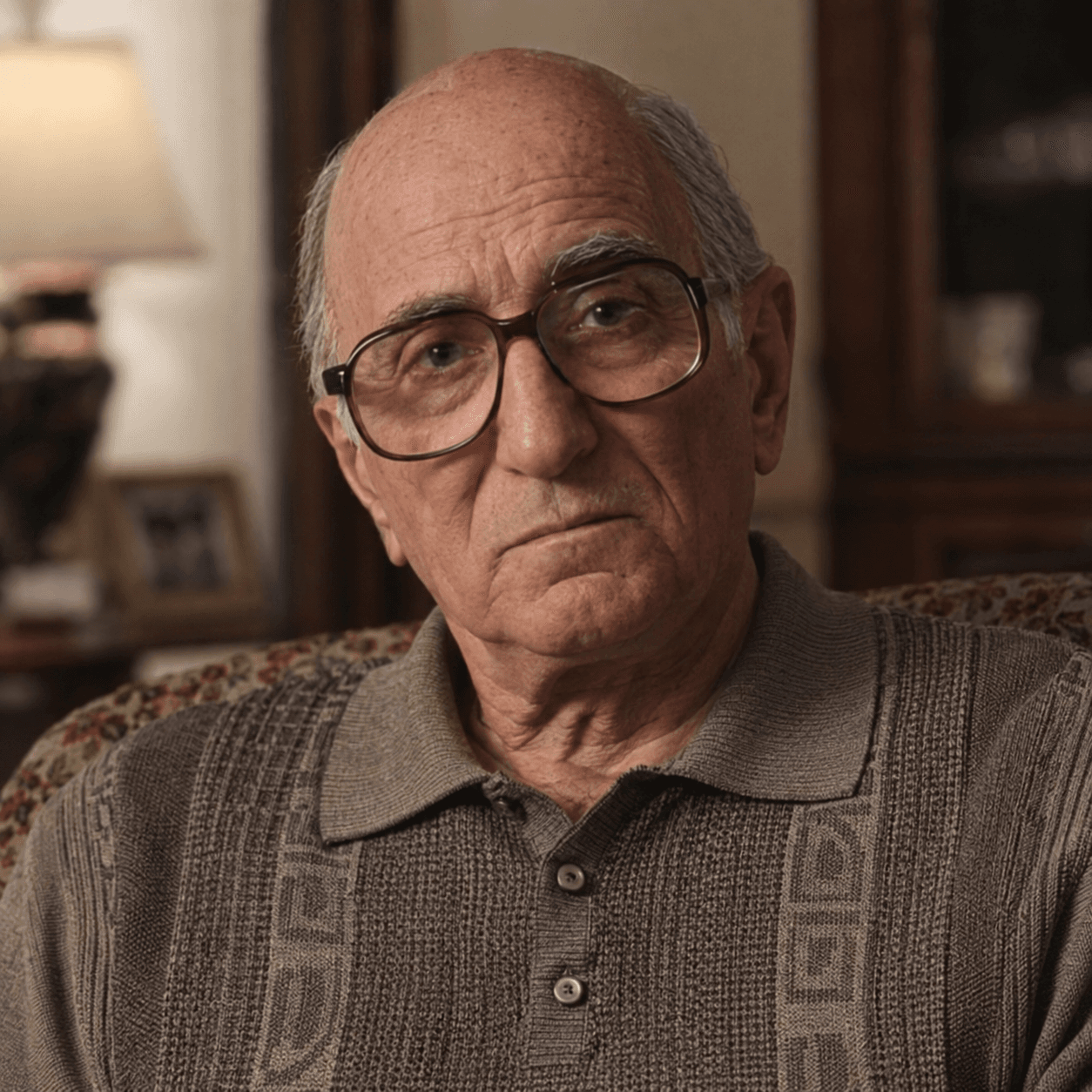
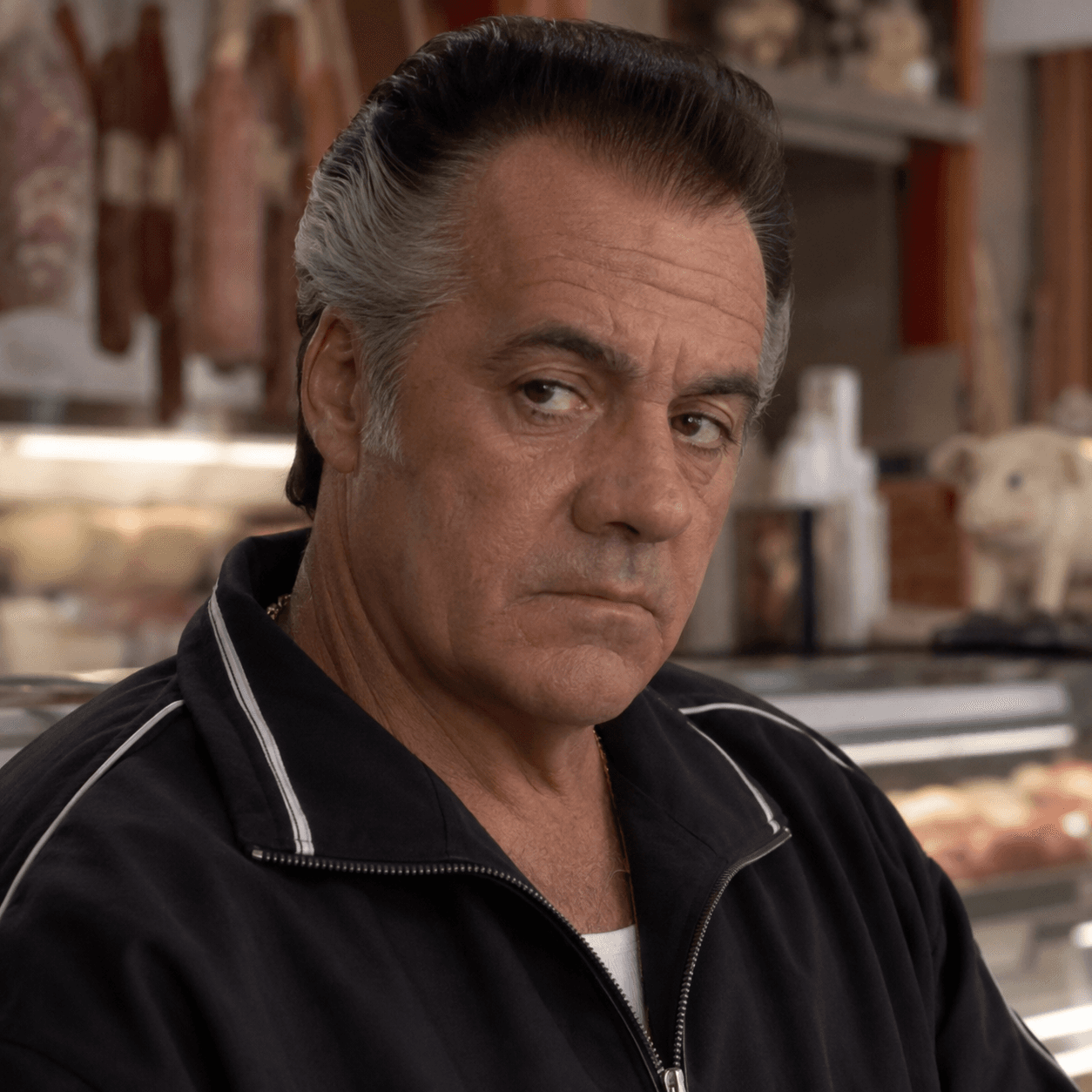
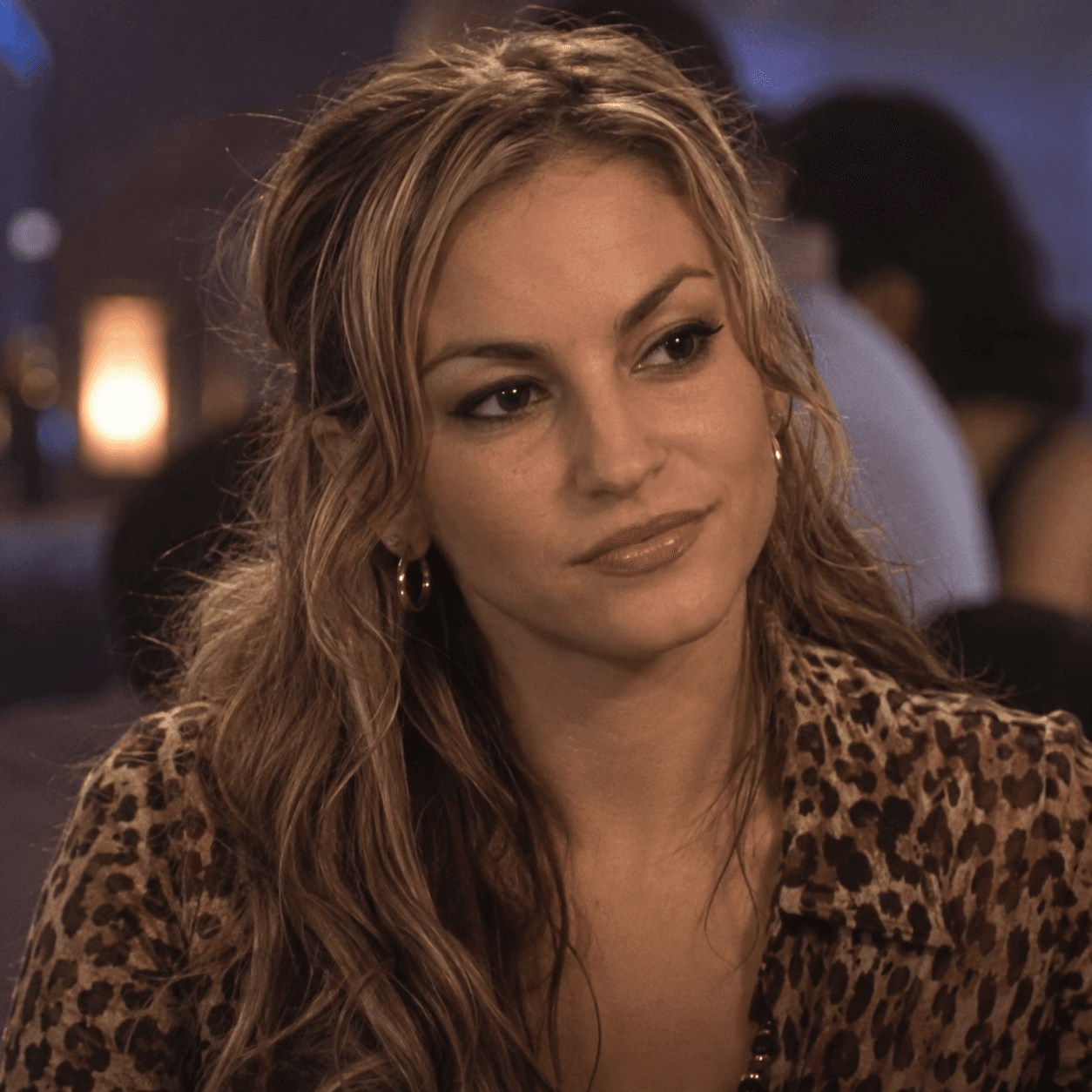
Tony Sirico plays Paulie Walnuts with a combover so stiff it has its own gravity. Dominic Chianese is Uncle Junior, the miserly, aging boss whose resentment of his nephew drives the first season's central feud. Jamie-Lynn Sigler and Robert Iler play Meadow and A.J. as kids who half-know what their father is and cannot afford to dig deeper. Drea de Matteo as Adriana La Cerva gives one of the most soulful performances in the ensemble. And Nancy Marchand in the first two seasons is Livia Soprano, Tony's mother, one of the most frightening characters in modern TV drama, based directly on David Chase's own mother.
Lorraine Bracco
Dr. Jennifer Melfi
Jamie-Lynn Sigler
Meadow Soprano
Dominic Chianese
Corrado "Junior" Soprano
Tony Sirico
Paulie "Walnuts" Gualtieri
Steven Van Zandt
Silvio Dante
Drea de Matteo
Adriana La Cerva
David Chase
Creator / Showrunner
James Gandolfini
Tony Soprano

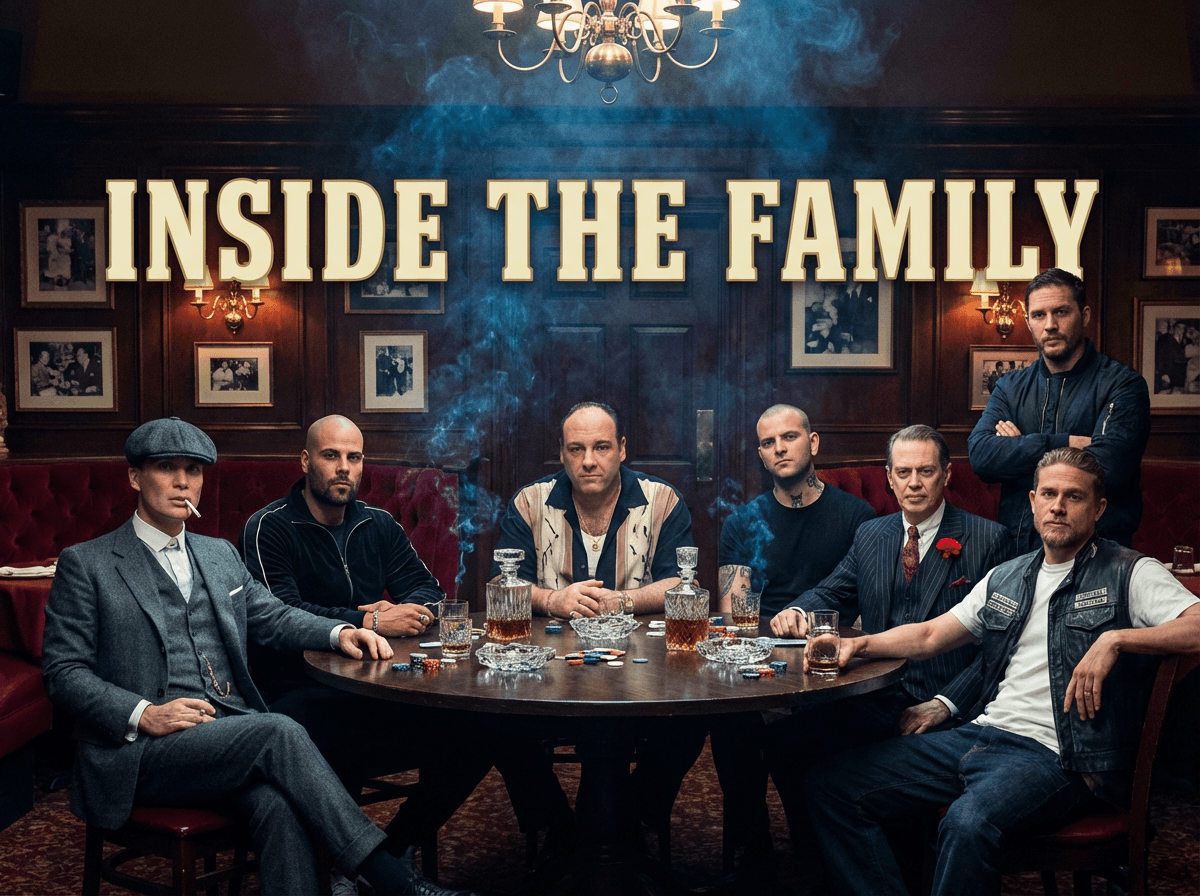
The 10 best gangster dramas told from inside the crime family — from The Sopranos to MobLand, ranked with our ELO-based methodology.
Read More
Honest review of HBO's The Sopranos (woke rating: 5/5). See how this mafia classic still stands apart from today's TV and discover if it's worth your time.
Read MoreThe mob setting is the delivery mechanism. The actual subject is the American middle class at the turn of the millennium. Tony is a suburbanite with a pool and a teenage daughter applying to Columbia. He complains about his commute. He frets about his cholesterol. The crimes happen in the margins of a life that looks like the life of any guy in Northern New Jersey with a too-big house and a lawn guy.
Chase uses this framing to skewer a very specific American delusion. Tony wants to think of himself as the last honest man in a dishonest world, a throwback to Gary Cooper, when in reality he is a lying, murdering narcissist whose therapist is the only person around him telling him anything close to the truth. The show is savage about this. It is also weirdly sympathetic, which is what makes it art.
Core themes the series turns over across its run:
Visually the show looks deceptively ordinary. Chase refused to make New Jersey glamorous. The streets are grey. The strip malls are ugly. The wallpaper in the Soprano kitchen is a specific shade of suburban beige that nobody chose on purpose. That refusal is the entire aesthetic argument: this is real, this is around you, the glamour is a lie.
The sound design is why people still quote the show. A jukebox cue can carry more meaning than a monologue. Chase famously picks music for thematic precision rather than era authenticity, and those choices land with a weight you do not forget. The cold open of the pilot with Alabama 3's "Woke Up This Morning" became the most recognisable title sequence in modern drama.
The humour is the last thing people mention and it should be the first. The Sopranos is genuinely, deliberately funny. Paulie and Christopher lost in the woods. Tony and Bobby in a canoe. Janice's yoga phase. The show is willing to be a comedy for ten minutes at a time and then drop you off a cliff. That tonal range is part of what made it revolutionary.
The Sopranos took home 21 Emmys over its run, including Outstanding Drama Series twice, and in 2004 became the first cable series to ever win that award. Gandolfini and Falco each won three Lead Acting Emmys. The finale, "Made in America", aired on 10 June 2007 and ended on a cut to black that remains the most argued-about ending in television history. I will say nothing more about it.
The legacy is harder to overstate. Every antihero drama of the 2000s and 2010s is descended from this show. Breaking Bad, Mad Men, Boardwalk Empire, The Wire, Succession. All of them owe their existence to the moment HBO greenlit a show about a mob boss in therapy and did not flinch.
Gandolfini died of a heart attack in Rome in 2013 at 51, a loss the television world has never really recovered from. Tony Sirico died in 2022. A prequel film, The Many Saints of Newark, arrived in 2021 with Gandolfini's son Michael Gandolfini playing young Tony. It is a curio rather than essential, but seeing the son step into the father's role is its own quietly moving thing.
The Sopranos made prestige TV inevitable. Everything that followed is a response to what Chase built in six seasons.
The Sopranos works because David Chase refused every obvious move. He refused to romanticise the mob. He refused to give Tony an arc of redemption. He refused to make Carmela a pushover or a shrew. He refused to let the show be comfortable. And he refused to end it the way anyone was expecting.
What is left is an 86-episode novel for television that has not been matched. Every prestige drama since has been shadow-boxing with it.
Michael Imperioli
Christopher Moltisanti
Edie Falco
Carmela Soprano