Top 10 Gangster Shows Told From Inside the Family
Updated
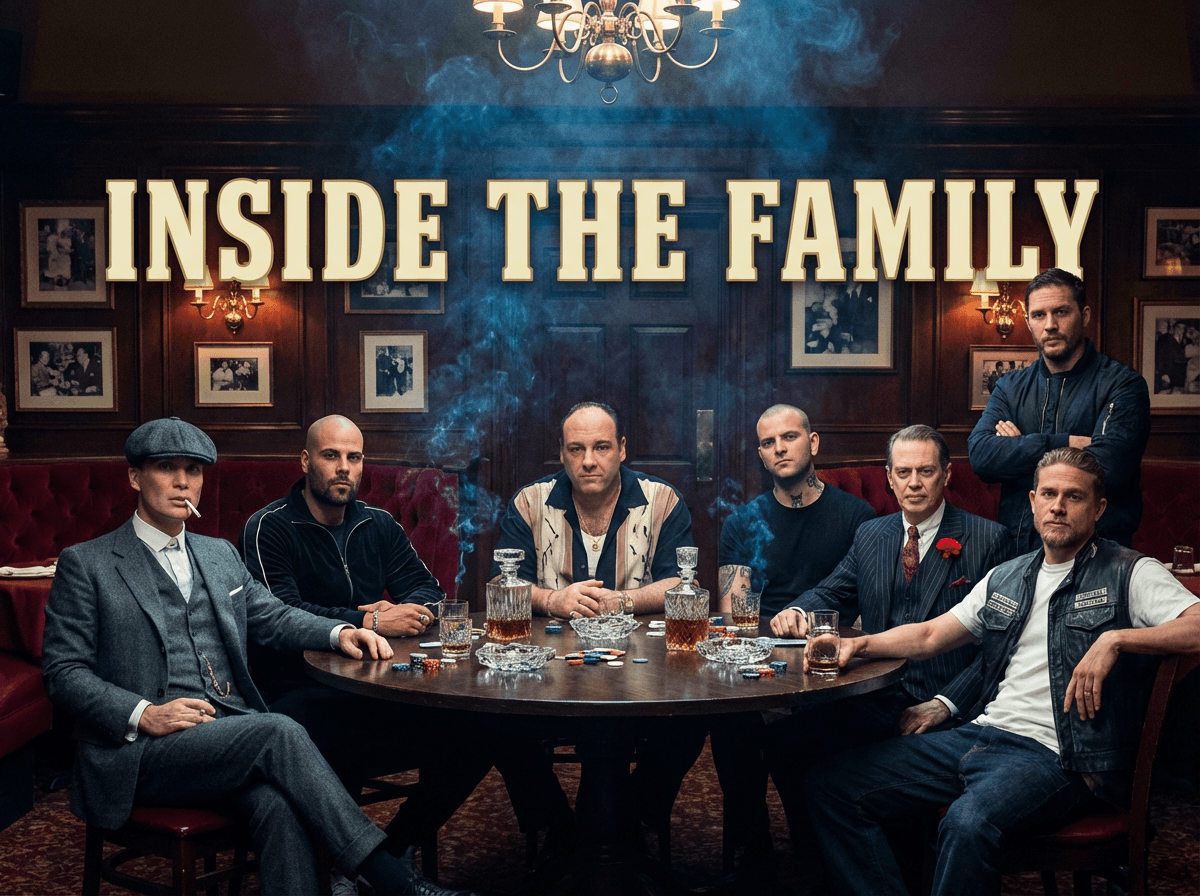
Inside the family
The gangster stories I keep coming back to spend as much time on family obligations as on criminal business. A favour cannot simply be repaid and forgotten when the person asking is your mother, your brother or the man who gave you your first job. That is what connects these ten shows: you spend your time with the people running the operation, learning why they stay in it.
I like being trusted to judge those people. Tony Soprano can be funny, frightened and appalling within the same conversation; I do not need another character to explain which reaction is correct. The strongest shows here make their case through decisions and consequences.
#10: MobLand
Tom Hardy is the reason I can recommend this despite its problems. He plays Harry Da Souza, the fixer trying to keep the Harrigan family's London operation functioning while Conrad and Maeve Harrigan, played by Pierce Brosnan and Helen Mirren, make that job unnecessarily difficult.
The writing is often questionable. So are some of the accents, and characters sometimes make decisions that require more goodwill than the script has earned. I have to make a conscious effort to let those things go. When I can, watching Hardy manage the mess is thoroughly enjoyable: Harry's restraint gives the surrounding family theatrics something solid to push against.
His scenes with Mirren are a particular pleasure. Maeve expects obedience; Harry has to work out what carrying out her wishes will actually involve. Hardy can make that calculation interesting before he has said much at all. It is enough to get MobLand onto this list, but the writing keeps it at tenth.
ELO score: 1580 · Current rank: #84 out of 257 ELO-ranked shows

#9: Mayans M.C.
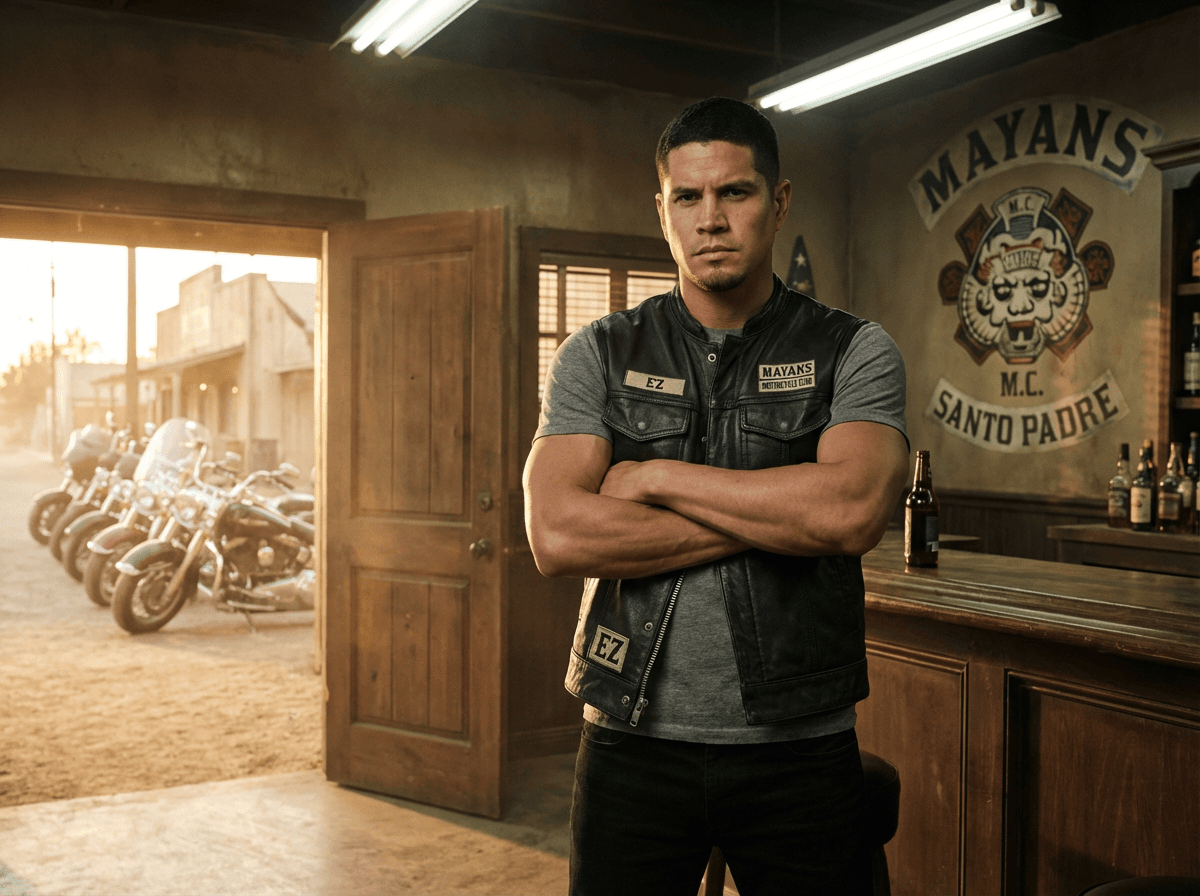
Mayans M.C. takes the motorcycle-club story to the California–Mexico border. Ezekiel “EZ” Reyes, played by JD Pardo, enters as a prospect with a photographic memory and a complicated past. His brother Angel, played by Clayton Cardenas, is already part of the club.
Created by Kurt Sutter and Elgin James, it shares a world with Sons of Anarchy, but the border changes the club's position. The members have their own hierarchy and loyalties while answering to criminal interests more powerful than themselves. They cannot settle every problem around their own table.
That pressure, and the relationship between the Reyes brothers, gives the series a reason to exist beyond the connection to its predecessor. I do not put it as high as Sons of Anarchy, but it takes the club seriously enough that decisions about loyalty carry weight. If you liked living among SAMCRO rather than simply watching the action, there is plenty here for you.
ELO score: 1594 · Current rank: #74 out of 257 ELO-ranked shows
#8: Gangs of London
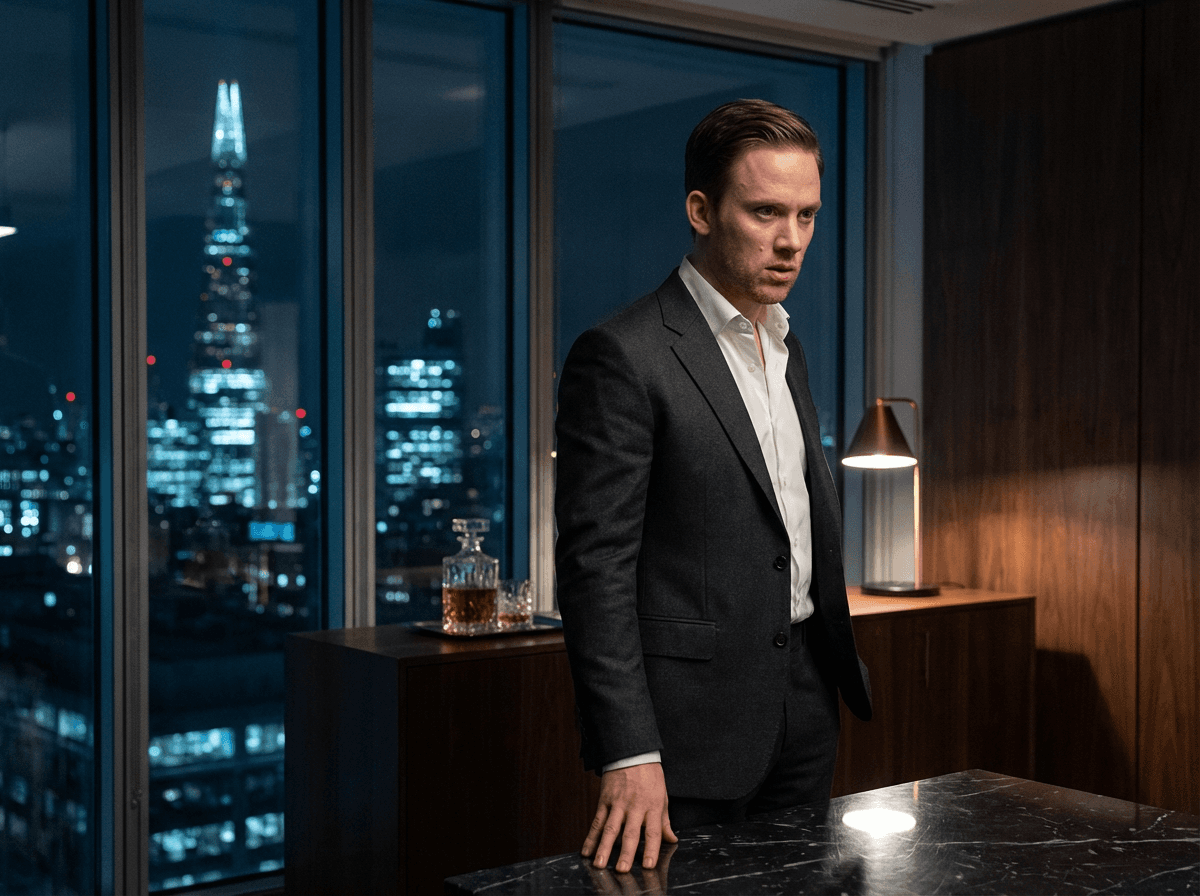
Gangs of London is my pick here when the action is a major part of the appeal. Created by Gareth Evans and Matt Flannery, it opens with the Wallace family's hold over London's criminal business under threat. Joe Cole plays Sean Wallace, and Ṣọpẹ́ Dìrísù plays Elliot Carter.
Evans brings the close-quarters intensity associated with The Raid. A fight can take over a scene and become genuinely exhausting to watch. This is much more explicit, sustained violence than the occasional sharp eruption you get in Kin.
The competing family business keeps me interested between the fights. The Wallaces do not operate alone, and an attempt to assert authority has implications for everyone else with money invested in the arrangement. I enjoy that contrast between the negotiations and the spectacular failure of negotiations. If you want a restrained, plausible crime drama above all else, start elsewhere.
ELO score: 1590 · Current rank: #76 out of 257 ELO-ranked shows
#7: Kin
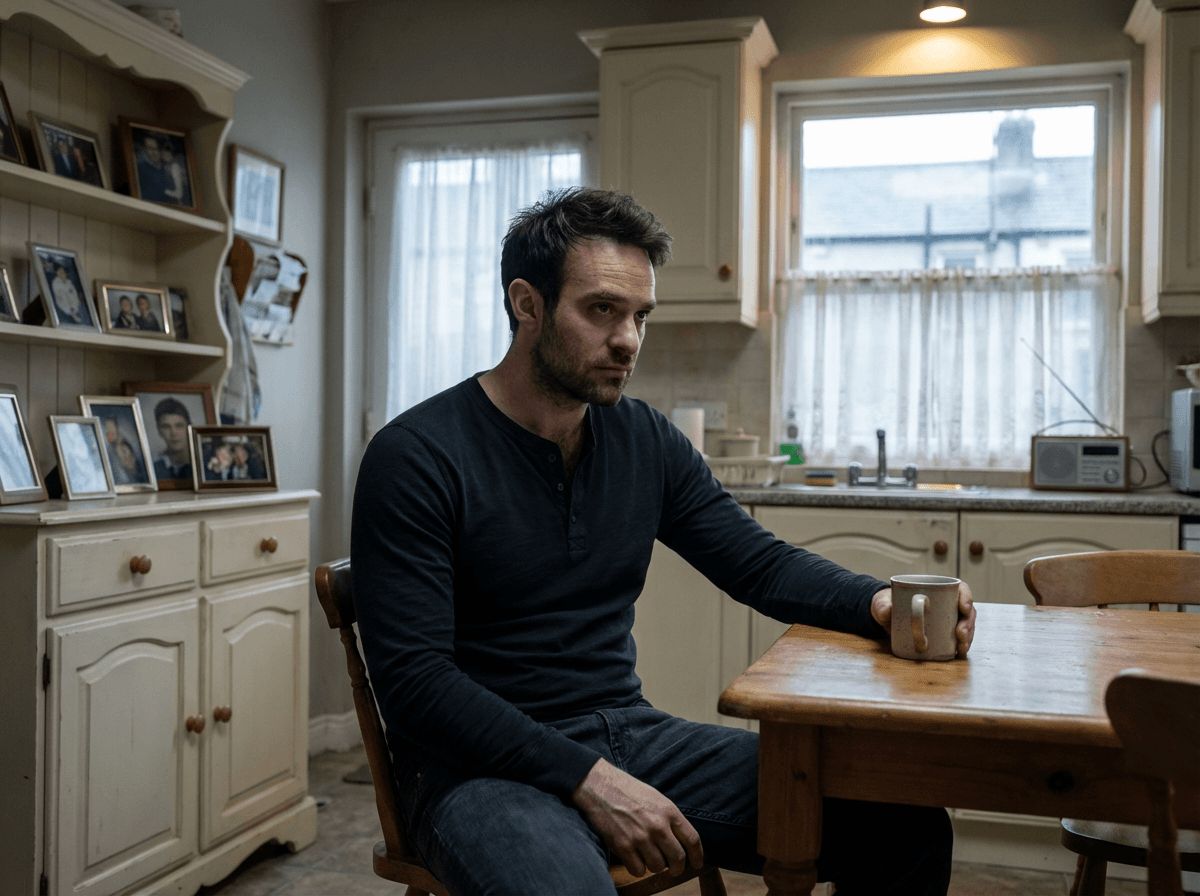
Kin makes a smaller family operation feel worth an entire series. The Kinsellas are a Dublin criminal family under pressure from Eamon Cunningham, played by Ciarán Hinds. Charlie Cox plays Michael Kinsella, newly out of prison, while Clare Dunne plays his sister-in-law Amanda.
Much of its strength is in ordinary conversation. A family kitchen is somewhere people have to keep dealing with one another after an argument, and Kin makes good use of that lack of escape. The Dublin rhythms matter more to its identity than any collection of landmarks would.
Cox is good at holding back, but Dunne is the performance I would single out. Amanda can be composed and practical without making the choices in front of her seem easy. The violence lands hard because so much attention has gone into the pressure before it. Coming from Gangs of London, give Kin time to establish its pace.
ELO score: 1697 · Current rank: #38 out of 257 ELO-ranked shows
#6: Sons of Anarchy
Jax Teller belongs to a club before he gets much opportunity to decide what kind of man he wants to be. Charlie Hunnam plays him as the heir apparent to SAMCRO, the motorcycle club based in the fictional Californian town of Charming. His mother Gemma, played by Katey Sagal, and club president Clay Morrow, played by Ron Perlman, are central to both halves of his life.
Kurt Sutter's series gives the club's rituals time to become familiar. Meetings, votes and the rules around the patch establish what membership means, so a disagreement feels like more than a row between colleagues. These people have built their lives around belonging.
It is operatic and occasionally absurd, and I would not sell it as a model of restraint. But the feeling of brotherhood is unusually strong. The family pressures give it something of Hamlet's unease. Jax, Gemma and Clay give the show enough personal conflict to carry it well beyond the attraction of bikes and gunfights.
ELO score: 1727 · Current rank: #28 out of 257 ELO-ranked shows

#5: Boardwalk Empire
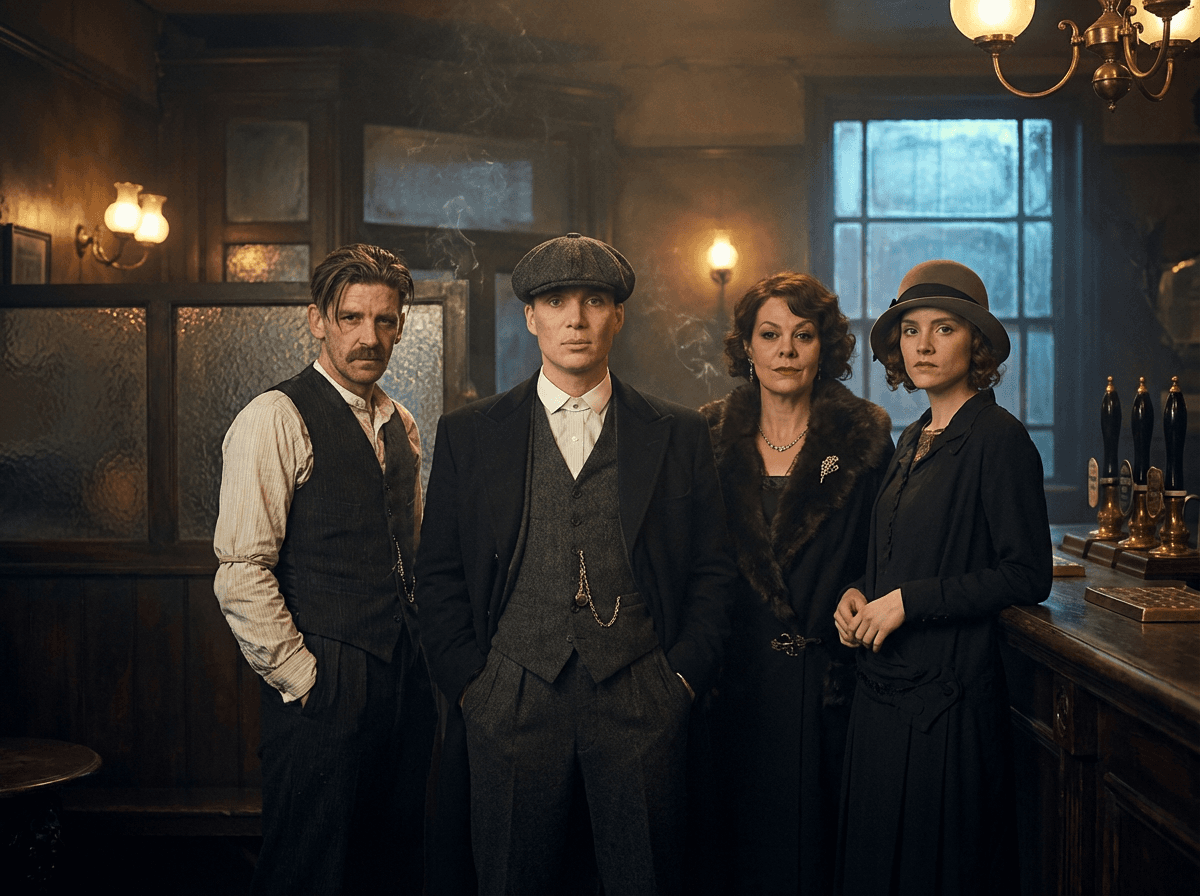
Nucky Thompson can do you a favour as Atlantic City's treasurer, and another as the man profiting from its illegal business. Boardwalk Empire is particularly good at showing how little distance there is between those two roles. Steve Buscemi plays him with the manner of someone who considers this a perfectly sensible way to run a town.
The Prohibition setting is an essential part of the appeal. The expensive clothes, hotels and public occasions show what Nucky's money buys him: access, respectability and people willing to listen. The period detail earns its space because it helps explain why his arrangement works.
Buscemi keeps Nucky interesting without relying on the physical threat that drives some of the other leads here. He can dispense a favour as though he is sorting out routine administration. I like the patience of the series, too. It has room for the supporting cast and for the transactions that make a criminal empire possible long before anyone reaches for a weapon.
ELO score: 1773 · Current rank: #19 out of 257 ELO-ranked shows
#4: Suburra: Blood on Rome
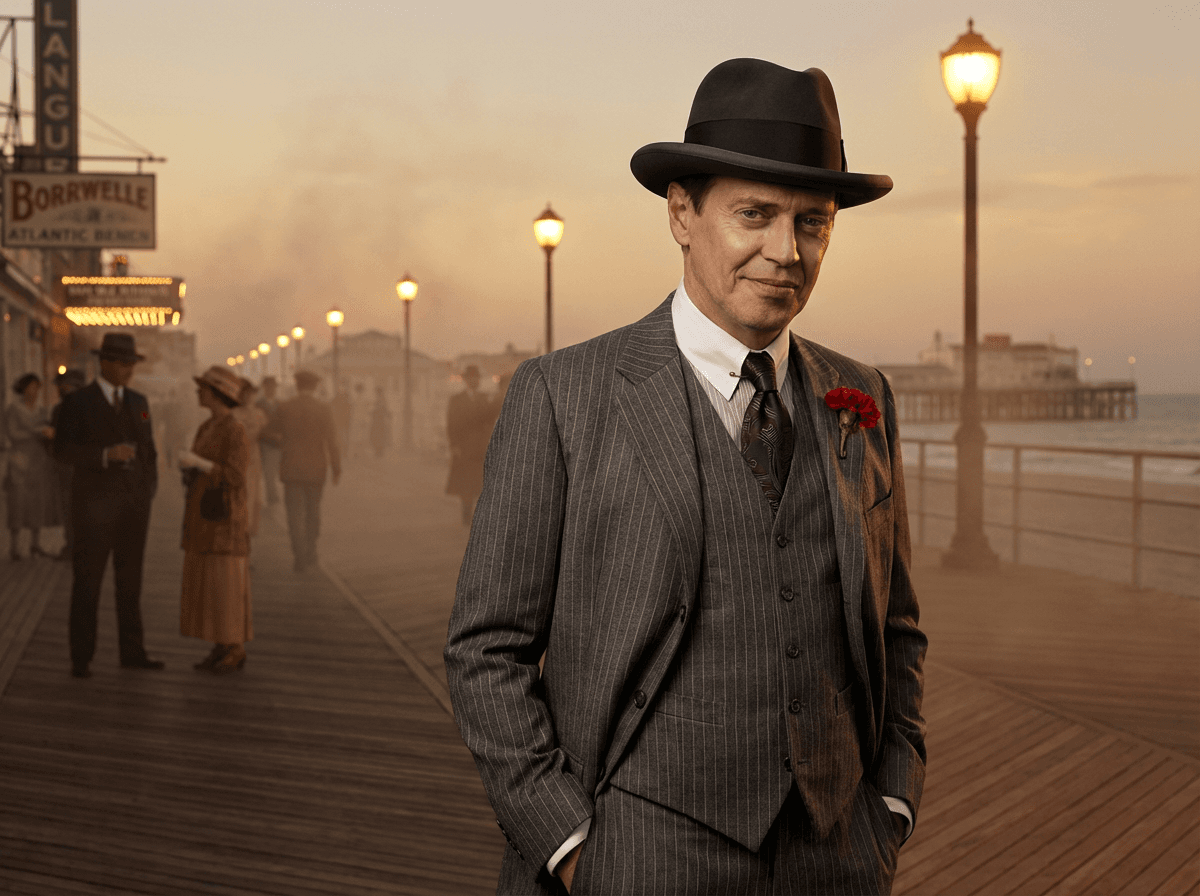
Suburra begins in 2008, with a dispute over land near Rome drawing criminal, political and church interests into the same business. Aureliano Adami, Spadino and Lele, played by Alessandro Borghi, Giacomo Ferrara and Eduardo Valdarnini, come from different backgrounds and find reasons to work together.
Rome is a large part of why I love it. The city and the coast around Ostia are beautiful, but I never felt I was being shown a sightseeing reel. The streets, buildings and water belong to the characters' daily lives. You get the pleasure of looking at that place while watching people who may not get much opportunity to enjoy it.
The relatively recent setting helps. There are phones and technology, but to me they do not dominate the experience. I felt unusually close to people occupying the same physical world: meeting, waiting, arguing, going about their business with the possibility of violence always present. That combination of a beautiful place and precarious lives stayed with me more than any individual camera flourish.
Ferrara is especially good as Spadino, able to make vulnerability and sudden cruelty believable in the same person. Suburra is fourth here because I wanted to keep spending time in its world, however uncomfortable that world became.
ELO score: 1827 · Current rank: #8 out of 257 ELO-ranked shows
#3: Gomorrah
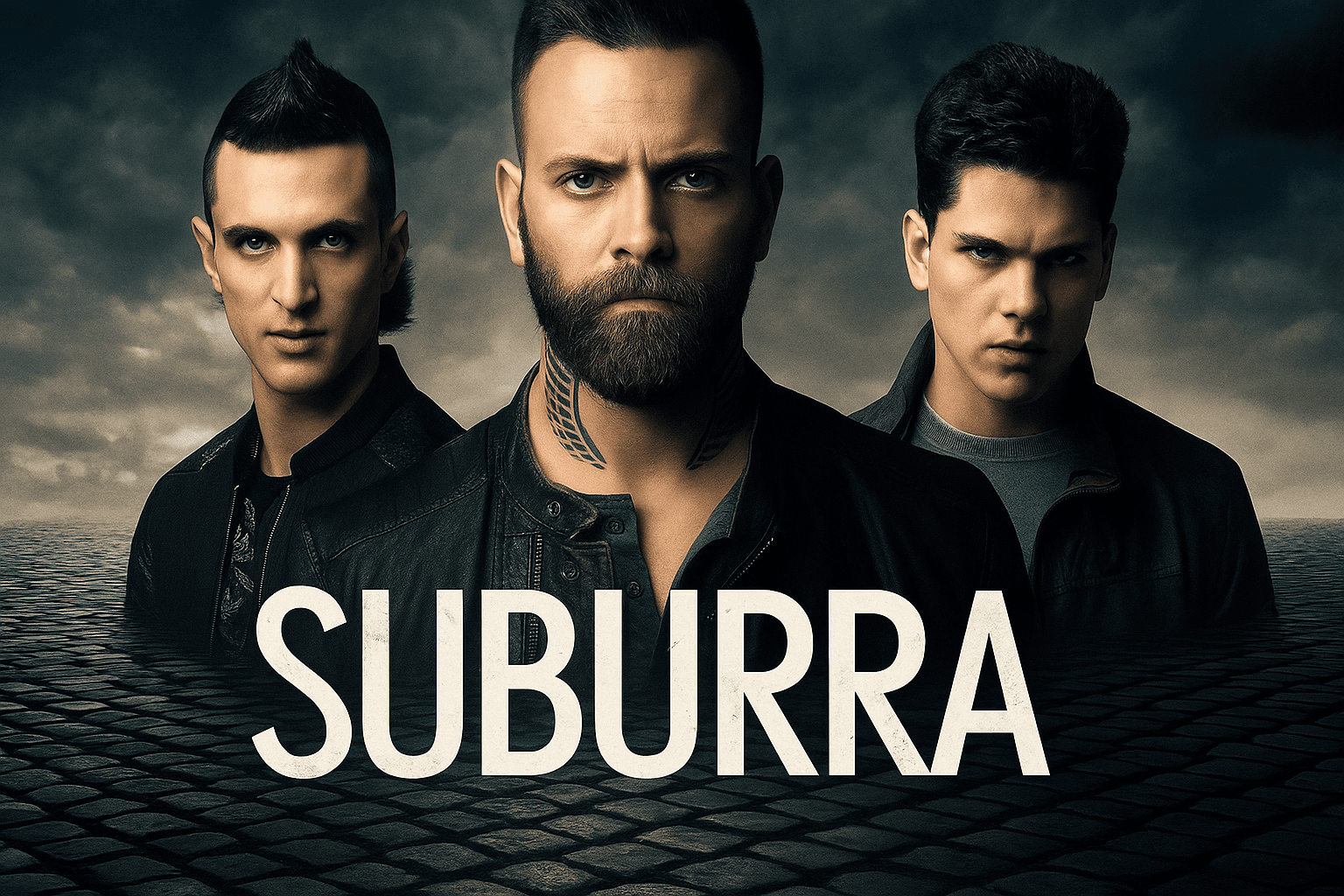
The relationship between Ciro and Genny is the main reason Gomorrah sits this high for me. Marco D'Amore plays Ciro Di Marzio, a soldier in the Savastano clan, and Salvatore Esposito plays Genny, the boss's son. One has experience inside the operation; the other has a family name that gives him a very different position.
Their relationship changes over the series, moving between mentorship, brotherhood and rivalry. D'Amore and Esposito make those shifts compelling without losing the sense of a shared history.
The Naples setting gives the wider criminal hierarchy a physical shape. Concrete housing estates and expensive homes show very different experiences of belonging to the same organisation. The places and the way people occupy them make the power relationships convincing.
Gomorrah is bleak, and it does not offer much relief. I rate its consistency very highly: the show takes the consequences of this life seriously without requiring a reassuring figure to explain them for the viewer.
ELO score: 1869 · Current rank: #4 out of 257 ELO-ranked shows
#2: Peaky Blinders
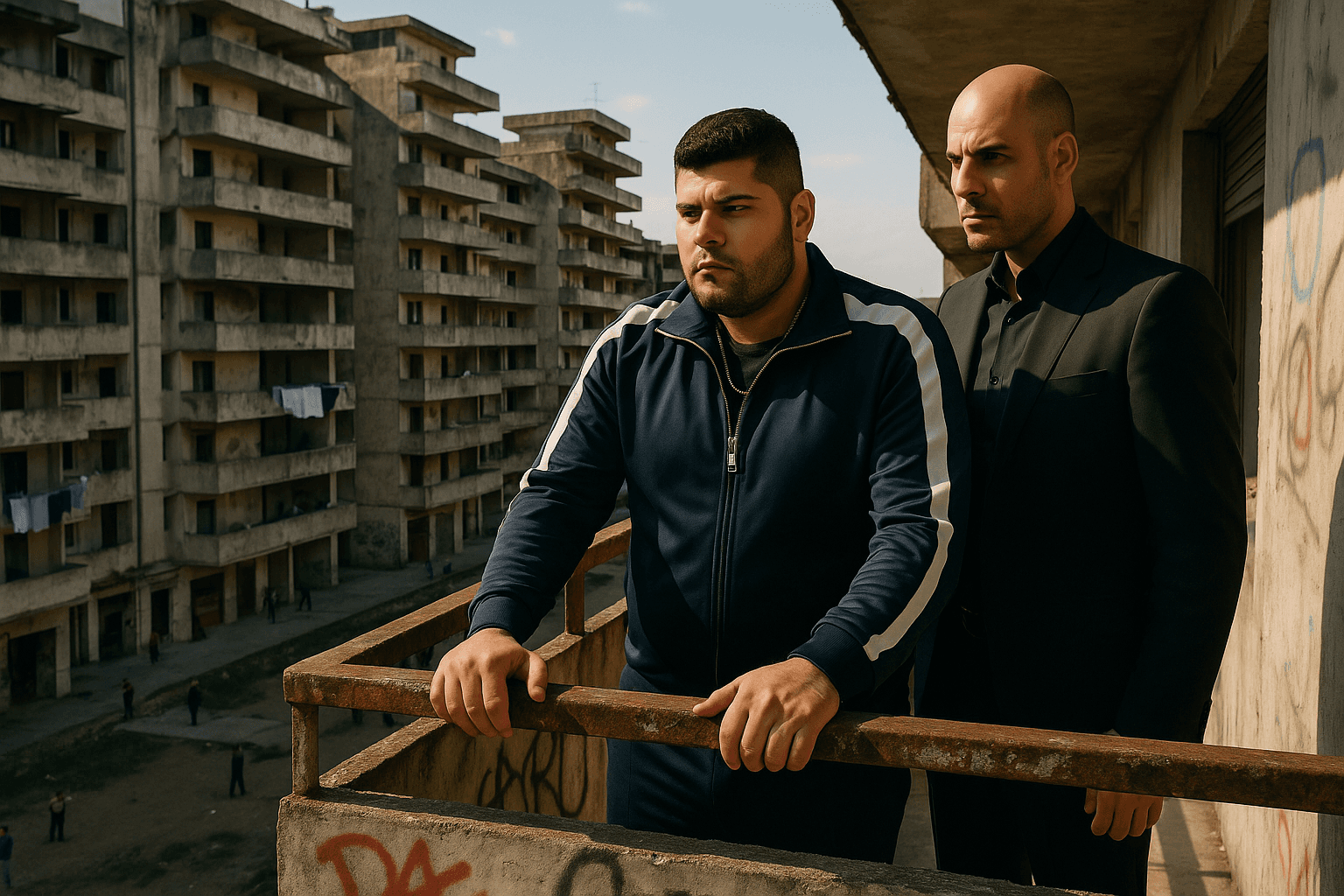
Tommy Shelby is a war veteran and bookmaker with ambitions beyond the family's Birmingham street operation. Cillian Murphy gives him the watchfulness of someone who is rarely able to leave work alone. Around him are Paul Anderson as Arthur, Helen McCrory as Aunt Polly and Sophie Rundle as Ada.
The suits, the industrial Birmingham setting and the use of Nick Cave's music make an unusually memorable combination. The modern soundtrack could easily pull me out of a period drama; here it contributes to Tommy's sense of forward movement.
But style alone would not put it second. The family has the authority to question Tommy in ways that outsiders cannot, and Murphy and McCrory are particularly good at making those exchanges count. Steven Knight's drama keeps returning to what ambition asks of the people around the ambitious man. The wartime experience behind the characters gives their restlessness a weight that the clothes and music could never supply on their own.
ELO score: 1845 · Current rank: #6 out of 257 ELO-ranked shows
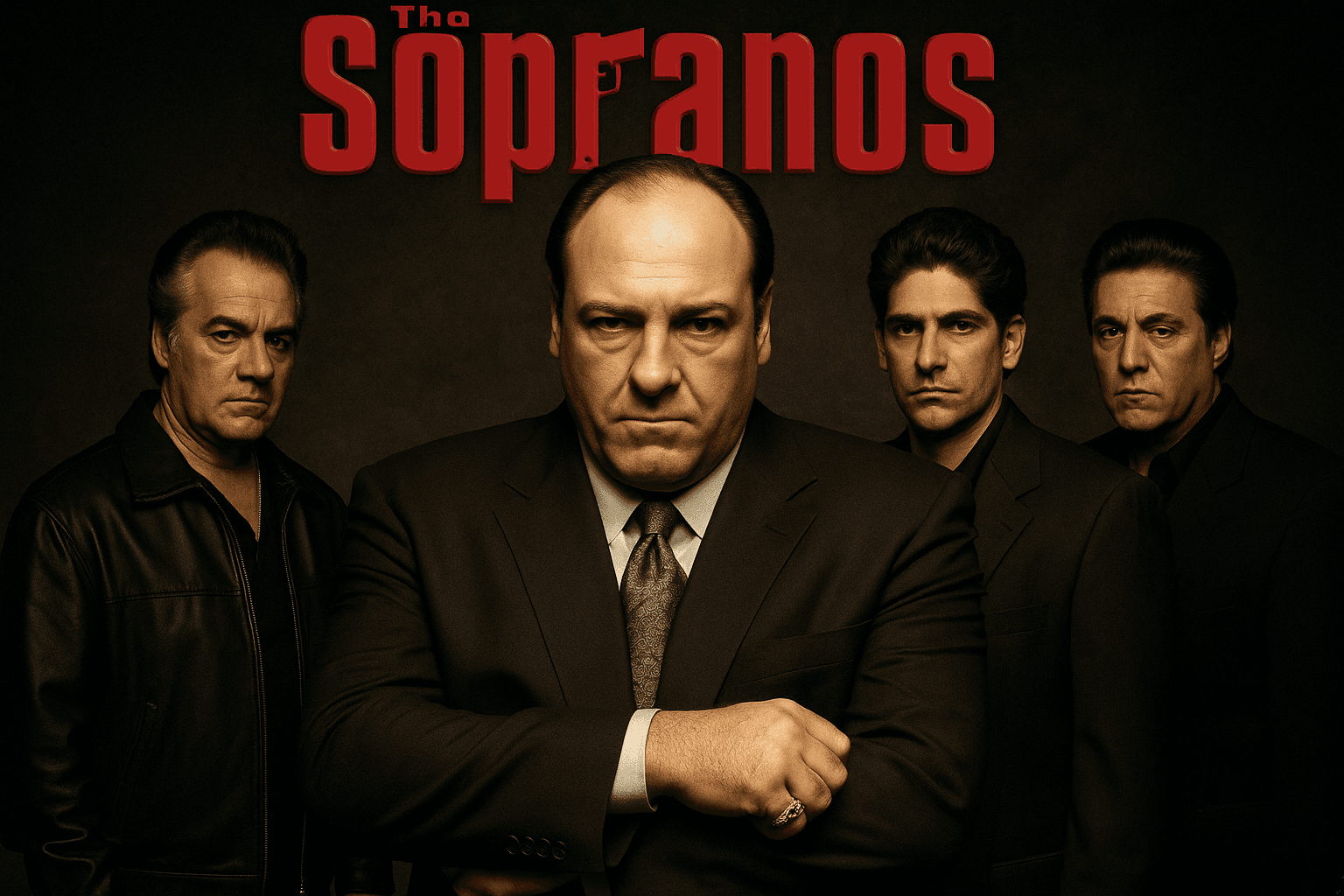
#1: The Sopranos
There was never much doubt about my first choice. James Gandolfini's Tony Soprano is a New Jersey mob captain whose panic attacks take him to Dr Jennifer Melfi, played by Lorraine Bracco. At home, Edie Falco's Carmela has to live with the person Tony would prefer to describe on his own terms.
The therapy is such a useful device because Tony gets to offer an explanation, and then we get to watch him behave. Sometimes he understands himself. Sometimes he wants permission. Gandolfini makes both worth listening to, and the show does not hurry to resolve the difference.
What I value most is how much happens in apparently ordinary scenes. A meal, a complaint about work or a minor domestic disagreement can tell you more about Tony than another criminal confrontation would. Falco, Michael Imperioli and the wider cast make the people around him substantial enough that those scenes hold up on their own.
David Chase's series is also far funnier than its reputation for darkness might suggest. That range is why it remains my benchmark: I believe in the household, enjoy the company and still see the damage these people cause. No other gangster show on this list does all of that as well for me.
ELO score: 1934 · Current rank: #1 out of 257 ELO-ranked shows
Different ways into the same world
Four of these shows are set in America and six in Europe, but geography is not a reliable guide to their pace. Kin gives a family conversation room to develop; Gangs of London can turn an encounter into an extended action sequence. Both sit on the European side.
The contrast I find more useful is between the kinds of power on display. Boardwalk Empire puts crime beside public office and respectability. Gomorrah spends more time on the hierarchy of the operation itself. Sons of Anarchy makes membership and loyalty explicit through club rules, while The Sopranos often lets a domestic argument expose the same pressures.
That gives you genuinely different viewing experiences within a fairly narrow premise. Finishing one does not make the others redundant.
Why I keep comparing them with The Sopranos
The Sopranos made me care about the time between crimes. I wanted to stay at the dinner table or listen to another argument, even when neither moved the criminal business forward.
Kin holds my attention in its family conversations. Boardwalk Empire does it through the favours and obligations around Nucky. MobLand is less consistent, but Harry's dealings with Maeve can be more enjoyable than the business they are supposed to be discussing.
The Sopranos remains first because it sustains that interest so well. The crime matters, but I am rarely waiting for the next crime to make a scene worth watching.
Where to start
If you are happy watching with subtitles or a dub, Gomorrah and Suburra are both excellent places to start. I recommend subtitles for the performances, but either option works. Pick Gomorrah for the Ciro–Genny relationship and its unforgiving criminal world; pick Suburra if Rome, the coast and the three leads' uneasy partnership appeal to you.
If subtitles and dubbing would get in the way of enjoying either, start with the highest-placed English-language show on this list that you have not seen. For most people working down from the top, that means The Sopranos or Peaky Blinders.
And if you have already seen those, the lower entries are not consolation prizes. Kin is a good choice for a smaller-scale family drama, and Gangs of London for a much more action-heavy one.
Honourable mentions
Tulsa King
Taylor Sheridan's Oklahoma-set fish-out-of-water mob piece, starring Sylvester Stallone as a New York capo rebuilding an operation from scratch in Tulsa. It just missed the top ten for this list — the Oklahoma setting gives it a tonal identity distinct from the other American entries, and it is genuinely enjoyable week to week. Worth your time if you have cleared the list above.
Wait — where are The Wire and Narcos?
I know. Both shows are brilliant, and both sit very high on my overall rankings. They are deliberately not on this list.
This list is strictly gangster dramas told from inside the family — from the point of view of the people running the operation. The Wire is told primarily from the side of the Baltimore Police Department, the city institutions, and the journalists. Narcos is told primarily from the DEA's perspective, with Pablo Escobar and the cartel as antagonists rather than protagonists. Both are phenomenal pieces of television, but the tonal experience is fundamentally different. You are riding with the cops, not the criminals.
That distinction matters enough to me to keep them separate.
A gangster show and a crime-fighting show are two different shows. Both can be great. Only one lets you ride with the criminals.
My final recommendation
Start with a show whose people and setting interest you. These are long enough commitments that the appeal needs to extend beyond a clever premise or a good opening fight.
Keep Reading
More Reviews You Might Like
Sons of Anarchy: Brotherhood, Betrayal and the Pull of Charming
Sons of Anarchy reviewed: Charlie Hunnam, Katey Sagal and Ron Perlman make SAMCRO's tangled loyalties compelling. A spoiler-free look at Kurt Sutter's biker drama.
Read review
Peaky Blinders: By Order of the Shelbys
A spoiler-free Peaky Blinders review after rewatching all six seasons and The Immortal Man: Cillian Murphy, the Shelby family and a story worth returning to.
Read review
The Sopranos: Still the Best Television Ever Made
The Att on why The Sopranos is still the best TV series: James Gandolfini, two families, extraordinary dialogue and comedy as sharp as the drama.
Read review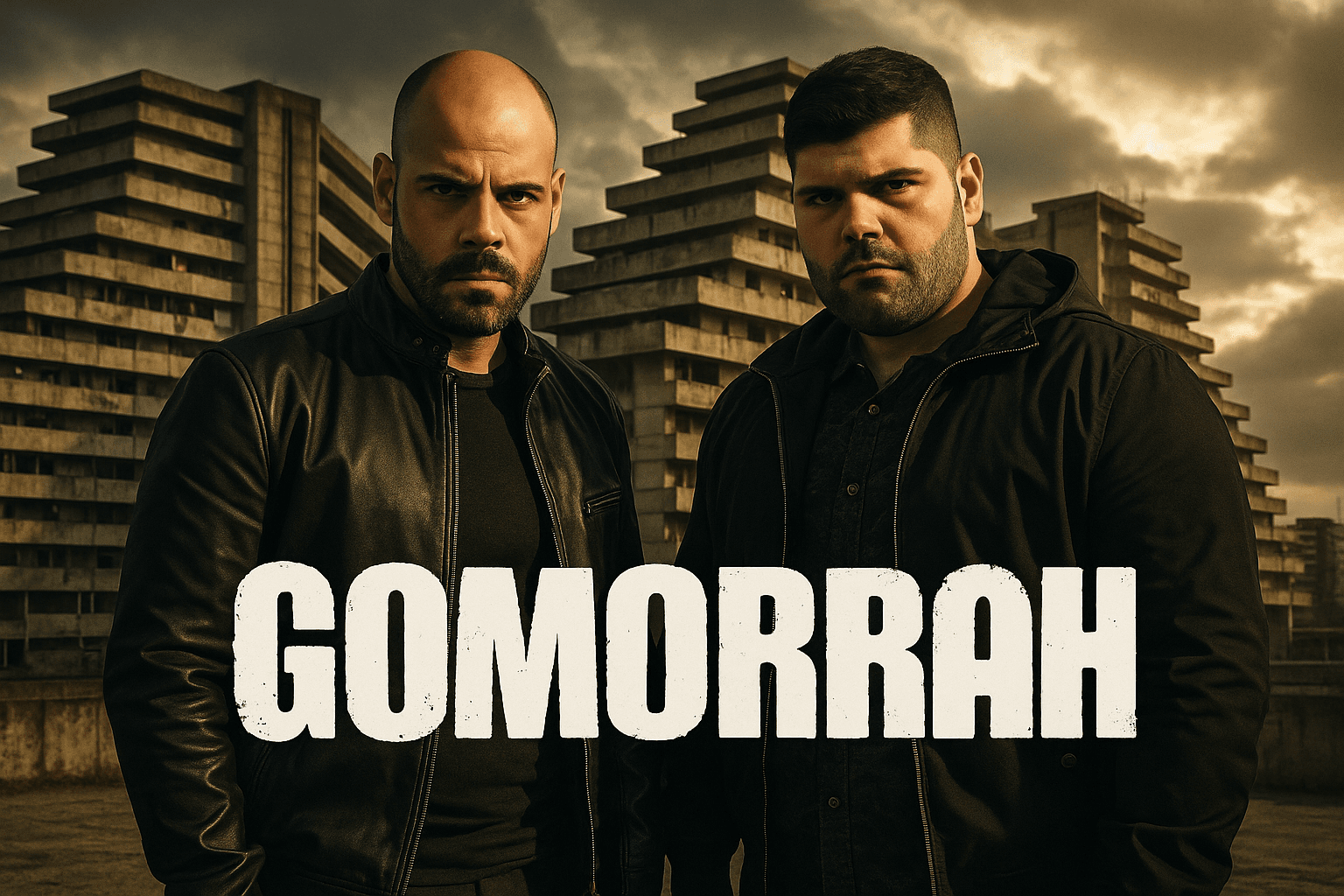
Gomorrah: Italy's Greatest Crime Saga
Gomorrah is one of my strongest recommendations: five seasons of loyalty, ambition and fear, led by Ciro and Genny. Watch it with subtitles.
Read review