2017 - 2020

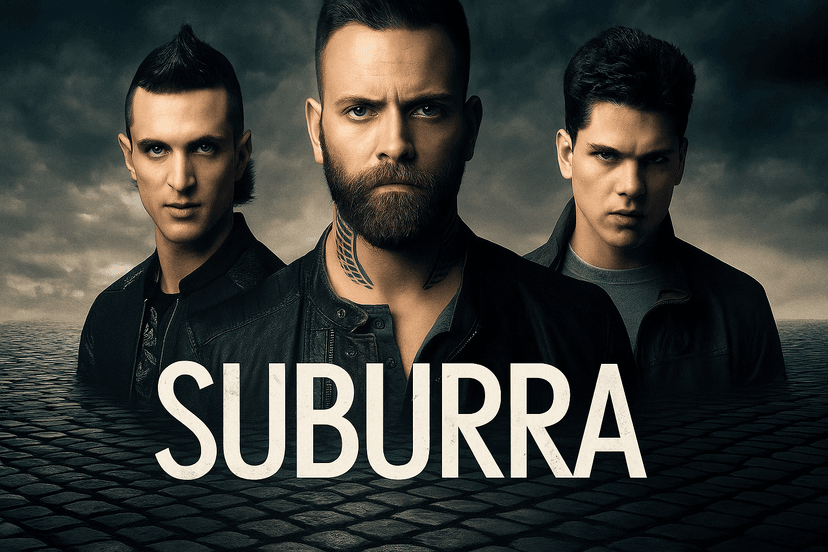
Suburra: Blood on Rome is Netflix's first Italian-language original, a three-season crime saga that ran from 2017 to 2020. It functions as a prequel to Stefano Sollima's 2015 film Suburra, which itself adapted the Giancarlo De Cataldo and Carlo Bonini novel. The show drops you into a Rome most tourists never see. The coastal sprawl of Ostia. The Roma encampments on the city's edge. The marble corridors where cardinals and cabinet ministers trade favours like cigarettes. Rome here is not the postcard. It is a city of zoning deals, church money, and ambitious young men who decide, roughly an episode in, that patience is a fool's strategy.
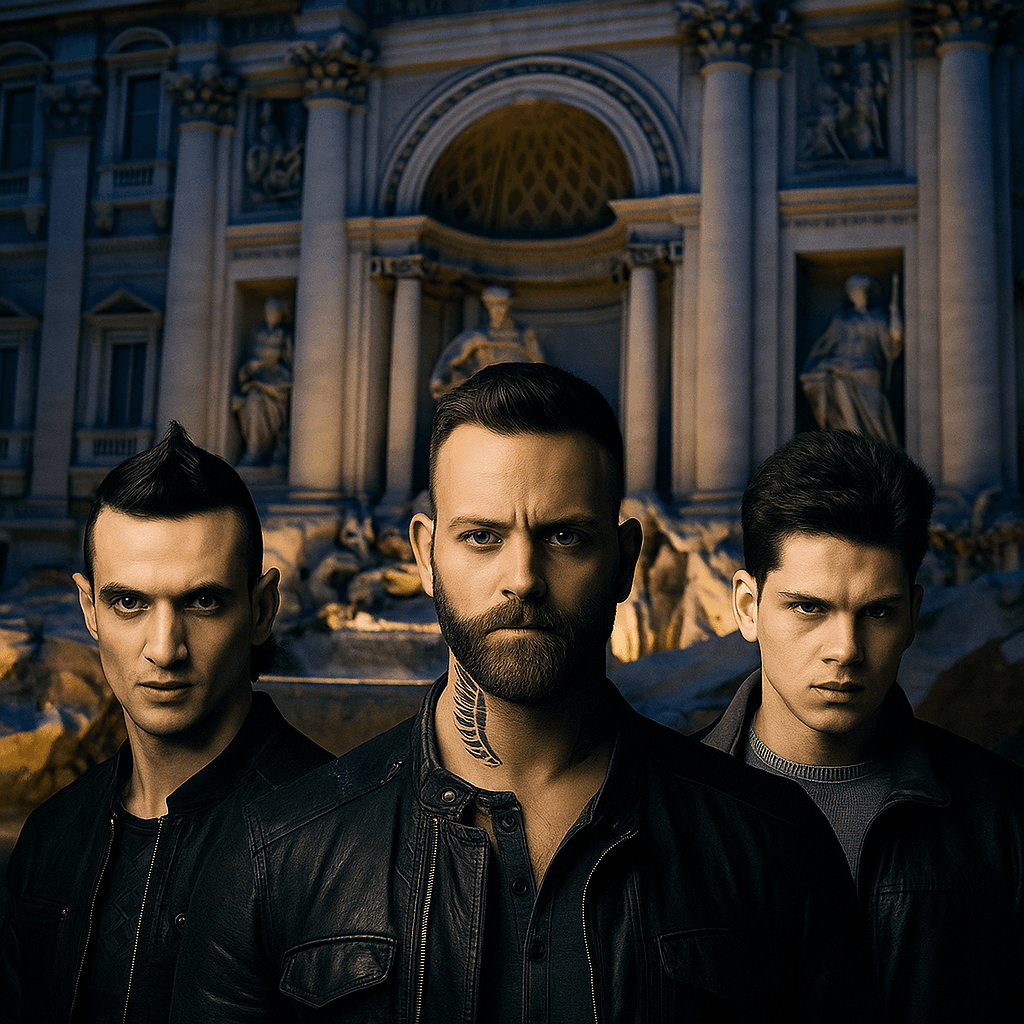
The story follows three twenty-somethings trying to carve their own lane out of a power structure that was built by their fathers and does not much want them. Aureliano Adami runs the Ostia beach rackets inherited from a gangster dynasty that resents him. Alberto "Spadino" Anacleti is the gay, queer-in-secret younger son of a Sinti crime clan, pushing for respect he is never offered. Lele Marchilli is a cop's kid who gets drawn into a narcotics scheme and discovers, to his own quiet horror, that he has a talent for it. They are not friends at first. They become a kind of brotherhood by circumstance, and the whole show is about what that brotherhood costs them.
The second show I would rank against it on this site is Gomorrah. Both are Italian, both are brutal, both were fought over by international audiences who had previously filed Italian TV under "art film or opera."
Suburra is a three-lead show with a deep bench, and the three leads are genuinely extraordinary.
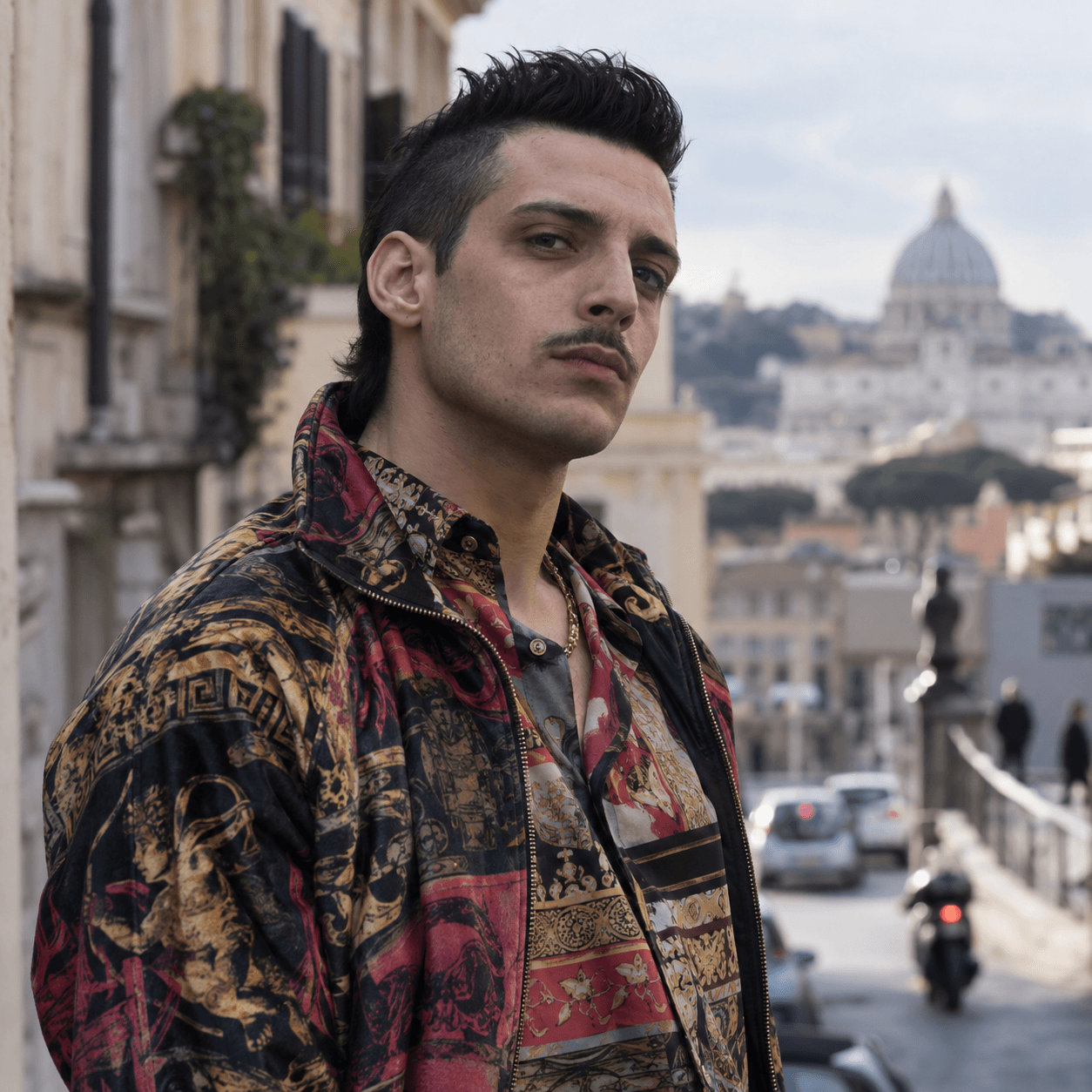
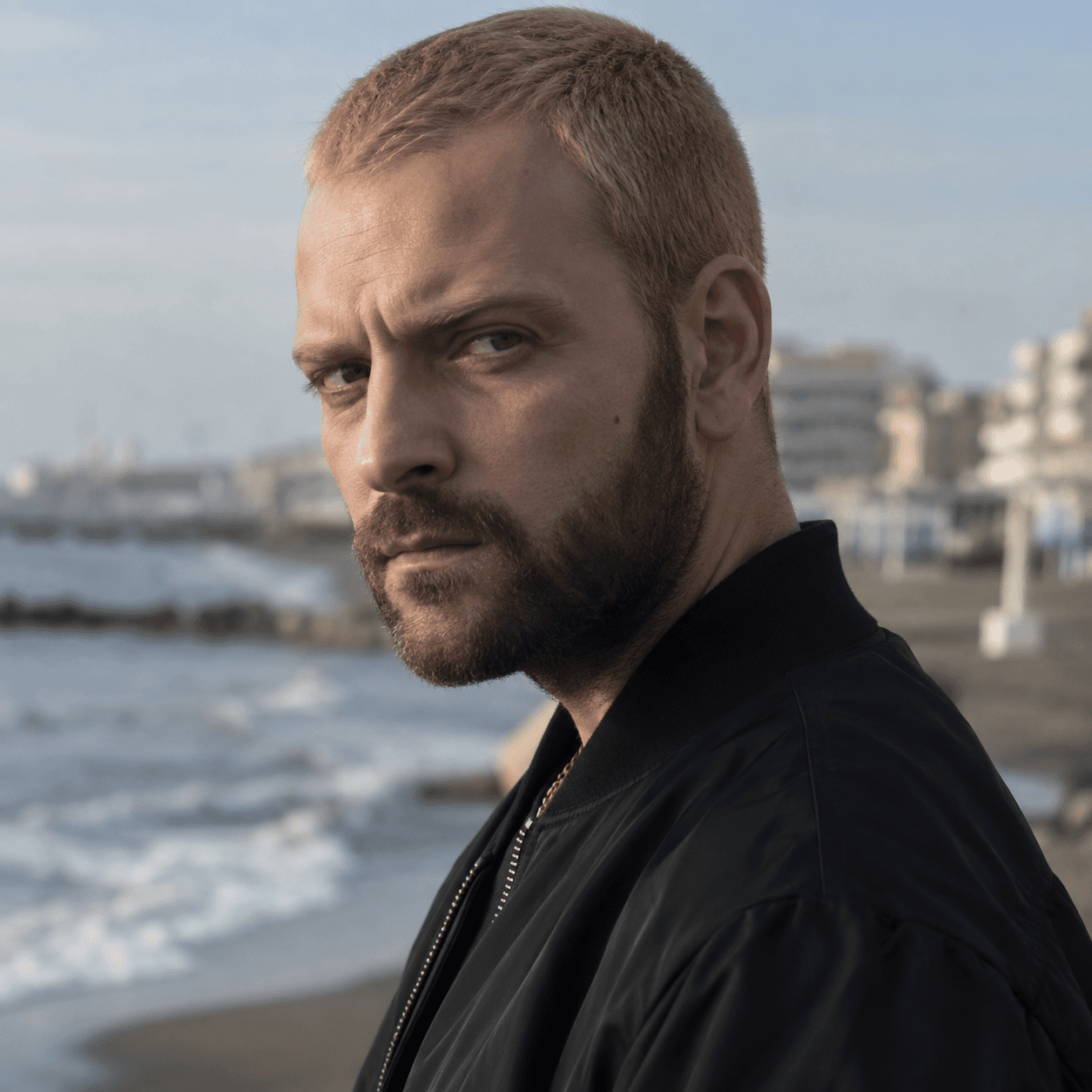
Alessandro Borghi plays Aureliano Adami as a man who is forever one bad afternoon away from setting the whole seafront on fire. Borghi was already an established Italian film actor by the time he took this role, and you can feel the film-scale gravity he brings. Giacomo Ferrara as Spadino is the show's secret weapon. His performance sits on a knife edge between swagger and vulnerability, and he earns every scene he is given, many of which quietly became the scenes people remember the whole show for. Eduardo Valdarnini as Lele is the straight-man of the trio in the sense that he anchors it morally, or tries to. Watching his face across the seasons is watching a decent young man slowly discover what he is capable of.
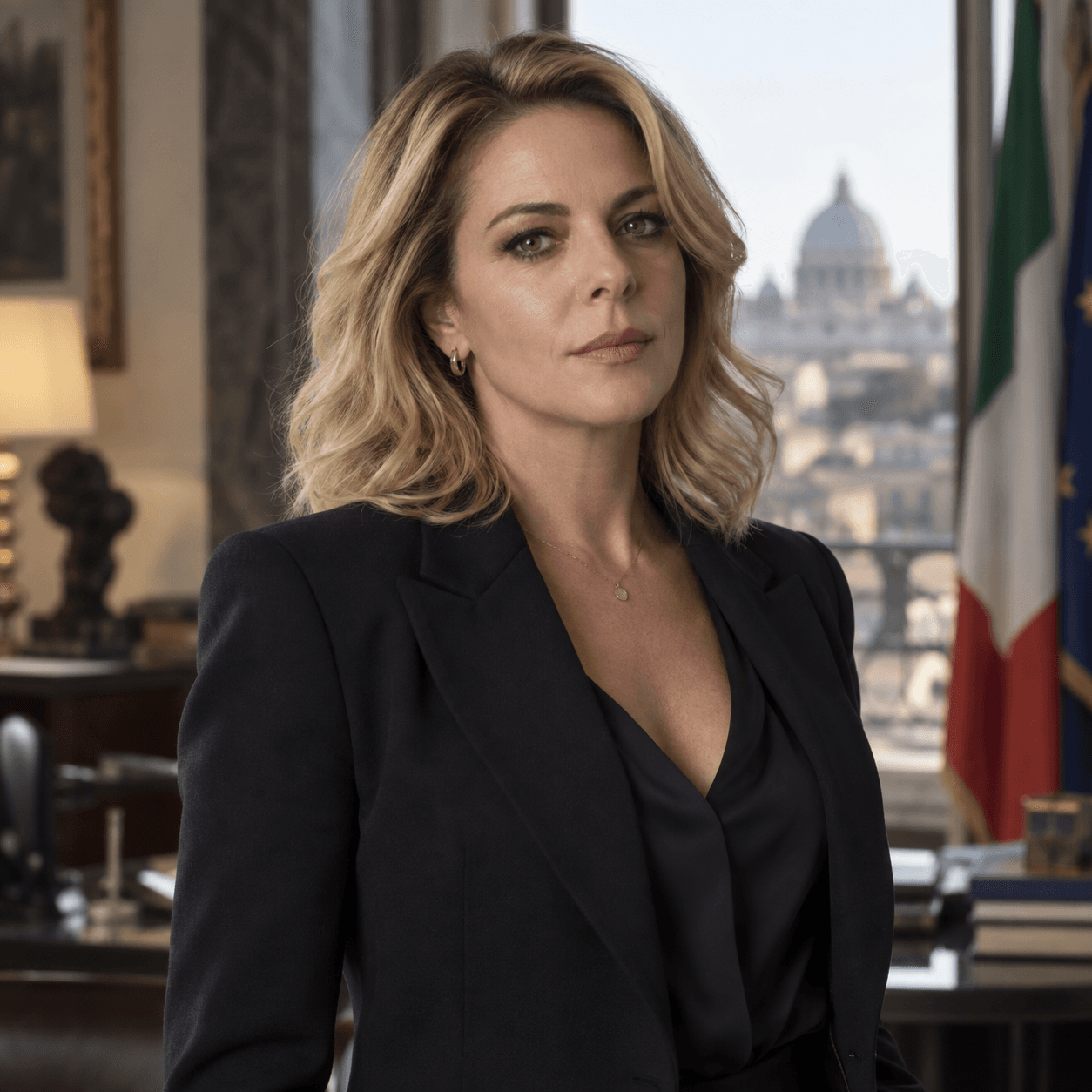
The surrounding cast is a who's-who of Italian screen talent. Francesco Acquaroli, seen internationally in Fargo, brings menacing stillness to the senior Adami family. Claudia Gerini and Filippo Nigro anchor the political and police storylines with the weary charisma of actors who have done this work for decades. The Anacleti clan scenes are their own universe: Adamo Dionisi as Manfredi is unforgettable, and Carlotta Antonelli as Angelica Sale, Spadino's young wife in an arranged marriage, grows into one of the series' most complicated roles. Barbara Chichiarelli and Federica Sabatini round out a female cast who refuse to be set dressing in what could easily have been a boys-club show.
Eduardo Valdarnini
Supporting Actor
Claudia Gerini
Supporting Actor
Barbara Chichiarelli
Livia Adami
Filippo Nigro
Supporting Actor
Giacomo Ferrara
Lead Actor
Adamo Dionisi
Manfredi Anacleti
Carlotta Antonelli
Angelica Sale
Federica Sabatini
Nadia Gravone

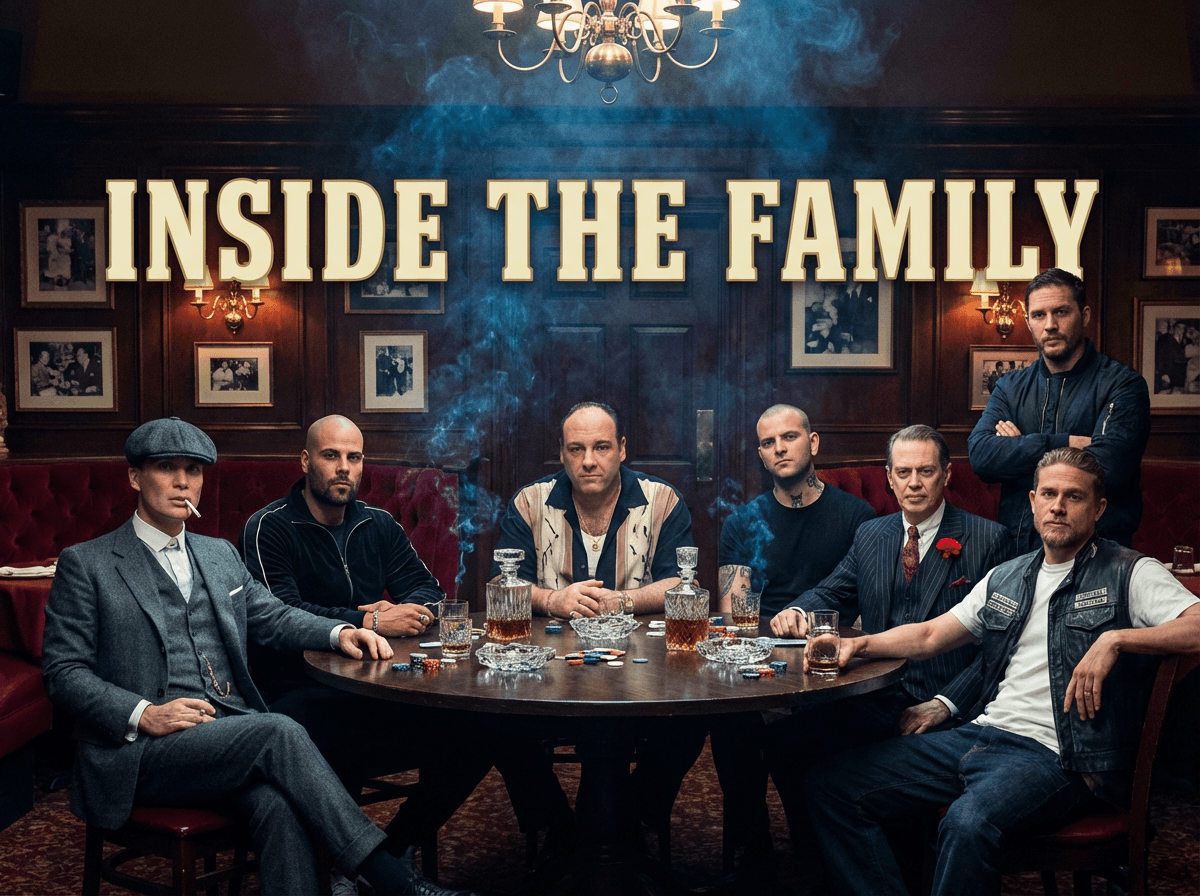
The 10 best gangster dramas told from inside the crime family — from The Sopranos to MobLand, ranked with our ELO-based methodology.
Read More
Honest review of Suburra: Blood on Rome – Netflix's gripping Roman crime epic. 9.22/10 overall, Woke Rating 5/5. See if this modern classic is worth your time.
Read MoreOn the surface Suburra is a territory war. In practice it is a study of inheritance. Every character is carrying somebody else's ambition. Aureliano is trying to live up to and then out from under his father. Spadino is trying to be seen as something other than the clan's spare son. Lele is trying to be anyone but his cop father. The show is obsessed with the question of whether you can actually escape the family you were born into, and its honest answer is: probably not, but watching people try is the story.
The second thing it is about is institutional rot. The Vatican Bank scenes, the local council corruption scenes, the anti-mafia police compromises. None of it is painted as rare or exceptional. It is the weather. That is closer to The Wire than it is to a traditional mob show, and the comparison is earned rather than borrowed.
The third thing it is about, and this is the one that snuck up on me, is queer identity under coercion. Spadino's storyline is the most subversive thing the series does. It is handled with zero preaching and maximum empathy, and it is probably why the show developed the cult audience it did.
Visually the show has a signature that any Gomorrah or ZeroZeroZero viewer will spot inside ten minutes. Cold blue nights. Brutalist concrete. Long lens close-ups on faces lit only by car headlights or a single bare bulb. The shooting style is patient. It trusts the viewer to sit in a silence. And the sound design is remarkable, particularly the electronic score by Piero and Giuliano Taviani with Carmelo Travia, which swaps the usual crime-drama strings for something colder and more club-leaning.
Some distinctive hallmarks you will notice:
The show landed well critically and became one of Netflix's earliest proof-of-concept cases for non-English originals. Italian reviewers were initially cautious, some grumbled that it glamourised organised crime the way the film had been accused of doing. International reviewers were much kinder and treated it as a sign that Netflix was serious about global production. The audience cult built steadily across three seasons and carried over to the spin-off, Suburræterna, which arrived in 2023 and picks up Spadino's storyline in particular.
Awards recognition came mostly for the ensemble rather than headline statuettes, which is fair. This is a show that works because the group works, not because one scene chewer is walking off with it.
I came to Suburra expecting a junior Gomorrah and left thinking it was the better written of the two. Gomorrah is more unrelenting. Suburra is more structured, and its three-lead triangle gives it a dramatic engine the Neapolitan show often lacks. For anyone who has worked through The Sopranos, Boardwalk Empire, or Peaky Blinders and is ready for something subtitled, Suburra is a genuine contender. It is mean, it is handsomely made, and it ends. Three seasons, clean arc, no baggy filler. That alone puts it ahead of a lot of prestige crime television.
If you only try one Italian crime series after Gomorrah, this is the one I would point you at. The dialogue does not always translate perfectly, the politics will take a couple of episodes to clock if you are not familiar with Italian local government, and it rewards patience more than it rewards binging. Stick with it. It pays.
Francesco Acquaroli
Samurai
Alessandro Borghi
Lead Actor