2014 - 2021

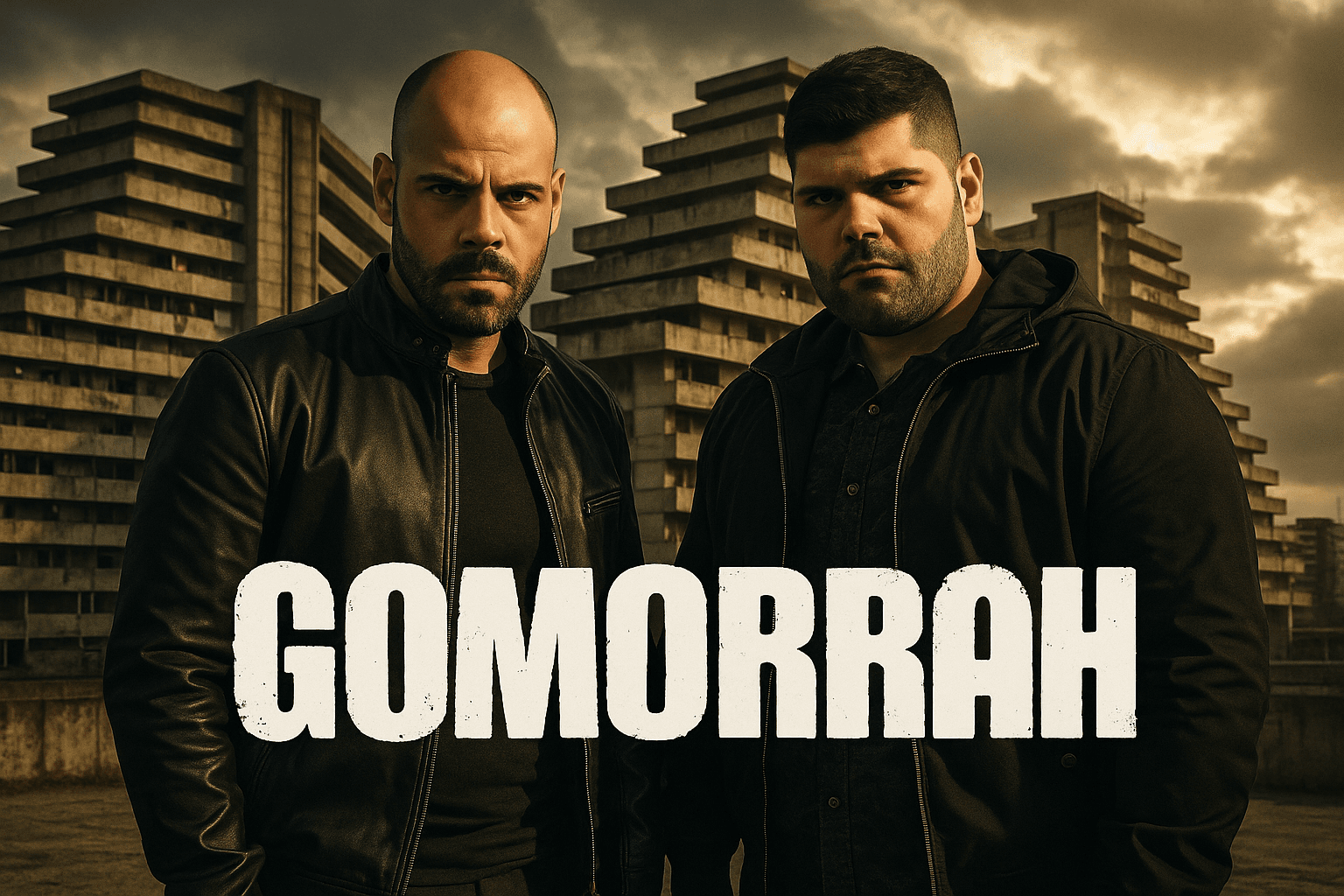
Gomorrah (Italian: Gomorra) is the Sky Italia crime drama that ran from 2014 to 2021 across five seasons and 58 episodes. It is shot almost entirely in Neapolitan dialect, which is subtitled even for Italian audiences. You watch it with subtitles and you get used to it fast.
The show is adapted from Roberto Saviano's 2006 non-fiction book about the Camorra, the organised crime system that runs swathes of Napoli and its surrounding region. Saviano co-created the series with Stefano Bises and Leonardo Fasoli. Stefano Sollima directed the first two seasons and set the visual vocabulary that the rest of the run lives inside. Claudio Cupellini, Francesca Comencini, and Marco D'Amore (who also stars) took directing duties across later seasons.
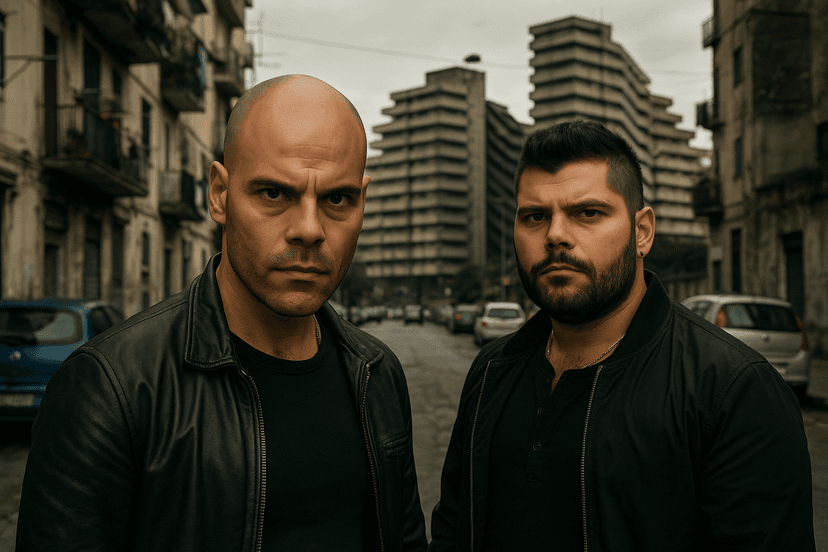
The setup is simple. A powerful clan runs the drug trade out of the crumbling housing blocks of Secondigliano and Scampia on the northern edge of Napoli. Don Pietro Savastano is the boss. His son Genny is the heir. Ciro Di Marzio is the trusted lieutenant. Power shifts. Alliances fracture. Bodies drop. The Sistema, as it is called on the ground, is older and bigger than any one man inside it.
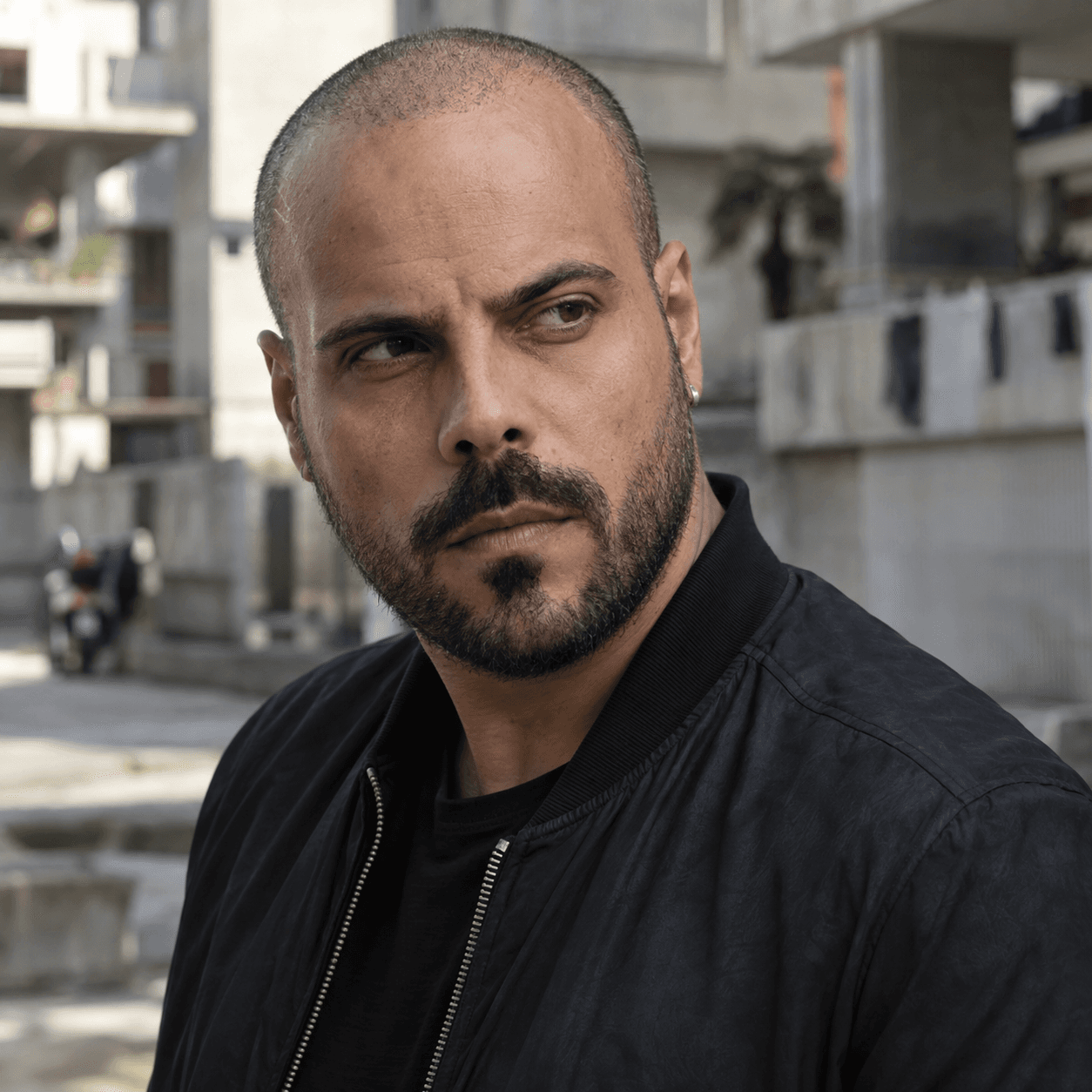
This is a Neapolitan ensemble show to its bones. The leads are Marco D'Amore as Ciro "L'Immortale" Di Marzio, a soldier who has learned to survive things no one should survive, and Salvatore Esposito as Gennaro "Genny" Savastano, the heavy, awkward son of the boss who has to decide what kind of man the name makes him. The two of them carry the series, and the chemistry between D'Amore's quiet menace and Esposito's lumbering, calculating bulk is why this show works.
The supporting bench is deep.
Saviano himself stays mostly off camera and still lives under police protection more than a decade after his book came out. That detail is not decorative. The people this show is about are real, or close enough to real that writing about them carries a cost.
On the surface, Gomorrah is a turf war. Clans rise, clans fall, a younger man gets ambitious, an older man feels his grip slip. Watch it for ten minutes and you have seen the grammar.
Stefano Sollima
Director/Showrunner
Loris De Luna
Supporting Actor
Roberto Saviano
Creator/Writer
Fabio De Caro
Supporting Actor
Maria Pia Calzone
Donna Imma Savastano
Fortunato Cerlino
Supporting Actor
Arturo Muselli
Enzo "Sangue Blu"
Salvatore Esposito
Lead Actor

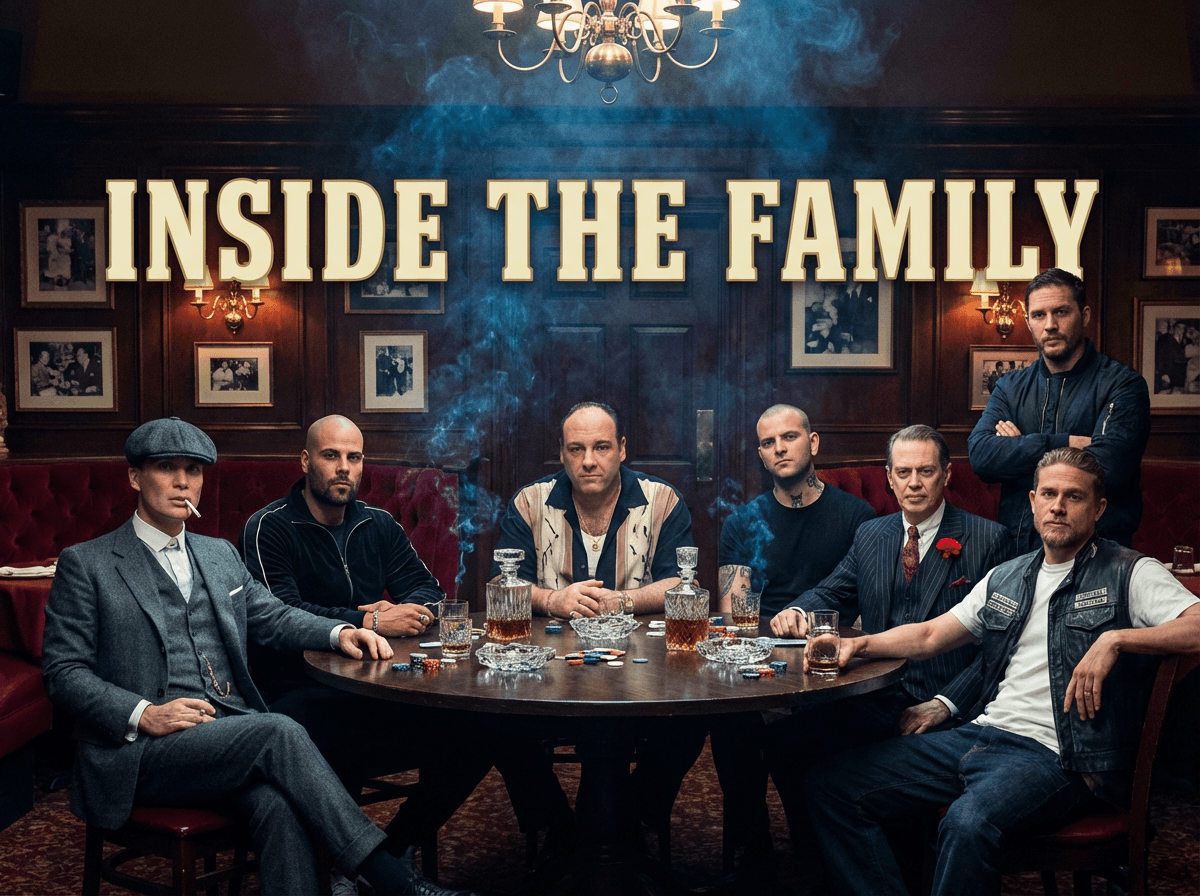
The 10 best gangster dramas told from inside the crime family — from The Sopranos to MobLand, ranked with our ELO-based methodology.
Read More
Gomorrah review – an in-depth, spoiler-free analysis of Italy's acclaimed crime saga. Includes our unique woke rating and why this epic series is a must-watch.
Read MoreThe actual subject is the Sistema itself. The show argues, without ever quite saying so out loud, that Napoli's Camorra is a stable and self-reproducing economy with its own logic. Boys grow up wanting nothing else because there is nothing else. Mothers bury sons and raise the next ones up to take the same jobs. The drug money flows. The state is somewhere in the background, mostly absent. Police come through occasionally like weather.
That is what makes the show heavy in a way American crime drama rarely is. The Sopranos is about one man's personal crisis inside an organisation. Gomorrah is about the organisation. The individuals are cogs, even the charismatic ones, and the show never lets you forget it. It is closer in spirit to Suburra: Blood on Rome, which takes a similar view of Rome's underworld, or to the grinding hopelessness of The Wire in its attitude to institutions.
Stefano Sollima shot the first two seasons in a flat, grey, almost documentary register that the later seasons honoured. There are no Scorsese flourishes here. No needle drops to paper over a flat scene. No voiceover explaining how a soldier feels about what he just did. The camera watches. The edits are patient. Violence happens quickly and then is over.
The setting does a lot of the lifting. Le Vele di Scampia, the vast honeycomb housing estate that has since been partly demolished, appears in season one like a brutalist monument to the show's thesis. Secondigliano's tower blocks, tenement courtyards, scooter-clogged alleys, and half-finished concrete interiors are as much characters as the people. The Naples of Gomorrah has nothing to do with the postcard Naples of tourists. The bay and Vesuvius appear exactly twice that I remember, and only briefly. The show lives on the inland side of the hill.
The music is minimal and often electronic, pulsing under montage sequences where characters move from one piece of business to the next. Silence does more work than any score. When a scene needs weight, the show simply stops.
Critics loved it almost immediately. The series won the International Emmy for Best Drama and collected festival prizes across Europe. Reviewers from the Guardian, the New York Times, and the BBC all put it on best-of-decade lists for TV drama. It was the first Italian series to get a genuine global audience since the big Rai productions of the seventies.
Inside Italy the show was a cultural event and also a cultural argument. Politicians from Napoli accused it of glamorising the Camorra. Saviano and the producers pushed back that depicting an economy of violence is not endorsing it, and the show's refusal to give any character a clean redemption arc is part of that defence. You come out of Gomorrah wanting fewer Don Pietros in the world, not more.
The franchise expanded in 2019 with the spin-off film L'Immortale, directed by and starring Marco D'Amore, which fills in a piece of his character's backstory and bridges two phases of the TV show. If you like the series, the film is worth your time.
Gomorrah works because it refuses the usual deal. No likeable antihero. No redemptive love interest. No Tony Soprano therapist scenes where the audience gets permission to empathise. You watch terrible people do terrible things in a place that has run out of alternatives, and the show trusts you to sit with that.
I came to it expecting a lesser cousin of the American crime canon and left convinced it is one of the best crime dramas anyone has made. If you have already worked through The Sopranos, Boardwalk Empire, Breaking Bad, and Peaky Blinders, this is what you graduate to. Harder, colder, less forgiving. Five seasons long, no filler, no wasted episodes. Subtitles. Worth it.
Marco D'Amore
Lead Actor
Cristiana Dell'Anna
Patrizia