2013 - 2022

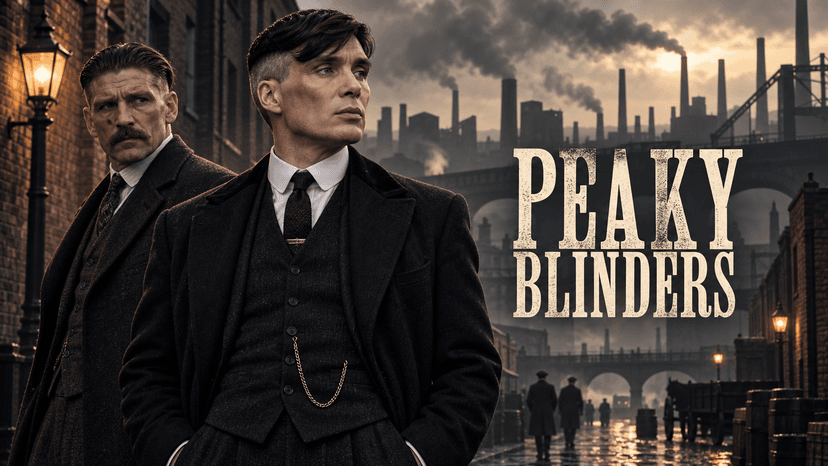
Peaky Blinders ran on BBC Two (later BBC One) and Netflix from 2013 to 2022. Six seasons. Thirty-six episodes. Created by Steven Knight, who grew up in Birmingham on stories his uncles told about the 1920s gangs and turned those stories into a crime drama with a distinctly British spine.
The setting is Small Heath, Birmingham, 1919. The Great War is over. The boys who came home from the trenches are back in the soot and the terraced streets with shrapnel in their lungs and nightmares they cannot describe. Among them are the Shelby brothers, a Romani family running a bookmaking operation out of the Garrison Pub. They call themselves the Peaky Blinders, and the name is already feared in the surrounding alleys.
Tommy Shelby returns from France changed. Quieter than he was before. Also colder, smarter, and more ambitious than anyone around him has realised. What begins as a neighbourhood racket stretches over the seasons into horse racing, distilling, London, America, government contracts, and eventually parliament. The gang that started with a straight razor hidden in a cap becomes something Tommy himself can barely control.
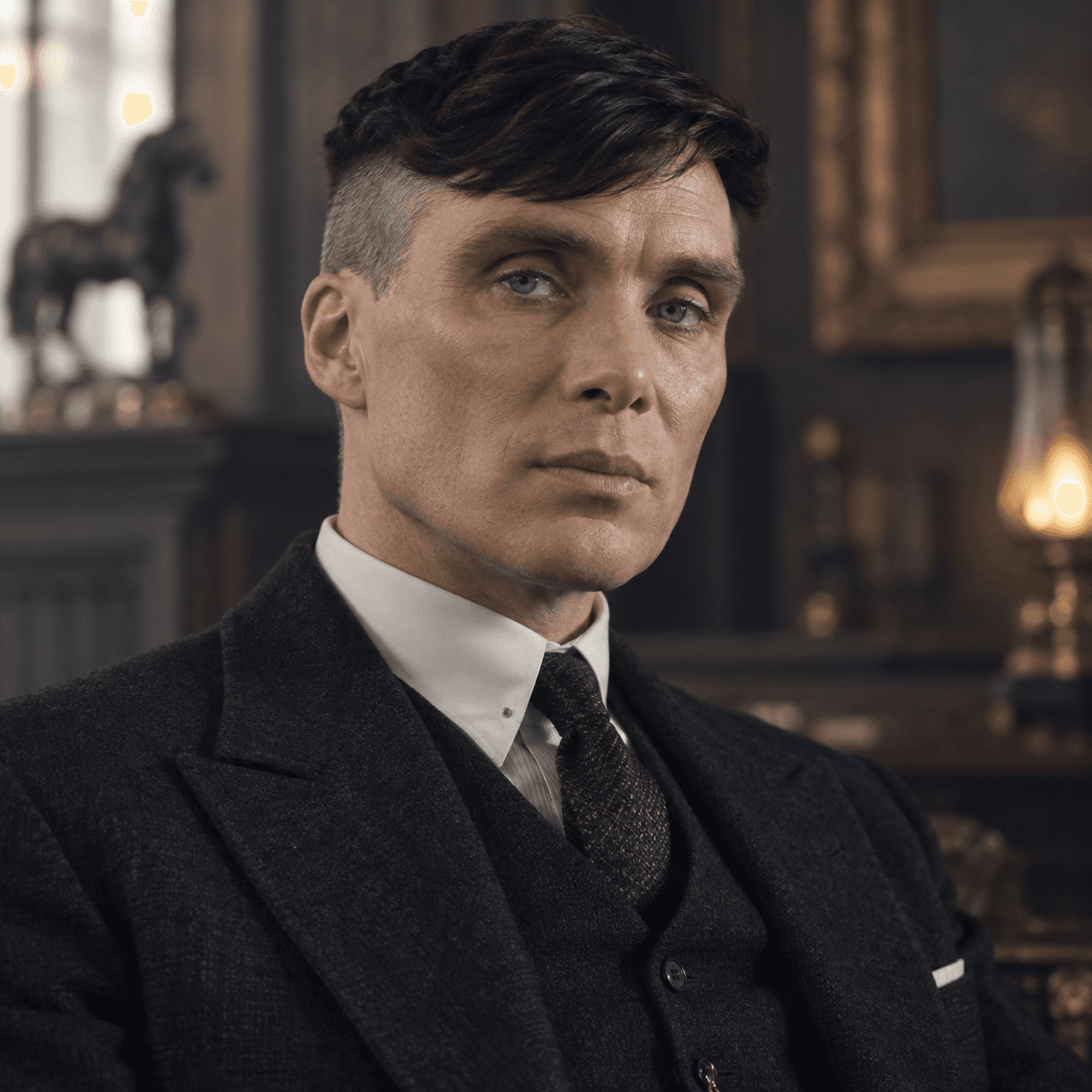
Cillian Murphy holds this show together and the show knows it. His Tommy Shelby barely raises his voice across six seasons. He does not need to. The cheekbones, the long coat, the cigarette burning between two fingers, the eyes that have seen something no one in the room wants to hear about. It is a performance built almost entirely out of stillness and a Birmingham accent Murphy (who is Irish) drills until it sits in his jaw. Murphy later won the Best Actor Oscar for Oppenheimer, and much of the quiet command he brings to that role was already finished and polished here.
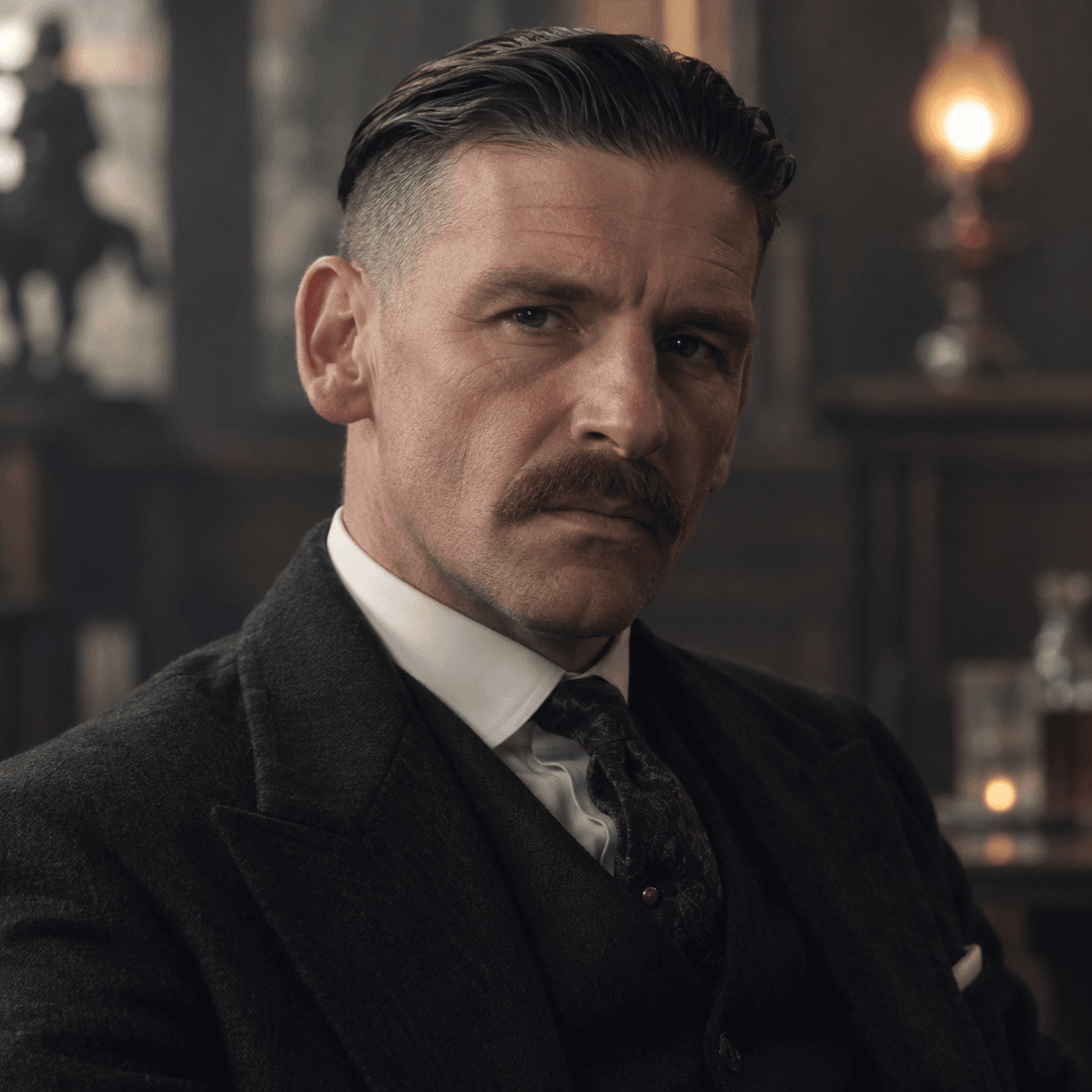
The ensemble around him is stacked.
Tom Hardy arrives in season two as Alfie Solomons, a Jewish gangster out of Camden Town, and every scene he shares with Murphy is electric. Hardy does something unhinged with the accent, the Old Testament riffs, the bakery-front-for-a-distillery. It is the performance of an actor given a tiny window in someone else's show and deciding to blow it wide open.
Sam Claflin
Joe Cole
Paul Anderson
Cillian Murphy
Natasha O'Keeffe
Adrien Brody
Anya Taylor-Joy
Sophie Rundle
Finn Cole
Sam Neill

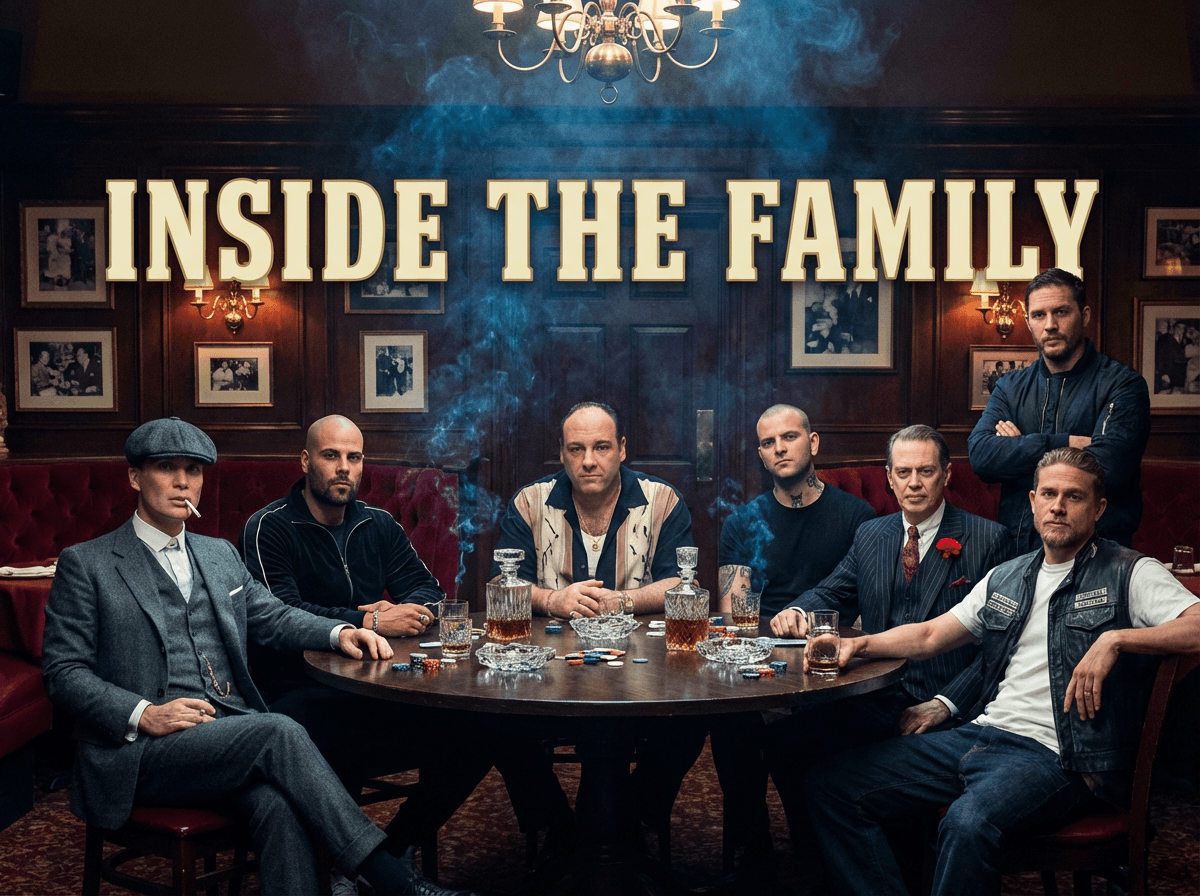
The 10 best gangster dramas told from inside the crime family — from The Sopranos to MobLand, ranked with our ELO-based methodology.
Read More
Peaky Blinders review — ranked in our top 5 with a 5/5 woke rating. Cillian Murphy delivers an all-time performance as Tommy Shelby in this Birmingham crime epic.
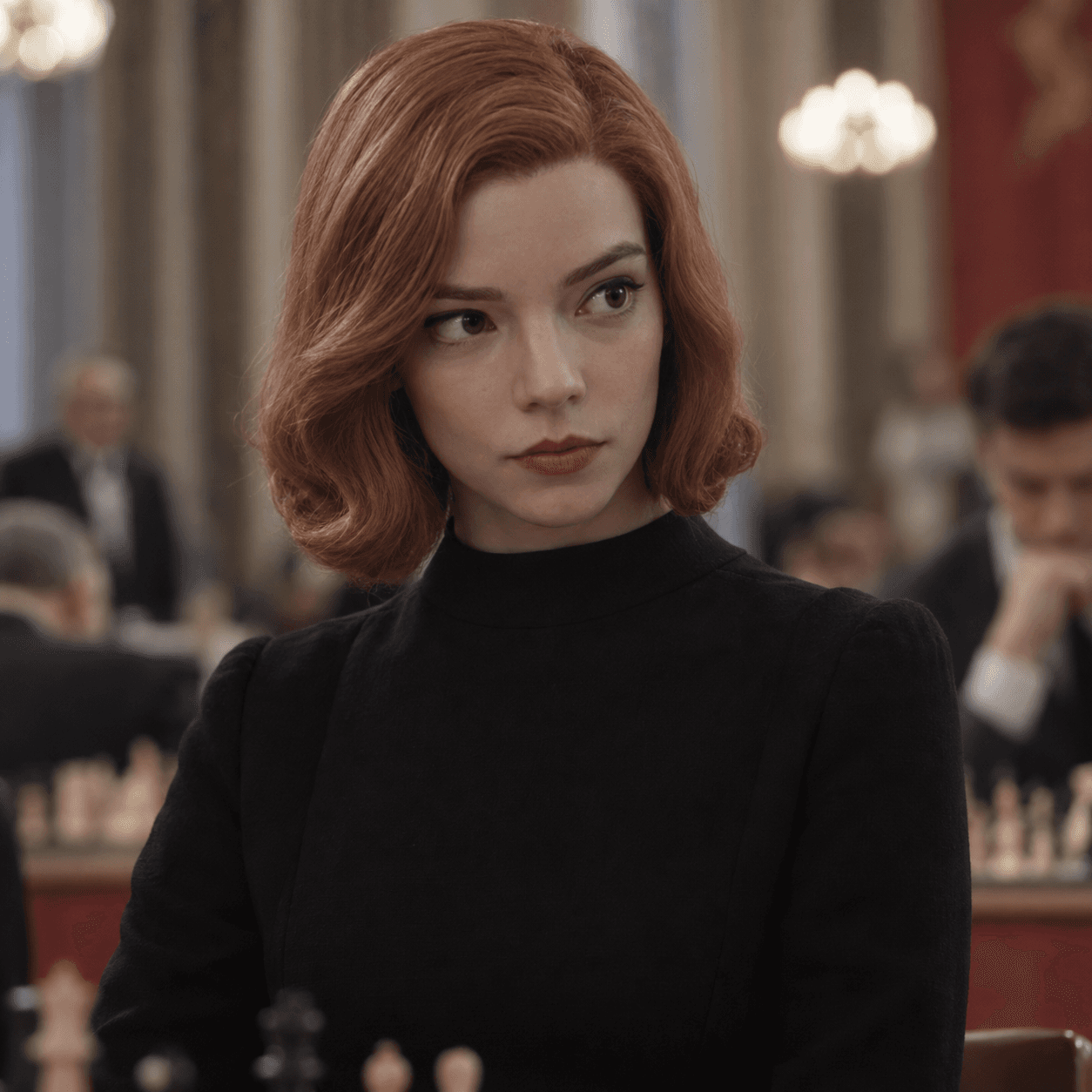
Read MoreSam Neill plays Chief Inspector Chester Campbell in the first two seasons, a Belfast policeman sent to clean Birmingham up and quickly finding the job is bigger than he is. Adrien Brody joins in season four as Luca Changretta, a New York mob boss who comes to Birmingham for a season-long blood feud. Sam Claflin takes on Sir Oswald Mosley, the real historical leader of the British Union of Fascists, across seasons five and six. Anya Taylor-Joy plays Gina Gray. Natasha O'Keeffe is Lizzie Stark, whose story runs the full length of the show.
A gangster show on the surface. Underneath, a show about what happens when you send a generation of poor boys to die in France and send the ones who live back to the factories.
Tommy Shelby is a shell-shocked man pretending to be a crime boss. Arthur is another. Whole scenes are set at the kitchen table and the Garrison with men whose hands cannot stop shaking. The show never calls it PTSD, because in 1919 nobody did. It just shows you. A cough, a flinch at a backfire, a bottle always within arm's reach.
Class is the other engine. Tommy is not trying to run Birmingham for the thrill. He is trying to force a country that decided his family did not matter to admit that they do. Every move up the ladder is a working-class Romani man walking into rooms that were built to keep him out and refusing to take his cap off. Steven Knight keeps Romani identity central. The Shelby family speaks Romani on screen. Their rituals, their superstitions, and their code all sit inside the story rather than getting trotted out for flavour.
And then, in the last two seasons, the politics turn. The rise of British fascism in the 1930s is not a backdrop but the main storyline, with Mosley played by Claflin as genuinely charismatic and genuinely dangerous. The show is not subtle about where it stands.
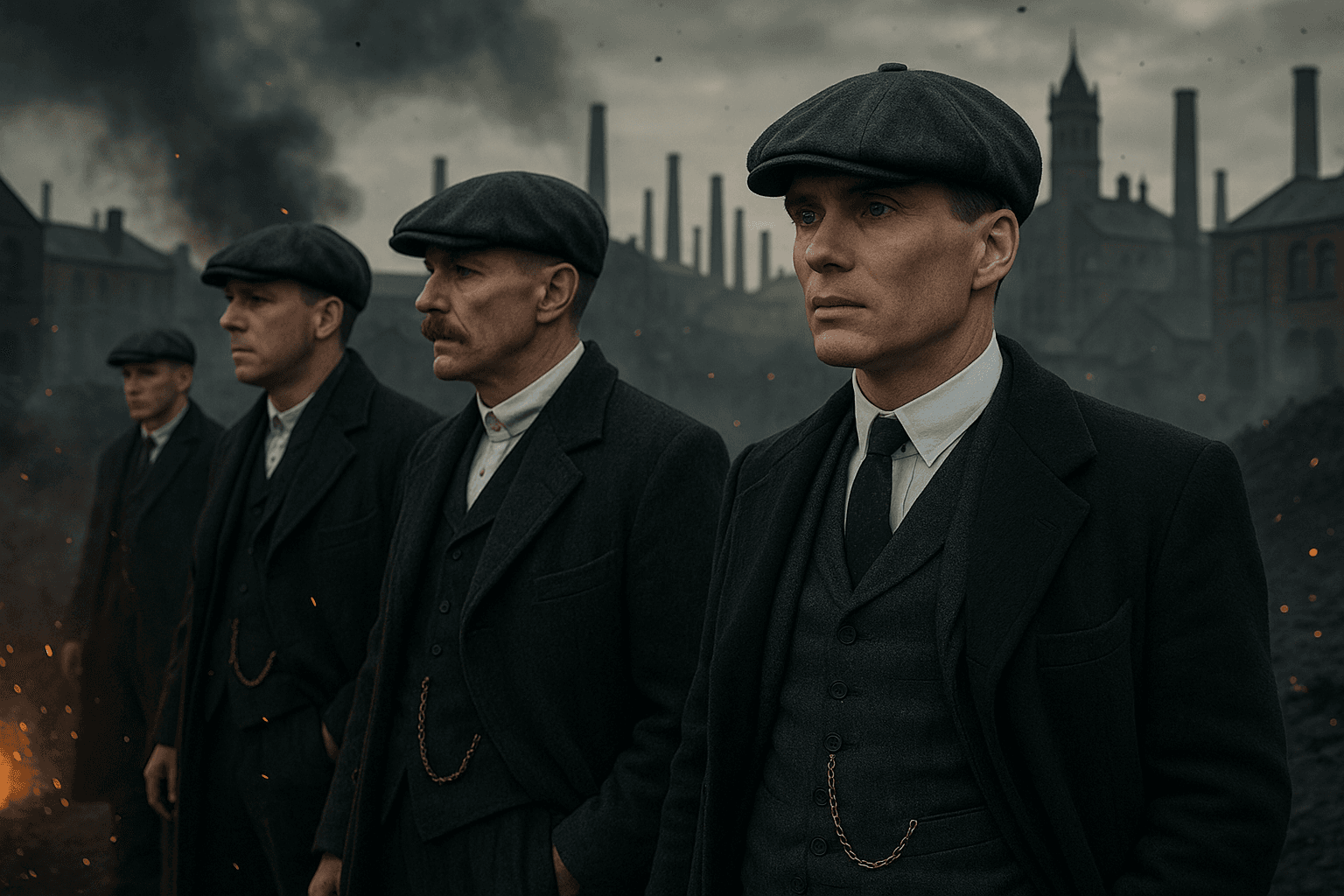
The look is iconic now. Long wool coats, newsboy caps with razor blades sewn into the peaks, waistcoats, pocket watches, fog, sparks from a steelworks, a pub with a door that will not let anyone in without permission. Director Otto Bathurst set the template in the first episodes and every director who followed worked inside it.
The soundtrack is the other half. The theme is Nick Cave and the Bad Seeds' "Red Right Hand", and the rest of the music is deliberately anachronistic. Modern rock and blues and electronic tracks dropped over 1920s scenes with the confidence of a show that knows exactly what it is doing. The effect is hypnotic. You are watching the past and hearing the present and the two do not fight. I was skeptical of the trick the first time I saw it and won over by the end of the pilot.
Critical reception built slowly and then exploded once Netflix began streaming the series globally. The show won the BAFTA for Best Drama Series in 2018. Murphy was nominated repeatedly and eventually collected his BAFTA. The flat cap became a fashion item. Pubs across Britain still run Peaky Blinders nights.
Culturally, the show dragged post-WWI Birmingham into the prestige-drama conversation and gave British crime TV a new visual vocabulary. Before Peaky Blinders, the genre in the UK often meant modern-day London and a copper in a squad car. Knight proved a regional period piece could go toe to toe with anything HBO was making.
A feature film is confirmed. Steven Knight is writing it. Murphy is returning as Tommy. The setting is the Second World War.
Peaky Blinders is a show about damaged people that refuses to flatter them or forgive them. It takes class seriously without sneering. And it understands that families are sometimes the thing that will get you killed. Knight trusts the audience with accents, with Romani phrases, with long silences, with political history that a lesser series would have explained in dialogue.
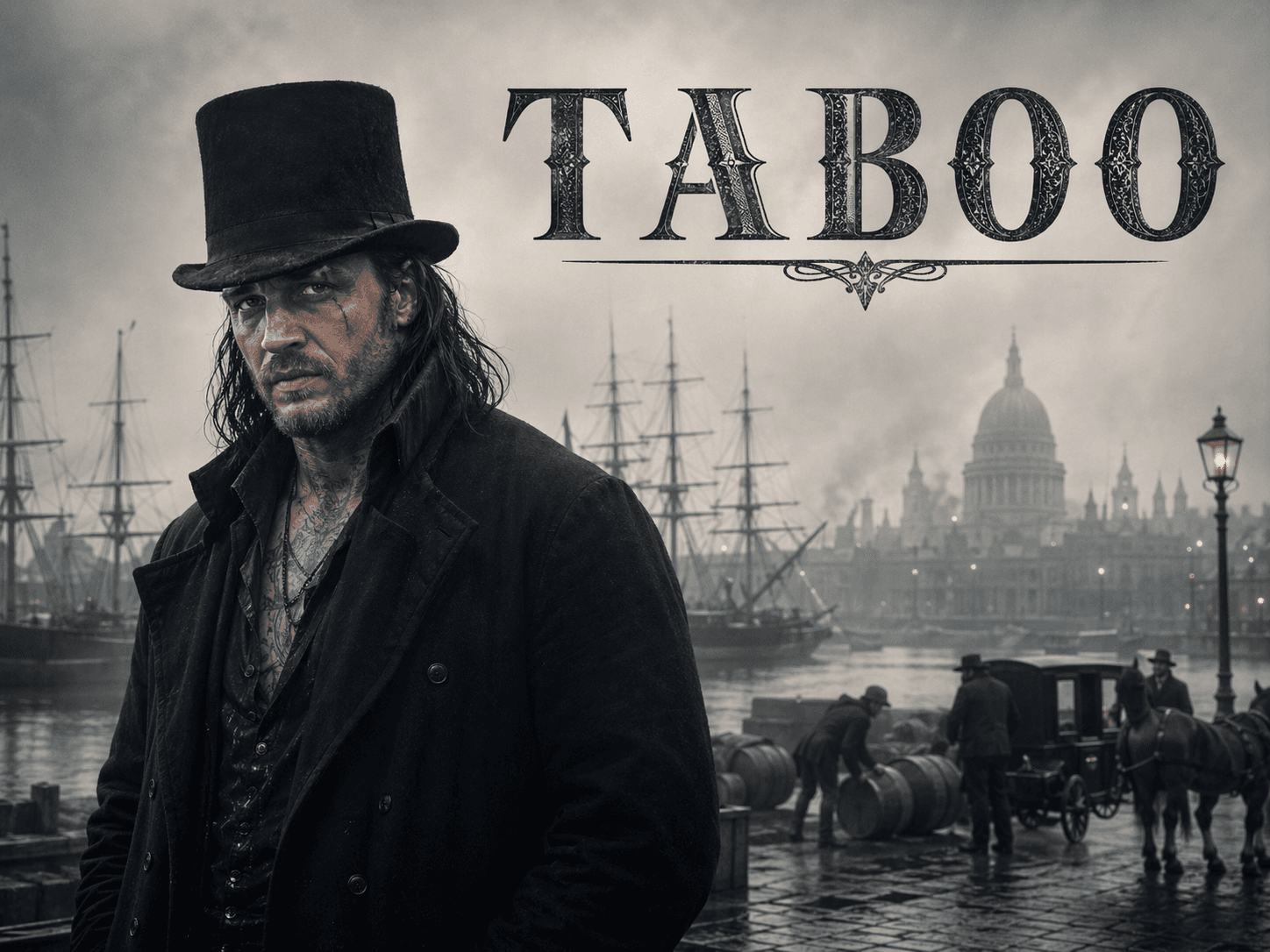
If you loved the moral weight of The Sopranos or the period texture of Boardwalk Empire, you are already in Peaky territory. The show also scratches the same Steven Knight and Tom Hardy itch as Taboo. Fans of Gomorrah and Sons of Anarchy will find the same questions here. Can a criminal family outrun the country that made it, or does the country always win in the end?
By order of the Peaky fucking Blinders, watch it.
Helen McCrory
Tom Hardy