Peaky Blinders: By Order of the Shelbys
Updated
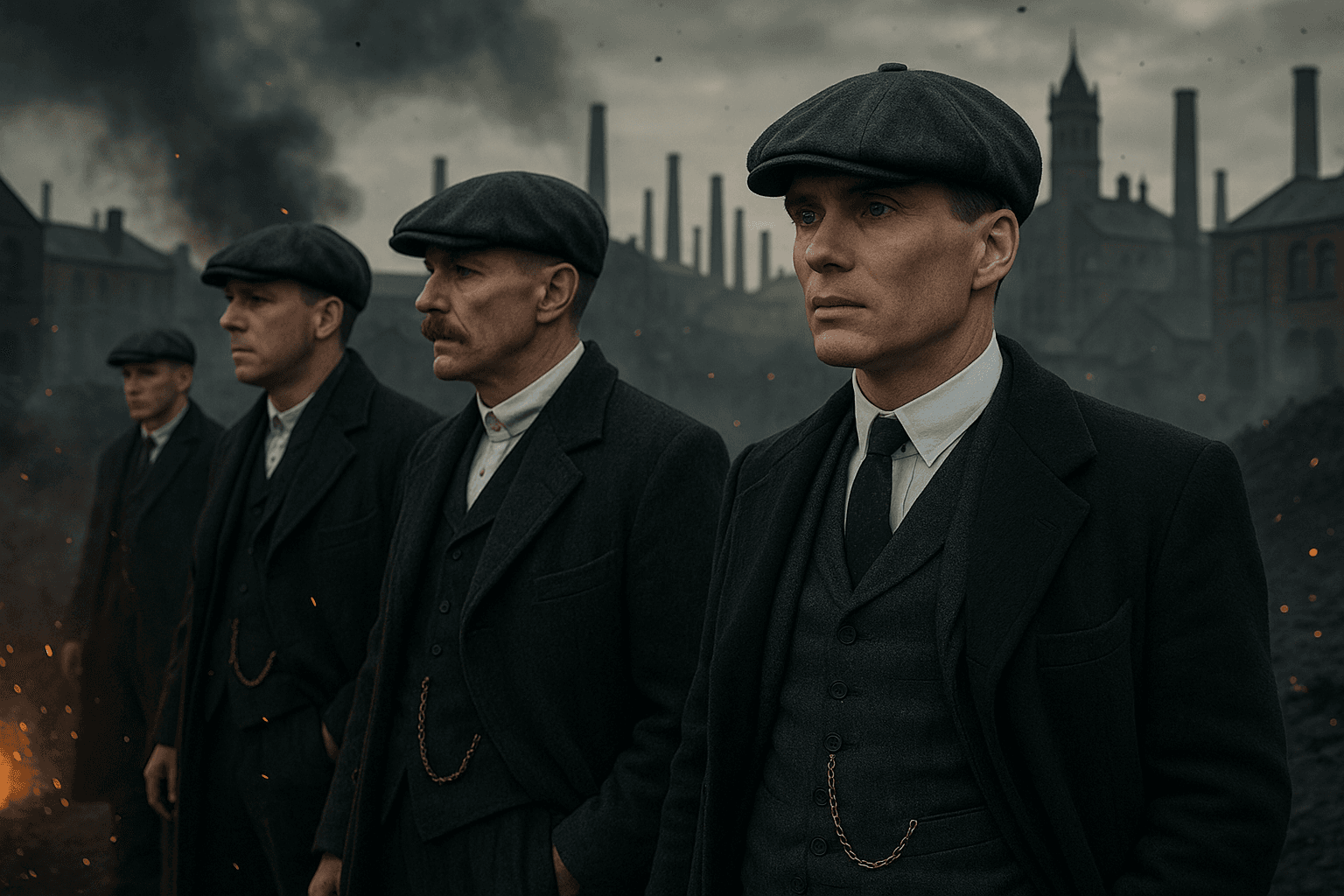
I recently rewatched all six seasons of Peaky Blinders, then followed them with The Immortal Man. It is still one of the best shows I've ever watched. The film is a good, solid final instalment, but spending that much time back with the Shelbys reminded me how much of the pleasure lies in the series itself: the family arguments, the negotiations, and Tommy listening to somebody explain why he cannot possibly have what he wants.
Cillian Murphy makes those conversations worth watching before anybody reaches for a gun. Tommy Shelby can look thoroughly bored with a threat while calculating exactly how serious it is. You want to see what he does next, and you want the person opposite him to keep talking just a little longer.
Steven Knight's crime drama begins in Birmingham in 1919. The Shelby family runs a betting business, the men have returned from the Great War, and Tommy has ambitions well beyond the streets they already control. Six seasons give that ambition room to grow. They also give you ample opportunity to wonder whether anybody in this family would be happier if he occasionally left well alone.
The war came home with them
The suits and the swagger are easy to imitate. The damage underneath them is why Peaky Blinders amounts to more than a particularly successful wardrobe.
Tommy is capable of frightening calm, but it rarely feels restful. Murphy gives him the stillness of somebody keeping a lid on something. His work, his schemes and his determination to move upwards keep him occupied; none of them makes him look comfortable in his own life. The war isn't a bit of backstory supplied to excuse the violence. It is there in the way these men struggle to inhabit ordinary rooms.
Paul Anderson's Arthur is the less contained version. He can be terrifying and desperately needy within the same conversation. Tommy's control and Arthur's volatility make an excellent pairing because each exposes something the other would rather hide. Arthur wants to be useful to his brother, and being useful to Tommy is a demanding occupation.
That gives the family loyalty its weight. These people have reasons to cling to one another beyond a shared surname. It also makes the cost of their decisions feel personal rather than another entry in the criminal accounts.
Everybody has an opinion about Tommy's plans
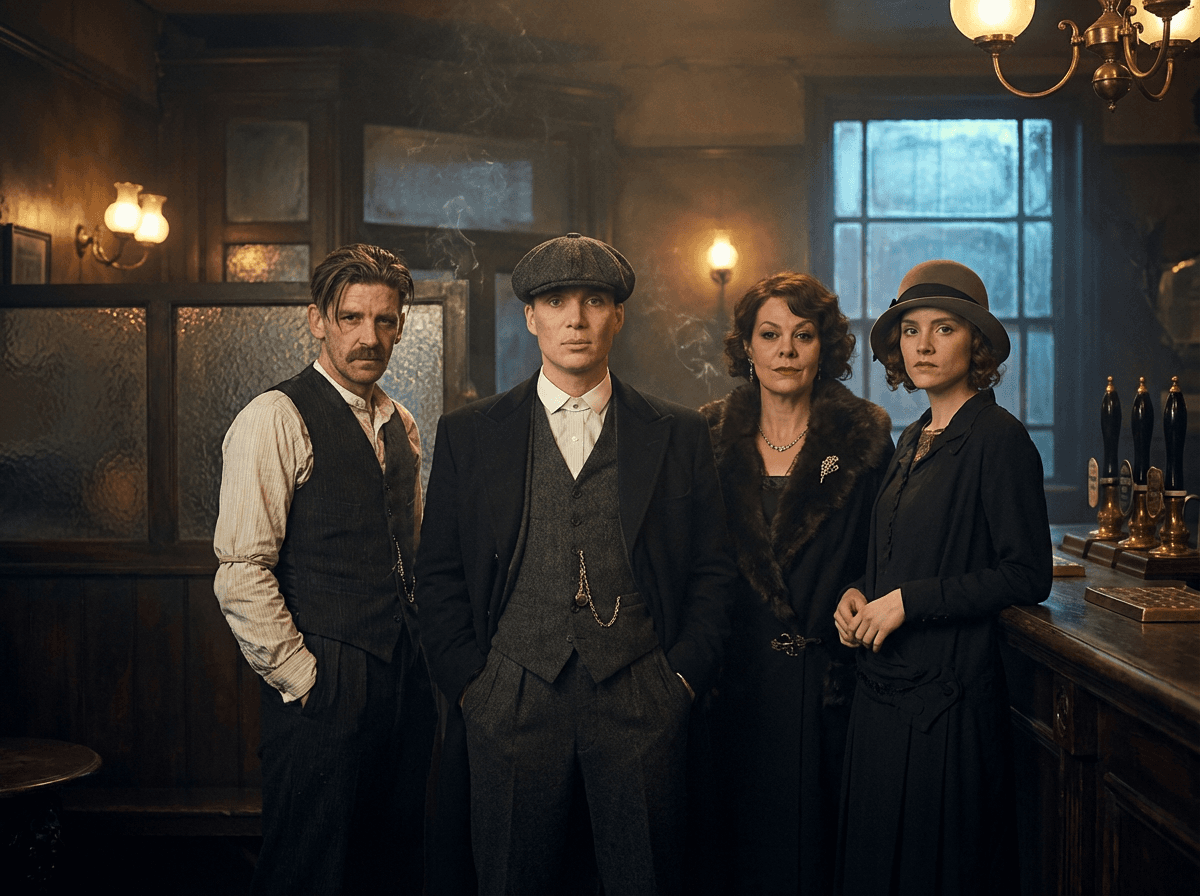
Helen McCrory is tremendous as Polly Gray. She can cut through Tommy's impressive composure with the impatience of someone who remembers him before he became impressive. Her authority doesn't depend on being the loudest person in the room. Often she seems to be the only one prepared to point out what the latest triumph is going to cost at home.
The family scenes are a large part of why I rate the show so highly. A plan can sound brilliant when Tommy presents it to an opponent and considerably less attractive when the family has to live with it. Affection, resentment and business are impossible to separate. Even an argument that starts with money soon turns into something older.
Sophie Rundle's Ada brings a welcome refusal to accept that Tommy's version of the family must be everybody else's. The Shelbys aren't a line of supporting characters waiting for their leader to finish being clever. They push back. You can enjoy his nerve while seeing perfectly well why living under his direction would be exhausting.
Then Alfie starts talking
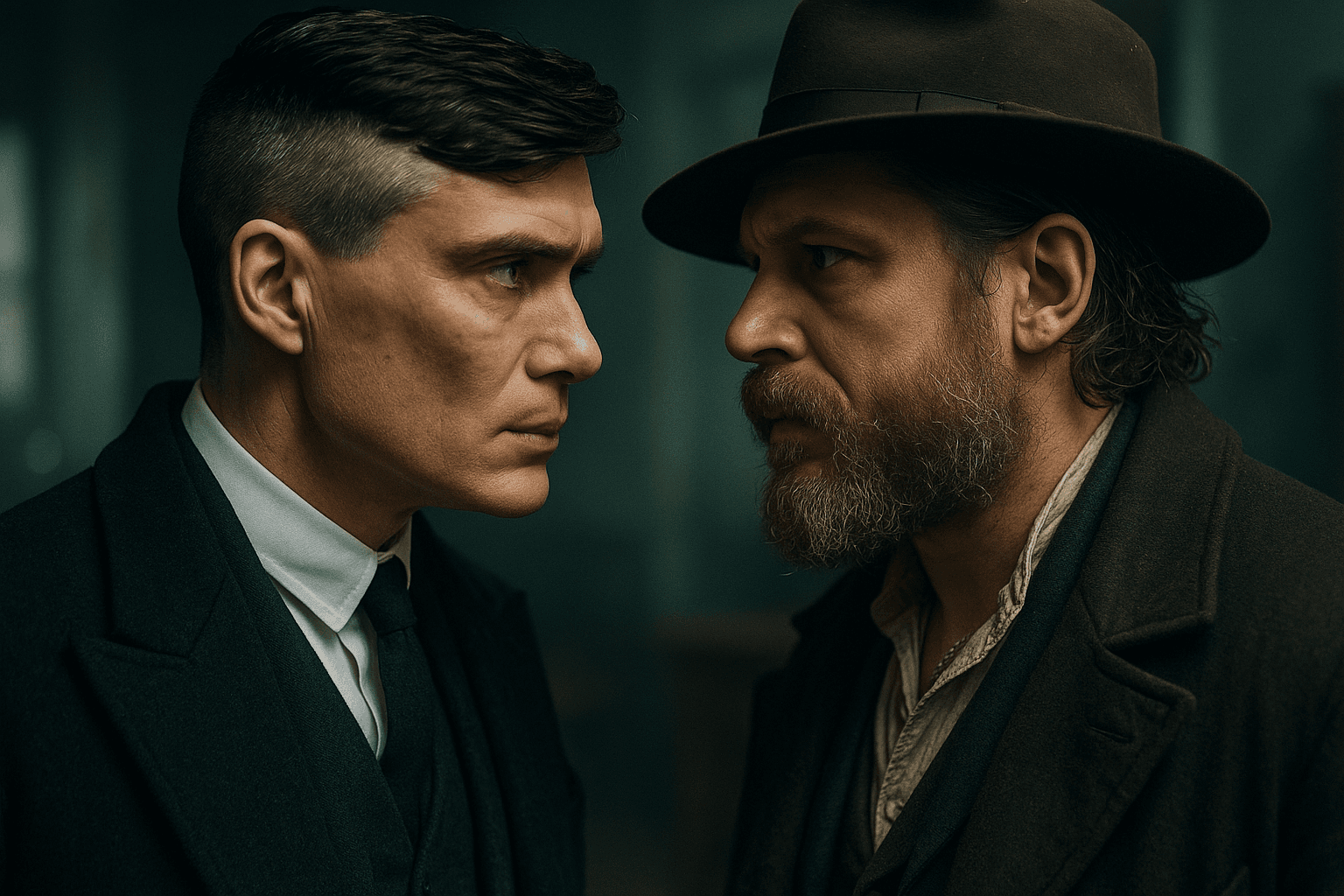
Tom Hardy as Alfie Solomons is one of the great pleasures of the series. Tommy tends to arrive at a meeting with a destination in mind. Alfie can spend several minutes making you wonder whether he has even agreed what the meeting is about.
Hardy's delivery is wonderfully awkward to read. An apparently wandering explanation can become a threat without changing volume. He is funny, but the humour doesn't make him harmless; it makes the uncertainty more enjoyable. You can see Tommy trying to establish how much of this performance he should take literally.
Their scenes have enough personality to survive without a major plot revelation at the end of them. Just putting Murphy's concentration opposite Hardy's rambling aggression is entertainment. Alfie is not simply Tommy's opposite, either. Both know the value of making the other man uncomfortable. They just have very different manners.
Sam Neill's Inspector Campbell supplies another sort of opposition. His certainty about his own authority makes him a particularly unpleasant presence. Neill gives the early conflict real bite: a badge is no reassurance that the person wearing it is reasonable.
Ambition with consequences
The scale grows well beyond a neighbourhood gang, but the most persuasive stakes remain close to home. It matters who trusts Tommy, who feels used by him and who thinks they are owed a say. A bigger enemy is only interesting if the pressure changes something inside the family.
The plotting enjoys a dramatic entrance and a carefully timed reversal. Tommy can be extraordinarily well prepared, and the show certainly likes him looking formidable. Yet there is enough friction around him to stop his intelligence becoming the answer to everything. Winning an argument does not settle a relationship. Getting into a more powerful room doesn't mean he belongs there.
That is also where the class tension works. Respectability offers the Shelbys access to people whose methods may be more polished without being much cleaner. Tommy's appetite for advancement keeps bringing him up against that distinction.
I don't watch it as a reliable history lesson about the real Birmingham gangs. This is a heightened crime story built around a fictional family. Its confidence, performances and emotional continuity make that world convincing on its own terms.
Small Heath, turned up loud
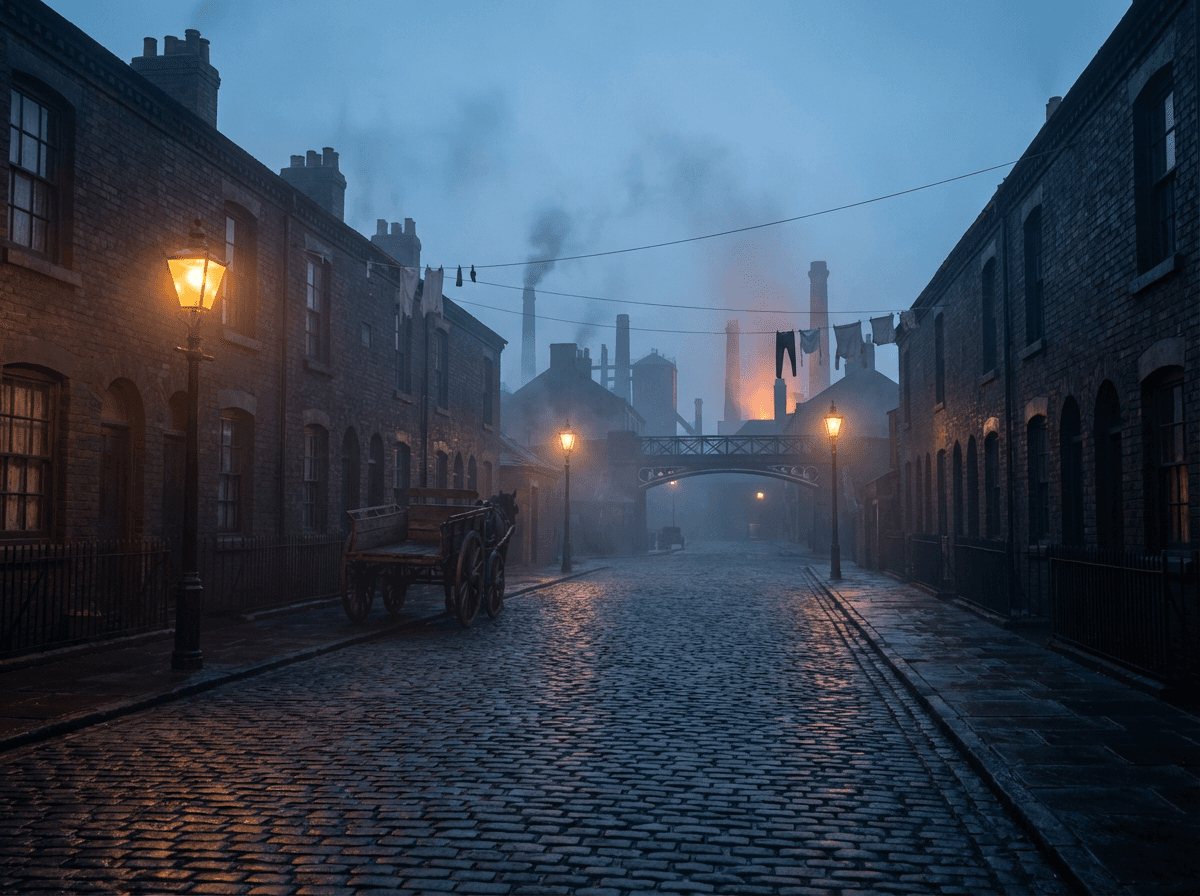
The factory smoke, brick streets and heavy coats give the series a look you recognise immediately. It is handsome television without making the Shelby world look comfortable. There is grime under the tailoring, and the physical surroundings keep reminding you where the family started.
The modern soundtrack is a large part of the attraction. Nick Cave and the Bad Seeds' Red Right Hand belongs to the show so completely that historical accuracy seems beside the point when it starts. The music gives the walk down a street the force of an entrance. Sometimes that is unabashed posing. With this cast, I am happy to watch them pose.
More importantly, the style isn't doing all the work. Strip away the music and slow motion and there are still conversations worth listening to, a family worth following, and a lead performance that can hold the screen in silence. That is the difference between a memorable look and a show worth returning to for six seasons.
The film, and where I leave the Shelbys
Peaky Blinders: The Immortal Man follows the series into the Second World War. I enjoyed it as a solid final instalment. For me, the six seasons and the film make the Peaky Blinders story I wanted to watch.
Two further seasons have been announced for a sequel set in 1953. I am not looking forward to that in the same way. Moving to a later generation feels more like extending a valuable name than a reason, by itself, to return. I will judge it as a separate show; it doesn't inherit my affection for this one just by putting the same title on the screen.
I thought A Thousand Blows was awful, so Steven Knight's involvement is not enough to sell me another period crime drama. I'd be pleased to be proved wrong about the sequel. My recommendation here doesn't depend on it.
For the original series, the recommendation is wholehearted. Watch it for Murphy and stay for the people who make Tommy's life difficult. Boardwalk Empire is a good next stop for period crime and the traffic between money and political power. Taboo offers a darker, stranger dose of Hardy in historical London. For another criminal family that makes loyalty both a comfort and a trap, there is The Sopranos.
UK viewing: Peaky Blinders on Netflix and The Immortal Man. Availability checked September 2026.
Keep Reading
More Reviews You Might Like
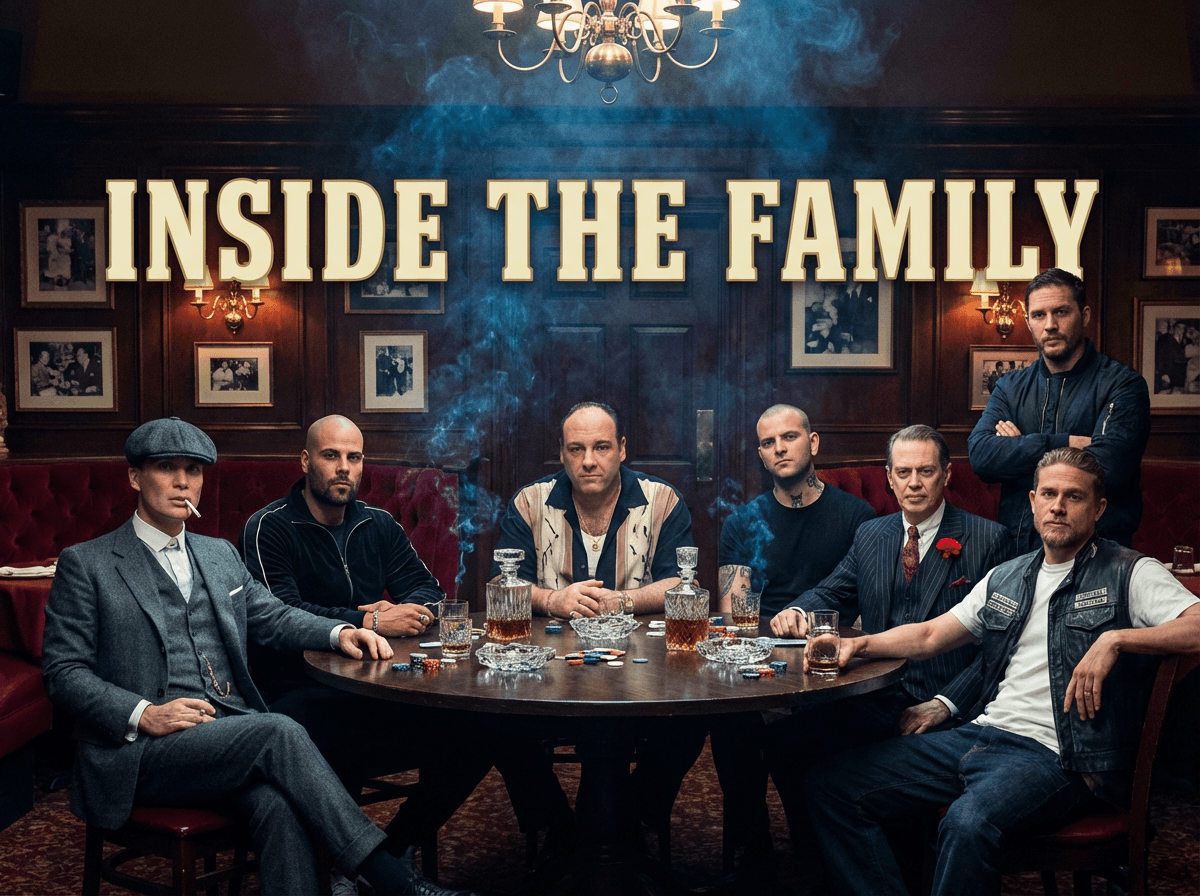
Top 10 Gangster Shows Told From Inside the Family
Ten gangster dramas I recommend for their characters, family loyalties and criminal worlds, from The Sopranos and Gomorrah to Kin and MobLand.
Read review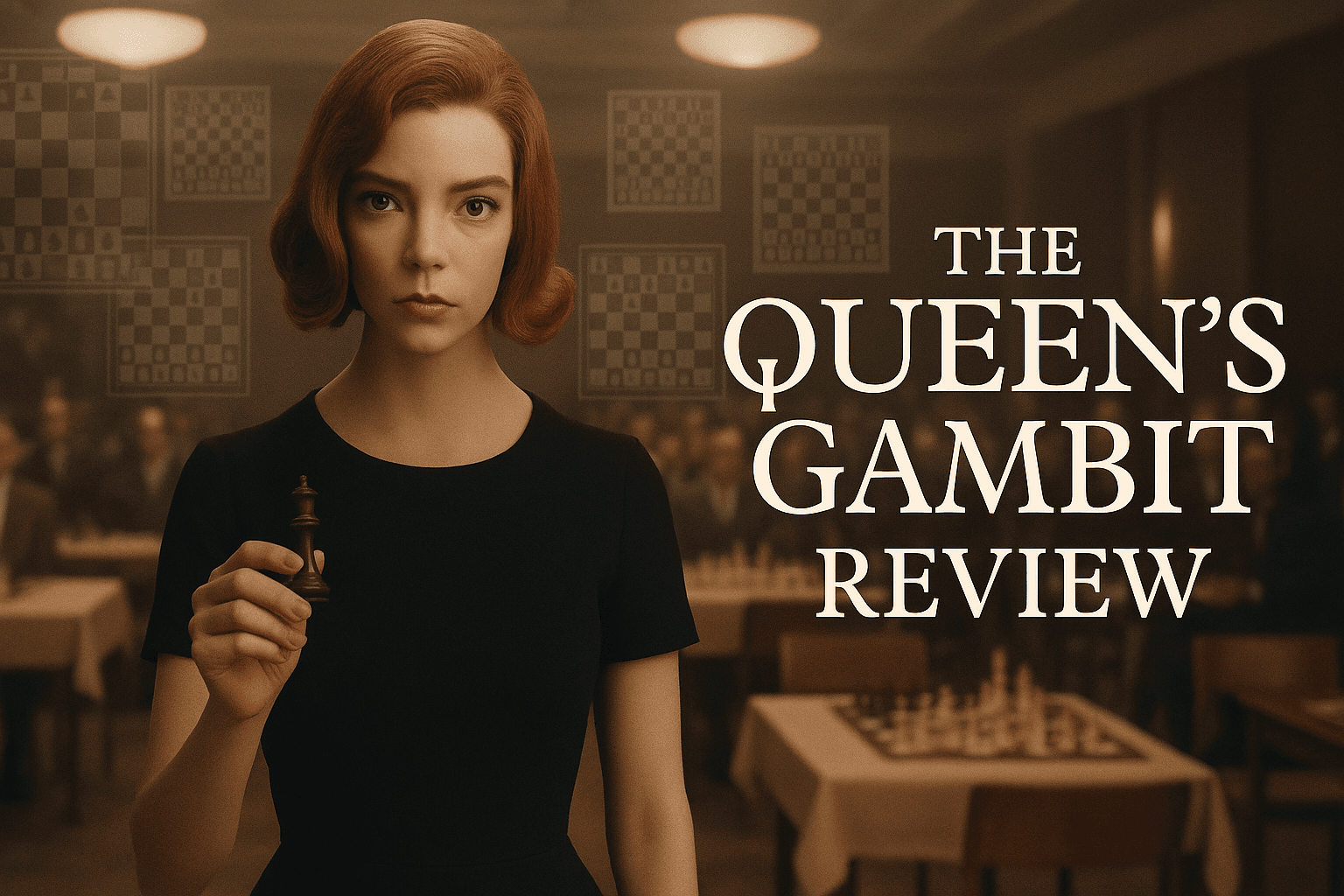
The Queen's Gambit: Brilliant at Chess, Less Certain Everywhere Else
The Queen's Gambit makes competitive chess absorbing through Anya Taylor-Joy's Beth Harmon, an excellent small cast and beautifully judged period design.
Read review
Severance review: the horror of never leaving work
My spoiler-free Severance review after finishing season two: why its divided lives, performances and unsettling office made me rate it more highly.
Read review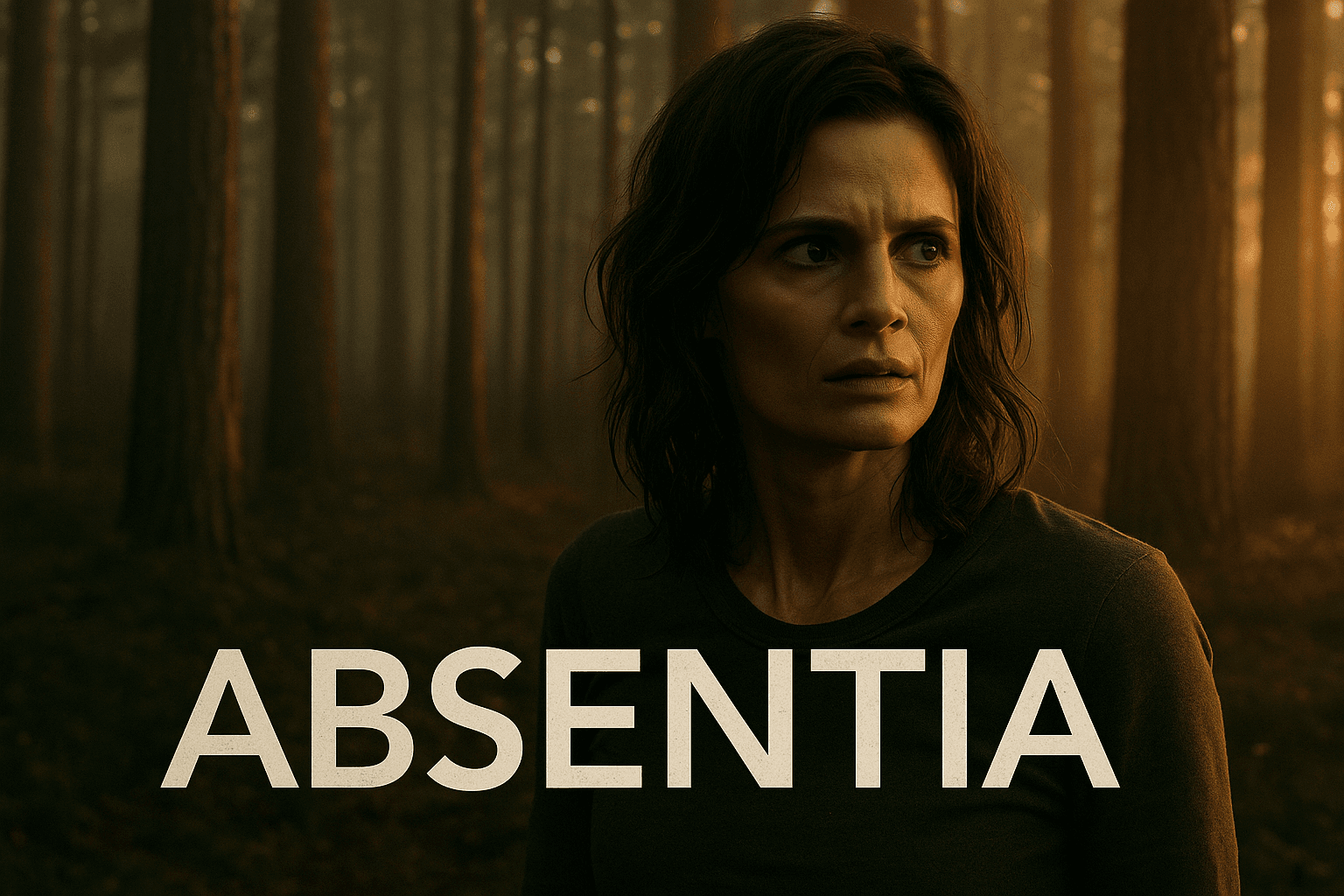
Absentia review: a solid thriller carried by Stana Katic
A spoiler-free Absentia review after all three seasons: Stana Katic carries a solid thriller with a convincing central performance and modest ambitions.
Read review