Boardwalk Empire
2010 - 2014
Watch & Release Status
Open full watchlistEnded · Season 5 (confirmed) · Final season (confirmed)
The series ended after 5 seasons.
Status checked 4 Sept 2026

About This Show
Atlantic City, 1920. The Volstead Act has just turned America's thirst into a business opportunity, and Enoch "Nucky" Thompson (treasurer, political boss, and gentleman hustler) is standing on the Boardwalk in a red carnation, ready to get rich on other people's vices. Boardwalk Empire is HBO's grand, gilded, blood-streaked epic of how America actually built itself: not in speeches, but in backroom deals lit by cigar smoke.
🎬 Premise
Created by Sopranos veteran Terence Winter, Boardwalk Empire tracks the rise of bootlegging in Prohibition-era America through the lens of Atlantic City's de facto ruler. Martin Scorsese shepherded it into existence and directed a pilot so lavish it reportedly cost over 18 million dollars. Nucky Thompson, loosely based on real-world political fixer Enoch L. Johnson, is simultaneously a public servant, a criminal, and a widower with a weakness for lost causes. Around him swirls a constellation of gangsters, federal agents, war veterans, showgirls and politicians, each one trying to carve out a slice of a country that is reinventing itself in real time.
The opening scene tells you everything. Nucky addresses the Women's Temperance League the night before Prohibition begins. He's smiling, he's lying, he's counting the money already. America is being made on stages exactly like this one.
🎭 Cast
The ensemble is absurdly deep. Across five seasons it introduced a generation of actors who would go on to headline their own prestige dramas.
- Steve Buscemi as Nucky Thompson, cast against type as a physically slight kingpin whose power is all rhetoric and relationships
- Michael Shannon as Prohibition agent Nelson Van Alden, a character study in religious repression curdling into something much darker
- Michael Pitt as James "Jimmy" Darmody, a Princeton dropout and WWI veteran who returns home broken and ambitious
- Stephen Graham as a terrifyingly young Al Capone, in what remains one of the great historical-figure performances on television
- Jack Huston as Richard Harrow, a scarred war veteran whose tin-plated half-mask became one of the show's iconic images
- Kelly Macdonald as Margaret Schroeder, an Irish widow who becomes Nucky's conscience and eventual accomplice
- Shea Whigham as Eli Thompson, Nucky's volatile younger brother and the county sheriff
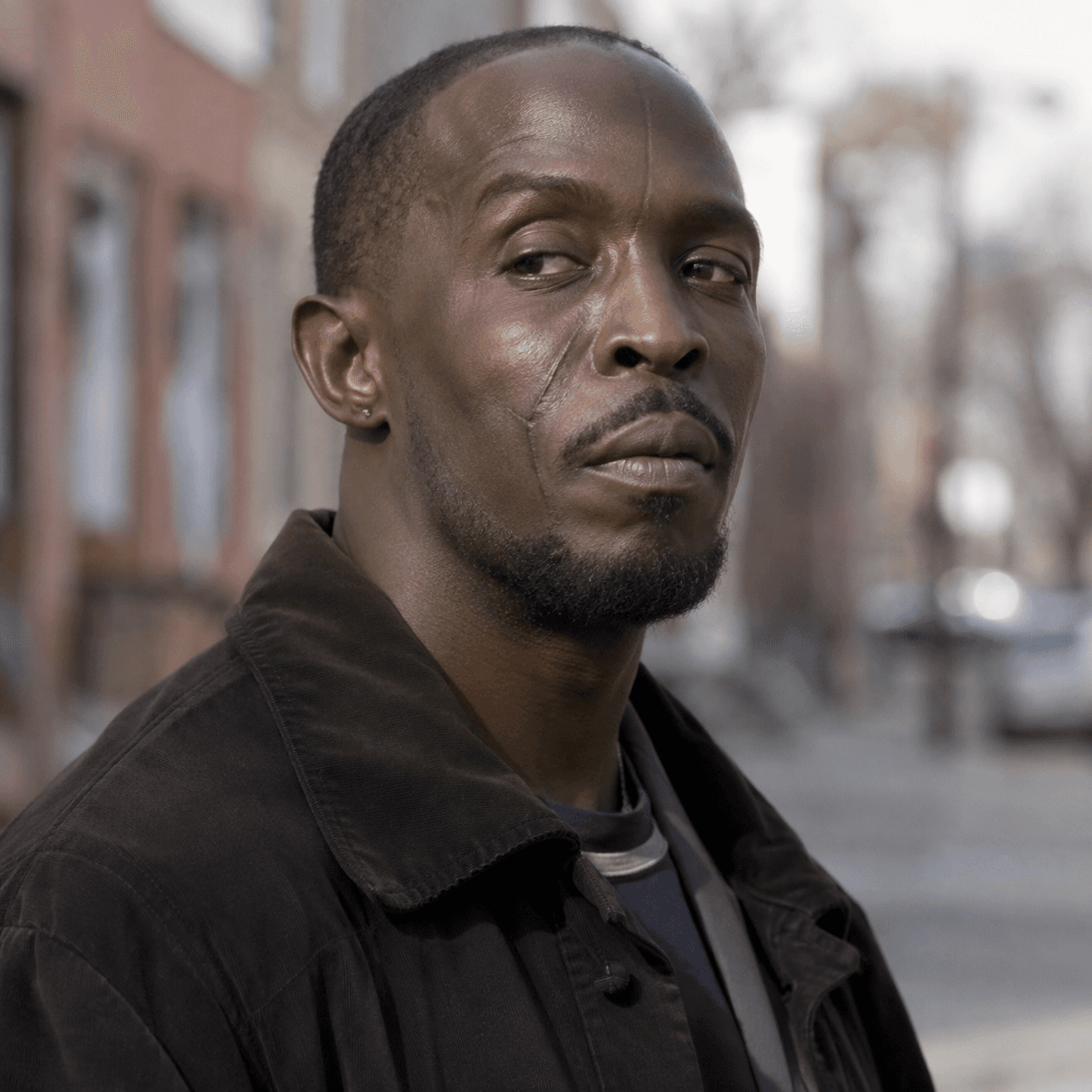
- Michael K. Williams as Chalky White, the undisputed kingpin of Atlantic City's Black community
- Michael Stuhlbarg as Arnold Rothstein, the ice-cold New York fixer who is always the smartest man in the room
- Bobby Cannavale, Vincent Piazza (as a coming Lucky Luciano), and Gretchen Mol round out a cast that reads like a who's-who of 2010s prestige television
🎨 Style & Atmosphere
Visually, Boardwalk Empire is one of television's most obsessive period pieces. The production recreated two blocks of the real 1920s Atlantic City boardwalk in a Brooklyn backlot. Wardrobe, dialect, and prop design are forensically detailed. You can almost smell the hair tonic and gunpowder.
It's every gangster drama a post-Sopranos HBO could possibly build: grand, patient, ruthless, and more interested in the economics of crime than the fireworks.
That was the general consensus of prestige-era critics.
Scorsese's directorial DNA is stamped across the entire series. Slow push-ins, symphonic needle drops, and a willingness to hold on silence long past the point of discomfort. This is a show that moves at the pace of a conversation in a back booth, not a chase scene. And then, occasionally, it erupts into some of the most savage violence television had seen to that point.
🧠 Themes
Beneath the tommy guns and flapper dresses, Boardwalk Empire is about the invention of modern America. Prohibition did more than create bootleggers. It created organized crime as an industry, federal law enforcement as a national apparatus, and a culture in which the line between legitimate business and criminality became permanently blurred. Nucky's dilemma (half-politician, half-racketeer) is America's dilemma.
The show also digs relentlessly into masculinity in the wake of World War I. Jimmy Darmody, Richard Harrow, and Nelson Van Alden are all men who came home wrong, and Boardwalk Empire takes that trauma seriously instead of aestheticizing it. Fatherhood, legacy, Catholic guilt, immigrant assimilation. It's a Scorsese movie stretched across 56 hours.
📈 Reception
Critically, the show was a heavyweight from day one. It won the Golden Globe for Best Drama Series out of the gate. Across its run it picked up Emmys for directing, cinematography, art direction, and acting (including a win for Bobby Cannavale's turn as the frightening Gyp Rosetti). Steve Buscemi was twice nominated for the Best Actor Emmy.
It was also the most expensive series HBO had ever produced, and there are seasons where you can see every dollar on screen. Some critics felt the middle stretches slackened compared to its peers like The Sopranos and The Wire. But the final season, a time-hopping return to Nucky's origin story, is a structurally daring coda that very few long-running dramas ever pull off.
🏆 Why It Works
Boardwalk Empire is the rare show where the surface pleasures (the suits, the cars, the jazz, the violence) and the intellectual spine (capitalism, empire, reinvention, consequence) are in perfect balance. If you love the slow-burn gangster pictures of the 70s, the historical patience of Deadwood, or the moral architecture of The Sopranos, this one belongs on your shelf.
Keep an eye out for the young Al Capone stepping off a train, the first time Richard Harrow takes off his mask, and the final shot of the series. It's a quiet, devastating rhyme with the first episode you probably forgot existed. That's Boardwalk Empire in a gesture.
Cast & Crew

Related Articles
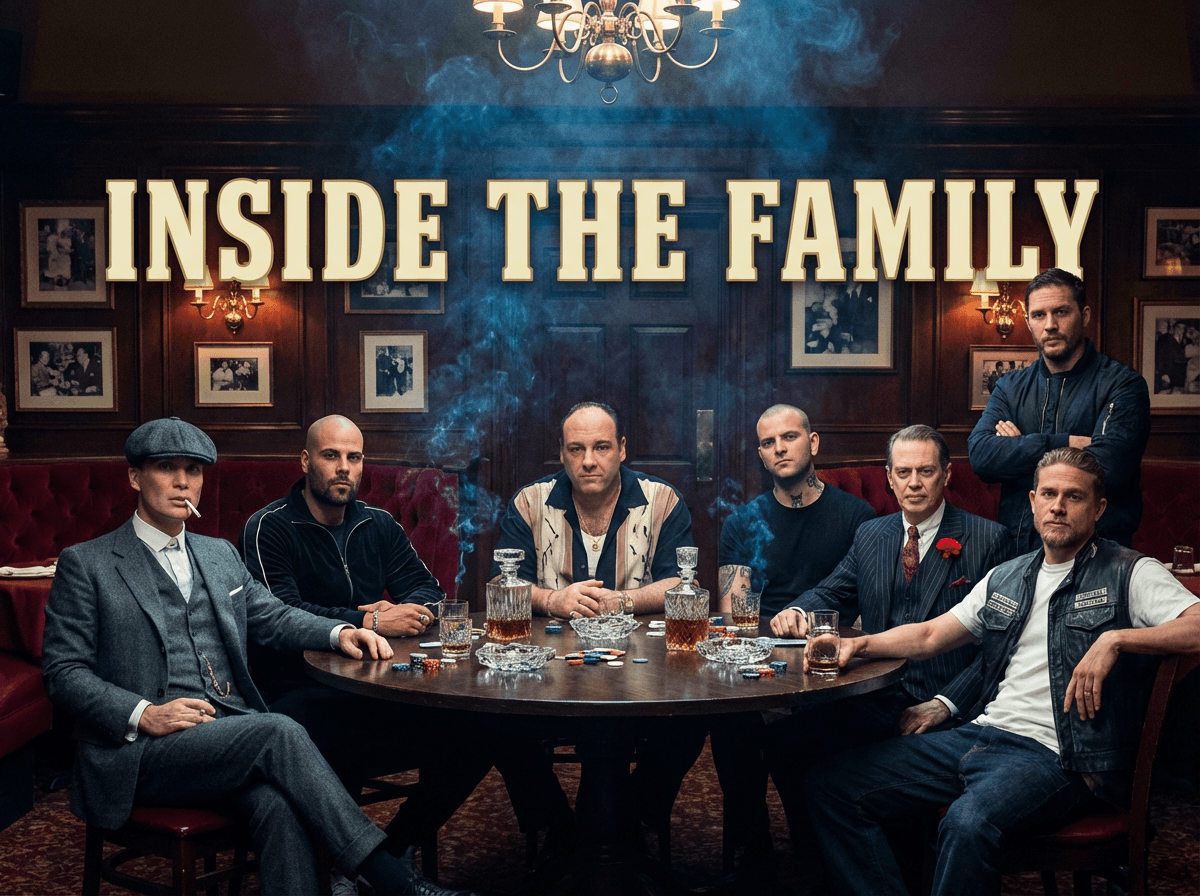
Top 10 Gangster Shows Told From Inside the Family
Ten gangster dramas I recommend for their characters, family loyalties and criminal worlds, from The Sopranos and Gomorrah to Kin and MobLand.
Read More