Sons of Anarchy: Brotherhood, Betrayal and the Pull of Charming
Updated

The men in Sons of Anarchy spend a remarkable amount of time insisting that they are free. Then they sit round a table and vote on what everybody is allowed to do. That contradiction is the show: the open road outside, a lifetime of obligations waiting back at the clubhouse.
Kurt Sutter's crime drama follows SAMCRO, a motorcycle club in the fictional Californian town of Charming. The garage is legitimate. The arms business behind it is not. Jax Teller, played by Charlie Hunnam, has grown up inside this world and has begun to wonder whether its future has to look like its present. His late father's writing gives that question a particularly uncomfortable place at the family dinner table.
I rate this very highly as a character-led crime show. The bikes and criminal deals get things moving, but the real attraction is being drawn into a group whose affection for one another is genuine and whose advice you would be wise to ignore. They can make loyalty sound wonderful. They can also make it sound like a threat.
A club with a very long memory
Charming matters because these people cannot simply clock off. Family, work, friendship and criminal business overlap almost completely. A disagreement at the garage follows someone home; a family argument becomes club business. Even the people trying to live ordinary lives have to negotiate with SAMCRO's influence.
That gives the day-to-day scenes a weight that the chases alone could never supply. Who gets listened to? Who is expected to swallow an insult? Why is one man's mistake an embarrassment and another's a test of loyalty? The club has formal rules, but everyone at the table knows that the rules come with personalities attached.
There is real warmth here too. These men joke, irritate each other, turn up when someone needs help and share a history that does not have to be explained every time they enter a room. I believe in the brotherhood. That is why its demands are interesting. If the club were only a collection of unpleasant men exploiting each other, there would be much less reason to care whether Jax could find a better way through it.
Jax, Clay and the family business
Hunnam gives Jax enough ease and charm to make him convincing as someone people would follow. He also lets doubt interrupt that confidence. Jax wants answers about the club, but he wants them from people he loves and needs. Questioning an organisation is awkward when your mother and stepfather are part of its management.
Ron Perlman is excellent as Clay Morrow, the club president and Jax's stepfather. He has the physical presence for the obvious intimidation, but it is his patience that makes Clay formidable. He can sit back, hear a challenge and leave you wondering whether he has dismissed it or filed it away. A quieter response is not necessarily a reassuring one.
Their scenes work because Jax is not a visitor who has arrived to point out that crime is bad. He belongs there. Clay, meanwhile, has experience and arguments of his own, however convenient those arguments may be for keeping control. Sutter makes the gap between questioning the club and actually changing it feel large.
The family tension has a Shakespearean flavour, but you do not need a guide to Hamlet to follow it. A son, a mother, a stepfather and a dead father's idea of what things ought to have been are plenty to be getting on with.
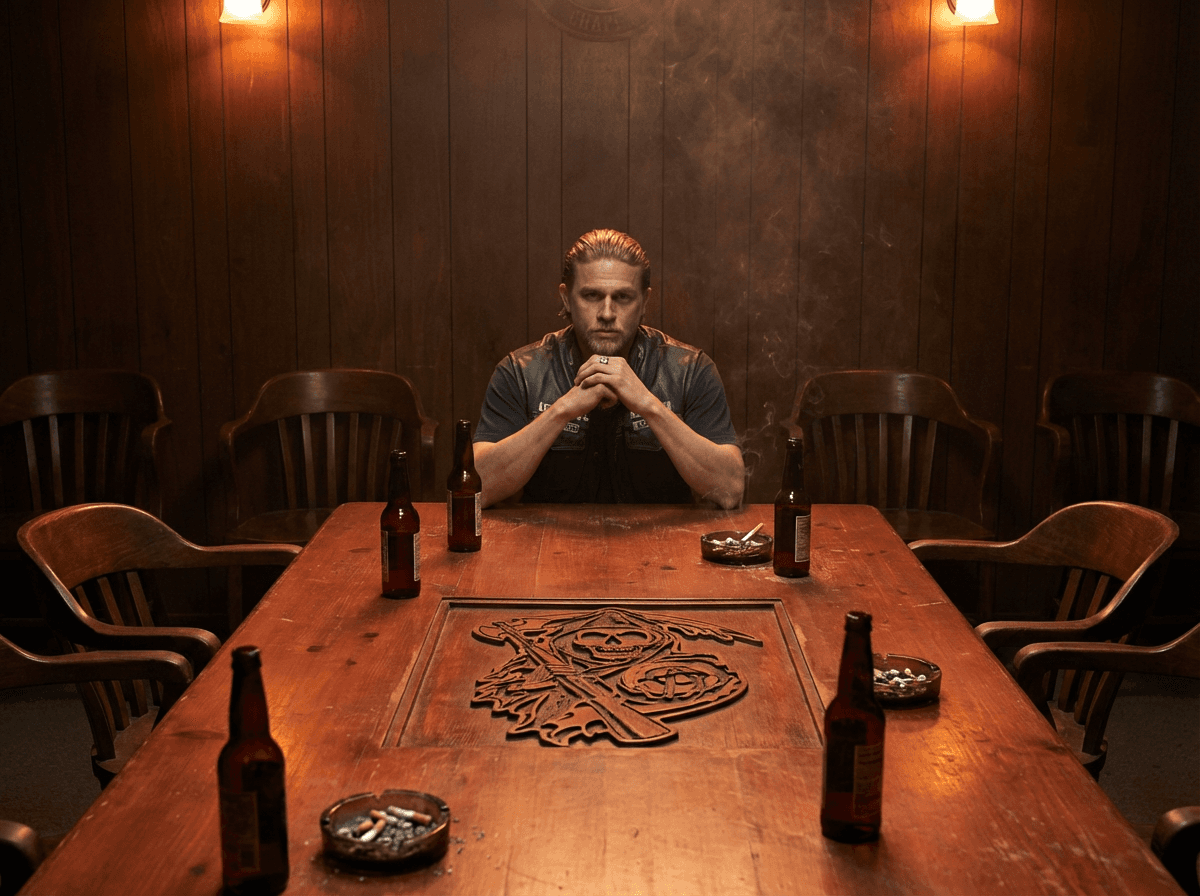
The people round the table
Ryan Hurst gives Opie Winston a heaviness that is quite different from the club's louder personalities. He looks like a man for whom even a straightforward decision has several people depending on it. His friendship with Jax gives the show a more private register: history and trust, with less of the performance required in a full room.
Then there is Tig, played by Kim Coates, whose unpredictable humour can make a conversation both funnier and less comfortable. Tommy Flanagan's Chibs has a seasoned ease, while Mark Boone Junior gives Bobby a welcome lack of glamour. Theo Rossi's Juice brings a younger, more anxious energy. They are recognisable as individuals before a plot needs to single them out.
That is one of the show's best qualities. A group scene does not feel like a lead actor surrounded by men waiting for their turn to deliver information. People have their own ways of listening, taking offence and trying to be useful. After a while, you can feel when a room is wrong before anyone says so.
The action benefits from that familiarity. A chase involving people you know is more involving than a bigger, cleaner chase involving people you have barely met.
Gemma does not need a seat at the meeting
Katey Sagal is a huge part of why Sons of Anarchy works. Gemma Teller Morrow knows the club, knows its people and has no intention of being treated as a bystander. She can be funny and affectionate, then turn a conversation so that someone else is suddenly defending a choice they thought was theirs to make.
Sagal keeps those sides of Gemma connected. The warmth is not simply a disguise she takes off when the scene needs menace. It is part of how she understands her place in the family, and part of what makes her difficult to resist. You can see why people want her approval even when obtaining it is clearly going to be exhausting.
Maggie Siff, as Dr. Tara Knowles, gives Jax's world a different point of comparison. Tara has a profession with responsibilities beyond Charming's club politics. Her connection to Jax puts those responsibilities beside a history she cannot treat as an abstract problem. Siff is very good at showing the effort of keeping a conversation calm when neither person is discussing only the thing they claim to be discussing.
Between them, these performances stop the family story from becoming an occasional break between gun deals. It is often the part that makes the deals matter.

Loud, absorbing and sometimes too much
After writing and producing on Shawn Ryan's The Shield, Sutter built a more expansive, more openly melodramatic world in Sons of Anarchy. The compromised loyalties are familiar; the family has a much larger say in how things go wrong.
This show likes a big emotional finish. The music rises, the bikes head out, and a cluster of characters carry their separate troubles into the same closing stretch. Often it is extremely effective. The soundtrack and those sun-bleached roads give the series an identity I would not want smoothed away.
There are times when it pushes too hard. Retaliation can begin to feel like the automatic answer to retaliation, and some stretches take longer than they need to reach the confrontation being prepared. The emotional volume is high enough that a little more quiet would occasionally help. I do not need every difficulty to become the worst day anyone has ever had.
But the cast keep the show involving through those excesses. I would take its commitment to these messy relationships over a more restrained crime drama that never made me care about its people. There is a lot of enjoyment in watching actors this comfortable with each other, even when the characters are making another decision you know cannot possibly improve their week.

Worth the ride
Sons of Anarchy is an easy recommendation for someone who likes long-form crime drama built around family and loyalty. It is violent and often bleak, with strong language and adult material; the appeal is not a relaxing tour of California. It is the growing investment in people who keep making their lives harder while insisting that they are protecting one another.
The series ran for seven seasons on FX from 2008 to 2014. For UK viewers, all seven are listed on Disney+, checked on 11 September 2026.
If that mixture works for you, Peaky Blinders offers another family business where affection and authority are difficult to separate. Banshee is a good next stop for the muscular action and dangerous small-town relationships. The Shield is the strongest companion for people drawn to the bargains characters make with themselves, while Mayans M.C. stays within the same fictional world.
Perlman and Sagal make Charming feel like a place where every welcome comes with conditions. Hunnam and Hurst give you reasons to keep coming back anyway.
Keep Reading
More Reviews You Might Like
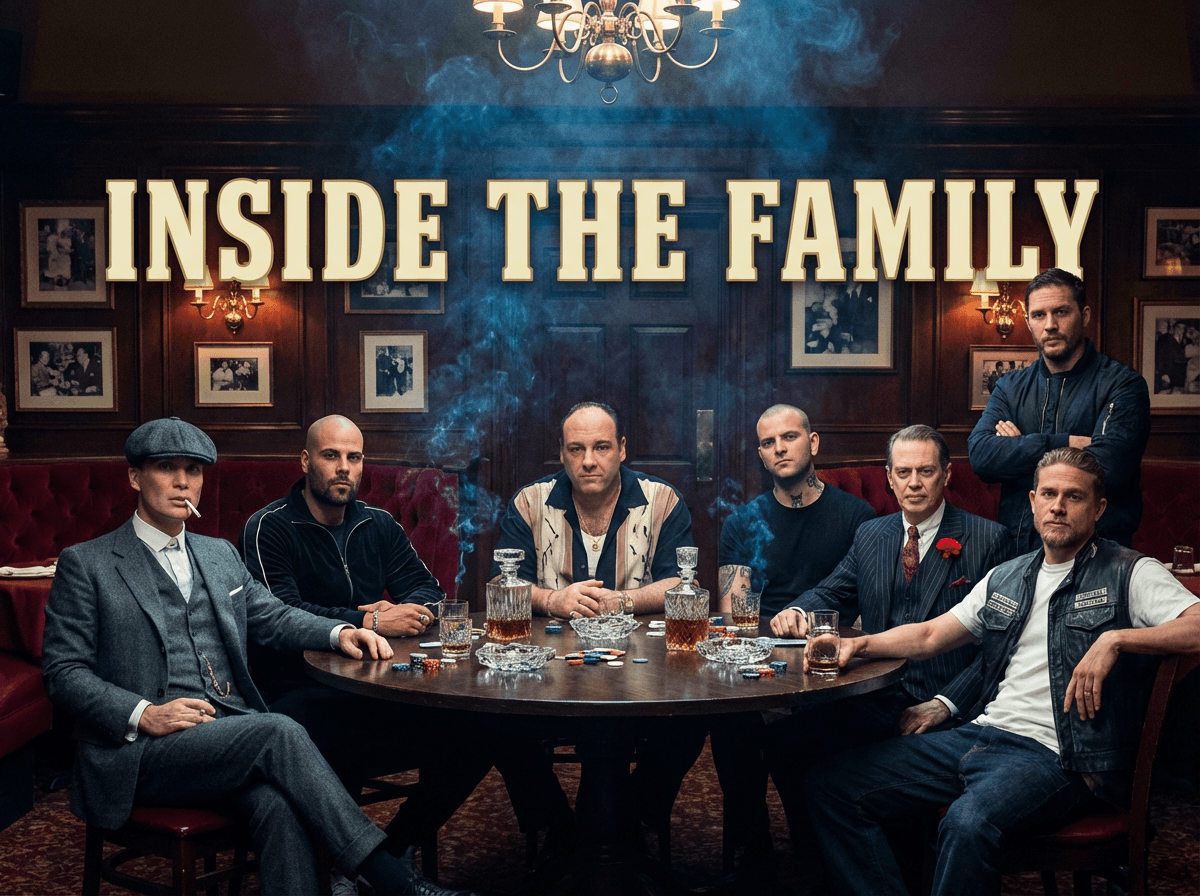
Top 10 Gangster Shows Told From Inside the Family
Ten gangster dramas I recommend for their characters, family loyalties and criminal worlds, from The Sopranos and Gomorrah to Kin and MobLand.
Read review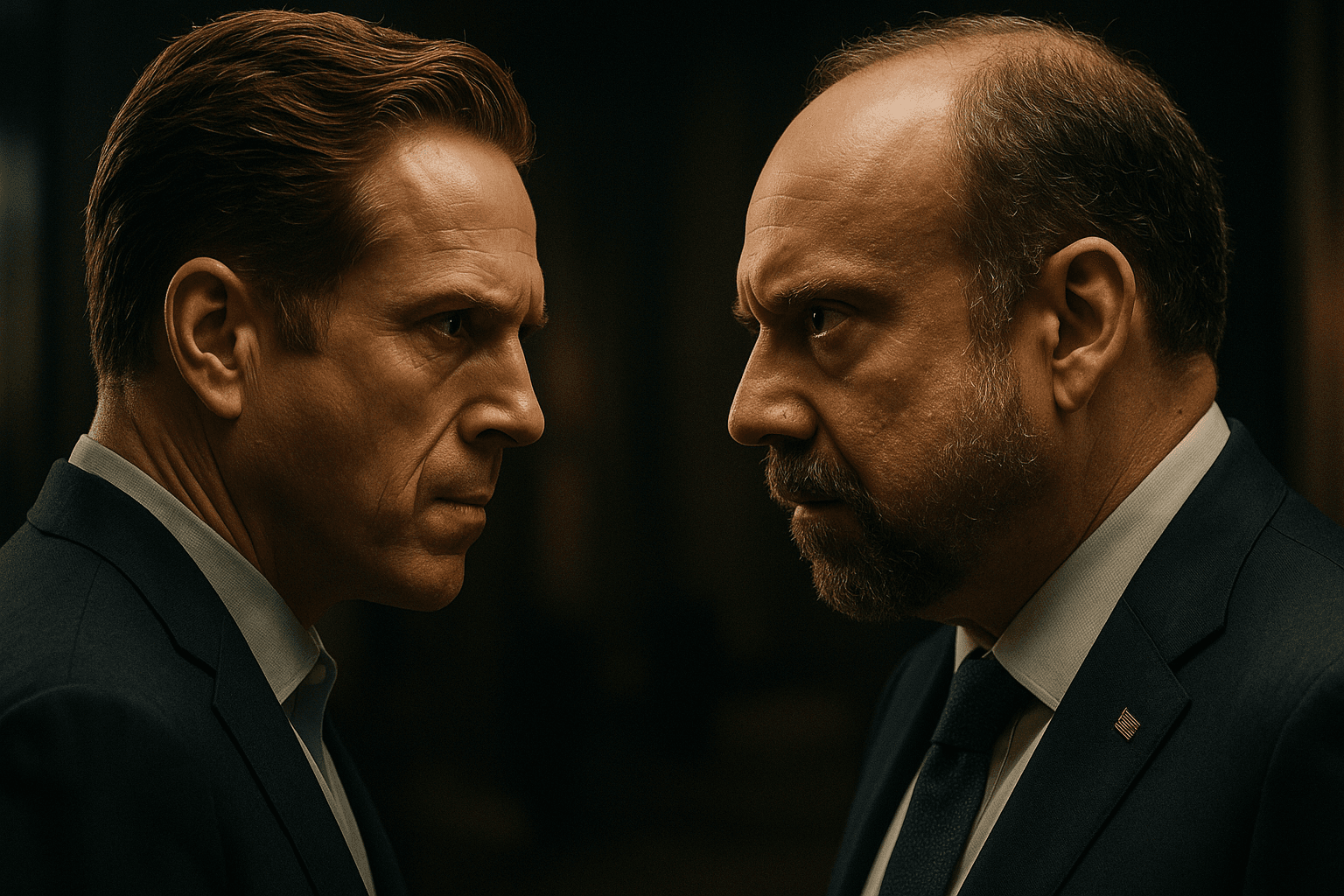
Billions: Wall Street Power Games and the Price of Ambition
Billions is at its best when Damian Lewis and Paul Giamatti make a grudge look like a business strategy. A spoiler-free review of its pleasures and limits.
Read review
The West Wing: Great Company in the Corridors of Power
The West Wing reviewed: Aaron Sorkin's dialogue, Martin Sheen's Bartlet and a superb ensemble make government engrossing, funny television. Spoiler-free.
Read review
Dexter: The Man Behind the Smile
A spoiler-free review of Dexter’s original eight seasons after a full rewatch: Michael C. Hall, Miami, dark humour and the effort of appearing ordinary.
Read review