Cape Fear: A Thriller Worth Second-Guessing
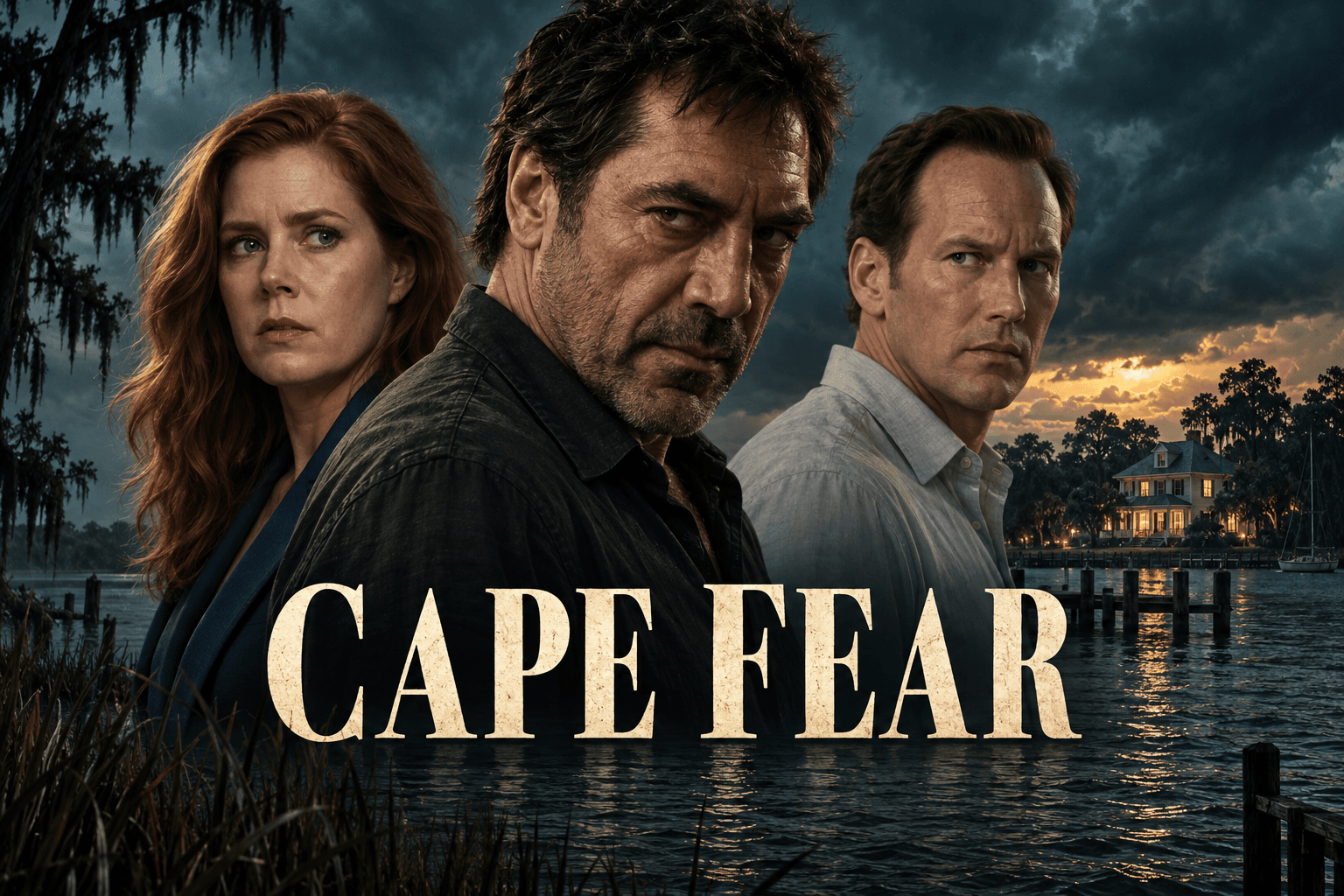
I like a thriller that gives me something to do. Let me work out what somebody is after, decide how I would deal with them, then make me question whether I have understood the situation at all. Cape Fear had me doing that throughout. I was putting pieces together and trying to think a few moves ahead, and I couldn't wait to see the next episode.
That is what I enjoyed most about this 2026 series. The writing kept me involved. There is a familiar name above the door and a considerable cast underneath it, but neither would have carried me through ten episodes on its own. I wanted to know what these people were going to do, and what it would cost them when they did it.
I watched Martin Scorsese's 1991 film before starting the show. I'd recommend doing the same, although it certainly isn't homework you need to finish before pressing play. Knowing the film didn't spoil the series for me. This is a modern reworking with enough differences, and enough room to develop them, that I was still happily guessing.
An unwelcome return
Max Cady is out of prison. Anna and Tom Bowden, the married lawyers who helped put him there, have reason to be concerned. That is a fairly economical way of introducing a very bad problem into somebody's life.
Javier Bardem plays Cady, with Amy Adams and Patrick Wilson as Anna and Tom. Nick Antosca created the series; Scorsese and Steven Spielberg are executive producers. The connection with the film is real, but the Bowdens here are a lawyer couple, and this is their own version of the predicament.
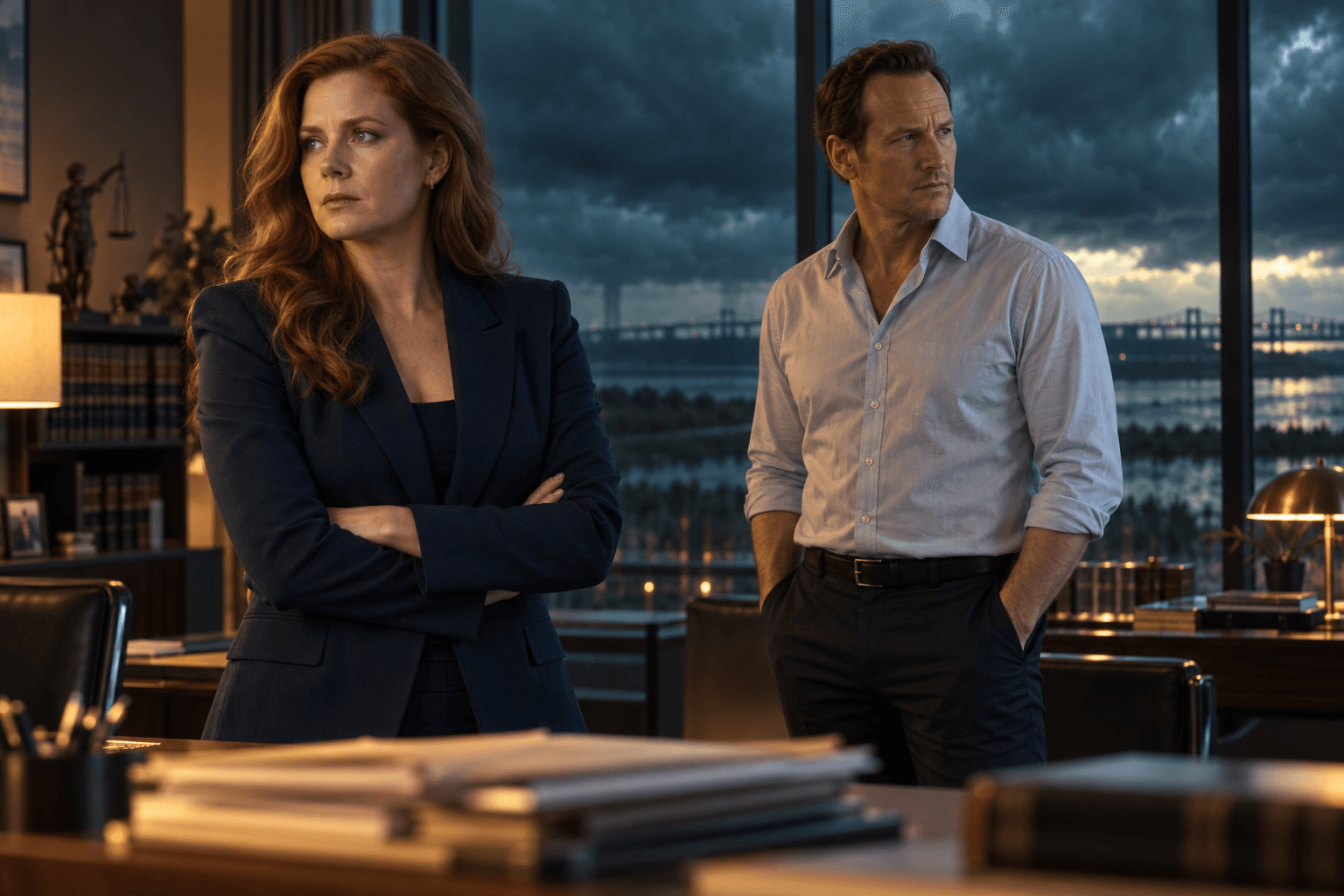
The attraction is easy to understand. These are people whose professional lives involve knowing what can be done, what can be proved and what consequences might follow. Now the problem is personal. Being able to assess a situation for a client is one thing. Having your own family caught up in it is quite another.
I like that starting point because it immediately gives me questions beyond whether Cady is dangerous. What would actually stop him? What response would make things worse? How much confidence would I have in my own judgement with that sort of pressure at home? Those are much more interesting things to be considering than simply waiting for somebody to get attacked.

Trying to get ahead of it
There is a particular pleasure in watching a thriller while you think you might have worked something out. You start following the consequences: if this happens, surely that person will respond in a certain way, which leaves somebody else with a problem. Before long, you're conducting your own little investigation from the sofa.
Cape Fear gave me plenty of that. I enjoyed the uncertainty, but I also enjoyed having something to base my guesses on. I was following the writing, weighing up the possibilities and wondering how far my latest explanation would get me. It made watching feel active without turning the whole thing into a chore.
An unexpected development by itself doesn't impress me much. A writer can always keep a crucial fact out of sight and produce it later. What matters is whether I am enjoying the situation before I know where it leads. Here, I was. The questions were interesting enough that I wanted to spend time with them rather than rush to an answer.
The tension benefits from that involvement. Once I have started considering somebody's options, I have a stake in the decision. I want to see whether they take the route I think makes sense, and I am already worrying about what might be waiting down it. Cape Fear kept drawing me into that process. An episode would leave me keen to see how the next set of decisions played out, not merely curious about one withheld fact.
A film worth watching first
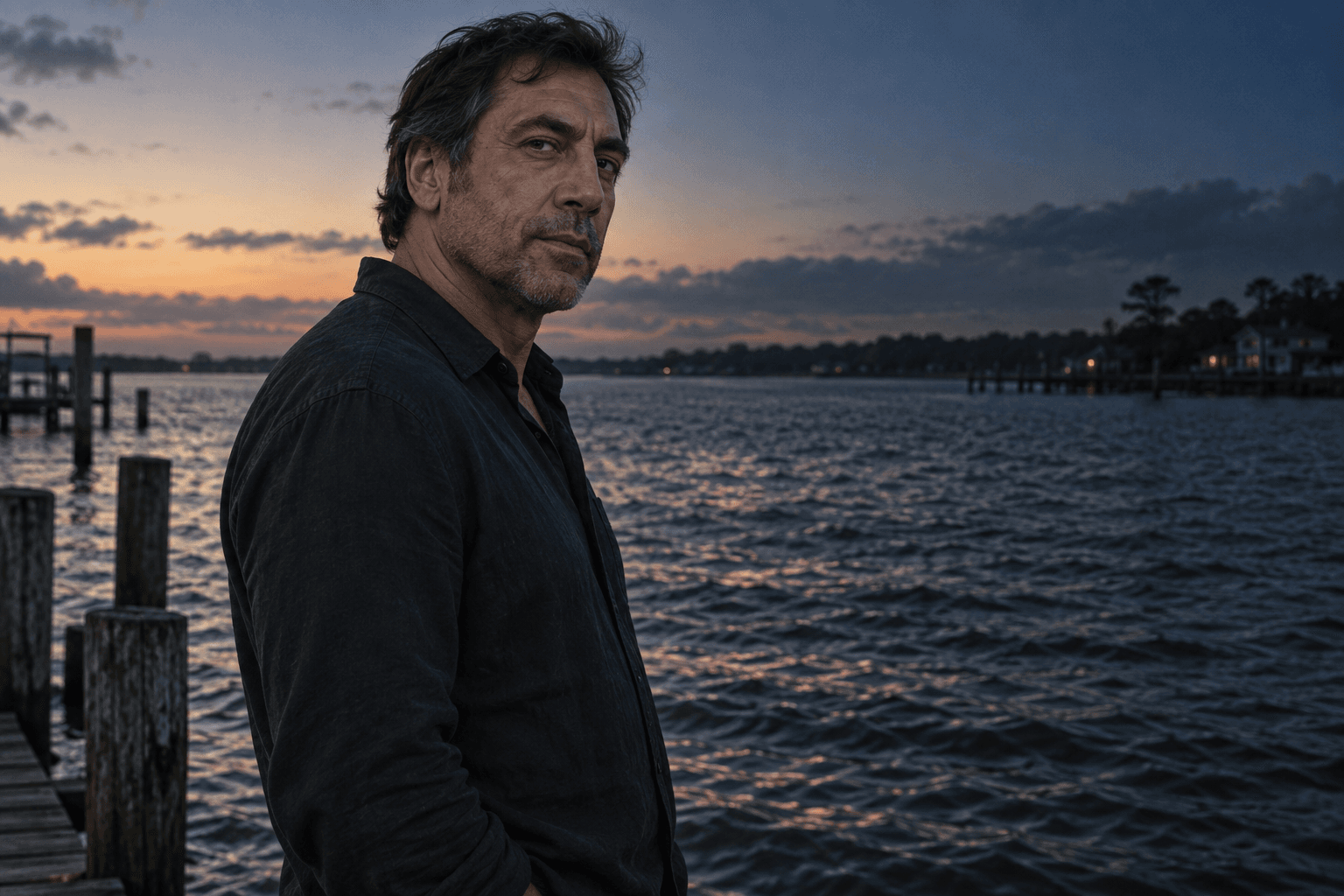
The 1991 Cape Fear has Robert De Niro as Max Cady. Going straight from that film to a new version gives you an obvious point of comparison, and I found it worthwhile. You arrive with a sense of the central threat and an interest in what this telling will do with it.
What I didn't feel was that I had already seen the show. The basic idea carries across, but this isn't the same experience stretched to fill a television schedule. The longer format lets the situation develop much further, and the differences gave me enough uncertainty to remain properly engaged.
There is something enjoyable about recognising the starting point without having a reliable map of the journey. I could appreciate the connection with the film while still getting caught up in this version. That is a much better use of a remake than making me wait for familiar scenes to turn up again.
So my preference is film first, series second. If you would rather start with the show, though, do that. It stands on its own, and I wouldn't put somebody off watching it because they haven't seen an earlier adaptation. Equally, if you've already watched the film and assume you know too much to bother with the series, that wasn't my experience at all.
The writing is the reason to stay
The performances do the job. Bardem, Adams and Wilson give the central situation enough weight to keep it involving, but the writing is what I would single out when recommending this. I was more interested in what might happen between the characters than in admiring the cast for its own sake.
That distinction matters with a production like this. Big names can get me to try an opening episode. They cannot make me want the next one if the story isn't holding my attention. Here, I kept watching because I was enjoying the decisions, the uncertainty and the prospect of finding out whether I had read things correctly.
I also appreciated having the time to get involved. A film has to push through its predicament relatively quickly. A series can leave you living with the possibilities for longer. That extra time needs to earn its keep, of course, but I enjoyed the more developed version here. I wasn't wishing it would hurry up and turn back into a film.
Cape Fear was a great watch for me. It put me in that agreeable position of wanting another episode while still turning over what I had just seen. If you enjoy a tense story that keeps you guessing and encourages you to try to outthink it, I would give this a go.
Where to watch, and what to try next
Cape Fear is available on Apple TV in the UK, checked on 20 September 2026. The 2026 limited series has ten episodes.
For more family pressure colliding with the law, try Your Honor. The Night Of is a more measured look at a criminal case and the people caught inside it. If it is the uncertainty around a central character that appeals, Absentia offers a different kind of thriller, following an FBI agent trying to recover a life that carried on without her.
Keep Reading
More Reviews You Might Like
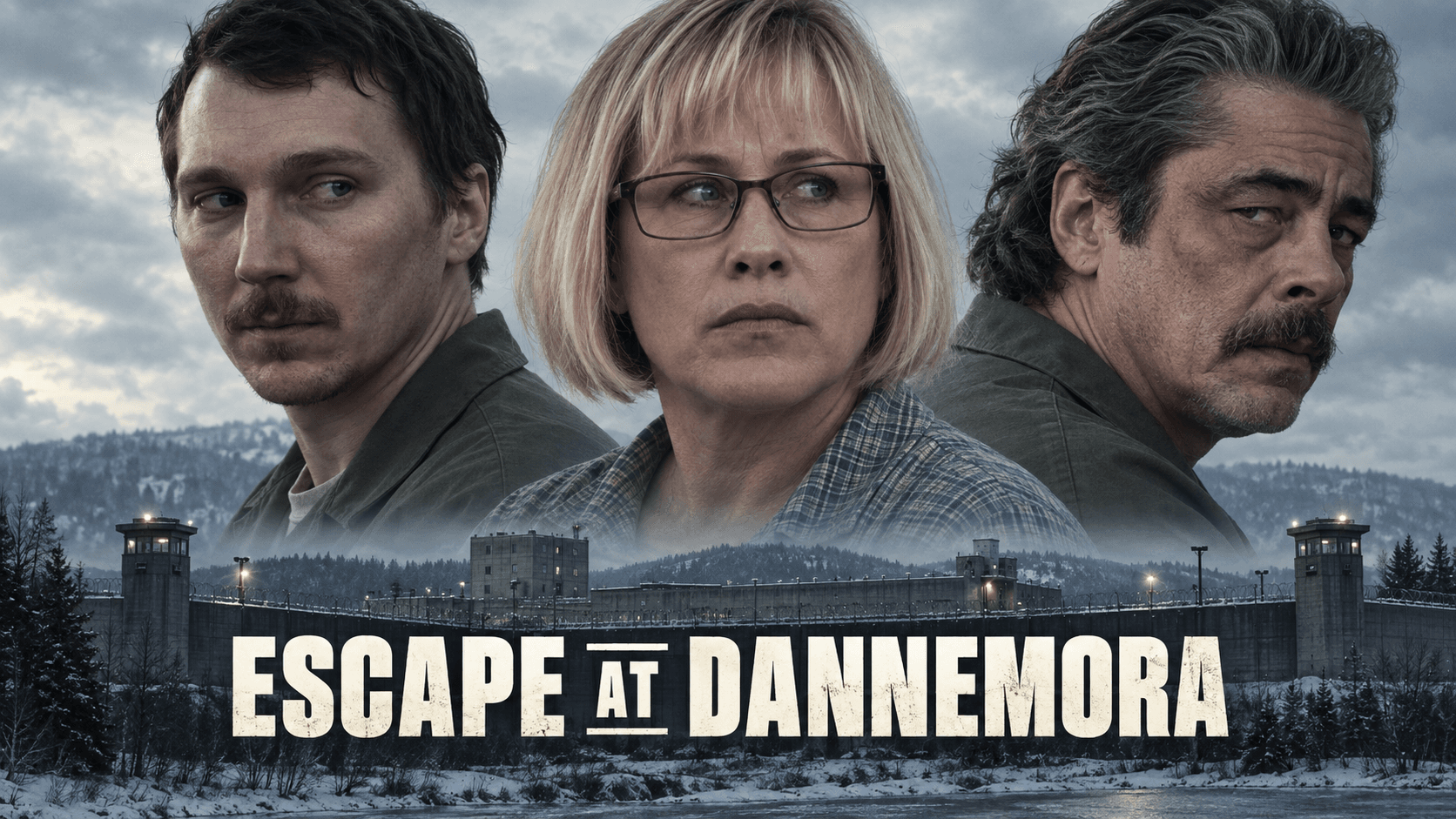
Escape at Dannemora: Boredom Is a Dangerous Thing
The Att reviews Escape at Dannemora: Patricia Arquette steals a gripping prison drama built on great writing, restless lives and institutional complacency.
Read review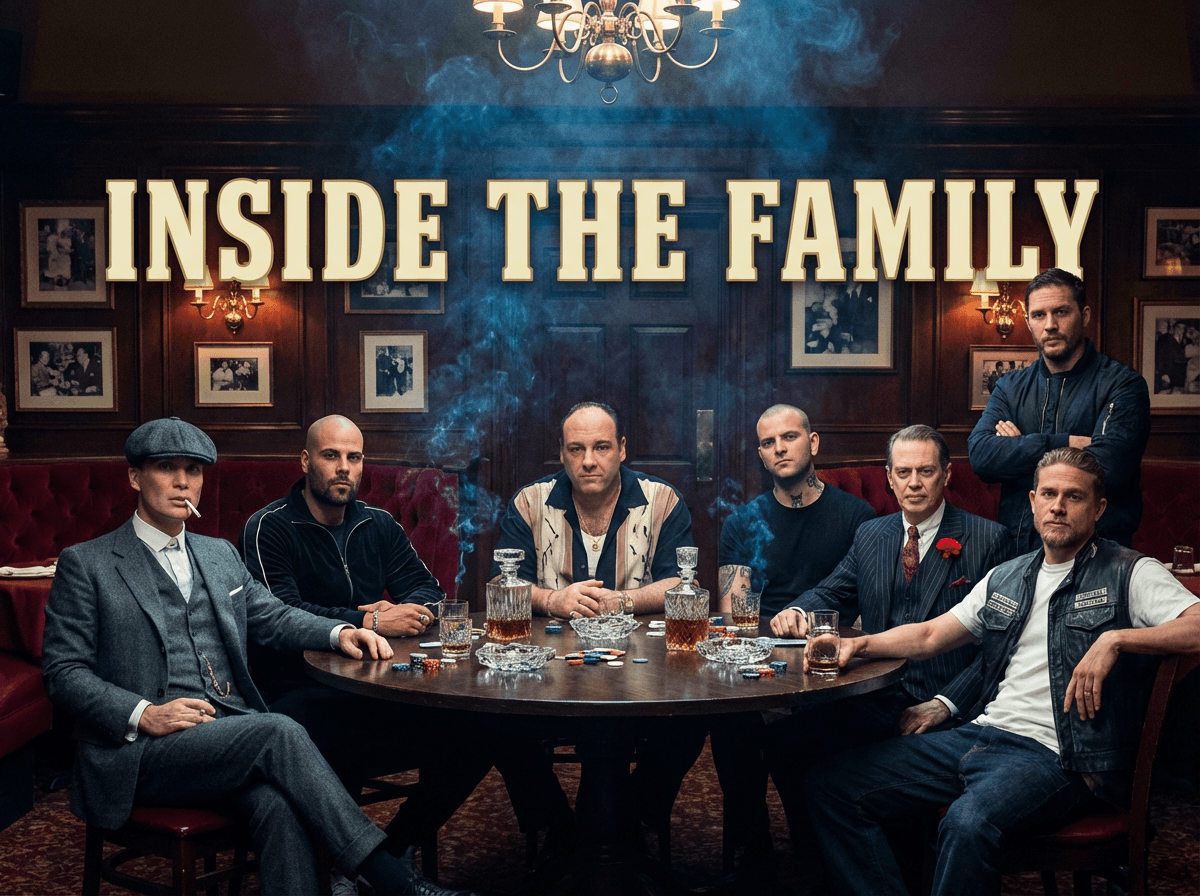
Top 10 Gangster Shows Told From Inside the Family
Ten gangster dramas I recommend for their characters, family loyalties and criminal worlds, from The Sopranos and Gomorrah to Kin and MobLand.
Read review
Severance review: the horror of never leaving work
My spoiler-free Severance review after finishing season two: why its divided lives, performances and unsettling office made me rate it more highly.
Read review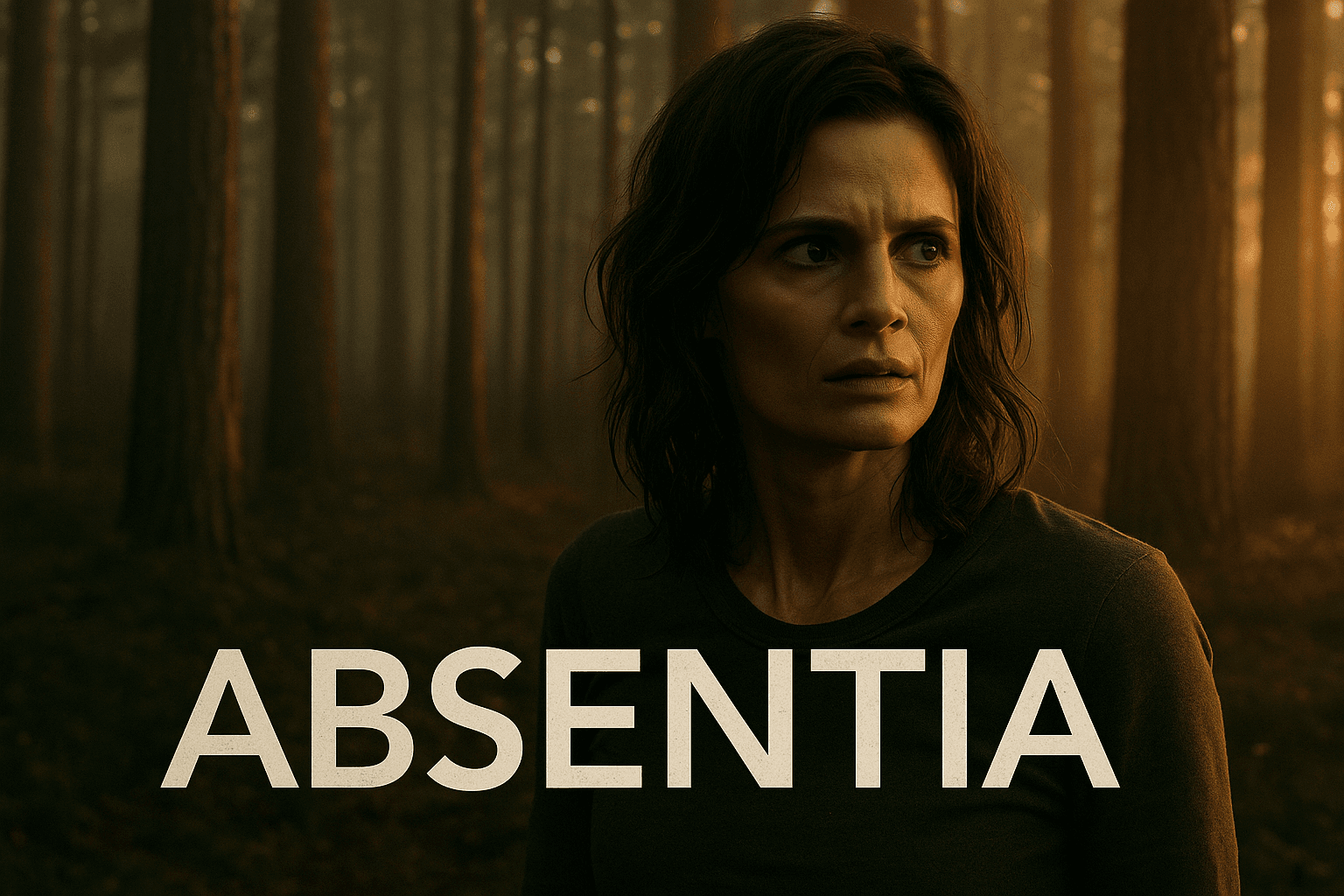
Absentia review: a solid thriller carried by Stana Katic
A spoiler-free Absentia review after all three seasons: Stana Katic carries a solid thriller with a convincing central performance and modest ambitions.
Read review