2017 - 2020

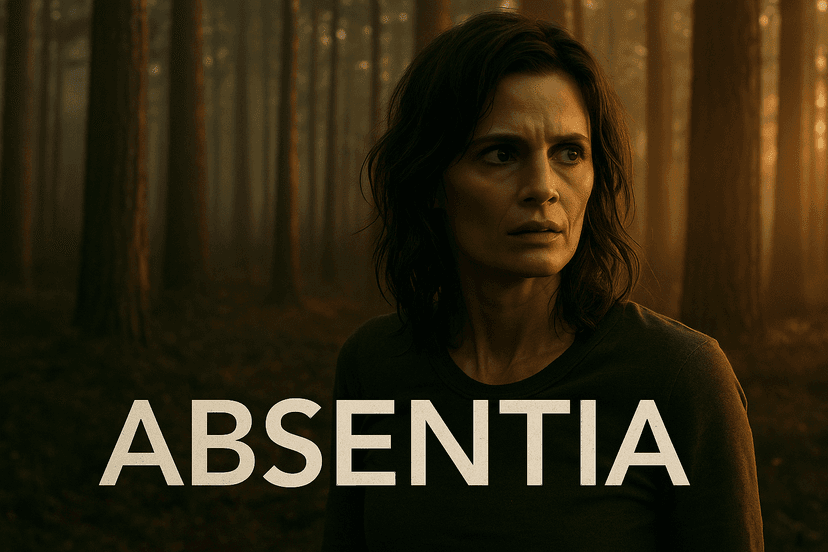
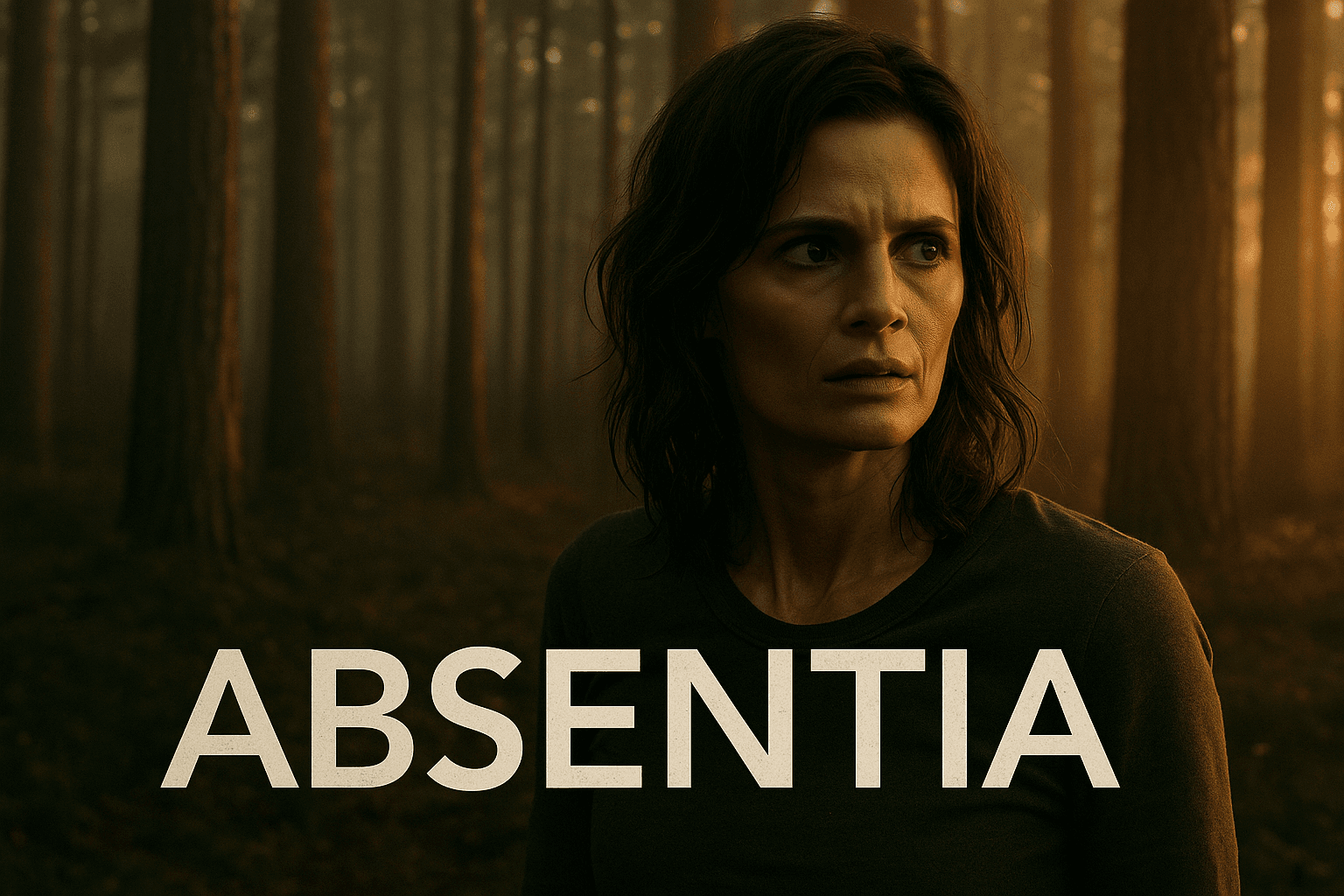
Absentia premiered in 2017 on AXN internationally and landed on Amazon Prime Video in the United States in February 2018, running three seasons and thirty episodes before Amazon pulled the plug in May 2021. It is a Boston-set psychological thriller built around a single hook that does most of the heavy lifting: an FBI agent hunting a serial killer vanishes on the job, gets declared dead, and walks back into her family's life six years later with no memory of where she has been or what was done to her.
The show was created by Gaia Violo and Matt Cirulnick, produced by Masha Productions and Sony Pictures Television, and shot mostly in Bulgaria with location work in Boston. That mix gives the series a specific texture you do not often see in American-set procedurals. The cinematography looks more European than network crime TV. The light is colder, the interiors heavier, the city feels more like a pressure system than a postcard.
If you know Stana Katic only as Kate Beckett from Castle, this is the show that was meant to announce her as something else entirely. She carries it.
Katic plays Emily Byrne, and the performance is the reason Absentia has the cult following it does. She starts the series as a ghost walking back into her own life and spends three seasons figuring out who that ghost actually is. It is a demanding role because so much of Emily's interior is closed off, to herself as much as the audience, and Katic plays her with a controlled, flinty wariness that rarely tips into melodrama.
Around her:
Angel Bonanni
Stana Katic
Cara Theobold
Matthew Le Nevez
Neil Jackson
Patrick Heusinger
Patrick McAuley
Ralph Ineson
Special Agent Adam Radford
Paul Freeman
Natasha Little

Absentia review - Stana Katic delivers a career-defining performance as a traumatised FBI agent returning from captivity. Three seasons of psychological thriller on Prime Video. Woke rating 3/5.
Read MoreThe supporting cast is what keeps the show functional when its plotting wobbles. Heusinger has the hardest job, playing a man whose every decision looks wrong from one angle and reasonable from another, and he mostly makes it land.
On the surface Absentia is a missing-persons mystery that hands you its mystery in the first five minutes and then spends three seasons unpacking it. Underneath, it is a show about what a family does with a hole in it, and what happens when you try to fill that hole back in.
Emily's return is not a happy ending. It is a second problem on top of the first. Her husband has grieved for six years and built something new, her son barely remembers her at all, and her brother has spent that same stretch quietly managing his own collapse. The FBI, her own employer, does not fully trust her. The people closest to her have to decide, in real time and under pressure, whether the woman who came home is the woman who left. That question is the one the show is actually asking, and when it stays focused on it, Absentia works.
Where it wobbles is when it gets pulled back toward procedural convention. Rotten Tomatoes called the first season a show that sticks too closely to the procedural handbook, and that is a fair hit. There are stretches in seasons two and three where the plot machinery creaks and the conspiracy gets bigger than the characters can support. But the emotional spine, a woman piecing an identity back together while everyone around her does the same with theirs, is genuinely good.
Bulgarian doubling for Boston gives the show a particular look. Streets are emptier, interiors are more lived in, the light is low and northern European even when the script says downtown Massachusetts. It works in the show's favour. This is a thriller about dislocation, and the city feels slightly wrong on purpose.
The score is restrained and the pace is deliberately slow in a way some viewers bounce off. Episodes breathe. Silences are held. When the violence arrives it tends to be abrupt, close, and nasty rather than choreographed. I went in expecting something glossier and came out respecting how committed the show is to its mood. It is closer in tone to something like The Sinner or Mindhunter than to a slick Amazon crime drama, and it is better for it.
Critical reception was mixed. The first season sits around 50 percent on Rotten Tomatoes and 59 on Metacritic, with most reviewers praising Katic and finding the plotting routine. The international reception was warmer. It ran successfully on AXN across Europe, Asia and Latin America, built a loyal viewer base on Amazon Prime Video, and kept getting renewed on the strength of global numbers even when North American critical noise was muted.
Amazon cancelled the show in May 2021 after season three. The final season tries to wrap the larger mythology and lands somewhere between earned and rushed, depending on how patient you have been with the series to that point. Among fans of Katic's Castle run, Absentia became the show that proved she could anchor something darker and more demanding than network crime TV ever let her try.
Absentia is better than its reviews and smaller than its ambitions, and that combination is exactly why it has kept a dedicated audience years after it ended. Katic is the main event and she is worth it. The central conceit gets under your skin once you stop reading it as a gimmick and start reading it as a study of what identity is made of. The European production sheen gives it a look few American thrillers have. And three tidy seasons at ten episodes each is a rare gift in the streaming era. You can watch the whole thing in a couple of weeks and feel like it respected your time.
Fans of slow, character-led thrillers will find a lot to like here. If The Sinner worked for you, Absentia should too, and it shares some DNA with the slower stretches of Mindhunter and the grief-soaked atmosphere of Mare of Easttown. I would take it over most of what the big streamers are pushing on a quiet weekend.
Not a classic. But a sleeper, and worth the three seasons of your life.