Severance review: the horror of never leaving work
Updated
Severance was already a show I rated highly after season one. Having finished season two, I think even more of it. It was an excellent continuation, building on what I liked about the first season and making me more invested in the people at Lumon.
The appeal starts with an arrangement that sounds almost reasonable. Have a procedure that separates your work memories from your personal ones, and you need never take the office home with you again. Your working self gets the other end of the deal: no remembered evenings, weekends or holidays. Leaving for the day feels like coming straight back.
Created by Dan Erickson, with Ben Stiller directing and executive producing, Severance follows Mark Scout, played by Adam Scott, at Lumon Industries. Mark's life outside work is shaped by grief. Inside, he has no access to that personal history. I can understand the attraction of escaping it for part of the day, which makes the cost of the arrangement harder to dismiss.
Who gets to clock off?
What interests me most is that the two versions of a person can have perfectly understandable, incompatible needs. The outside self agreed to the procedure. The person experiencing the shift did not get to make that decision. A signature on a form is little comfort when someone else gets to decide whether your entire world is worth putting up with.
The separation does not leave the innies unable to think or feel. They can read, argue, joke and dislike the people managing them. What they cannot do is draw on their own lives outside the building. Lumon gets to fill an enormous gap in what they know about themselves.
That gives even an ordinary disagreement an unpleasant imbalance. A manager has somewhere else to go afterwards. An innie has the same colleagues, the same rules and another working day. I find that more disturbing than a company with an obviously sinister plan. Much of the damage is already there in the employment arrangement.
There is a lot of comedy in how politely Lumon manages this. “The work is mysterious and important.” A line like that lets the company demand complete commitment while offering almost no explanation. The small incentives and solemn respect for company rules are recognisable enough to be funny. They become much less amusing when you consider how little else the employees have.
I like that the staff still behave like colleagues. They compete over things that seem trivial, take rules seriously for different reasons and get on each other's nerves. Those habits give the office a life beyond its mysteries. A room full of people asking the same urgent question would soon become tiresome; these people have a shift to get through together.
The humour also makes the control more convincing. Lumon does not need to sound threatening all the time. It can make a request with a smile and behave as though agreeing is the most natural thing in the world.

Two Marks
Adam Scott makes the difference between Mark at work and Mark outside feel substantial without turning either into a completely different character. His working self can concentrate on being useful and getting through the day. Outside, he looks like someone for whom getting through the day takes much more effort. There is enough of the same person in both that I care about what each is missing.
Britt Lower's Helly brings a much less accommodating response to the office. Her refusal to accept an explanation simply because someone has delivered it calmly is a necessary counterweight to Mark. Lower makes the frustration immediate. She does not have to explain the philosophical problem when her reaction to the situation makes it so clear.
Irving and Dylan offer other ways of settling into the same place. John Turturro gives Irving's attachment to the rules a sincerity that makes him more than a joke about the company handbook. Zach Cherry makes Dylan's competitiveness funny without requiring him to behave like someone who knows he is in a comedy. Their different priorities are a large part of why the group works.
Then there is Tramell Tillman as Milchick. His careful friendliness can make a conversation uncomfortable before anything openly unpleasant has happened. Patricia Arquette's Cobel is harder to read, switching between apparent concern and authority. Between them, they make even a routine encounter with management feel worth paying attention to.
The office is too orderly to be comfortable
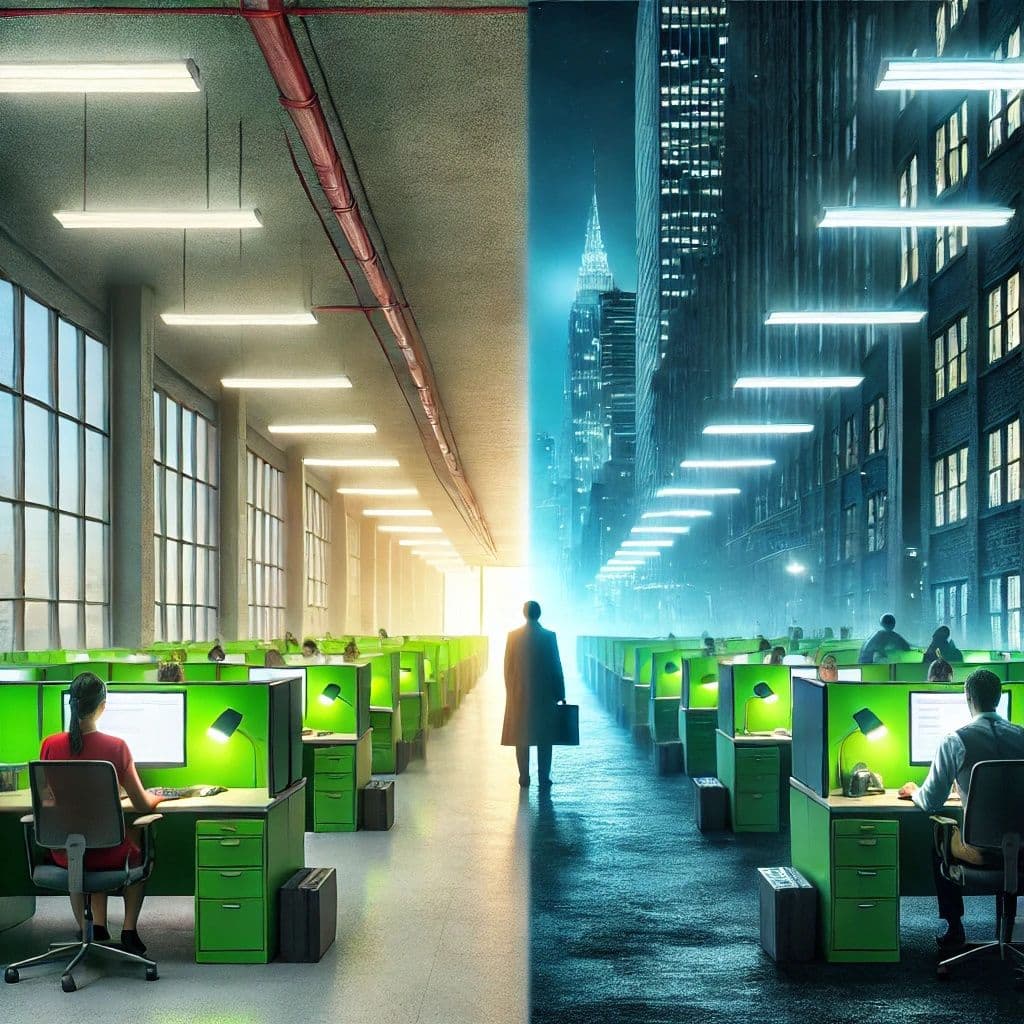
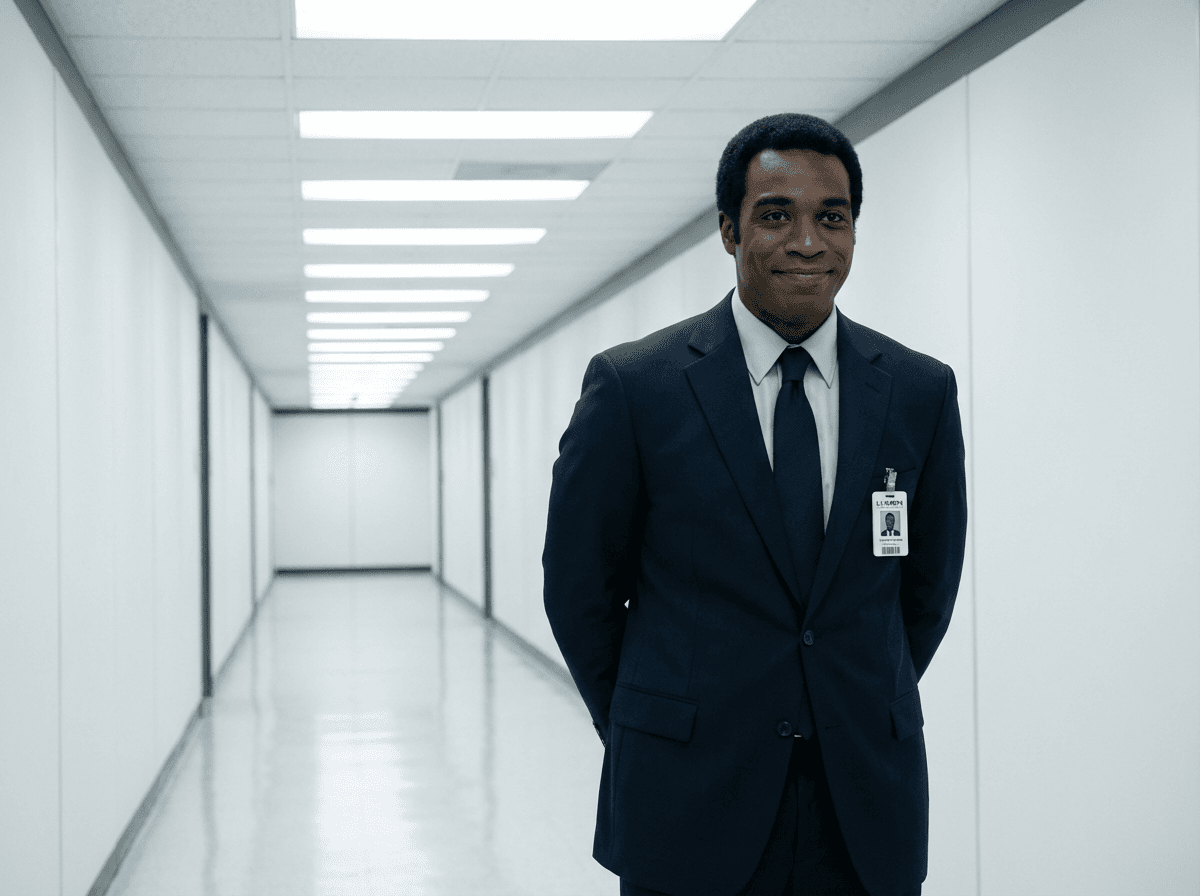
The long white corridors are part of what makes Severance so distinctive. There is plenty of space, but little that makes it feel welcoming. The old-looking terminals and green office furniture give the employees familiar things to use without making the building feel like an ordinary workplace.
I particularly like how the framing makes people seem subject to the room's rules. The symmetry can be unnerving, and the camera's controlled movements add to the feeling of being watched. A corridor that ought to be nothing more than a route to another room becomes something I am uneasy about following.
The outside world is not a warm, reassuring alternative. Its darker spaces and sense of distance suit Mark's isolation. That matters: if everything beyond Lumon looked comfortable, his decision would be much harder to understand. Neither side of his life offers an easy refuge.
The quiet helps, too. Footsteps and the small noises of office work have room to register. The score can unsettle a scene without overwhelming it. The restraint leaves me listening for a change, rather than waiting for the music to tell me that something important has happened.

Season two made me rate it more highly
Much as I try to enjoy each season equally, the second is my favourite. An intriguing setup can carry a first season a long way. What pleased me about the second was that I enjoyed it more as it developed, rather than feeling the original idea was being stretched. It built on season one well and gave me more reason to care about the people living with the procedure.
The wider view of Lumon remains connected to that personal cost. Learning more about the organisation would mean little on its own; it matters because of what life inside it asks of the characters. The mystery became more involving for me as those concerns grew together.
There is room to spend time with a performance or sit with an uncomfortable situation. The slower stretches worked for me because I was interested in the people, not just in collecting answers.
Would I recommend it?
Very much so, particularly if you like science fiction that follows an idea through the lives of a small group of people. Severance gives its absurd office rules enough everyday detail to become believable, then makes you care about the people expected to live by them.
The pacing is the main consideration. If you want quick explanations and frequent action, this is unlikely to be the best choice. I enjoy the time it spends on awkward conversations and apparently routine work. It needs your attention, and much of my enjoyment comes from giving it that attention.
Westworld is a useful comparison for its interest in consciousness and autonomy. Black Mirror offers shorter, separate stories about technology's consequences. What keeps me with Severance is the continuing attachment to this particular office and its inhabitants. After two seasons, I am more interested in spending time with them, not less.
Keep Reading
More Reviews You Might Like
Top 10 Gangster Shows Told From Inside the Family
Ten gangster dramas I recommend for their characters, family loyalties and criminal worlds, from The Sopranos and Gomorrah to Kin and MobLand.
Read review
Absentia review: a solid thriller carried by Stana Katic
A spoiler-free Absentia review after all three seasons: Stana Katic carries a solid thriller with a convincing central performance and modest ambitions.
Read review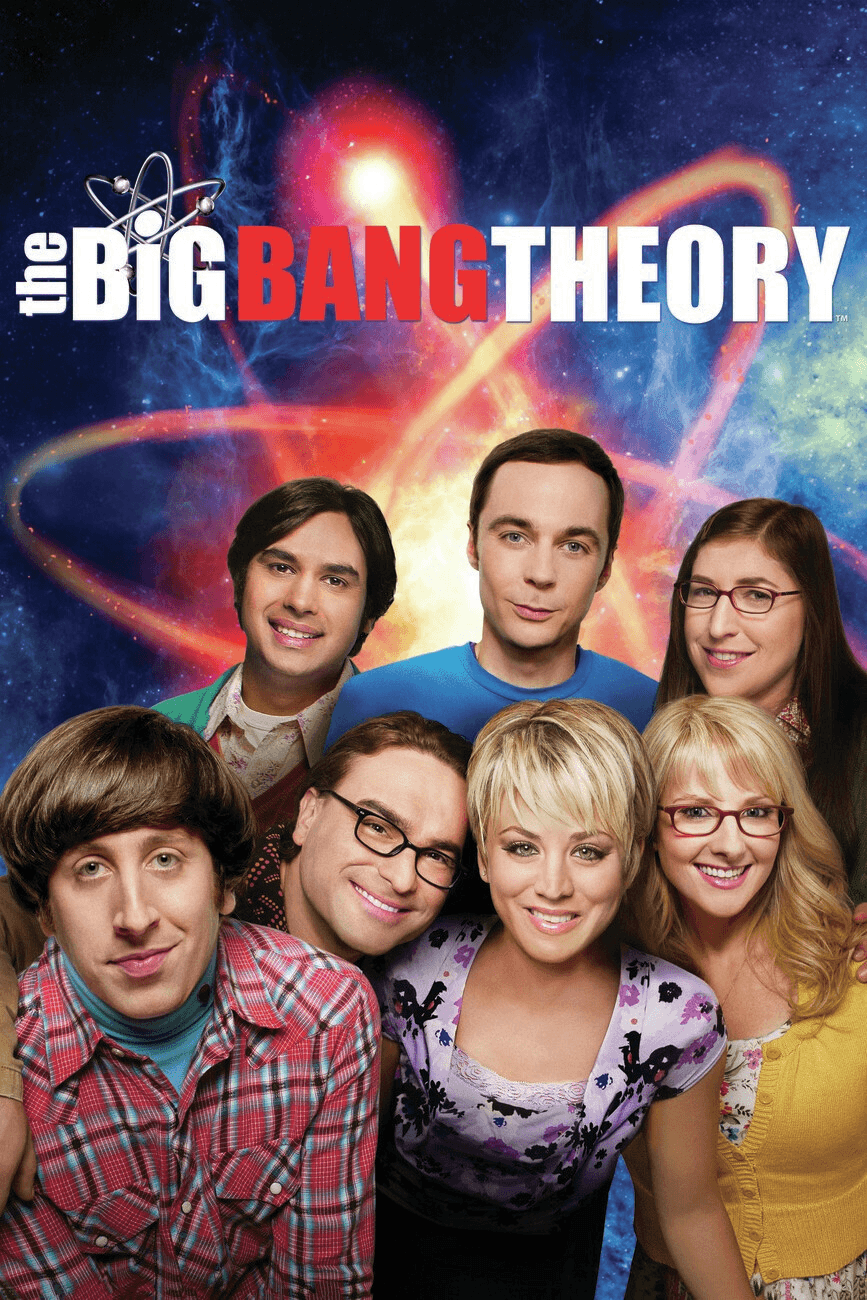
The Big Bang Theory review: brilliant company, terrible flatmates
A highly recommended sitcom, with Jim Parsons, Kaley Cuoco and an excellent ensemble finding comedy in friendship, science and the smallest disagreements.
Read review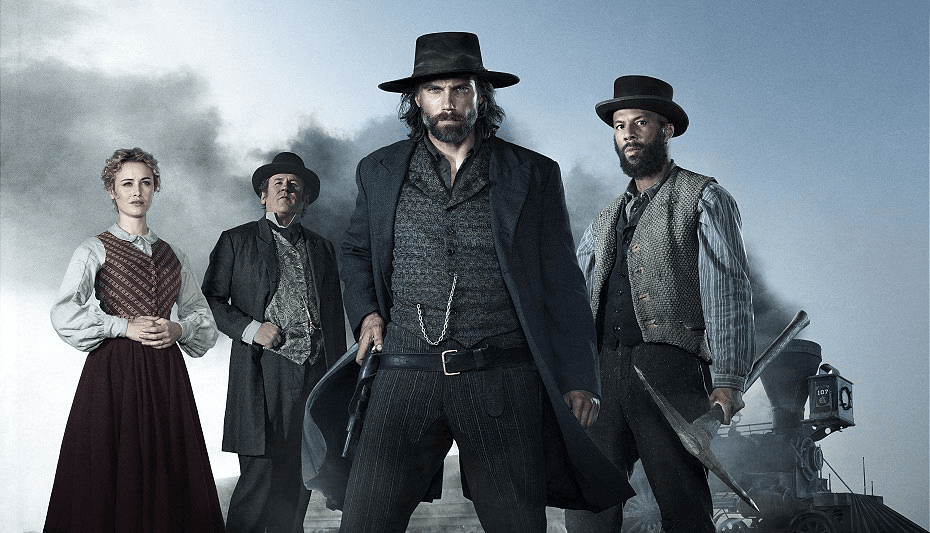
Hell on Wheels: Blood, Rails and Redemption on the American Frontier
Anson Mount and Colm Meaney make Hell on Wheels worth the journey: a spoiler-free review of the railway Western, its memorable cast and uneven stretches.
Read review