1997 - 2003

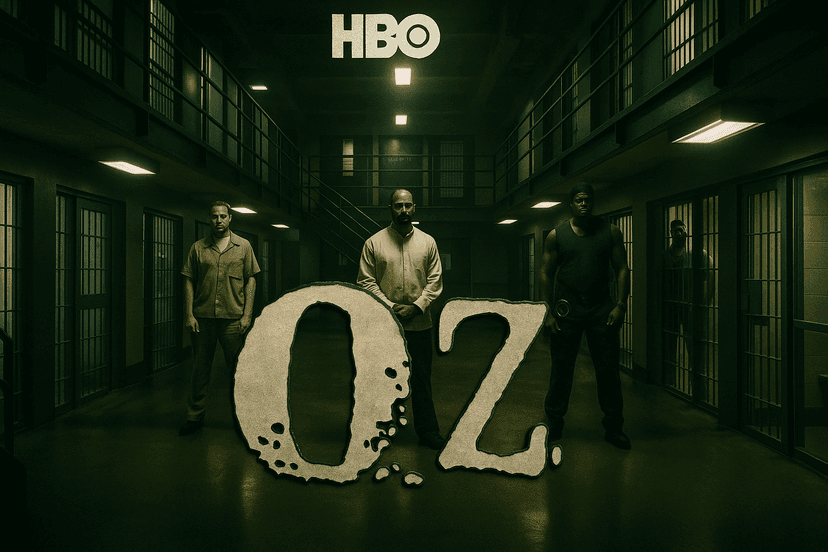
Oz ran on HBO from 1997 to 2003, six seasons and 56 episodes, and it is the show that made everything that came after it possible. This was HBO's first one-hour drama. It landed almost two years before The Sopranos and five years before The Wire. Before Oz, HBO was a movie channel with a sketch comedy habit. After Oz, HBO was the place serious writers went to make serious television.
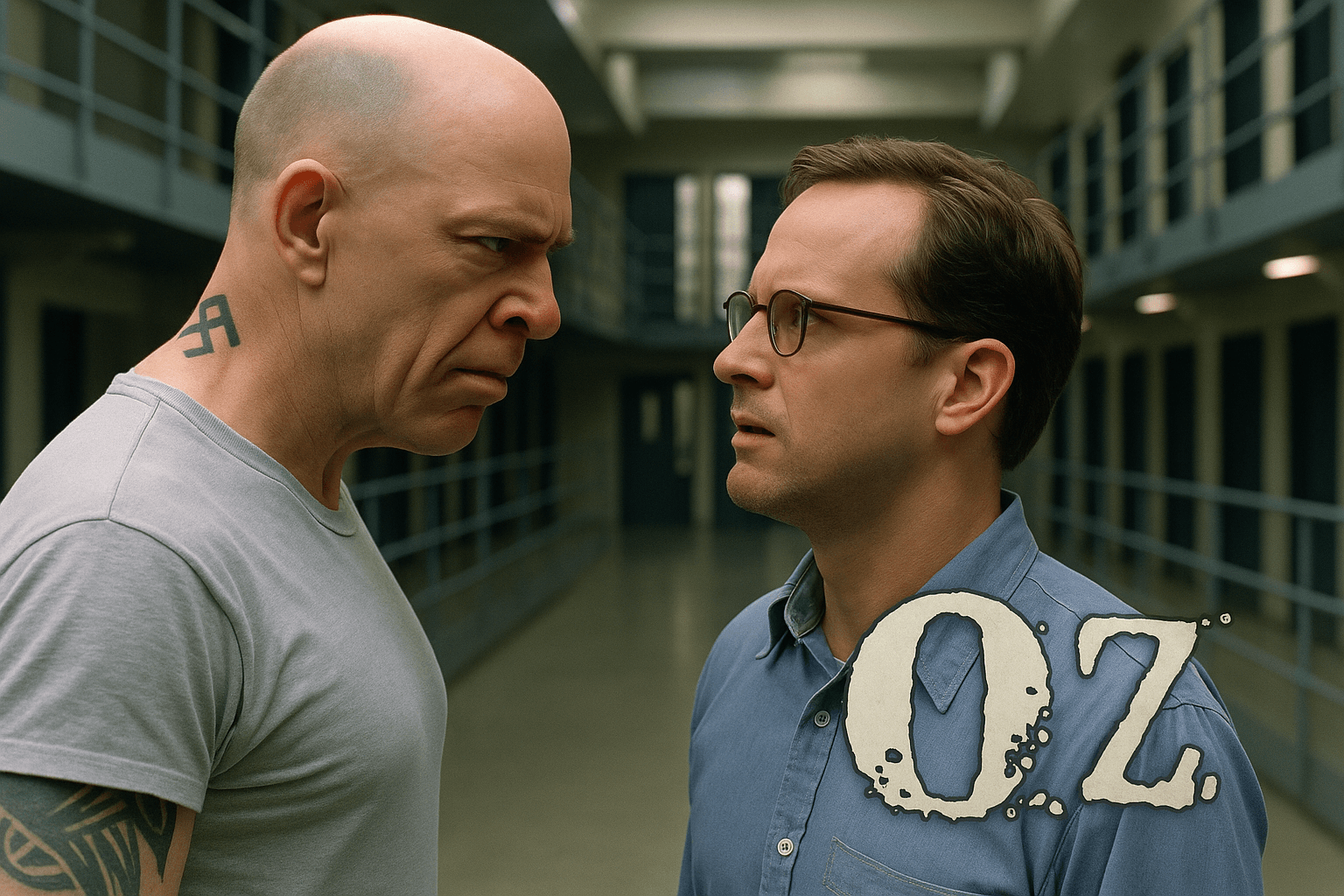
The setting is Oswald State Correctional Facility, Level 4 maximum security. Inside Oswald sits an experimental unit called Emerald City, or Em City, a glass-walled pod designed by idealistic Unit Manager Tim McManus (Terry Kinney) to rehabilitate through community and structure. It does not work. What emerges instead is a pressure cooker of inmates sorted, largely by their own choosing, into factions who watch each other across the floor and wait for someone to make a move.
Created by Tom Fontana, who came off Homicide: Life on the Street looking for a format with no censor notes and no advertiser complaints, Oz is what happens when a writer is told there are no rules left to break.
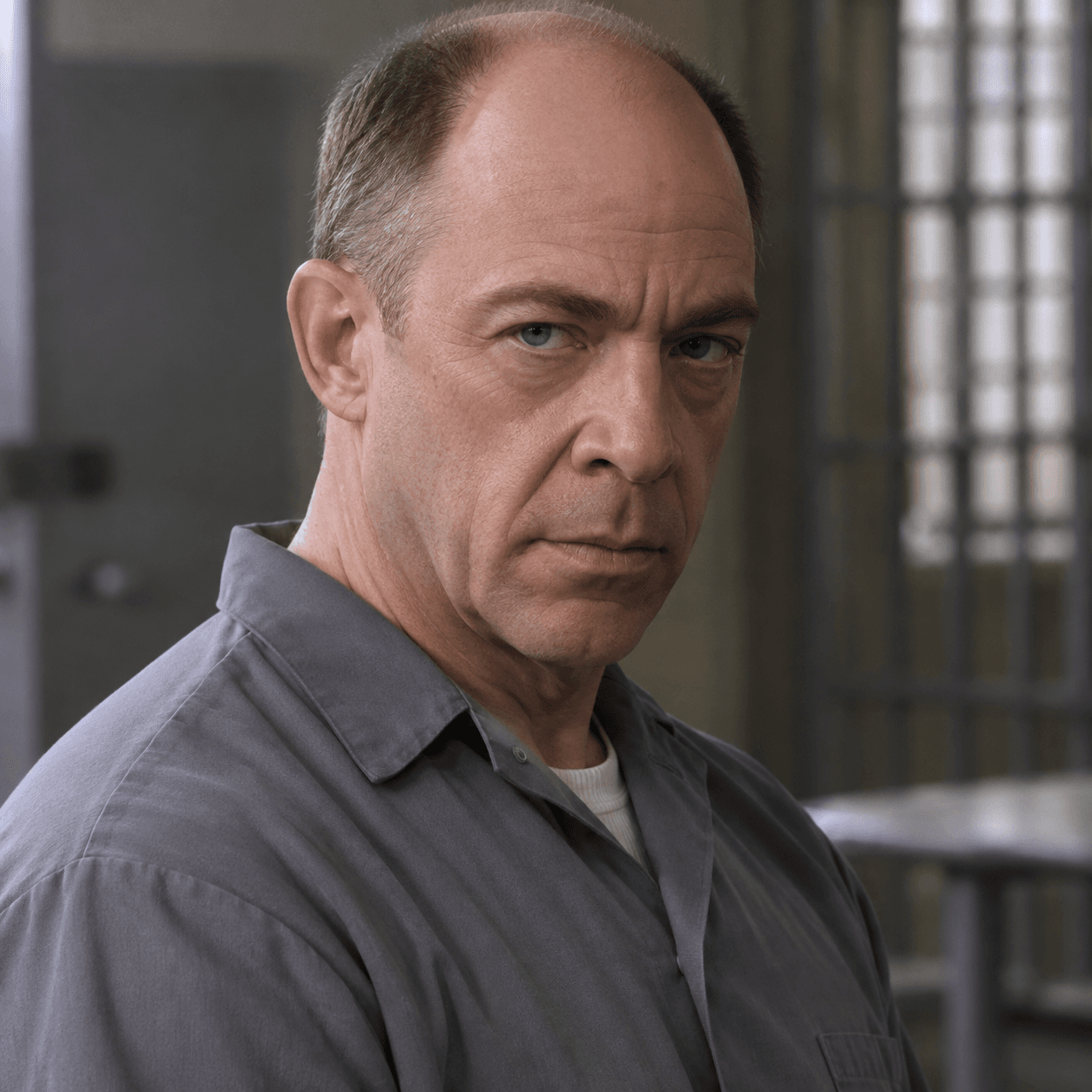
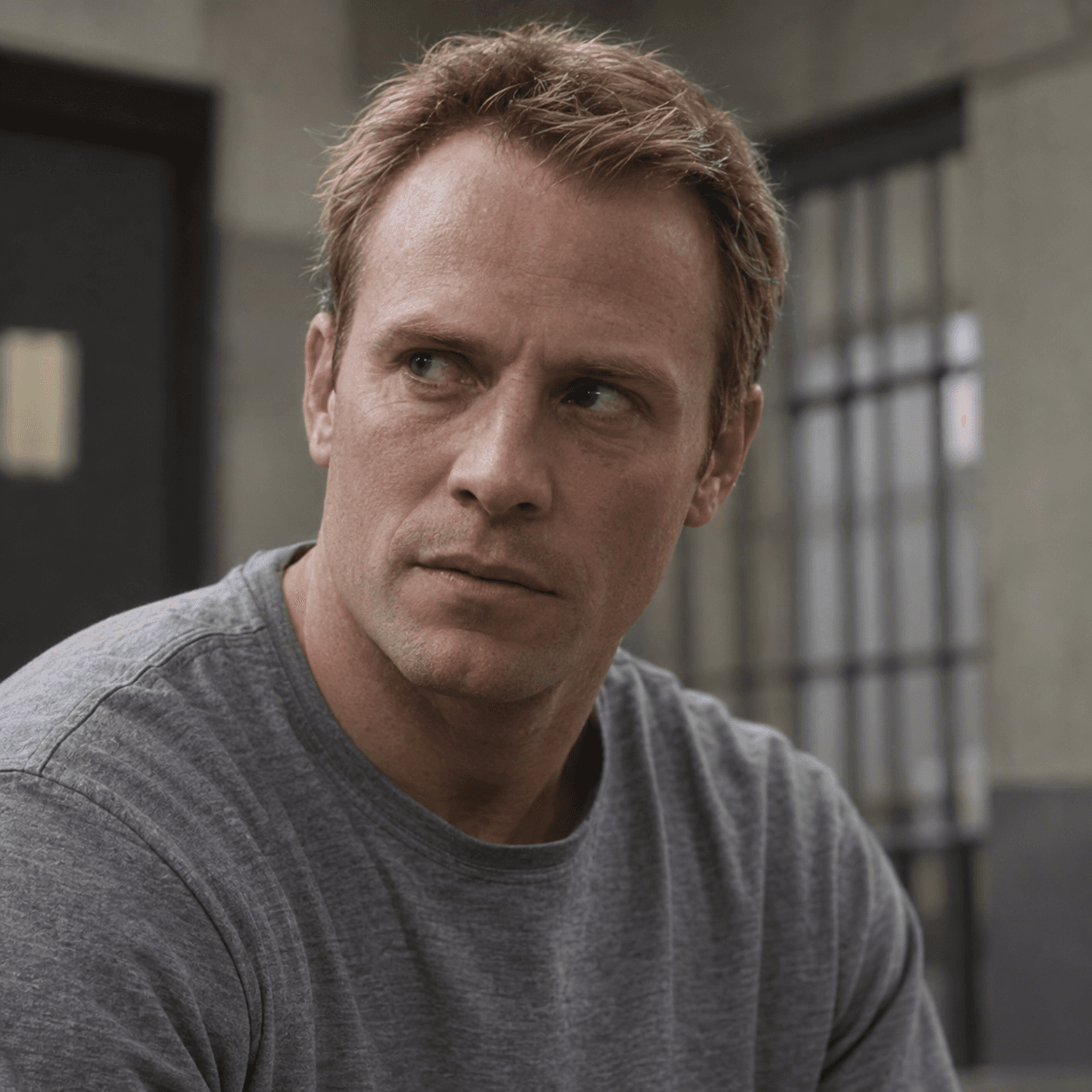
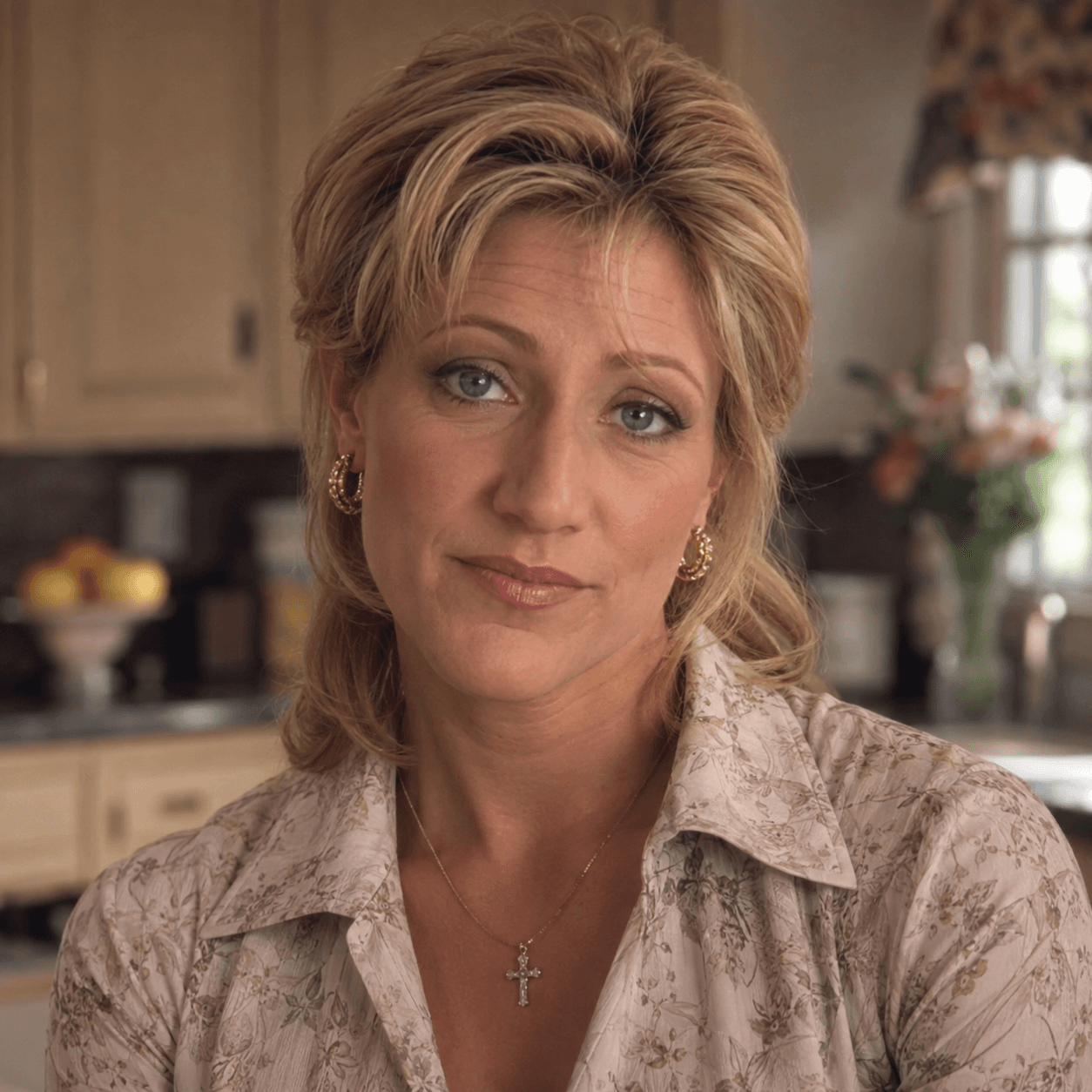
Oz built its reputation on an ensemble so deep that character actors who would go on to anchor their own shows were here playing supporting roles. Edie Falco spent three seasons as Officer Diane Whittlesey before leaving for The Sopranos. Christopher Meloni appeared as Chris Keller two years before Law and Order: SVU made him a household name. J.K. Simmons, a decade before his Oscar, plays Vern Schillinger as the most chilling man on television, a Nazi true believer with a family photo on his bunk. You do not forget him.
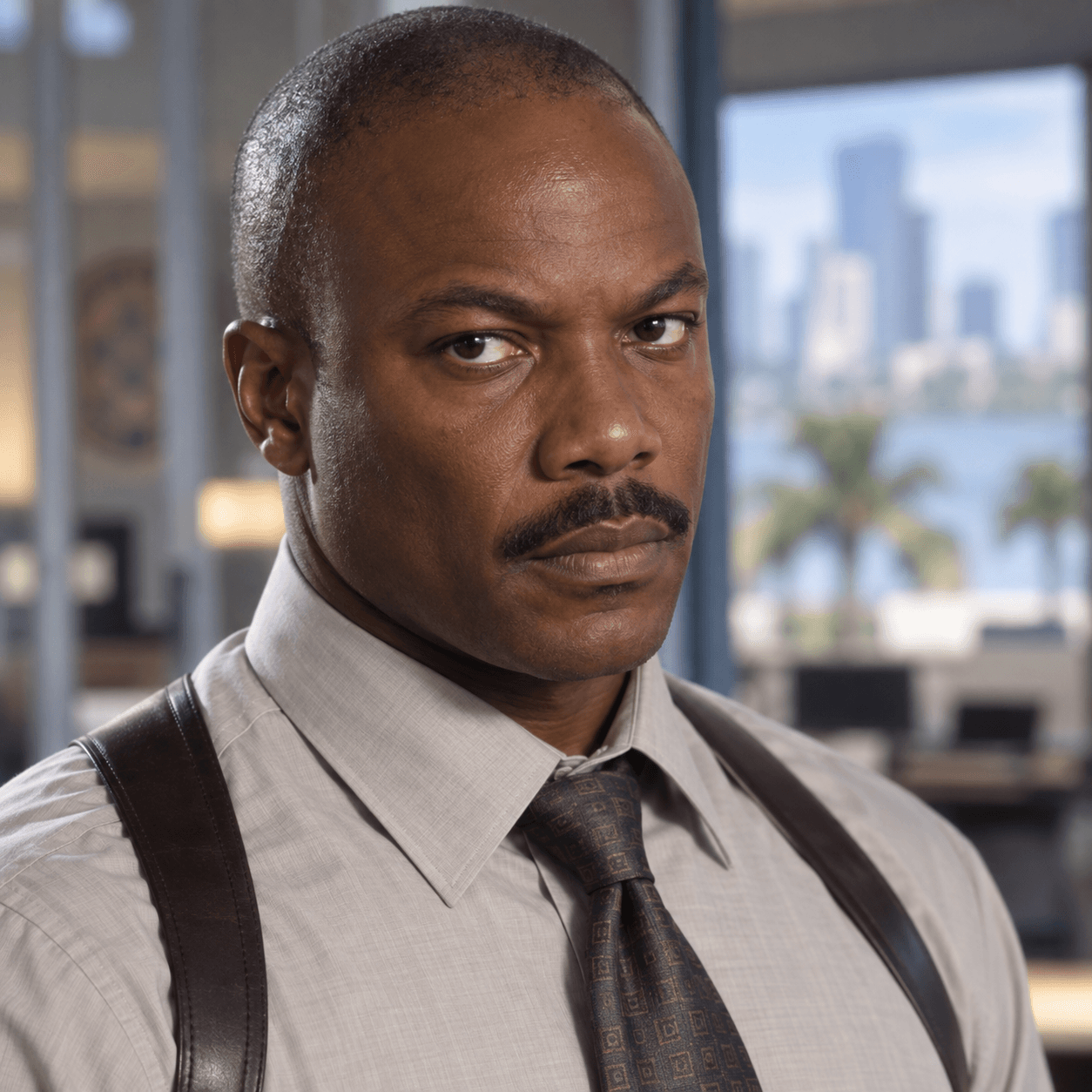
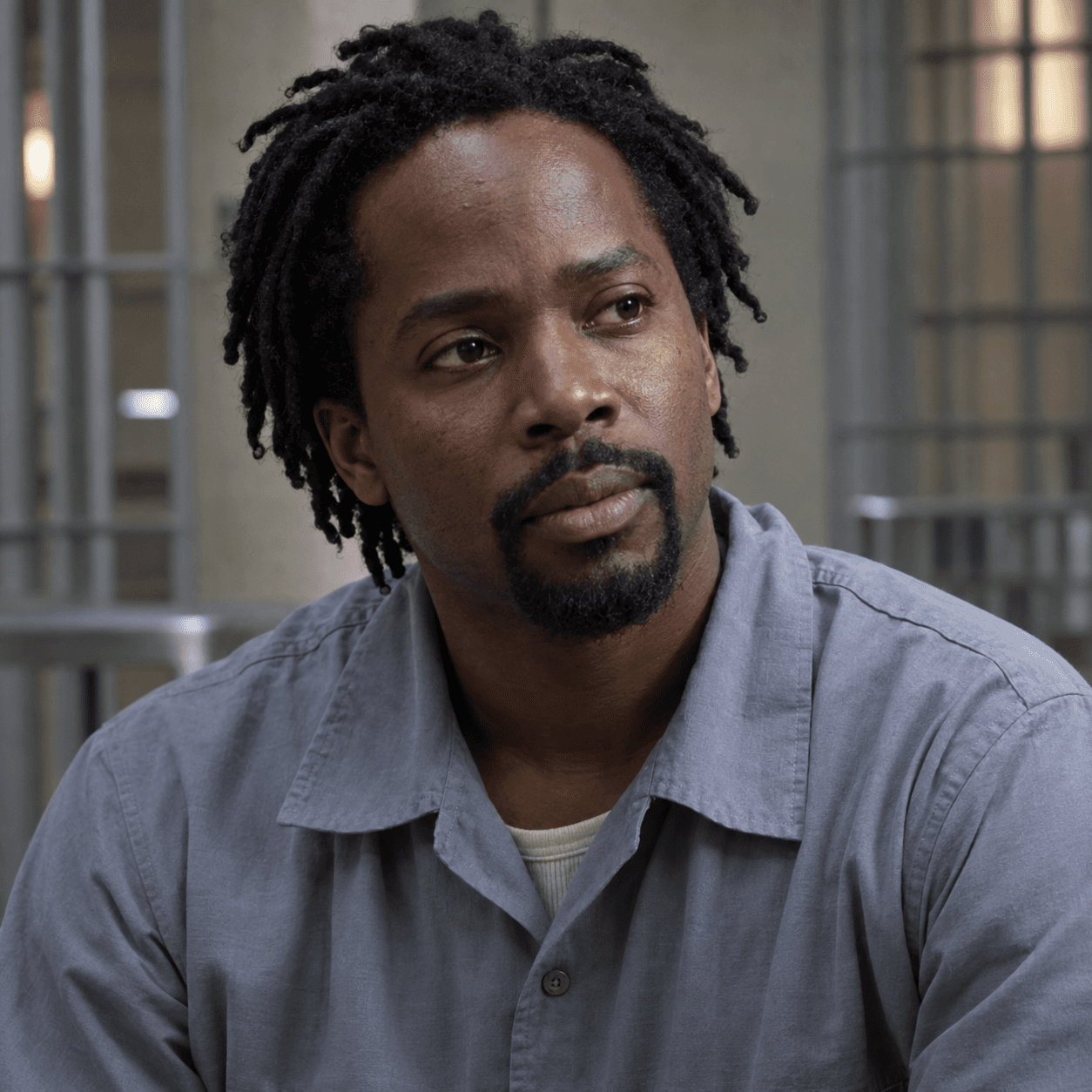
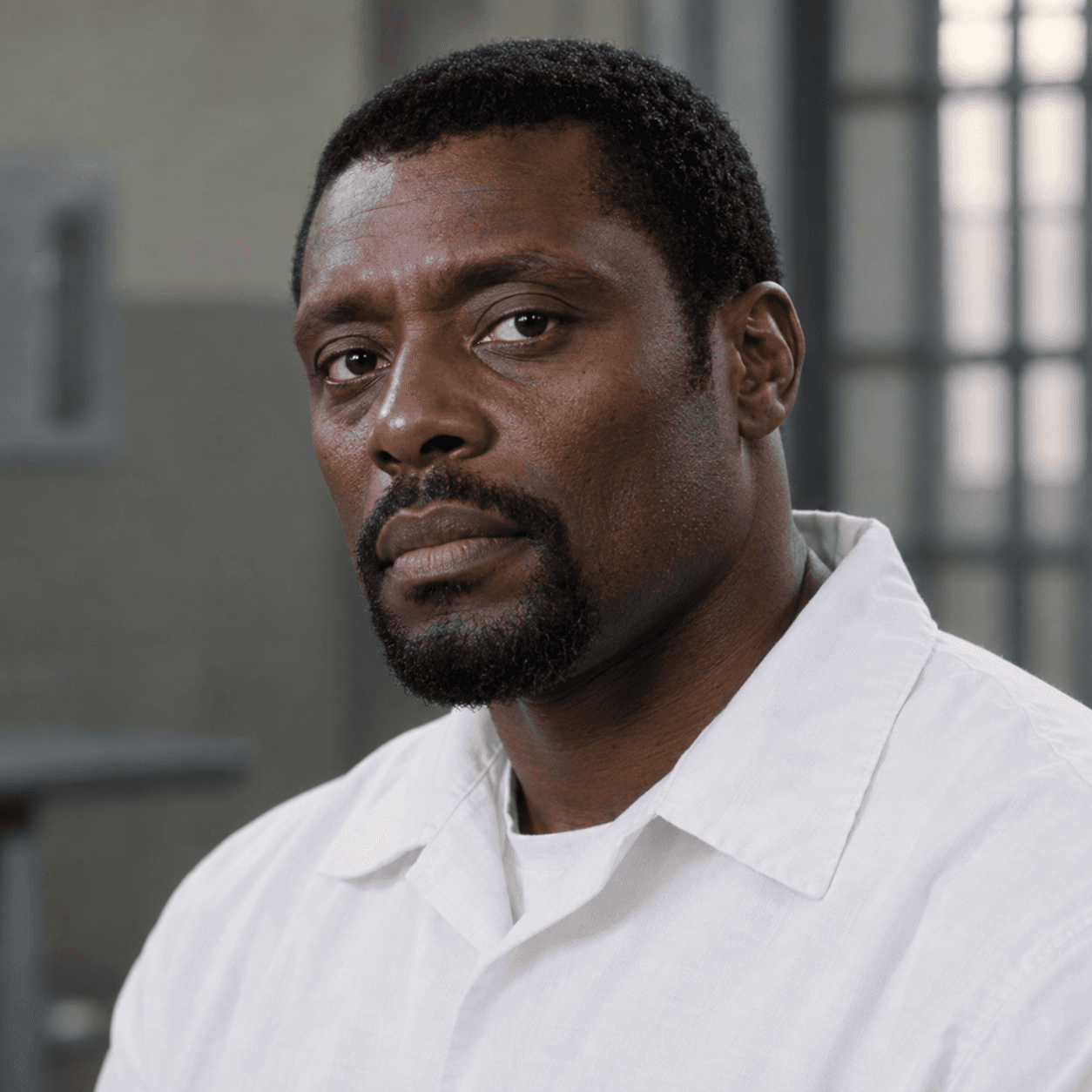
The ensemble includes:
Tom Fontana
Creator/Writer
Ernie Hudson
Lead Actor
Terry Kinney
Lead Actor
Harold Perrineau
Lead Actor
Eamonn Walker
Lead Actor
Kirk Acevedo
Supporting Actor
Rita Moreno
Supporting Actor
J.K. Simmons
Lead Actor

Honest review of Oz (1997) – a comprehensive analysis with our unique woke rating. Discover why this gritty 90s prison drama helped kick off TV's golden age and if it's still worth your time.
Read MoreThat is before you get to George Morfogen, Lauren Vélez, David Zayas, Lance Reddick, Željko Ivanek, and roughly thirty other actors who shape the show across its run.
On the surface Oz is a prison drama. Underneath it is a thesis about American society stripped to its bones, with race, religion, class, and power sorted into visible factions you can point at from the balcony.
Em City splits into the Aryan Brotherhood, the Muslim Brotherhood, the Homeboys, the Latinos, the Wiseguys, the Christians, the Others, the Bikers, and the Gays. Nobody hides their allegiance. The shirts, the haircuts, the way inmates cluster in the common area, all of it is legible on sight. Fontana uses this on-the-nose sociology to ask what happens when the pretence of liberal integration collapses and people self-sort into the tribes they actually trust. It is uncomfortable. It is meant to be.
The show stacks its major philosophical conflicts on top of this. Saïd, a Muslim convert serving time for arson, spends the series arguing that the American justice system is an extension of slavery. Schillinger, the Aryan Brotherhood captain, spends the series arguing that white men are under siege. Sister Pete tries to hold onto Catholic grace in a place that grinds it into powder. Nobody wins these arguments. That is part of the point.
Visually, Oz is brutal and flat. Concrete, fluorescent light, glass walls that let you see every confrontation from three angles. Fontana shot the show on tight interiors and let the architecture do the work. Em City looks like an aquarium for humans and it is meant to.
The signature device is Augustus Hill's narration. Every episode opens with Hill, alone in a glass cube on a dolly track, talking to camera about whatever theme the week will turn over. Religion. Sex. Fathers and sons. Parole. Capital punishment. Hill's monologues are written like slam poetry and performed by Perrineau with a weary warmth that cuts through the horror. Without that framing device the show would be unwatchable. With it, you keep coming back.
A warning I would argue Oz has earned. This is not prestige drama as comfort viewing. The violence is frequent and graphic. Sexual assault, drug use, racial hatred, and institutional cruelty are shown without euphemism. If The Wire is a systems analysis of a city, Oz is a systems analysis of a cage. It is hard to watch and it is supposed to be hard to watch.
Critics called Oz raw and confrontational from the pilot onwards. It won a Peabody for its debut season, ran for six years on HBO, and was credited by Tom Fontana himself as the show that gave HBO the confidence to commission The Sopranos. Every prestige prison drama that followed, and plenty that did not announce themselves as such, owes it something. The Nazi block of American History X. The sectarian factions of Sons of Anarchy. The cold-blooded prison politics of Breaking Bad's final season. All of them draw from the well Oz dug first.
Its legacy sits alongside Deadwood, The Shield, and Boardwalk Empire as a load-bearing wall in the cable drama era. Fans of Breaking Bad will find the same appetite here for watching civilised men make savage choices.
Oz works because it refuses to give you a hero. Beecher is not a hero. Saïd is not a hero. McManus is not a hero. Nobody inside the walls gets to be simple, and the show is honest enough to let its most articulate characters also be its most dangerous. You leave every season unsure who you were rooting for and why. That is a feature.
It was ahead of its time in 1997 and it is still ahead of some of its time in 2026. Put it on and see what HBO sounded like before it knew what it was.
Lee Tergesen
Lead Actor
Dean Winters
Supporting Actor
Adewale Akinnuoye-Agbaje
Lead Actor
Christopher Meloni
Supporting Actor
B.D. Wong
Supporting Actor
Edie Falco
Supporting Actor
Lauren Vélez
Supporting Actor
David Zayas
Supporting Actor
Lance Reddick
Supporting Actor
Reg E. Cathey
Supporting Actor
Mark Margolis
Supporting Actor
Željko Ivanek
Supporting Actor