Oz: Before the Golden Age Had a Name
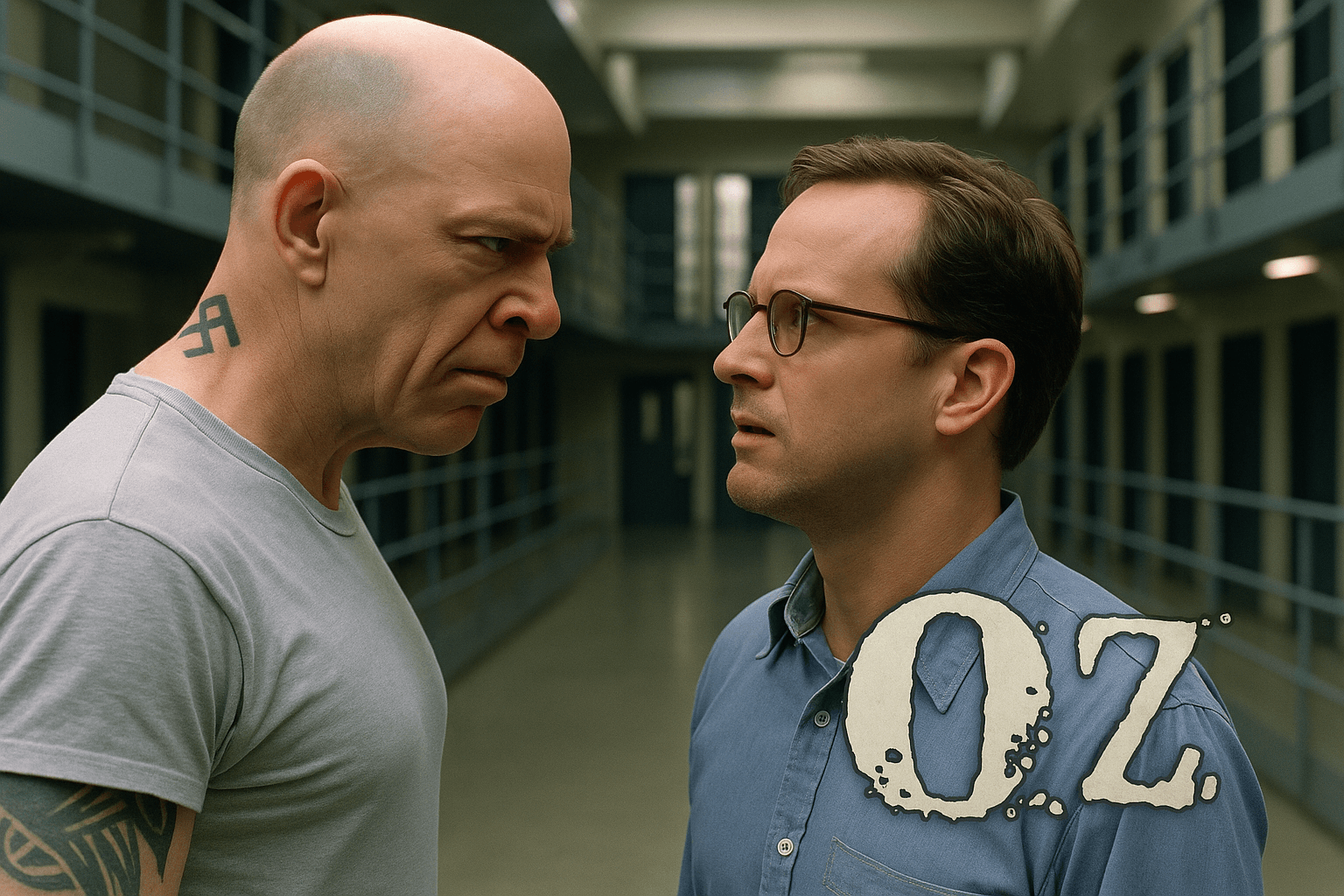
Oz is excellent television, and it was doing this before HBO's great dramas became a recognised category. You can see the early seeds of The Wire: a large ensemble, competing loyalties and an institution that can swallow the people inside it. But Oz is stranger, more theatrical and much more confined. It doesn't feel like a rehearsal for somebody else's better show.
Tom Fontana's prison drama began in 1997 and ran for six seasons. Its setting is Emerald City, an experimental unit inside Oswald State Correctional Facility. Rehabilitation is the idea. The men running the unit have rather more faith in that idea than the men living there.
Everybody can see you
Em City's glass-walled cells are a particularly nasty arrangement. There is almost nowhere to withdraw from the people you fear, owe or need to impress. A conversation across the floor can be noticed by somebody on the balcony. Standing beside the wrong person means something. So does standing alone.
That constant visibility gives ordinary exchanges their tension. A favour isn't just a favour, and apparent kindness needs examination before you accept it. Oz makes you pay attention to who is watching, not only who is speaking. The prison has rules on paper and another set in operation. Learning the difference doesn't guarantee safety.
Principles under pressure
Tim McManus wants structure and community to do something useful. Warden Leo Glynn has a prison to keep under control. Neither can simply announce a humane policy and expect everyone beneath them to cooperate. Their disagreements matter because the consequences land on people who cannot walk away.
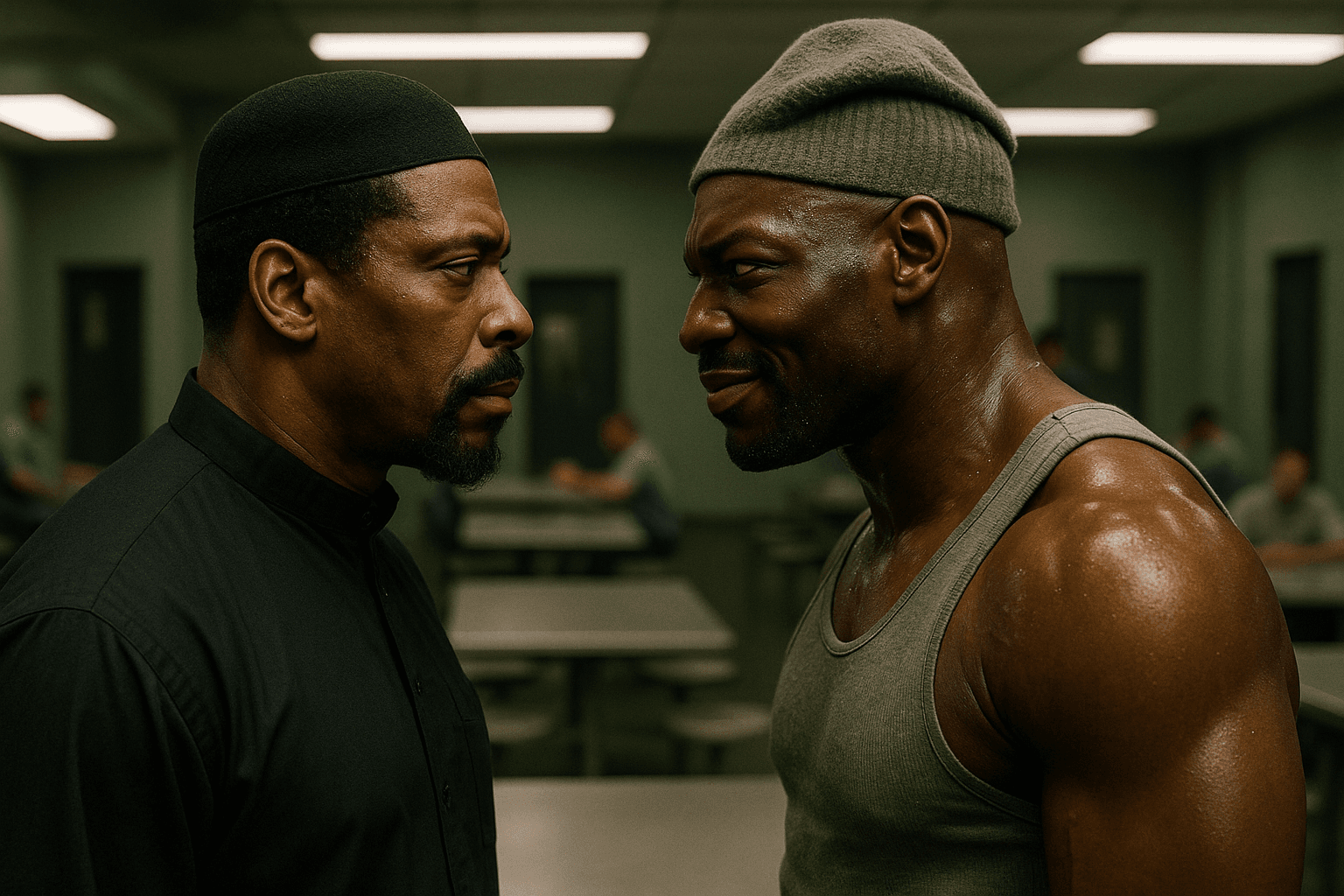
Inside the unit, religion, friendship and group allegiance can offer protection, purpose or another way to exert authority. Kareem Saïd's discipline gives him a presence quite different from the men who rely on intimidation alone. Oz is good at allowing an argument to sound convincing while leaving you uneasy about the person making it. Eloquence and decency are not the same qualification.
Beecher has no useful preparation for this
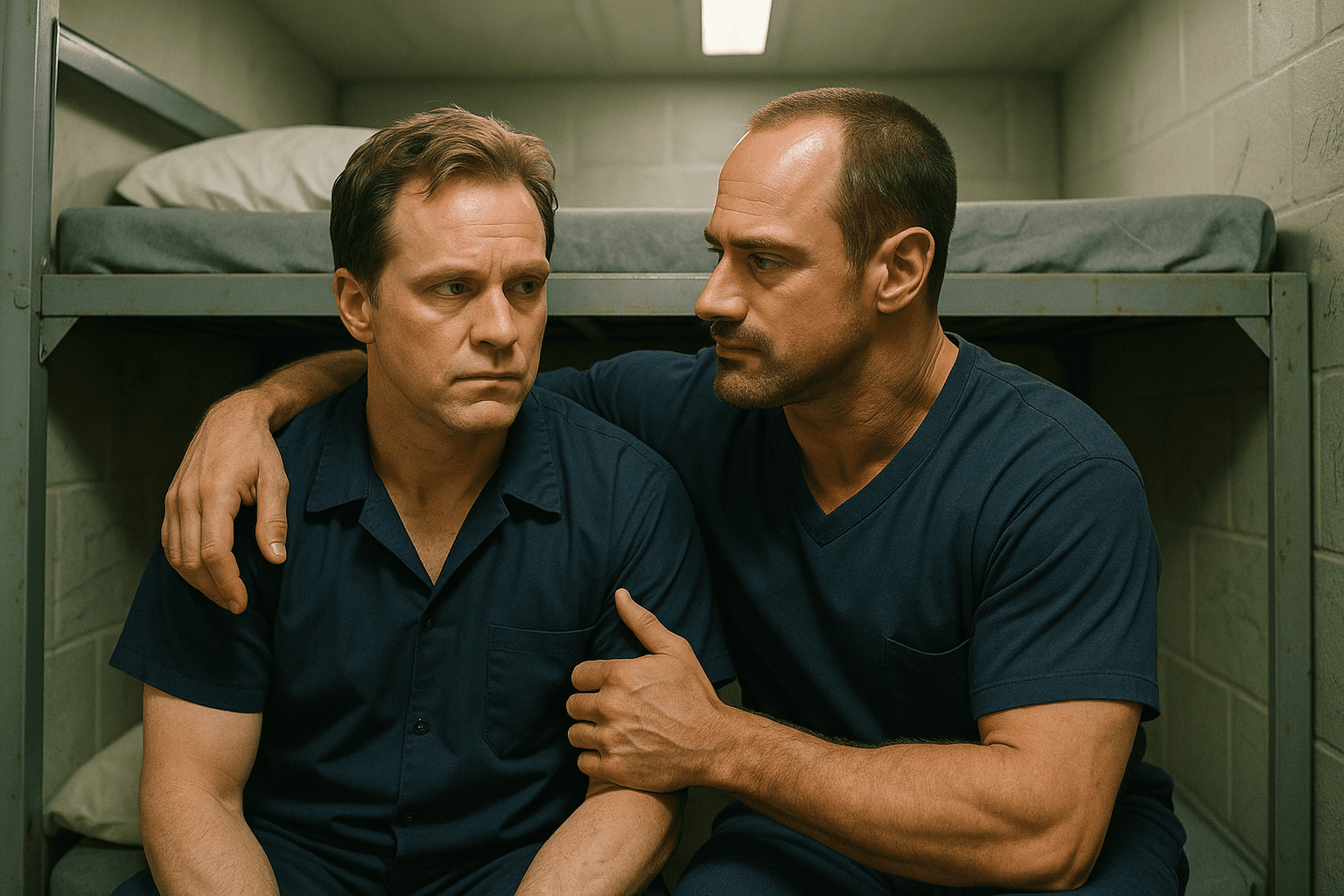
Lee Tergesen makes Tobias Beecher's arrival horribly uncomfortable. A lawyer imprisoned after a fatal drink-driving incident, Beecher brings none of the confidence his previous life might have given him. Watching him try to understand the room is more involving than a reassuring introduction through some hardened prison veteran.
Opposite that uncertainty is J.K. Simmons as Vern Schillinger. Simmons doesn't need to make him loudly threatening every minute. His ability to sound almost conversational is worse. The performance leaves very little distance between an apparently ordinary exchange and something you wish Beecher had never been drawn into.
The voice outside the cell
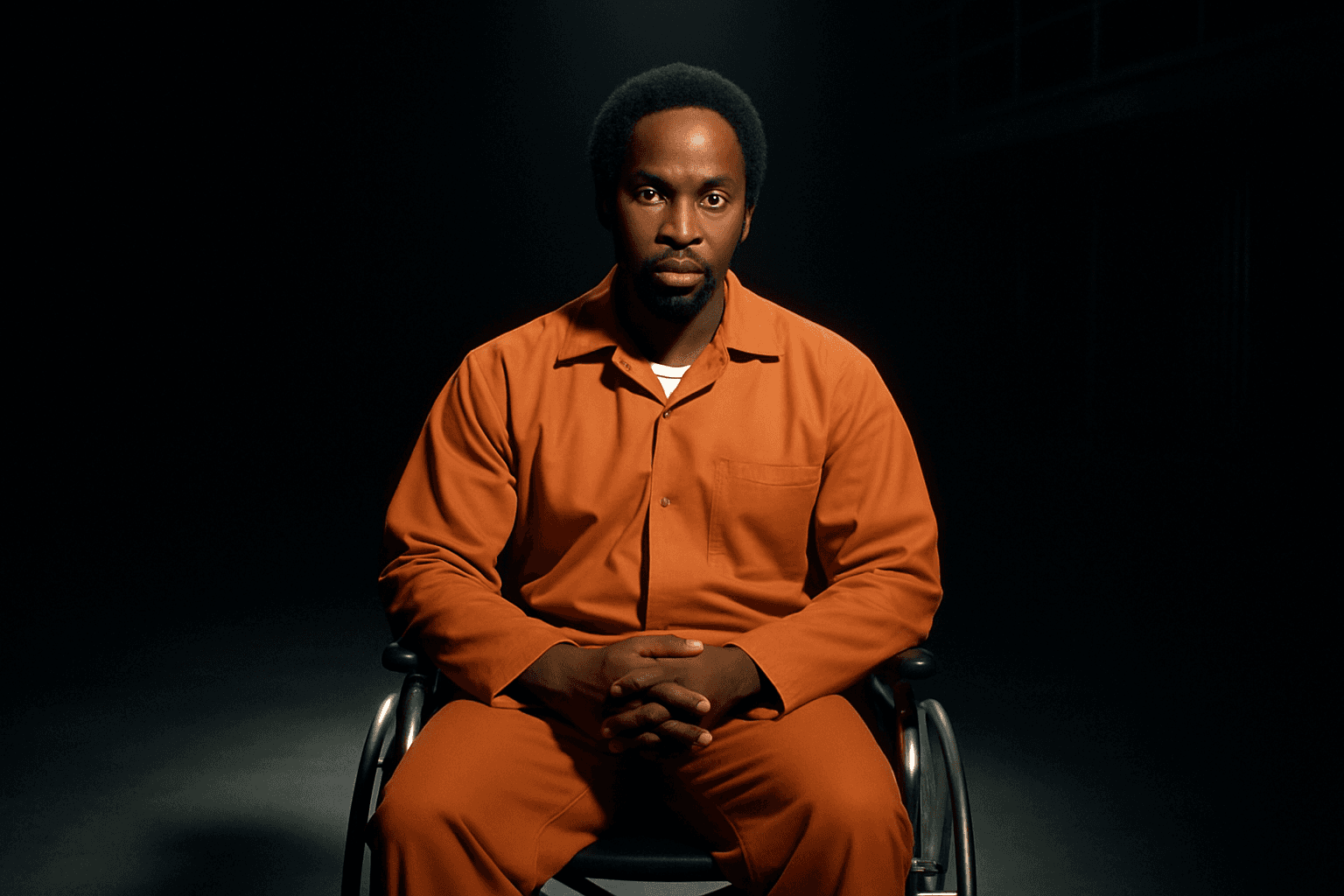
Harold Perrineau, as Augustus Hill, addresses the audience directly. These interruptions can be philosophical, sardonic or pointedly theatrical. They take Oz away from straightforward realism, which is part of its identity rather than something to explain away.
Hill can widen the question beyond the immediate prison dispute, then the next scene drops you straight back into somebody's urgent problem. I like that contrast. The show has the confidence to stop and think without becoming detached from the people it is thinking about. Perrineau gives those passages personality; they would be much harder work in less engaging hands.
A remarkably unpleasant place to spend an evening
The older television format and the confined sets are noticeable, but they suit the experience. Oz rarely gives you the relief of a beautiful new destination. You remain with the same walkways, doors and watching faces. Even a quiet stretch feels provisional.
There is severe violence, sexual assault and sustained intimidation. That is a practical consideration before starting, not a badge of quality by itself. What makes Oz worth watching is the drama around that brutality: the fear before it, the adjustments people make to avoid it, and the way an institution learns to accommodate things it should prevent.
Look at this cast
Eamonn Walker gives Saïd conviction and enough rigidity to keep him interesting. Terry Kinney's McManus can be infuriating precisely because he believes his experiment ought to work. Ernie Hudson has the weary authority of a man whose responsibilities do not conveniently stop when his patience does.
Then there are Dean Winters, Adewale Akinnuoye-Agbaje, Rita Moreno and Edie Falco, among many others. It is a deep ensemble, not a lead performance with interchangeable people orbiting it. Small shifts in influence change the way familiar characters behave around one another. That is where much of the pleasure of a long run comes from.
More than a historical stepping stone
The connection to later HBO drama is obvious, particularly when familiar actors appear, but Oz earns a recommendation on its own terms. It is less interested in reassuring you that you have chosen the right person to support than in making you understand why people act as they do.
Its theatrical excess is different from The Wire's more measured approach. That difference is worth preserving. I wouldn't want Oz tidied into a sober procedural: some of its force comes from feeling as though everyone in the building has been pushed too close together for too long.
Worth going back for
I strongly recommend Oz if you can handle the material. It is gripping, superbly acted and still distinctive enough that its age is not the main thing you think about while watching.
For the wider institutional picture, go to The Wire. The Night Of offers a shorter, more restrained look at someone entering the criminal-justice system. Oz is the more abrasive companion to both.
UK viewing: Paramount+ lists all six seasons as of 13 September 2026. Check your subscription's catalogue before signing up.
Keep Reading
More Reviews You Might Like

Dexter: The Man Behind the Smile
A spoiler-free review of Dexter’s original eight seasons after a full rewatch: Michael C. Hall, Miami, dark humour and the effort of appearing ordinary.
Read review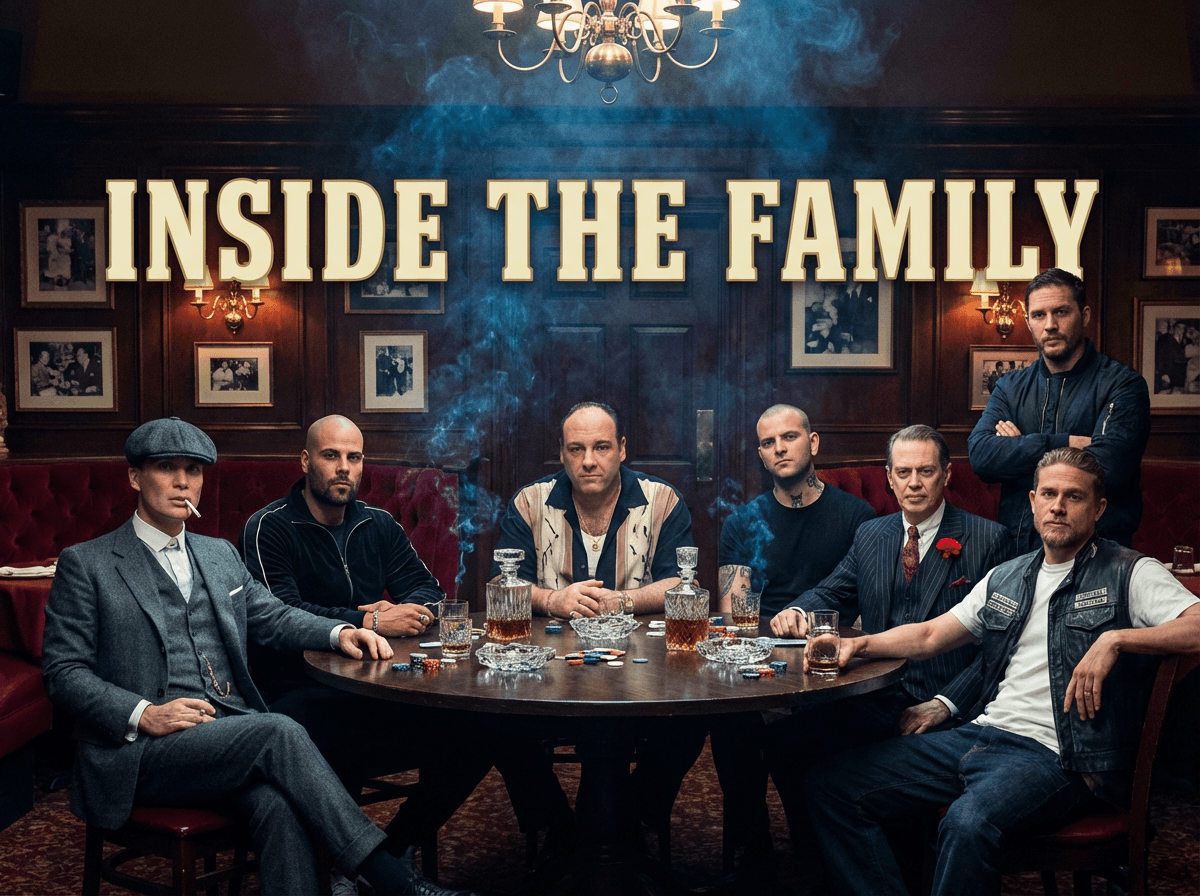
Top 10 Gangster Shows Told From Inside the Family
Ten gangster dramas I recommend for their characters, family loyalties and criminal worlds, from The Sopranos and Gomorrah to Kin and MobLand.
Read review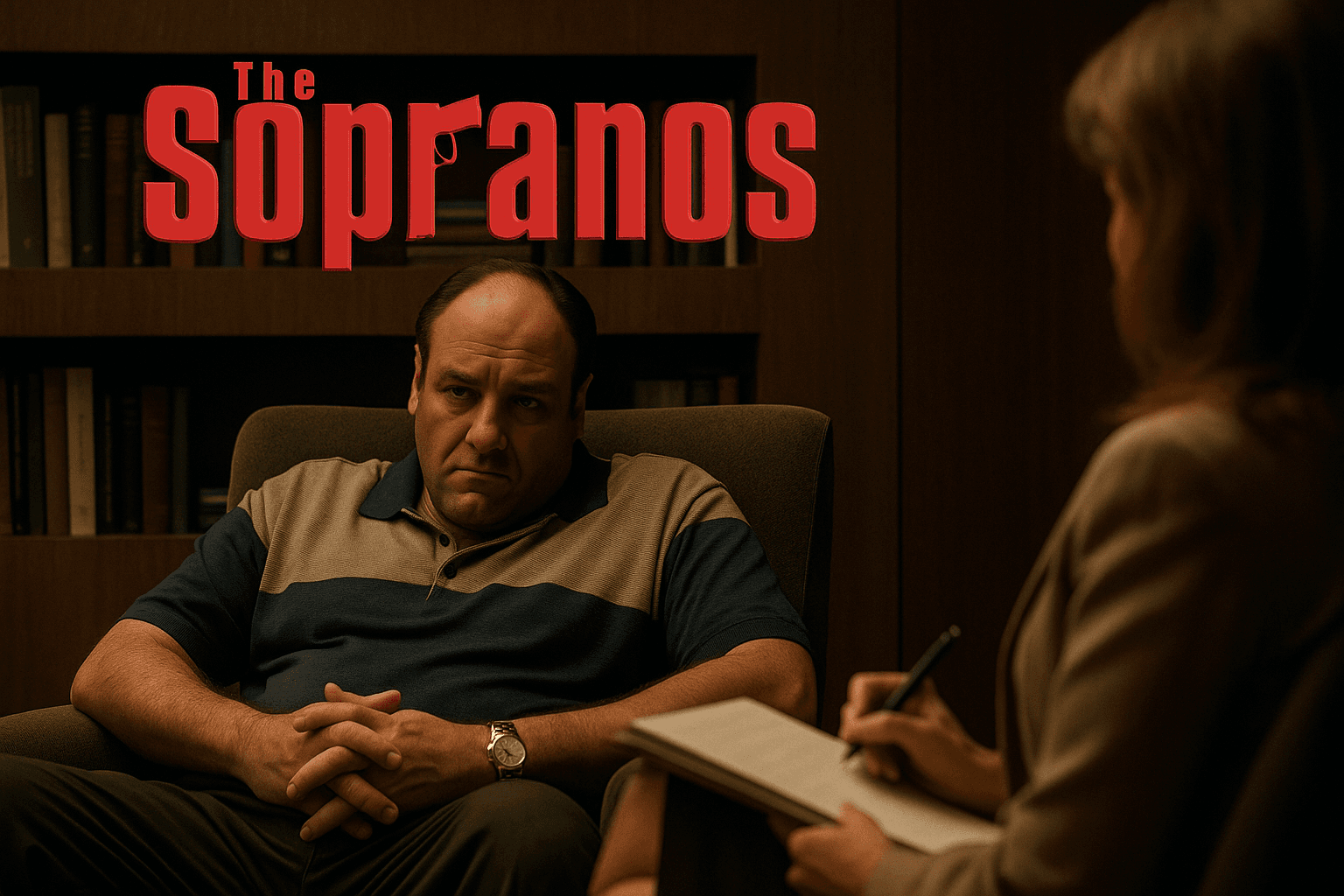
The Sopranos: Still the Best Television Ever Made
The Att on why The Sopranos is still the best TV series: James Gandolfini, two families, extraordinary dialogue and comedy as sharp as the drama.
Read review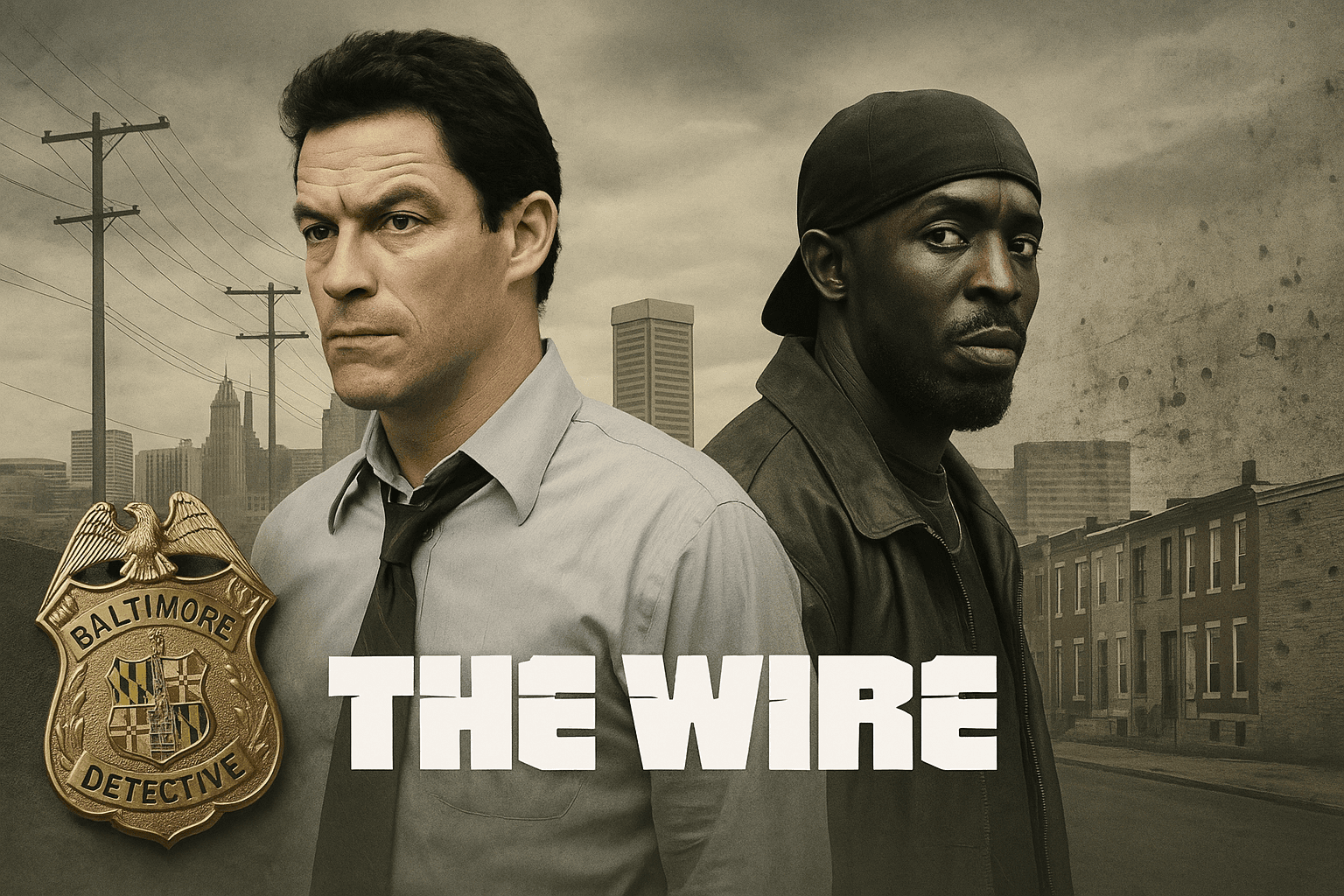
The Wire: All the Pieces Matter
The Wire builds an extraordinary portrait of Baltimore from patient police work, street-level survival and institutions that reward the wrong things.
Read review