2007 - 2015

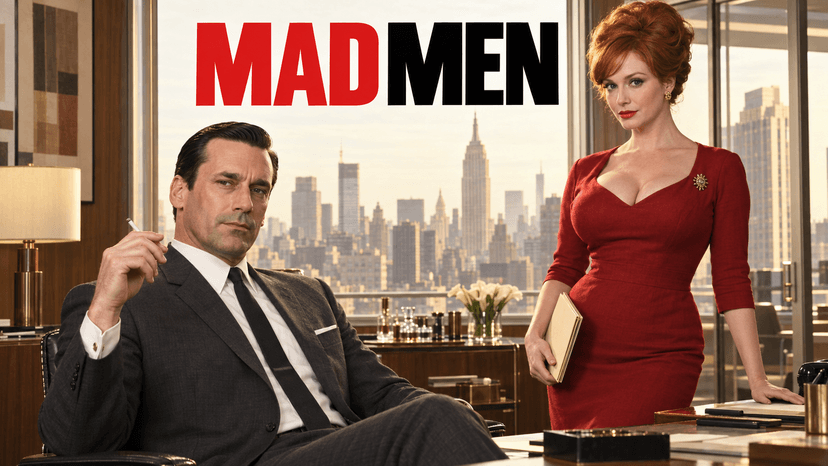
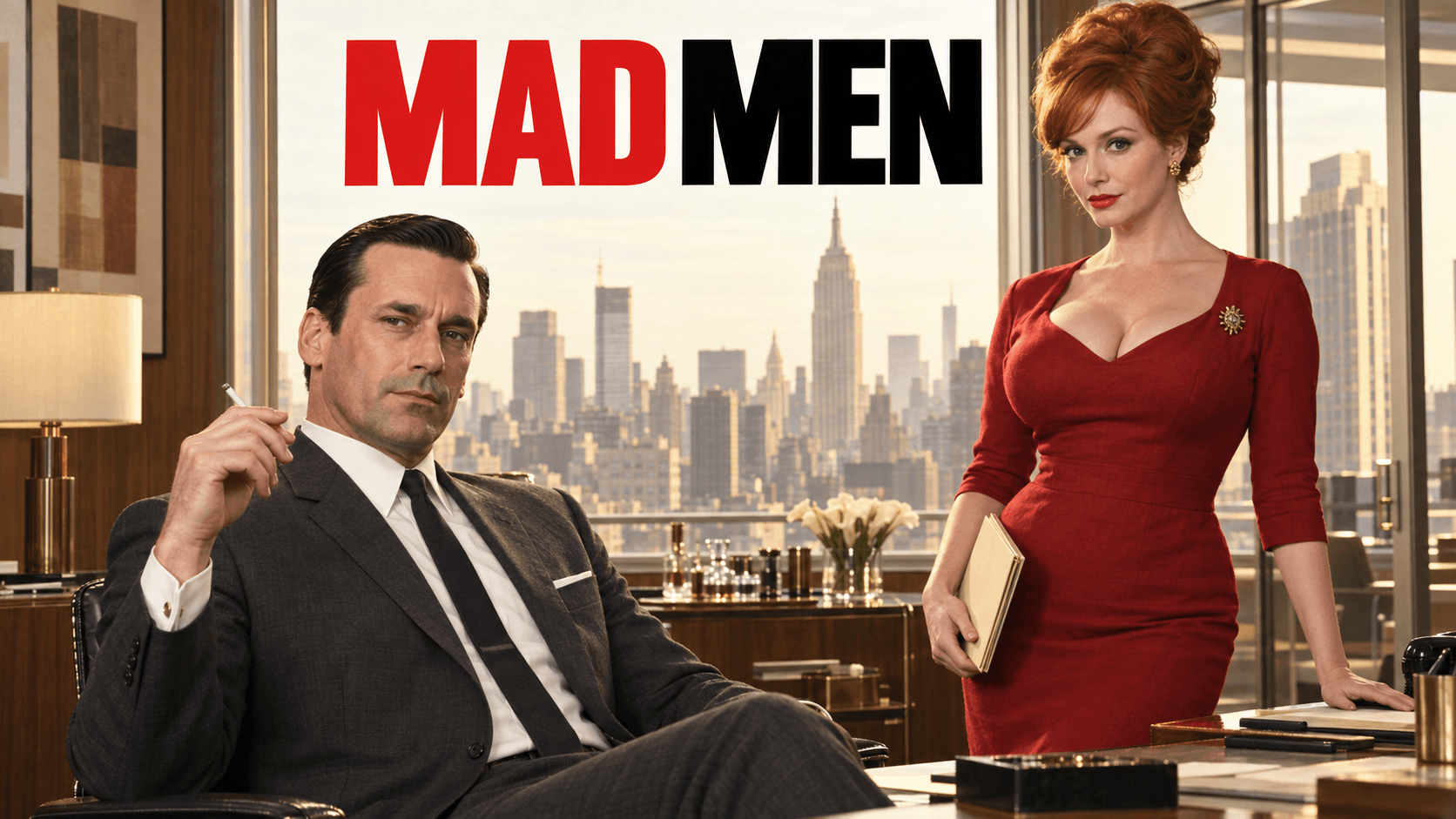
Mad Men ran on AMC from 2007 to 2015. Seven seasons. Ninety-two episodes. Matthew Weiner, who had just come off the writers' room at The Sopranos, created it after shopping the pilot around for years while nobody in television would touch a period drama about advertising. AMC picked it up, and the show that followed reshaped what a basic-cable network could be.
The setting is Madison Avenue, 1960 to 1970. Don Draper, played by Jon Hamm in the role that made him a movie star, is the creative director of Sterling Cooper, a mid-sized ad agency staffed by men in narrow ties and women tasked with fetching their coffee. Over the course of the show, the agency becomes Sterling Cooper Draper Pryce (SCDP), then Sterling Cooper & Partners, then something else again. The furniture changes. The decade changes around it. The show never stops being about Don, but it is never just about Don either.
Mad Men is slow in a way that almost no modern show is slow. There are no cliffhangers in the modern sense. Episodes end on a glance, a silence, a song playing over a man in a darkened office. It asks you to meet it on its own clock. Stay with it and you get one of the most complete pieces of character work American television has ever produced.
This is an ensemble show dressed up as a one-man vehicle. Jon Hamm is the face of it, and his performance as Don Draper is the kind of work that careers orbit around for the rest of their lives. A handsome, unknowable creative director with a rotating catalogue of secrets and a drink in his hand at 10 in the morning. He carries the whole weight of the show and makes it look like he is barely trying.
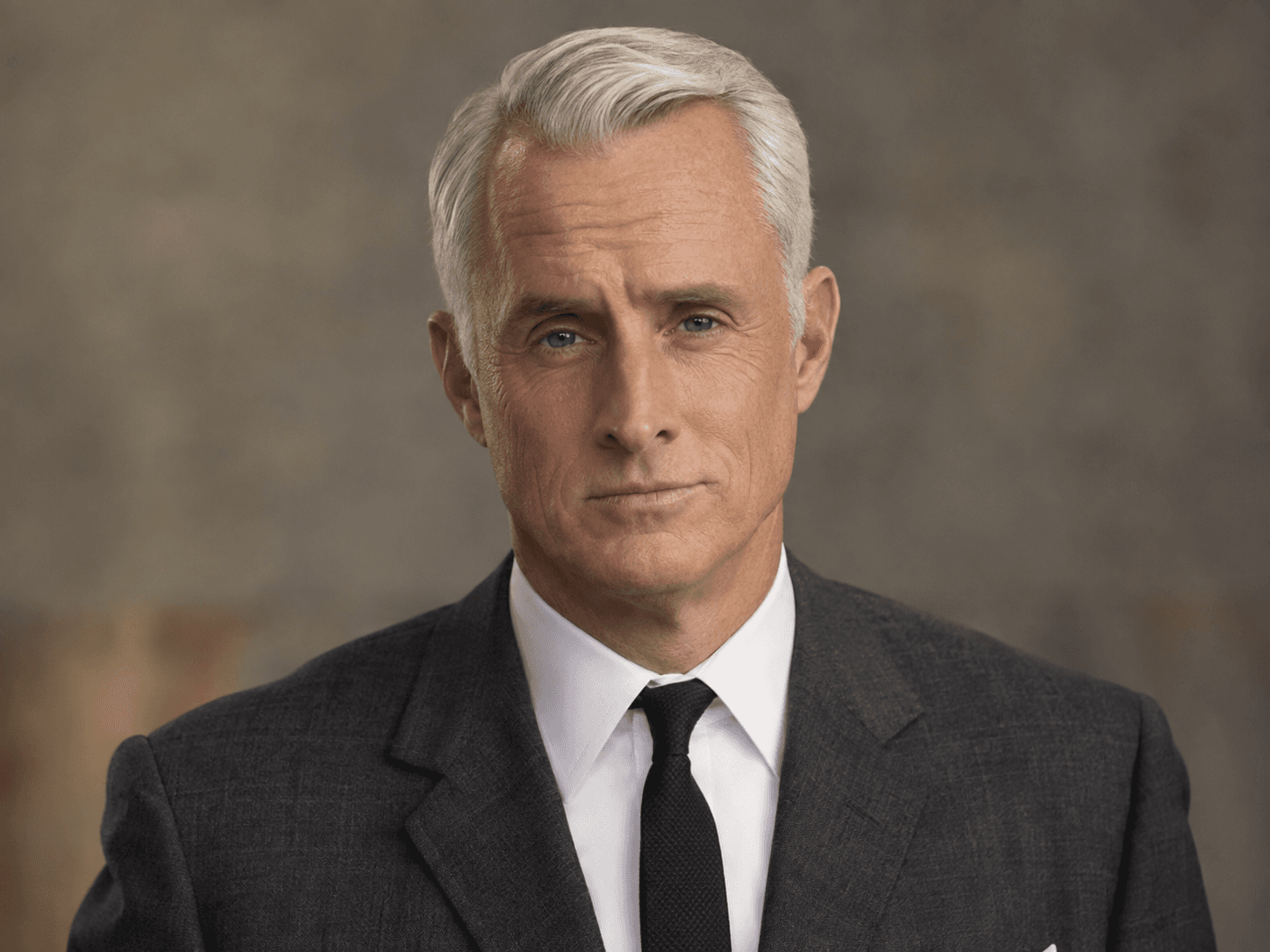
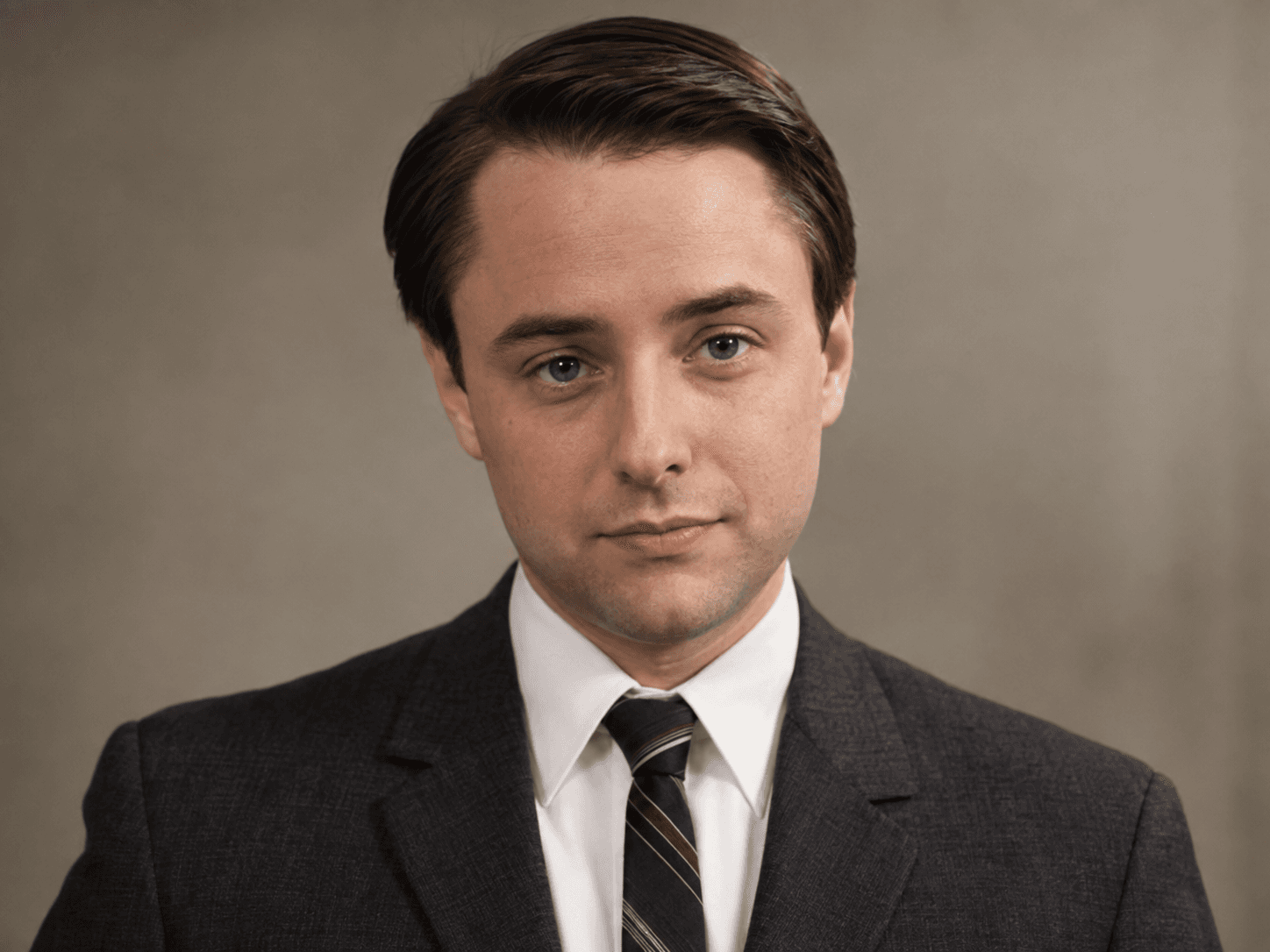
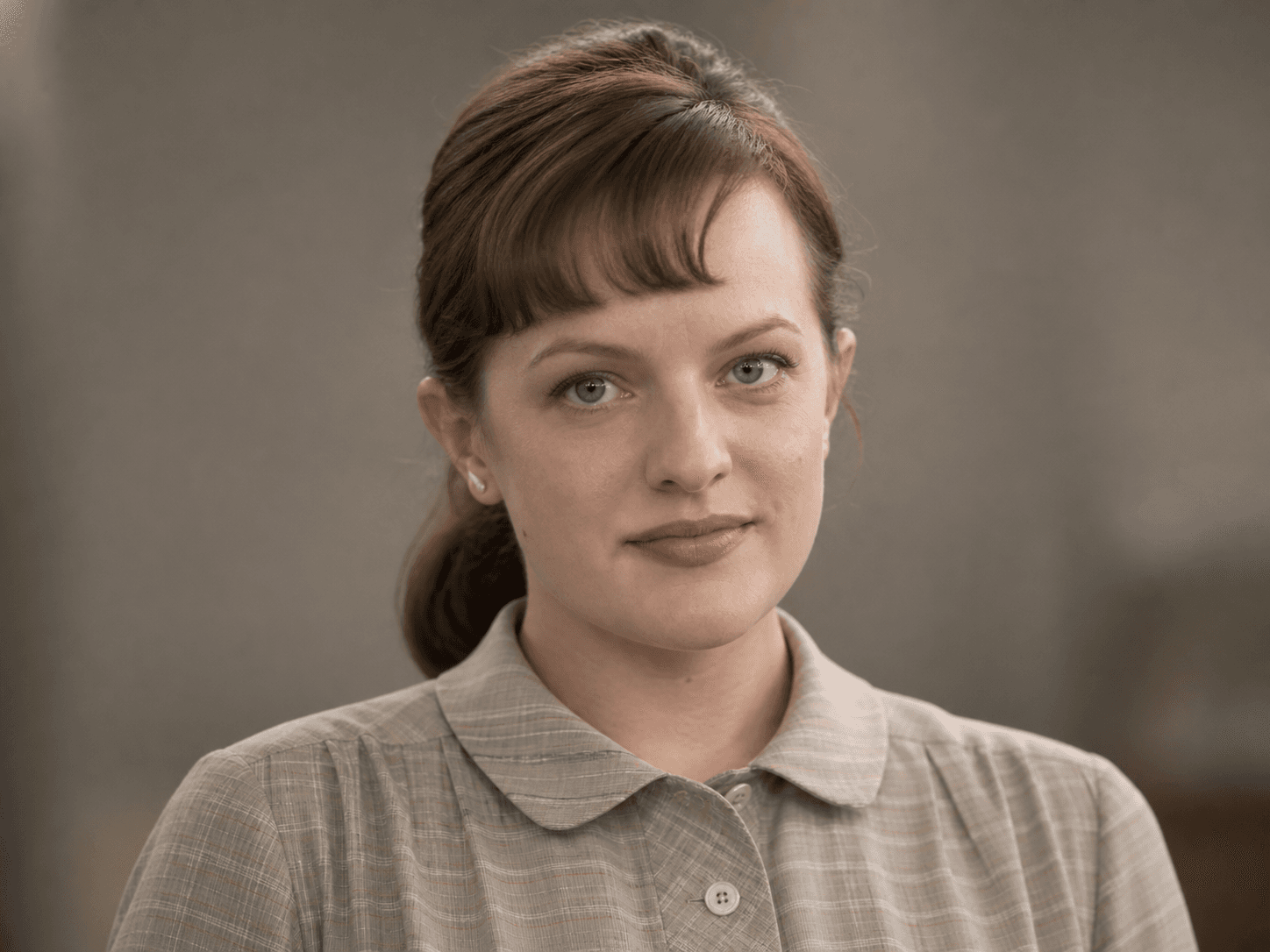
Around him, Matthew Weiner built a bench deep enough to run several shows at once.
John Slattery
Alison Brie
Robert Morse
January Jones
Vincent Kartheiser
Elisabeth Moss
Aaron Staton
Christina Hendricks
Jessica Paré
Rich Sommer

Mad Men review — a 5/5 woke-free masterpiece. Jon Hamm delivers a defining performance as Don Draper in Matthew Weiner's meticulously crafted 1960s period drama across 7 seasons on AMC.
Read MoreEverybody in this cast is doing the best work of their lives. You do not get this kind of ensemble twice.
The trick of Mad Men is that it pretends to be about advertising and is actually about everything else. It is about identity. It is about the stories we sell ourselves to get out of bed, and what happens when those stories stop working. It is about American men in suits realising that the version of themselves they spent a decade constructing was rented, not owned.
Weiner writes the 1960s as a long, slow earthquake. The Kennedy assassination, the Vietnam draft, the civil rights movement, second-wave feminism, the counterculture. These events happen around the edges of the show, glimpsed on office TVs or mentioned over cigarettes at lunch. The characters do not always understand what is happening to them. That is the point. The decade is rearranging the ground under their feet and most of them would rather order another old fashioned than notice.
"You are the product. You feeling something. That is what sells." Don Draper, pitching at Sterling Cooper.
Peggy's arc, in particular, is one of the best extended explorations of a woman finding her professional footing that television has ever offered. She walks in as a typist and spends a decade learning how to use her own voice in rooms that were not built for her. If you want the show's secret engine, it is her, not Don.
Nobody shoots a TV drama like this anymore, and it is possible nobody ever did. Production designer Dan Bishop and costume designer Janie Bryant built a world you can feel the carpet of. Skinny ties. Pastel dress shirts. Pencil skirts. Rotary phones. Mahogany desks the size of small boats. Ashtrays everywhere. A cigarette in every hand in every scene for the first three seasons, until the surgeon general's report slowly thins them out.
The direction is patient. Cinematographers Phil Abraham, Chris Manley, and others hold shots long enough to make you sit with what characters are feeling, or not feeling. Music is used sparingly and often jarringly, a Bob Dylan cue dropped into a Manhattan hotel room, a Beatles song given a whole scene to breathe. The Kodak Carousel pitch from the first season finale is still studied as a piece of screenwriting. If you know, you know.
Mad Men won the Emmy for Outstanding Drama Series four consecutive times from its first season through its fourth, a run only matched by a handful of shows in the medium's history. It picked up writing Emmys for Weiner and his team, acting nominations for nearly everybody in the main cast, and a Peabody. Critics at the time called it the most literary show on television, and the comparisons to Boardwalk Empire and The Sopranos were not generous, they were accurate.
It also did something rarer. It made AMC a prestige destination. Without Mad Men there is no Breaking Bad on the same network. Without the slow-burn character-piece template it perfected, it is hard to picture Succession or The Americans being made the way they were. The DNA is everywhere.
I will be honest. I bounced off Mad Men the first time I tried it. Pilot was too slow. I did not care about a sad ad man. I came back two years later, watched the pilot again, and by the end of the second episode I was in for the full 92. That is the show. It requires a second gear from the viewer that modern TV has mostly stopped asking for, and it rewards that patience with some of the deepest hours of drama American TV has produced.
It is also, remarkably, a funny show when it wants to be. Roger Sterling gets one-liners that should be chiselled into granite. Pete Campbell's physical comedy is seriously underrated. Peggy and Stan's late-seasons bickering is sitcom-grade. You come for the prestige and you stay for the wit as much as the melancholy.
It is not flawless. A couple of the middle-season subplots drag. A late-season soap-opera turn in one marriage annoyed me at the time and still does. But the hit rate is absurdly high, and when Mad Men is firing, there is nothing on television in the same weight class.
Watch it twice. The first time for the story. The second time for everything you missed the first time.

Jon Hamm
Kiernan Shipka