2011 - 2020

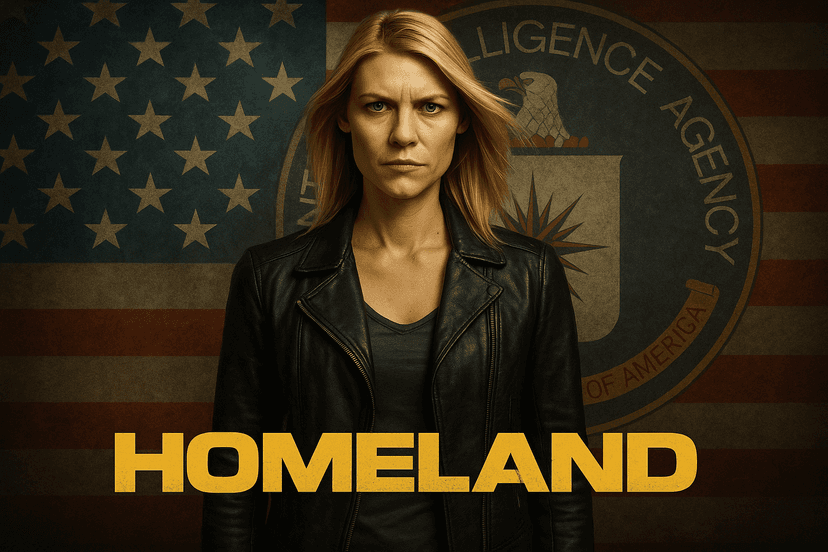
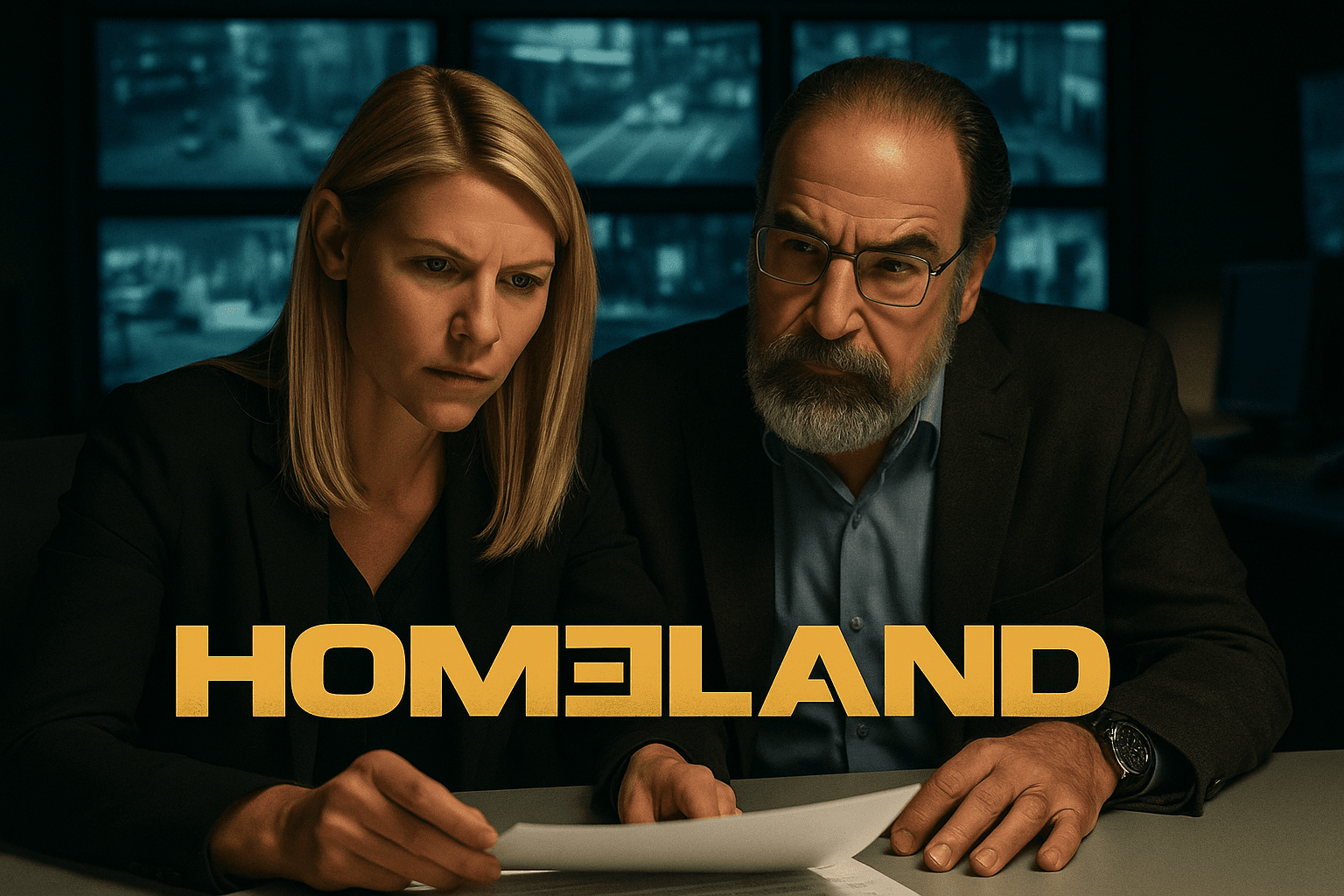
Homeland ran on Showtime from October 2011 to April 2020, clocking in at eight seasons and 96 episodes. Developed by Howard Gordon and Alex Gansa, both veterans of 24, it was adapted from the Israeli series Prisoners of War (Hatufim) created by Gideon Raff. The premise is simple and lethal. A Marine sergeant, Nicholas Brody, is rescued after eight years in captivity and returned home as a war hero. CIA officer Carrie Mathison, brilliant and bipolar, is the only person who suspects he was turned.
That seed is the whole show. Not the plot, the seed. Homeland then grew outward from it across a decade, following Carrie through CIA stations in Beirut, Islamabad, Berlin, and eventually Kabul. What started as a cat-and-mouse thriller about one returning soldier became the defining American TV show about post-9/11 espionage anxiety. I came to it late and binged season one across three nights, which is the correct way to watch it.
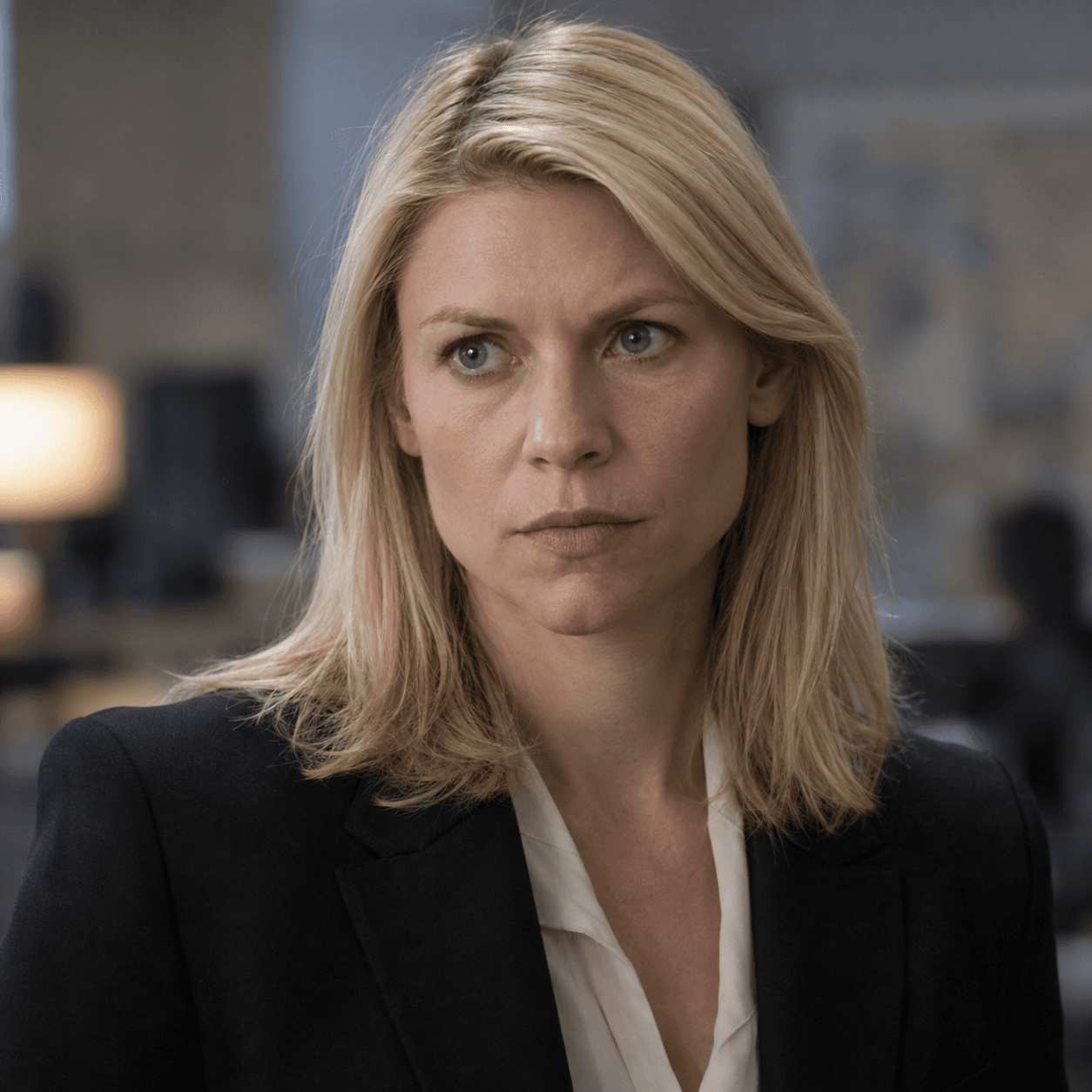
Claire Danes is the engine. Her Carrie Mathison is one of the great TV performances of the 2010s, an officer whose genius and mania run on the same wiring. She cries ugly. She goes off her meds. She cracks a case at 4am with a wall of red string and a jazz record. The "crying face" became a meme but the performance underneath it is a full clinical study, and Danes won two Emmys for it, along with two Golden Globes.
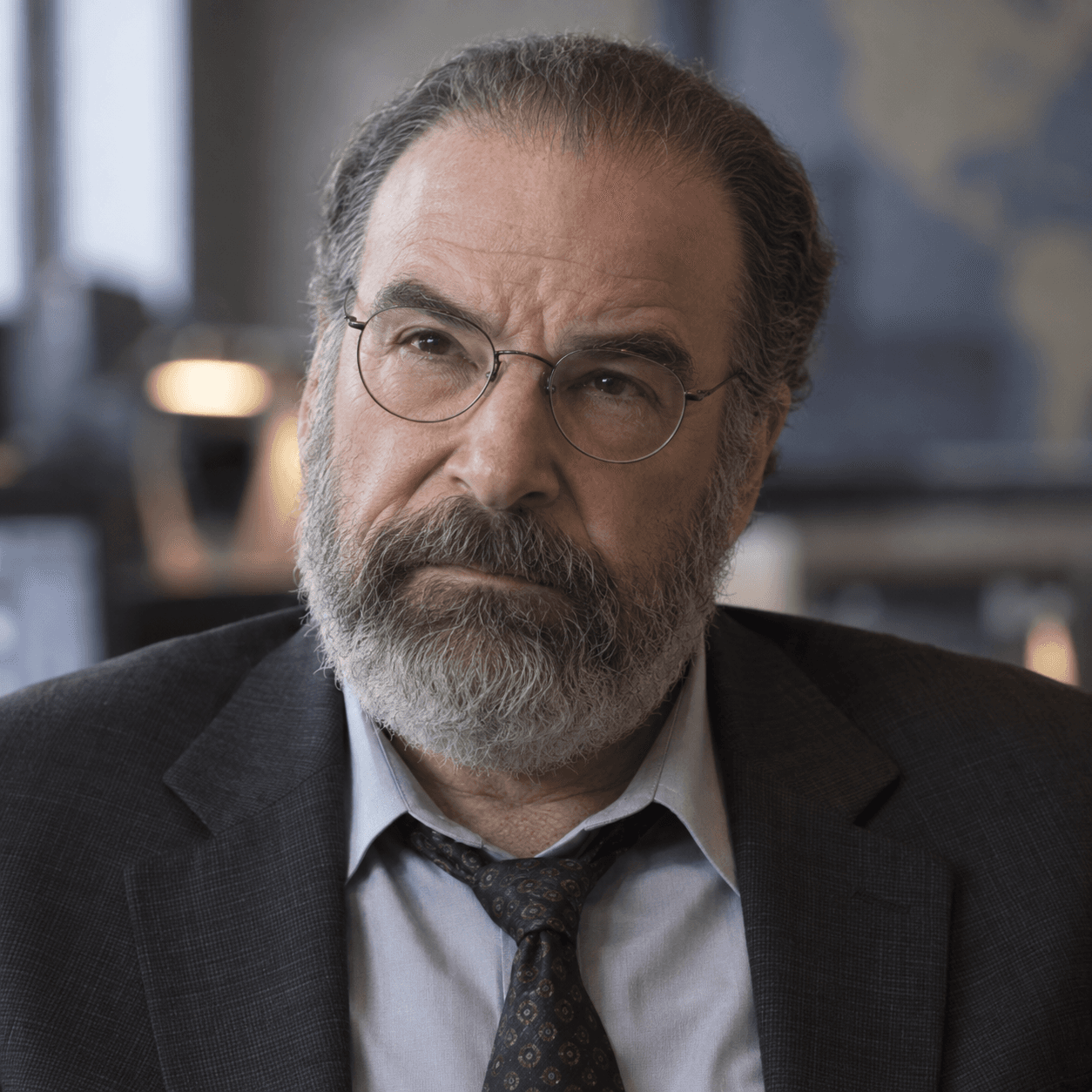
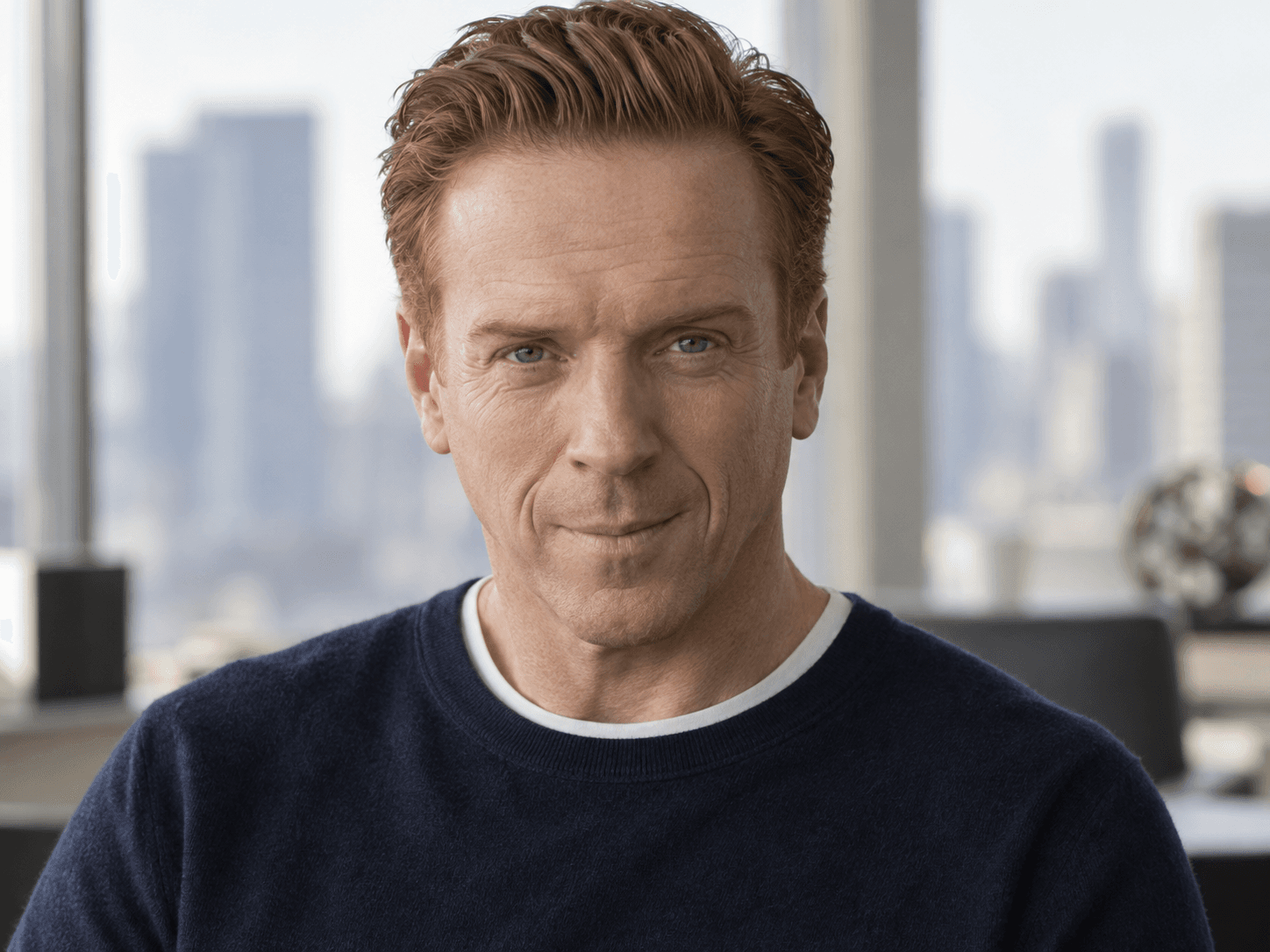
Damian Lewis plays Brody in the early seasons with a held-in stillness that makes every scene a question mark. You cannot tell what he has done, what he believes, or what he will do. Lewis won an Emmy for the role in 2012, and his chemistry with Danes in those early seasons is the gravitational centre of the show. Mandy Patinkin as Saul Berenson is the moral compass of the whole thing, a Washington intelligence lifer played with shaggy warmth and long silences. The Carrie-and-Saul relationship, fractious and loving and built over years, is the best thing in the whole series.
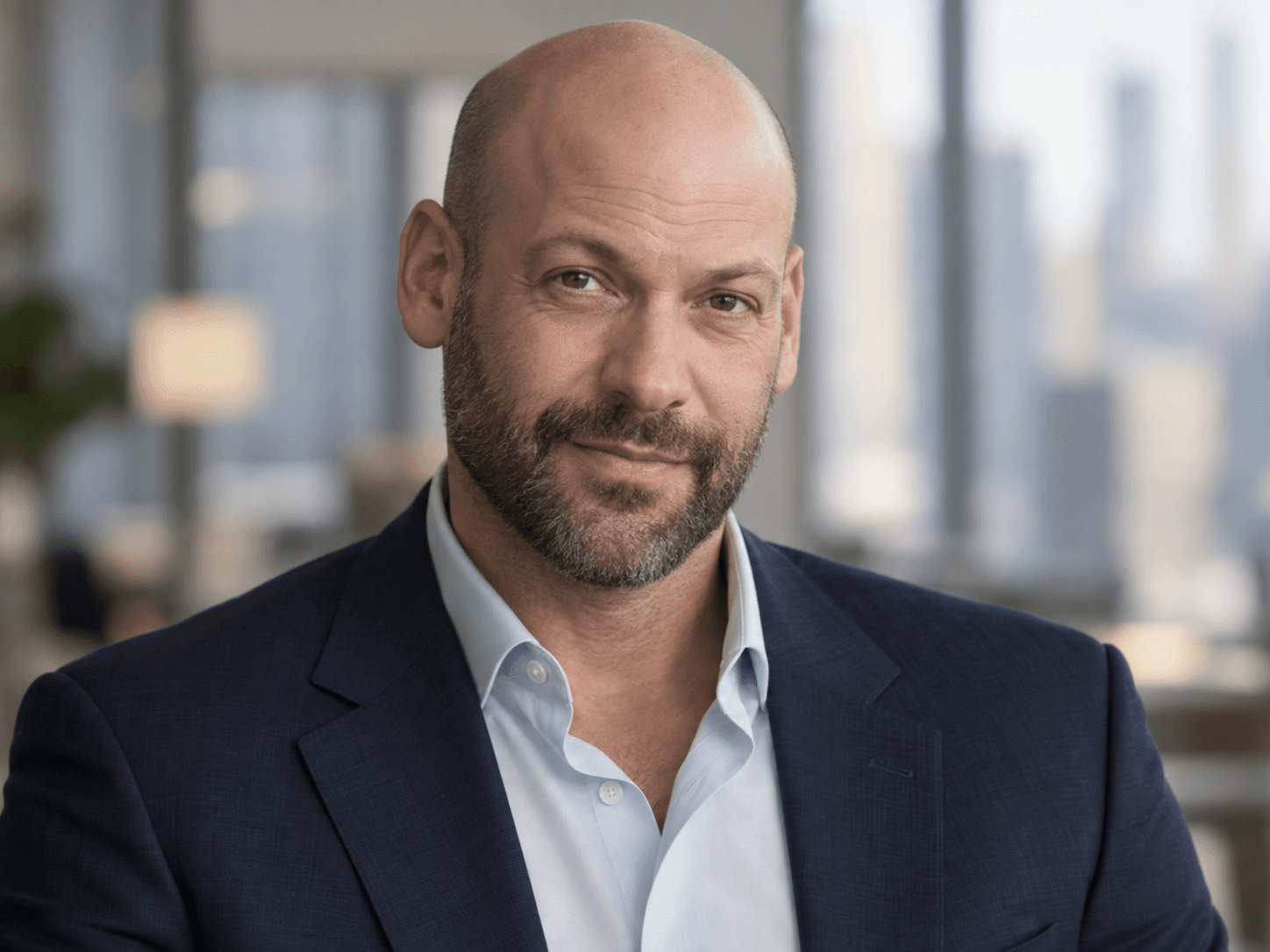
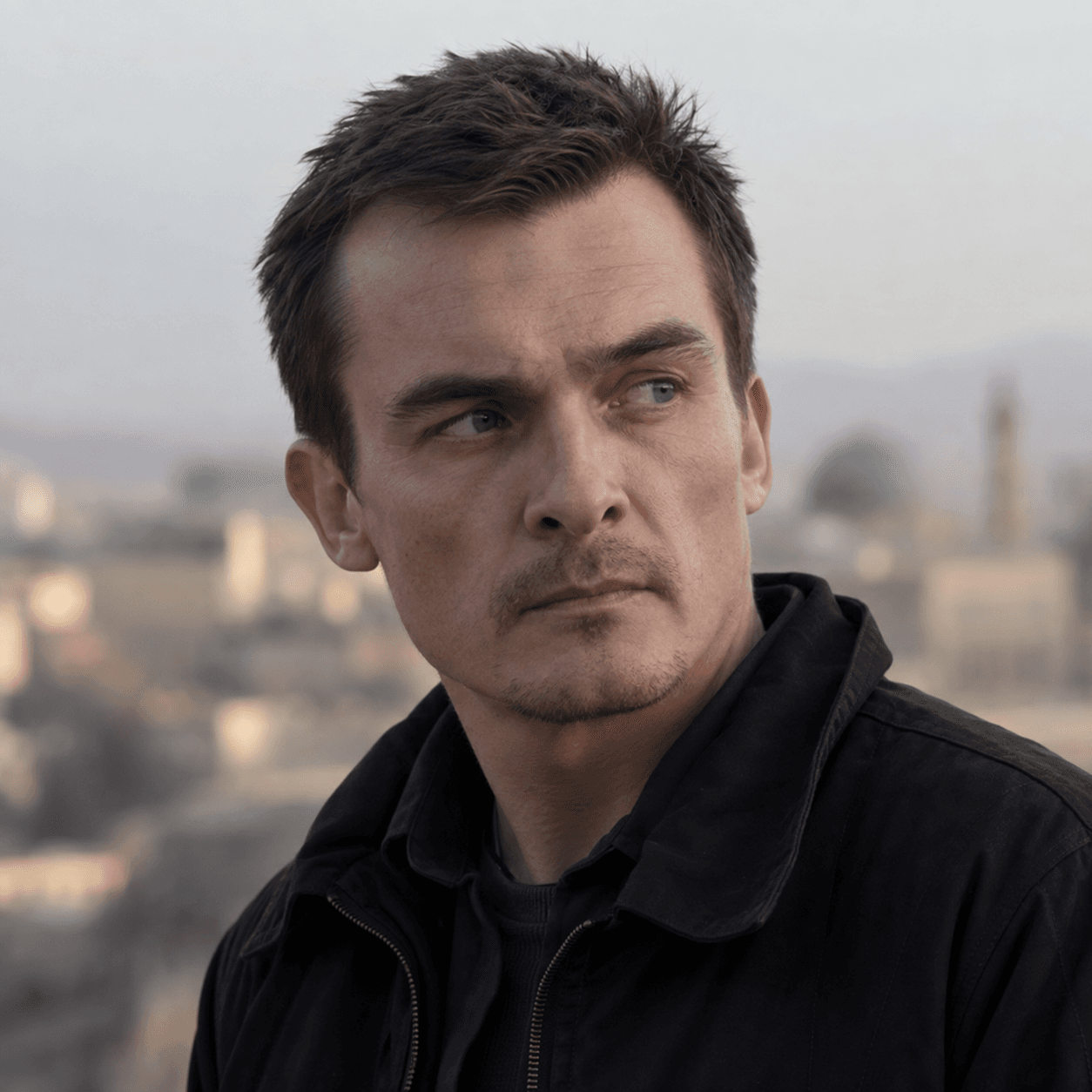
The ensemble around them is deep. Rupert Friend arrives as Peter Quinn, a black-ops operator whose arc is one of the most quietly devastating in the run. Morena Baccarin as Jessica Brody does the hardest job on the show, playing the wife left behind. F. Murray Abraham brings decades of stage weight to Dar Adal, a CIA fossil with his own agenda. Navid Negahban gives Abu Nazir a soft-spoken gravity that refuses to flatten him into a villain. Sarita Choudhury as Mira, Tracy Letts as Andrew Lockhart, Nimrat Kaur, and Maury Sterling fill out the later years with distinct, lived-in work.
On the surface Homeland is a spy show about terrorism. Underneath, it is about three things.
Alex Gansa
Creator/Showrunner
Mandy Patinkin
Supporting Actor
Rupert Friend
Supporting Actor
Gideon Raff
Creator
Howard Gordon
Creator
Lesli Linka Glatter
Director
Claire Danes
Lead Actor
Morena Baccarin
Supporting Actor

Honest Homeland review – comprehensive analysis with our unique 5/5 Woke Rating. Find out if this acclaimed spy thriller holds up and is worth watching.
Read MoreCarrie is the vessel for all of it. Her bipolar diagnosis is never the twist and never the tragedy. It is just part of how she works. The show takes her medication, her hospitalisations, and her manic episodes seriously as parts of a life rather than punchlines or plot devices. I think it is the best depiction of bipolar disorder American television has produced.
The post-9/11 politics get messier as the show ages. Homeland sometimes argues with itself across seasons about whether the CIA is a force for good, a necessary evil, or a self-perpetuating nightmare. The answer shifts depending on which writers' room was in session and which news cycle they were reacting to. That inconsistency is actually part of the texture. This was a show being made in real time about a war whose meaning kept changing, and it deserves credit for engaging with its own doubts rather than pretending to have the answers.
The look is grey and handheld and authentic. Beirut, Islamabad, Berlin, and Kabul are shot on location where possible and dressed to feel specific rather than interchangeable. The jazz cues under Carrie's manic scenes are unforgettable. Sean Callery's score avoids thriller cliche and leans into mood, anxiety, and loneliness. The camerawork stays close, favouring faces over establishing shots, which is why so many of the iconic moments are just two people in a room talking their way through impossible choices.
Pacing is where it earns the binge. A typical Homeland season has one enormous midseason pivot that tears up the board, and the show does this almost every year. You learn to expect it, and somehow they still land it more often than not. The transition from season-long arcs about one target to yearly anthology-style resets was also ahead of its time, and you can see the DNA in a lot of limited-run prestige thrillers that came after.
Homeland won the Emmy for Outstanding Drama Series in 2012, along with Outstanding Lead Actor and Lead Actress for Lewis and Danes. It took the Golden Globe for Best Drama the same year, beating Breaking Bad and Mad Men in the process. Season one still holds up as one of the strongest single seasons of any American drama, and I would put it on a shortlist of pilot-to-finale runs that actually justify the hype.
The middle years were more contested. Seasons four and five are sharply admired by some critics and written off by others, and season six had the specific problem of airing during the 2016 election cycle and trying to comment on a reality that kept outpacing it. The Afghanistan-set final season in 2020 was widely seen as a return to form and gave the show a proper full stop rather than a stumble out the door.
"The most serious-minded drama of the Obama years" , The New Yorker
Its cultural footprint is bigger than its ratings ever suggested. President Obama publicly called it his favourite show. The crying-face meme. The red-string wall as shorthand for investigative obsession. Carrie Mathison as a template for every chaotic female lead who followed.
Homeland is the show I recommend when people ask for smart spy drama that takes its subject matter seriously. It is more character-driven than Jack Ryan, less comic than Slow Horses, less ruthless than The Americans, and more interested in the human toll of the job than any of them. If Tehran got its hooks into you, Homeland is the longer, older, more ambitious cousin.
Does it wobble in the middle? Yes. Does it get too invested in trying to be about current events for a stretch around seasons five and six? Also yes. But when it is on, nobody has done it better. The Carrie-and-Saul scenes alone are worth the subscription, and the whole eight-season arc, watched end to end, is a genuine achievement in long-form television.
Eight seasons. One of the most fully drawn female leads of the decade. A show that was trying to say something true about the world it was made in, and often pulled it off.
F. Murray Abraham
Supporting Actor
Damian Lewis
Lead Actor