2005 - 2007

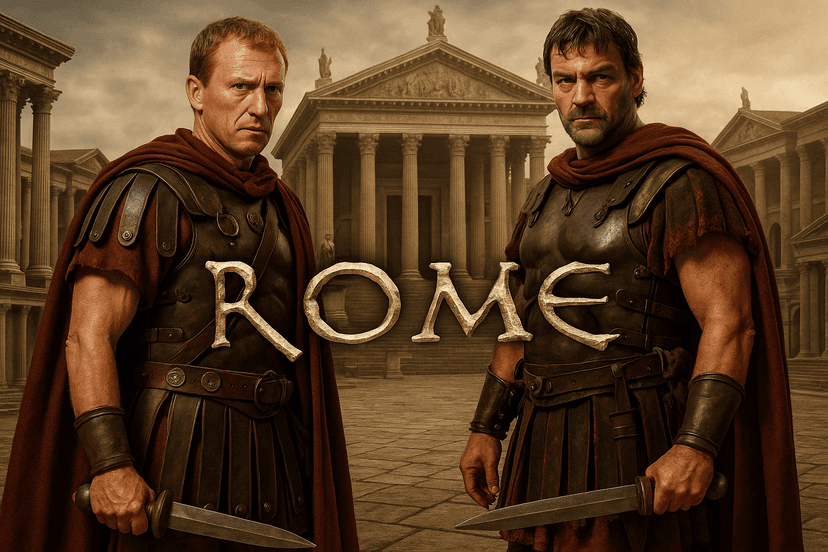
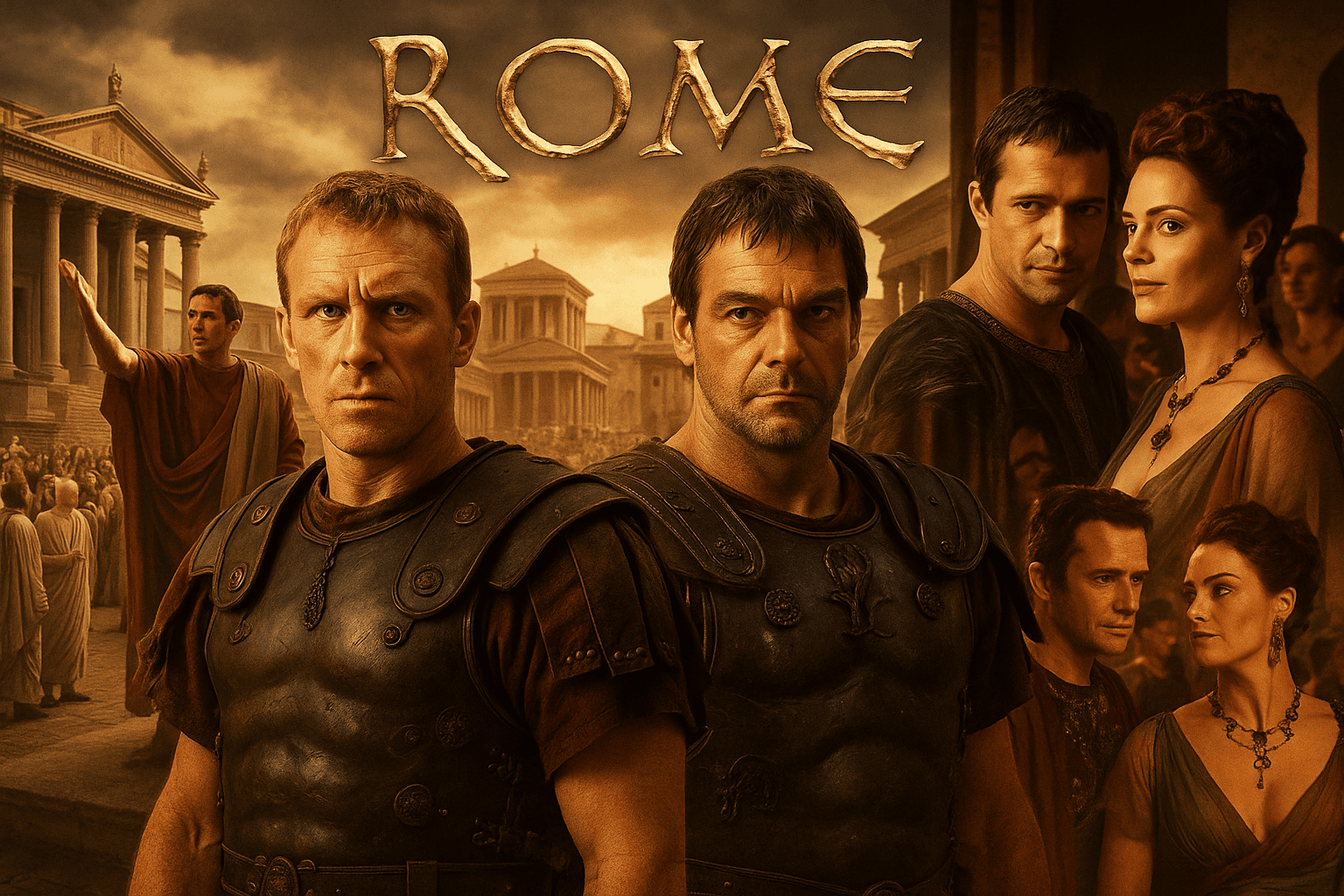
Rome ran on HBO and BBC Two from 2005 to 2007 across two seasons and twenty-two episodes. It was, at the time of commissioning, the most expensive television series ever produced. You can see every dollar. The sets were not dressing over modern buildings. A five-acre backlot at Cinecittà in Italy was built from the ground up as a working replica of the Roman Forum, the Aventine Hill, and the crowded insulae that housed the plebs. Extras were cast by the thousand. Horses, chariots, siege weapons, togas dyed with real Tyrian methods. Every coin looked minted.
Created by John Milius, William J. MacDonald, and Bruno Heller, the show threads two stories together. On one side: the public collapse of the Roman Republic. Julius Caesar, Pompey, Mark Antony, Cicero, Brutus, Octavian, Cleopatra. All the names a schoolchild half-remembers, now given dialogue, motive, and dirt under their fingernails. On the other side: two ordinary soldiers of the Thirteenth Legion, Lucius Vorenus and Titus Pullo, lifted from a single line in Caesar's Commentaries and given an entire fictional life that keeps crashing into the famous one.
That double-helix structure is what sets Rome apart. History happens up close through palace plots and Senate speeches, then history happens at street level through two grunts who keep bumping into the men making it.
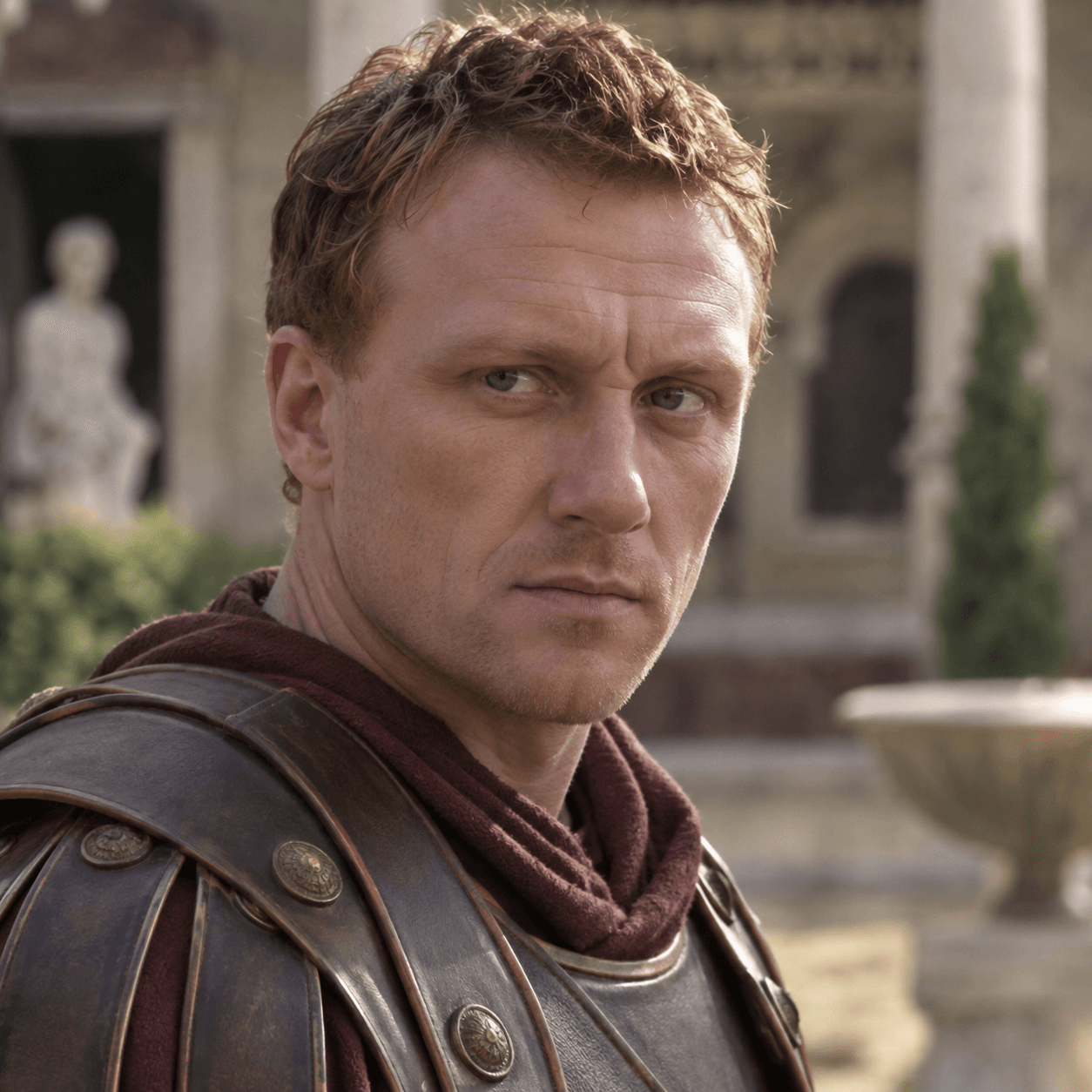
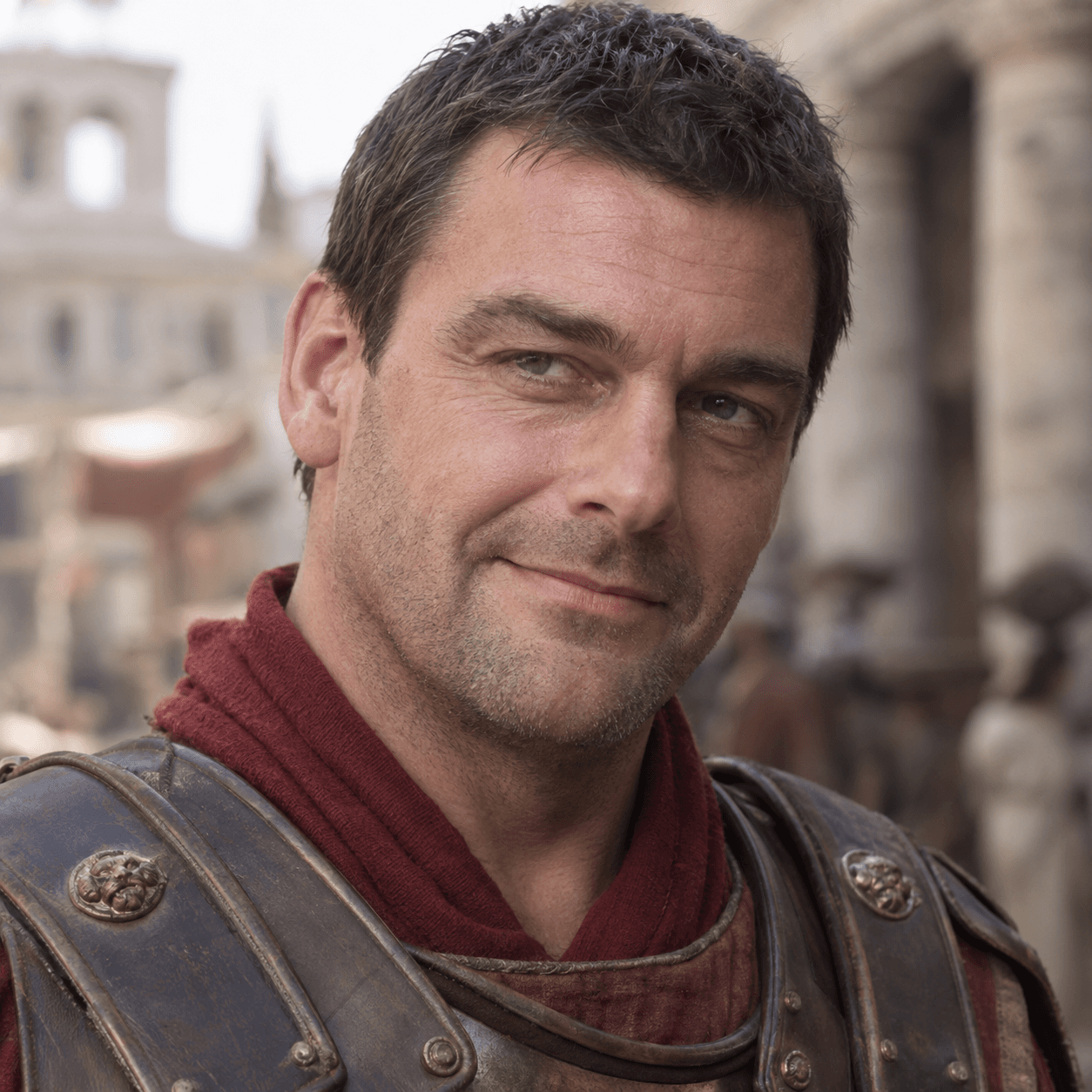
Kevin McKidd plays Vorenus, the rigid centurion who believes in Roman virtue the way a monk believes in God. Ray Stevenson plays Pullo, the cheerful brute who believes in wine, women, and whoever his commanding officer happens to be. They are the beating heart of the thing, and the chemistry between them is the kind of partnership you only get when two actors genuinely like each other. McKidd brings military stillness. Stevenson brings a grin that is somehow both kind and lethal.
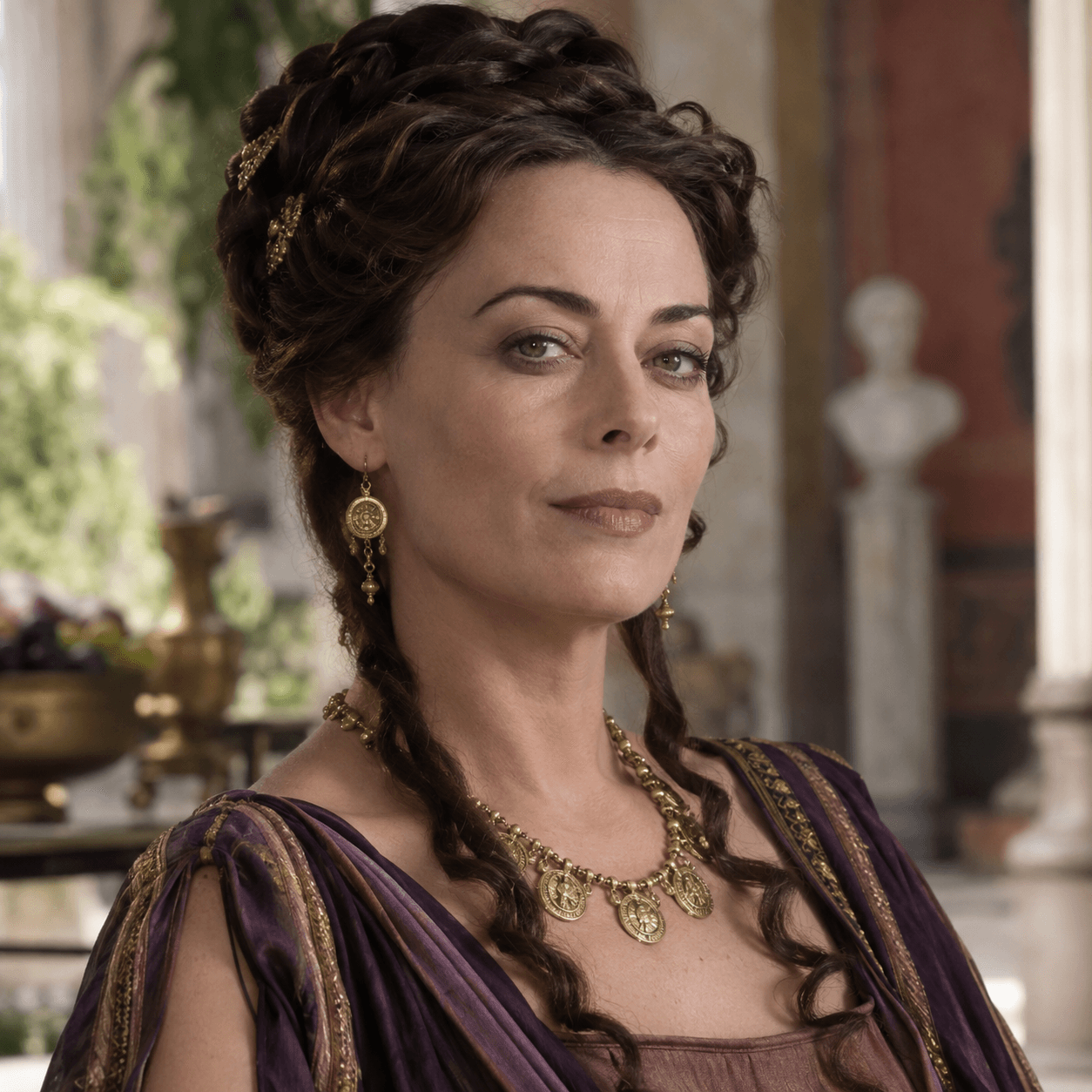
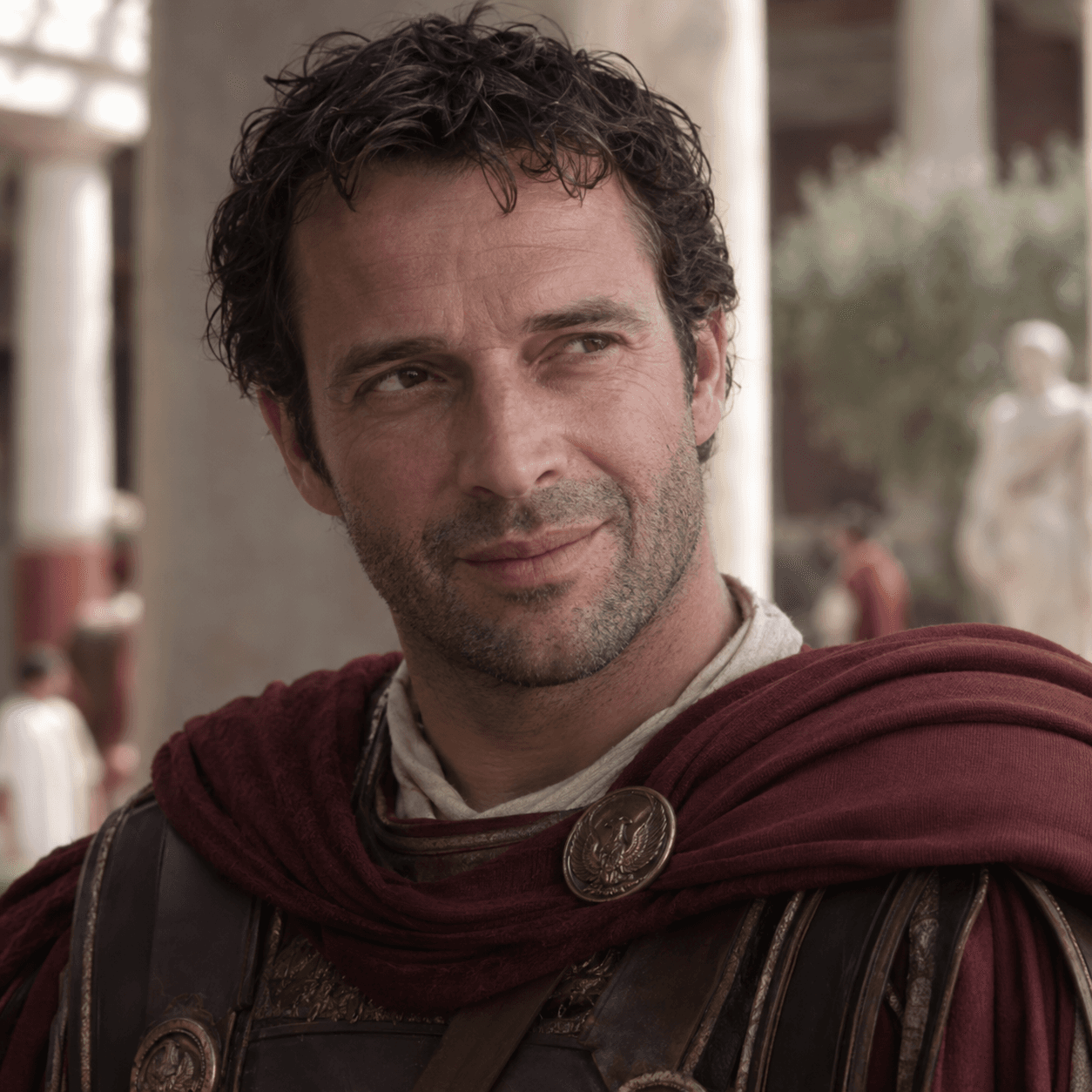
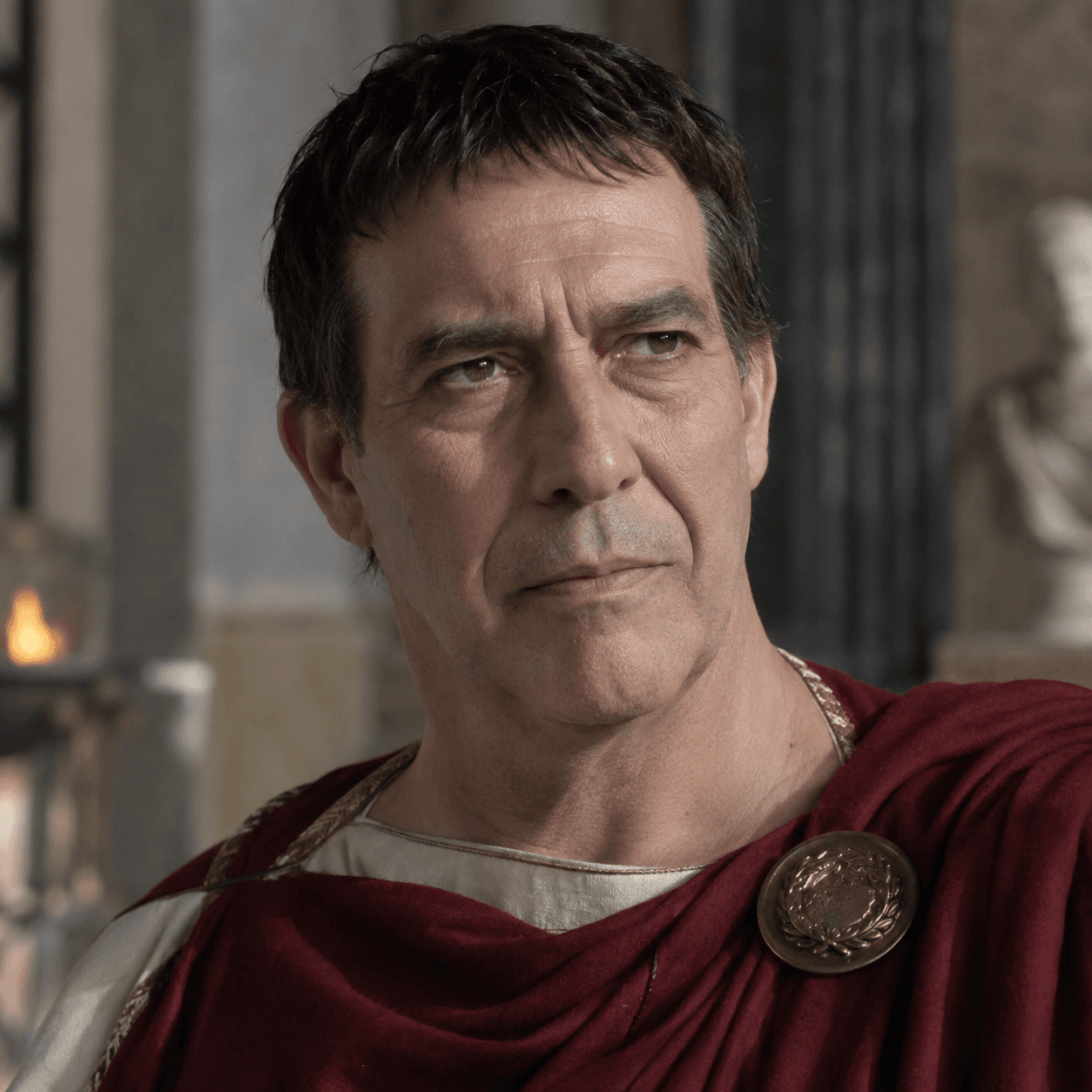
Ciarán Hinds as Julius Caesar is definitive. He plays Caesar as calm, watchful, and tired, a man who has already calculated the odds of every room he enters. James Purefoy's Mark Antony is the opposite temperature. Loose-limbed, lascivious, a soldier who enjoys his appetites in public. Polly Walker as Atia of the Julii is the show's masterpiece of venom and charisma. A Roman matriarch who would poison a rival before breakfast and gossip about it at lunch.
The rest of the ensemble is a murderers' row of British and Irish stage talent:
Indira Varma
Niobe
Tobias Menzies
Marcus Junius Brutus
Kerry Condon
Octavia of the Julii
Polly Walker
Supporting Actor
David Bamber
Marcus Tullius Cicero
Kevin McKidd
Lead Actor
Lindsay Duncan
Servilia of the Junii
James Purefoy
Supporting Actor

Review of HBO's Rome – exploring storytelling, performances, and historical accuracy, with our 5/5 woke rating. See why this epic series remains a classic.
Read MoreI have a soft spot for Bamber's Cicero in particular. Historians often paint Cicero as either a noble republican or a weasel, and Bamber plays him as both at once, which is the truest version.
The show's real subject is not the war or the conspiracies. It is what happens to a society when its institutions stop being respected. The Republic of Rome is a system everyone claims to love and no one actually obeys. Senators deliver speeches about virtue and then take bribes on the way out. Soldiers swear oaths and then sell them. Fathers arrange marriages as business transactions. Gods are bargained with like vendors at a market.
Against that rot, Vorenus is the painful counter-example. He actually believes the old values. The show uses him to ask a question every civilisation eventually asks: what happens to the honest man when the rules are dead?
The other great theme is class. Rome spends as much time in the tenement as in the Senate. You see the bread riots, the street gangs, the collegia, the back-alley temples. The politics at the top only make sense once you have watched the poverty at the bottom. That vertical range is why the show feels more like a novel than a docudrama.
Everything is dirty. That is the first thing you notice. The togas are stained. The walls are painted in garish reds and yellows because that is what Roman walls actually looked like, not the chilly white marble of the neoclassical imagination. Graffiti covers every surface. Goats wander through the Forum. The show's art department reportedly studied Pompeian frescoes and real archaeological evidence rather than Hollywood precedent.
The violence is sudden, brief, and mean. No slow-motion balletics. A sword goes in, a man goes down, and the camera does not linger. The sex is similar. Frank, often transactional, rarely glamorous. Rome was an HBO show in the full HBO sense, and it used that freedom to render antiquity at eye level rather than at monument level.
The score by Jeff Beal is unusual. Percussion, woodwinds, and wordless chant rather than the expected Hollywood brass. It sounds like a civilisation that has not heard an orchestra yet.
Critics loved it. Audiences were slower to arrive, and the cost proved fatal. The second season was rushed to cover material originally planned across three, which you can feel in the pacing. HBO and the BBC cancelled the show after season two citing its budget, a decision the network has publicly regretted. Bruno Heller has said he would have taken the story through the reign of Augustus and possibly beyond if given the chance.
The influence was enormous. Game of Thrones exists in something like its current form because Rome proved HBO could pull off a prestige historical epic with a huge ensemble and political complexity. Game of Thrones borrows the Roman template of whispering noblewomen, ambitious young men, and public violence as political language. Boardwalk Empire inherited the production-design ambition. Deadwood shares the same interest in filthy, profane speech as a realistic rendering of the past. Fans of Vikings or The Last Kingdom will find a similar pleasure in watching history depicted with mud under its nails.
Rome works because it treats its audience as adults who can hold two stories in their head at once. The big history lesson about the death of a republic runs alongside the small human story of two friends trying to survive it. Neither is cheapened by the other. Caesar's death matters. So does Vorenus walking home to a marriage he does not understand.
It also works because the actors are extraordinary. Hinds, Purefoy, Walker, McKidd, Stevenson. These are performers who have spent decades on stage and know how to land a line in iambic cadence without making it sound like homework. You get Shakespearean-scale acting without the Shakespearean embalming.
Fifteen years on, nothing else has matched it for texture. The sets still look more real than the CGI palaces that came after. The politics still read as a warning rather than a costume drama.
Two seasons is not enough. It is the great frustration of the show and the great reason to watch it now. What exists is nearly perfect. What never got made haunts the medium.
Ciarán Hinds
Supporting Actor
Ray Stevenson
Lead Actor