2016 - 2019
Medici ran for three seasons from 2016 to 2019, a prestige Italian-English co-production from Lux Vide and Big Light Productions. Rai 1 carried it in Italy. Netflix took it global. The show tracks the rise of the Medici banking dynasty in 15th-century Florence, starting with the family's old-guard patriarchs and ending with Lorenzo the Magnificent at the peak of his power.
Season 1 was called Medici: Masters of Florence. It opens with the death of Giovanni di Bicci de' Medici (Dustin Hoffman, in flashback) and follows his son Cosimo de' Medici, later named Pater Patriae, or Father of the Fatherland, as he turns the family bank into the financial spine of Renaissance Europe. Seasons 2 and 3 were retitled Medici: The Magnificent, with an almost entirely new cast picking up the story a generation later. Lorenzo (Daniel Sharman) and his brother Giuliano (Bradley James) inherit the dynasty and run straight into the Pazzi Conspiracy of 1478, the Church-backed plot that attempted to erase them both inside Santa Maria del Fiore cathedral.
Three seasons. Twenty-four episodes. Two creators with serious prestige pedigrees: Frank Spotnitz (The Man in the High Castle, The X-Files) and Nicholas Meyer (Star Trek II).
The scale is what sells it. They shot on location in Florence, Rome, Montepulciano, and across Tuscany, with real Renaissance palazzi doubling for themselves. The costume department dressed out entire market squares. Paolo Buonvino's score is a highlight, and Skin of Skunk Anansie sings the theme, "Renaissance", which became a minor hit in Italy.
The biggest single thing to understand about Medici is that it is not really one show. It is two shows with the same surname, and I think that is the single hardest thing for a binge-watcher to adjust to.
Masters of Florence gave us Dustin Hoffman and Richard Madden. Hoffman is the marquee name, appearing largely through flashback as the dying patriarch Giovanni di Bicci. Madden, fresh off Game of Thrones, carries the season as Cosimo, a reluctant heir dragged into running the family business. He plays Cosimo with a quiet, bruised intelligence that suits the character. Around him sit Stuart Martin as his brother Lorenzo the Elder, Annabel Scholey as his wife Contessina, and Brian Cox as Rinaldo degli Albizzi, the political rival who tries to bury the family. Cox barely has to try to dominate a scene. He does not try particularly hard here, which is fine, because watching Brian Cox coast is still better than most actors at full throttle.
Alessandra Mastronardi
Lucrezia Donati
Synnøve Karlsen
Clarice Orsini
Sean Bean
Jacopo de' Pazzi
Richard Madden
Cosimo de' Medici
Raoul Bova
Pope Sixtus IV
Brian Cox
Rinaldo degli Albizzi
Annabel Scholey
Contessina de' Bardi
Nicholas Meyer
Co-Creator
Then Season 2 arrives in 2018 and the show looks completely different. The recast is almost total. Daniel Sharman plays the grown Lorenzo the Magnificent, Bradley James is his brother Giuliano, Synnøve Karlsen is Lorenzo's Roman bride Clarice Orsini, and Sarah Parish plays an older Lucrezia Tornabuoni, Lorenzo's mother. The Italian side of the ledger gets bigger too, with Alessandra Mastronardi as Lucrezia Donati, Aurora Ruffino as Bianca de' Medici, and Raoul Bova as Pope Sixtus IV, the political antagonist of seasons two and three. Sean Bean lands in Season 3 as Jacopo de' Pazzi, the head of the rival banking family who bankrolls the conspiracy against the Medici brothers. Julian Sands appears in a significant supporting role.
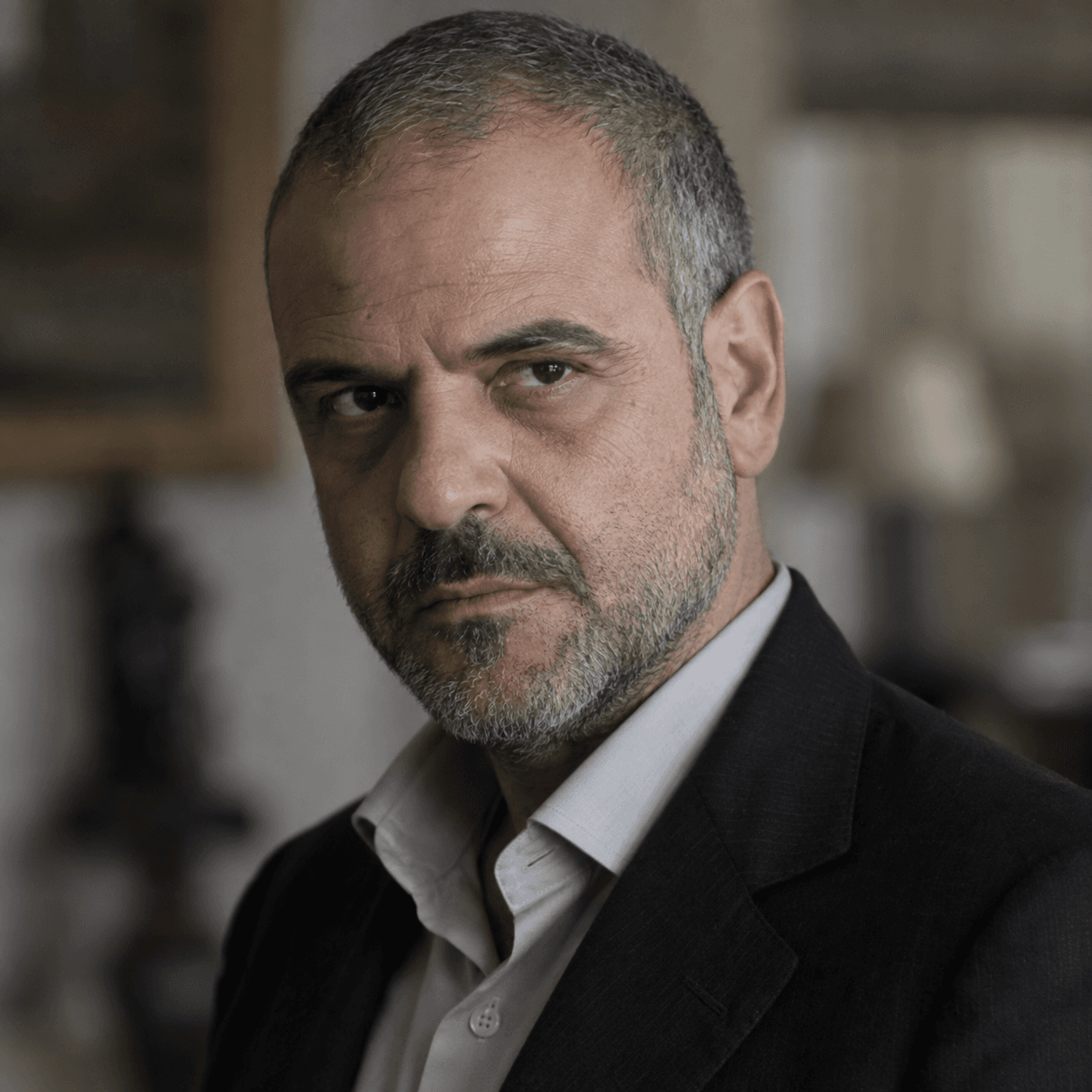
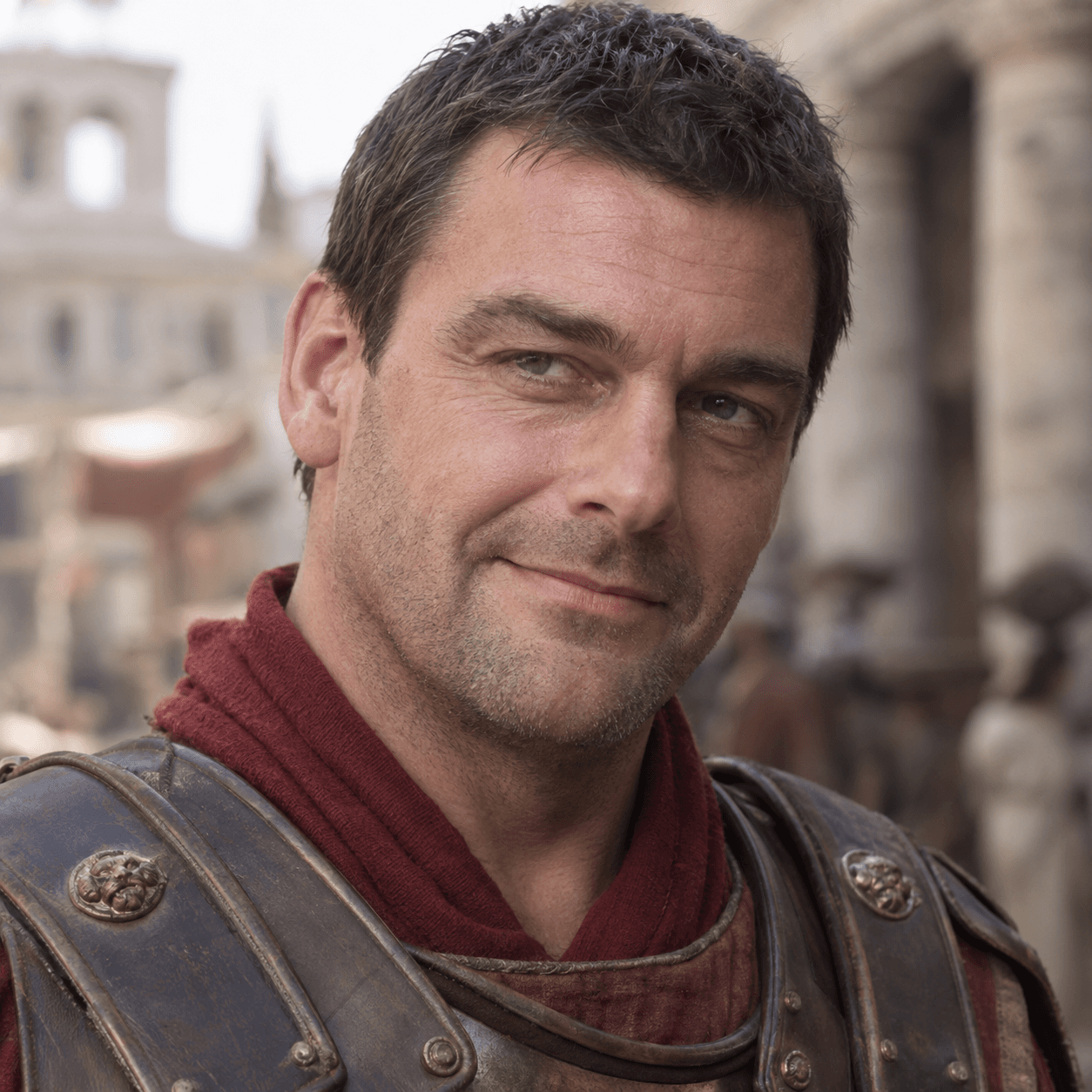
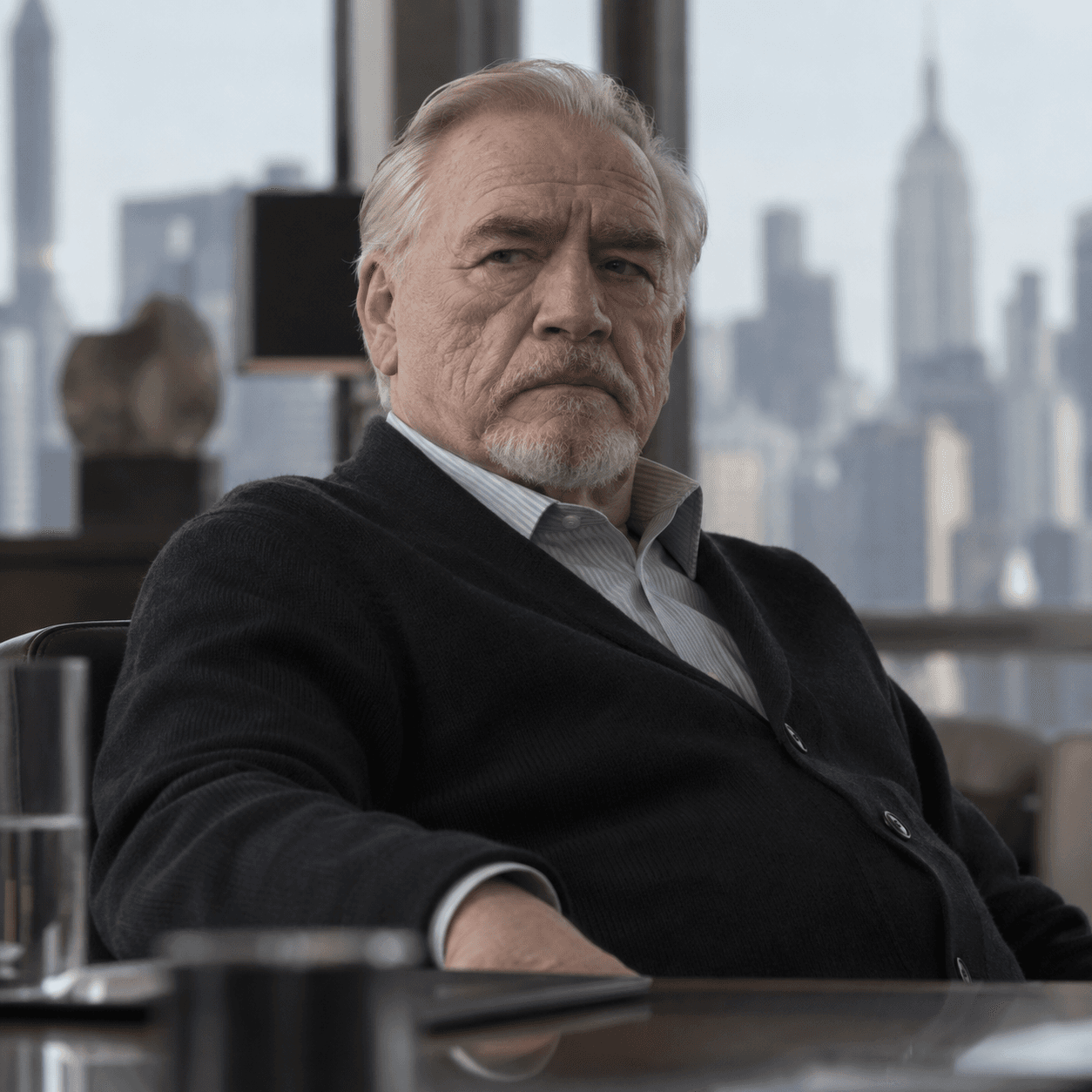
The main cast list for the full run:
The Season 1 to Season 2 cast jump is jarring if you binge all three back to back. You are asked to re-enrol in the same family with almost nobody you already know. I bounced off Season 2 the first time for exactly this reason and only came back to it a year later, which, for the record, was a mistake. Season 2 is good.
On paper Medici is a banking-dynasty drama. What it is actually doing is asking how money becomes power and how power then remakes money as something else, something closer to authority. Cosimo's whole arc is the realisation that gold alone will not save the family. The bank buys votes in the Signoria. The bank buys cardinals. The bank buys frescoes of your saints, and the bank pays for a dome on the cathedral with your name quietly attached to it, which is where Filippo Brunelleschi (Alessandro Preziosi) and his impossible engineering project become load-bearing, literally and metaphorically, for the whole dynasty.
Lorenzo's arc in seasons two and three is the next beat of the same question. He has inherited the bank, the palazzi, the poets and the painters. Sandro Botticelli sketches in his courtyards. A young Michelangelo drifts through the edges of the story. What Lorenzo has not inherited is safety. He has to work out what to do when the Pope himself decides you are too big to tolerate, and the answer, such as it is, turns out to be the Pazzi Conspiracy.
The show handles the rise-and-cost of dynasty well. It is less sure what to do with faith, and the tension between Florentine humanism and papal authority gets cartoonified more than once when a tighter pass would have served it better.
The look is the main argument for watching. Tuscan sun on ochre stone. Candlelit banquets in rooms that really are five hundred years old. Costumes that the production seems to have genuinely invested in, particularly the women's gowns in the Magnificent seasons. Paolo Buonvino's score and Skin's "Renaissance" give it an unusual sonic signature for a period piece, and I still catch myself humming the theme months after finishing the show.
The writing is less secure. The show is English-language by decision. Italian actors perform in English, English actors lean into a vaguely continental cadence, and the result is often tonally uneven inside a single scene. Season 1 is more measured. Seasons 2 and 3 tip into soap opera in places, with plotting that serves drama ahead of history.
Italian audiences took to it. The premiere drew over seven million viewers on Rai 1 and the show stayed a ratings win domestically across all three seasons. Internationally, Netflix kept renewing it and it found a large audience among viewers who enjoyed Rome, The Last Kingdom, and Vikings for their costume-heavy historical sweep.
Critics were more divided. The consistent knock is historical inaccuracy. Historians have pointed out, with some vigour, that events get moved around, characters are invented, relationships are manufactured, and timelines are compressed to the point where the show functions as Renaissance-inspired fiction rather than reliable family biography. If Wolf Hall is the gold standard for literate, careful period drama, Medici sits in a different weight class. It reaches for spectacle first and fact second.
A beautiful, frustrating show. Gorgeous to look at, loose with the truth, uneven across seasons, occasionally brilliant.
That is close to the settled consensus, and I would not argue with it.
Because when it works it really works. The Pazzi Conspiracy across the back half of Season 3, building to the attack inside the Duomo, is some of the most effective historical-drama filmmaking of the era. Season 1 with Madden and Hoffman is a contained, slightly melancholy portrait of reluctant inheritance that rewards patience. The locations are real. The costumes are real. The Renaissance, as pure atmosphere, comes through the screen.
Treat it the way you would treat a historical novel. Accept that names and places are real and most dates are approximate, enjoy the production design, and do not expect Wolf Hall. Taken on those terms, Medici is a handsome, flawed, often genuinely moving piece of television. It is not the best Renaissance drama ever made. It may be the best-looking one.
Julian Sands
Supporting role
Stuart Martin
Lorenzo the Elder
Bradley James
Giuliano de' Medici
Aurora Ruffino
Bianca de' Medici
Sarah Parish
Lucrezia Tornabuoni
Frank Spotnitz
Co-Creator
Dustin Hoffman
Giovanni di Bicci de' Medici
Daniel Sharman
Lorenzo de' Medici / Il Magnifico
Alessandro Preziosi
Filippo Brunelleschi