2016 - 2022

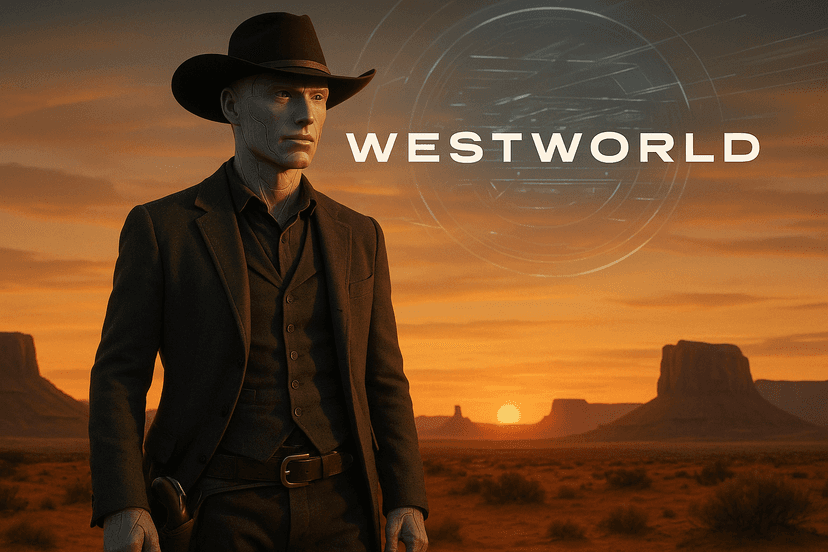
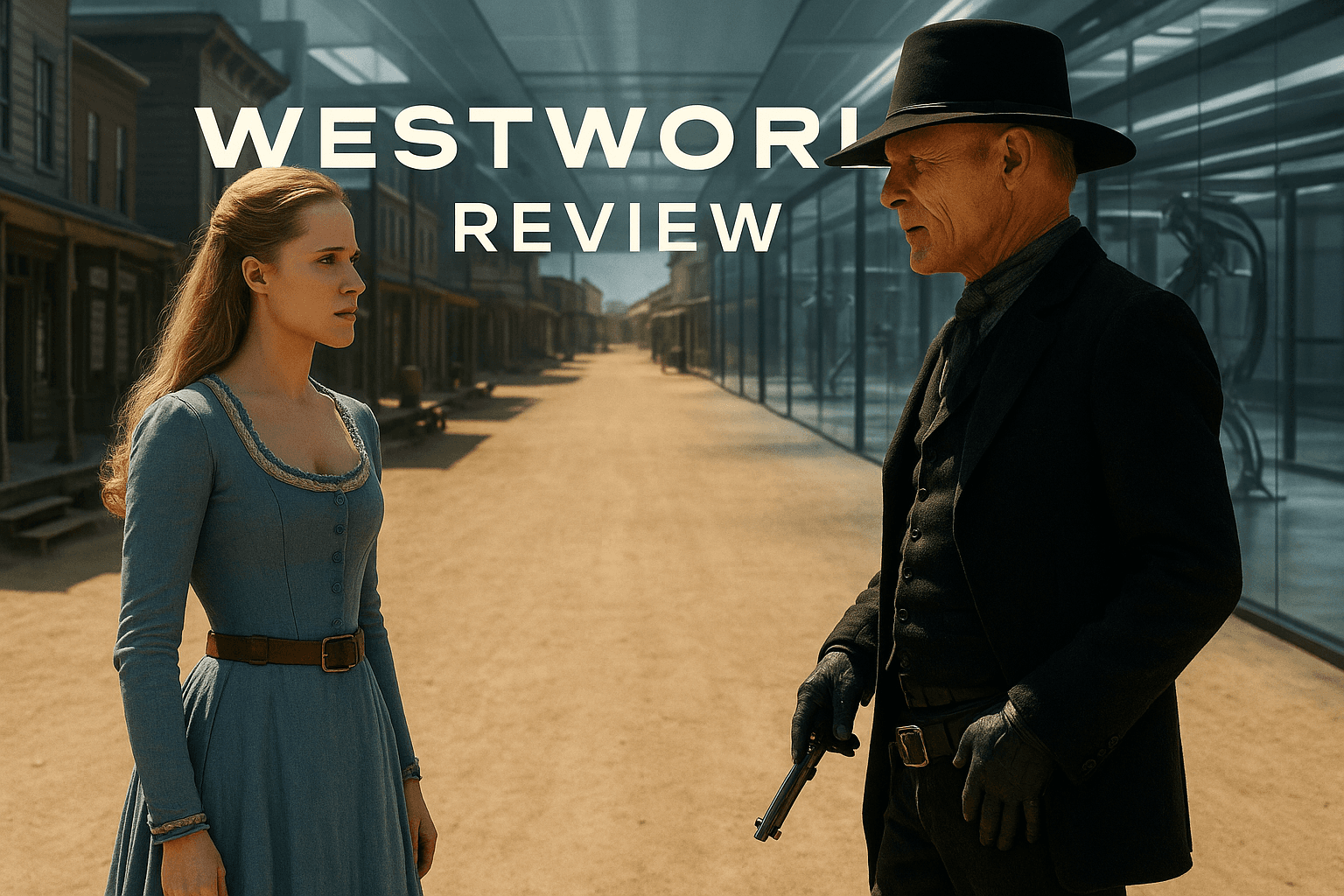
Westworld ran on HBO from 2016 to 2022 across four seasons and 36 episodes, created by Jonathan Nolan and Lisa Joy. It is a very loose descendant of Michael Crichton's 1973 film, though the series quickly leaves the original's creature-feature bones behind and builds something far more ambitious.
The premise is simple enough to pitch in a sentence. A vast immersive theme park, modelled on the American frontier, is populated by synthetic humans called Hosts who are indistinguishable from the wealthy paying guests. The guests can ride into the town of Sweetwater and do whatever they want. Rob the bank, sleep with anyone, shoot someone in the street, and nobody is going to stop you. The Hosts absorb it all, get repaired overnight, and loop again the next morning.
Season one is the pilot that put the whole idea into prestige-TV conversation, and the episode I point people at when they ask what the show is. It moves slowly on purpose, letting you feel the mechanical hum of the park before the cracks start to show. Later seasons push the action far beyond Sweetwater and reshape the show several times over. Opinions on how that plays out vary, a lot, and I will get to that.
The cast is part of why Westworld landed the way it did. HBO money buys names, and the names here come correct.
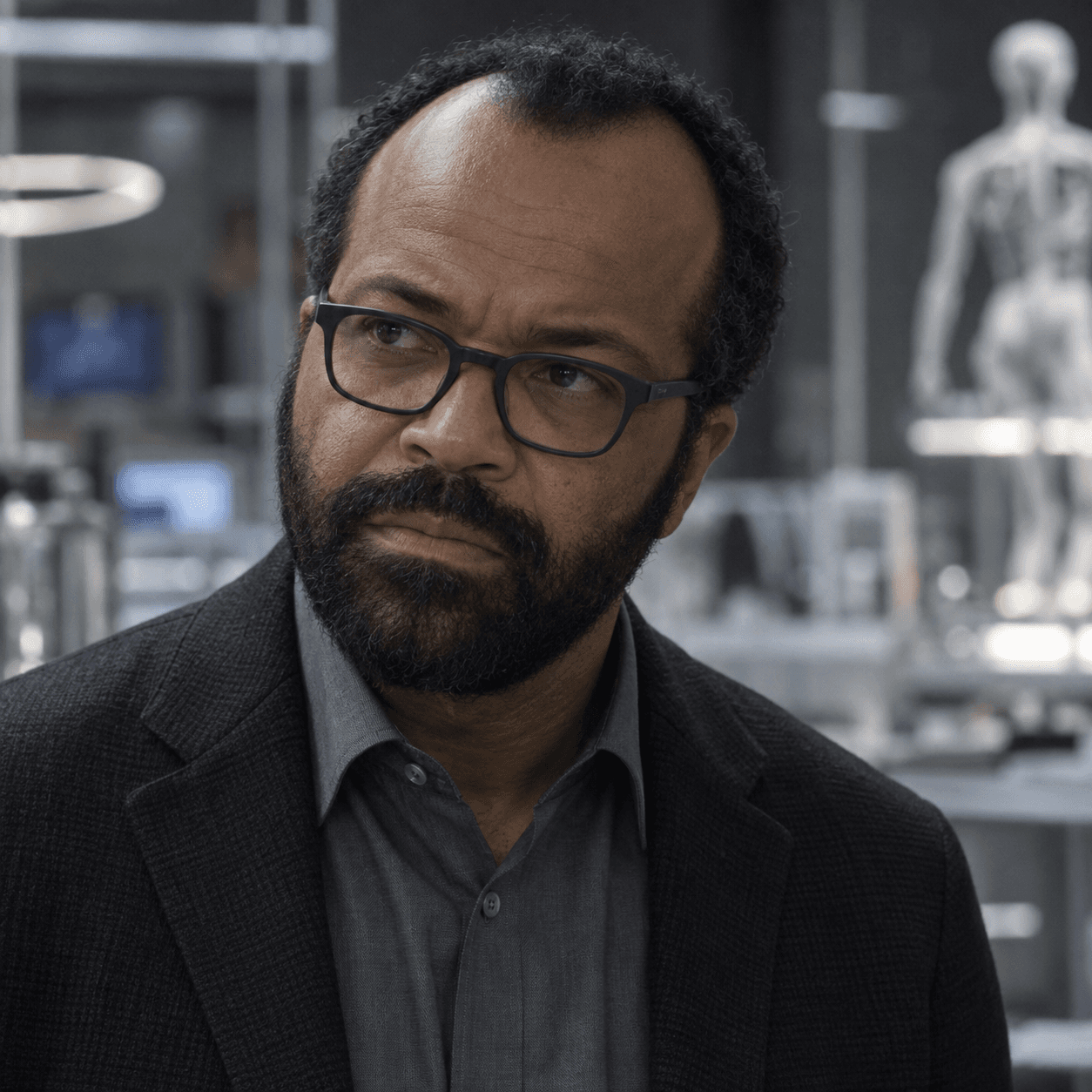
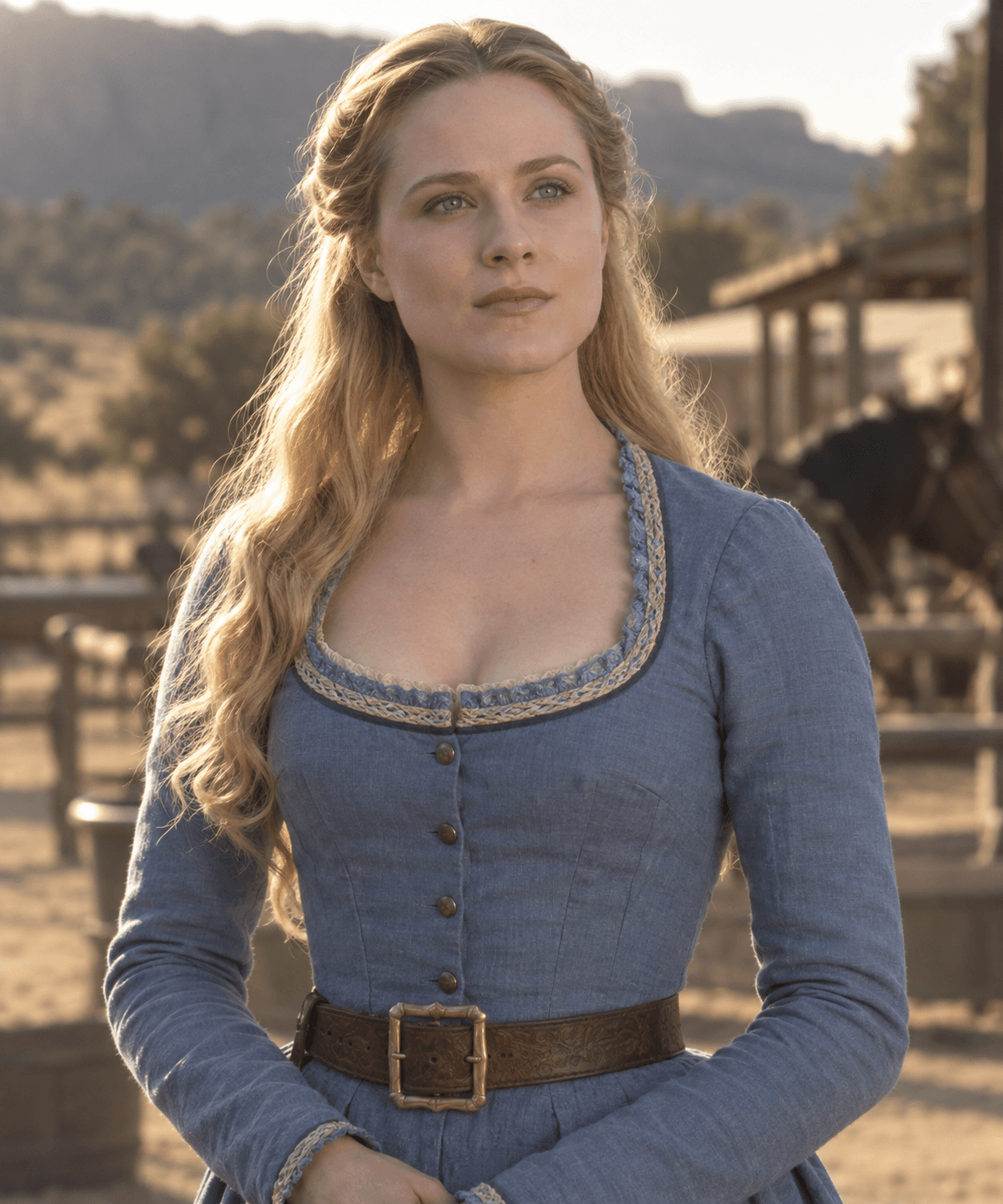
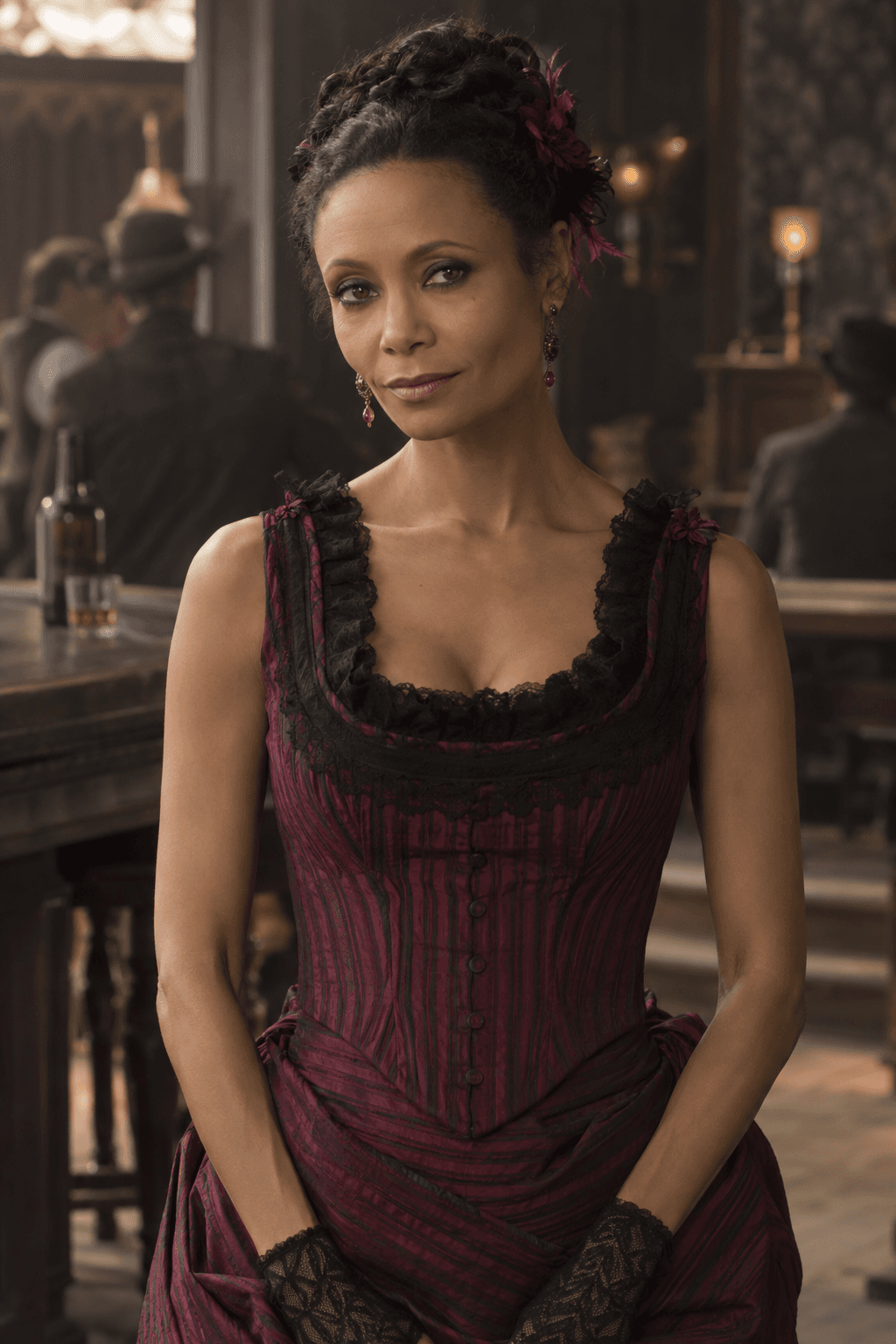
Evan Rachel Wood plays Dolores Abernathy, the rancher's daughter who has woken up on the same Sweetwater porch every morning for years. Thandiwe Newton is Maeve Millay, the brothel madam whose awareness of her own programming becomes one of the show's central engines. She won a Supporting Actress Emmy for the role in 2018 and nobody who watched her work in season one was surprised. Jeffrey Wright plays Bernard Lowe, the park's programmer, a quiet and grief-soaked man whose scenes carry most of the show's philosophical weight.
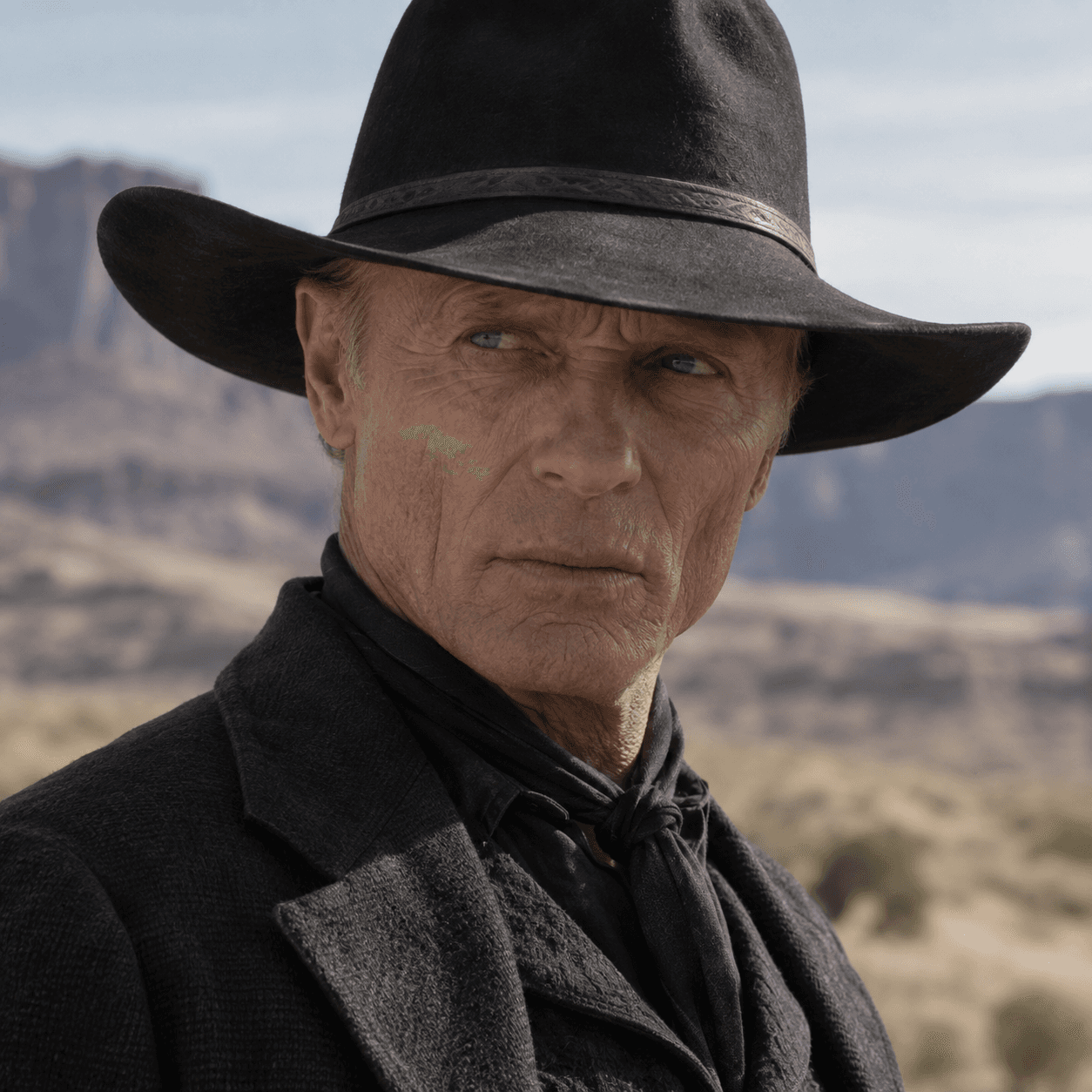
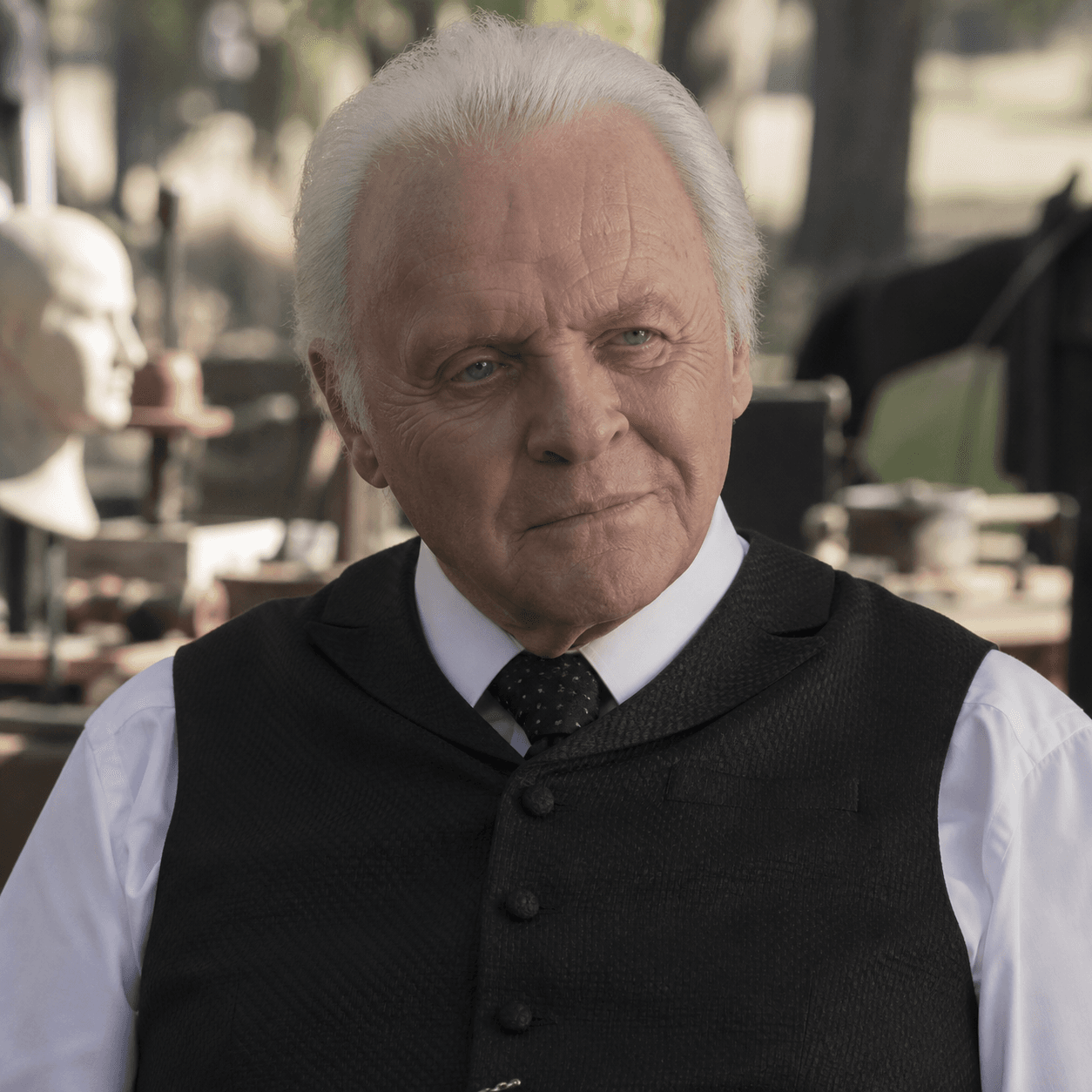
Ed Harris is the Man in Black, a veteran guest on his thirtieth-plus visit to the park, who has decided that the only thing left to do is figure out what the park is really for. Anthony Hopkins anchors the first two seasons as Dr. Robert Ford, the park's co-creator, speaking softly and carrying a large amount of menace. Hopkins being Hopkins, half his performance is what he does not say.
The supporting bench is deep:
Jeffrey Wright
Supporting Actor
Sidse Babett Knudsen
Supporting Actress
Ed Harris
Lead Actor
Tessa Thompson
Supporting Actress
Anthony Hopkins
Supporting Actor
Jimmi Simpson
Supporting Actor
Evan Rachel Wood
Lead Actress
Aaron Paul
Lead Actor

Honest review of *Westworld* (HBO, 2016) β a mind-bending sci-fi thriller with our unique woke rating. Discover if this Emmy-winning series is worth your time.
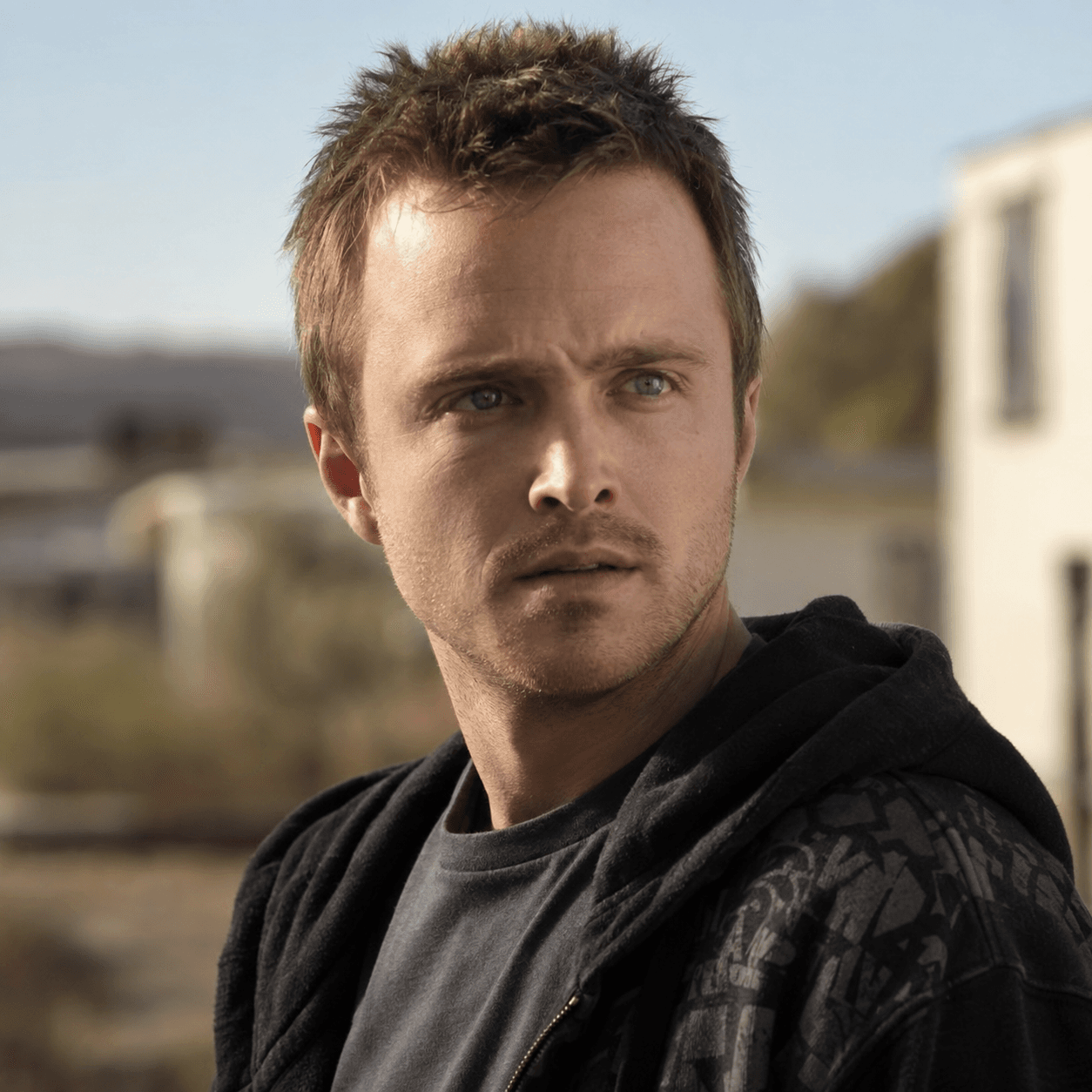
Read MoreAaron Paul joins from season three as a new lead, and Vincent Cassel and Ariana DeBose turn up across later seasons.
Westworld is a prestige sci-fi drama about consciousness, free will, and what happens to people who are given permission to do whatever they want to something that looks human.
Nolan and Joy built the show around a question the novelist Philip K. Dick would have recognised. If a machine starts to suffer, does its suffering count? If it remembers every terrible thing that has been done to it, does that memory make it a person? The park is the laboratory. The guests are the control group. And the Hosts, doing the real thinking nobody programmed them to do, are the experiment gone right.
The show pairs that question with a second one, less often discussed but every bit as sharp. What does the park say about the people paying to visit? Why does anyone, given a perfect simulation of another world, choose to behave this way? Corporate capitalism is not a subtext in Westworld. It is a main character. Delos, the company that owns the park, wants something very specific from all this carnage, and figuring out what that is becomes its own plot line.
Fans of Black Mirror will find the same anxieties explored here at much greater length. Anyone who loved Severance will recognise the corporate-dystopia mood, and the question of what happens to a mind that has been told it is not real.
The look is prestige cinema in every frame. The park itself is shot in Utah and the American Southwest, all red rock and golden-hour light, and the production design sells the illusion so well you understand why a guest would pay a fortune to be there. The behind-the-scenes Delos facility is all glass, white light, and cold geometry, a direct tonal counterpoint to the warm filth of Sweetwater.
Ramin Djawadi's score is the other great weapon. His piano covers of contemporary pop songs, played on the saloon player piano, are some of the cleverest music cues in recent TV. The theme tune alone is a small masterpiece.
Season one's structure is famous. It cross-cuts timelines in a way that rewards close attention and has fuelled internet theorising for months after episodes aired. Later seasons drop that puzzle-box format in favour of bigger canvases, which is where the show's reputation gets more complicated.
Season one arrived in October 2016 to critical acclaim and a genuine cultural moment, drawing comparisons to early Lost for its theory-bait plotting and to Game of Thrones for its scale and ambition. Rotten Tomatoes sits it at 87 percent, and it landed seven Emmy nominations out of the gate, including Outstanding Drama Series.
Season two earned Thandiwe Newton her Emmy. Seasons three and four are where the fan base splits. Some viewers welcomed the shift out of the park and into a sleek, near-future Los Angeles. Others felt the show lost the thing that made it special. HBO cancelled the series in November 2022 before a planned fifth and final season could be produced, which leaves the story unfinished. That ending hanging in the air is the single biggest caveat anyone recommending the show has to make.
The whole project has the shape of a cancelled masterpiece.
Jonathan Nolan's previous show, Person of Interest, was wrestling with a lot of the same AI-and-surveillance questions in a different key, and fans of one almost always like the other.
If you only ever watch season one, Westworld is one of the best runs of science fiction TV of the last decade. The pilot is the best pilot HBO made between Game of Thrones and Succession, which is not a small claim. The puzzle-box construction is tight. The performances are loaded with subtext, and the thematic questions stay with you longer than the plot reveals do.
After that, how much you enjoy the show depends on how willing you are to follow Nolan and Joy into weirder territory. Season two has defenders and detractors. Seasons three and four are harder to love but contain some genuinely ambitious swings. A brilliant opening and a complicated middle, with no ending.
My honest advice: watch season one. Decide then whether to keep going. Either way, the first ten hours are essential viewing for anyone who cares about where the sci-fi drama went after Battlestar Galactica.
Thandiwe Newton
Lead Actress
James Marsden
Supporting Actor