2022 - Present

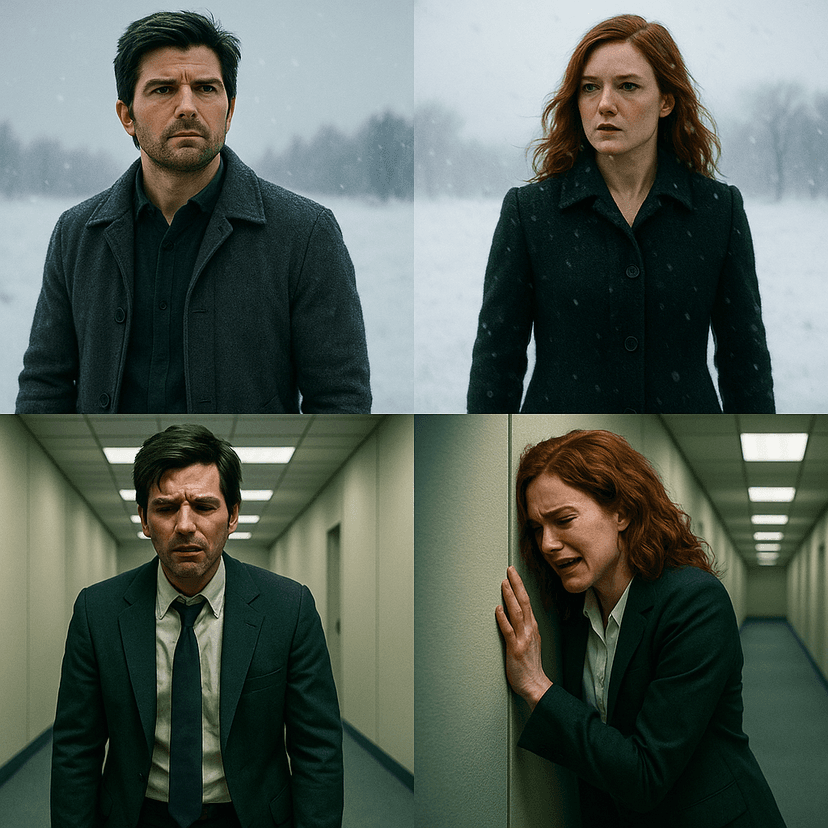
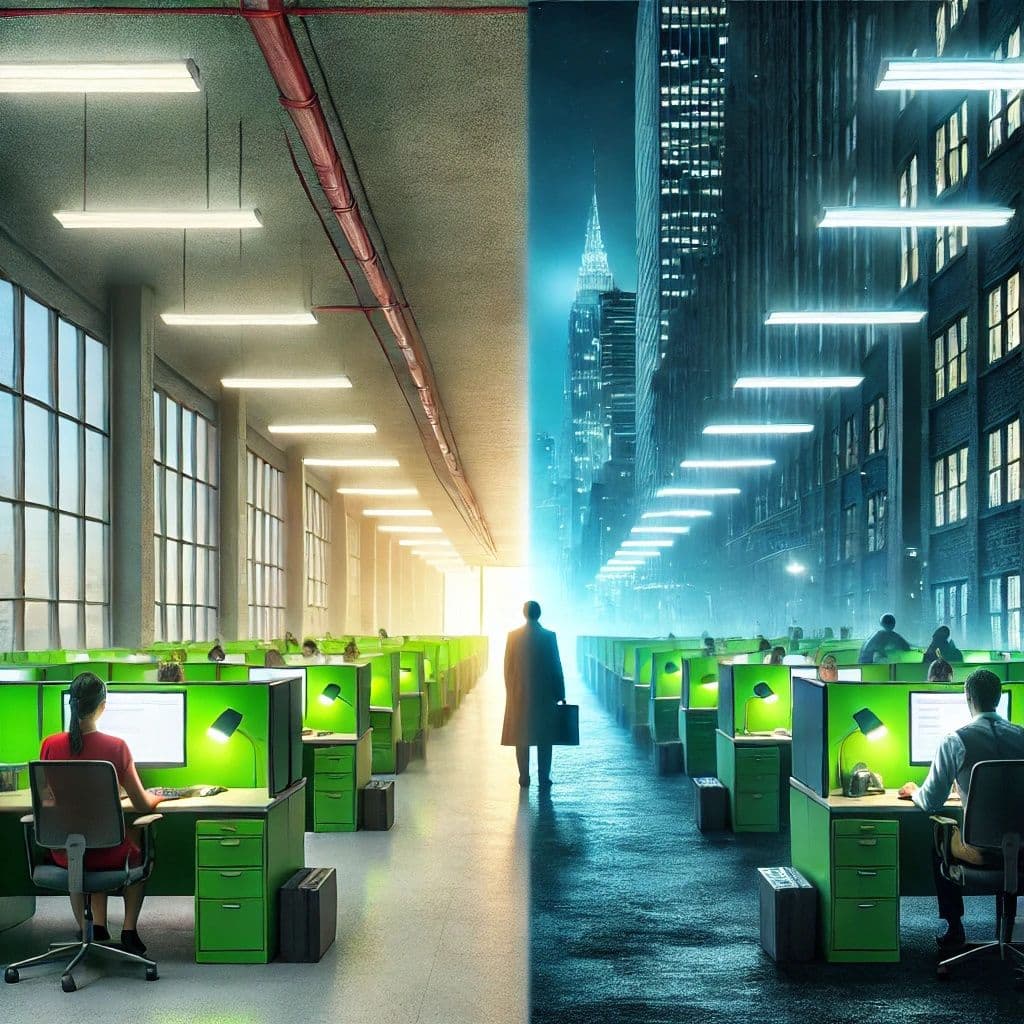
Severance is the Apple TV+ psychological thriller that quietly became the streamer's defining series. Beige carpet. Fluorescent tubes. Smiles that never quite reach the eyes. Created by Dan Erickson and directed in large part by Ben Stiller, it premiered in February 2022 with a premise so clean it almost sounds like a logline. Employees at Lumon Industries undergo a surgical procedure that splits their consciousness in two. Their "innie" exists only at work, with no memory of the outside world. Their "outie" lives the rest of their life with no idea what they do at the office. Clock in, and nine hours vanish. Clock out, and nine hours of someone else's suffering are erased.
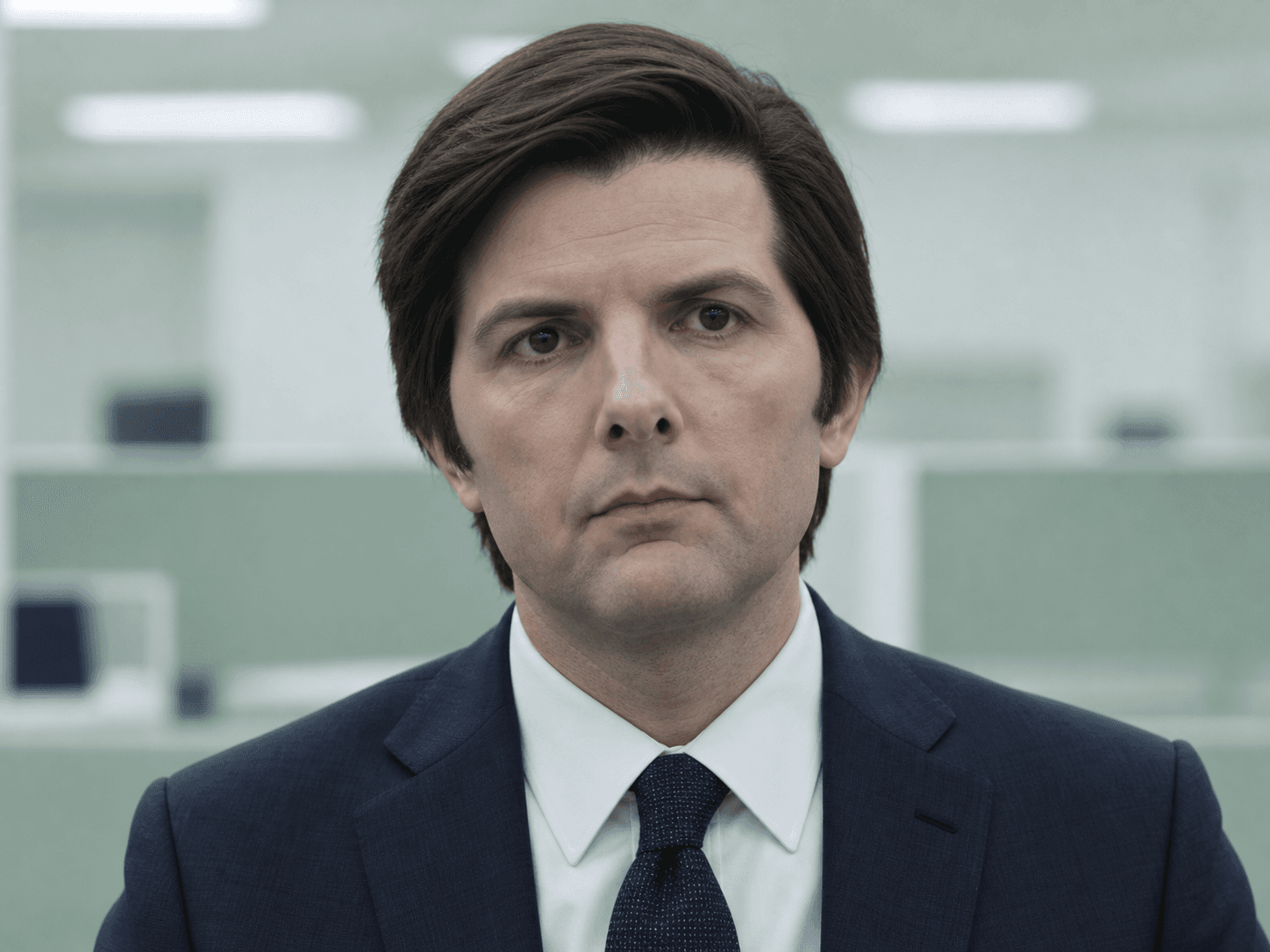
Mark Scout, played by Adam Scott, signs up for the procedure to escape the grief of losing his wife. Eight hours a day, he simply is not the man who mourns her. I'd argue that alone would be a strong premise for a short film. Instead, Erickson uses it as the scaffolding for one of the most precise satires of modern work I have seen on television. This is a show about identity, and about autonomy, and about grief, and about capitalism, and about the quiet horror of a life lived in service of something you are not allowed to understand.
Scott anchors the whole enterprise with a performance of genuine duality. His innie is earnest, eager, almost childlike. His outie is a hollowed-out academic sleepwalking through widowerhood. It is the best work he has ever done, and makes the two Marks feel like different species sharing one face. Audiences who knew him only from Parks and Recreation were not ready.
Around him, Erickson and Stiller assembled a cast with no weak links:
Season 2 expanded the ensemble. Gwendoline Christie plays Lorne. Merritt Wever plays Dylan's wife Gretchen. John Noble and Bob Balaban both appear, the latter as a Lumon branch 5X employee also called Mark. Alia Shawkat joins the outie world, and breakout newcomer Sarah Bock is the deeply strange child-manager Miss Huang. Dichen Lachman, Jen Tullock, and Michael Chernus round out the outside world with performances that walk the show's dangerous line between sincerity and satire.
Adam Scott
Mark Scout
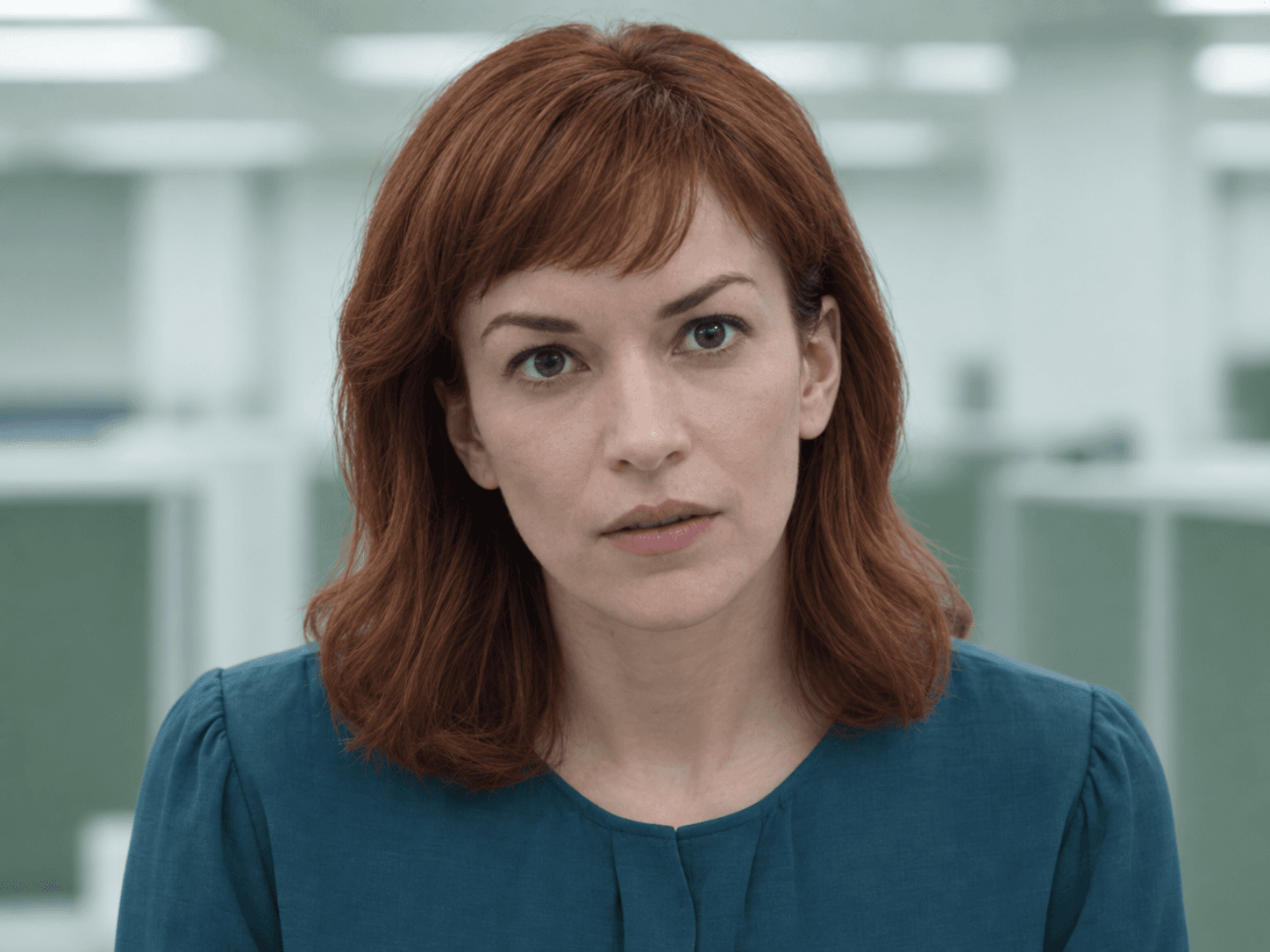
Britt Lower
Helly R / Helena Eagan
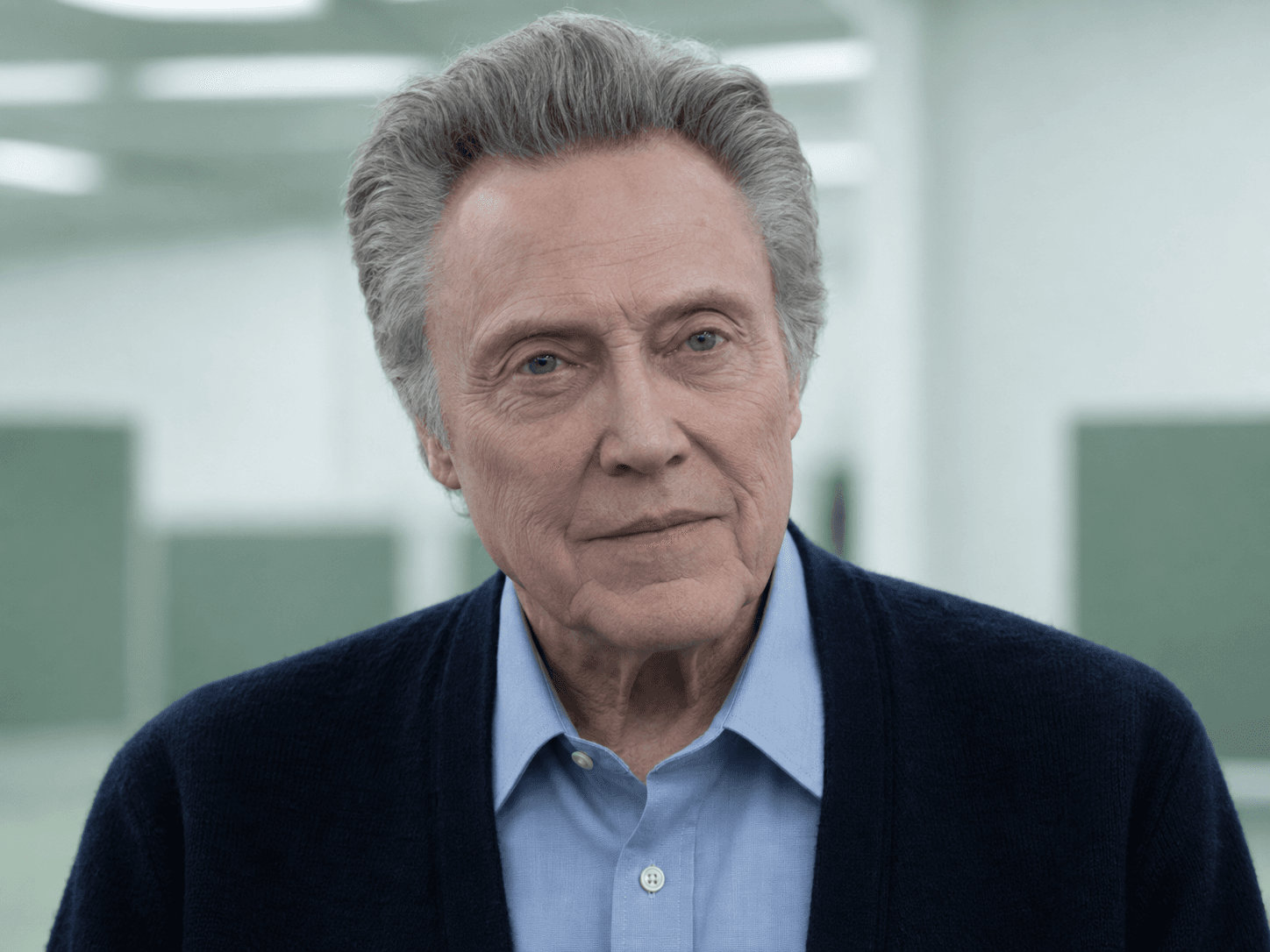
Christopher Walken
Burt Goodman
Dichen Lachman
Ms. Casey / Gemma Scout
Jen Tullock
Devon Scout-Hale
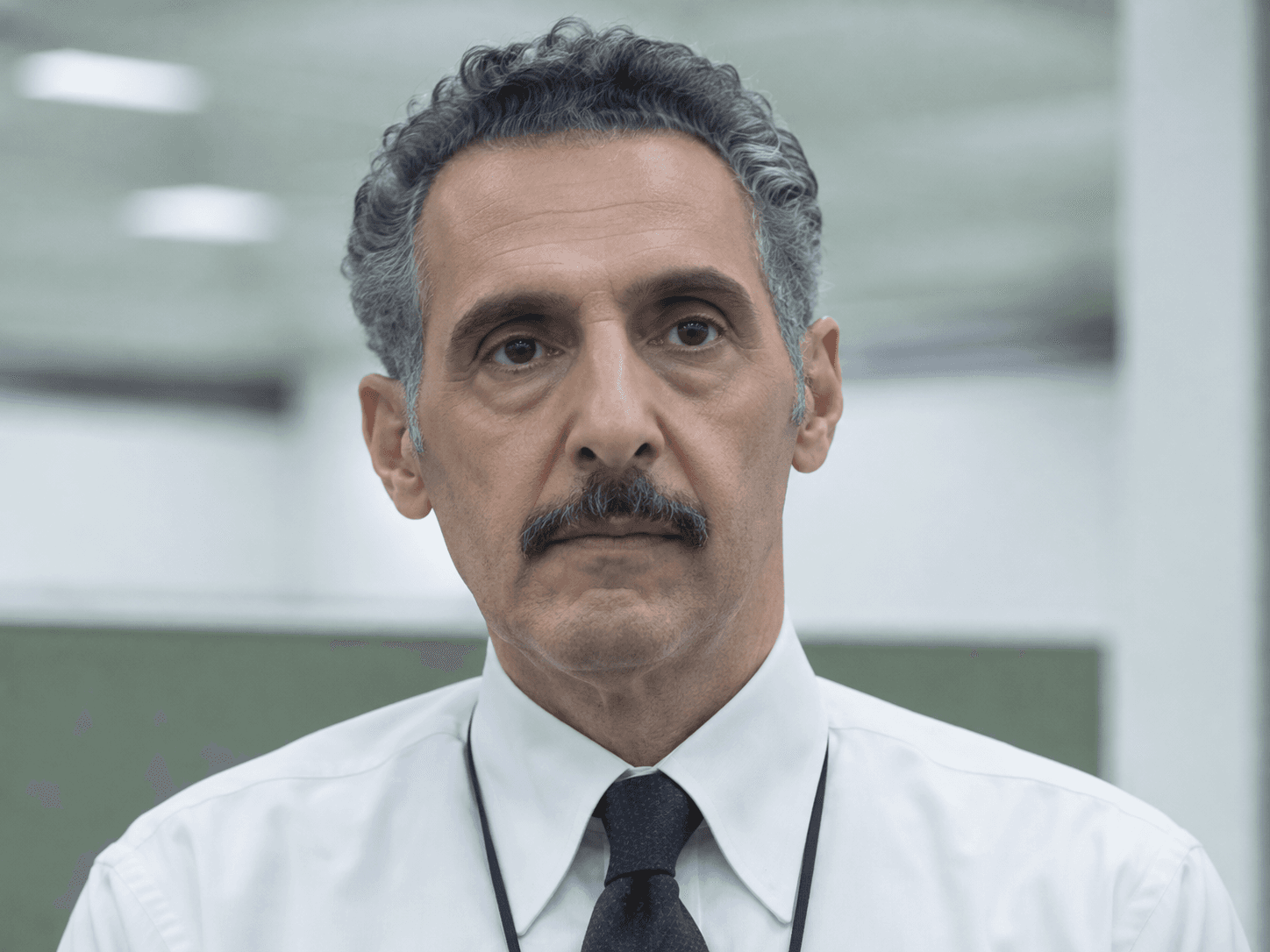
John Turturro
Irving Bailiff
Michael Chernus
Ricken Hale
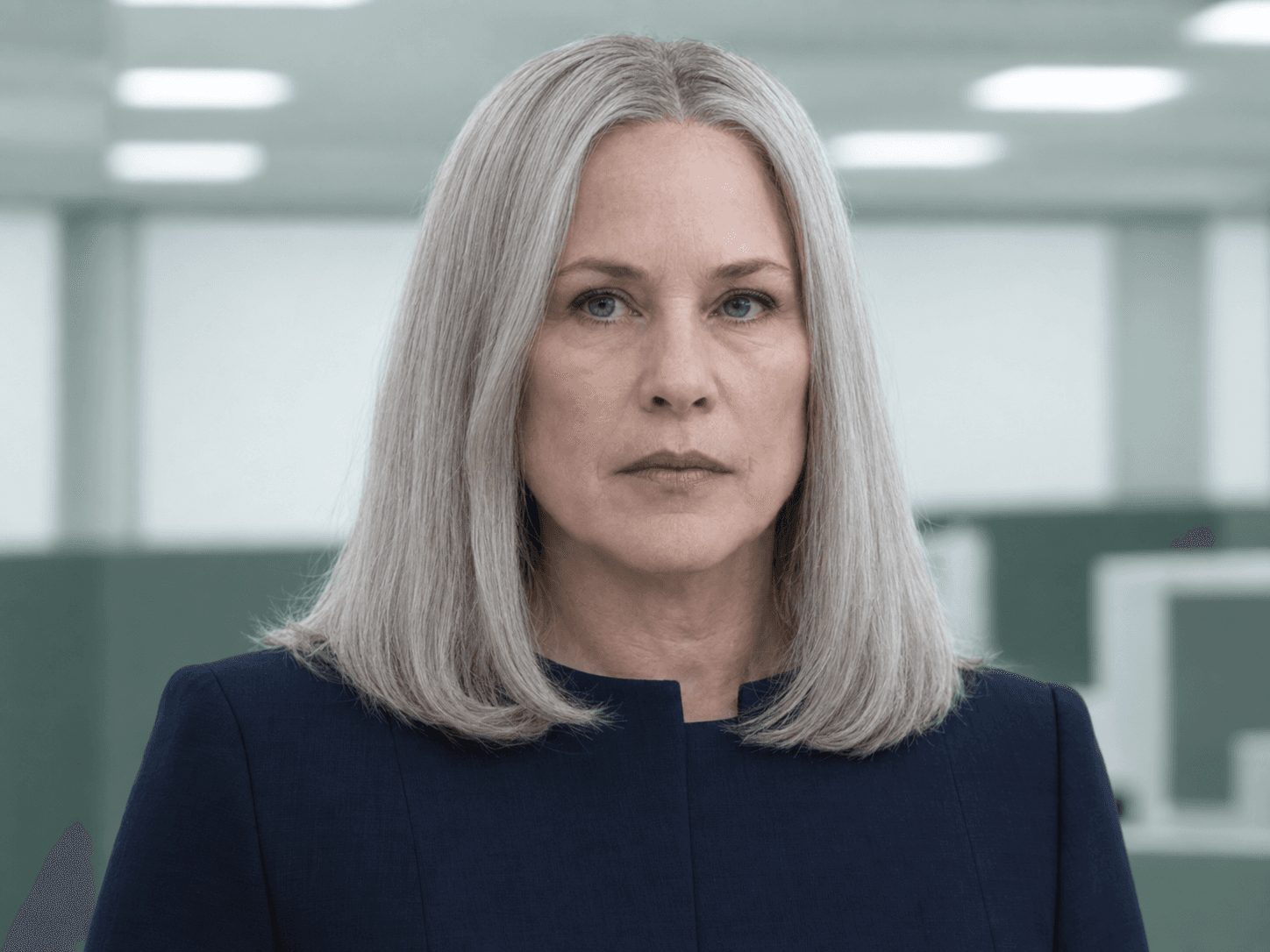
Patricia Arquette
Harmony Cobel

Our review of Severance on Apple TV+ across both seasons. A 4/5 woke rating, career-defining performances, and why this corporate dystopia is essential viewing.
Read MoreLumon is not really about office work. It is about the stories we tell ourselves to survive the things we cannot bear. Mark's severance? Grief avoidance dressed up as productivity. Helly's innie has the worst of it, a prisoner who never consented to her own birth. Dylan's outie sold half his consciousness for a paycheck and is now a struggling father. Irving is looking for meaning in a catechism someone else wrote.
Dan Erickson wrote the original pilot script in 2015 while working a drudge data-entry job he genuinely wished he could forget. That private frustration became a universal diagnosis. The show landed in 2022, right in the middle of peak work-from-home, peak burnout discourse, peak existential fatigue, and its questions hit with unusual force. If your job is slowly killing part of you, is it better to hand that part over to a stranger? And what do you owe the stranger you created?
Severance asks the one work-life balance question that HR will never print on a poster: whose life is it, exactly, that you are trying to balance?
Layered on top is a cult. Lumon's reverence for its founder Kier Eagan, with its handbooks, murals, breathing rituals, and carved wooden busts, is a wicked parody of every cultish corporate mythology from Silicon Valley onward. I have seen the show quietly become required viewing inside the kinds of companies it is satirising.
Production designer Jeremy Hindle, taking cues from Jacques Tati's Playtime, built the Lumon severed floor as a maze of endless white corridors, mid-century teal furniture, and impossible geometry. Everything is spotless. Nothing is human. Cinematographer Jessica Lee Gagné holds on symmetrical wide shots that reduce the cast to specks against the architecture, which makes Erickson's thesis visually without a line of dialogue needed. Under this much structure, a person becomes an input.
Theodore Shapiro's score underlines the divide, with sparse glassy menace for the innie world and warmer motifs outside. The opening title sequence alone, animated by Oliver Latta, became a cultural artefact in its own right, as instantly recognisable as the openings of Mad Men or True Blood.
If you loved the grinding corporate dystopia of Silo, you will find the same atmosphere here. This is also cousins with Westworld, which shares the philosophical unease. And Black Mirror hits the same technological anxiety. Severance operates in that same territory. But it stays there for nine to ten hours per season without ever tipping into ridiculousness. It is the rare sci-fi show that trusts its metaphor so completely it never needs to explain itself.
Season 1 was a sleeper hit that built by word of mouth over the spring of 2022 and earned fourteen Emmy nominations. Season 2, which finally premiered in January 2025 after a three-year wait caused partly by the WGA and SAG-AFTRA strikes, was an immediate cultural event. The second season collected 27 Emmy nominations, the most of any show that year, and helped Apple TV+ to a record-breaking 81 overall nominations. Tramell Tillman and Britt Lower both converted those into wins. Variety and The Hollywood Reporter have both called it Apple's flagship drama, and the Peabody Awards have echoed them.
Its cultural reach is hard to overstate. The waffle party became a meme. So did Milchick's music-dance experience. So did the Kier handbook, and the black-bordered opening titles too. Think pieces about work-life balance now casually cite Lumon as if it were a real company. For a show this patient and this weird, that level of saturation is remarkable.
Many prestige dramas have tried to marry sci-fi premise with character drama and failed because they cannot decide which one matters more. Severance simply refuses the choice. It treats its concept with iron seriousness while making every scene about a specific person's longing, fear, or shame. The workplace satire cuts. So does the grief story, which broke me more than once. The conspiracy thriller unfolds at exactly the pace it needs. Unlike the corporate sagas of Succession or Mad Men, where the workplace is the stage for human ambition, in Severance the workplace itself is the antagonist. And yet Lumon is almost tender about its own cruelty.
It is the rare show that gets funnier, sadder, and scarier in the same scene, and trusts you to keep up.
Season 3 is confirmed in production, with Columbus and Pachinko director Kogonada helming most of the episodes while Ben Stiller remains an executive producer. If the show can stick the landing, Severance has a real claim to being one of the defining dramas of the 2020s. A compact, unforgettable nightmare that looks too clean to ever truly end.
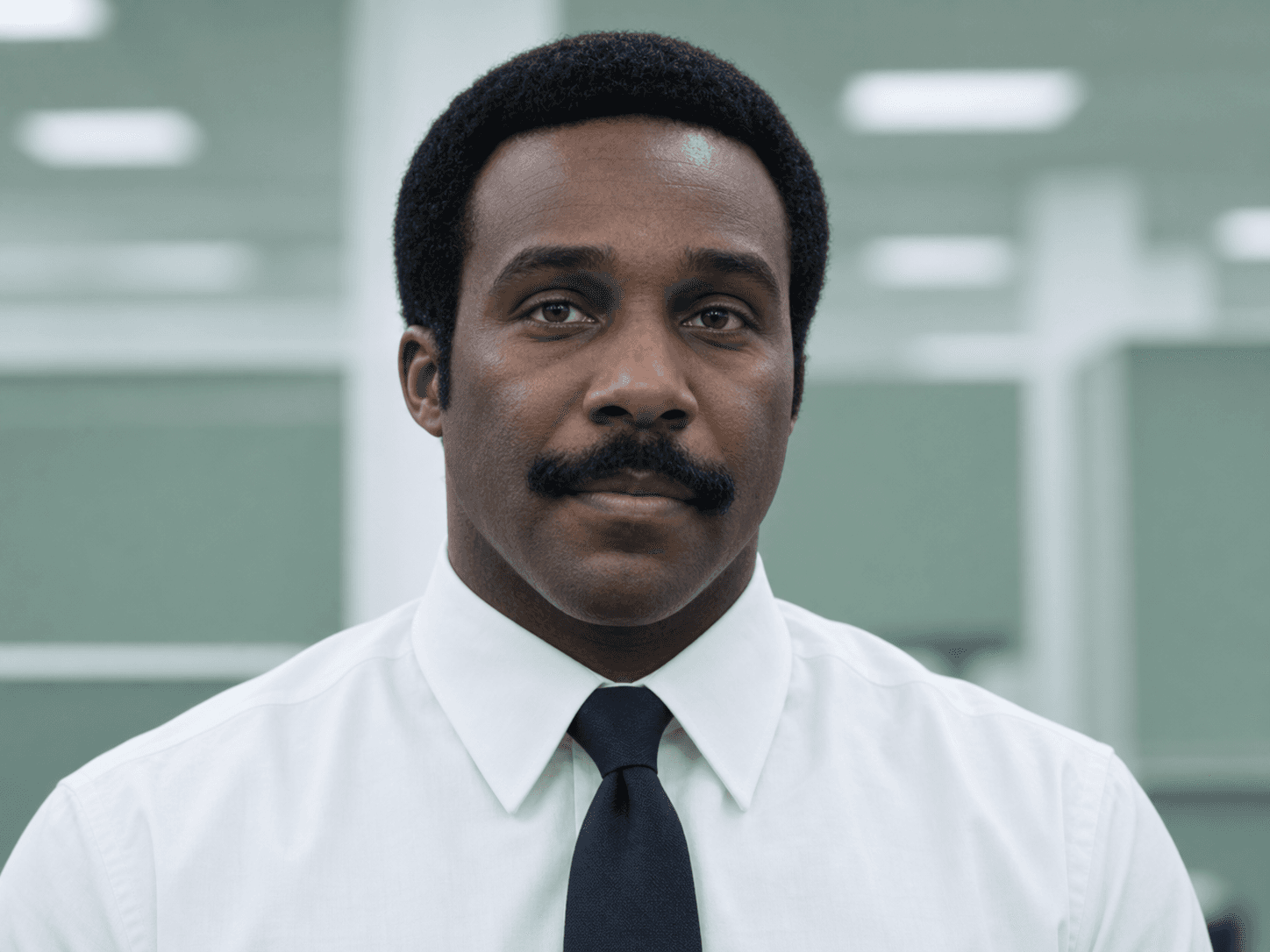
Tramell Tillman
Seth Milchick
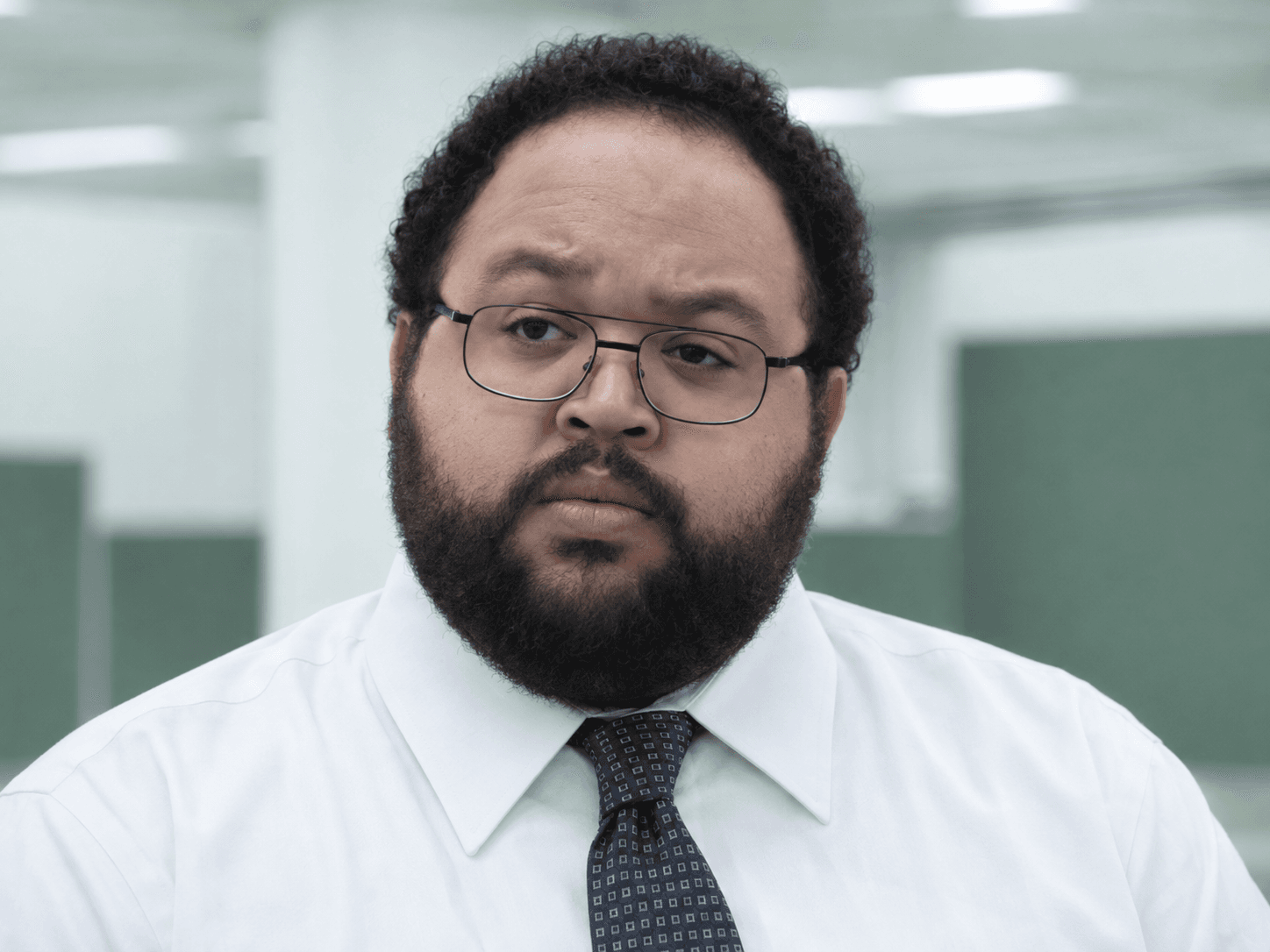
Zach Cherry
Dylan George
Gwendoline Christie
Lorne
Sarah Bock
Miss Huang
John Noble
Fields
Merritt Wever
Gretchen George
Bob Balaban
Mark Wilkins
Alia Shawkat
Recurring role (Season 2)
Ólafur Darri Ólafsson
Recurring role (Season 2)
Yul Vazquez
Asal Reghabi
Dan Erickson
Creator / Showrunner
Ben Stiller
Director / Executive Producer
Jessica Lee Gagné
Cinematographer