2011 - Present

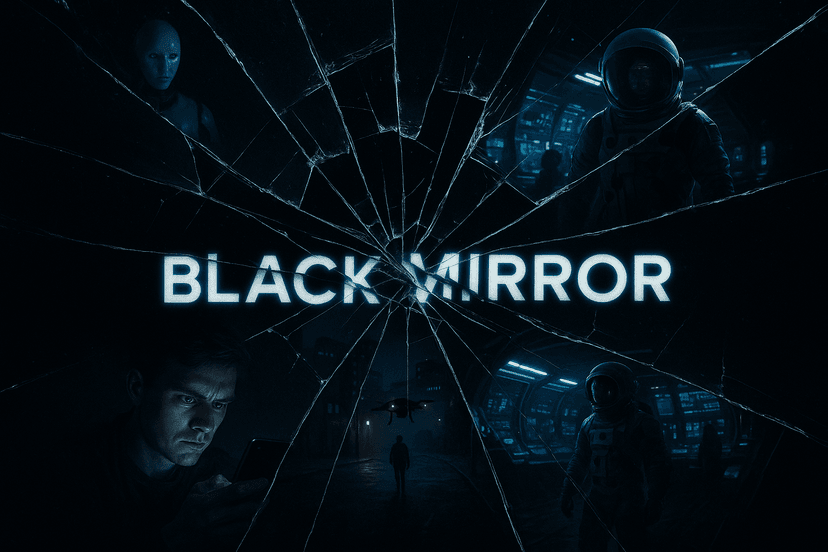
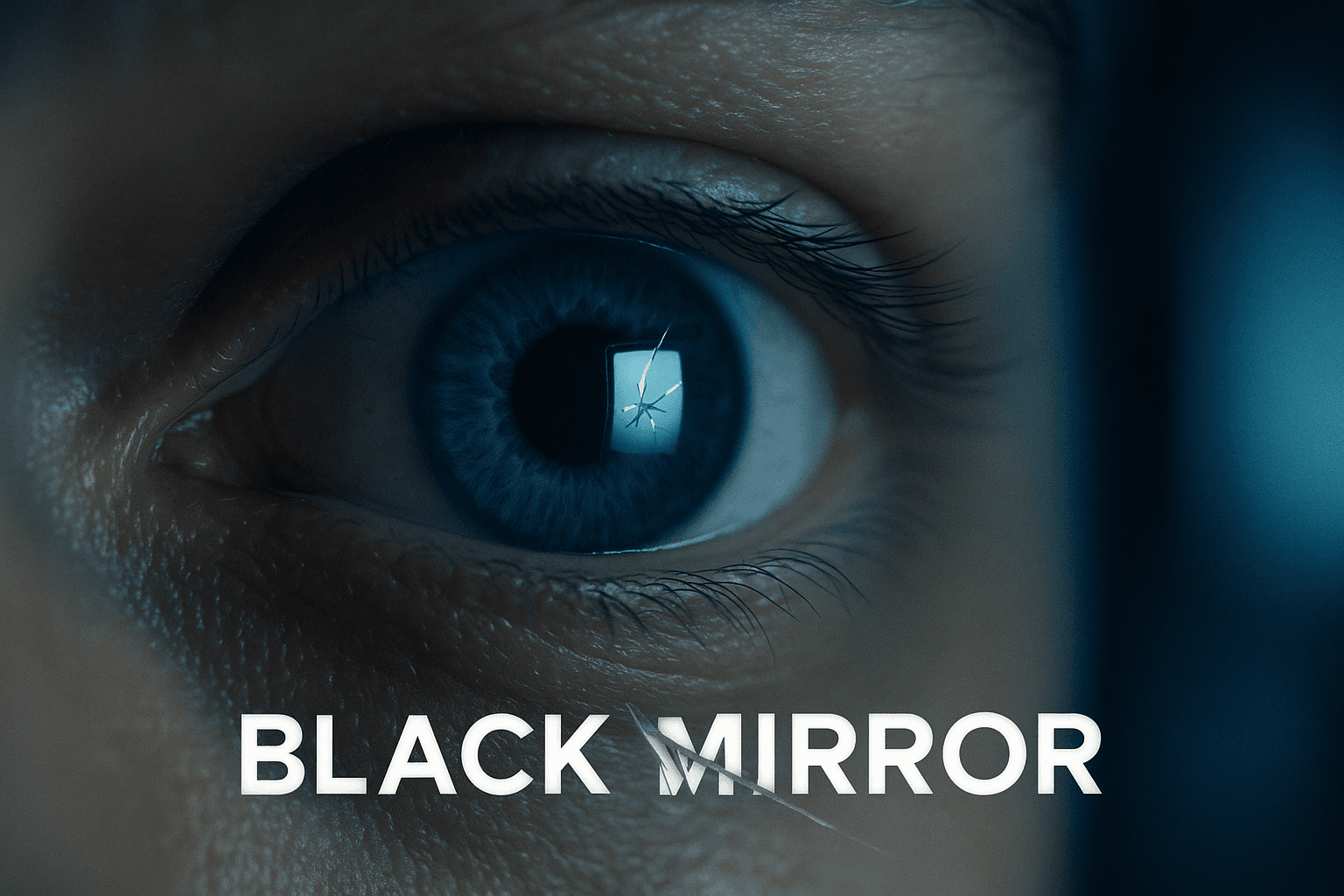
Black Mirror is a British sci-fi anthology created by Charlie Brooker. It ran for two short seasons on Channel 4 (2011 to 2014) before Netflix picked it up in 2016 and turned it into one of the defining TV properties of the streaming era. Seven seasons exist as of 2025, running to 32 standalone episodes plus the interactive film Black Mirror: Bandersnatch (2018). Every episode is its own closed story with its own cast, usually set a few minutes into a near future that looks almost exactly like now. Almost.
The pitch is simple and cruel. Take one piece of technology we already half-live with. Dating apps. Social ratings. Memory recording. Consciousness uploading. Push it one click further than it currently goes. See what breaks. The show never bothers with a recurring cast or a continuing mythology, which gives Brooker and his writers room to reset the rules each hour and write a sharp, self-contained thought experiment.
That anthology structure is why the show keeps working when so many others collapse after three seasons. There is no long arc to sag. If an episode lands, it lands as its own little film. If it misses, you are an hour away from a new one with new stars and a new premise.
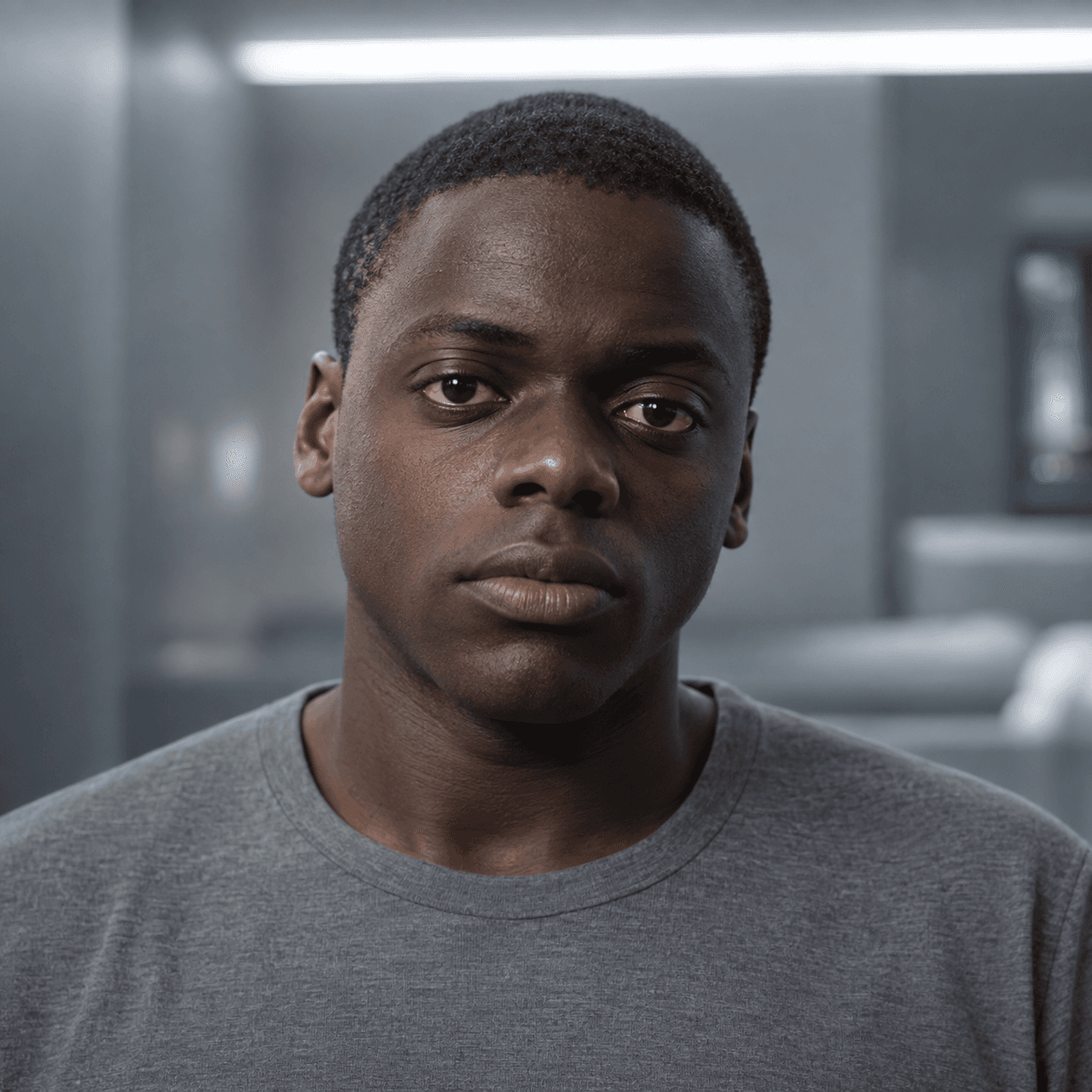
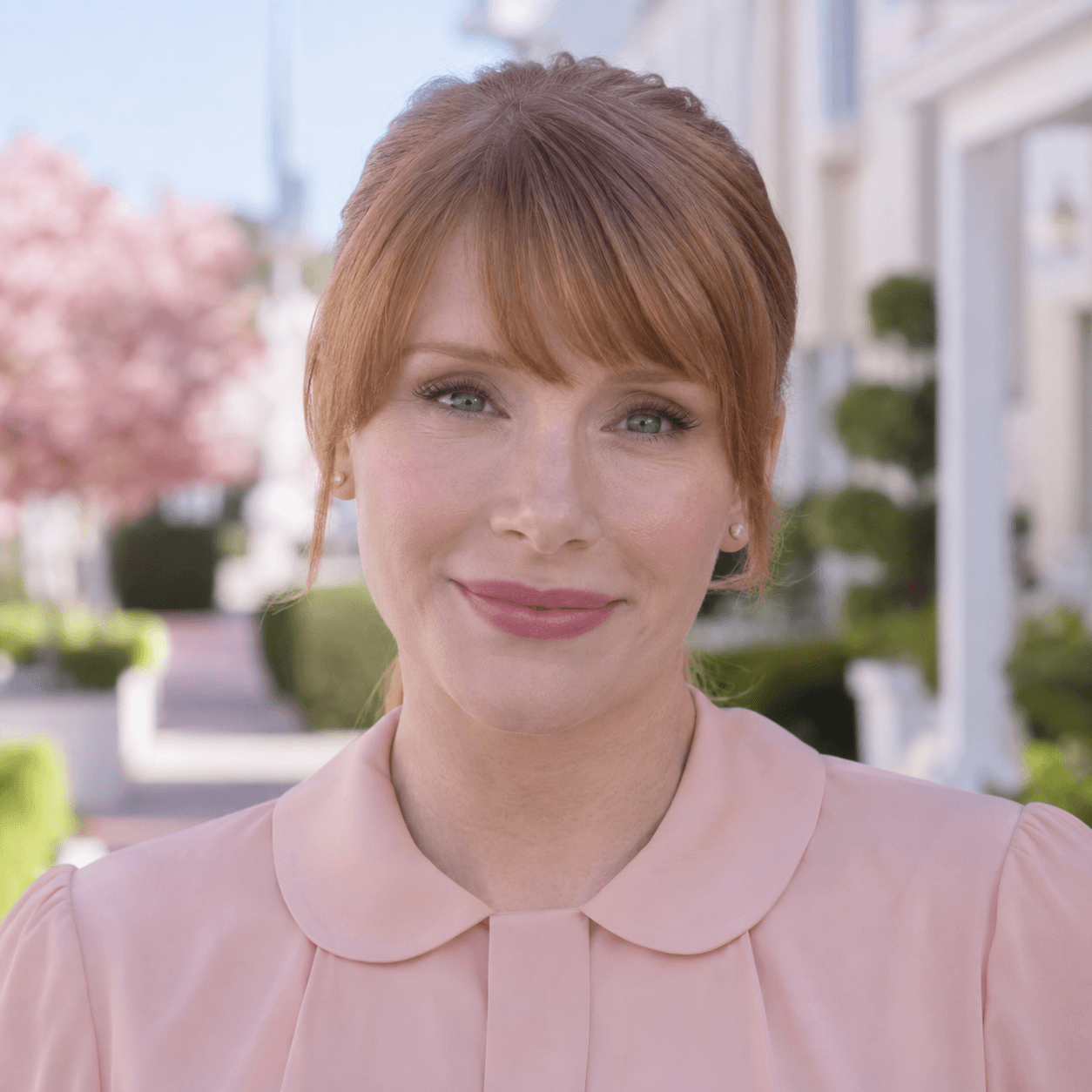
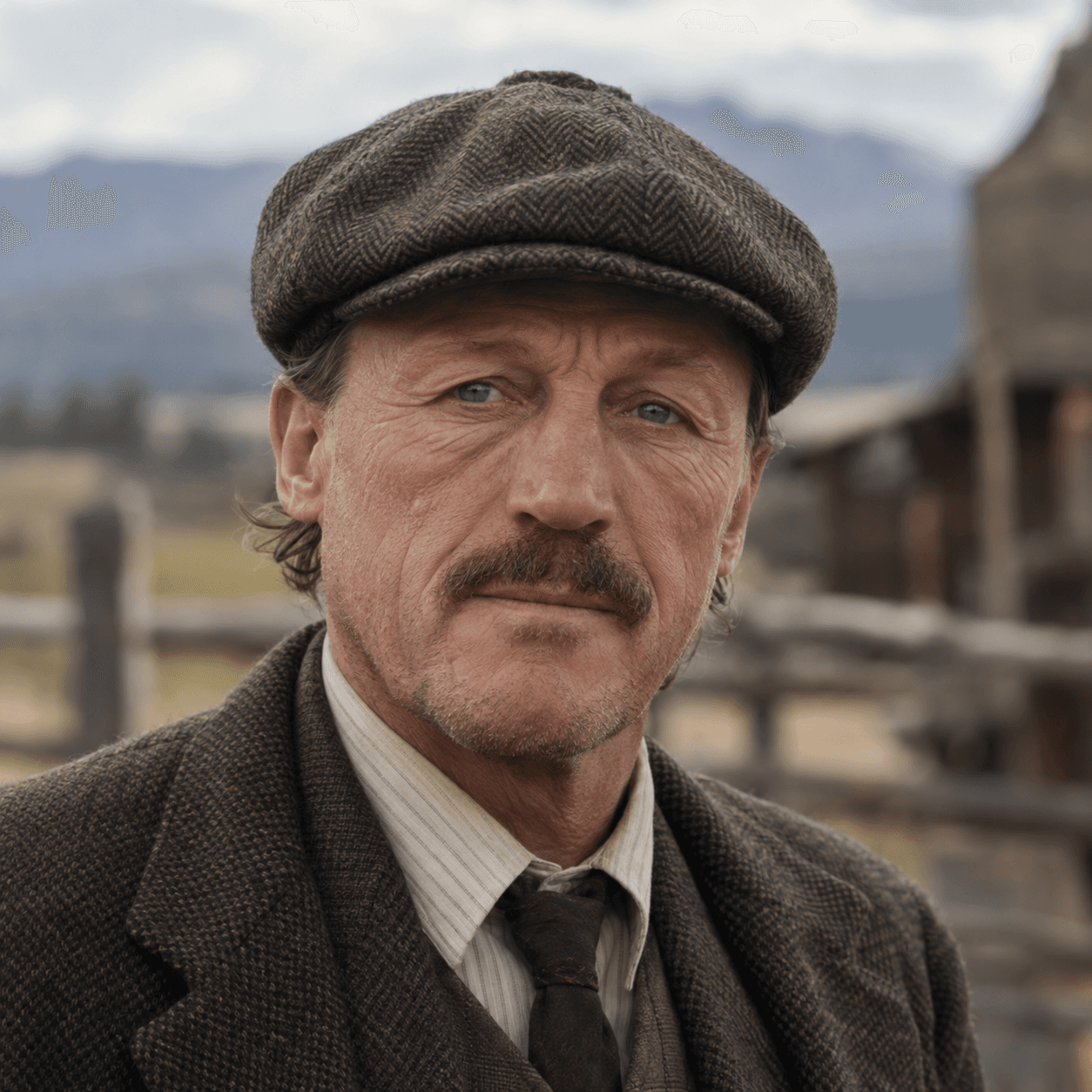
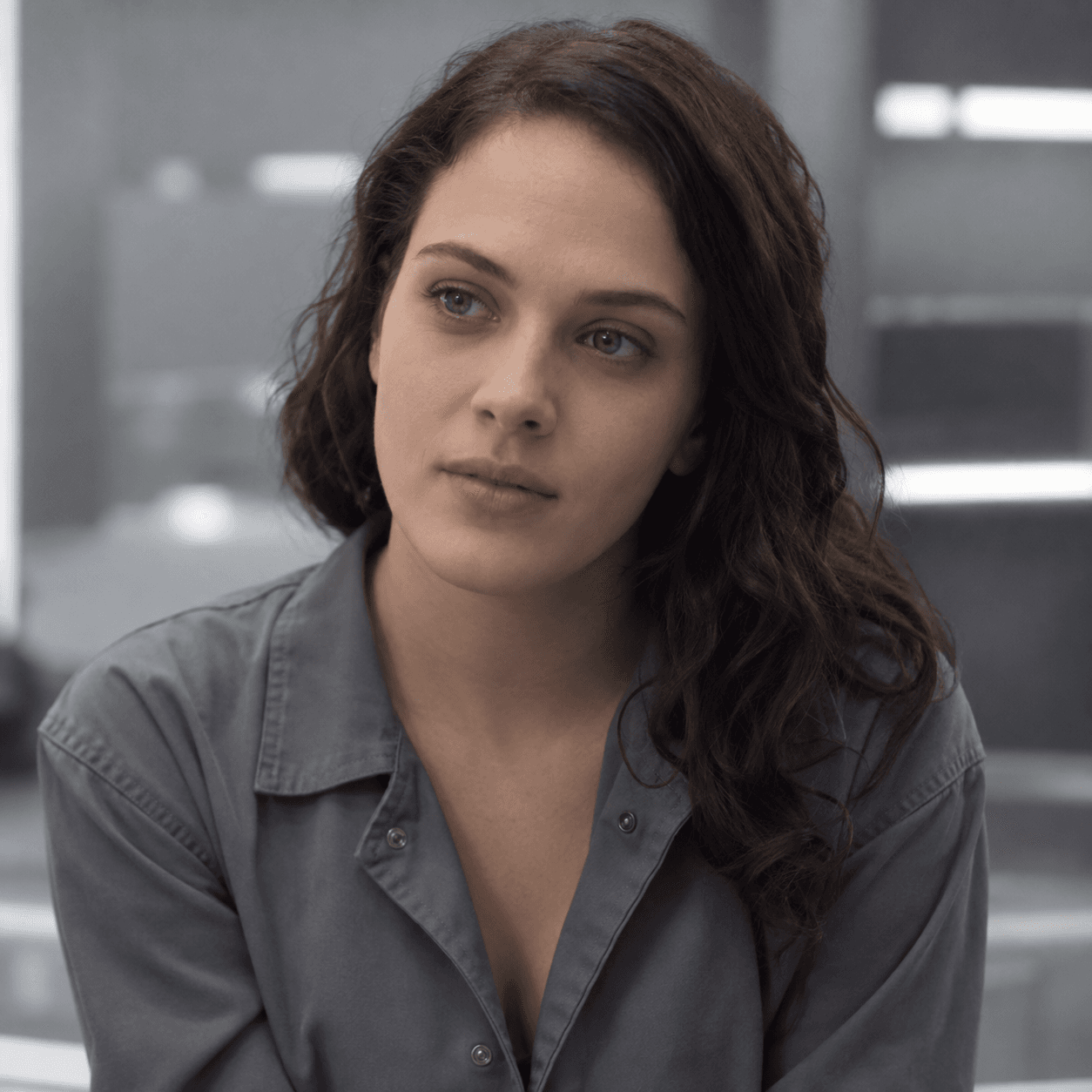
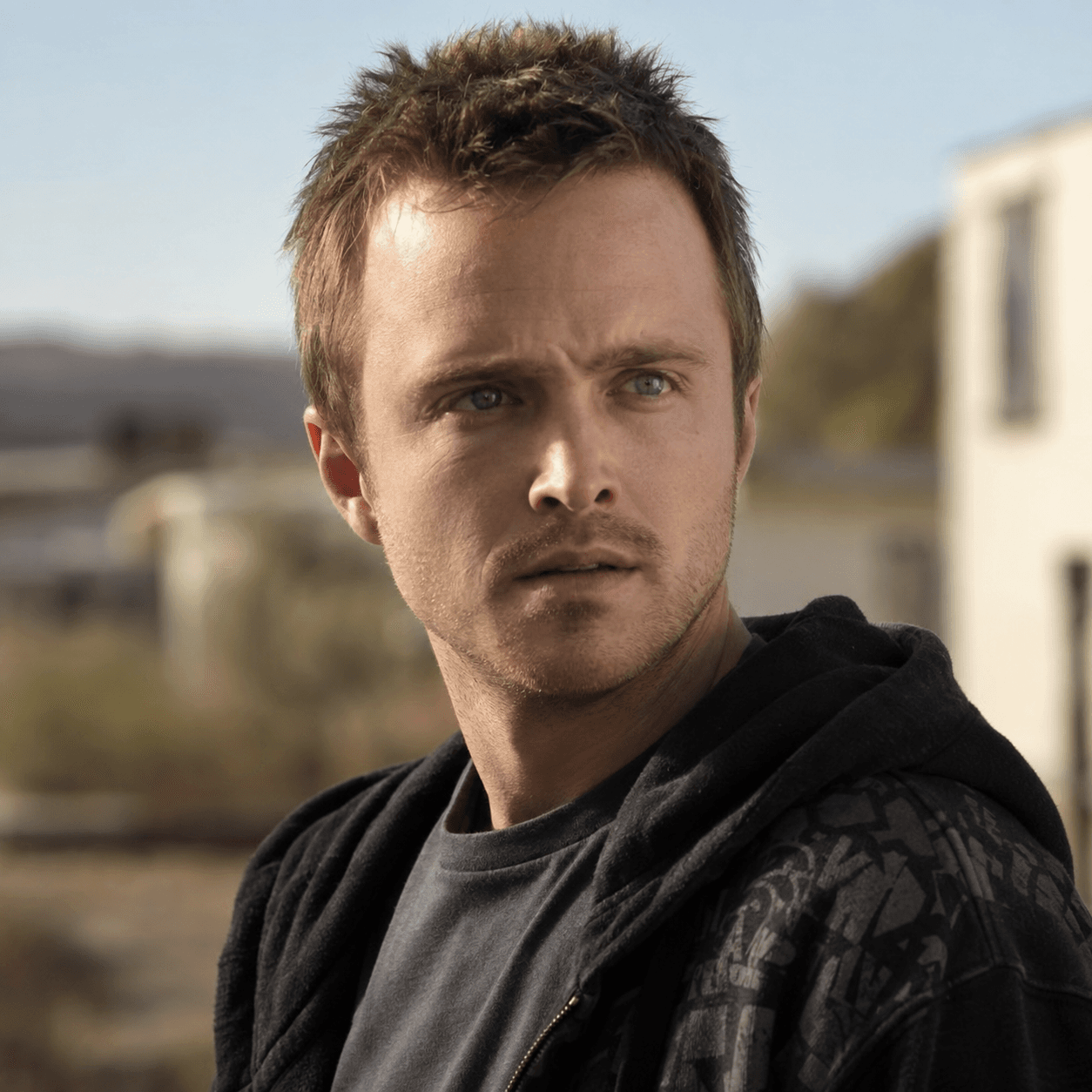
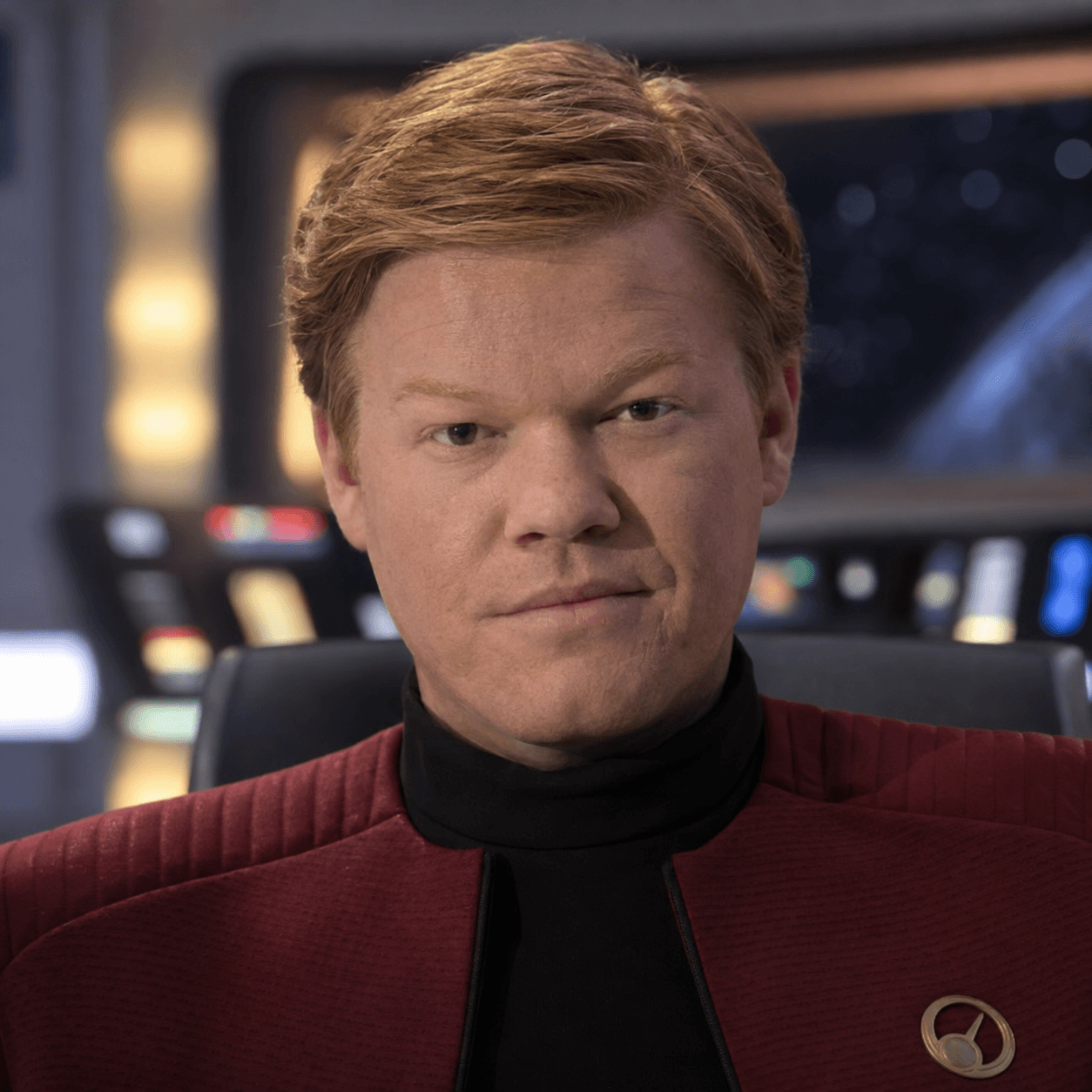
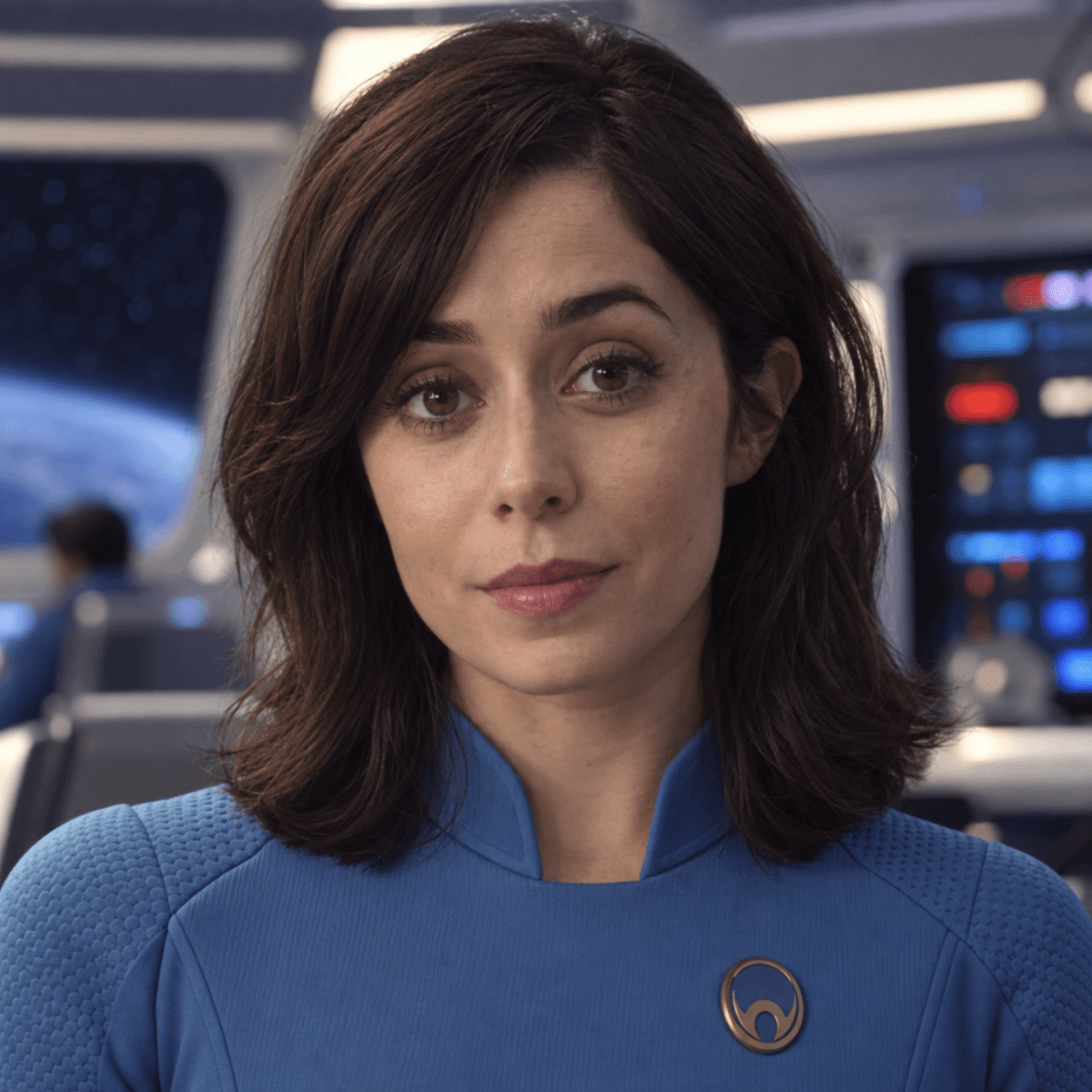
Every episode is a fresh ensemble, which is how Black Mirror attracts actors who would never sign on for a multi-year contract. The rotation over the years reads like a casting director's fantasy draft.
Daniel Kaluuya
Lead Actor
Charlie Brooker
Creator/Writer
Bryce Dallas Howard
Lead Actor
Aaron Paul
Guest Lead
Paul Giamatti
Guest Lead
Hayley Atwell
Guest Lead
Miley Cyrus
Lead Actor
Jesse Plemons
Guest Lead

Honest Black Mirror review with our unique woke rating (5/5). This in-depth analysis reveals if Charlie Brooker's dystopian tech anthology is worth watching.
Read MoreThe rotating-cast model is part of the pleasure. You press play not knowing who you are getting, and half the fun of the first five minutes is watching an A-list face wander into a story you do not yet understand.
The surface subject is technology. The real subject is always people. What Black Mirror does well, episode after episode, is make you sit with the uncomfortable question of what we would do with a new capability if it were handed to us with no rules attached.
Memory recording becomes an excuse to rewatch arguments you have already lost. A five-star review system becomes a caste structure. A dating app that can calculate your ideal match turns love into a calibration problem. The tech is rarely evil in itself. The cruelty lives in how we use it, and how quickly we stop noticing we are using it.
I came to the show expecting clever premises. What kept me coming back was the writing about guilt, longing, grief and boredom, all filtered through whatever speculative idea Brooker happened to be poking that week. Even the weaker hours tend to have one scene that genuinely gets under your skin.
The tone varies more than people remember. "San Junipero" is a genuine romance. "Hang the DJ" is nearly a romantic comedy. "USS Callister" plays like a sci-fi adventure for forty minutes before you notice what the premise actually is. "Shut Up and Dance" and "White Bear" are pure horror. "Joan Is Awful" is a broad satire. "The Entire History of You" is a chamber drama.
What ties it together is the visual discipline. The cinematography is clean and restrained. The tech is rarely overdesigned. Interfaces look plausible. Cars look like cars you could buy. The world dresses itself to look like our world with one thing off, and you spend the first few minutes of every episode trying to work out which thing. That restraint is the reason the scares land when they do.
The best episodes feel less like warnings and more like confessions about what we already are, with the technology acting as a very polite microphone.
The show has three Emmys for Outstanding Television Movie, for "San Junipero", "USS Callister" and "Bandersnatch", which is a wild run for an anthology. It has won a pile of BAFTAs. "USS Callister: Into Infinity" is the first and only time Brooker has ever returned to a story, which says something about how much affection the original had.
Culturally, Black Mirror became a genre marker. You will still hear people describe a new piece of real-world tech news as "very Black Mirror", and usually they are right. It also legitimised streaming-era anthology TV in a way that Netflix has tried and failed to replicate multiple times since.
The quality is not uniform. Season 5 is thin. Season 6 is a deliberate pivot that some viewers bounced off. Season 7 is, in my view, the best the show has been since season 4. The overall hit rate across seven seasons is still very high for a show that has to rebuild itself from scratch every single hour.
Because Charlie Brooker is a miserable bastard with a very warm heart, and he cannot help writing about grief even when the brief says satire. Because the anthology format lets the writing room take real swings without having to service a multi-season canon. Because Netflix gave it money and then mostly stayed out of the way. Because whatever your politics, the show is too curious about human weakness to wag a finger.
Fans of Dead Set will recognise the DNA here. That early Brooker series is where the tone was first built, and you can draw a straight line from it to most of what followed. The corporate-dystopia unease of Severance sits in a similar emotional register, and if you liked the identity-and-consciousness questions in Westworld the show got there first in half the runtime.
Not every episode is for everyone. A couple of them I actively dislike. But when Black Mirror is on, it is as good as television gets, and the anthology model means the next one is only an hour away.

Jon Hamm
Lead Actor
Cristin Milioti
Guest Lead