2022 - 2022

Paramount+ released The Offer in April 2022 as a ten-episode limited series, and the hook is irresistible if you grew up on The Godfather. This is the story of how The Godfather got made. Not the film itself, the fight to make it.
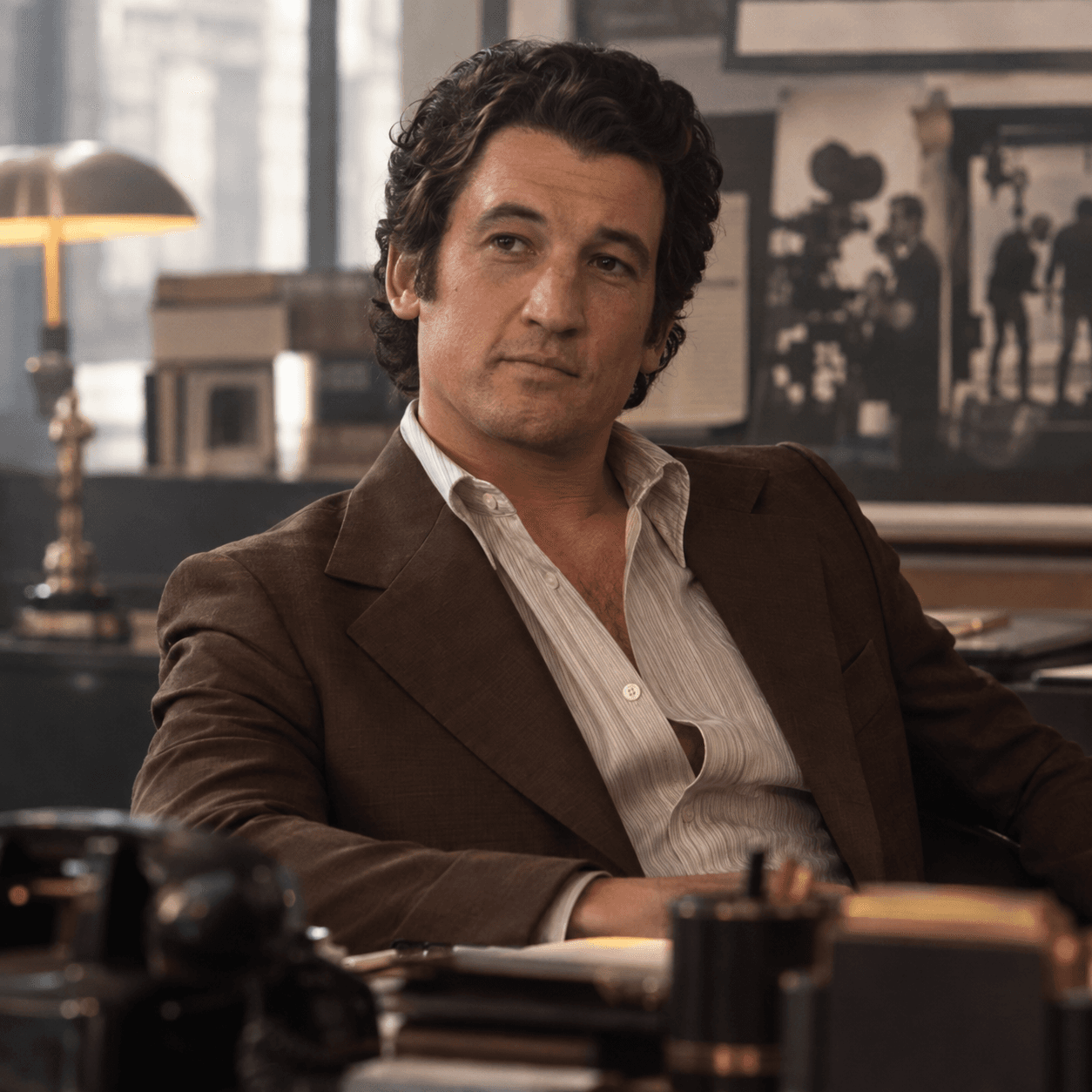
Miles Teller plays Albert S. Ruddy, the real producer who talked Paramount into letting him oversee a mob picture nobody inside the studio wanted to exist. The result is a show about movie-making, mob politics, and early 1970s Hollywood, all wrapped around the production of one of the most important American films ever made.
Created by Michael Tolkin, whose novel became Robert Altman's The Player, the series takes Ruddy's point of view as its spine. That choice matters. The Offer is not a reverent documentary about Francis Ford Coppola or Mario Puzo. It is a producer's story about deals, casting battles, threats from the mob, and the constant possibility that the whole thing collapses before a single frame is shot.
The casting of a show like this carries an unusual burden. Almost every character is a real person the audience either knows from history books or, in the case of Brando and Pacino, knows as the actors who defined a genre. Get the imitations wrong and the whole project tips into parody.
For the most part, the cast pulls it off.
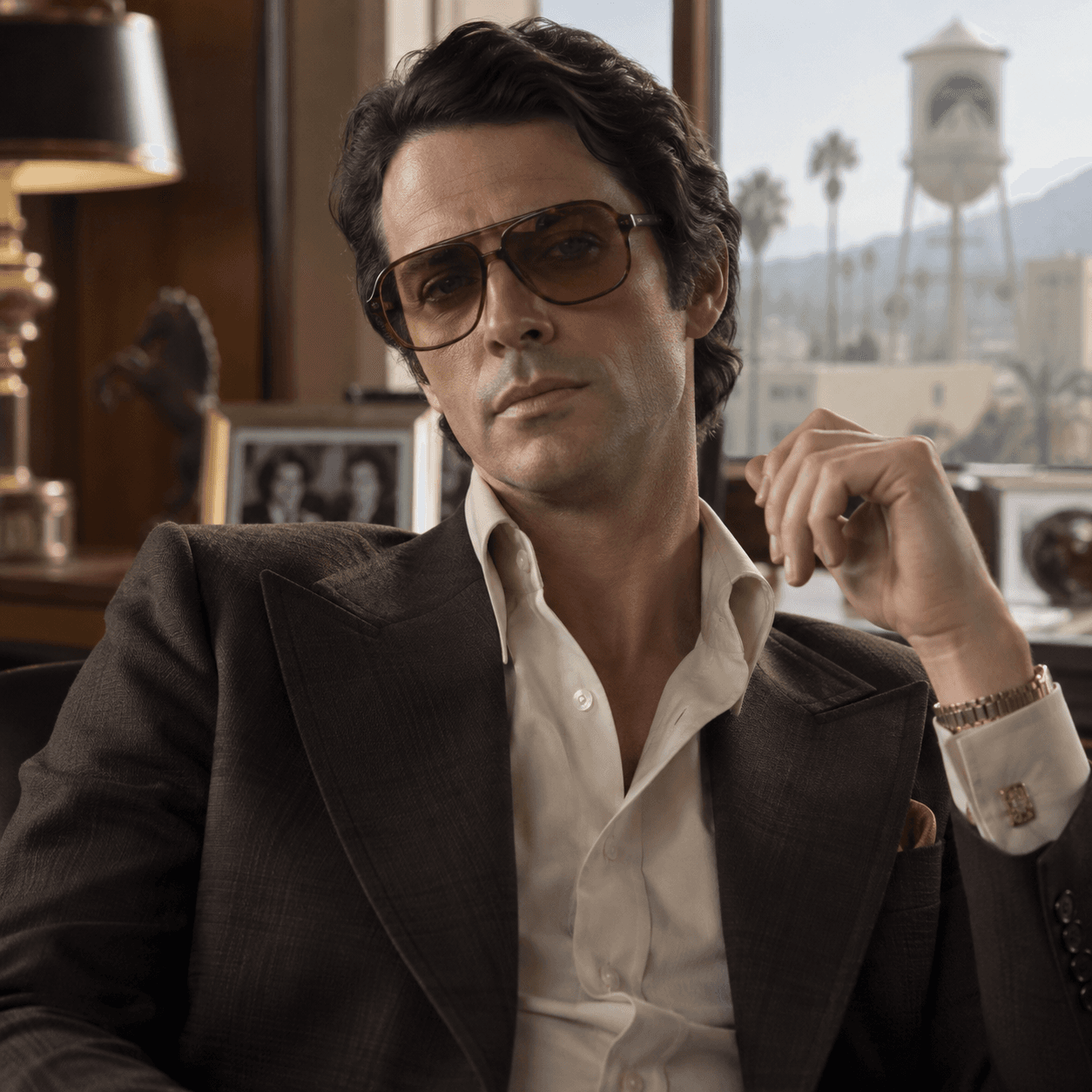
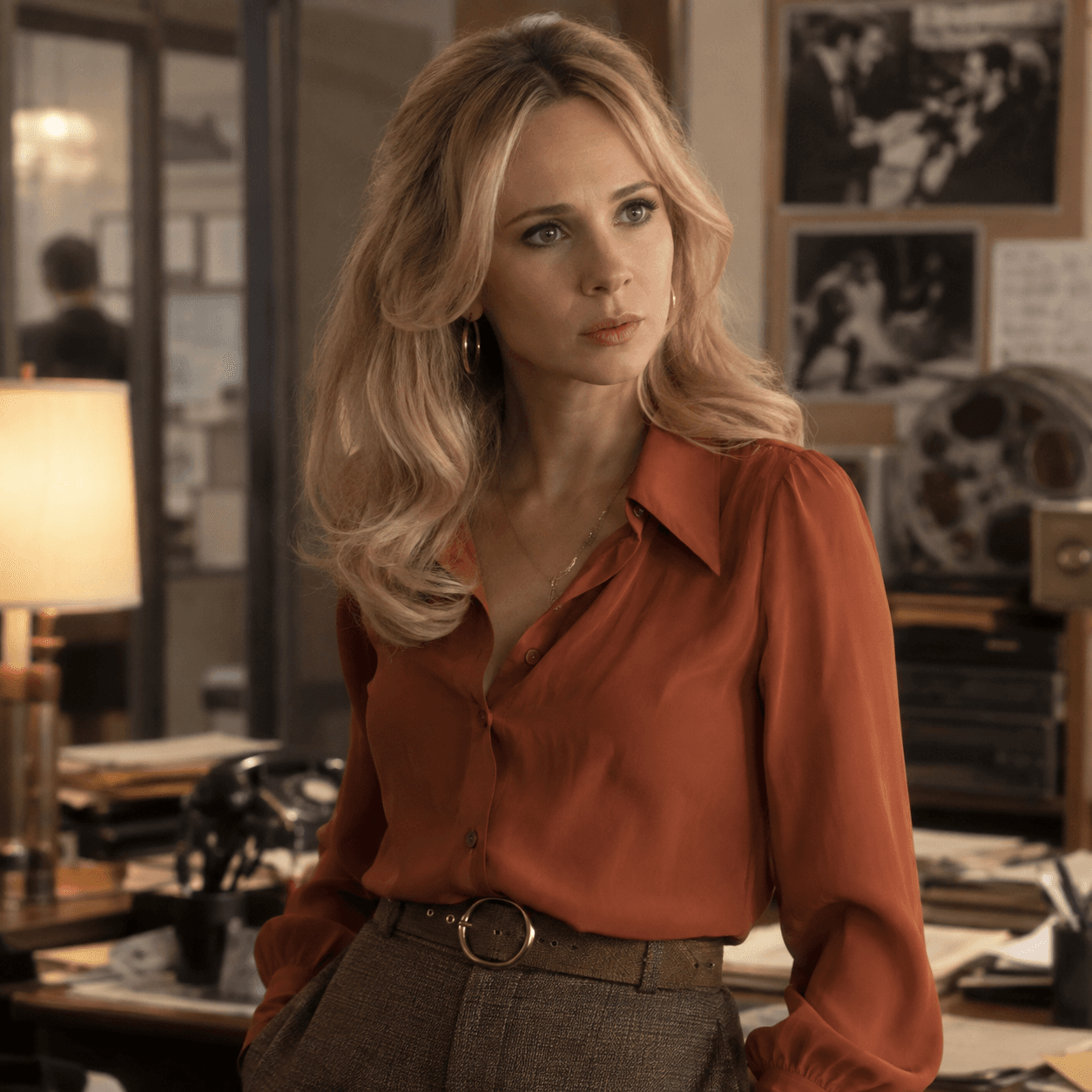
Teller carries the show. He has the harder job because Ruddy has to be charming, nervous, and strategic at the same time, often in the same scene. Matthew Goode is the standout. His Robert Evans is a walking rehearsal for a legend about himself, and Goode keeps the performance just the right side of caricature. Juno Temple gives Bettye a genuine inner life in a role that lesser shows would have written as a stopwatch and a clipboard.
Michael Tolkin
Creator
Matthew Goode
Lead Actor
Justin Chambers
Marlon Brando
Juno Temple
Supporting Actor
Burn Gorman
Charles Bluhdorn
Giovanni Ribisi
Joe Colombo
Dan Fogler
Supporting Actor
Patrick Gallo
Mario Puzo

Honest review of *The Offer* (2022) – our in‑depth look at this gripping Paramount+ miniseries, including a flawless 5/5 woke rating. Discover if this behind‑the‑scenes drama is worth watching.
Read MoreSurface level, this is a making-of story. A scrappy producer, a volatile director, a reluctant studio, a scene-stealing mob. All true. But what The Offer is actually interested in is the collision between three kinds of power in early 1970s New York.
You have old-Hollywood corporate power in the shape of the Gulf+Western conglomerate and its Paramount subsidiary, a machine that cares about quarterly returns and thinks mob pictures are poison. You have mob power, concentrated in Joe Colombo and his Italian-American Civil Rights League, which genuinely believes the word "Mafia" in a screenplay is a public slur against every Italian-American in the country. And you have the messier third force: the new Hollywood of Coppola, Puzo, and Ruddy himself, pitching a gangster film that wants to be literature.
Every plotline runs on the friction between those three. Ruddy's job, week after week, is to keep any two of them from killing the project while the third throws a new grenade.
The show also has things to say about the difference between producing and directing. Coppola is the artist. Ruddy is the one who keeps the artist's job possible. The Offer argues, quietly, that a film like The Godfather needs both, and that the producer's contribution tends to get written out of the legend.
The Offer leans into warm 1970s production design. Wood-panelled offices, cigarette haze, burnt orange interiors, wide lapels, brown suits. The camera work is clean and televisual rather than cinematic. This is not a show that imitates Gordon Willis and it wisely does not try. There are a few moments, mostly on recreated Godfather sets, where the series has to visually convince you that you are looking at the making of a masterpiece. Those moments are handled with care and a lot of period-accurate lens choices.
Tonally, the show moves between screwball Hollywood comedy and genuine mob menace. The balance wobbles in the middle episodes. When Colombo is on screen, everything tightens. When the series lingers too long in corporate meeting rooms, it drags. That is also a fair description of a lot of producer's lives, so I would not call it a fatal flaw.
Critics were mixed to lukewarm on The Offer when it premiered. The common complaint was that a ten-hour run is a lot of real estate for a story that a tighter six-part series might have told with more bite. That is a fair critique. The show does sag in places and at least one side plot could have been cut.
Audiences liked it more than critics did, partly because anyone who loves The Godfather is going to enjoy seeing this story dramatised at all, and partly because Matthew Goode's performance and a handful of tense set-pieces carry you through the flat patches. It scored a pair of Emmy nominations and a lot of pieces in trade press, but it never reached the cultural footprint of a prestige drama like Mad Men or Boardwalk Empire.
Where it belongs on the site is alongside the rest of the gangster and period-Hollywood shelf. If you watched The Sopranos for the domestic side of the mob, or Boardwalk Empire for the theatrical side, or Peaky Blinders for the stylised side, The Offer is a different beast. It is a mob-adjacent show about the people trying to put the mob on screen while the actual mob stands behind them in the room.
It does not sermonise. Nobody stops mid-scene to tell the viewer what to think about 1971. The characters argue, hustle, lie, and occasionally do something decent.
I came to The Offer half-suspecting it would be a vanity project for Paramount+, a corporate nostalgia exercise about its own best film. It is more honest than that. The series is willing to show the studio as cowardly, the mob as seductive and genuinely dangerous, and the creative team as flawed men making something great almost by accident.
It also resists the temptation that would have ruined a lesser show. It does not sermonise. The characters argue, hustle, lie, and occasionally do something decent. That is enough.
If you love the original film, this is essentially an eleventh-hour DVD extra stretched to series length, and it earns most of its runtime. If you come in cold, you still get a solid period Hollywood drama with a terrific Robert Evans impression at its centre.
Current Standing: {{show:the-offer:rank_full}} Woke Rating: {{show:the-offer:woke}}/5
Miles Teller
Lead Actor
Colin Hanks
Barry Lapidus