The Offer: Making a Film Nobody Could Agree On
Updated
Knowing that The Godfather got made does surprisingly little to reduce the pleasure of The Offer. The suspense isn't whether a film exists at the end. It is watching people who disagree about almost everything try to get the same production through the next day.
I thoroughly enjoy this sort of behind-the-scenes drama when it gives the practical problems as much personality as the famous names. The Offer does. A casting choice becomes a financial argument; a financial argument becomes a test of loyalty; somebody then has to telephone the person everyone else would rather avoid.
The ten-part series follows producer Albert S. Ruddy's account of the making of The Godfather. It is a dramatisation, not a documentary transcript, and its version of events is considerably more interested in a good scene than in weighing every competing recollection. As television about the struggle to make something ambitious, it is a very enjoyable watch.
Somebody has to keep the production moving
Miles Teller plays Ruddy as a man whose most useful qualification is refusing to regard an obstacle as the end of the conversation. He doesn't possess a magical understanding of every department. He needs to persuade people who know more than he does, while convincing the people holding the money that somebody is in control.
That gives the producer's job a dramatic shape. The finished work will be associated with a director, actors and famous scenes, but somebody has to make it possible for those scenes to happen. A room, an agreement or another day of support can become the most important thing in the world.
Teller's straightforwardness is useful among the more extravagant personalities. He can absorb a performance from somebody else without disappearing from the scene. Ruddy often looks like a man attempting to work out which part of a long speech contains the actual problem he has to solve.
Robert Evans would like a word
Matthew Goode is a particular pleasure as Robert Evans. The voice, clothes and assurance are immediately entertaining, but the performance works because the assurance has a purpose. Evans needs other people to believe in his judgement, and he gives them a very complete presentation of it.
Goode can turn a conversation into a small event without losing the business underneath. You enjoy the performance and still understand what approval or refusal would mean to the production. His charm is part of the negotiation, not a separate flourish added for the audience.
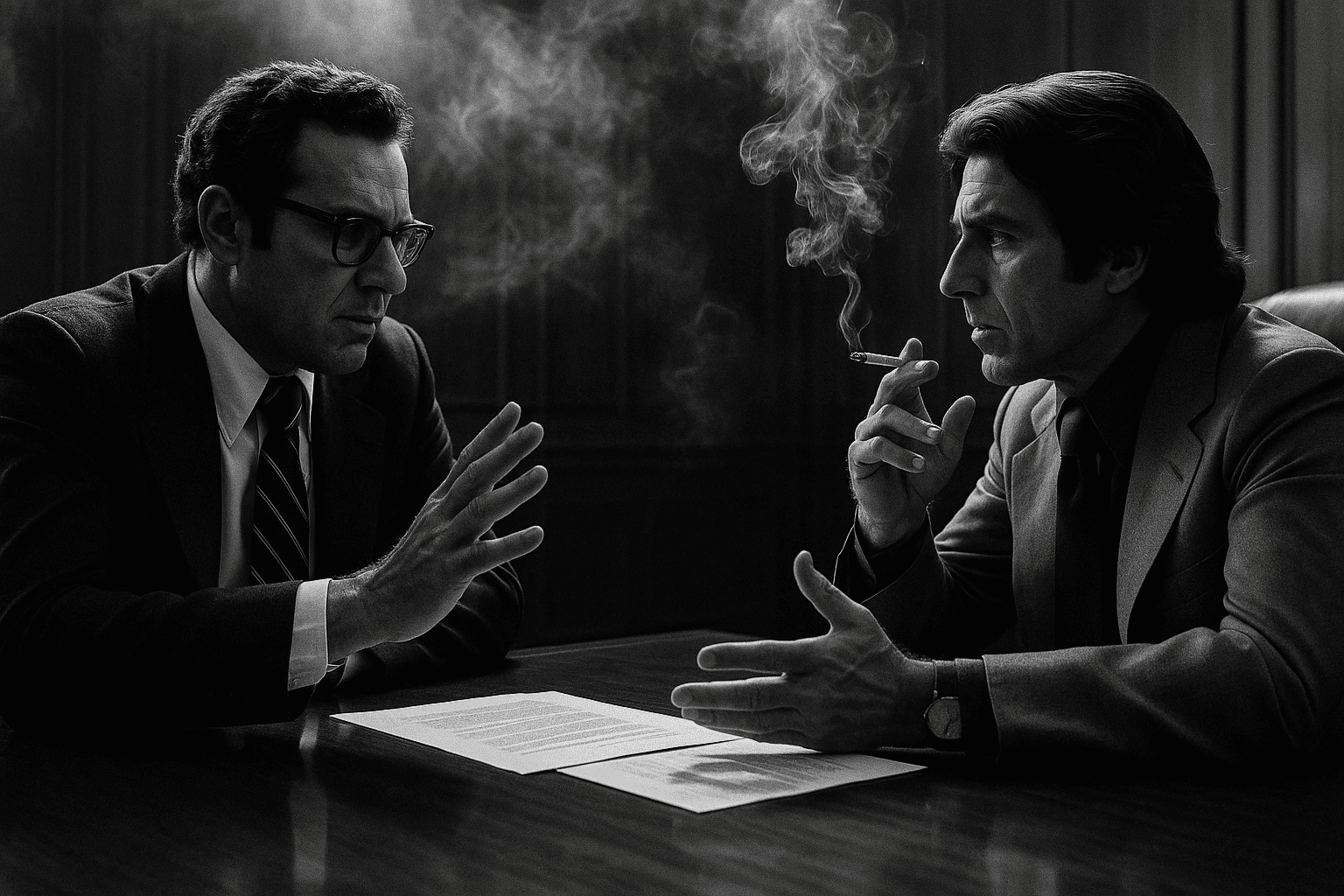
The series is at its best when different people bring incompatible kinds of confidence into the same office. Ruddy wants a practical answer. Evans wants to protect a vision of himself and the studio. An executive looking at a budget may consider both of them unnecessary complications. Somebody still has to make a decision before the conversation can end.
Bettye knows what the speech left out
Juno Temple, as Bettye McCartt, gives the production another essential intelligence. She pays attention to the practical and personal details that a bigger personality can leave scattered behind. Temple makes that work lively rather than dutiful.
I like the contrast between a grand claim about what cinema should be and the smaller task required to keep the office functioning. The Offer understands that an ambitious project depends on both. Having the right idea is not the same as getting the necessary person into the necessary room.
Temple also gives Bettye a clear presence without needing every exchange to stop and applaud her competence. Her contribution is legible in the work. That is more satisfying than a character whose value is repeatedly announced by somebody else.
The relationship with Ruddy helps the show move. It allows humour, irritation and shared purpose to exist together, which is much more convincing than presenting a difficult production as a permanent inspirational speech.
Coppola and Puzo have a film in mind
Dan Fogler's Francis Ford Coppola supplies a warmer, more openly expressive energy. Alongside Patrick Gallo's Mario Puzo, he gives the story a necessary reminder that the argument concerns an actual film, not merely the satisfaction of getting a troublesome project approved.
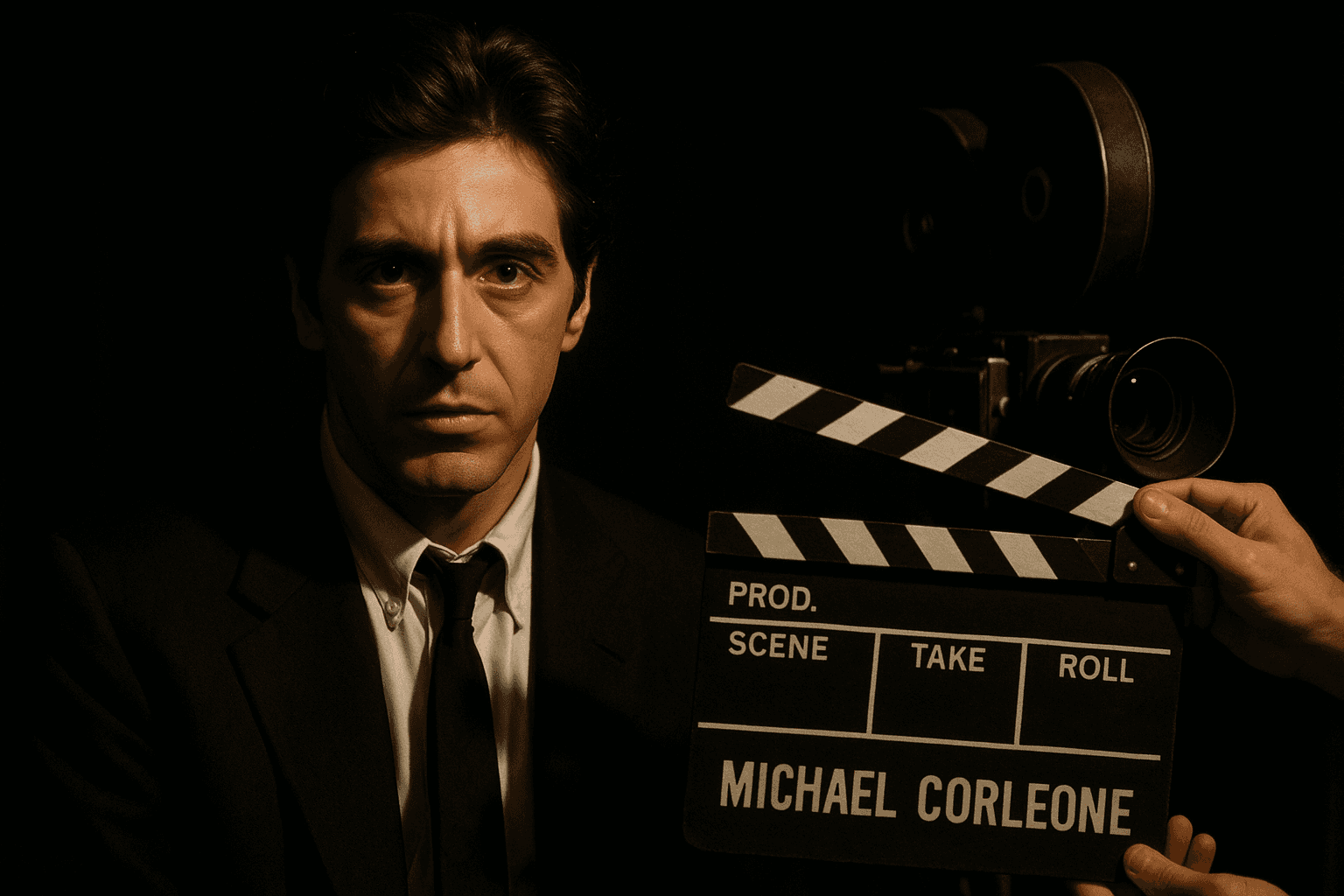
The material about casting is particularly enjoyable. Familiarity with the eventual performers makes it easy to forget that choices which now seem inevitable once had to be defended. The Offer gets entertaining mileage from the difference between recognising a finished achievement and recognising its possibility in advance.
It can lean enthusiastically into the mythology of inspired people battling unimaginative obstacles. I don't mistake that for a complete history of how good films happen. But the enthusiasm is infectious, especially when the series concentrates on a specific creative choice rather than asking us to admire the greatness of the enterprise in general.
A budget isn't the only source of pressure
The production's encounters with organised crime provide a different kind of obstacle from studio disagreement. A difficult executive still belongs to an institution with procedures. The people objecting to this film outside the studio are not necessarily interested in the same rules.
That strand can push the show towards gangster entertainment, which is part of its appeal, but the practical predicament remains clear. Ruddy needs the film to proceed. Being morally certain of his position would not, by itself, secure that outcome.
The Offer keeps returning to persuasion: whom you approach, what you let them believe they are gaining and which part of your own position you are prepared to give up. The methods vary considerably between a studio office and a meeting elsewhere.
The series takes dramatic liberties, so I wouldn't use it as the final authority on any particular private exchange. I would happily watch the arguments. The conflicting interests give them energy even when their presentation is larger than life.
The pleasure of an unfinished object
A film in production is a useful dramatic subject because everybody is reacting to something that does not fully exist yet. They are defending an imagined result, and those imagined results are not necessarily the same. That gap gives an ordinary conversation about cost or casting a much larger significance.
The period setting contributes to the pleasure. Offices, clothes and the physical business of filmmaking offer a world that feels removed from today's constant presentation of entertainment as an endlessly replaceable product. The show enjoys those textures, and I enjoy spending time in them.
It can be generous to its central account and broad in some of its opposition. A little scepticism is sensible. That doesn't prevent the work itself from being absorbing. The recurring question is wonderfully practical: after all the passionate arguments, can these people actually make the thing they keep discussing? Watching them attempt it is the reason to stay.
A very easy recommendation for film lovers
The Offer is particularly rewarding if you already care about The Godfather. Familiar names and casting debates carry more weight when you know the finished film. I would watch the film first: a making-of drama is naturally a better companion afterwards than an introduction beforehand.
The series has enough personality to be entertaining beyond that familiarity. Teller gives it forward movement, Temple supplies wit and intelligence, and Goode makes even a routine meeting feel worth attending. It is not The Godfather's equal, nor does it need to be. A thoroughly enjoyable drama about making it is plenty.
Mad Men is a useful next choice for another workplace where persuasion, personal identity and creative work keep colliding. Hollywood takes a more openly alternative-history approach to the studio world. For the criminal-family drama itself, The Sopranos remains indispensable.
UK viewing: Current UK listings include Paramount+ and ITVX, with an advertising-supported ITVX option, checked 13 September 2026.
Keep Reading
More Reviews You Might Like
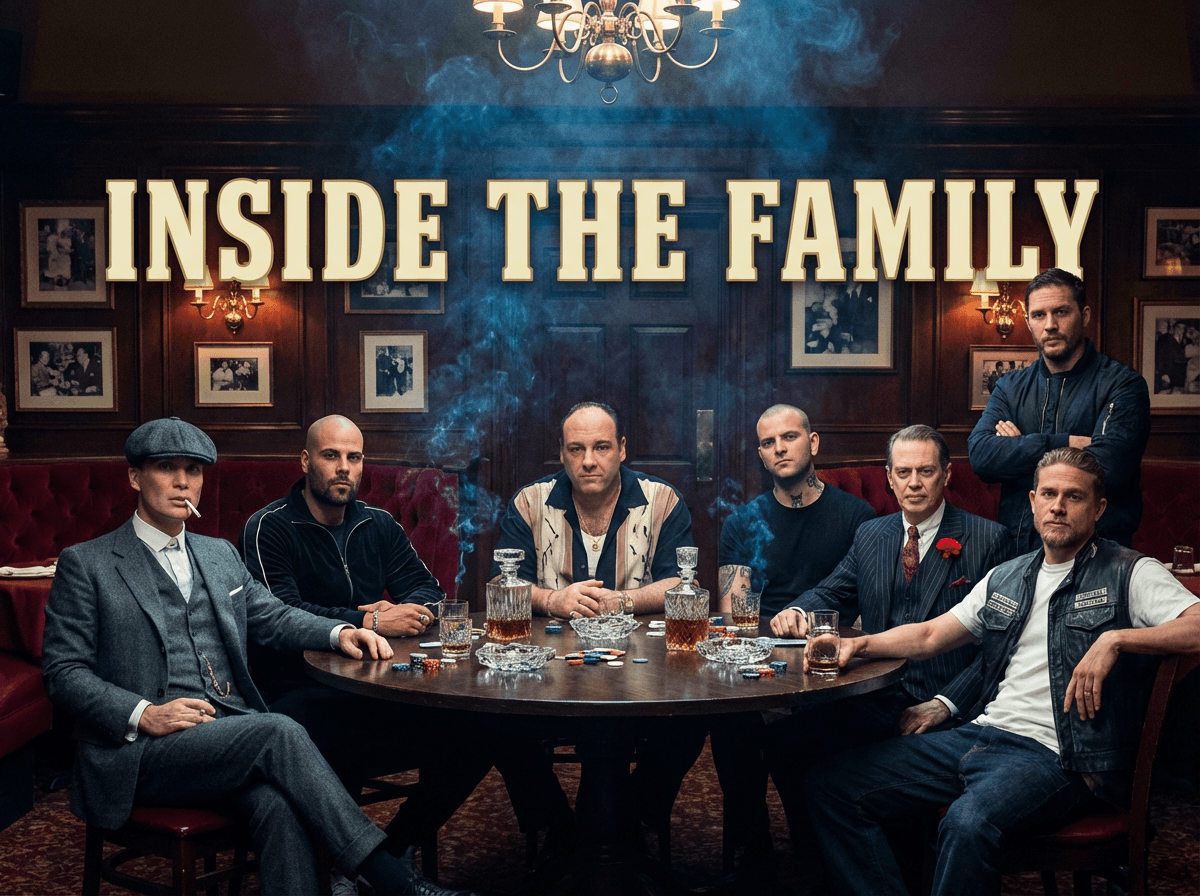
Top 10 Gangster Shows Told From Inside the Family
Ten gangster dramas I recommend for their characters, family loyalties and criminal worlds, from The Sopranos and Gomorrah to Kin and MobLand.
Read review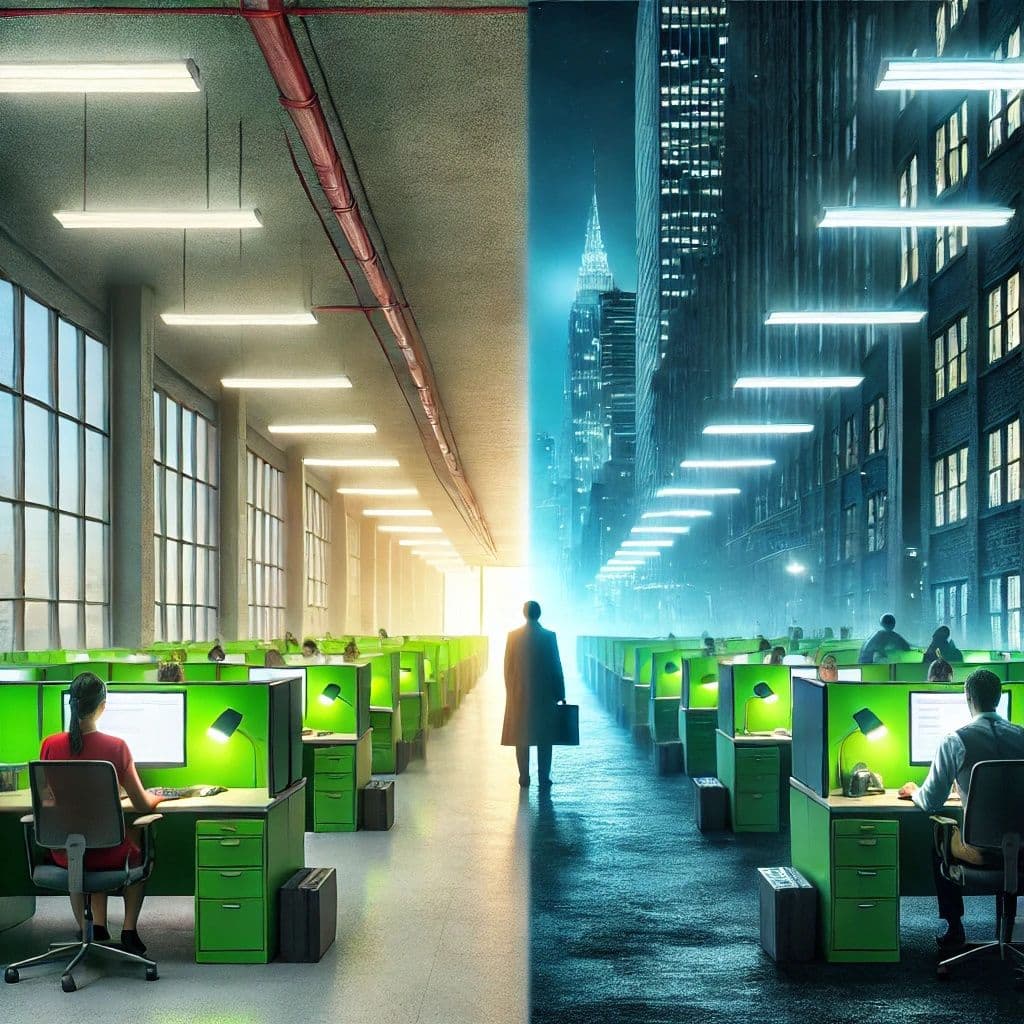
Severance review: the horror of never leaving work
My spoiler-free Severance review after finishing season two: why its divided lives, performances and unsettling office made me rate it more highly.
Read review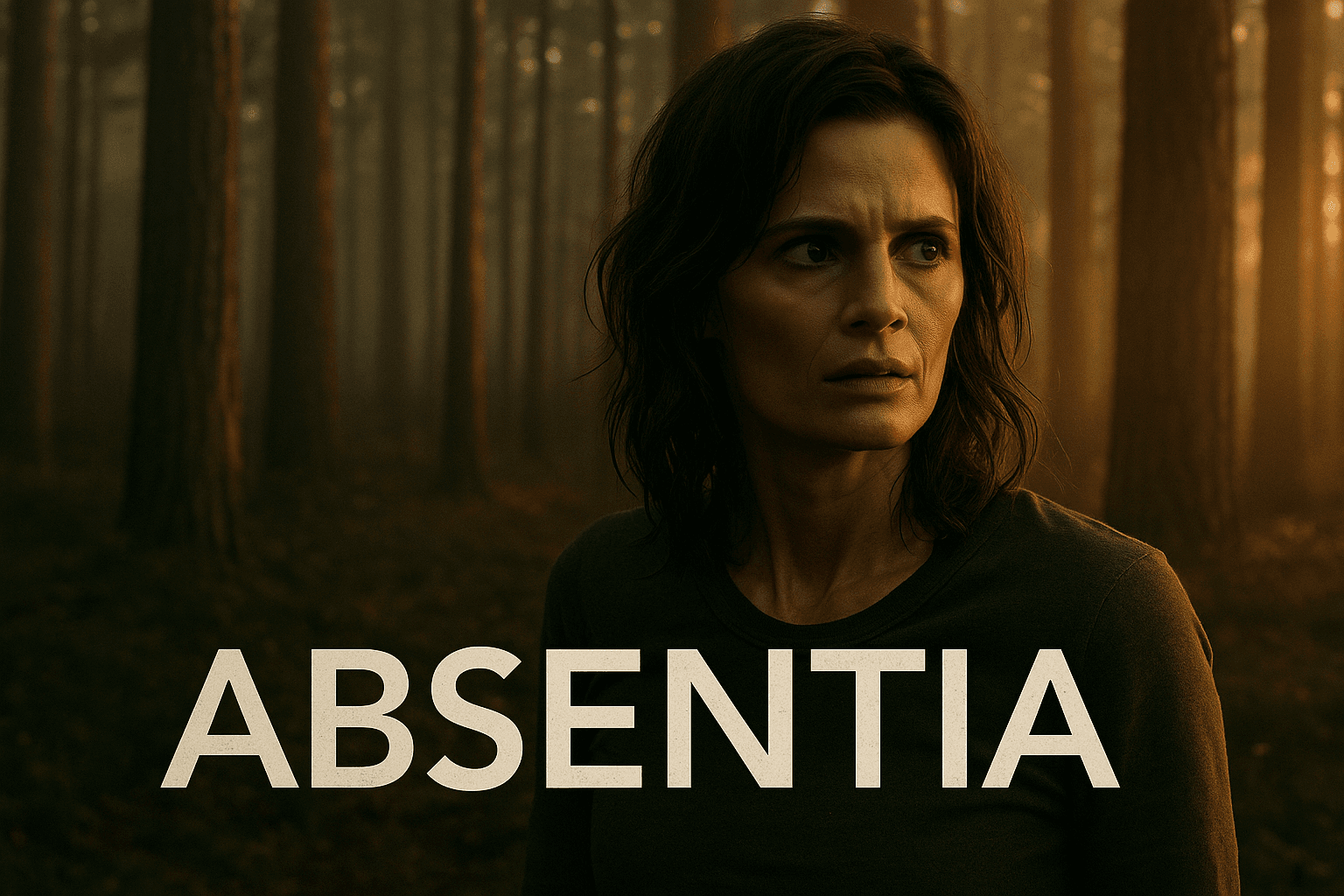
Absentia review: a solid thriller carried by Stana Katic
A spoiler-free Absentia review after all three seasons: Stana Katic carries a solid thriller with a convincing central performance and modest ambitions.
Read review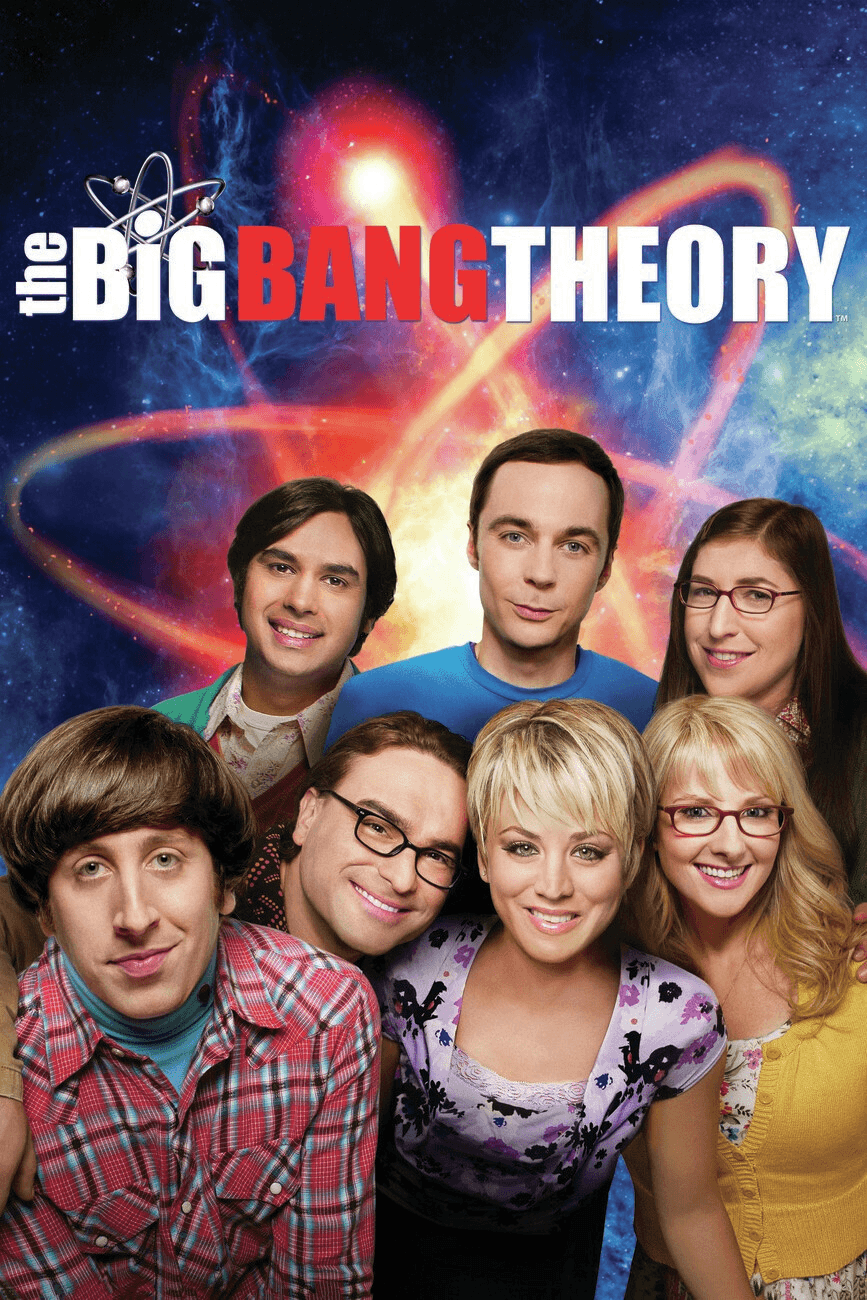
The Big Bang Theory review: brilliant company, terrible flatmates
A highly recommended sitcom, with Jim Parsons, Kaley Cuoco and an excellent ensemble finding comedy in friendship, science and the smallest disagreements.
Read review