2017 - 2019
Counterpart aired on Starz from December 2017 to February 2019. Two seasons. Twenty episodes. Created by Justin Marks, produced with Anonymous Content, shot largely on location in Berlin and on stages in Babelsberg and Los Angeles. The premise is spy drama with a sci-fi hinge that the show treats as bureaucratic fact.
Howard Silk is a low-level functionary at The Office of Interchange, a UN-adjacent agency in a nondescript Berlin office block. He has worked there for thirty years and has no idea what it does. Then he meets himself. In 1987 a Cold War-era lab experiment in East Berlin went wrong and split the world in two. The Crossing is a sealed corridor in the basement of the building where Howard pushes paper, and it connects our world to a near-identical Earth that has been diverging from ours, day by day, for three decades. The agencies on each side, both called The Office of Interchange, spy on each other, trade information, track defectors, and occasionally kill each other's people.
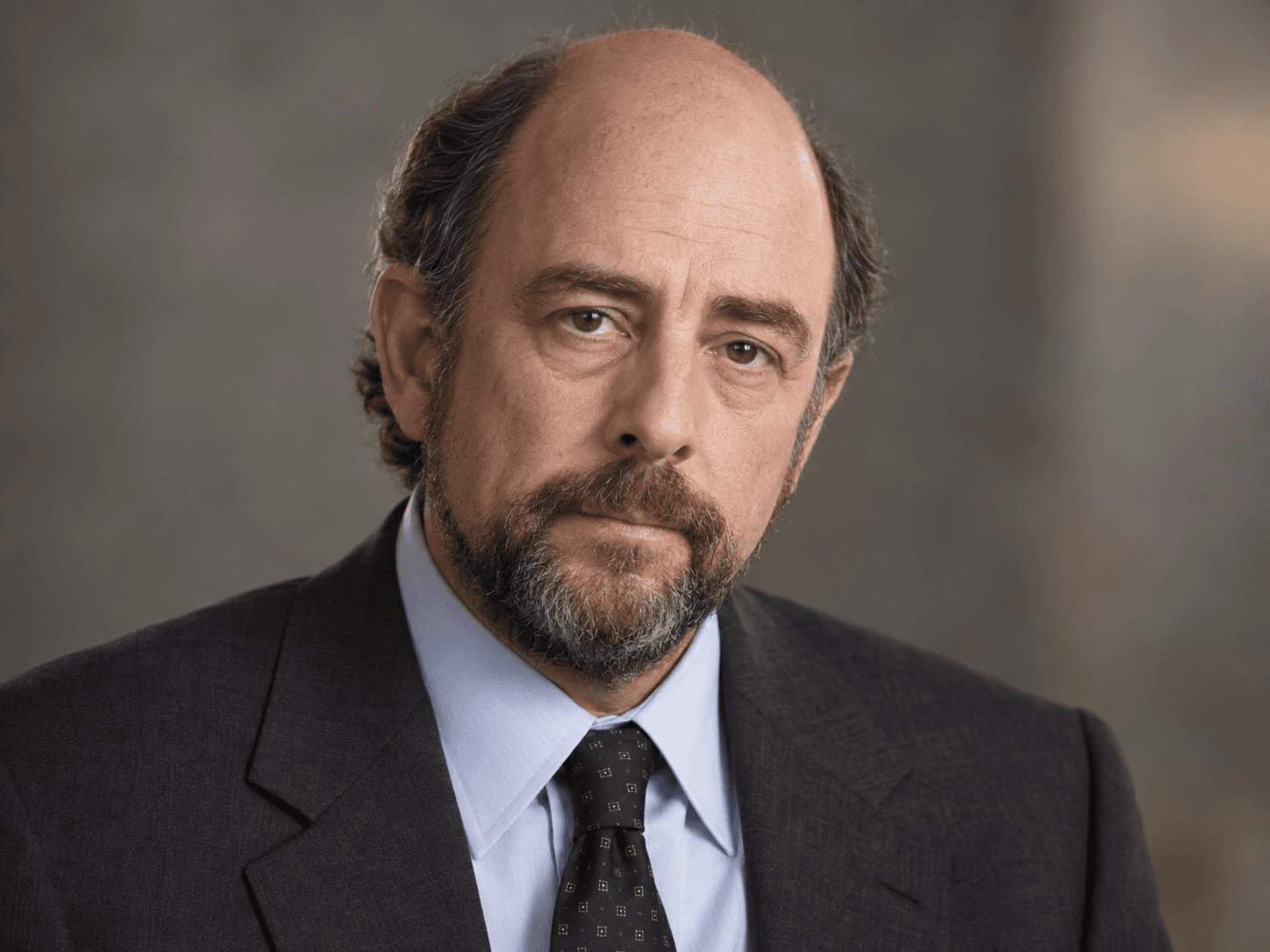
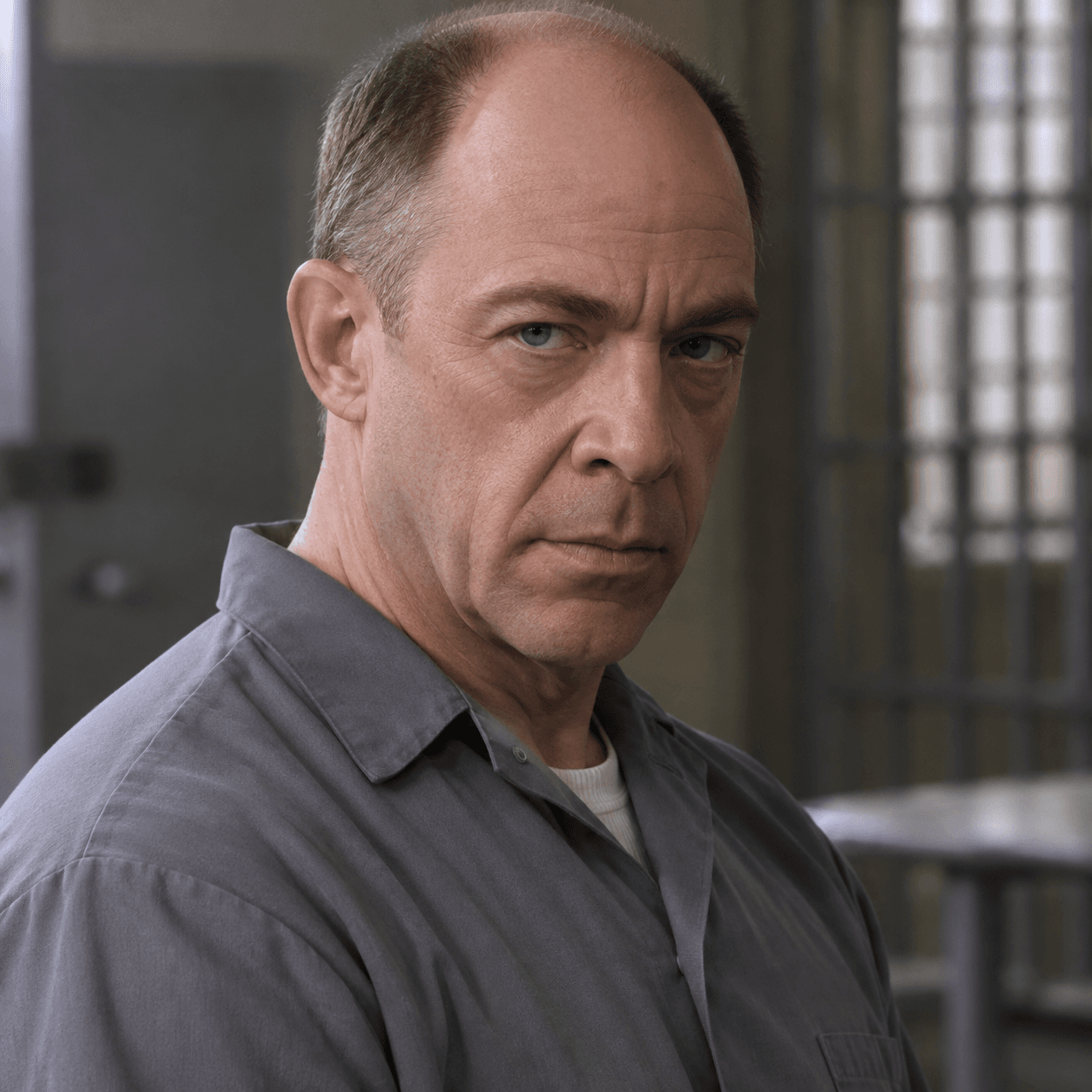
J.K. Simmons plays both Howards. One is the man you meet in the first five minutes. The other is the man he becomes aware of in the first episode. That is the whole engine. Everything else grows out of it.
Simmons does the thing that a lesser show would have bungled: he plays two people and you always know which one you are watching without the camera telling you. Posture, breath, micro-expressions, the way he sits in a chair. One Howard is decent, tired, a bit beaten-down by a long marriage and a small job. The other is cold, efficient, a man who has killed people and lived with it. No wigs. No prosthetics. Just acting.
Olivia Williams plays Emily Burton Silk, Howard's wife, and does her own double work across the two worlds. She is the quiet engine of the show, a performance that gets better the longer you sit with it. Harry Lloyd plays Peter Quayle, Howard's nominal supervisor, a man in a bad suit wearing a bigger secret than his face can hold. Sara Serraiocco is Baldwin, an assassin from the other side whose storyline is the show's most surprising and its most humane.
Around them the supporting cast does the kind of work that reminds you how good European television character actors are when given a real script.
Ulrich Thomsen
Aldrich
Stephen Rea
Alexander Pope
Richard Schiff
Roland Fancher
Lotte Verbeek
Naya Temple
Harry Lloyd
Peter Quayle
Nazanin Boniadi
Clare Quayle
Nicholas Pinnock
Ian Shaw
J.K. Simmons
Howard Silk / Howard Silk Prime
It is, without overstating it, one of the best-cast espionage shows of the streaming era.
The science fiction is the least interesting thing about it. That is a compliment. Marks uses the parallel-world conceit as a controlled experiment about identity. Every person is walking around with a second version of themselves on the other side, shaped by a life they did not live. A small choice a decade ago makes one Howard a killer and the other a clerk. A shared trauma separates two Emilys. A single night changes two children.
This is nature versus nurture worked out with a literal control group of one. What happens to a person when the variables change? What parts of you were always going to be you, and what parts were the weather?
It is also, quietly, a Cold War show. The geography is not accidental. Berlin, with its history of a wall down the middle, is the show's thesis made into a city. Two sides that looked the same on day one and grew apart. Agents dressing differently. Dialects drifting. Our world calls the other side the Other Side and considers them the threat. The Other Side calls our world Prime and does the same. Nobody on screen thinks they are the villains.
How dare they be so much like us, and how dare we be so much like them. That is the show in one line, roughly paraphrased from a dozen scenes.
Grief sits underneath all of it. The long marriage, the old loss, the versions of a life a character could have had. I came to this expecting a clever puzzle. What I got was a character study that happens to be wired into a thriller.
Visually it is colder than most American prestige drama and closer in tone to the British and German spy shows it clearly admires. The office blocks are grey. The corridors are long. The light through the Crossing-side checkpoints is institutional fluorescent. Composer Jeff Russo gives it one of the most memorable TV scores of the last decade, a creeping orchestral hum that does a lot of the ambient dread work.
Pacing is deliberate. Dialogue is quiet. The camera holds on faces for longer than you expect. If you came for flash, you will bounce. If you like a spy show that trusts you, you will find the rhythm by episode three.
The production values are absurd for a show almost nobody watched. Berlin on location. Practical sets. Background detail that rewards the pause button. The two sides are visually distinct in ways you start noticing subconsciously before the show ever points them out. Wardrobe, colour palette, signage, even the way extras walk. Someone on the design team was paying proper attention.
Critics loved it. Audiences did not find it, at least not on Starz, which cancelled it after the second season despite scripts already outlined for a third. It has since become one of the go-to examples when people argue about unfairly cancelled prestige dramas, alongside a short list of other sci-fi casualties of the peak TV era.
Simmons picked up the Critics Choice Award for Best Actor in a Drama for the dual role and was nominated at the Satellites and elsewhere. The show drew comparisons to The Americans for its slow-burn spycraft and to The Man in the High Castle for its alternate-reality scaffolding, though Counterpart is more intimate than either.
It has aged into cult status in the way genuinely good shows tend to. If you ask around, people who watched it treat it as a personal recommendation, not a pop-culture shorthand.
Because the premise is a Trojan horse. A lesser writer would have made the parallel-world angle the show and drowned in lore. Marks does the opposite. He uses the sci-fi to get the characters into impossible emotional territory and then lets Simmons and Williams sit in it for forty minutes at a time. The spy plot is the vehicle. The real story is two people meeting a life they didn't have and deciding what to do about it.
If you liked the bureaucratic dread of Severance or the identity puzzles of Westworld, this should be next. Fans of Slow Horses and The Americans will find a spy show that respects their attention. And if Black Mirror ever left you wanting an entire series to explore one idea properly, Counterpart is that series.
Twenty episodes across two seasons. No filler. A complete, confident piece of television cancelled too soon.
Olivia Williams
Emily Burton Silk / Emily Burton
Christiane Paul
Director Fancher
Sara Serraiocco
Nadia Fierro / Baldwin
James Cromwell
Yanek