2015 - 2022

Better Call Saul ran on AMC from 2015 to 2022 across six seasons and 63 episodes, and it is the rare prequel that almost no one thought was necessary and everyone ended up admitting was essential. Vince Gilligan and Peter Gould built it as a companion piece to Breaking Bad, set mostly in Albuquerque in the early 2000s, roughly six years before Walter White ever cooked his first batch. The hook was a spinoff about the smarmy strip-mall lawyer Saul Goodman. What arrived was something else entirely.
The show traces the slow erosion of a man. Jimmy McGill is a decent-enough public defender scraping a living out of a backroom office in a nail salon. His older brother Chuck is a legal legend at Hamlin, Hamlin and McGill, the prestige firm known around town as HHM. Jimmy wants in. Chuck, for reasons the show takes its sweet time untangling, does not want him in. Around this family feud the writers assemble a second story about Mike Ehrmantraut, a retired Philadelphia cop working a parking booth, who drifts into the orbit of a cartel operation run by a fast-food manager called Gus Fring.
That is the engine. One lawyer losing his soul on legal cases. One ex-cop losing his soul on cartel jobs. Over six seasons the two lanes converge, slowly and without forcing it, toward the world Breaking Bad fans already know.
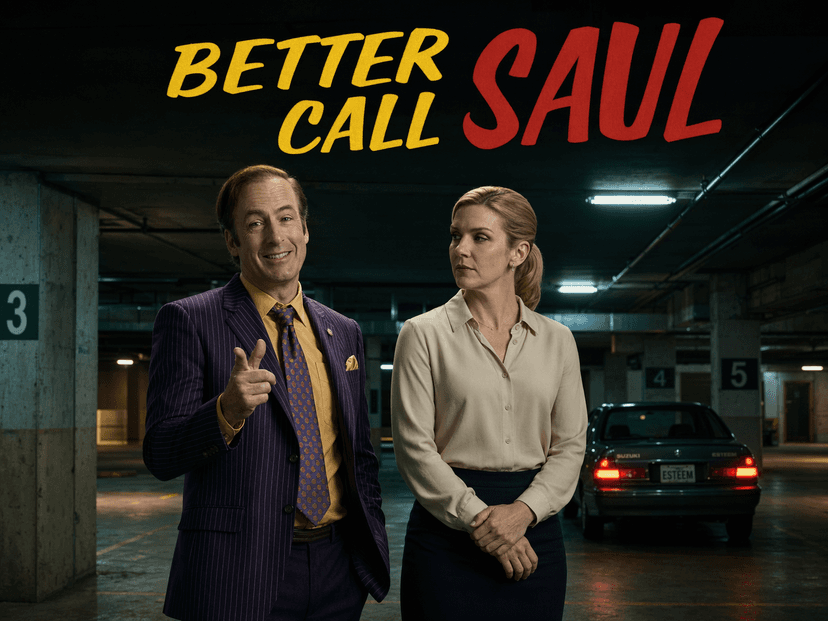
Bob Odenkirk is the reason any of this works. Before this role he was a sketch comedy writer and a supporting actor with good timing. Better Call Saul asked him to carry a prestige drama for six years as three different versions of the same man, and he did it. The work he does here is the most underrated lead performance of the last decade, and I will stand on that.
Rhea Seehorn as Kim Wexler is the show's secret weapon. The role did not exist in Breaking Bad. She was written in and she rewrote the gravity of the entire project. Seehorn plays Kim as a tightly wound lawyer with a buried love of chaos, and the chemistry she and Odenkirk build over six seasons is the best two-hander on TV in the 2010s. Full stop.
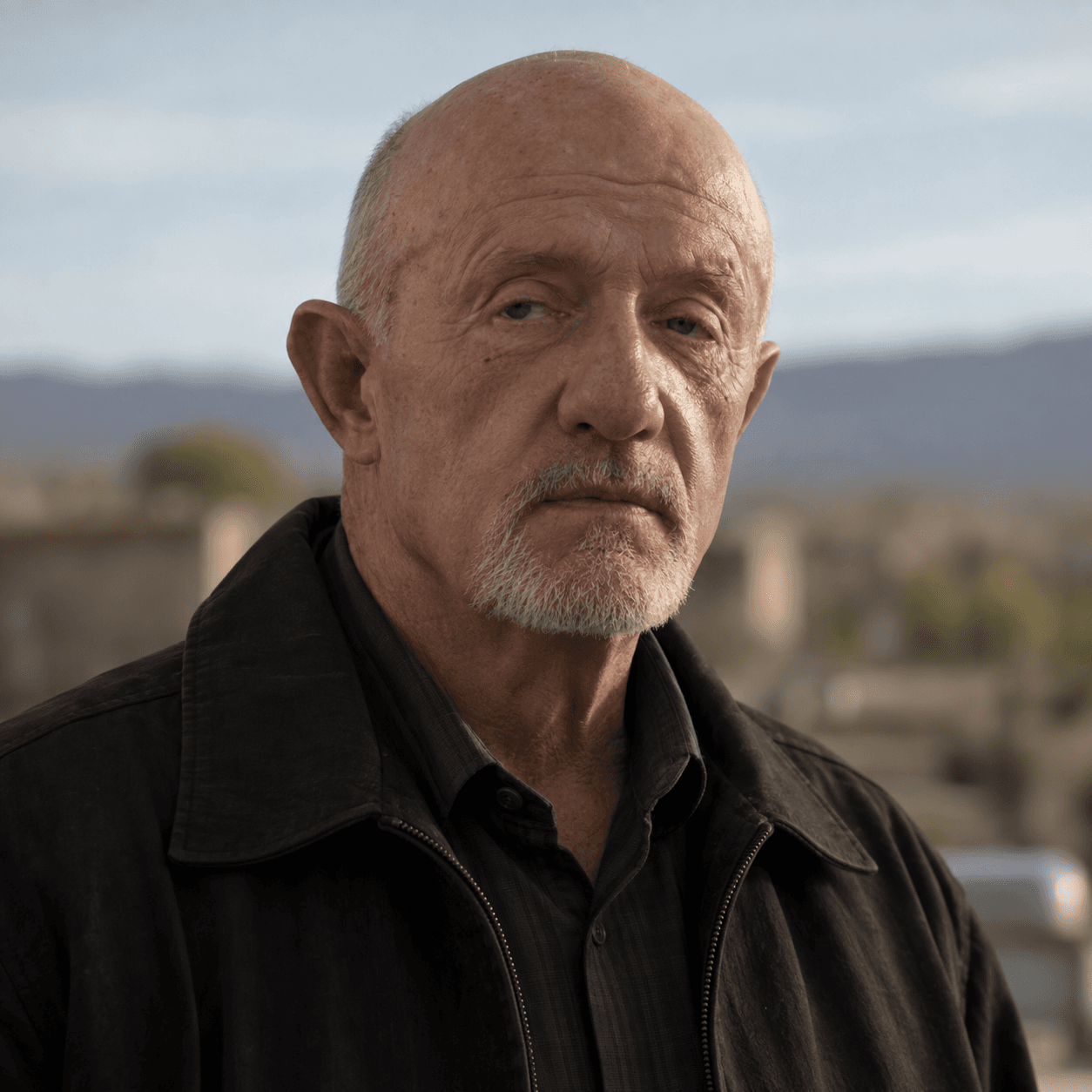
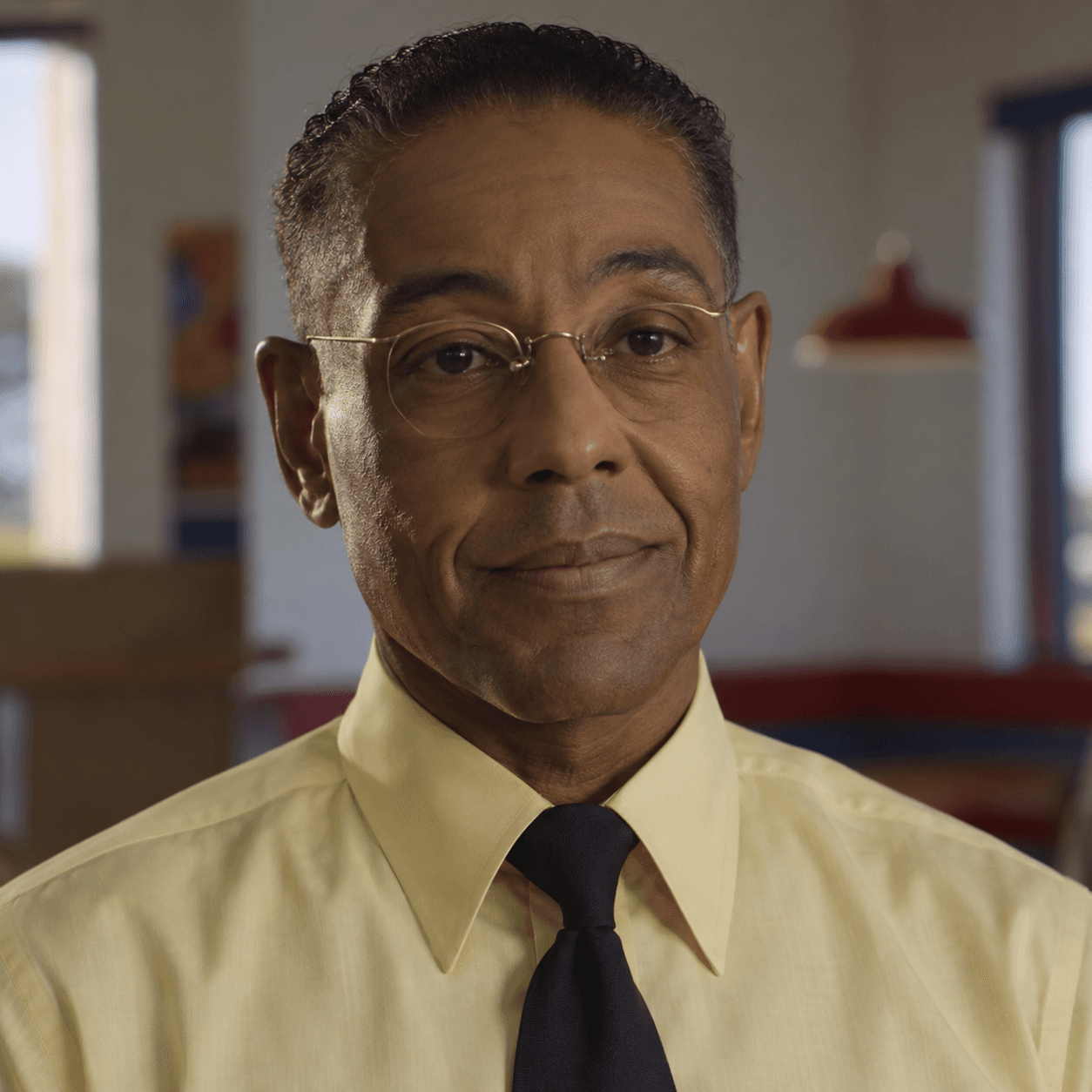
Jonathan Banks returns as Mike, more central here than he ever was in Breaking Bad, and the character finally gets the interior life the earlier show only sketched. Giancarlo Esposito's Gus Fring is as cold and calibrated as ever, but here you get to watch the mask assemble piece by piece. Michael Mando as Nacho Varga, the reluctant cartel middle-man, does some of the quietest, saddest work in the whole run. Patrick Fabian plays Howard Hamlin, the HHM golden boy, with far more complexity than the early episodes suggest. Tony Dalton as Lalo Salamanca walks on in season 4 and steals every frame he is in. Michael McKean as Chuck McGill, in the first three seasons, gives a performance of such controlled bitterness and wounded pride that parts of it are hard to watch twice. Mark Margolis returns as the silent, bell-ringing Hector Salamanca.
Tony Dalton
Lalo Salamanca
Vince Gilligan
Co-creator
Peter Gould
Co-creator, showrunner
Jonathan Banks
Mike Ehrmantraut
Rhea Seehorn
Kim Wexler
Patrick Fabian
Howard Hamlin
Mark Margolis
Hector Salamanca
Michael McKean
Chuck McGill
On the surface this is a legal drama that turns into a cartel drama. Underneath it is a show about self-deception. Jimmy spends six seasons telling himself he is one kind of man while doing the work of another kind of man. Kim tells herself she is keeping him grounded. Chuck tells himself he is protecting the profession. Mike tells himself he is providing for his family. Gus tells himself he is avenging a dead partner. Every single central character is running the same con on themselves, and the tragedy of the show is that the writers let them.
The title card is the whole thesis. "S'all good, man." It was a throwaway catchphrase in Breaking Bad. The prequel turns it into a coping mechanism. Three syllables of denial a man mutters to get through the day.
Visually this is one of the best-shot shows in the history of American TV. The Albuquerque colour palette, the wide-angle lens work, the cold opens that hold on a detail for forty seconds before a word of dialogue, the cartel sequences staged like Leone Westerns. Breaking Bad looked great. Better Call Saul is arguably more beautiful, frame for frame, and the cinematography team won awards for a reason.
A few tonal hallmarks worth naming:
The Los Pollos Hermanos scenes alone would be worth the price of admission if you are a Breaking Bad fan returning for the fan service. The show is smart enough to deliver that service and then keep going.
Critics took a while to catch up. Season 1 landed well but was framed as a respectable spinoff. By season 3 the critical consensus had shifted. By the end of season 6 a serious contingent of reviewers was willing to put it above its parent show, a claim that would have sounded absurd in 2015. The show picked up 53 Emmy nominations and famously won zero until its final episode was already in the can. One of the great snubs in the history of the award.
It sits now among the prestige dramas the critical community argues about with real feeling: The Sopranos, The Wire, Mad Men, and Breaking Bad itself. Shows like Fargo and Ozark work the same crime-drama veins, and fans of the genre who missed this one should fix that. If courtroom craft is what you are here for, The Lincoln Lawyer is a lighter cousin in the same legal-hustle lineage.
What Better Call Saul did better than anyone expected was patience. This is a show that devotes an entire episode to a man assembling a paper trail. An episode to a desert walk. Twenty minutes of silent cartel reconnaissance. In an era where streaming notes demanded incident every eight minutes, Gilligan and Gould kept making a slow show and trusted that the audience would stay. The audience stayed.
The genius of the show is that by the end, every transformation has been earned twice. Once by the writing and once by Odenkirk's face.
I went in skeptical. I came out convinced it belongs on the shortlist of the greatest dramas American TV has ever produced. It is a character study with the pacing of a thriller, the camera of a film, and the discipline of a show that knew exactly what it wanted to be from episode one. Six seasons of prestige work. Nothing wasted.
Giancarlo Esposito
Gus Fring
Bob Odenkirk
Jimmy McGill / Saul Goodman / Gene Takavic
Michael Mando
Nacho Varga