Hell on Wheels: Blood, Rails and Redemption on the American Frontier
Updated
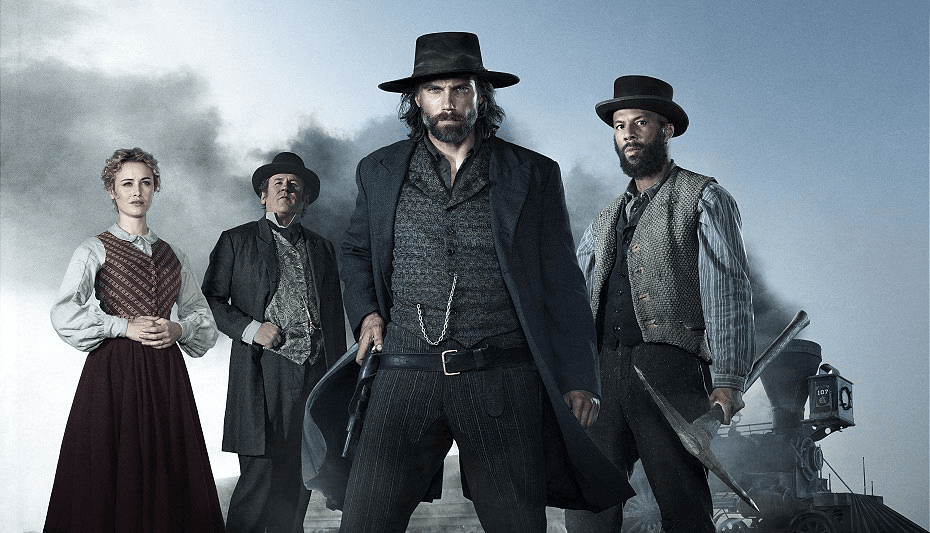
The railway is supposed to be taking America somewhere better. Judging by the people running it in Hell on Wheels, you might want to check the destination.
I like a Western that gives its characters something to do besides wait for the next gunfight. Here there are rails to lay, wages to argue over and a whole settlement that has to pack up and follow the work. The train cannot move until somebody has done the hard part. Watching the men with the money take credit for that is almost as entertaining as watching the men without it lose patience.
Anson Mount leads the series as Cullen Bohannon, a former Confederate soldier looking for the men responsible for his family's deaths. His search brings him to the Union Pacific railroad and the rough encampment moving west with its construction. It is a familiar way into a Western, but Bohannon is a strong lead and the camp gives him plenty of people worth watching.
Hell on Wheels is a substantial recommendation from me. It has five seasons to get comfortable in, an excellent central cast and a setting that earns the time spent there. It also has some uneven stretches. The attraction is living with these people and their competing ambitions, rather than expecting every hour to be as tight as the best one.
A town that cannot stay put
The camp is the show's best idea. A saloon, a church, a business and a home can all exist a short walk from the railhead, without any of them feeling particularly permanent. People are trying to make lives in a place whose purpose is to move on. That gives even ordinary conversations about money or work a useful edge.
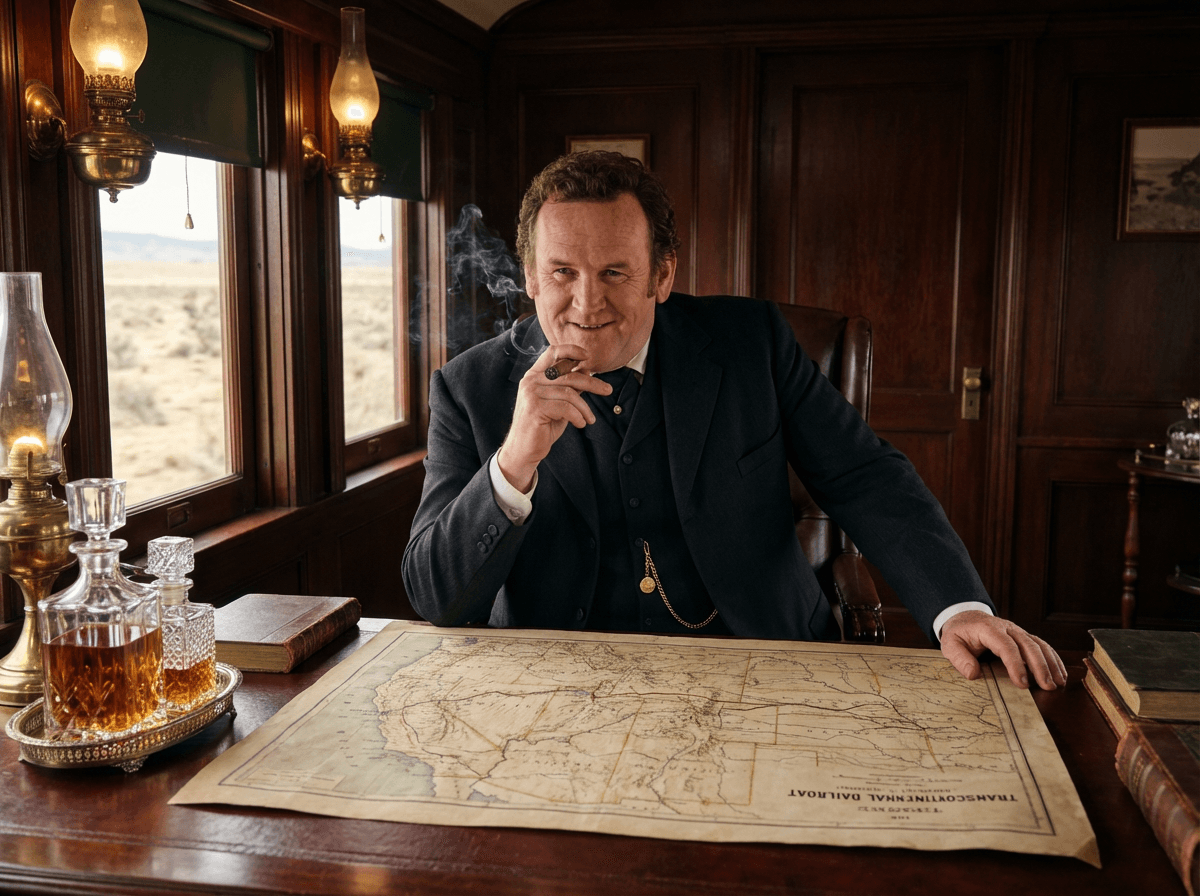
Colm Meaney's Thomas Durant is especially well suited to this arrangement. He can talk about the future of the nation with complete conviction while taking a very close interest in what that future will pay him. The grander the speech, the more I enjoy looking for the calculation behind it.
Meaney makes Durant entertaining without making him harmless. There is vanity there, and appetite, and an ability to sell an idea that you can almost admire while distrusting the man delivering it. He is someone I want the show to spend time with, even when I would want to be paid in advance before doing a day's work for him.
The camp also stops the series becoming exclusively Bohannon's private revenge story. Other people have their own reasons to be here. Some want independence, some want a wage, and some see an opportunity to make considerably more than a wage. They do not all need to care about his past for their lives to collide with it.
Anson Mount knows when to keep quiet
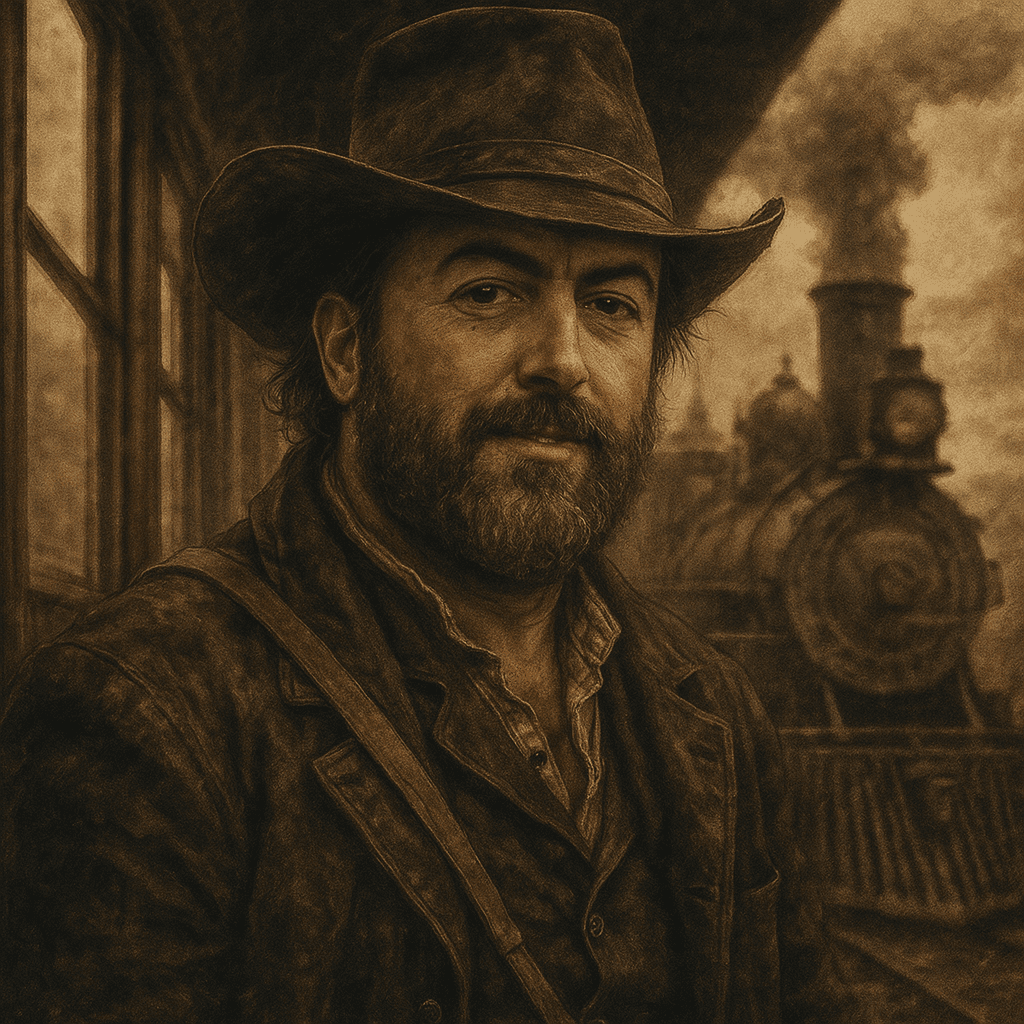
Bohannon could easily have been a collection of Western accessories: hat, beard, gun and a painful history. Mount gives him a more convincing physical presence than that. He looks like a man accustomed to work, discomfort and being left alone.
His stillness is a large part of the performance. When someone is talking at him, you can see him deciding how much of the conversation deserves an answer. That makes his occasional humour land well. It also means the show does not need a speech every time it wants us to understand that something has cost him.
I like that he can be capable without being pleasant. His determination is useful when there is a job to finish and less useful when another person needs him to bend. Mount does not constantly soften those edges to keep him likeable. There is room to follow Bohannon and still think he is making life harder than it needs to be.
This is a very good match between actor and role. The series asks us to stay with this man through long stretches of travel, work and trouble, and Mount makes that an easy commitment.
The people worth stopping for
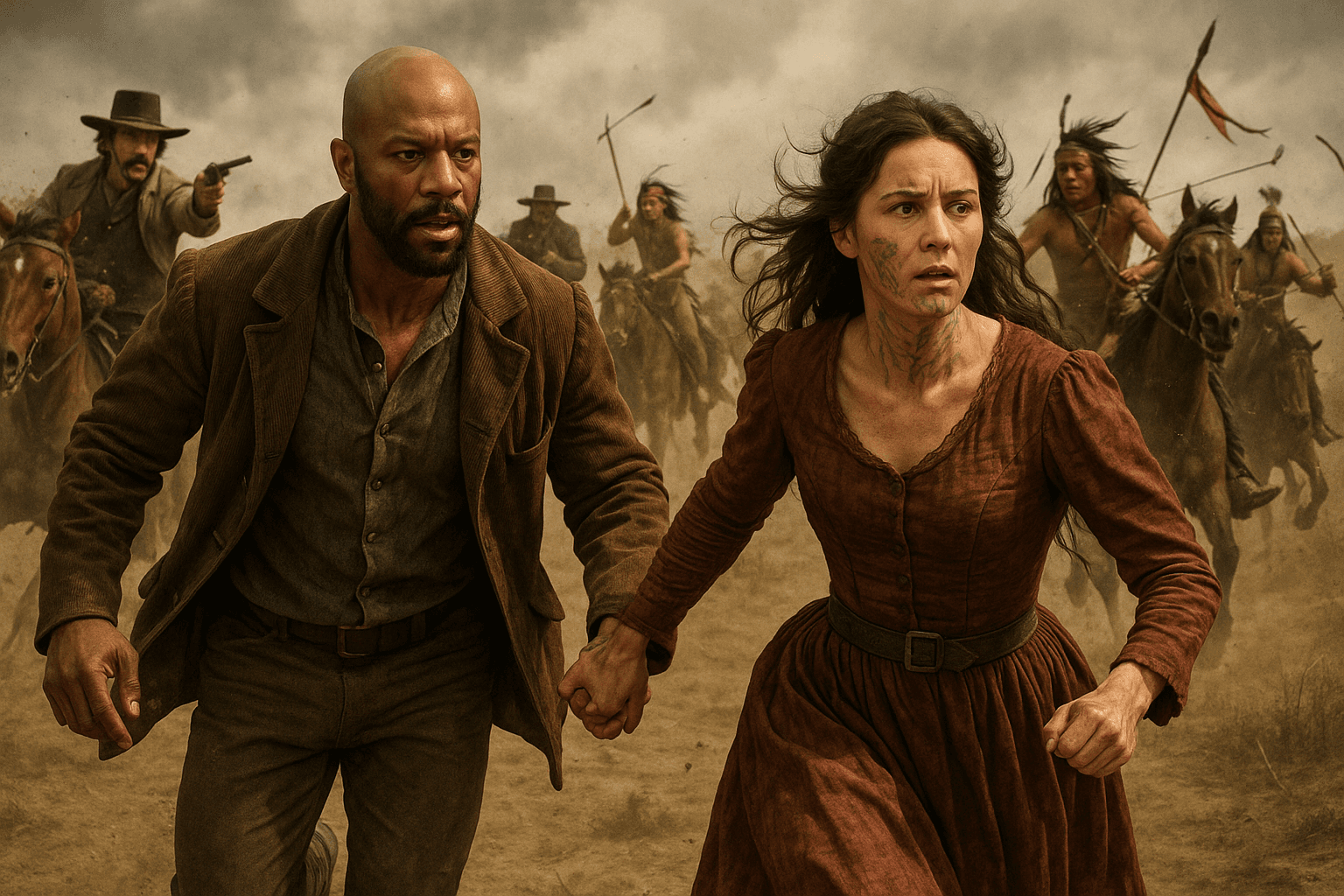
Common gives Elam Ferguson a stubborn dignity that suits the show. Elam is a newly freed man trying to get a foothold in a world that has changed on paper much faster than it has changed in practice. His need to be treated seriously is immediate and personal. Common is particularly effective when Elam has to weigh the satisfaction of answering an insult against the cost of doing it.
The friction between Elam and Bohannon is more interesting than instant friendship would have been. They can recognise ability in each other without arriving with the same assumptions or wanting the same things. I enjoy the moments when respect has to be negotiated rather than announced.
Dominique McElligott's Lily Bell brings another kind of resolve. She has to find a workable place for herself in the camp, and McElligott gives her enough composure to stand opposite the louder personalities without competing at their volume. The practical questions around her matter as much as the dramatic ones.
Then there is Christopher Heyerdahl as the Swede. He can make a conversation uncomfortable before anything overtly threatening happens. A pause lasts slightly too long; an apparently courteous remark does not feel courteous at all. In a camp full of openly difficult people, his particular unpleasantness still stands out.
You can feel the work
The landscape is a real pleasure here, but I like the railway at close quarters just as much. Timber, canvas, tools and mud make the camp feel like a place assembled for use. It is easier to believe in the arguments over money when the work looks this exhausting.
The wide views give the railway a scale that the characters cannot always see from their corner of it. Down in the camp, a dispute can seem to be the whole world. Pull back and there is an enormous amount of country still in the way. That contrast gives the project weight without needing Durant to explain its importance again.
I also appreciate the slower passages when they let the place breathe. Not every quiet stretch is a pacing problem. Sometimes spending a little longer with a face, a journey or the camp going about its business is what makes the next confrontation matter. The distinction is whether I am learning something about these people or merely waiting for the story to resume.
Where the journey gets rougher
The show does not always get that balance right. Some conflicts circle familiar ground, and there are turns where I can feel the need to keep the drama moving more strongly than I can believe the decision that moves it. A powerful performance can carry an awkward development a fair distance. It cannot make every coincidence disappear.
The appetite for trouble can become excessive too. The setting already supplies danger, hard work and plenty of reasons for people to resent each other. Adding another personal complication is not always an improvement. I am most engaged when the pressures of the camp produce the conflict naturally.
Nor would I use the series as a substitute for a history of the railroad. It is a drama built around invented lives alongside historical figures, with all the compression and licence that involves. What convinces me is the physical world and the competing interests within it.
Mount and Meaney in particular give it a strong enough identity to survive a less convincing stretch.
Worth the ride
If you enjoy Westerns, Hell on Wheels deserves a place on your list. Bohannon is a lead I am happy to follow, Durant is reliably enjoyable company at a safe distance, and the railway camp gives the series more to work with than its opening revenge premise suggests.
Allow it some time. This is a show with people and a place to get to know, and I would rather have that than a Western which hurries from one showdown to another without making me care who is standing there.
For another frontier settlement full of difficult personalities, Deadwood is the obvious next stop. 1883 puts the journey itself under greater pressure, while Yellowstone brings the struggle over land and family into a modern setting.
Where to watch in the UK: Tubi offers Hell on Wheels free with adverts. JustWatch's UK listing also tracks purchase options. Availability checked 10 September 2026.
Keep Reading
More Reviews You Might Like
Top 10 Gangster Shows Told From Inside the Family
Ten gangster dramas I recommend for their characters, family loyalties and criminal worlds, from The Sopranos and Gomorrah to Kin and MobLand.
Read review
Severance review: the horror of never leaving work
My spoiler-free Severance review after finishing season two: why its divided lives, performances and unsettling office made me rate it more highly.
Read review
Absentia review: a solid thriller carried by Stana Katic
A spoiler-free Absentia review after all three seasons: Stana Katic carries a solid thriller with a convincing central performance and modest ambitions.
Read review
The Big Bang Theory review: brilliant company, terrible flatmates
A highly recommended sitcom, with Jim Parsons, Kaley Cuoco and an excellent ensemble finding comedy in friendship, science and the smallest disagreements.
Read review