2022 - 2024

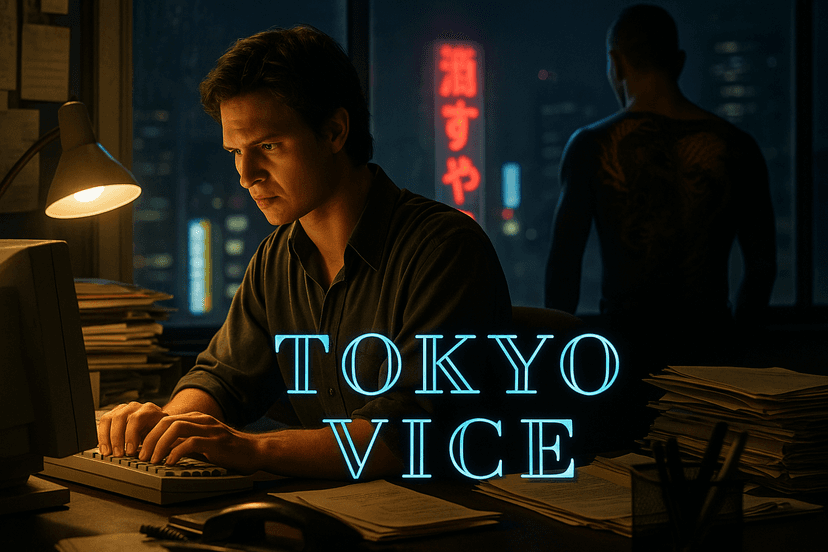
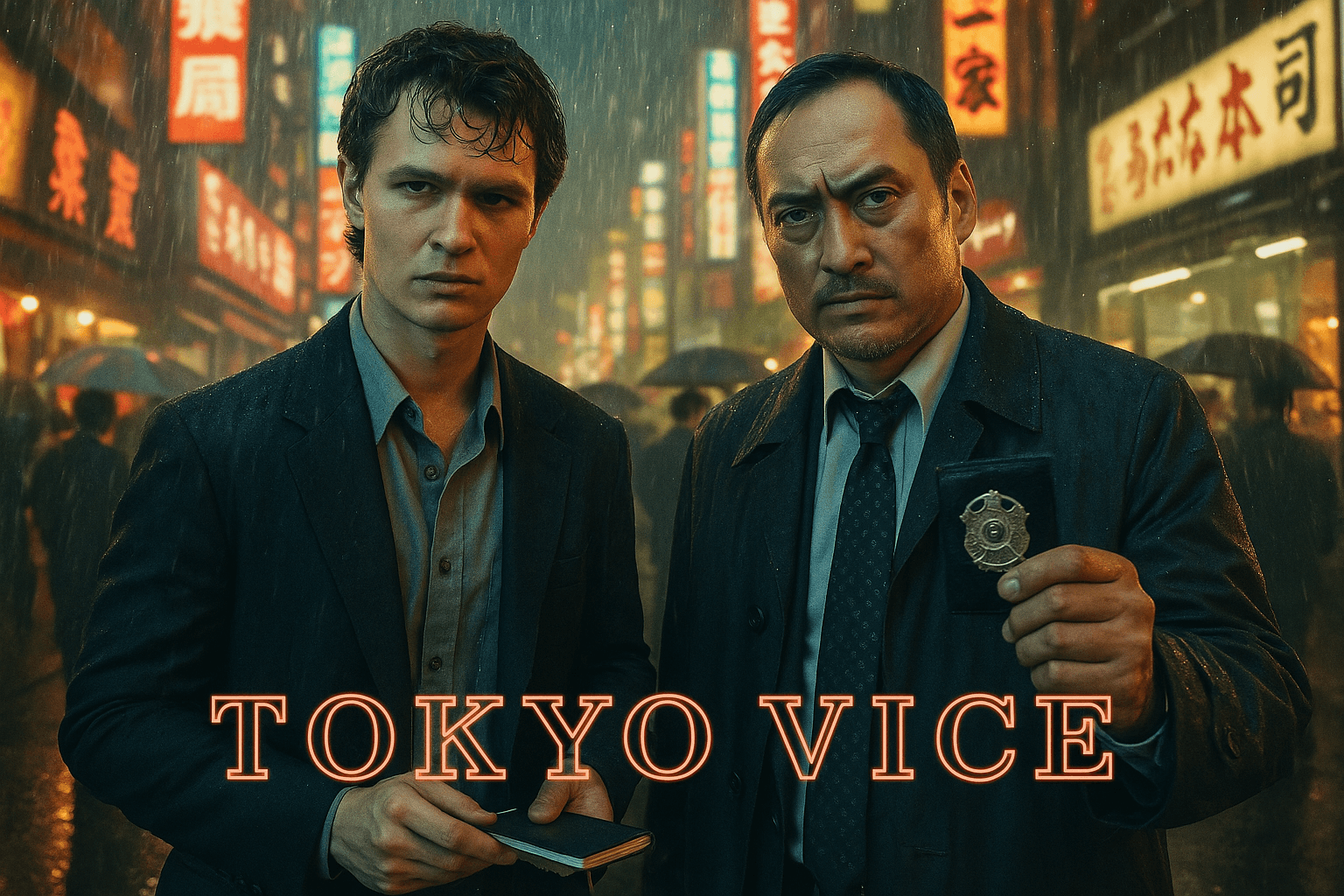
Tokyo Vice ran on HBO Max (now Max) for two seasons and 18 episodes between 2022 and 2024. It was created by playwright J.T. Rogers and adapted from Jake Adelstein's 2009 memoir of the same name, a book about the American journalist's years covering the Tokyo police beat for Yomiuri Shimbun in the late 1990s. The pilot was directed by Michael Mann, and you can feel his fingerprints all over the rest of the show even after he handed the reins off. Neon. Rain-slick streets. Men in good suits making quiet decisions that will ruin lives.
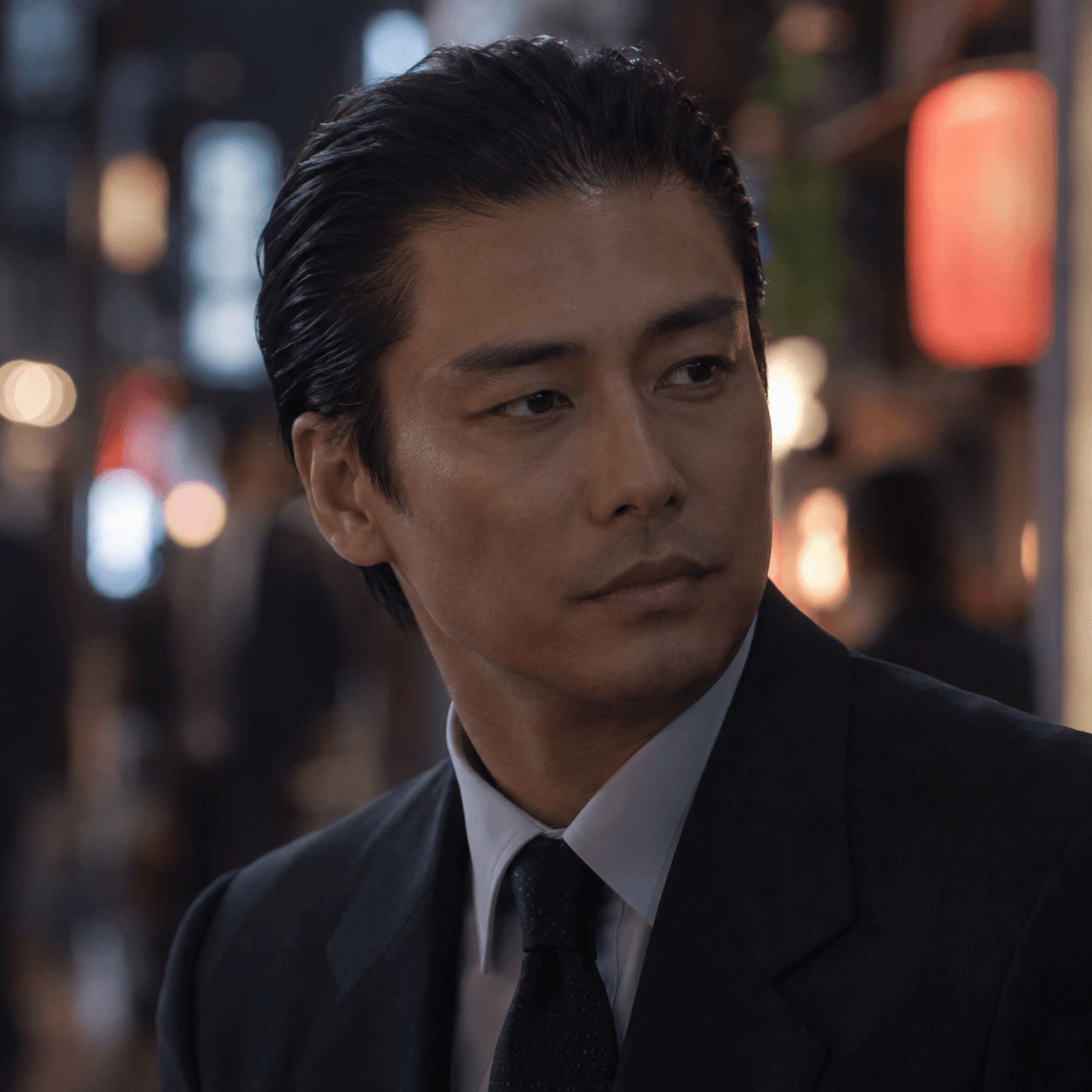
The setup is almost absurdly straightforward. A young American reporter, fresh out of the Yomiuri entry exam, gets assigned to the crime desk and finds himself drawn into the gravitational pull of the yakuza. Specifically the Tozawa faction and its rivals. He partners with a veteran detective from the Organized Crime Control Bureau. He becomes friends with a hostess in Kabukichō. He meets a young yakuza foot soldier whose trajectory runs parallel to his own. And from there the show spirals outward into investigative journalism, organised crime politics, and the specific texture of Shinjuku at three in the morning.
Two seasons was enough to build something remarkable. It was not enough to finish it.
This is an ensemble piece, and the casting is the first thing that sells it. Ansel Elgort plays Jake Adelstein, and whatever you think of Elgort personally, he commits. His Japanese is credible, his body language as an outsider trying to read a room is specific, and the show is confident enough to let him be annoying sometimes, which is probably what a 25-year-old American reporter in Tokyo actually was.
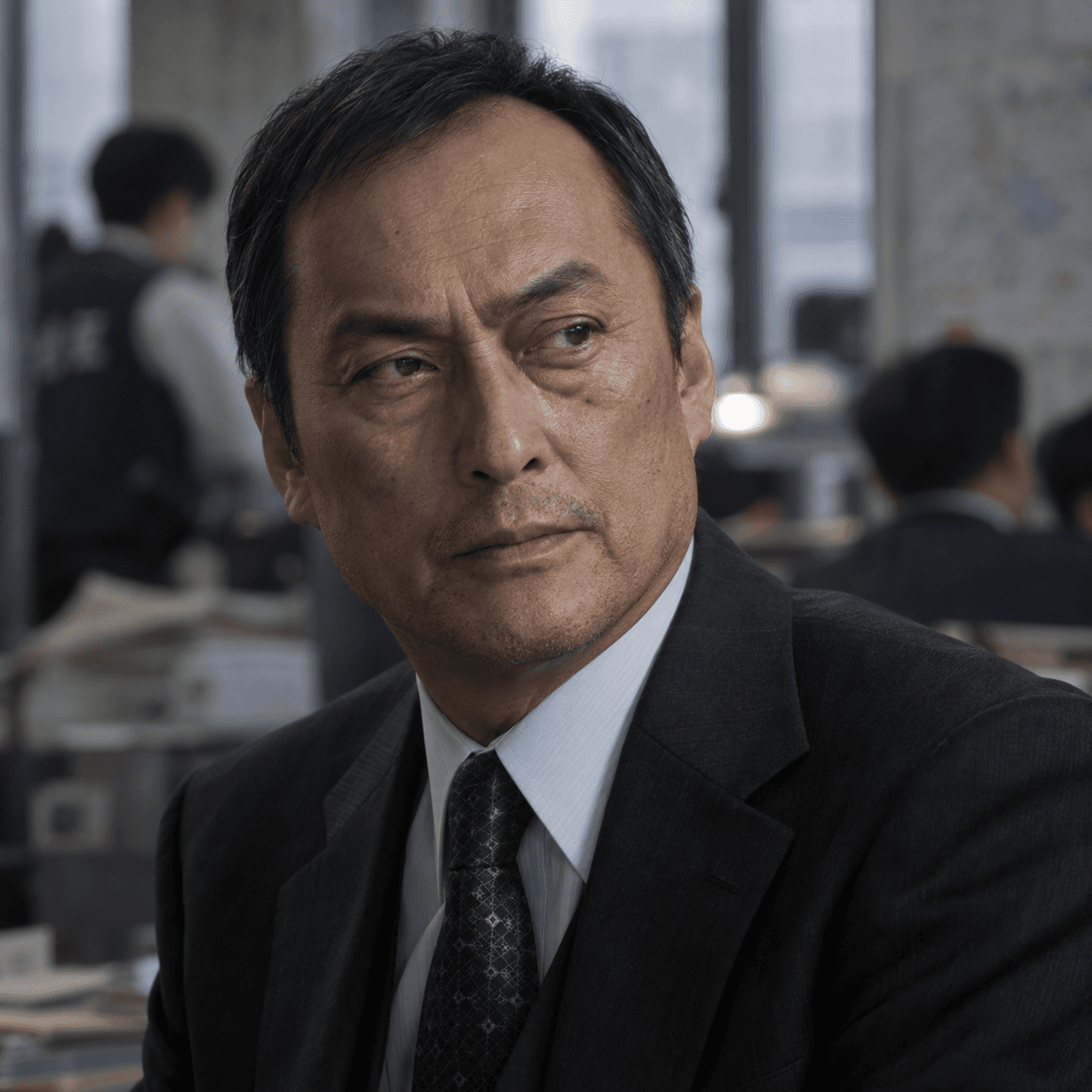
Ken Watanabe as Detective Hiroto Katagiri is the emotional centre of the show. A weary, principled veteran of the Organized Crime Control Bureau, the kind of man who has seen every trick the yakuza pull and has decided which ones he can live with. Watanabe underplays everything. He does more with a long exhale than most actors do with a monologue.
Around them, the ensemble fills out the world:
J. T. Rogers
Creator/Showrunner
Shō Kasamatsu
Sato
Ella Rumpf
Polina
Ken Watanabe
Supporting Actor
Kōsuke Toyohara
Shinzo Tozawa
Rinko Kikuchi
Emi Maruyama
Hideaki Itō
Supporting
Michael Mann
Executive Producer/Director

Honest review of Tokyo Vice – comprehensive analysis including our 5/5 Woke Rating. Discover if this HBO Max crime drama set in 1990s Tokyo is worth your time.
Read MoreThe show runs in a mix of Japanese and English, and the language is load-bearing. Who speaks what to whom, and when, is how a lot of the power dynamics get communicated.
On the surface Tokyo Vice is a yakuza show. It is also a journalism show, which is a harder needle to thread. Rogers (whose previous credit is the Tony-winning play Oslo) clearly cares about the procedural reality of reporting: the door-knocks that go nowhere, the sources that go cold, the way a young reporter gets tested by his sempai before anyone will trust him with real work.
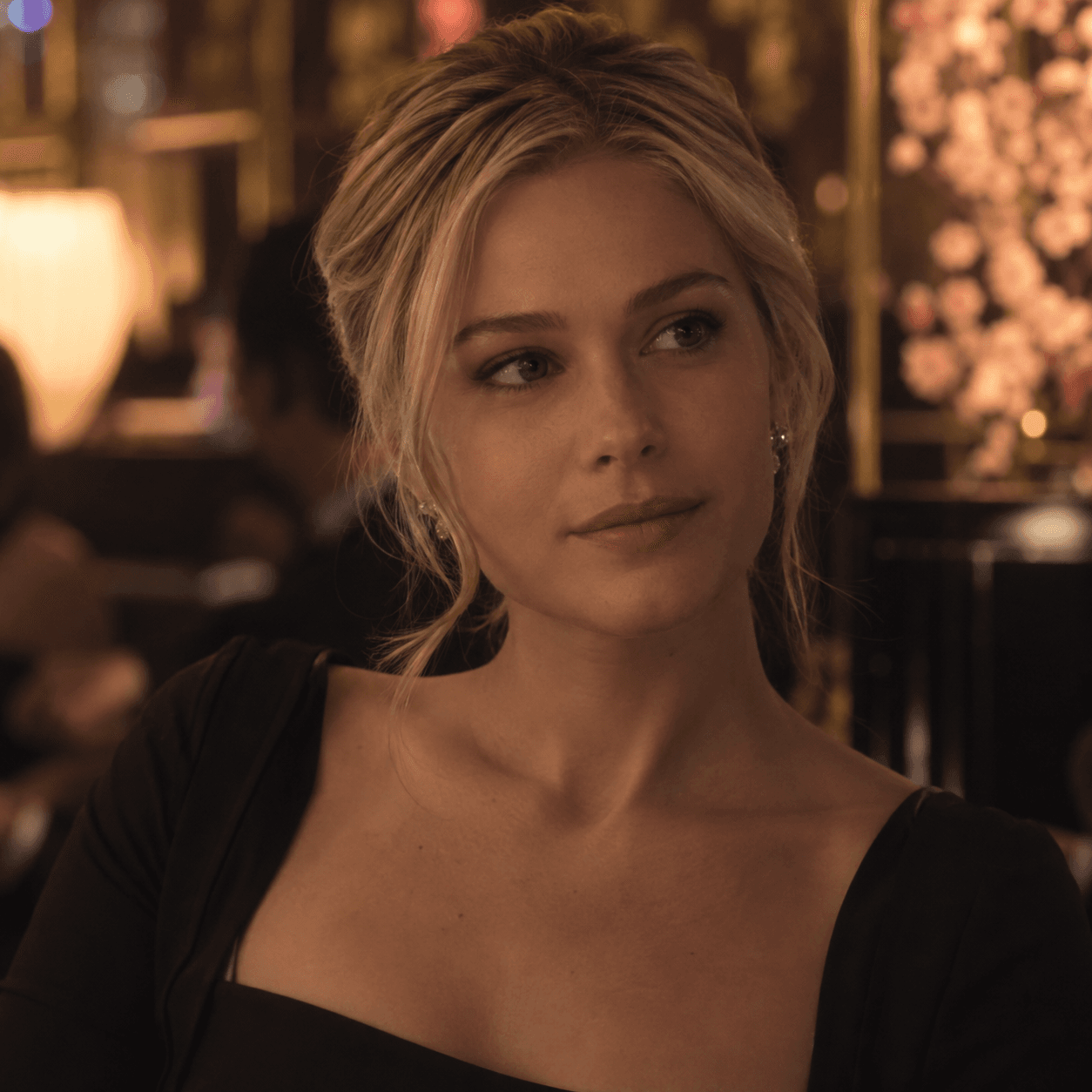
But the deeper subject is outsider-ness. Jake is a white American in a newsroom where nobody wants him. Katagiri is a detective who has to explain Japan to the gaijin without condescending to him. Samantha is an American woman building a life in a country that has very particular rules about the one she is supposed to live. Sato is a yakuza who joined for love of the romance and is discovering the reality. Everyone in the show is on the wrong side of some line. The show is about the small accommodations you make to stay there.
It treats Tokyo the way The Wire treated Baltimore: as a city with its own grammar, and the outsiders who learn it pay a price for the fluency.
That is the ambition. It mostly earns it.
Shot on location in Tokyo, which matters. You can always tell when a show has been back-lotted and this one has not. The Kabukichō sequences feel right. The specific density of neon, the way a narrow alley opens into a basement club, the sound design of a late-night izakaya. Mann directs the pilot like a master class in urban mood and the rest of the directors follow his template closely enough that the show has a coherent visual language across both seasons.
The pacing is patient. This is a slow-burn drama in the Gomorrah or The Wire tradition, not a propulsive thriller. Scenes breathe. Characters sit with a beer and say nothing for a long moment. If you prefer your crime drama in the Narcos vein, with voiceover and montage doing the heavy lifting, Tokyo Vice will test your patience in the first two episodes. Push through. The show is building something.
The soundtrack is a mix of late-90s Japanese pop, city-pop reissues, and atmospheric score. It adds to the sense that you are watching a very specific place at a very specific moment. Tokyo just before the internet changed everything.
Critics liked it. The first season landed in 2022 to strong reviews and a quiet audience, which is probably the show's curse. It never became a cultural event the way Shogun did two years later, even though it was wrestling with an arguably harder subject. Season two was warmly received, and many critics called it a leap forward.
Then, in late 2024, Max cancelled the planned third season after it had already been green-lit. The decision provoked an unusual amount of public grief from the cast and crew, who had clearly expected to finish telling the story. A campaign to save the show circulated briefly. It did not work. As of this writing the series ends on a second-season cliffhanger that was never meant to be one.
That is a real asterisk on recommending it. You will finish Tokyo Vice with unanswered questions the writers fully intended to answer. I still think it is worth your time. The two seasons you do get are denser, stranger, and more atmospherically committed than most completed shows.
I came to Tokyo Vice expecting competent atmosphere and a well-lit rain sequence or two. What I got was one of the most textured crime dramas of the 2020s, held up by Ken Watanabe giving the best supporting performance of his recent career and by a show that actually trusts the audience to sit with quiet. It understands that a yakuza story done properly is about obligation, hierarchy, and the specific cost of belonging to something, not about shootouts. Fans of Gomorrah will recognise the slow tightening of the screws. Fans of Mindhunter will recognise the patience. Fans of The Wire will recognise the newsroom.
The cancellation is a wound. The two seasons are still a gift. Watch them with the subtitles on and the lights off.
Ansel Elgort
Lead Actor
Rachel Keller
Supporting Actor