2016 - Present

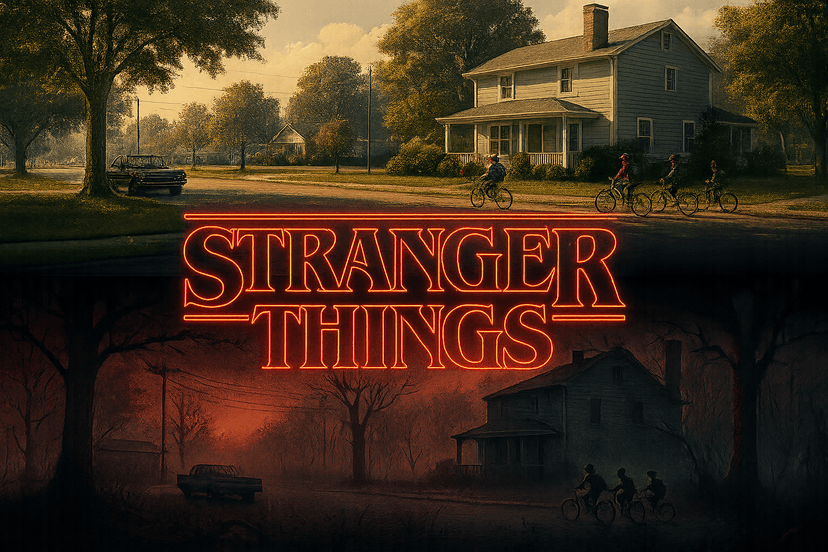
Stranger Things dropped on Netflix in July 2016 and turned into the kind of cultural event that still gets quoted at Halloween parties a decade later. Four seasons have aired so far. The final, concluding fifth season is set for late 2025. The Duffer Brothers (Matt and Ross) created it, Shawn Levy came in as a producing director, and the result is a show that wears its Spielberg and Stephen King and John Carpenter references on its sleeve without ever quite collapsing into pastiche.
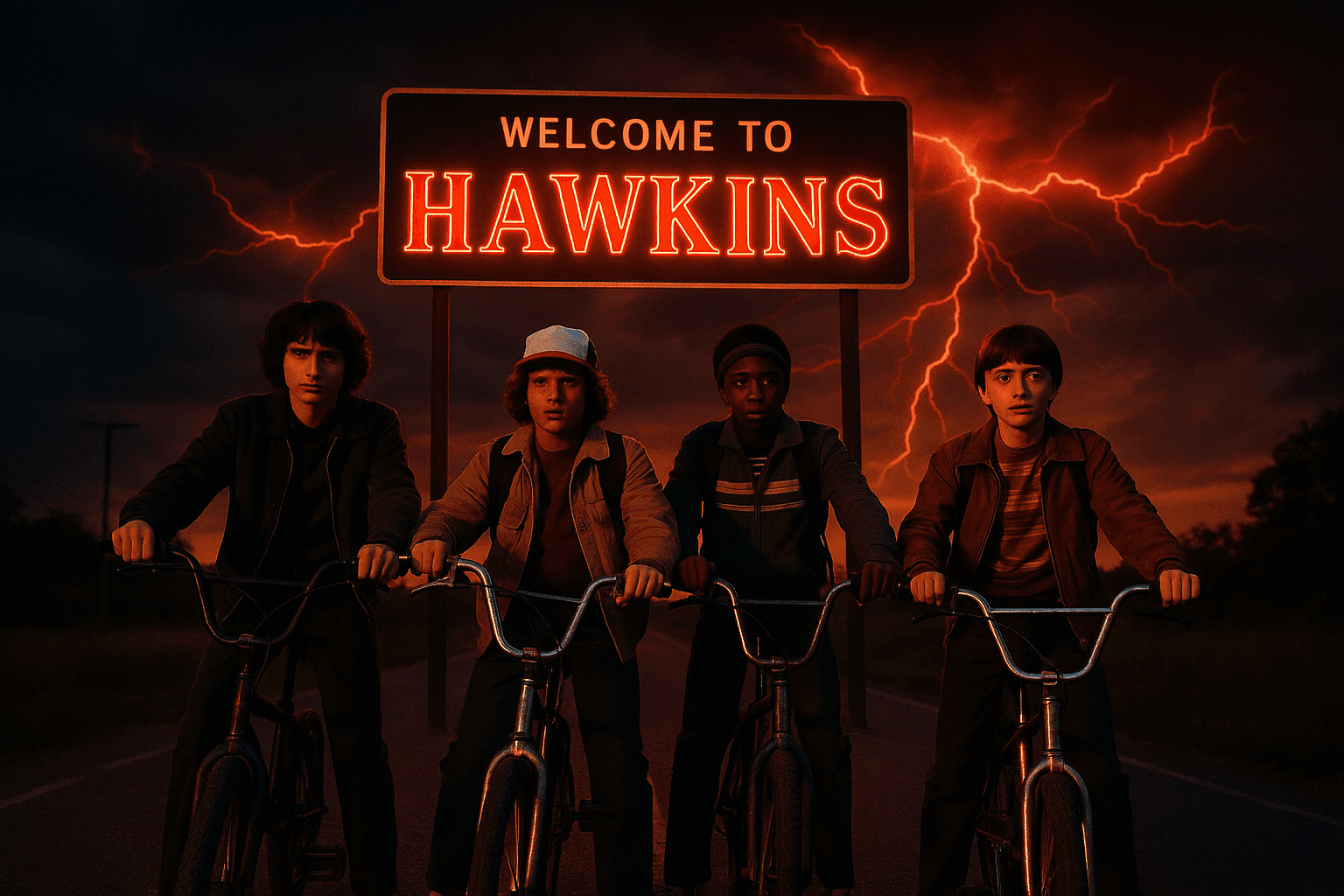
The story starts in November 1983 in the small town of Hawkins, Indiana. A boy named Will Byers cycles home from a friend's basement and vanishes. His three best mates, Mike Wheeler, Dustin Henderson and Lucas Sinclair, refuse to accept the official story. What they find instead is a shaven-headed girl with a number tattooed on her wrist, a gateway to a rotting mirror dimension called the Upside Down, and a creature that would soon be named the Demogorgon. From there the show widens. Each season pulls in new characters and new threats. A Mind Flayer. A Russian subplot. The arrival of Vecna. Through it all, Hawkins itself stays the emotional centre of gravity.
The casting is one of the reasons this thing works. You can feel it from the pilot. The kids aren't movie-stage kids doing approximations of children. They behave like actual pre-teens. Bickering. Running in packs. Calling each other names that would get an adult sacked. When you gather a group of young actors this sharp, the rest of the job is just to film what's already there.
Noah Schnapp
Caleb McLaughlin
Millie Bobby Brown
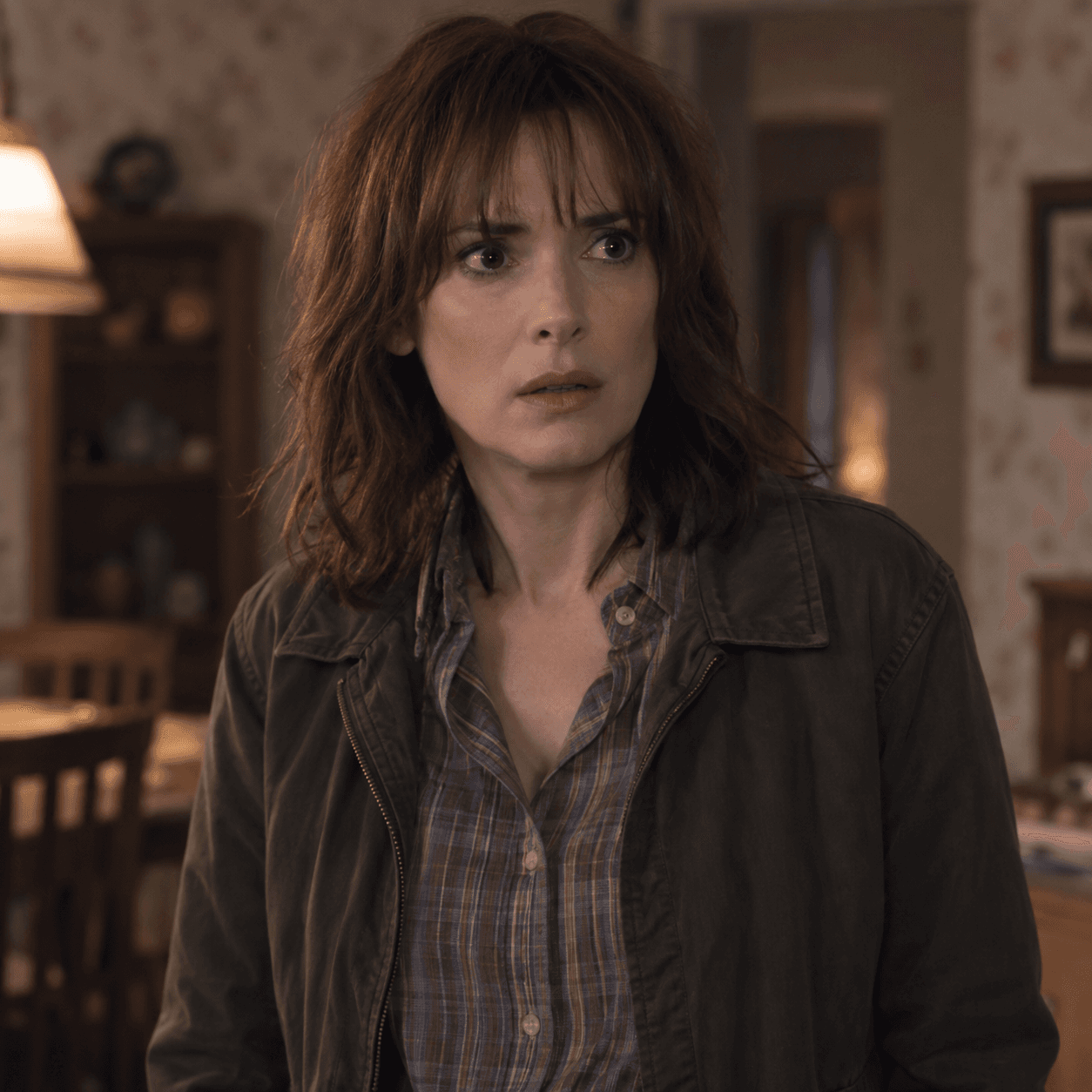
Winona Ryder
Finn Wolfhard
Gaten Matarazzo
Shawn Levy
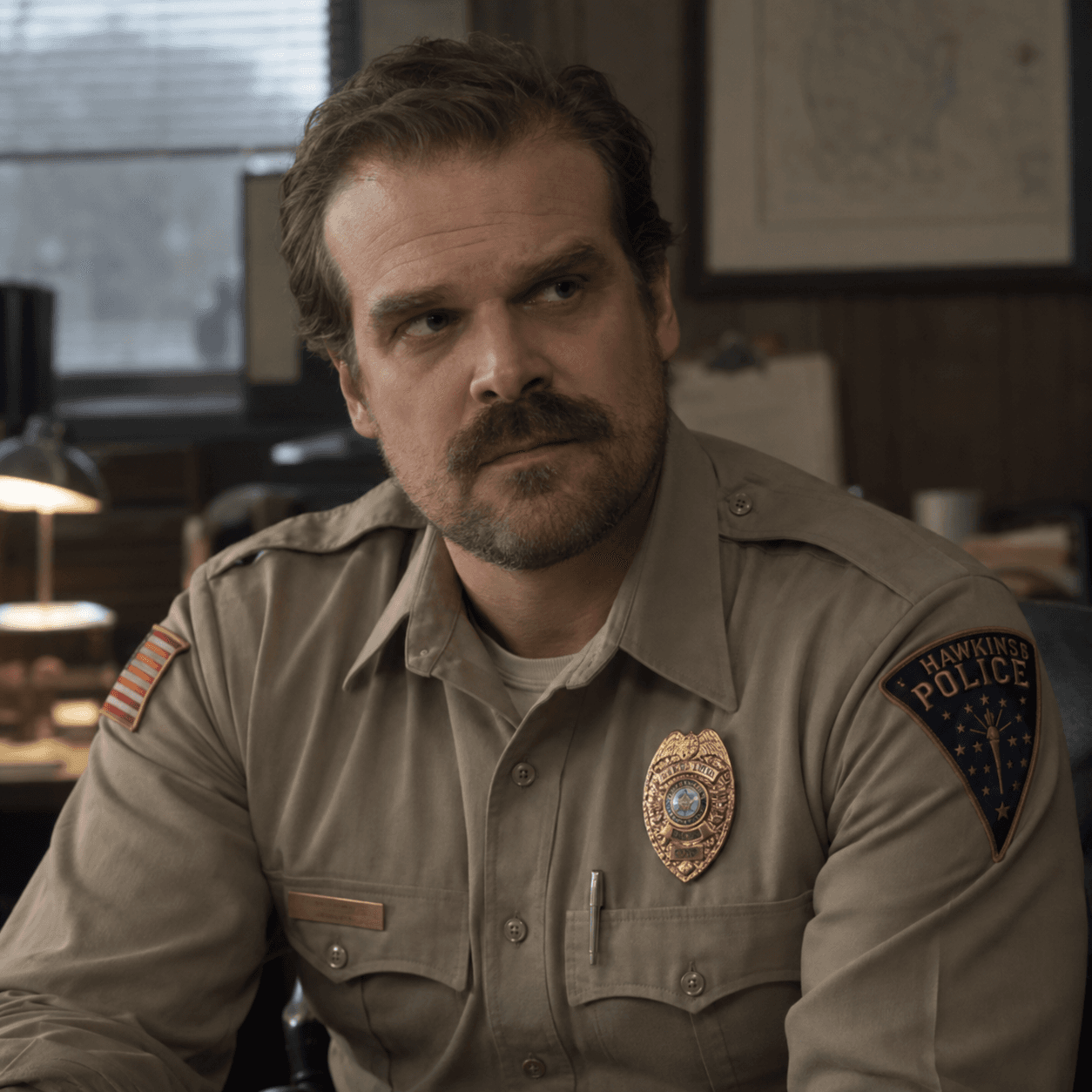
David Harbour
Matt Duffer
Ross Duffer

Honest Stranger Things review with 4/5 woke rating, deep dive into nostalgia, characters and visuals. Discover if Netflix's 80s horror hit is worth watching.
Read MoreI would also single out a couple of later additions. Maya Hawke as Robin Buckley is the Scoops Ahoy video-store cynic who became a fan favourite from her first scene. Jamie Campbell Bower as Vecna and Henry Creel in season four is a rare case of a streaming-era villain with actual physical menace behind the prosthetics.
On paper it's kids-on-bikes versus a monster. Scratch that surface and the show is a lot sadder and stranger than the trailers suggest. The Duffers are working through a very specific kind of American loss. The town is shrinking. The factory is leaving. The parents are distracted, and the government is running experiments in the basement of the local lab. Eleven's backstory is state abuse given supernatural dress. Joyce's frantic energy is what powers the first season, and Hopper spends most of the show burying himself in a uniform because the other option is staring straight at what happened to his daughter.
Growing up is the other throughline. The party of kids who saved the world at twelve are a very different prospect at fourteen and sixteen. Nobody wants to play D&D anymore. Girlfriends appear. Friendships fracture on class and race lines the show is quietly honest about, even if the 80s setting gives it cover. "Friends don't lie" starts as a sweet catchphrase and ends as a kind of moral weight everyone has to carry.
The look is the reason it caught on. Kyle Dixon and Michael Stein's synth score is half the show. Saturated 80s colour. Anamorphic lens flares. Bikes on suburban streets. The Creel House. Hawkins Lab's fluorescent corridors. The red-lightning-sky version of Hawkins called the Upside Down, which is a straight horror setpiece hiding inside a nostalgia show.
Season four made a specific cultural dent that is worth naming. Kate Bush's 1985 track "Running Up That Hill" became an actual chart-topper again, thirty-seven years after release, after the season used it as Max's lifeline through a Vecna attack. That is not a small thing. A streaming show revived a Kate Bush song to the UK number one. You don't get that without a visual and musical identity this specific.
Critics came in sceptical and stayed, mostly, enthusiastic. The show has stacked Emmys, SAG ensemble wins and a Peabody. Commercially it has been one of Netflix's two or three biggest properties ever. Eggos disappeared from supermarket shelves for a month after season one. Halloween costume sales shifted overnight. A Broadway prequel, Stranger Things: The First Shadow, opened in the West End and transferred to New York. I think you can argue about whether seasons three and four hold the tight grip of the first run, but nobody serious argues it was a fluke.
Fans of quieter, grief-tinged prestige horror should look at The Haunting of Hill House. If you like the big-swing genre experimentation of Lost or the tightly boxed weirdness of Severance, you will find plenty here. And if you want the more adult, nihilistic cousin of what Stranger Things does with technology and control, Black Mirror is one shelf over.
Shows this big usually start to sag. This one has, a bit, in the middle seasons. What it has not done is lose the thing that made people love it. The kids still feel like a gang. Hopper still feels like someone you would want on your side. The score still triggers a Pavlovian response in anyone who first watched it in 2016. A fifth and final season is coming to close the loop, and for a show that arrived as a curiosity and became a decade-defining piece of pop culture, that is a genuinely earned ending.