2011 - 2016

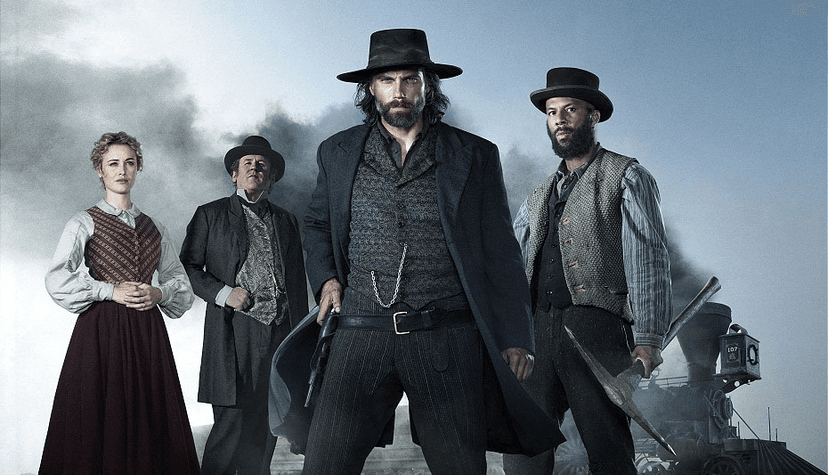
Hell on Wheels ran on AMC for five seasons between 2011 and 2016, fifty-seven episodes across a period when the network was already mid-run on Mad Men and Breaking Bad and everyone still assumed AMC could do no wrong. Joe and Tony Gayton created it. The brothers Gayton pitched a post-Civil War Western built around the construction of the First Transcontinental Railroad, and AMC said yes to one of the most ambitious period shows the network ever greenlit.
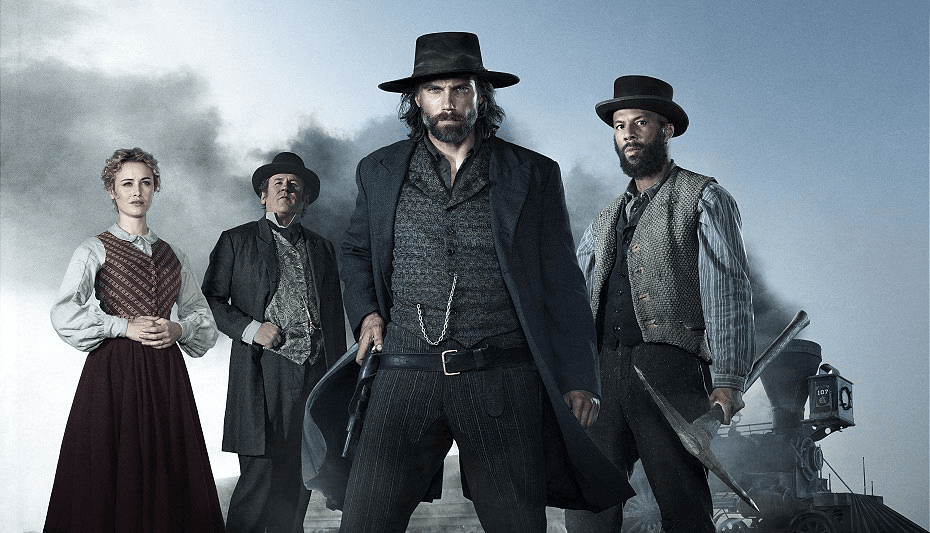
The show opens in 1865. Cullen Bohannon, played by Anson Mount, is a former Confederate soldier hunting the Union men who murdered his wife and son during the war. His search takes him to the Union Pacific Railroad, where the company is racing west to meet the Central Pacific coming east from California. Bohannon signs on as a labourer, then a foreman, then something closer to an engineer, and the show rides with him and the travelling town that followed the railhead. That town is called Hell on Wheels. It is a canvas-and-plank settlement of saloons, brothels, churches and chop houses that loads itself onto flatbeds every few months and reassembles at the next rail terminus. When you watch the show you are watching a culture in motion. Literally.
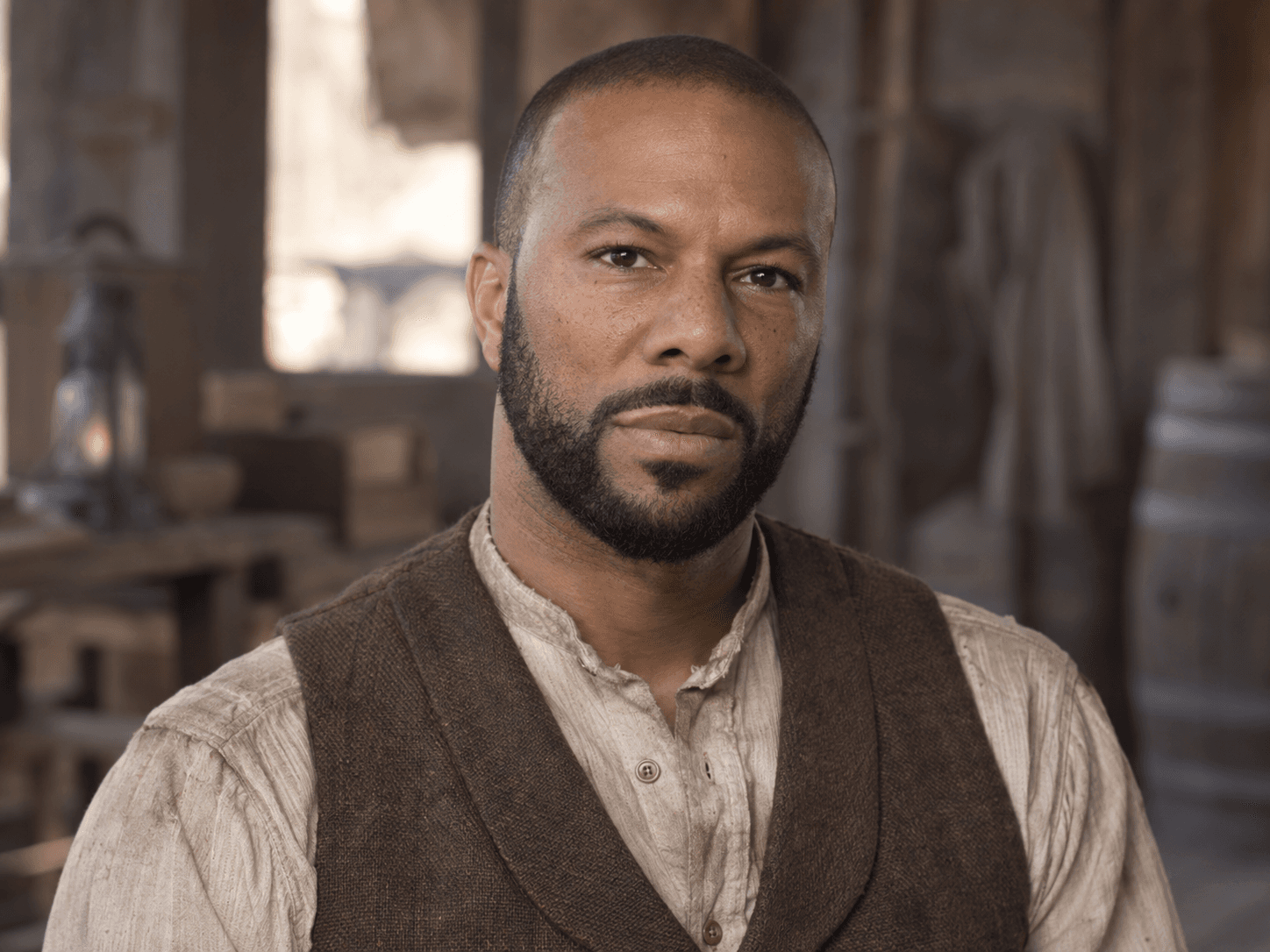
Anson Mount carries the show. Bohannon is a taciturn, grief-hollowed man with a soft drawl and a violent past, and Mount plays him with the kind of stillness that Western leads used to have before everyone on prestige TV decided to be a motormouth. Common, who I honestly did not expect to be this good, plays Elam Ferguson, a formerly enslaved freedman working on the line. His scenes with Mount are the backbone of the early seasons and the best argument the show makes for itself.
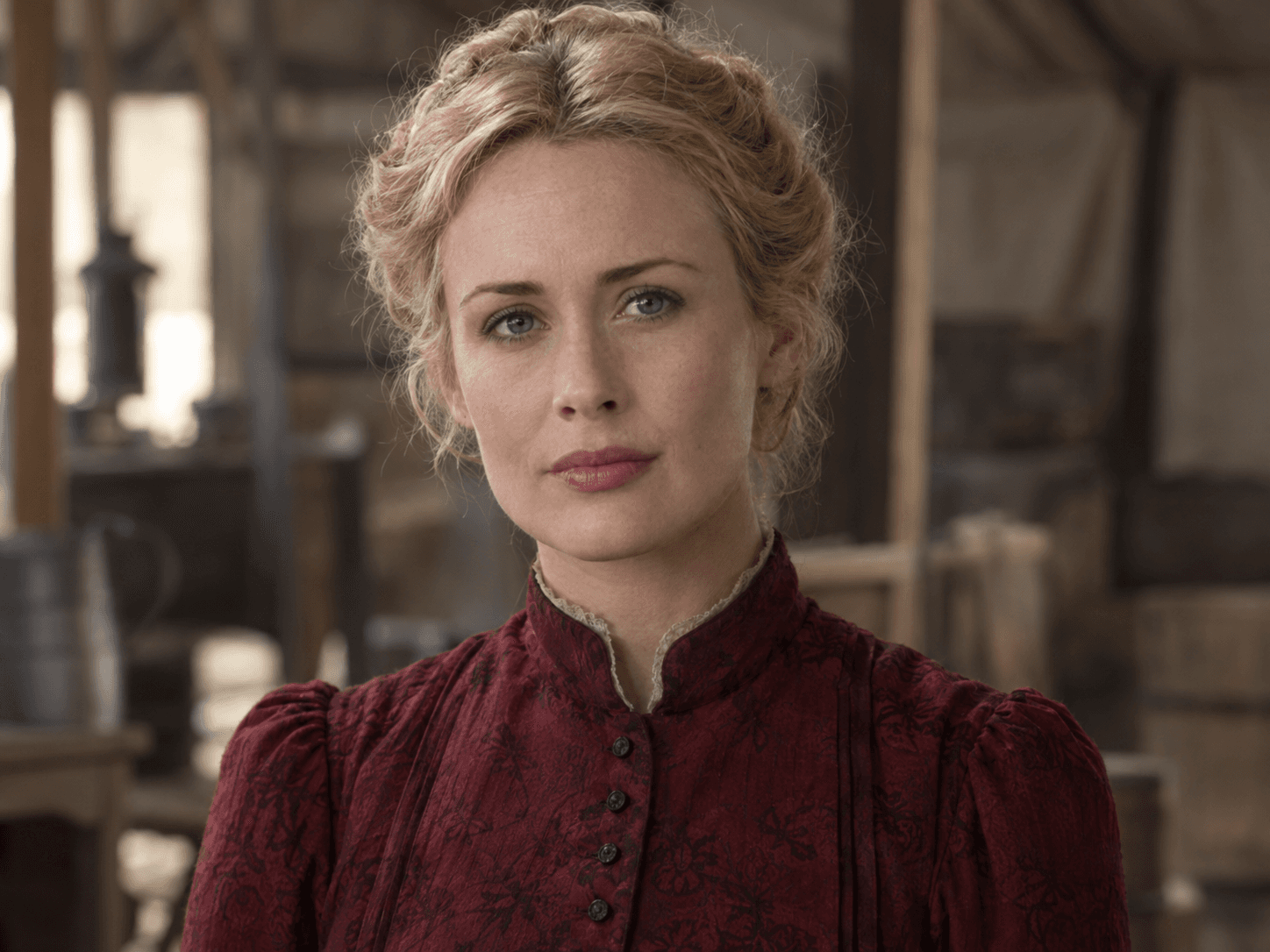
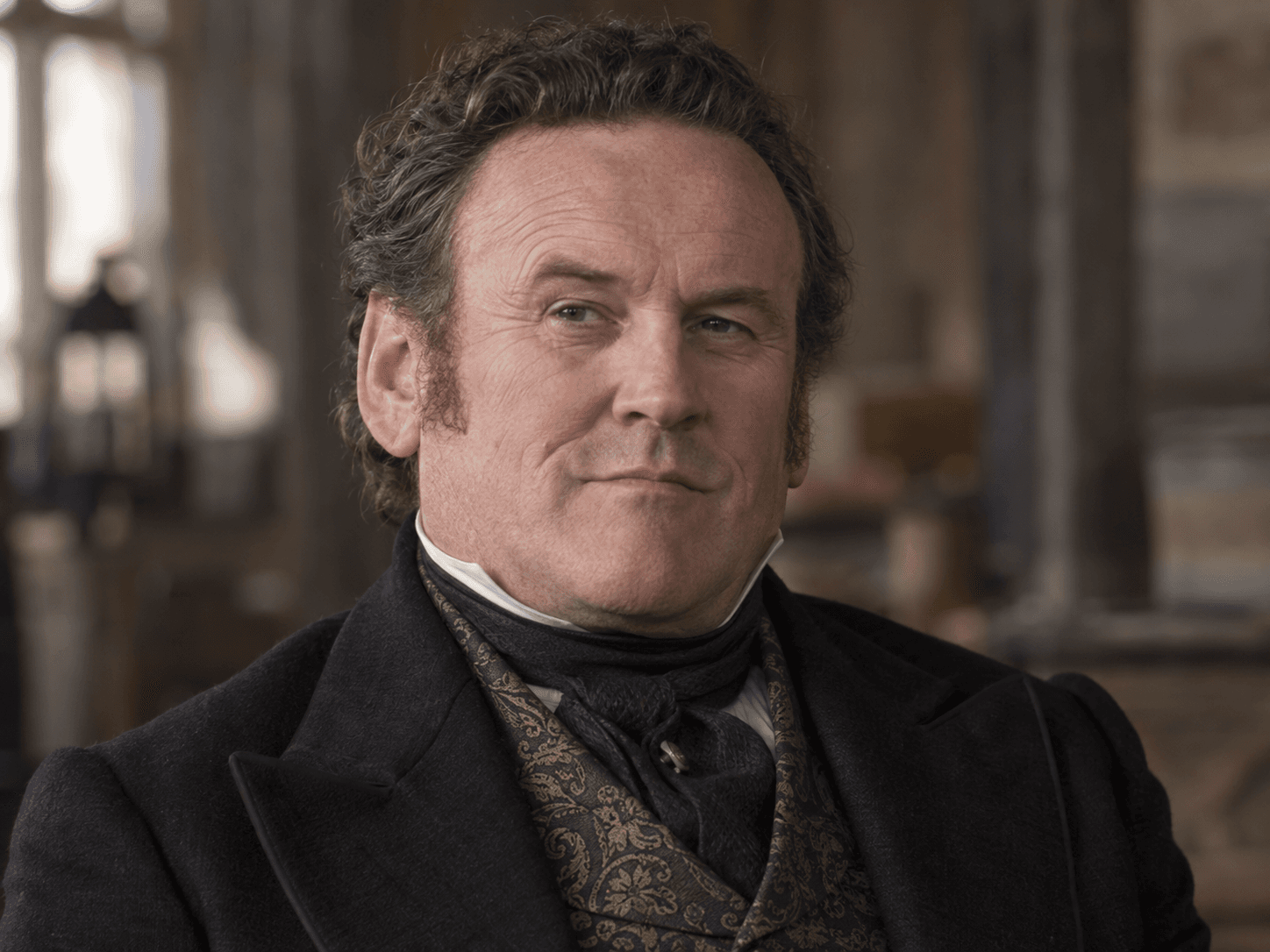
Colm Meaney plays Thomas "Doc" Durant, the real-life robber-baron financier behind the Union Pacific. Meaney is having the time of his life. Durant is a preening, thieving, rhetorically magnificent villain, and Meaney chews on the dialogue like it owes him money. Dominique McElligott plays Lily Bell, a young widow who becomes the show's emotional counterweight in the early run. Robin McLeavy is Eva, a former captive with facial tattoos from her time with a Cheyenne band. Her storyline is one of the more interesting character arcs.
The supporting bench is deep:
Common
Anson Mount
Dominique McElligott
Christopher Heyerdahl
Colm Meaney
Dohn Norwood
Phil Burke
Robin McLeavy
Mackenzie Porter
Jennifer Ferrin

Hell on Wheels review: AMC's gritty Western follows the Transcontinental Railroad with complex characters and unflinching history. Woke Rating 4/5. Ranked on TheAttReviews.
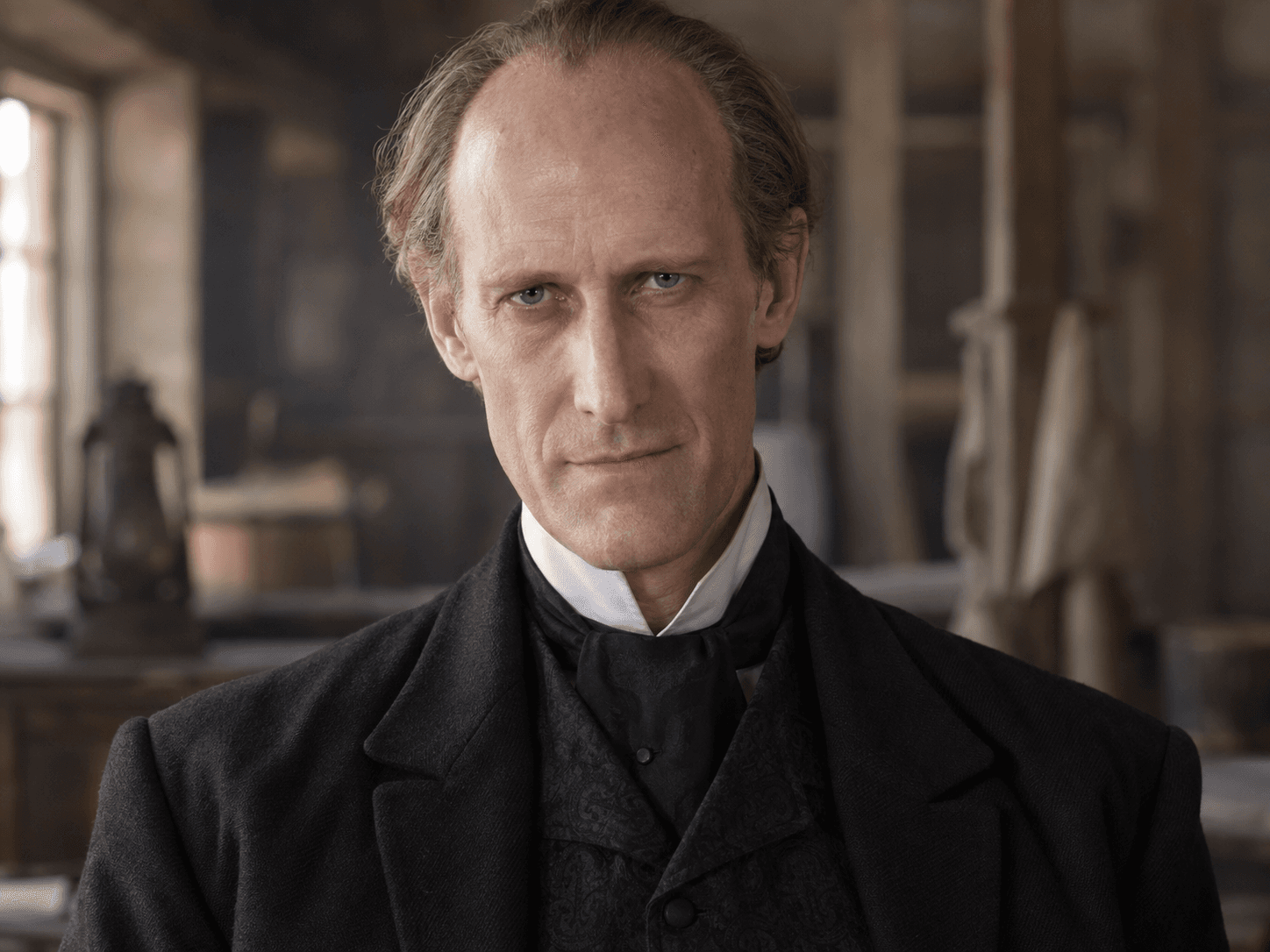
Read MoreReg Rogers turns up in season five as Collis Huntington, running the Central Pacific from the opposite coast, and Jake Weber appears in season four as John Campbell, the federal man sent to impose martial order on the town of Cheyenne. It is a big ensemble and the show is patient about letting minor characters become major ones.
On the surface, Hell on Wheels is about a railroad. Underneath it is about what America did to itself and to the people already living on the land to get that railroad built. The Gaytons are not interested in a triumphal manifest-destiny story. The show takes seriously the displacement of the Sioux, Cheyenne and Lakota peoples whose hunting grounds the line cut through. It takes seriously the labour abuses that built the line, the Chinese workers on the Central Pacific side, the Irish and Black labourers on the Union Pacific side, and the financial fraud of the Crédit Mobilier scheme that Durant helped run in real life.
It is also about grief. Bohannon's arc, over five seasons, is a long slow reckoning with what the war took from him and what he did to other people during it. The show is honest that a good man with a rifle and a grievance is still a man with a rifle. That honesty is rarer on television than you would think.
Shot mostly in and around Calgary, Hell on Wheels looks gorgeous. The Bow River plains stand in for the Great Plains and the production built miles of actual track with actual period locomotives rolling along it. Mud, smoke, tallow-lamp interiors, wet wool. The sound of the show is ironwork and wind. Gustavo Santaolalla did the main theme, which tells you everything you need to know about the tone: mournful strings, a slight Latin flicker, a sense that this is a country still figuring out what it is.
The violence is frequent and it hurts. Nobody on this show takes a bullet and walks it off. The racial violence in particular is handled without flinching and without sermonising, which is harder to pull off than people give it credit for. If you liked the grit of Deadwood, this is playing in a similar sandpit. It is not as verbally dazzling as Deadwood, nothing is, but it is prettier and more melancholy.
Hell on Wheels was never a critical darling in the way the other big AMC dramas were. Reviews through the first three seasons were mixed. Then something happened. The show swapped showrunners a couple of times, the Gaytons left after season two, and by seasons four and five it had quietly hit its stride. The final season, split into two halves in 2015 and 2016, got the best reviews of the whole run. Critics who had been lukewarm turned around. A lot of viewers describe it as one of the most underrated American dramas of the streaming-era decade, and I think that is fair.
It never won an Emmy that mattered. It never trended. It just kept working, week after week, with a consistency that a lot of flashier shows lack.
I came to Hell on Wheels years after it finished, expecting a decent-enough Western, and was surprised by how much of it stuck with me. Part of that is Mount, who gives Bohannon a moral weight the writing sometimes reaches for but does not always earn by itself. Part of it is the setting. American television has made a lot of Westerns but very few about this particular moment, the decade right after the Civil War when the country was trying to stitch itself back together while simultaneously colonising the western half of the continent. The show takes that contradiction seriously.
If you want a cleaner-spoken Western with more fizz, Deadwood is still the genre's high-water mark. If you want modern prestige Westerns with bigger budgets, the 1883 and 1923 Yellowstone prequels are doing something similar. Hell on Wheels is its own thing. Patient, sad, occasionally overlong, and quietly one of the better things AMC made in its golden decade. Worth your time.