2017 - Present

Hulu launched The Handmaid's Tale in April 2017, adapting Margaret Atwood's 1985 novel for television with Bruce Miller as creator and showrunner. Six seasons. Sixty-six episodes. A final run that premiered on 8 April 2025 and closed the story on 27 May 2025.
The premise is Atwood's, faithful to the source and then pushed well beyond it. After environmental collapse, plummeting birth rates, and a fundamentalist coup in what used to be the United States, a theocratic republic called Gilead has carved itself out of New England. Fertile women are conscripted into state-sanctioned reproductive servitude as Handmaids, renamed for the Commanders they serve. The protagonist, once June Osborne, is now Offred, property of Commander Fred Waterford. Her real name is treated as a secret weapon.
Gilead has its own grammar, and the show respects it. The Ceremony, the Wall, the Eyes, Mayday, the Colonies, the Commanders, the Aunts, the Marthas, the Econowives. Greetings are scripture-coded: "Under His Eye", "Blessed be the fruit". A phrase scratched into a wardrobe, "Nolite te bastardes carborundorum", becomes the show's quiet revolutionary motto. These are not decorative. They are how the show makes a totalitarian state feel lived-in.
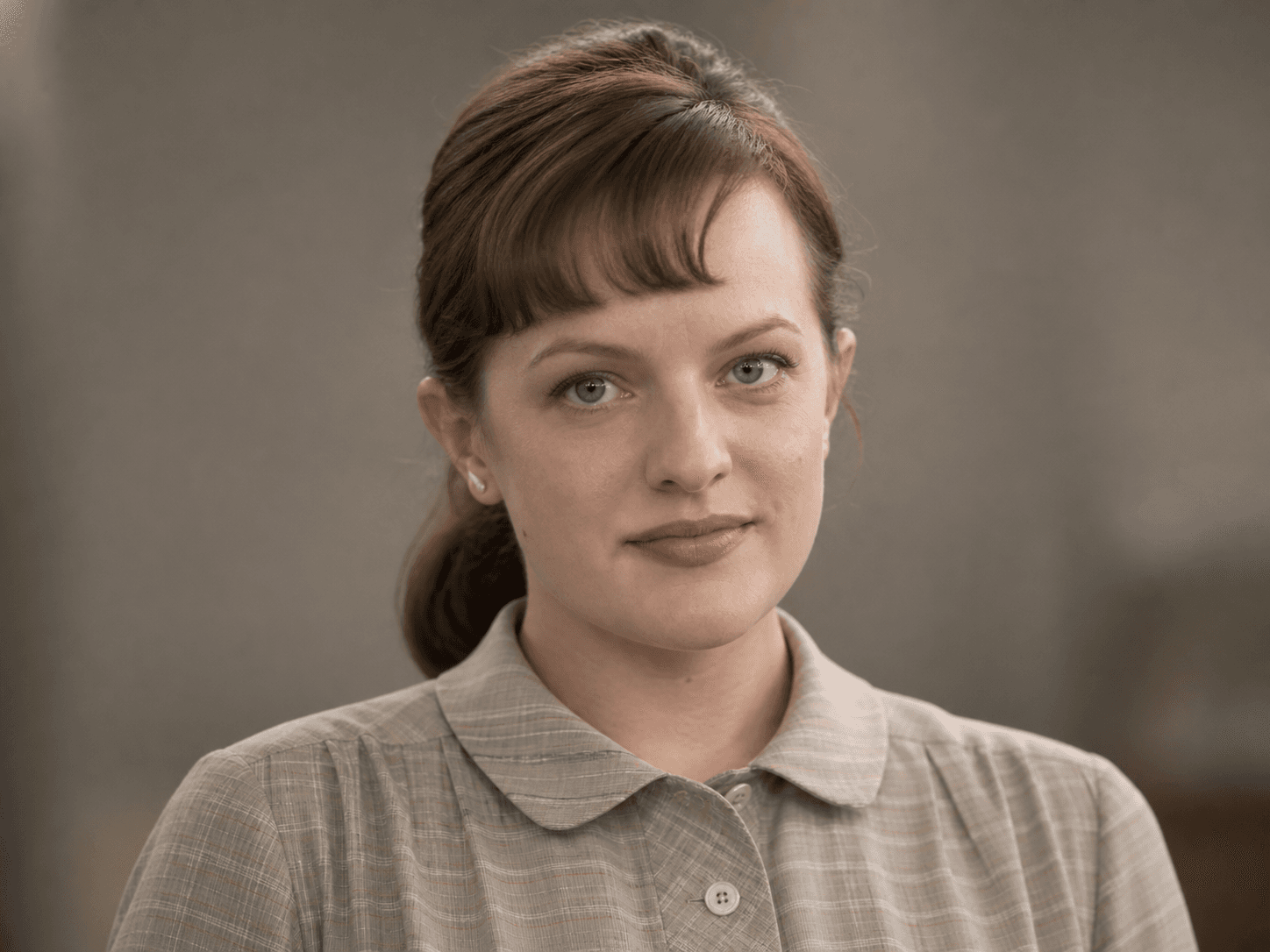
Elisabeth Moss carries the series. Her June is watchful, furious, devout only when it serves her, and capable of cruelty when survival demands it. The show's signature close-ups on Moss's face, held long past the point of comfort, are the visual bedrock of the entire series. She also directed multiple episodes, including several in the later seasons, and produced from season two onward.
Around her, the ensemble does heavy work.
Madeline Brewer
Janine / Ofwarren
Alexis Bledel
Emily / Ofglen
Max Minghella
Nick Blaine
Ever Carradine
Naomi Putnam
O-T Fagbenle
Luke Bankole
Samira Wiley
Moira
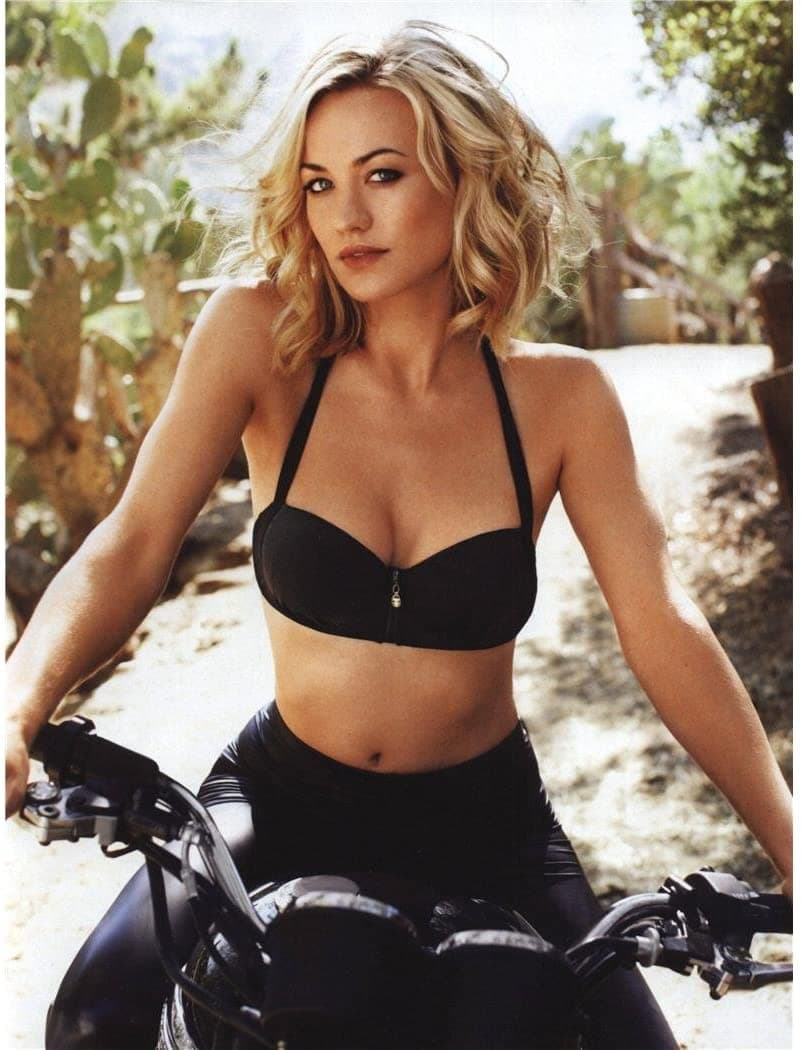
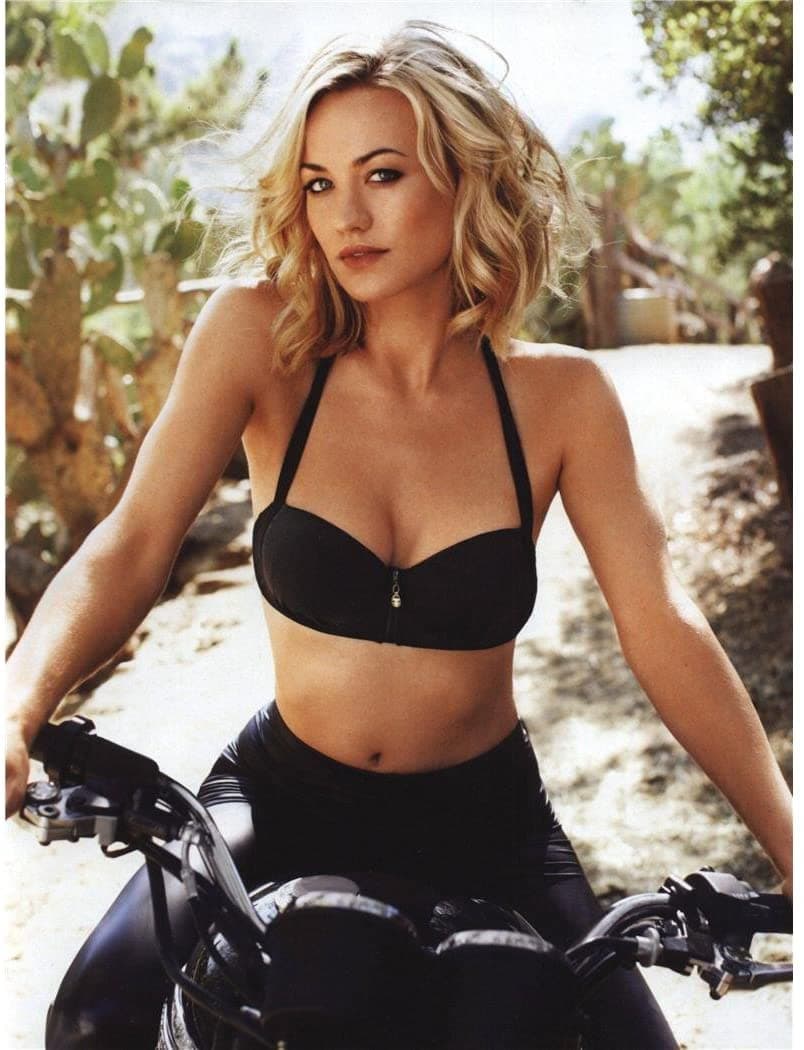
Yvonne Strahovski
Serena Joy Waterford
Ann Dowd
Aunt Lydia
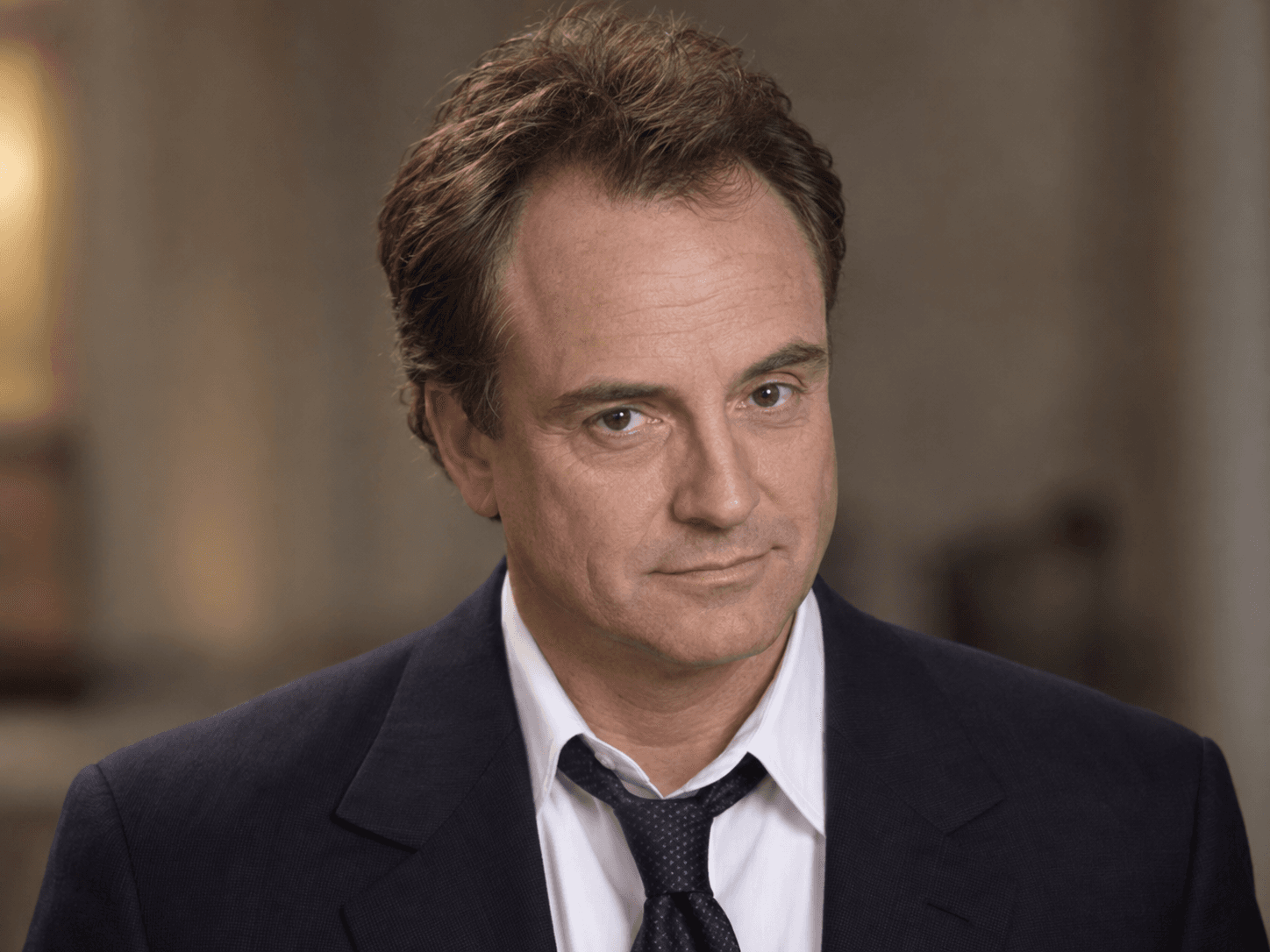
Whitford is worth calling out separately. Lawrence arrives in season two as a cold architect of Gilead's economic engine and grows into the most morally interesting Commander on the show. It is the kind of role that reminds you why he has been working steadily since The West Wing.
The surface text is patriarchy and theocracy. The subtext, which the show pushes harder than the novel ever could, is complicity. Who knew. Who looked away. Who wrote the rules, who enforced them, who profited, who survived by pretending not to notice. Serena Joy is the cleanest example, but the show extends the question to the Aunts, the Marthas, the Wives, even the Handmaids themselves when the regime forces them to turn on each other.
Reproductive autonomy is the engine of the plot and obviously the cultural flashpoint, but the more durable theme is institutional capture: how quickly a society's own professionals, clergy, judges, teachers, doctors, can be retooled to enforce a new order if the new order is patient and provides uniforms. Atwood famously wrote nothing into her book that had not already happened somewhere in history. The show runs with that principle.
Resistance is the counterweight. Mayday, the underground network threaded through every season, is less a thriller mechanism than a moral proof. People do refuse. People do smuggle. People do die trying. The show is not interested in resistance as triumph. It is interested in resistance as work.
The aesthetic is a huge part of why this one stuck. Reed Morano shot the pilot and set the visual grammar: painterly centred compositions, extreme shallow focus, hard red on hard white, the Handmaid's cloak and winged bonnet staged against New England colonial architecture until the look becomes a language. Adam Taylor's score leans on discordant strings and long held silences. Needle drops land so hard, from Simple Minds to Nina Simone, that they briefly turned the show into a meme factory for how aggressive prestige TV music cues can be.
The pacing is slow on purpose. Episodes often rotate around a single event seen across multiple timelines, pre-Gilead and post-coup, so that the horror accumulates through small domestic details. A traffic stop. A frozen bank card. A new manager at work. The long stare a female doctor gives a patient in a waiting room. By the time you reach the Ceremony in the pilot, the show has already earned it.
Later seasons broaden the geography, moving between Gilead, the Colonies, Canada's refugee community in Toronto, and the loosely governed No Man's Land on the border. The visual palette stretches. The formal rigour of season one relaxes into something that feels more like a spy thriller in places. Some of that works. Some of it dilutes the claustrophobia that made the first season famous. The final season tightens the grip again.
The first season was a phenomenon. It won the 2017 Primetime Emmy for Outstanding Drama Series, the first time a streaming show had taken the top drama prize, and Moss won Outstanding Lead Actress in a Drama. Dowd won Supporting Actress the same year. Strahovski was nominated repeatedly for Serena Joy. In total the show pulled eight Emmys across its run and was nominated for dozens more.
Culturally the red cloak and white bonnet became protest iconography almost immediately, appearing at reproductive rights demonstrations in the US, Ireland, Argentina, and Poland within a year of the pilot. Few recent television shows have punched that cleanly out of the screen and into the streets.
Critical reception tracked an arc. Seasons one and six are widely considered the strongest. The middle stretch was divisive: seasons three and four in particular were accused of losing narrative momentum as the premise outgrew its book. The sixth and final season, by the accounts of most critics, rallied and landed the plane cleanly. Hulu has continued the universe with the sequel series The Testaments, based on Atwood's 2019 novel, which premiered in April 2026 with Ann Dowd reprising Aunt Lydia.
The Handmaid's Tale sits alongside Black Mirror, Westworld, and The Man in the High Castle in the modern canon of speculative dystopian drama, and it is the most human of the four. Its horrors are not machines or aliens or alternative pasts. They are policy decisions, enforced by neighbours, justified by scripture your aunt might recognise.
The best of it holds up against anything in the prestige era. The worst of it sags in the way any six-season show about trauma eventually sags. Taken whole, across sixty-six episodes, it is a serious and unhappy piece of work that took Atwood's premise and proved it could run as a television series without cheapening the source.
Current Standing: {{show:handmaids-tale:rank_full}} Woke Rating: {{show:handmaids-tale:woke}}/5
Joseph Fiennes
Commander Fred Waterford
Elisabeth Moss
June Osborne / Offred
Bradley Whitford
Commander Joseph Lawrence
Sam Jaeger
Mark Tuello
Amanda Brugel
Rita