1999 - 2006

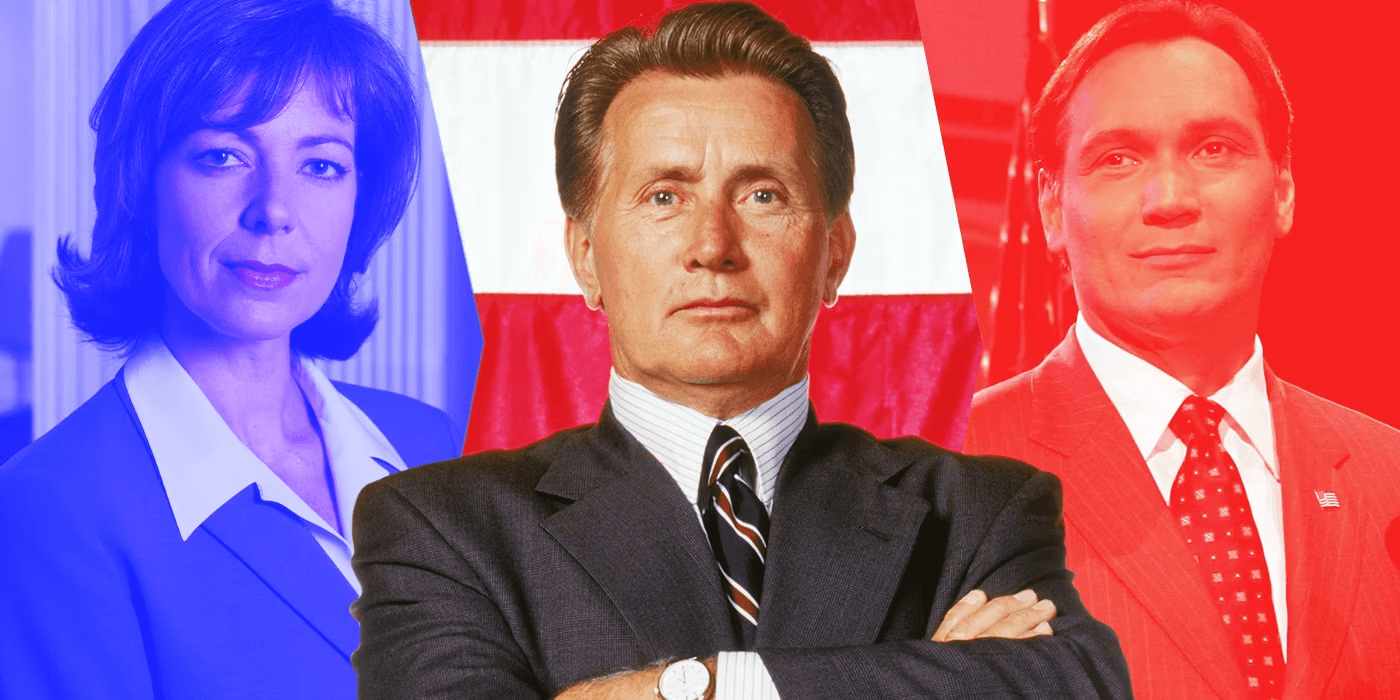
The West Wing aired on NBC from 1999 to 2006. Seven seasons. 156 episodes. Aaron Sorkin created it, ran it for the first four years, then handed the keys to John Wells for the final three. The premise is disarmingly simple on paper: a workplace drama set inside the senior staff offices of a fictional Democratic White House, with Martin Sheen's President Josiah "Jed" Bartlet at the centre of a gravitational system that pulls in a Chief of Staff, a Press Secretary, a Deputy Chief of Staff, a Communications Director, a body man, and whichever policy fight happens to be eating their Tuesday.
What it does with that premise is what turned it into an institution. Sorkin wrote the Oval Office as a place where smart people argued loudly about hard things and occasionally, briefly, did some good. The show is idealistic to a point that Americans in 2026 may find almost painful to watch. That is part of why people keep revisiting it.
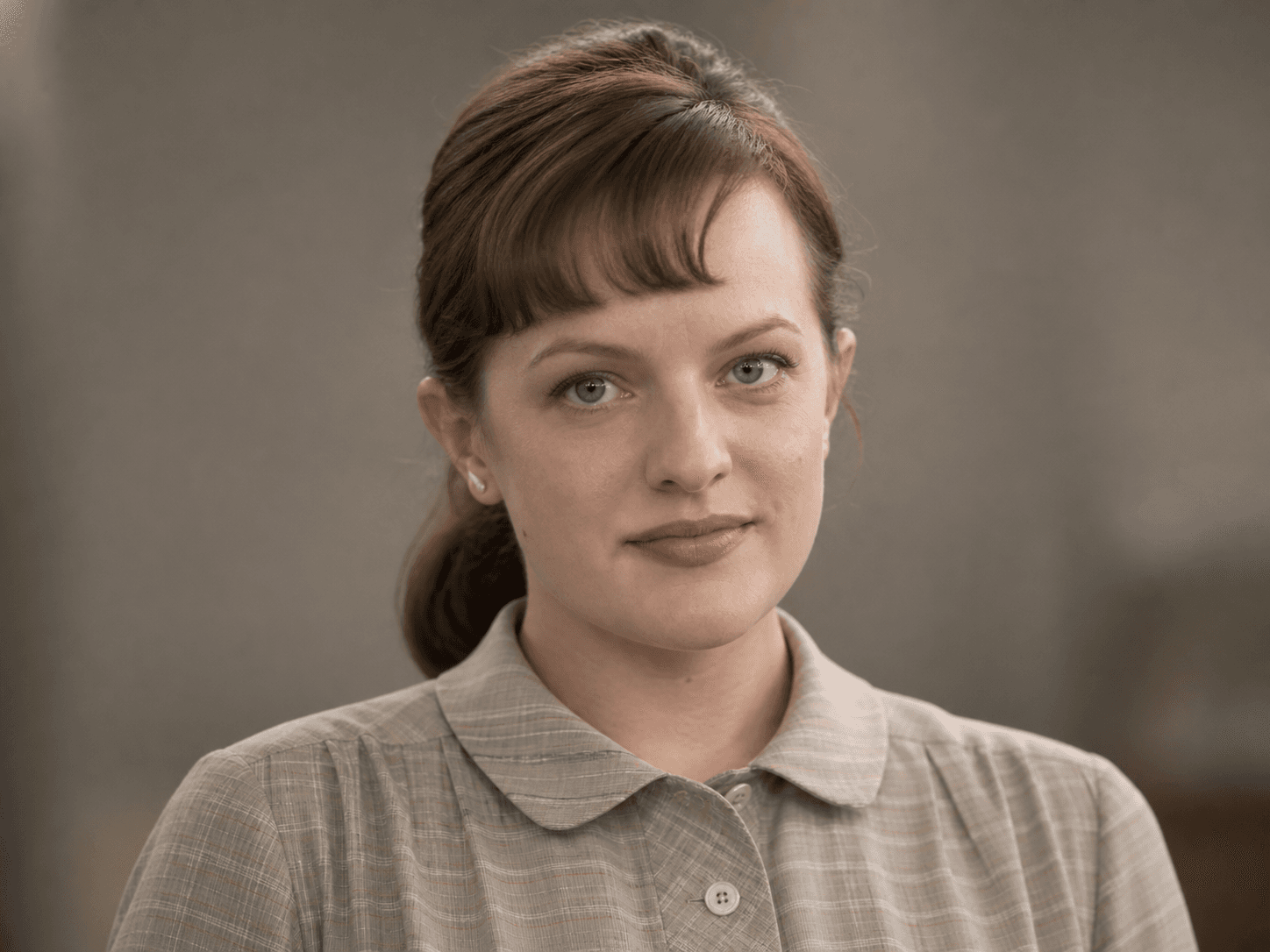
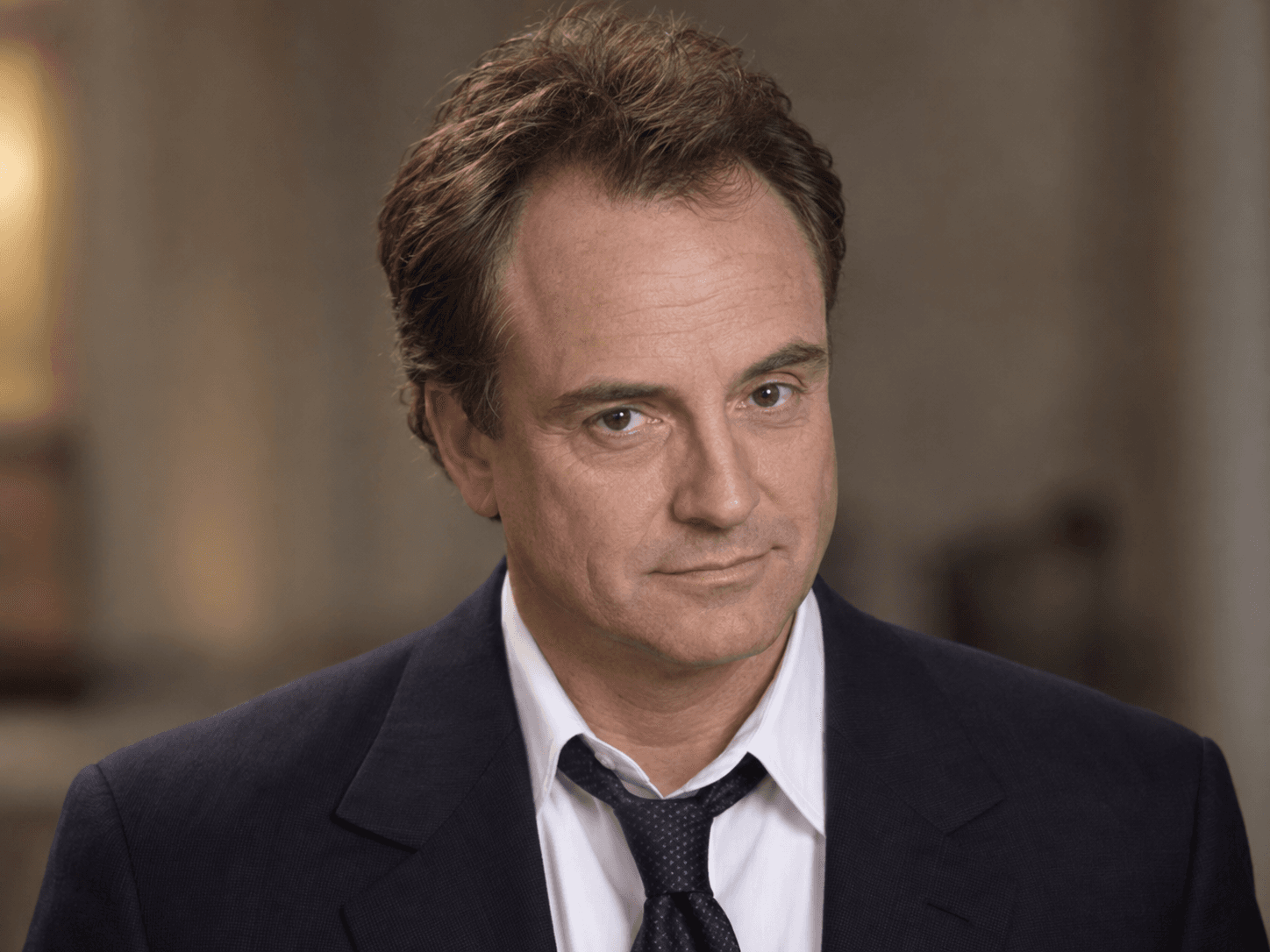
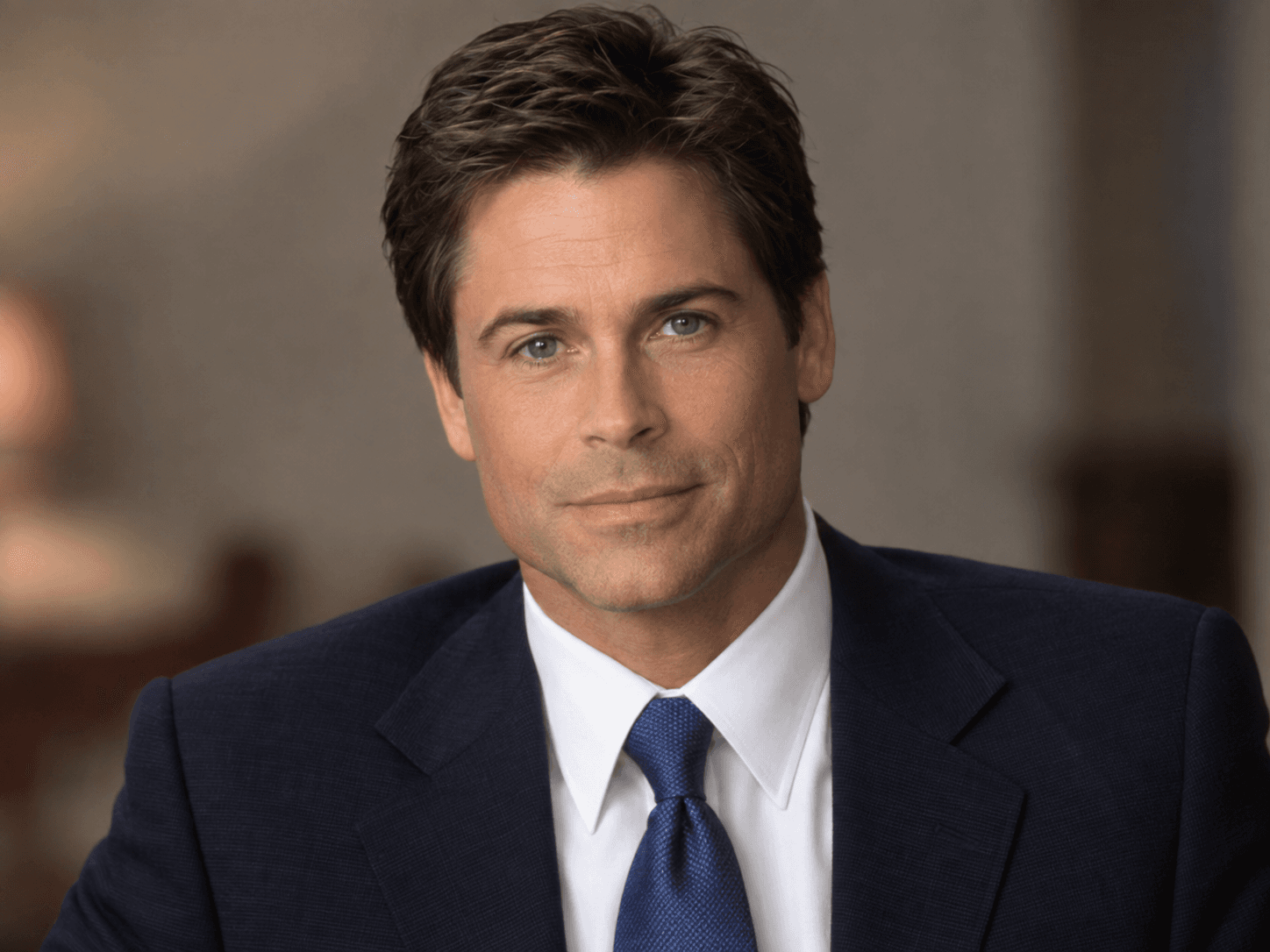
This is one of the great TV ensembles, full stop. Every character gets their own orbit, their own rhythm, their own set of problems that the show cares about enough to pay off properly.
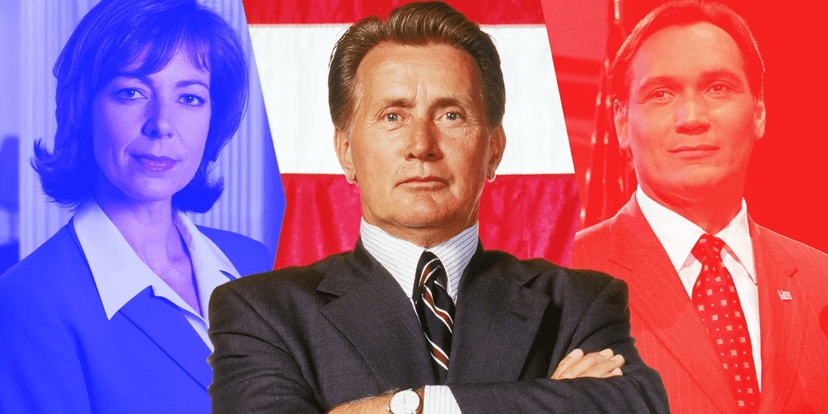
Allison Janney won four Emmys for C.J. across the run. The acting branch of the Academy handed out statues for Sheen, Schiff, Spencer, and Channing as well. The show itself took Outstanding Drama Series four years running, from 2000 to 2003, and the cast ensemble won the Screen Actors Guild award in both 2000 and 2001.
On paper you would call The West Wing a political drama. Watch enough of it and you realise it is really a show about competence. About the specific satisfaction of watching people who are very good at their jobs do their jobs under pressure. A farm bill. A census methodology fight. A judicial nomination. A late-night call from someone who needs the United States to not do the stupid thing. The show treats policy the way treats institutions, as the texture of the real world worth taking seriously, and then finds the human drama inside the texture.
Jimmy Smits
Joshua Malina
Stockard Channing
Richard Schiff
Dulé Hill
Alan Alda
Martin Sheen
John Spencer
Bradley Whitford
Janel Moloney

The West Wing review — Aaron Sorkin's iconic political drama starring Martin Sheen earns a 5/5 woke rating. 154 episodes of idealism, sharp dialogue, and ensemble excellence.
Read MoreIt is also a show about friendship and loyalty. Leo and Jed have a bond the camera keeps returning to. Josh and Donna have a seven-season argument disguised as a romantic comedy. C.J. and Toby are two people who clearly respect each other and will never admit it out loud. The workplace is the family. That is Sorkin's signature move and he runs it as well here as he ever has.
A third thing: it is a show that believes in the American project. The Sorkin years in particular come pre-loaded with a moral seriousness about public service that has almost disappeared from television since. You may find it naive. You may find it a tonic. Both reactions are fair.
Two things make The West Wing feel like The West Wing from the first scene.
The first is the dialogue, often called Sorkinese. Fast. Overlapping. Showy in ways good actors can make look easy. Characters finish each other's sentences, quote from memory, land a punchline mid-argument, then restart the argument. The cadence is theatrical. It is designed to be performed, not overheard. Once you tune your ear to it, nothing else on television sounds quite like it.
The second is the walk and talk. Director Thomas Schlamme choreographed long unbroken Steadicam takes where characters stride through corridors trading information at volume, picking up new people as they go, ducking into bullpens and exiting the other side. It is genuinely hard to pull off and the show makes it look routine. The walk and talk turned into such a trademark that every prestige office drama since has tried a version of it. None of them do it better.
"What's next?"
That is Bartlet's signature phrase. He uses it to close meetings, to end arguments, to push the room forward when the room wants to linger. Two words. It is the show's entire ethos in a line.
Smaller trademarks earn their keep too. The cold open that ends on a hard cut to the title. Mrs Landingham at her desk outside the Oval. The fact that Charlie, at twenty-two, is allowed to be a grown man in a building full of grown men and the show takes him completely seriously.
The critical reception was enormous at the time and has largely held. Four consecutive Outstanding Drama Series Emmys. 26 Emmy wins total across the run. A Peabody. Multiple AFI television programme of the year nods. Critics were almost uniformly effusive during the Sorkin years and more divided during the Wells handover, though the final two seasons are now widely regarded as a quiet comeback, with a primary campaign storyline that plays better every year.
The show also outlived itself in a way few series manage. The cast reunited in 2020 for a staged reading of the "Hartsfield's Landing" episode, filmed on a theatrical set at the Orpheum in Los Angeles and streamed on HBO Max to raise money for voter turnout. Watching that reunion you are reminded that these actors spent seven years inhabiting characters they clearly loved, and that the chemistry never went anywhere.
If you like this era of prestige television, there are natural neighbours on this site. The Newsroom is the other Sorkin show, a newsroom drama with the same rhythm and a more polarising politics. The Thick of It is the British inverse, a profane satire that says everything The West Wing refuses to say about what government actually looks like up close. Mad Men is the closest tonal peer for people who want prestige-era character drama about American institutions.
I first watched The West Wing years after it aired and came out of it convinced Sorkin had written the last genuinely optimistic drama American television would produce. That may not be true. It feels true.
What makes the show stick is the writing, obviously, and the ensemble, obviously. The deeper thing is harder to name. The West Wing takes public service seriously in a way we have almost stopped being able to. It asks you to believe, for 42 minutes at a time, that a room full of clever adults trying to do the right thing is a worthy subject for television. Most weeks it persuades you.
Seven seasons. One President. A Chief of Staff. A Press Secretary. A man at a desk outside the Oval who keeps the President's diary.
What's next.
Rob Lowe
Allison Janney