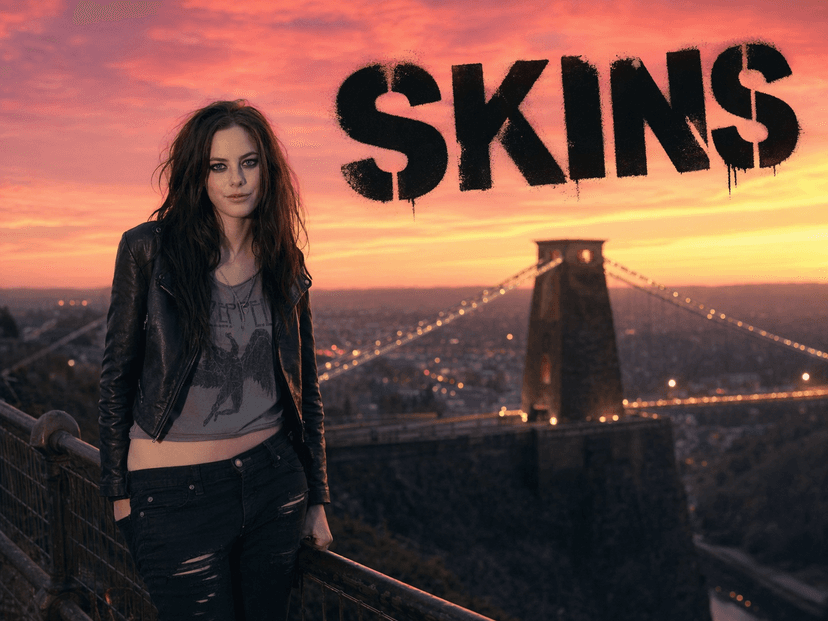
2007 - 2013

Skins aired on E4 from January 2007 to August 2013. Seven series, sixty-one episodes, four distinct ensembles, and one Bristol. The show was created by father-and-son writing team Bryan Elsley and Jamie Brittain, who pitched a teen drama written partly by actual teenagers and backed a production model where the writers' room was stacked with people under twenty-five. The result was a British youth show that finally stopped talking down to its audience.
The core conceit is brutal and brilliant: every two series, the entire main cast gets replaced. Generation 1 (series 1-2, 2007-2008) introduced the Bristol sixth-formers who became the template. Generation 2 (series 3-4, 2009-2010) reset the cast and the tone. Generation 3 (series 5-6, 2011-2012) did it again. Series 7 in 2013 revisited three characters from earlier generations as young adults in the standalone "Fire", "Pure", and "Rise" arcs. No other show on British TV had the nerve to burn down its own ensemble every couple of years and trust the format to carry the next batch.
The generation-rotating format means Skins is less one ensemble than four consecutive ones, and the alumni list reads like a British acting boot-camp graduation register.
Generation 1 delivered names that would dominate the next fifteen years of British screen. Nicholas Hoult anchored series 1-2 as Tony Stonem, the charismatic manipulator at the centre of the Bristol friend group. Dev Patel played Anwar Kharral before Danny Boyle cast him in Slumdog Millionaire. Daniel Kaluuya had a recurring role as Posh Kenneth and, more importantly, was in the writers' room before he was old enough to legally drink in America. Joe Dempsie, later Gendry on Game of Thrones, played Chris Miles. Hannah Murray, later Gilly on the same show, played Cassie Ainsworth. Kaya Scodelario joined at fourteen as Tony's younger sister Effy Stonem and became the only actor to span all three main generations, the emotional through-line of the entire show.
Generation 2 handed the baton to a new ensemble led by Jack O'Connell as James Cook, the volatile party animal whose arc across series 3-4 is one of the best-written pieces of teen-drama acting of the decade. Luke Pasqualino took on Freddie McClair. The Fitch twins Emily and Katie were played by real-life twins Kathryn and Megan Prescott. Lily Loveless appeared as Naomi, Ollie Barbieri as JJ Jones, and Scodelario carried Effy through the second generation as a lead rather than a supporting puzzle.
Generation 3 went even younger. Dakota Blue Richards (already known from The Golden Compass) led as Franky Fitzgerald. Freya Mavor, Sebastian de Souza, Alexander Arnold, Will Merrick, Jessica Sula, Laya Lewis and Sean Teale filled out the ensemble. Freya Mavor is now all over British prestige TV; Jessica Sula has been a steady working actor in the US.
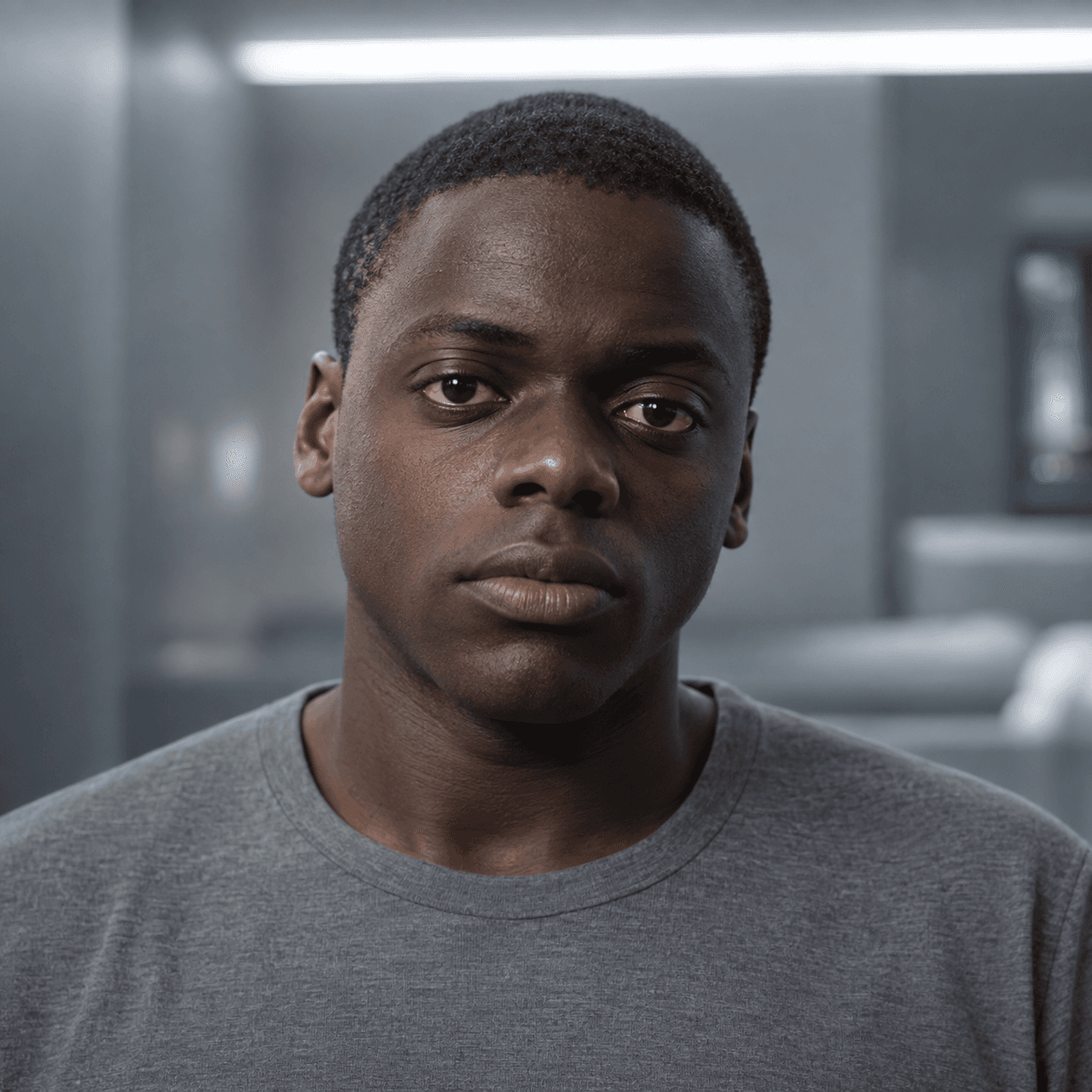
Daniel Kaluuya
Posh Kenneth / Writer
Jamie Brittain
Co-creator / Writer
Nicholas Hoult
Tony Stonem
Dev Patel
Anwar Kharral
Jack O'Connell
James Cook
Kaya Scodelario
Effy Stonem
Joe Dempsie
Chris Miles
Hannah Murray
Cassie Ainsworth
That's the short version. The long version is: if you pick almost any British drama of the last decade and check the cast list, someone in it came through Bristol first.
The surface of Skins is teenage chaos. The house parties, the pills, the shags, the Bristol-at-three-a.m. wanderings that became known online as "Skins parties" and caused moral panics in tabloid columns and pearl-clutching editorials for years. All of that is there and none of it is fake. Gen 1's pilot ends on a moment of chaos, not consequence, and the series doesn't apologise for it.
Underneath, though, Skins is working on four ideas that British teen drama hadn't really touched before.
None of this is preached. It is acted, written, and filmed with the assumption that the audience is smart enough to keep up.
The show's visual identity is a reason it became iconic. Handheld cameras follow kids down terraced streets at dawn. Each episode is named after a single character and largely shot from that character's point of view, which means the framing, the music and sometimes the reality bend around whoever is the focus. The "Cassie" episode of series 1 is still taught in film courses.
The soundtrack is load-bearing. Skins had a music budget that felt bigger than the rest of the production combined, and it used it on a rolling selection of indie, dance, grime and electronica that dated the show perfectly to its era and kept it there. If you were British and between fourteen and twenty when this show aired, the opening bars of "Standing in the Way of Control" by Gossip will take you back to your bedroom faster than almost anything.
Skins was a critical and cultural hit for E4, a BAFTA winner, and one of the defining British youth shows of the late 2000s. Its reputation suffered some bruising. The generation-rotating format meant fans of Gen 1 mourned when it changed, and by the time Gen 3 arrived a slice of the audience had decided the show was done. I would push back on that reading. Gen 2 is the strongest arc the show ever produced. Gen 3 takes a little while to settle, but has real moments by the time you get to series 6.
Without Skins there is no Misfits, no The End of the F**ing World*, no Euphoria. Every teen show that has trusted its audience since owes this one a pint.
The US remake for MTV in 2011 is a cautionary tale. It got a single season, was dogged by advertiser boycotts over the same content the UK show had been airing happily for four years, and was cancelled. The gap between British and American tolerance for teenage honesty on television could not have been more starkly advertised.
Skins works because it refused to treat being seventeen as a phase to grow out of. The show took teenage feeling seriously as an ending-of-the-world event, because that is honestly what being seventeen feels like and any show that pretends otherwise is lying. It was also funny a lot of the time, in the way that teenagers are actually funny, which is most of the detail pop culture about teens tends to miss.
If you want the comparison set. The Channel 4 DNA runs through Derry Girls and through Charlie Brooker's Dead Set. If you like the dystopian anxiety of Black Mirror, you can trace some of Kaluuya's early presence back to Bristol. Skins did not invent British teen television, but it redrew the floor.
Mitch Hewer
Maxxie Oliver
April Pearson
Michelle Richardson
Mike Bailey
Sid Jenkins
Larissa Wilson
Jal Fazer
Luke Pasqualino
Freddie McClair
Kathryn Prescott
Emily Fitch
Megan Prescott
Katie Fitch
Lily Loveless
Naomi Campbell
Ollie Barbieri
JJ Jones
Merveille Lukeba
Thomas Tomone
Lisa Backwell
Pandora Moon
Dakota Blue Richards
Franky Fitzgerald
Freya Mavor
Mini McGuinness
Sebastian de Souza
Matty Levan
Alexander Arnold
Rich Hardbeck
Will Merrick
Alo Creevey
Jessica Sula
Grace Violet Blood
Laya Lewis
Liv Malone
Sean Teale
Nick Levan
Bryan Elsley
Co-creator / Writer