2019 - Present
Godfather of Harlem is an MGM+ (originally Epix) crime drama that arrived in September 2019 and has so far run for four ten-episode seasons, with Season 4 landing over July to September 2024. It comes from Chris Brancato and Paul Eckstein, the duo behind Narcos, and that pedigree is all over the show's DNA. The fascination with real criminal history. The willingness to sit inside a world the viewer has been taught to see from the outside. The refusal to tidy up the politics.
I came to this expecting another gangster show and got something stranger and better. It is a prequel in spirit to Ridley Scott's 2007 film American Gangster, working back in time to pick up the real-life career of Ellsworth "Bumpy" Johnson, the Harlem numbers boss who served roughly a decade in Alcatraz and came home in 1963 to find the Italian-American mob had quietly absorbed his old territory. Forest Whitaker plays Bumpy as a man trying to reclaim a neighbourhood that has kept moving without him. The Genovese family, led by Vincent "Chin" Gigante, is now running Harlem's rackets. The streets are the same. Almost nothing else is.
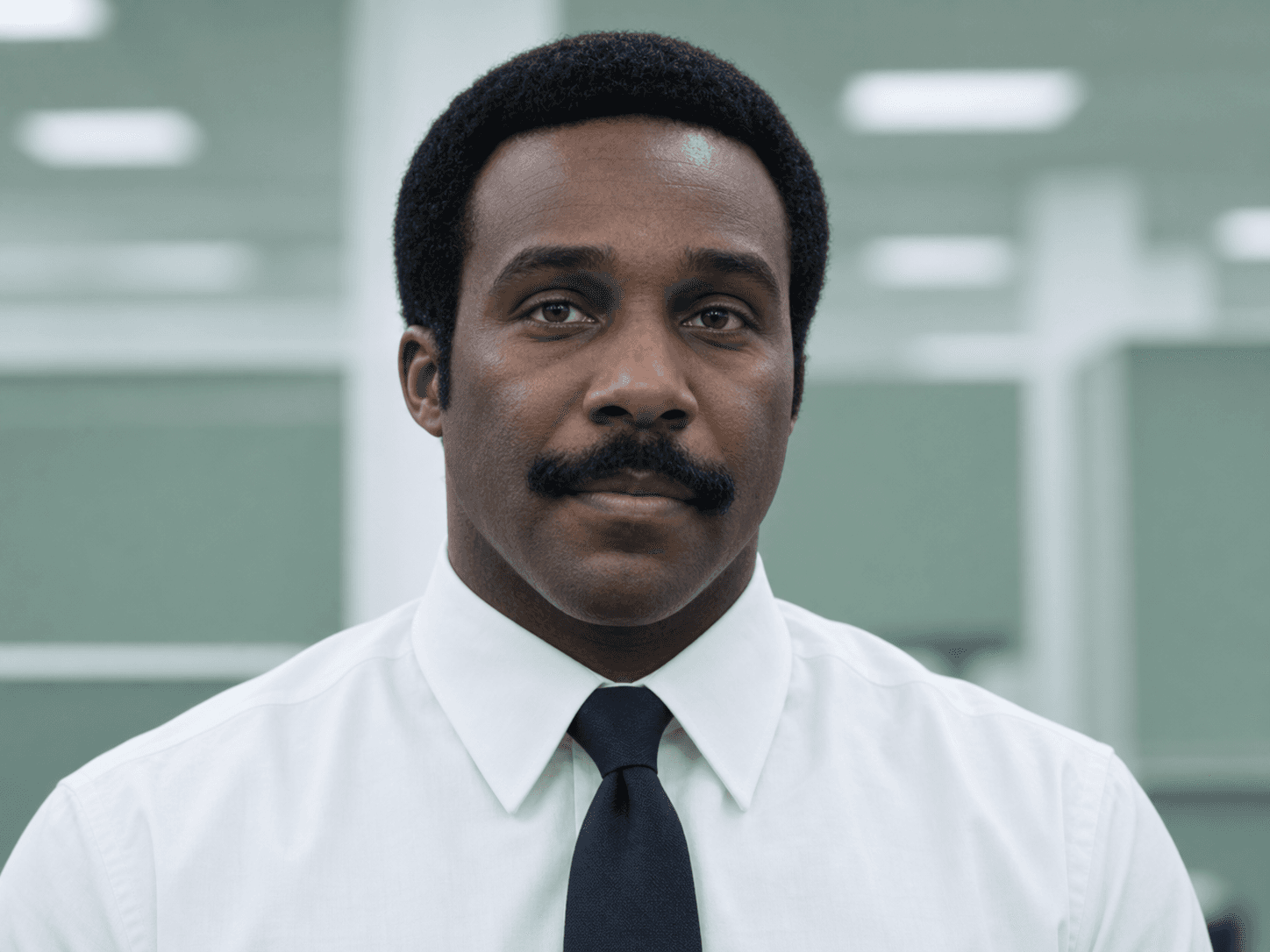
Forest Whitaker carries the show. His Bumpy is quieter than the usual gangster-show lead, more interior, and the weight he gives to small moments is why the series works at all. This is his return-to-TV-leading-man role and he takes it seriously. Vincent D'Onofrio is a heavy, sweating, properly frightening Chin Gigante, operating at a register he has not hit since Full Metal Jacket. Giancarlo Esposito plays Adam Clayton Powell Jr., the flamboyant Harlem Congressman, and he is so comfortable in the tailoring and the rhetoric that you forget you are watching the same actor who was Gus Fring.
Then there is Malcolm X. Nigél Thatch plays him across the first three seasons, with Jason Alan Carvell taking over in Season 4. Both actors resist the temptation to do an impression and instead play the man. The Bumpy-Malcolm scenes are the reason I kept showing up every week.
Ilfenesh Hadera as Bumpy's wife Mayme Johnson anchors the domestic story. Antoinette Crowe-Legacy plays their daughter Elise. Erik LaRay Harvey is Del Chance, Rafi Gavron is Ernie, Stark Sands plays NYPD detective Nick Russo, Lucy Fry works the socialite end of the cast, and Sarah Francis Jones rounds out the Harlem ensemble. Kelvin Harrison Jr. appears as a young Cassius Clay, pre-Ali. Chazz Palminteri plays Joe Bonanno. Paul Sorvino, in his last substantial role before his death in 2022, plays Frank Costello. The supporting bench is stacked.
On paper this is a crime show. In practice it is one of the most ambitious Civil Rights dramas on television, smuggled in under a gangster wrapper. Bumpy is a criminal. He is also a Black man trying to hold territory in 1960s Harlem while Malcolm X is rebuilding Black America's sense of itself three blocks away. The show refuses to separate those two stories. It understands that the numbers running in Harlem, the Nation of Islam mosques on 116th Street, the pool halls, the Apollo, Powell's congressional office, and the lunch counters where sit-ins were being organised, were all part of the same five square miles of the same city in the same years.
Paul Sorvino
Frank Costello
Chazz Palminteri
Joe Bonanno
Rafi Gavron
Ernie
Lucy Fry
Stella Gigante
Jason Alan Carvell
Malcolm X (Season 4)
Stark Sands
Det. Nick Russo
Ilfenesh Hadera
Mayme Johnson
Antoinette Crowe-Legacy
Elise Johnson
Historical figures move through the story as actual characters with skin in the game. Malcolm X, known to Bumpy as Red, negotiates. Muhammad Ali converts. Adam Clayton Powell Jr. trades favours. Martin Luther King Jr. is glimpsed in flashback. Joe Bonanno and Frank Costello are named and played, not whispered about. The show treats the Civil Rights Movement not as backdrop but as the engine the whole story runs on. Bumpy's war with the Genoveses cannot be separated from the question of whether Harlem belongs to Harlem or to someone else, and that question is being asked at the same time, louder, by the man in the bow tie at the lectern.
Visually the show splits itself. The Harlem street scenes are warm and specific, full of period-correct brownstones, jukeboxes, butcher-paper-wrapped groceries, and the kind of claustrophobic club interiors where most of the show's best conversations happen. The Italian-mob scenes lean cooler and more formal, leather banquettes and white tablecloths, a visual shorthand for the cultural distance Bumpy has to cross every time he sits down across from Chin.
The soundtrack is where the show makes its most distinctive choice. Rather than drop in period Motown wall-to-wall, executive music producer Swizz Beatz commissioned original contemporary hip-hop for the score, threading rap tracks through 1963 Harlem in a way that should not work and instead makes the show feel present rather than museum-piece. The theme got Grammy attention. It is one of the boldest stylistic calls in recent prestige TV and it pays off.
Notable hallmarks:
Reviews have been respectable rather than rapturous. Critics have praised Whitaker's performance, D'Onofrio's scenery-chewing villainy, and the ambition of the Civil Rights material, while sometimes flagging the show's heavier plotting or its comfort with genre-staple shootouts. It has built a committed audience across four seasons on a platform most people forget is there, which is a small miracle by itself. MGM+ (rebranded from Epix in 2023) is not HBO and this show was never going to get HBO's marketing spend, and yet it keeps delivering.
What the show has quietly achieved is harder to measure. It is a genuine Black-led prestige drama that treats the Civil Rights era as a story for grown-ups rather than a pious lesson. It has given Forest Whitaker a role worthy of his range. It has let a generation of viewers meet Bumpy Johnson and Chin Gigante and Adam Clayton Powell Jr. as characters rather than footnotes. Not every episode lands. The ones that do are as good as anything in the genre, including the grown-up crime shows like Boardwalk Empire and The Sopranos that it quietly sits alongside.
The simplest answer is Whitaker. The better answer is that Godfather of Harlem is doing two things at once, all the time, and making the collision the point. Gangster show, history show, street drama and political drama, the fight for 125th Street running in parallel with the fight for Black American self-determination. When the series holds those threads in the same frame, which it does more often than most shows manage across a whole run, it is the only thing on television doing what it is doing. Stick with the weaker beats. The best hours earn the whole series.
Erik LaRay Harvey
Del Chance
Giancarlo Esposito
Adam Clayton Powell Jr.
Kelvin Harrison Jr.
Cassius Clay / Muhammad Ali
Nigél Thatch
Malcolm X (Seasons 1-3)
Sarah Francis Jones
Harlem ensemble
Forest Whitaker
Ellsworth "Bumpy" Johnson
Vincent D'Onofrio
Vincent "Chin" Gigante