Arturo Muselli
About Arturo Muselli
Arturo Muselli is an Italian actor, stage director and photographer whose work moves fluidly between the intellectual rigour of Neapolitan theatre and the blunt impact of contemporary Italian television. Born in Naples on 3 June 1983, he grew up in a city whose cultural life oscillates between the baroque grandeur of its classical tradition and the harder rhythms of its streets, and his career has always seemed to draw on both sides of that inheritance. He is best known internationally as Enzo "Sangue Blu" in Sky Italia's landmark crime saga Gomorra – La serie, a role that brought him to audiences far beyond Italy and cemented his reputation as one of the most distinctive screen presences of his generation.
Muselli's formation is unusually thorough by Italian standards. He trained at the Laboratorio Teatro Permanente di Napoli and attended international workshops in London and elsewhere before taking a degree in Modern Literature at the University of Naples Federico II, specialising in Modern Philology. His early teacher was Maria Benoni, an assistant to Etienne Decroux, under whom he studied corporeal mime and the theatrical biomechanics associated with Vsevolod Meyerhold. That physical, almost sculptural approach to performance would become a hallmark of his acting, lending even his most naturalistic screen work an underlying precision of gesture and stance. He made his stage debut in 2002 in Chekhov's The Bear and in a production drawn from Tennessee Williams, both directed by Benoni, and from there moved steadily through the Neapolitan theatrical circuit, combining classical texts with new writing.
Cinema arrived quickly. In 2004 Muselli appeared in Paolo Sorrentino's Le conseguenze dell'amore, a film that announced Sorrentino as one of the essential voices of twenty-first-century European cinema and gave Muselli his first close-up in a major auteur work. He continued to alternate film, television and stage in the years that followed, appearing in Enrico Caria's L'era legale, Stefano Incerti's La parrucchiera, and Gianni Amelio's La tenerezza, each of them pieces rooted in southern Italian sensibility. He also took a role in Ivan Silvestrini's English-language fantasy Dragonheart: Vengeance, a reminder that his range extends beyond the social-realist and crime material for which he is most celebrated, and he later joined Edoardo De Angelis's submarine drama Comandante, opposite Pierfrancesco Favino, in 2023.
On Italian television he built his profile through recurring work in long-running serials such as Un posto al sole and La squadra, productions that have been proving grounds for generations of Neapolitan actors. He also appeared in the period-mystery series Il commissario Ricciardi, taking a role in the second season of the RAI drama based on Maurizio de Giovanni's novels. Earlier in his career he had surfaced in Italian fiction devoted to the country's recent history, including television projects that revisited the figures of the anti-mafia magistrates, and he has spoken of the responsibility involved in dramatising the legacy of men such as Paolo Borsellino, whose story remains a touchstone for any Italian actor dealing with organised crime on screen.
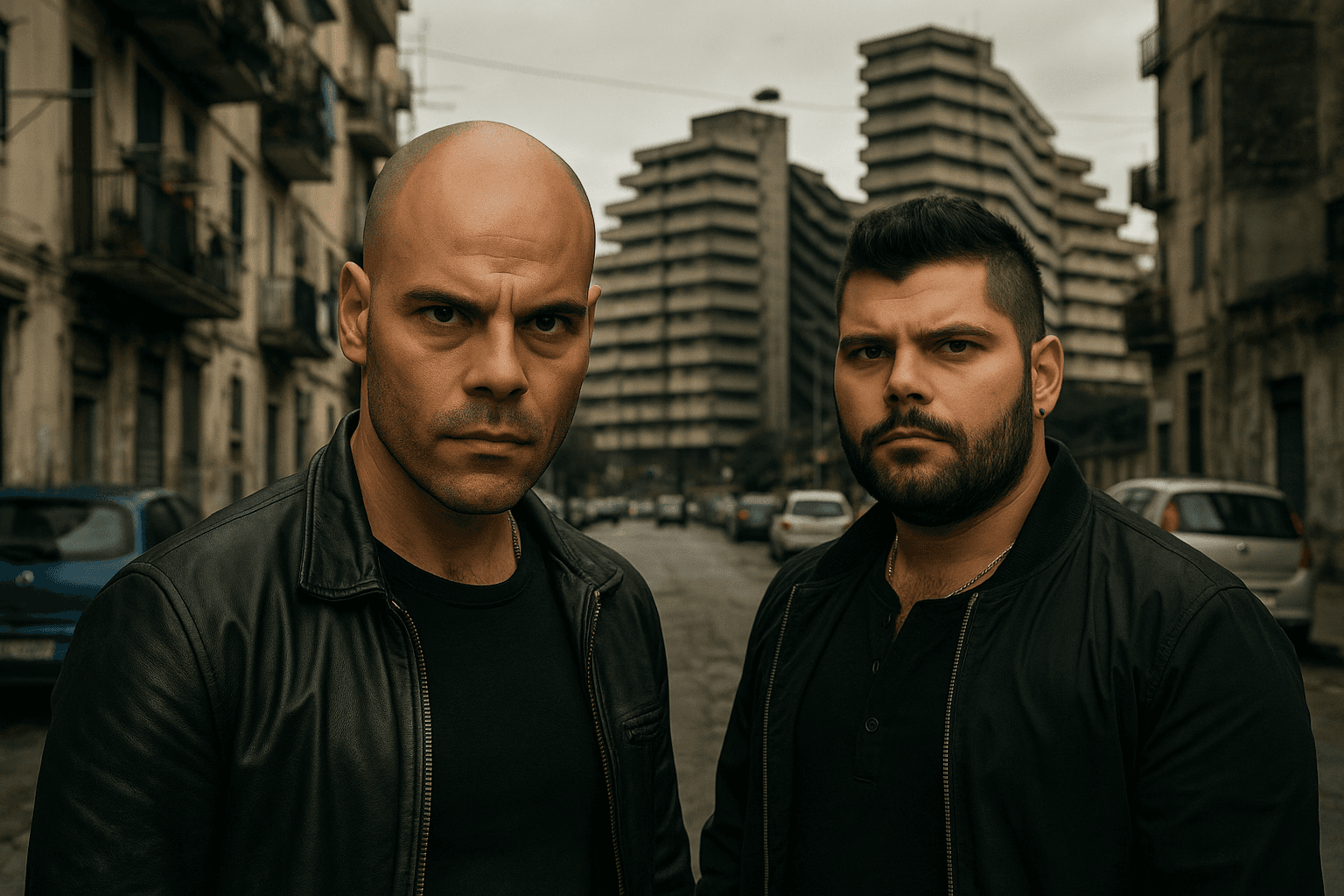
It was with Gomorra, however, that Muselli became a recognisable face to a global audience. Joining the series in its third season in 2017 and continuing through to its fifth and final season in 2021, he played Enzo, known in the Forcella district of Naples as Sangue Blu, blue blood. The character is a young, well-born outsider trying to restore his family's lost standing in the underworld, and Muselli invested him with a bruised sense of honour that sat unusually within the show's amoral universe. In interviews he has repeatedly traced the character's emotional architecture back to Shakespeare, arguing that the ambition, jealousy and fatal idealism of Enzo are easier to understand through the lens of the history plays than through tabloid reporting on the Camorra. That insistence on classical reference points, brought to bear on contemporary genre material, is characteristic of his approach.
Alongside his screen career Muselli has remained committed to the theatre. He co-founded a small ensemble, The Hats Company, with the director Ludovica Rambelli and a handful of collaborators, the name a joke about the way three performers had to pass roles between themselves by swapping costume pieces. The company's work has included Wrong play, my lord!, a riff on Hamlet, and productions drawn from Strindberg's Creditori and Albert Camus's Caligula, the latter retitled Io sono invincibile. In 2015 he stepped behind the text himself as director, staging La morte è un punto by the Swedish writer Katarina Carlshamre. From 2020 he joined Ferzan Ozpetek's stage adaptation of Mine Vaganti, touring Italian theatres in a production that carried the warm, bittersweet sensibility familiar from Ozpetek's films into live performance.
Outside acting, Muselli has maintained a parallel life as a photographer, working since 2010 with the photojournalist Luciano Ferrara, an instructor at Naples's Academy of Fine Arts. Through the cultural associations Wine&foto and Tribunali 138 he has documented exhibitions, festivals and social campaigns, with a particular interest in the civic life of his own city. That second discipline reinforces a quality evident in his performances: a watchful, compositional eye, attentive to how bodies occupy a frame.
Muselli is a guarded presence off stage and off camera, giving relatively few interviews about his private life and preferring to let his work speak. He has been an advocate for the vitality of Neapolitan culture beyond its stereotypes, describing the city as a place whose complexity demands actors capable of holding contradiction without resolving it too neatly. In appearances at festivals such as Giffoni, he has encouraged younger performers to treat training as a long apprenticeship rather than a shortcut to visibility. Now in his early forties, with a filmography stretching across two decades and a stage practice that continues to broaden, he occupies a particular niche in Italian acting: a scholar-performer whose crime-drama stardom is underwritten by a serious, patient engagement with the craft.
Shows
Related reviews & articles
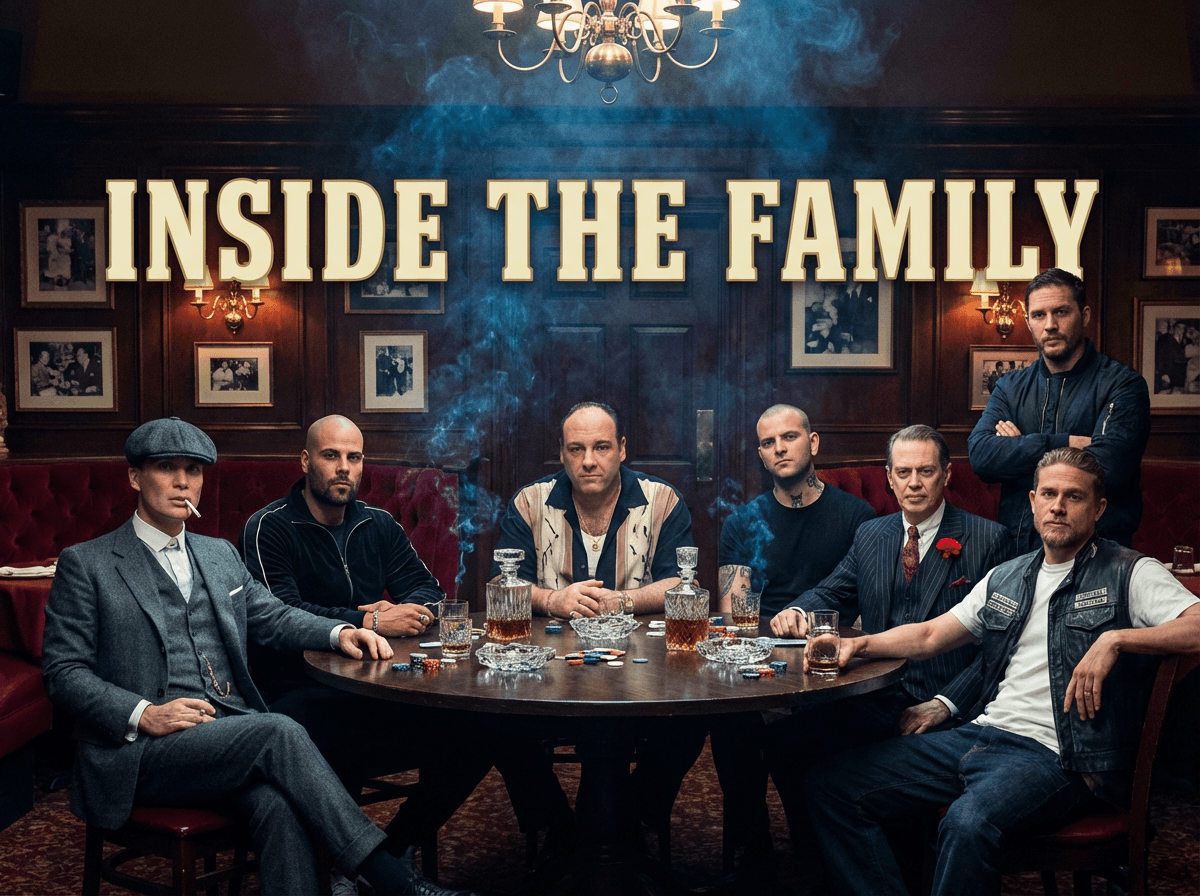
Top 10 Gangster Shows Told From Inside the Family
Ten gangster dramas I recommend for their characters, family loyalties and criminal worlds, from The Sopranos and Gomorrah to Kin and MobLand.
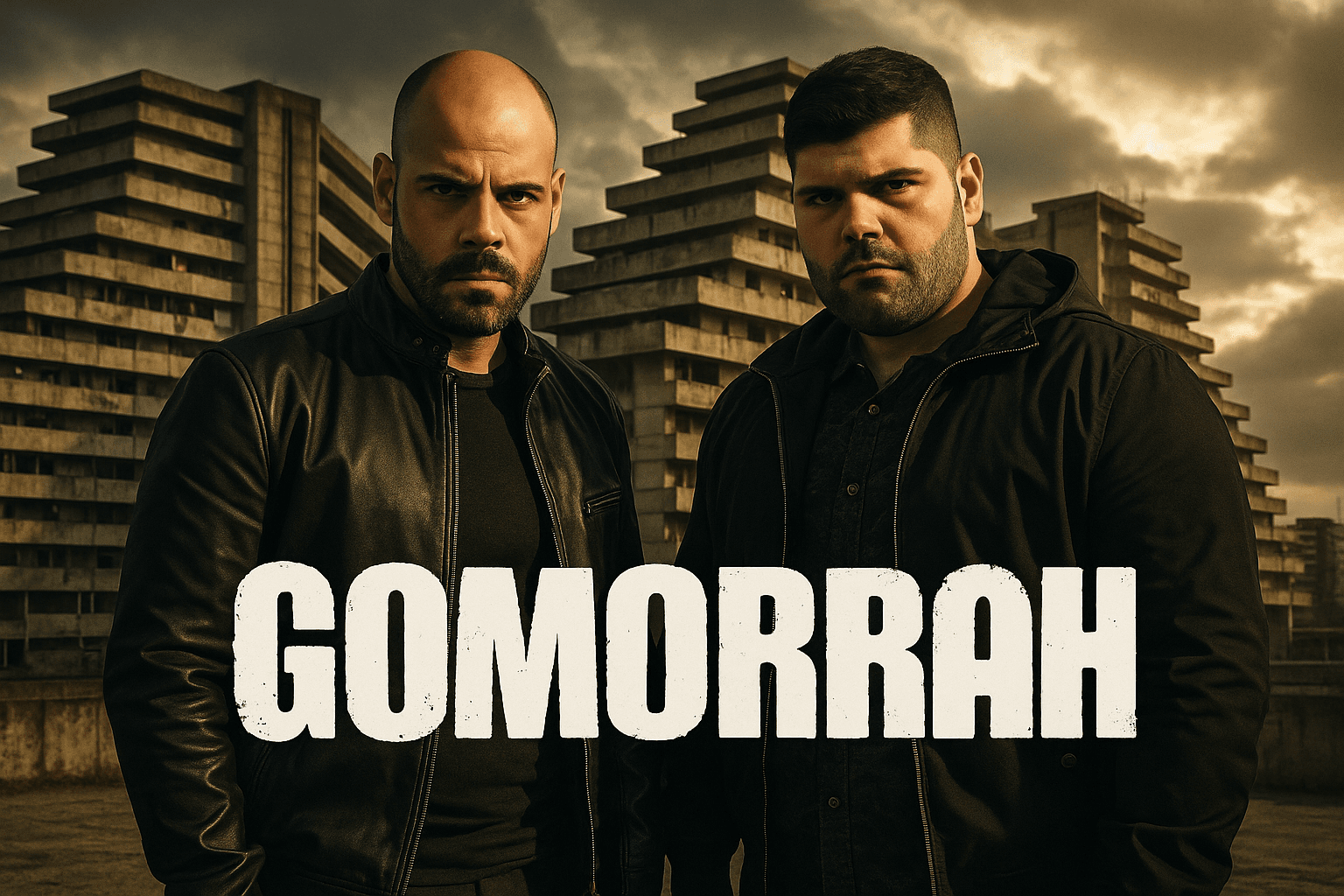
Gomorrah: Italy's Greatest Crime Saga
Gomorrah is one of my strongest recommendations: five seasons of loyalty, ambition and fear, led by Ciro and Genny. Watch it with subtitles.