Angel Bonanni
About Angel Bonanni
Angel Bonanni is an Israeli actor whose intense screen presence, multilingual fluency, and a face that seems to shift between hunted and hunter have carried him from Tel Aviv stages to streaming platforms across Europe and the United States. Born in Israel in 1979, Bonanni grew up in a household shaped by a mixed cultural background, with Italian and Israeli roots that would later prove useful in the polyglot world of modern television. He often describes his childhood as restless and curious, drawn to physicality and storytelling in equal measure, qualities that would inform a career built less on glamour than on quiet, controlled menace and emotional opacity.
Before settling into acting, Bonanni completed his mandatory service in the Israel Defense Forces, an experience that, like many of his contemporaries, instilled the discipline and resilience that show up in his on-set reputation. He trained at the Nissan Nativ Acting Studio in Tel Aviv, one of the country's most respected schools, where he sharpened a craft rooted in the European tradition of detailed text work and embodied performance. He cut his teeth in Israeli theatre and short films, gradually building the kind of resume that would put him in the room for the first wave of Israeli television exports that began reshaping global drama in the early 2010s.
His breakthrough came with False Flag, known in Hebrew as Kfulim, the Keshet thriller that premiered in 2015 and quickly became one of Israel's most visible exports. Bonanni played Sean Tilson, a charismatic and unsettling figure whose loyalties and identities seem to shift with every episode, a role that demanded both physical magnetism and an almost forensic stillness. The series, loosely inspired by the 2010 Mahmoud al-Mabhouh assassination in Dubai, was acquired by Fox International Channels and later streamed widely, drawing the attention of producers including J. J. Abrams, who has spoken publicly about his admiration for the show. For Bonanni, Sean Tilson became a kind of calling card, the part that introduced international casting directors to a leading man who could carry a procedural in fluent English while suggesting whole histories with a glance.
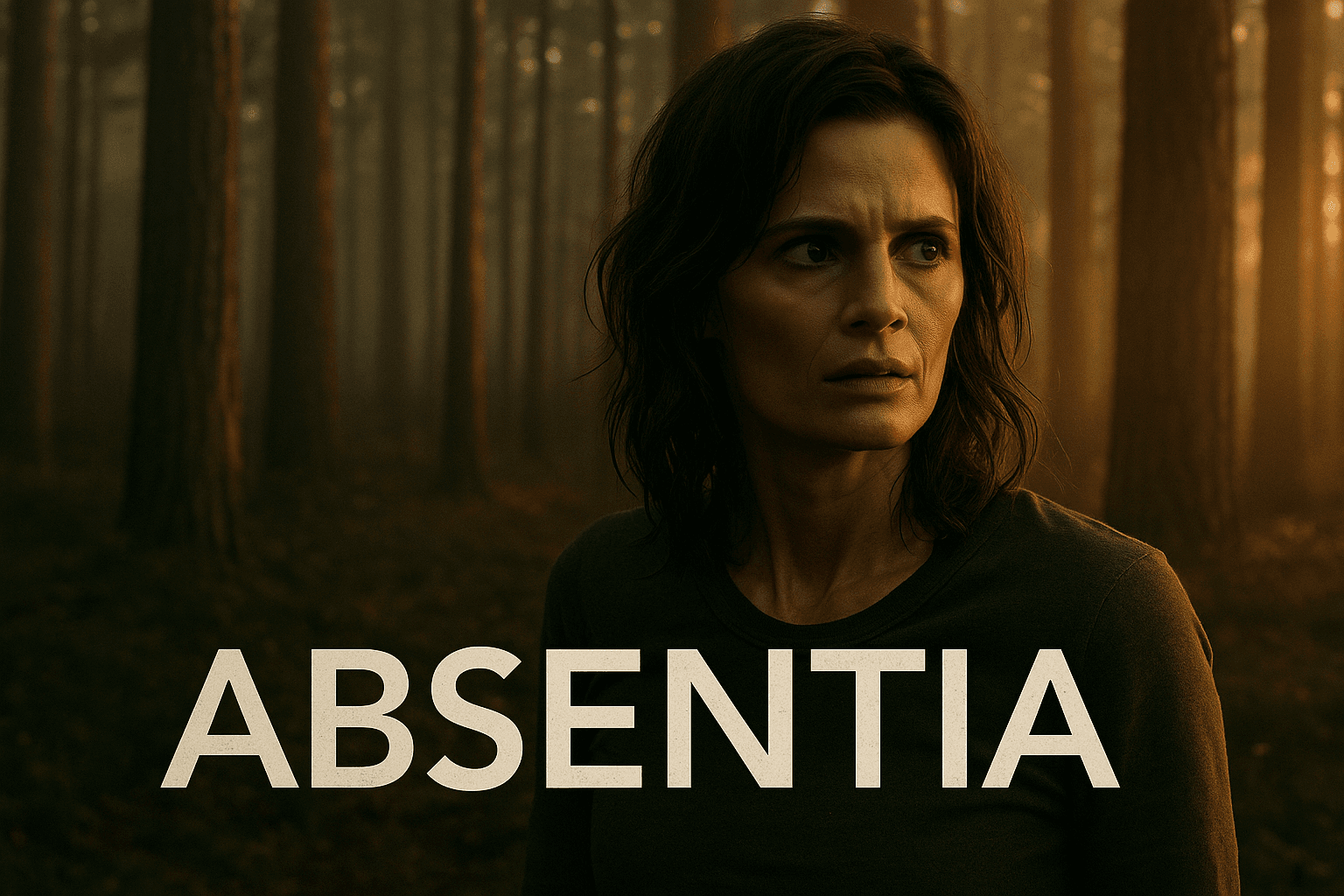
The exposure quickly translated into American work. He joined the third season of Amazon's Absentia in 2020, slotting into the moody, transcontinental thriller starring Stana Katic as a former FBI agent navigating conspiracies and trauma. Bonanni's character, an enigmatic figure tied to international intrigue, fit comfortably into the show's atmosphere of doubled identities and cross-border menace, the kind of territory he had already mapped on Israeli television. Around the same period he made an appearance in CBS's long-running FBI franchise, one of those guest turns that signal an actor's growing ease inside the rhythms of American network procedural work.
In 2021 he took a central role in Gone for Good, Netflix's French-language adaptation of Harlan Coben's novel Disparu à jamais. Working in French opposite Finnegan Oldfield and Nicolas Duvauchelle, Bonanni played Inès Leman's husband and brought a brooding gravity to a domestic mystery that unspools across decades. The performance underlined what had been increasingly obvious about his career: that he was one of a small group of actors who could move between Hebrew, English, and French projects without losing the specific texture of each, and that his casting was often a quiet signal of a production's international ambitions. Coben's relationship with Netflix has produced a string of glossy thrillers across multiple territories, and Bonanni's presence in the French chapter placed him squarely inside that prestige pipeline.
His American profile expanded further with HBO's True Detective: Night Country, the 2024 fourth season created by Issa López and led by Jodie Foster and Kali Reis. Set in the perpetual darkness of an Alaskan winter, the season trades the southern Gothic of earlier instalments for an icy, female-led examination of buried crimes and indigenous land. Bonanni appeared in a supporting capacity that fit the show's ensemble texture, joining a cast that prized weathered, lived-in faces over conventional star power. For an actor whose strongest scenes tend to play in close-up, the show's frostbitten palette and tight interiors offered a natural environment, and the season's strong ratings and awards conversation kept him in front of American audiences who might first have noticed him on Amazon or in Coben's Netflix universe.
Alongside these international credits Bonanni has continued to work in Israel, returning periodically to Hebrew-language film and television and remaining a familiar presence on Tel Aviv red carpets. He has spoken in Israeli press about the strangeness of building a career across so many languages and industries, describing the discipline required to inhabit a character in a tongue that is not his first and the way each language seems to draw a slightly different performance out of him. Colleagues describe him as a meticulous preparer, the sort of actor who arrives knowing not only his own lines but the architecture of the scene around them.
Off-screen he keeps a relatively low profile compared with peers who have ridden the same wave of Israeli television exports. He is private about his family life and rarely traffics in the kind of lifestyle content that defines many contemporary actors' public personas, preferring instead to let the work speak. His Instagram presence is sporadic and weighted toward project promotion and travel, fitting for a performer who spends much of the year on location in Europe or North America.
At the time of writing he is in his mid-forties, an age that has historically been kind to character-driven leading men, and the trajectory suggests more rather than less. With prestige streamers continuing to commission cross-border thrillers and limited series, and with directors increasingly willing to cast actors who can credibly inhabit several cultures inside a single season, Angel Bonanni occupies a useful and increasingly rare position. He is the sort of performer producers reach for when a story needs to feel rooted somewhere specific while still travelling, a quietly internationalist leading man whose best parts may still be ahead of him.