2019 - 2022

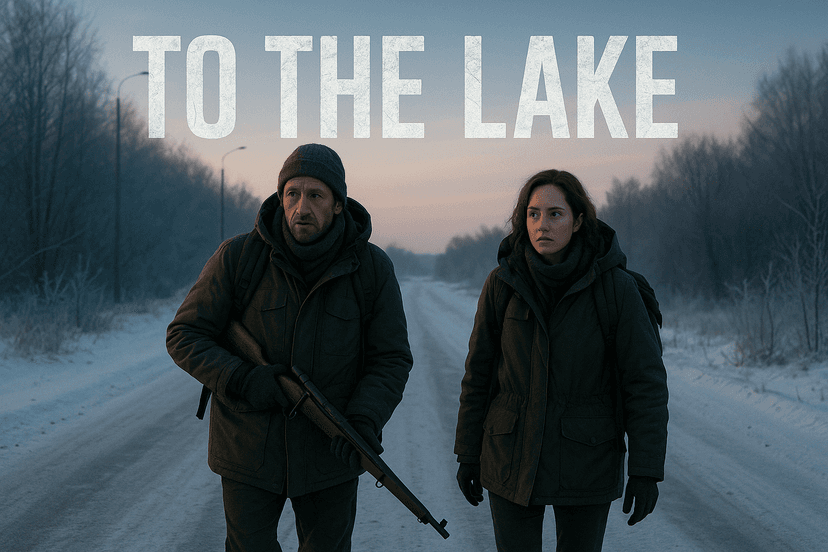
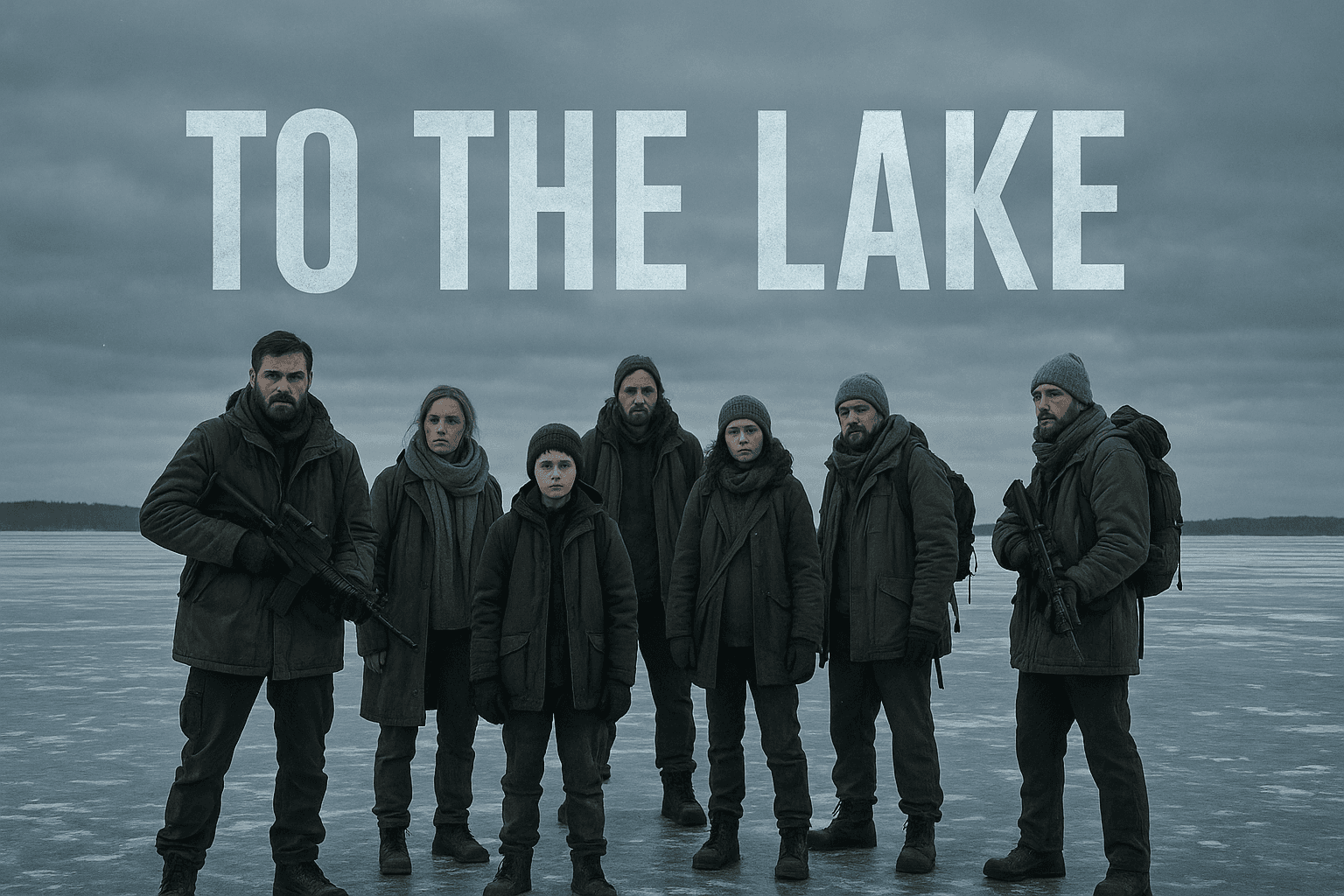
To The Lake (Russian: Эпидемия / Epidemiya, literally "Epidemic") is a Russian-language post-apocalyptic thriller. It first aired on the Russian streamer Premier on 14 November 2019, then found a second life when Netflix picked up the first season for global release in October 2020. Eight episodes, one season at that point, with a second season on Premier in April 2022 that took the total to sixteen. The first season is adapted from Vongozero, a 2011 novel by Russian author Yana Vagner, with Pavel Kostomarov directing and Roman Kantor writing.
The premise is simple and grim. By the time Netflix dropped it in October 2020 it was also unsettlingly timely. A strange and aggressive respiratory virus begins killing Muscovites with brutal speed. Quarantine turns into collapse. Collapse turns into riot. Sergey, a virologist living in a gated suburb outside Moscow, scoops up his new partner Anna, her autistic teenage son Misha, his ex-wife Irina, his young son Anton, his ageing father Boris, and a reluctant handful of neighbours. He points a small convoy north toward a remote cabin on a frozen lake called Vongozero in Karelia. I went into this expecting another zombie-adjacent plague show and got something much quieter and much meaner.
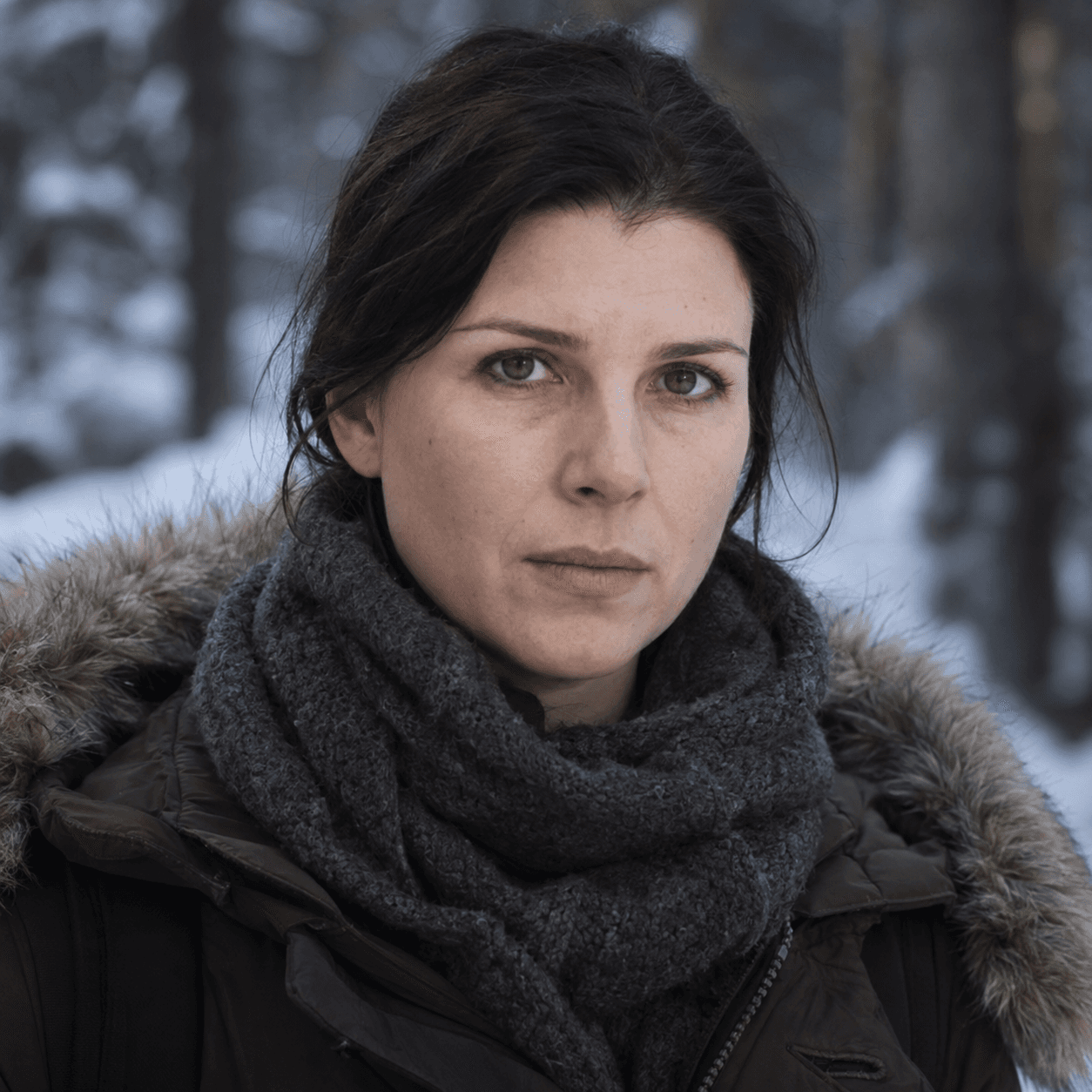
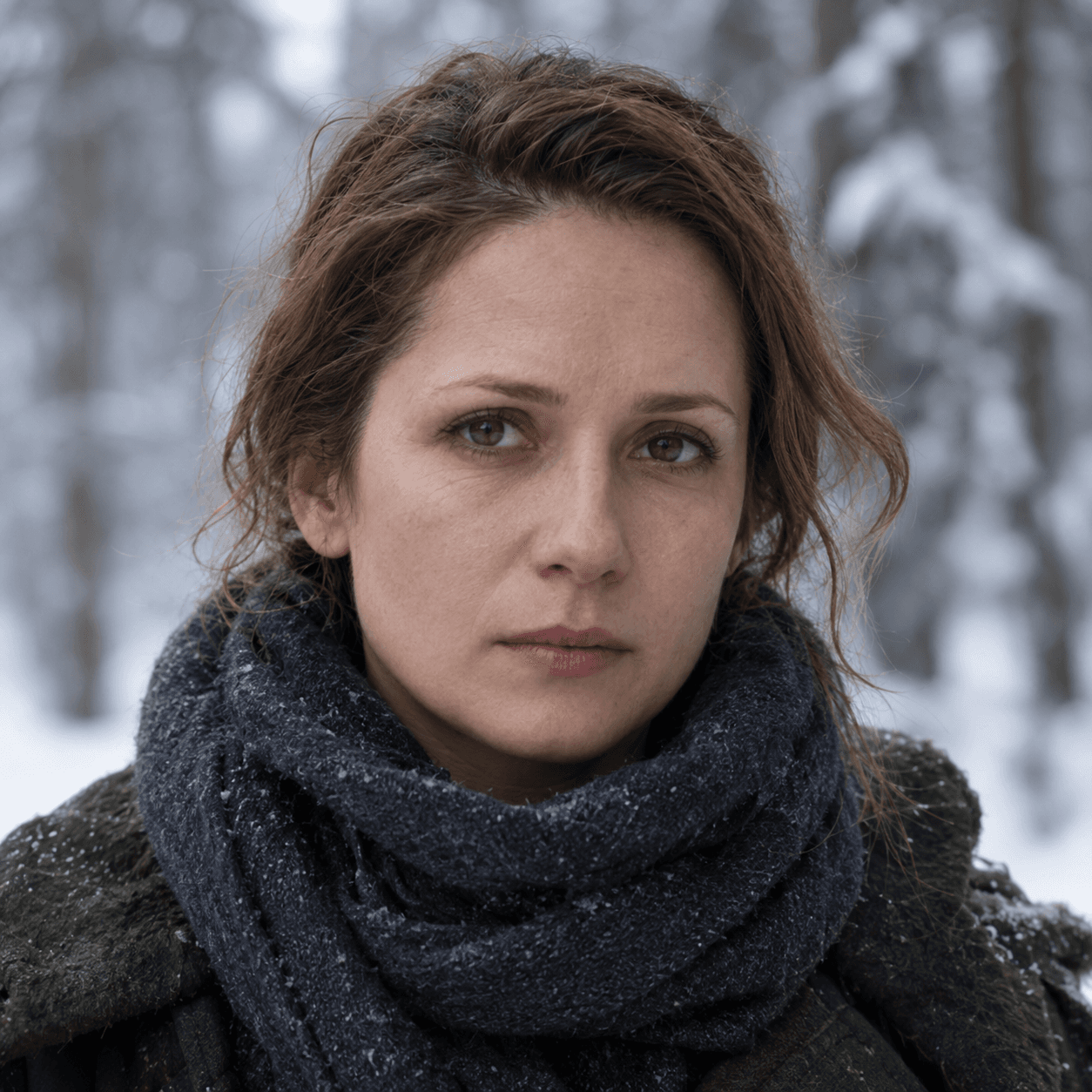
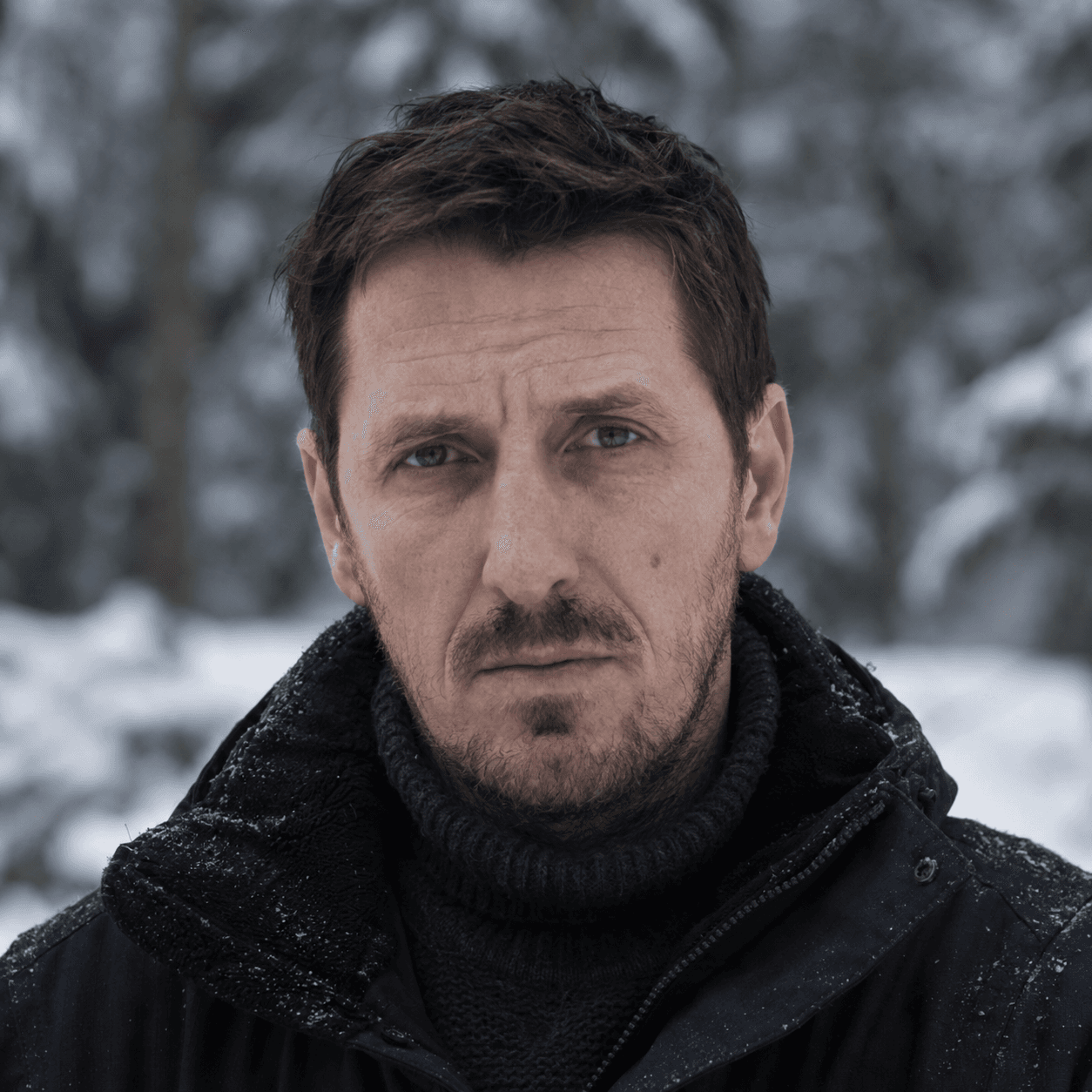
The show lives and dies on the ensemble, which is why it works. Kirill Käro leads as Sergey, the closest thing the group has to a leader and the least sure he should be one. Viktoriya Isakova plays Anna, Sergey's partner, sharpening into the moral spine of the convoy as the road wears on. Aleksandr Robak is Lyonya, the wealthy, pompous neighbour nobody wants along and nobody can quite leave behind. Natalya Zemtsova plays Marina, Lyonya's pregnant girlfriend, and Maryana Spivak plays Irina, Sergey's ex-wife, forced into close quarters with the new woman in his life while the world ends outside the windows.
Around them the cast deepens. Yuri Kuznetsov, a giant of Russian and Soviet screen acting, is Sergey's father Boris, stubborn and stoic and slowly running out of road. Eldar Kalimulin plays Misha, Anna's autistic son, in one of the more careful and understated depictions of autism I have seen in a genre show. Saveliy Kudryashov as young Anton grounds the emotional stakes every time a decision has to be made about whether to stop, to run, or to leave someone behind. Aleksandr Yatsenko drops in as Pavel, an EMS doctor whose arc becomes one of the most interesting of the season.
Here are the hallmarks the cast carries consistently:
Maryana Spivak
Irina
Saveliy Kudryashov
Anton
Viktoriya Agalakova
Polina
Viktoriya Isakova
Anna
Aleksandr Robak
Lyonya
Aleksandr Yatsenko
Pavel
Kirill Käro
Sergey
Yuri Kuznetsov
Boris

Honest review of *To The Lake* – a tense Russian apocalyptic thriller with a perfect 5/5 Woke Rating. Discover if this gripping series is worth your time.
Read MoreSurface level, To The Lake is a plague show and a road show. Under the surface it is about something older and meaner. It is about what a family does when the walls stop. The virus is a pressure cooker. The real drama is Sergey, his ex-wife, his new wife, his kid, her kid, and a neighbour who should not be in the same cabin with any of them. The show is honest enough to admit that an apocalypse does not paper over an affair or erase a custody row. It makes them worse.
There is a colder, more Russian thread running under it too. This is a story about the state failing and about how fast urban comfort evaporates when the electricity flickers. It is about flint-hard pragmatism in a Russian winter without the infrastructure that usually keeps it at bay. Yana Vagner's novel was written long before a real global respiratory pandemic made the whole thing feel like reportage, but the show keeps the book's instinct. The threat is not the virus. The threat is other people. And the cold. And the slow arithmetic of how much petrol you have left.
"A gorgeous, horrifying, and compelling account of contemporary society in a hastening collapse."
Kostomarov came up as a documentary cinematographer. He shot How I Ended This Summer, which won the Silver Bear at Berlin in 2010, and that documentary instinct carries straight into To The Lake. Handheld where it should be, long held on faces when a scene demands a face, no music cues telling you what to feel. The Moscow scenes in the opening episodes look like modern Russia in late autumn, drab apartment blocks and fluorescent-lit supermarkets, and then, as the convoy heads north, the palette drains. Grey sky and grey road, with white birch forest crowding in on both sides. The land does most of the work.
The violence is sparing and ugly when it arrives. No stylised action. A struggle at a petrol station feels like a struggle at a petrol station. When a character gets hurt, the camera does not flinch and does not linger. That restraint is the show's signature and the reason it hits harder than a louder, bigger-budget American version would.
The timing was accidental and unmissable. Netflix's global release landed in October 2020, seven months into a real pandemic, and within a week the show had climbed to number four on Netflix's global trending list. Critics liked it on its own terms. Rotten Tomatoes, Russia Beyond, and a string of European outlets called it one of the strongest recent entries in the genre. A second season followed on Premier in April 2022, directed by Dmitry Tyurin, continuing the story past the lake and adding Yura Borisov and Askar Ilyasov to the cast.
For anyone who liked the grounded, state-failure realism of Chernobyl, or the human-cost plague storytelling of The Last of Us, To The Lake is the European cousin that got there first and did it with a fraction of the budget. It also shares DNA with the cold paranoia of Silo and the bleakness-with-heart pacing of the better episodes of Black Mirror.
The reason To The Lake works when dozens of glossier Western apocalypse shows do not is that it never forgets its scale. This is not the end of the world as spectacle. It is the end of one family's normal life, and then the next family's, and the next, told from inside a Toyota in the snow. The writing trusts that a row about an affair can land as tense as a gunfight. The direction trusts a long silent shot of a frozen road more than any jump scare. And the cast knows how to play quiet.
It is not perfect. Some of the road-trip encounters strain credibility by the final stretch, and the second season is noticeably looser than the first. But the first eight episodes are as tight and unsentimental a post-apocalyptic story as television has produced in the last decade, and they land harder for anyone who watched them while the real world was wearing masks.
Natalya Zemtsova
Marina
Eldar Kalimulin
Misha