2022 - Present

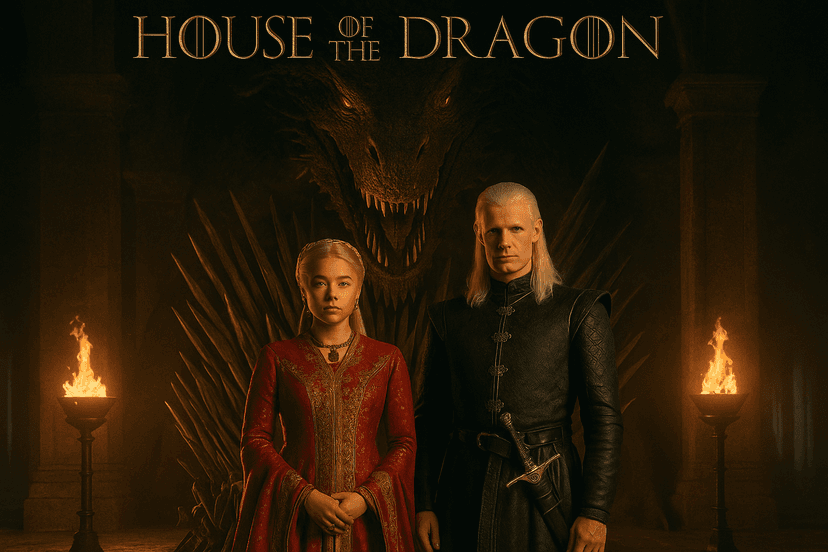
House of the Dragon is HBO's prequel to Game of Thrones, set roughly 200 years before the events of the original series. It premiered in August 2022, wrapped season two in August 2024, and has been confirmed for a third and fourth season. Created by George R.R. Martin and Ryan Condal, adapted from Martin's pseudo-historical novel Fire & Blood, it tells the story of the Targaryen civil war known as the Dance of the Dragons.
If Game of Thrones was about a dynasty in twilight, this is about a dynasty at noon, with dragons everywhere and a single family holding every card. The catch is the cards are held by people who marry their siblings, dream in fire, and have been told since birth that they are a breed apart. Succession was always going to be a problem. The show is the story of how that problem became a war.
On paper it is a Westerosi political thriller with dragons. In practice it is a drama about the cost of legitimacy. Who inherits? Who decides? What happens when a king's stated wish collides with the quiet machinery of court, faith, and a realm that has never seen a woman rule?
Martin has said he sees the Dance as the pivotal hinge in Targaryen history, the moment the family looked at itself and began to break. The show is faithful to that reading. Every dinner, every council meeting, every strained smile between old friends is laying groundwork. When the pieces finally move, they move because of choices made years earlier. Nothing is inevitable. Everything is overdetermined.
You can watch it as a fantasy epic. I watched mostly for the family psychology, which is as sharp as anything on prestige TV right now. The show understands that the most dangerous conversation in a royal household is the one nobody wants to have.
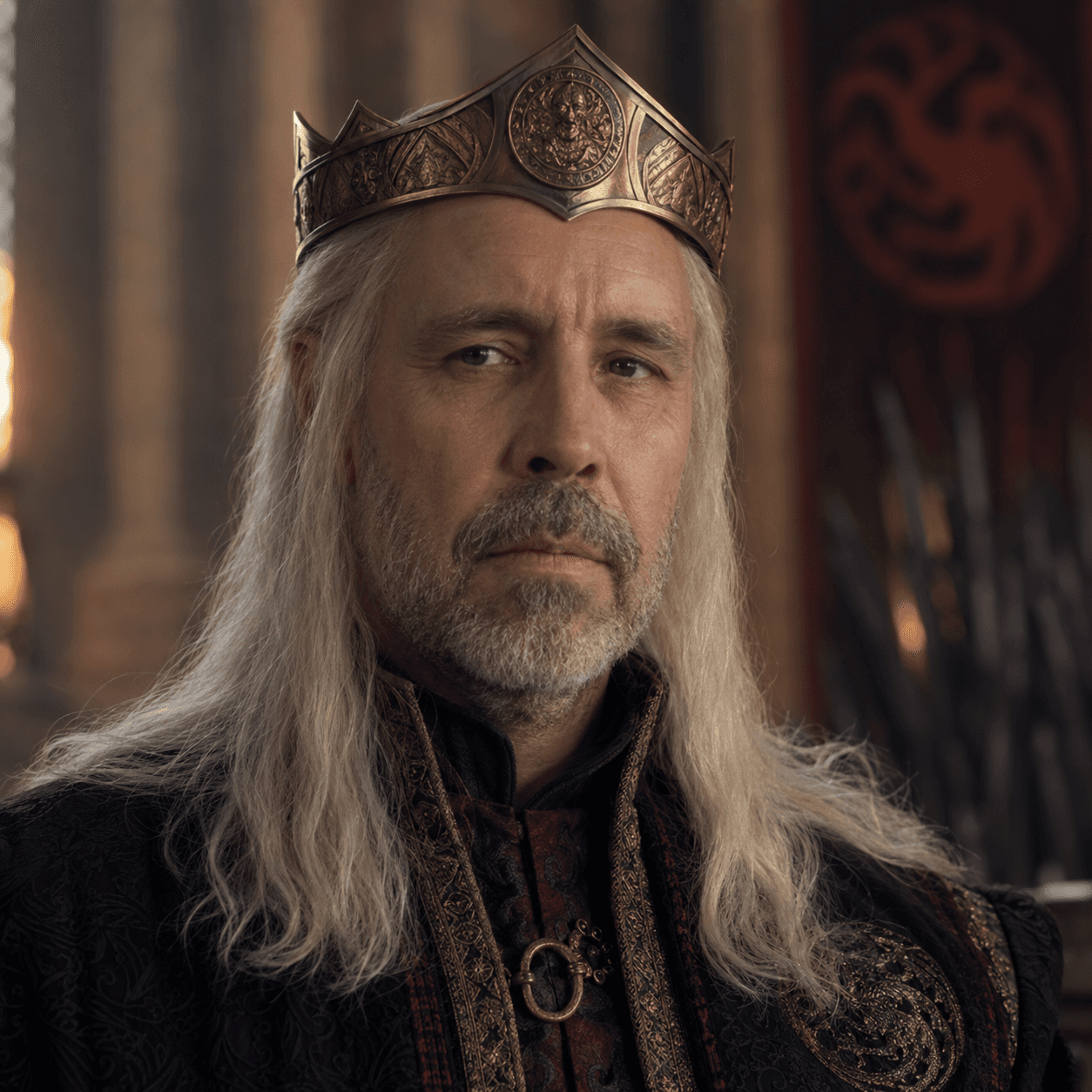
Paddy Considine is the quiet engine of season one as King Viserys I Targaryen, a decent man trying to do a hard job and losing the fight by degrees. It is one of the best performances on television in the last five years and does a lot of the heavy lifting before the show has announced what it is really about.
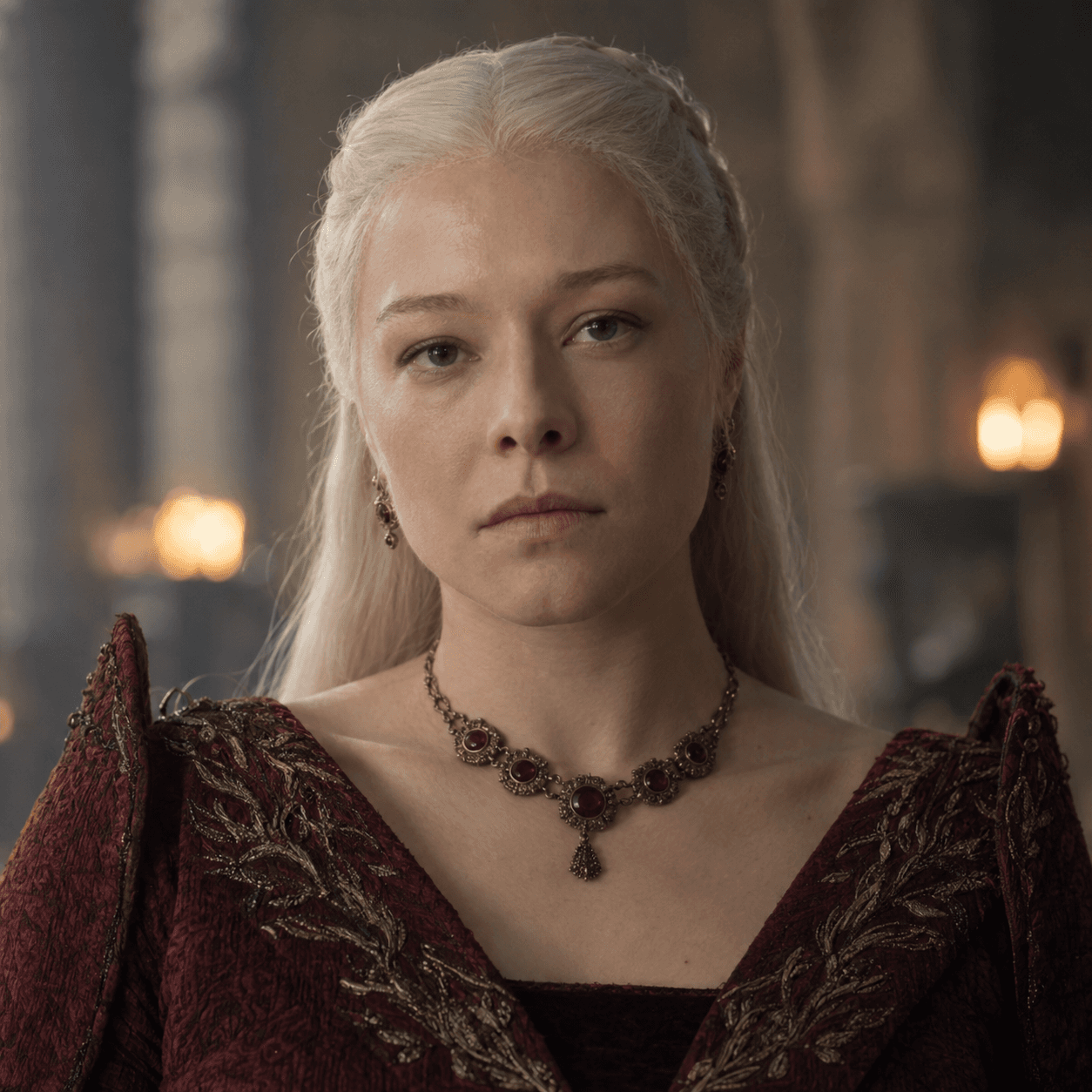
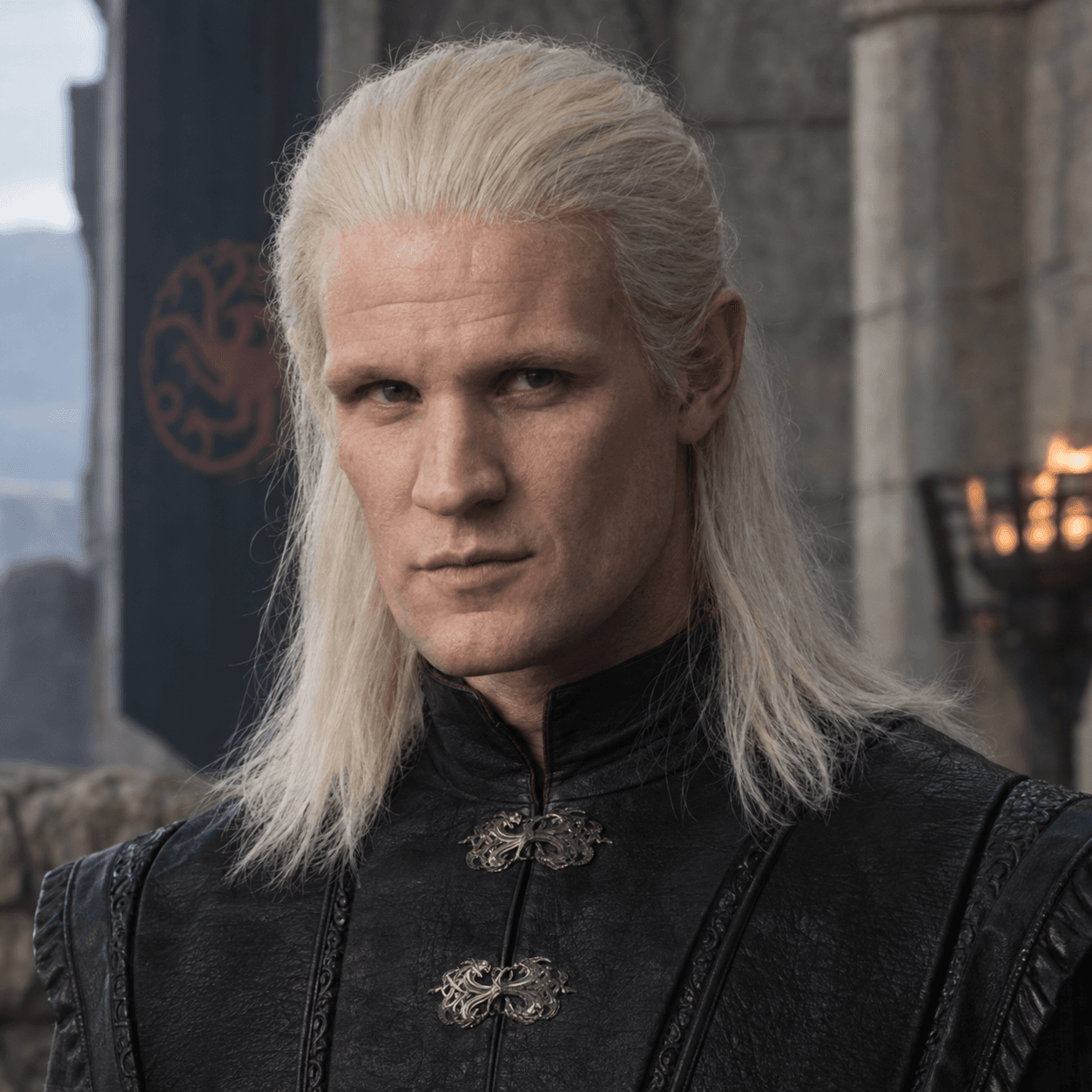
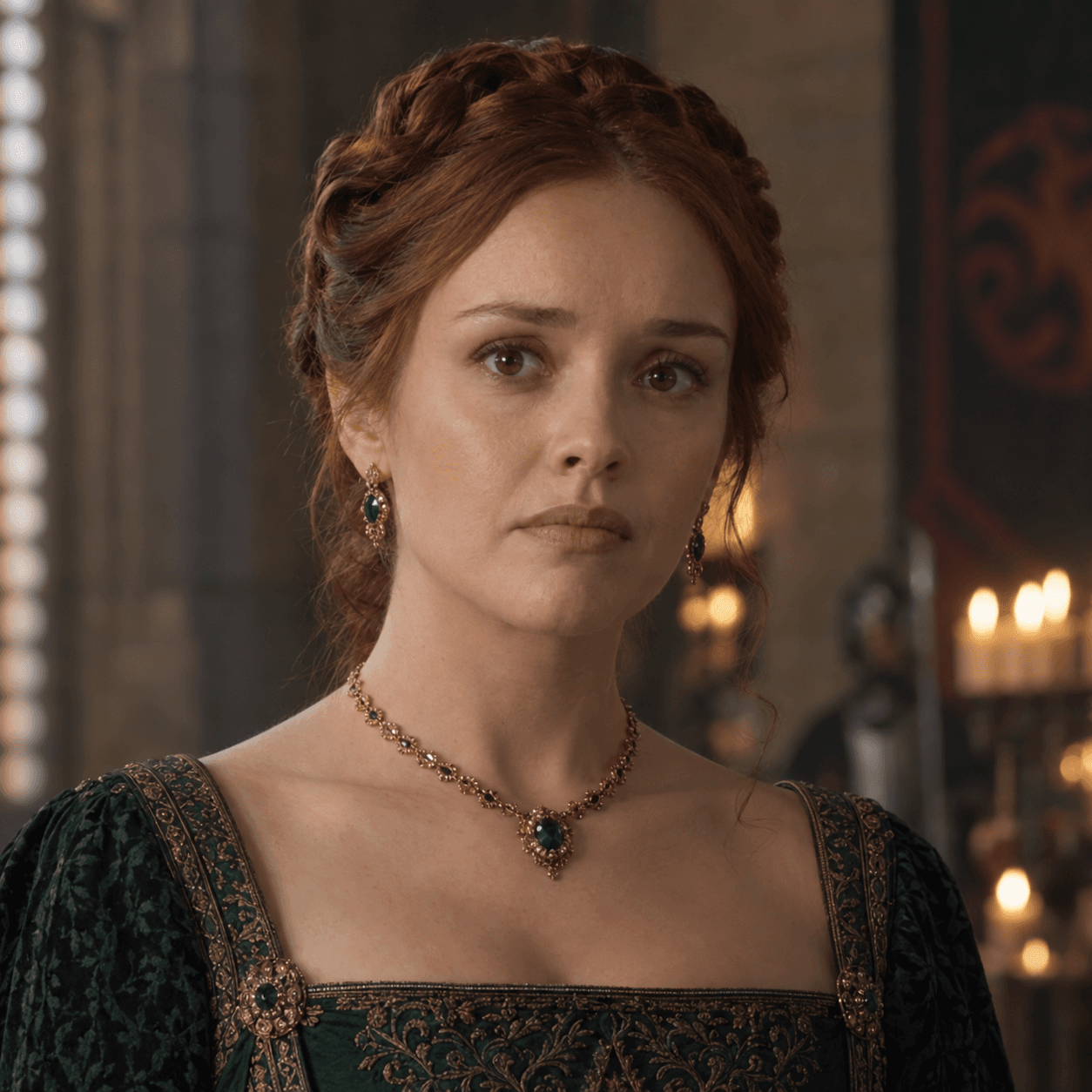
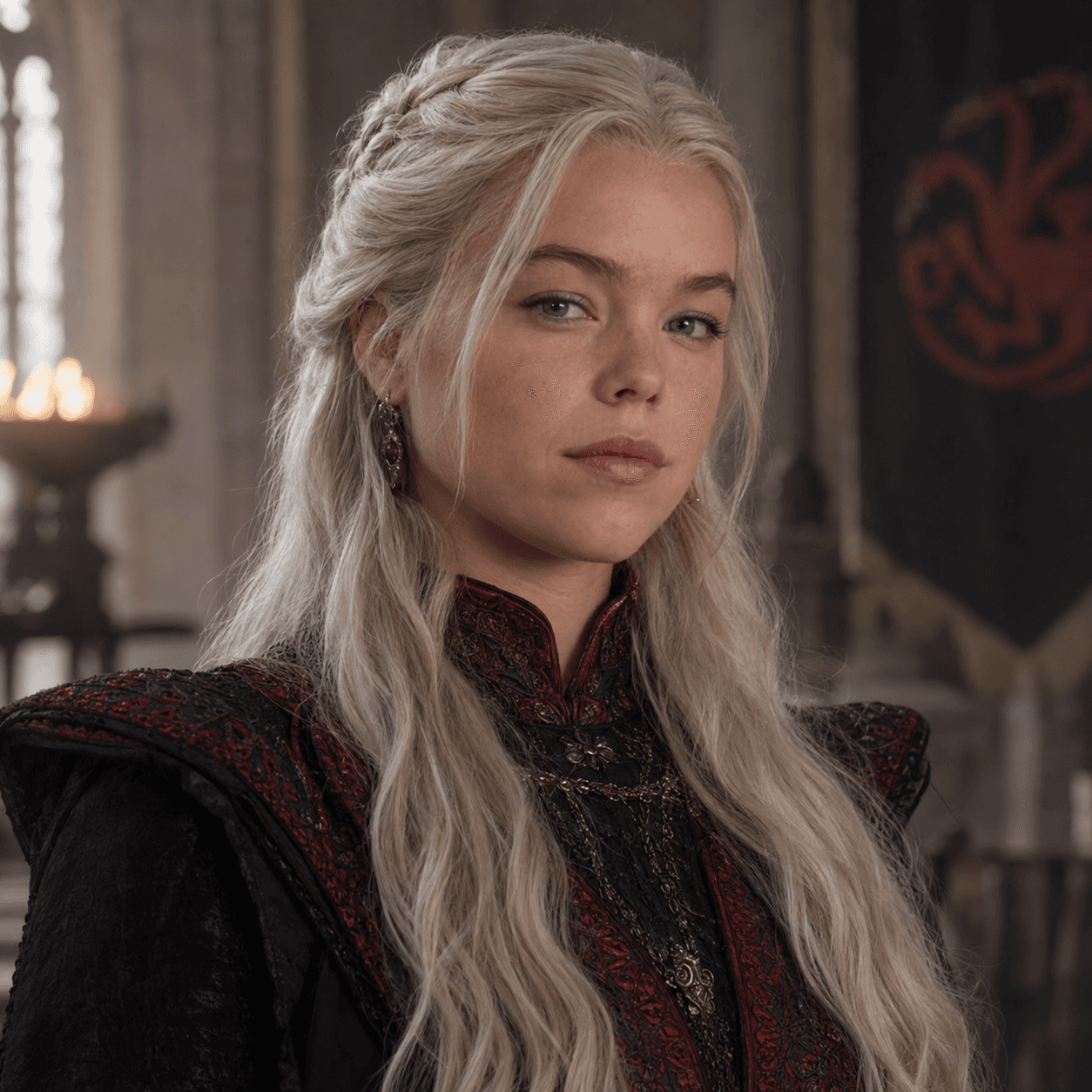
Matt Smith plays Prince Daemon Targaryen as a charismatic wrecking ball, all barely controlled violence and dynastic vanity. Emma D'Arcy and Milly Alcock split Princess Rhaenyra Targaryen across two timeframes, one of those split-casting decisions that could have collapsed the show and instead doubles its power. Olivia Cooke and Emily Carey do the same job for Queen Alicent Hightower, and the generational fracture between young friends and older rivals is where the whole tragedy lives.
The supporting bench is remarkable. The key figures include:
Emma D'Arcy
Lead Actor
Steve Toussaint
Lord Corlys Velaryon
George R.R. Martin
Creator/Executive Producer
Rhys Ifans
Otto Hightower
Ryan Condal
Creator/Showrunner
Matt Smith
Lead Actor
Olivia Cooke
Queen Alicent Hightower (adult)
Paddy Considine
Lead Actor

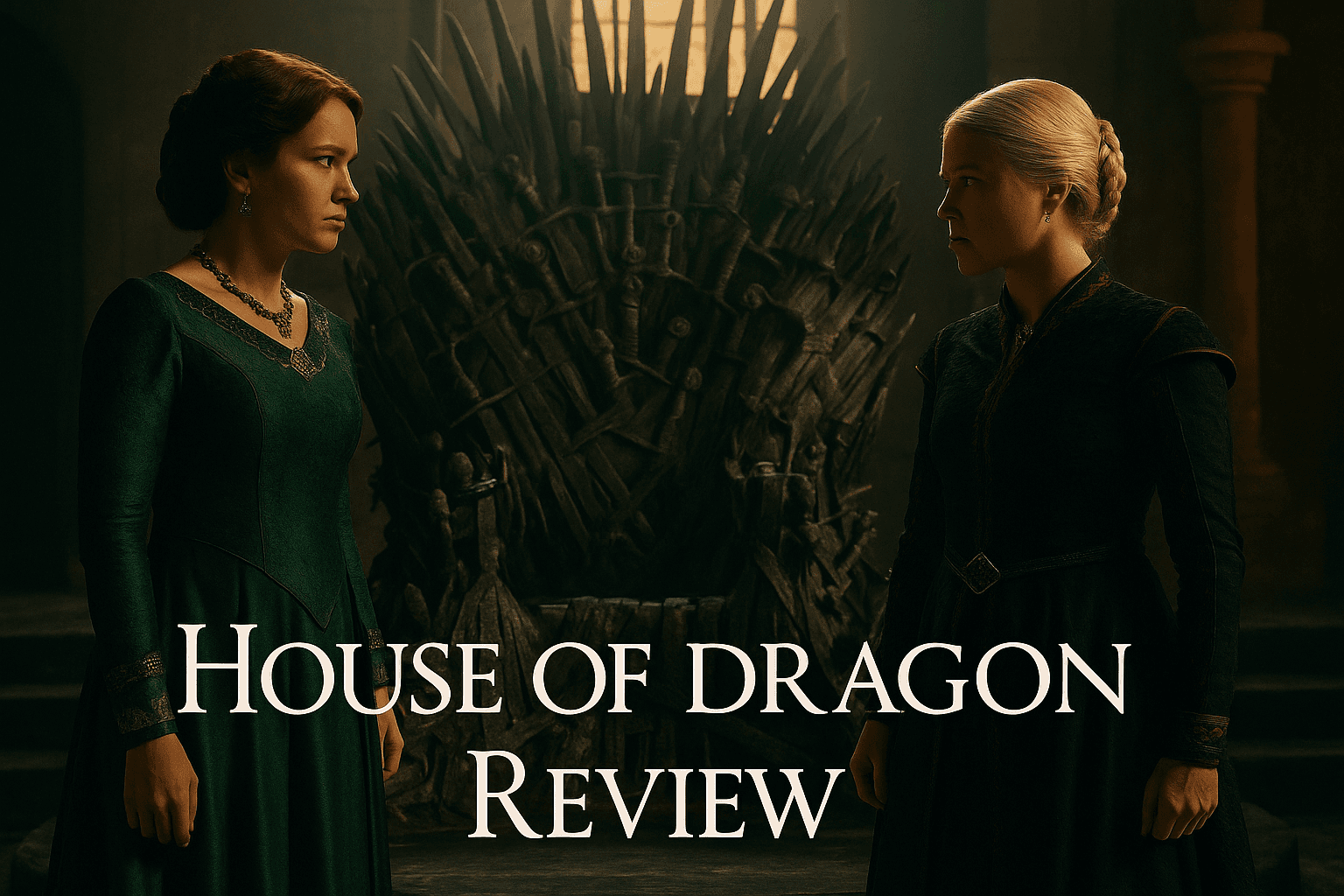
House of the Dragon review (woke rating: 3/5). We examine the Game of Thrones prequel's epic storytelling, strong performances, and if it's worth watching.
Read MoreMitchell in particular is the breakout. He does more with a level stare and a single spoken word than most actors manage with a monologue. When the show leans on him, it works.
House of the Dragon had a brief to look bigger than Game of Thrones and it mostly delivers. Dragonstone is a black basalt cathedral. King's Landing feels lived in. Driftmark, the Velaryon seat, is a wind-scoured stretch of coast that makes you feel the salt. The production designers and cinematographers clearly studied the original show and asked a simple question, what did we get right that we want to keep, and what can we do better now that we have a bigger budget and a decade of hindsight.
The dragons are the answer to both. They move like animals, not like CGI set pieces, each one with a temperament and a gait that matches its rider. Syrax is elegant. Caraxes is lean and wrong-looking. Vhagar is ancient and enormous. Meleys is a red flash across the sky. Sunfyre is vain. These beasts have personalities before they have story beats, which is why the riding sequences hit the way they do.
Ramin Djawadi's score returns and knows when to pull the old themes out and when to leave them alone. The new Targaryen motif is one of the best bits of TV scoring of the decade.
Season one was a commercial monster. Season two was divisive in places, with pacing complaints from a vocal section of the book-reading audience, but the critical response has stayed strong and the show remains one of HBO's flagship titles. It has won Emmys, Golden Globes, and the kind of water-cooler attention that prestige TV increasingly struggles to generate.
More importantly, it has done something that looked impossible a few years ago. It has rehabilitated a franchise that the final season of Game of Thrones had left in the ditch. Audiences came back. Reviewers came back. I came back, grudgingly, and was surprised by how quickly the show earned the trust that the parent series had spent.
"The best prequel in television history" is a thing some reviewers will say. Whether or not you agree, the fact that it is a serious argument tells you where the show has landed.
Fantasy TV has a tendency to show you the war. House of the Dragon shows you the people who will eventually have to fight it, and makes you care about the specific reasons each one is about to make a terrible decision. That is a harder trick, and a more humane one.
If you liked Game of Thrones at its strongest, the first three or four seasons, the answer on whether you should watch this is already obvious. If you bounced off Game of Thrones, this is actually the gentler entry point. It is a more contained story with a smaller board and fewer names to track. Readers who loved the political machination of Rome or the family-as-empire reading of Succession will find a lot to enjoy here too, transposed into fire and blood.
House of the Dragon is one of the best things on television right now. It earns its Targaryen name.
Milly Alcock
Princess Rhaenyra Targaryen (young)
Ewan Mitchell
Prince Aemond Targaryen