2018 - 2018

Dogs of Berlin is a 10-episode German crime drama that dropped on Netflix in December 2018. It was only the second German-language Netflix original, arriving a year after Dark and working a completely different tonal beam. Where Dark went cosmic and introspective, Dogs of Berlin goes street-level, sweaty, and unambiguously pissed off at the city it is set in.
Created by Christian Alvart (who also directs most of the run), the show uses a single murder as a skeleton key for the whole of contemporary Berlin. A German-Turkish football star, Orkan Erdem, is found dead on the eve of a Germany vs Turkey international. That kick-off is a dramatic gift. It puts every tribe in the city on edge at the same time, and Alvart uses the ten-episode runway to walk the viewer through all of them.
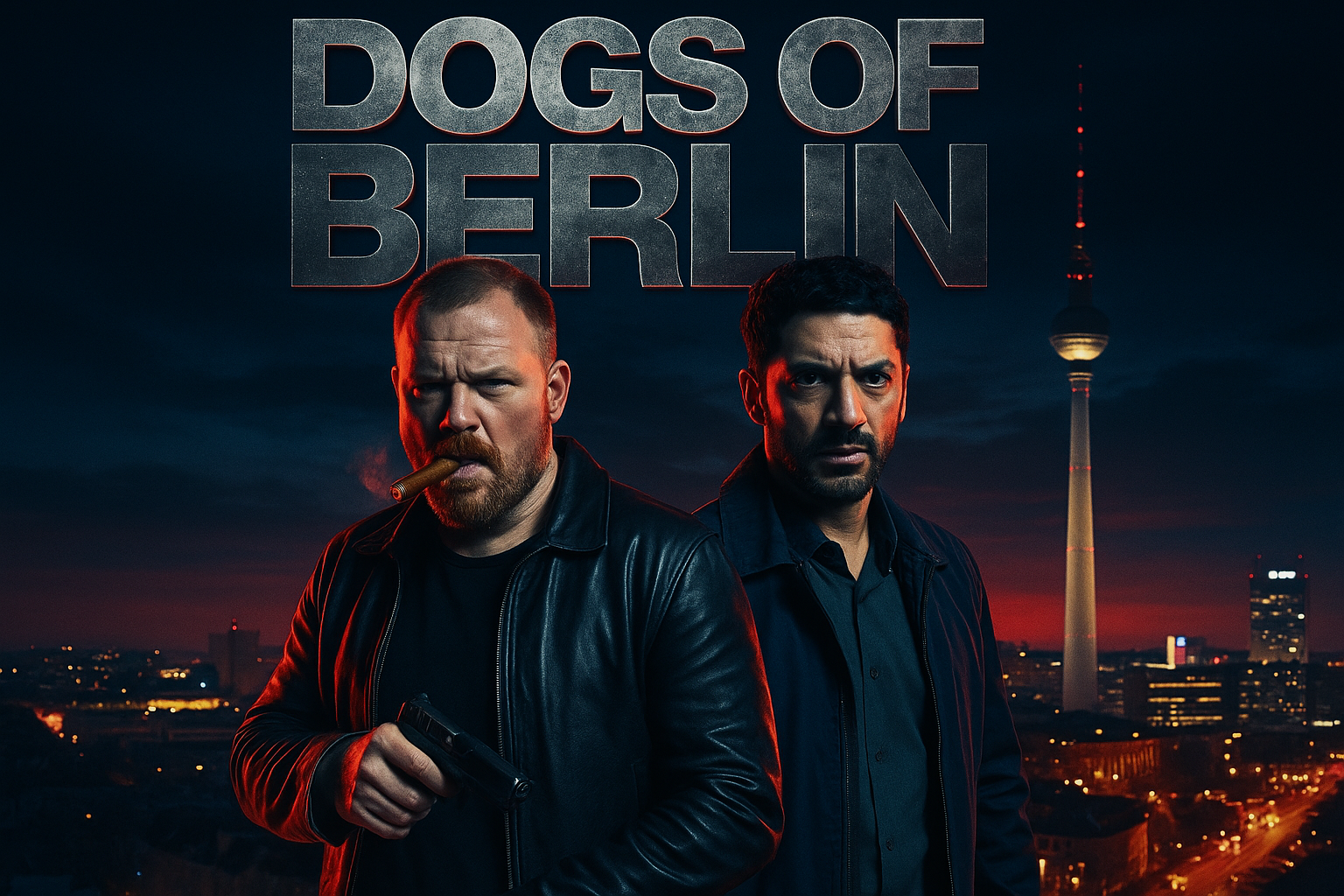
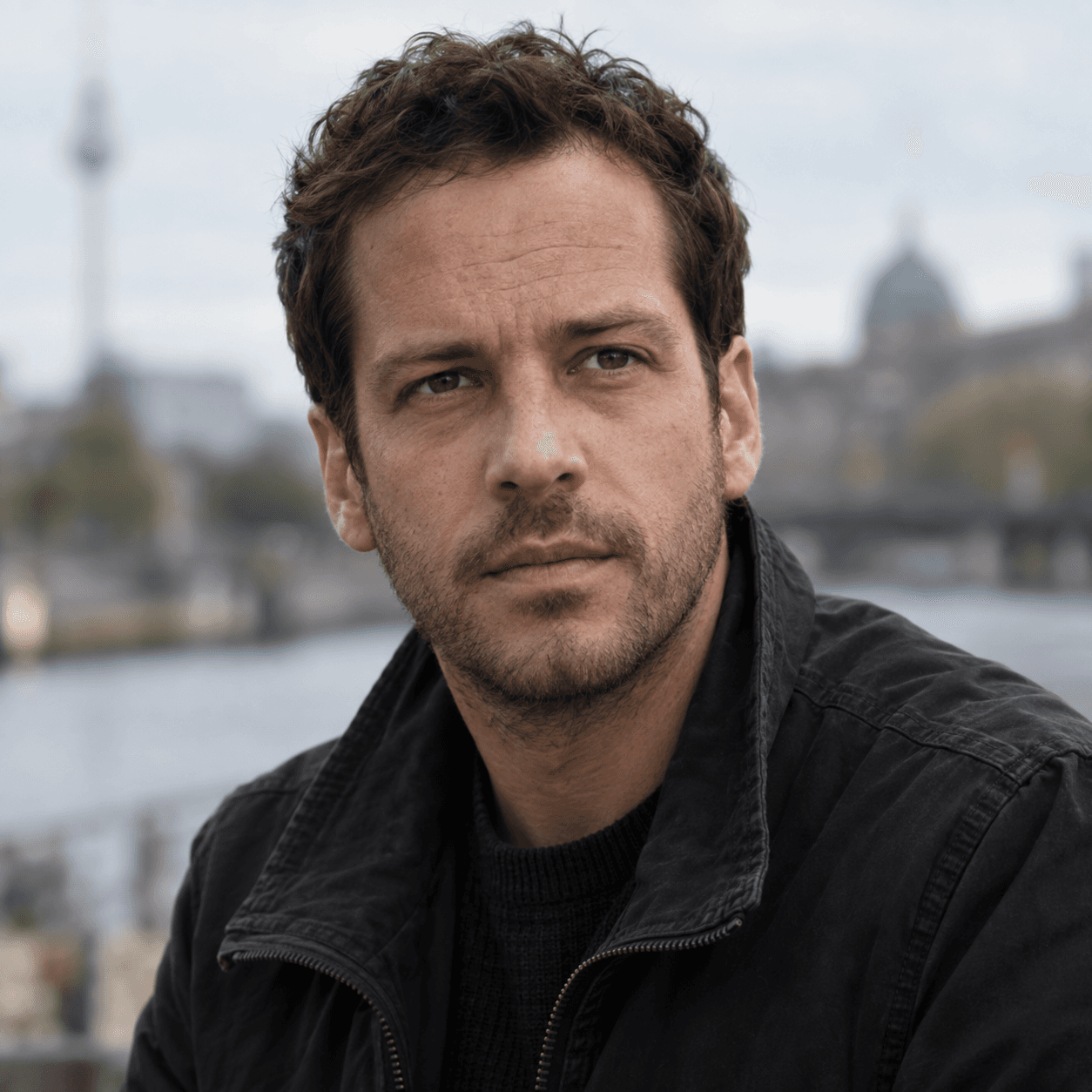
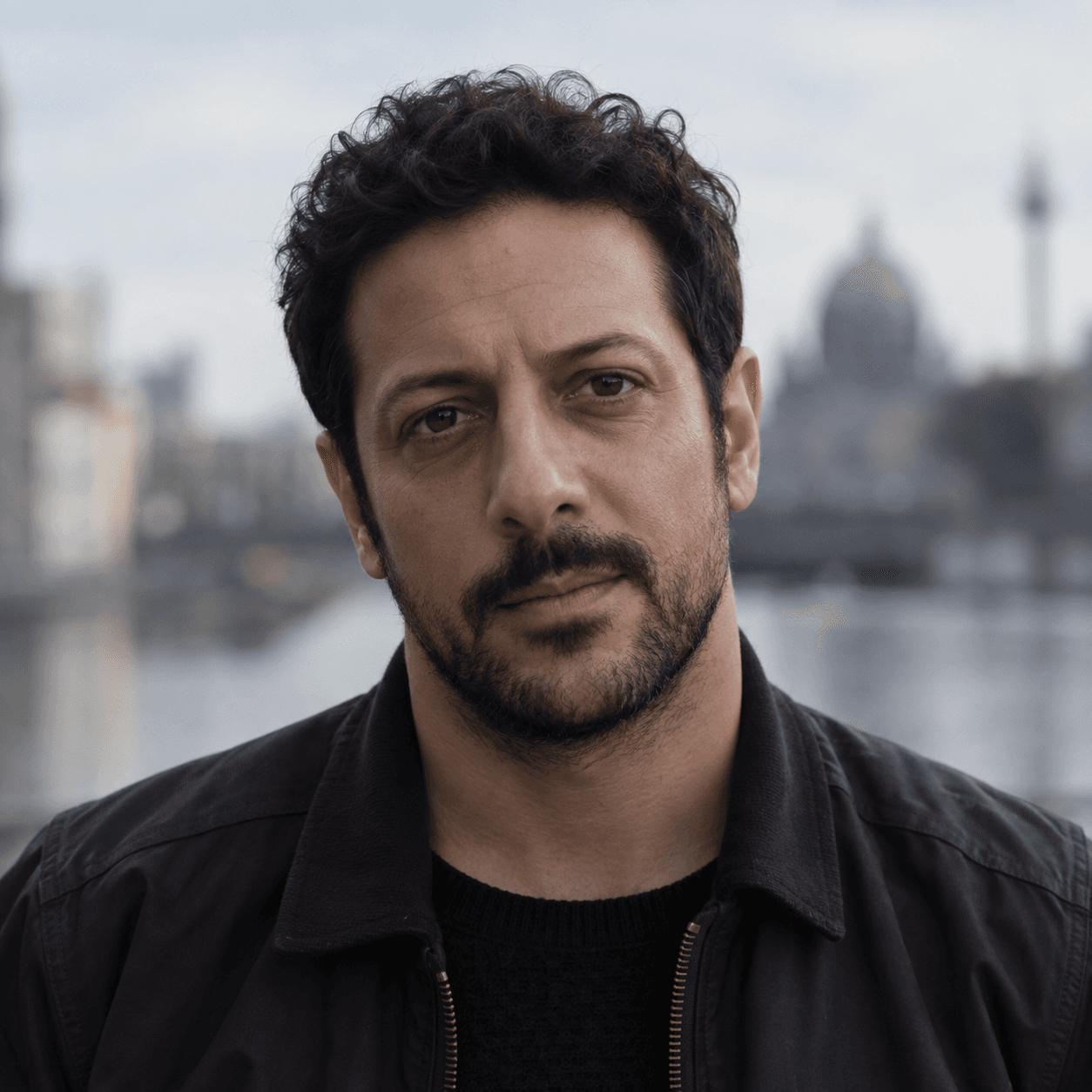
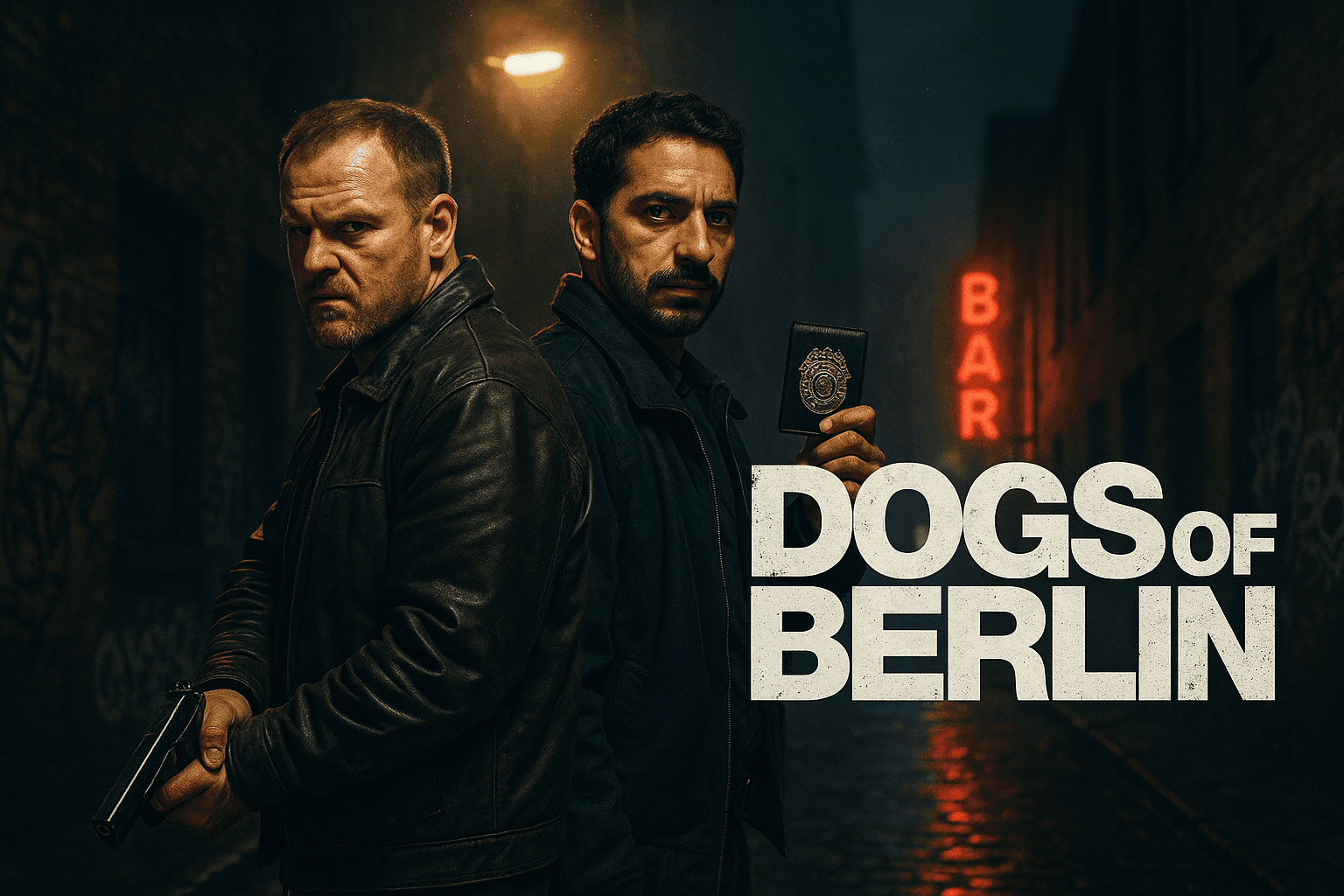
Two detectives get the case. Kurt Grimmer (Felix Kramer) is a washed-out East German cop buried in gambling debts, with ties that stretch uncomfortably into Berlin's neo-Nazi scene. Erol Birkan (Fahri Yardım) is a German-Turkish officer with family connections of his own inside the city's Lebanese and Turkish crime clans. Neither of them is fit for the job. Both of them end up doing it anyway.
The two leads are the anchor. Felix Kramer plays Grimmer like a man who has been sweating through the same shirt for a week. He is a bent cop long before the plot calls him bent, and Kramer lets you see the resignation in how he carries his shoulders. Fahri Yardım gets the flashier half of the pairing. Erol is witty, sharper-dressed, and more publicly functional, but Yardım keeps the character's private exhaustion visible in small, quiet beats. The two of them do not have the buddy-cop snap of an American procedural. They have the wary, low-key mutual dislike of two men stuck in the same car.
Around them is an ensemble Berlin-watchers will recognise from German TV and European festival cinema.
The supporting bench of Turkish-German and Lebanese-German actors playing the Tarik-Amir clan is where the show pulls off its most interesting trick. These are not movie gangsters. They are family men, teenagers, uncles, mothers, kids outside school gates, and the show treats them with the same weight it gives the detectives.
Christian Alvart
Creator/Director
Felix Kramer
Lead Actor
Kais Setti
Supporting Actor
Urs Rechn
Supporting Actor
Fahri Yardım
Lead Actor
Sebastian Zimmler
Supporting Actor
Anna Maria Mühe
Supporting Actress
Sinan Farhangmehr
Supporting Actor

Honest review of Dogs of Berlin – comprehensive analysis including our unique woke rating. Discover if this gritty German crime thriller is worth your time.
Read MoreOn paper the plot is a whodunit. In practice Alvart is using the murder to map the actual political sociology of a real city. Berlin is a patchwork of scenes that mostly do not talk to each other. The German-Turkish middle class lives alongside the Lebanese clans, the East German residual far-right, the gentrified Kreuzberg hipster money, the football ultra gangs, and a police force that is itself divided by ethnicity, loyalty, and grudges.
Dogs of Berlin puts all of that on one board and watches how pressure moves through it. A football match at the Olympiastadion becomes the trigger event. Once the city is watching 22 men run around on grass, every other group in Berlin is using the distraction to settle scores.
It is a show about loyalty that keeps asking the same question. Loyal to what, and at what price? To your family. To your clan. To your country, whichever country that is. To your partner on the job. To your ideology. To the cash that is keeping your kids in shoes. The answers are rarely clean, and the show does not rush to give you comfortable ones.
Alvart shoots Berlin with an unglamorous honesty I like a lot. This is not the tourist Berlin of Brandenburg Gate postcards. It is the U-Bahn at 4am, the Lichtenberg tower blocks, the Wedding corner shops, the back-of-house of football stadium logistics, the car parks of out-of-town DIY stores where informants get met. The camera spends more time in cars, stairwells, and kitchens than anywhere scenic.
The German-language dialogue carries a lot of the show's authenticity. Hearing Berlin Turkish, Arabic, and Germanised English slip between characters is not a political statement, it is just how the city actually sounds, and the show trusts you to keep up. Subtitles are the price of admission and well worth paying.
Score-wise it leans on nervy electronic beats rather than orchestral swell. Pacing is brisk by German TV standards, although a European viewer will find the rhythm more patient than an equivalent American crime drama. It is not Bosch or Ozark. It takes its time, in a way that reads as confident rather than slow.
Reception at launch was mixed-to-warm. Critics who wanted a spiritual sequel to Dark were disappointed, which was always going to happen. Critics who came in open were mostly impressed, especially by how the show handled its Turkish-German and clan-crime material without the patronising lens German TV had historically defaulted to.
It was renewed for a second season and then, in a frustrating pattern Netflix runs with a lot of non-English originals, quietly shelved. Ten episodes is all we get. I would argue that is actually a feature of rewatching it now. The story is self-contained. You are not signing up for eight years of diminishing returns.
Inside Germany its legacy is more interesting than its international footprint suggests. It helped establish the commercial case for German-language Netflix drama about contemporary German subjects, not just historical or conceptual ones, and that opened doors for the wave of German productions that followed. Watch it back now and you can trace the production DNA in a lot of what Germany has put on streamers since.
Dogs of Berlin works because it refuses to pick a comfortable lane. Fans of Gomorrah will recognise the family-first clan logic and the refusal to romanticise the gangsters. Fans of The Wire will recognise the structural ambition, a whole city sliced open institution by institution. The pairing of a bent cop and a compromised cop partner has echoes of True Detective without the philosophical monologues.
My honest take, having come back to it recently, is that Dogs of Berlin deserves more credit than it usually gets. It is a properly adult crime show that happens to be in German and happens to be about a city most international viewers have only seen in spy thrillers. Go in expecting that and you will find something rarer than the Netflix catalogue suggests.
A city of tribes, a corpse, and two detectives who should not be anywhere near the case. Ten episodes, no filler, no sequel-baiting.
Give it the subtitles it asks for and the patience of its first two episodes, and it pays back cleanly.
Hannah Herzsprung
Supporting Actress
Katharina Schüttler
Supporting Actress