Anna Torv
About Anna Torv
Anna Torv is an Australian actress whose career has carried her from Sydney's drama schools to the centre of some of the most distinctive genre and prestige television of the past two decades. Born on 7 June 1979 in Melbourne and raised on the Gold Coast in Queensland, she grew up in a family with notable connections to Australian media, her uncle being the late media proprietor Rupert Murdoch through marriage. She trained at the National Institute of Dramatic Art in Sydney, the same institution that produced Cate Blanchett, Mel Gibson and Baz Luhrmann, graduating in 2001 with a Bachelor of Dramatic Art. That classical foundation, combined with a willingness to disappear into roles rather than impose herself on them, has shaped a body of work defined by quiet intensity rather than showy theatrics.
Her early career was rooted in Australian stage and television. She joined the Sydney Theatre Company and worked steadily across productions such as The White Devil and Hedda Gabler, while taking television roles in series including McLeod's Daughters, Young Lions and the soap The Secret Life of Us. A notable early showcase came with Mistresses, the original British drama, in which she played the conflicted Alex during its first series in 2008, demonstrating an ability to handle layered emotional material in a contemporary register. By that point she had also appeared in the miniseries The Book of Daniel and a handful of independent Australian films, building the kind of varied resume that travels well across the Pacific.
The role that transformed her career was FBI agent Olivia Dunham in J. J. Abrams's science fiction procedural Fringe, which ran on Fox from 2008 to 2013. Across one hundred episodes she anchored an enormously demanding mythology-driven series, often playing multiple versions of the same character as the show's parallel-universe storyline expanded. Her work asked her to differentiate not just an alternate Olivia, nicknamed Fauxlivia, but also versions of the character whose minds had been altered, possessed or transplanted, and she handled the requirements with a discipline that drew steady critical respect. She won the Saturn Award for Best Actress on Television in 2009 and was nominated again in subsequent years, with the show acquiring a cult reputation as one of the most ambitious genre series of its era. Fringe established her as a leading woman capable of carrying complex serialised narrative without ever leaning on melodrama.
After Fringe concluded she made a deliberate move back toward smaller, character-led work. She appeared in the Australian feature Force of Destiny opposite David Wenham, returned to the stage in Sydney, and took a lead role in the comedy series The Newsreader's spiritual cousin Open Slather before stepping into the ABC and Showcase drama Secret City, where she played Canberra journalist Harriet Dunkley across two seasons of dense political conspiracy from 2016 to 2019. Secret City gave her a chance to play a smart, abrasive professional navigating institutional rot, and she earned an AACTA nomination for the work. Around the same period she co-led the warm Foxtel comedy-drama Secret Bridesmaids' Business, an adaptation of Elizabeth Coleman's stage play in which she played one of three childhood friends reunited for a wedding that goes catastrophically wrong, and it won her further recognition at home as an actress who could handle tonal shifts between domestic comedy and thriller without losing her footing.
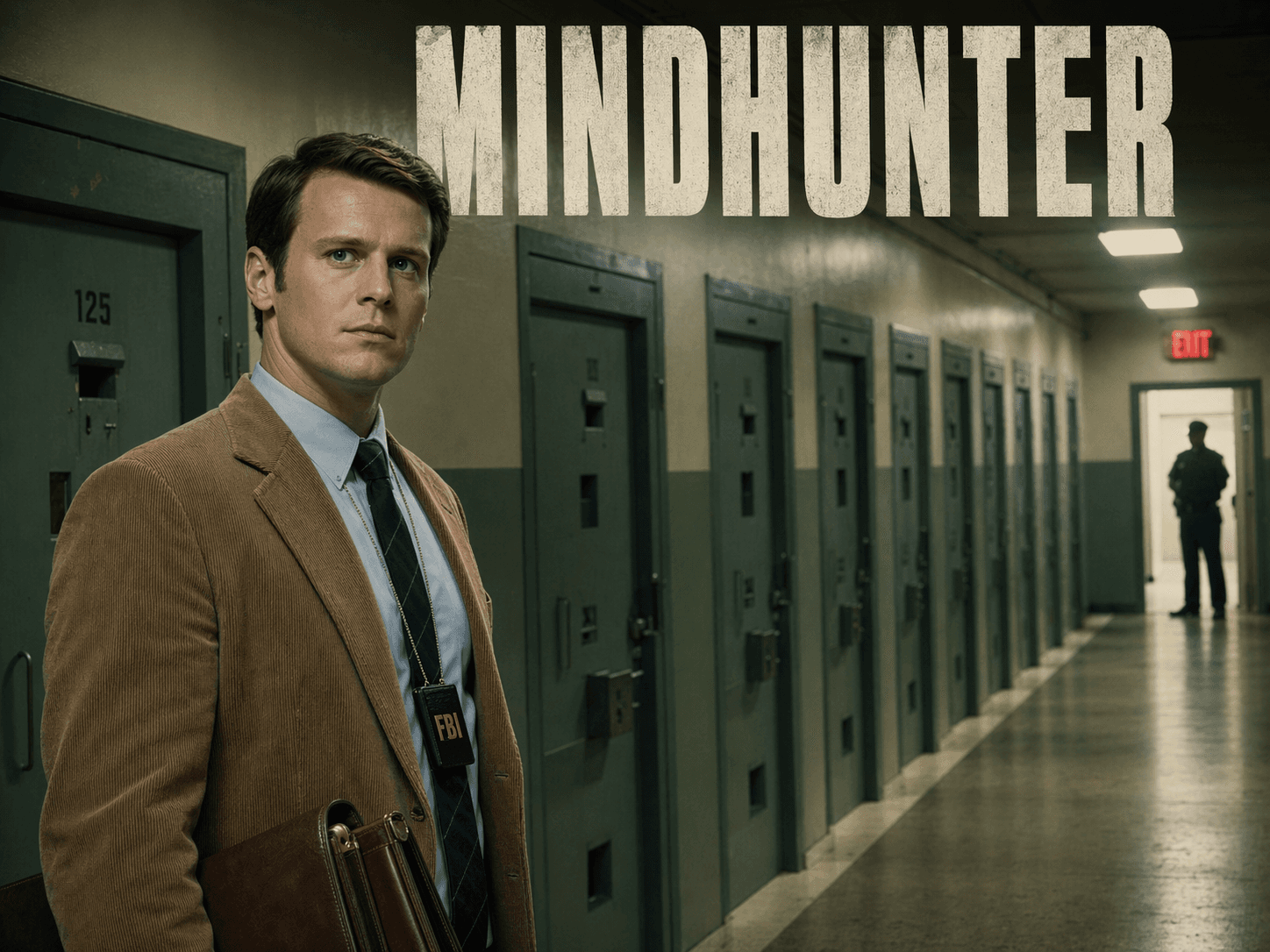
Internationally, however, it was David Fincher's Netflix drama Mindhunter that introduced her to a new generation of viewers. As Dr. Wendy Carr, the Boston University psychologist who joins the FBI's Behavioral Science Unit, she played a guarded academic whose precision and reserve gave the show much of its intellectual spine. Across the two seasons that aired in 2017 and 2019 she sketched a closeted, careful woman who treated criminal interviews as research data while quietly negotiating her own life at the edges of a male-dominated bureau. The performance was widely admired for what it withheld, and the show, although left in indefinite hiatus by Netflix, has only grown in stature since.
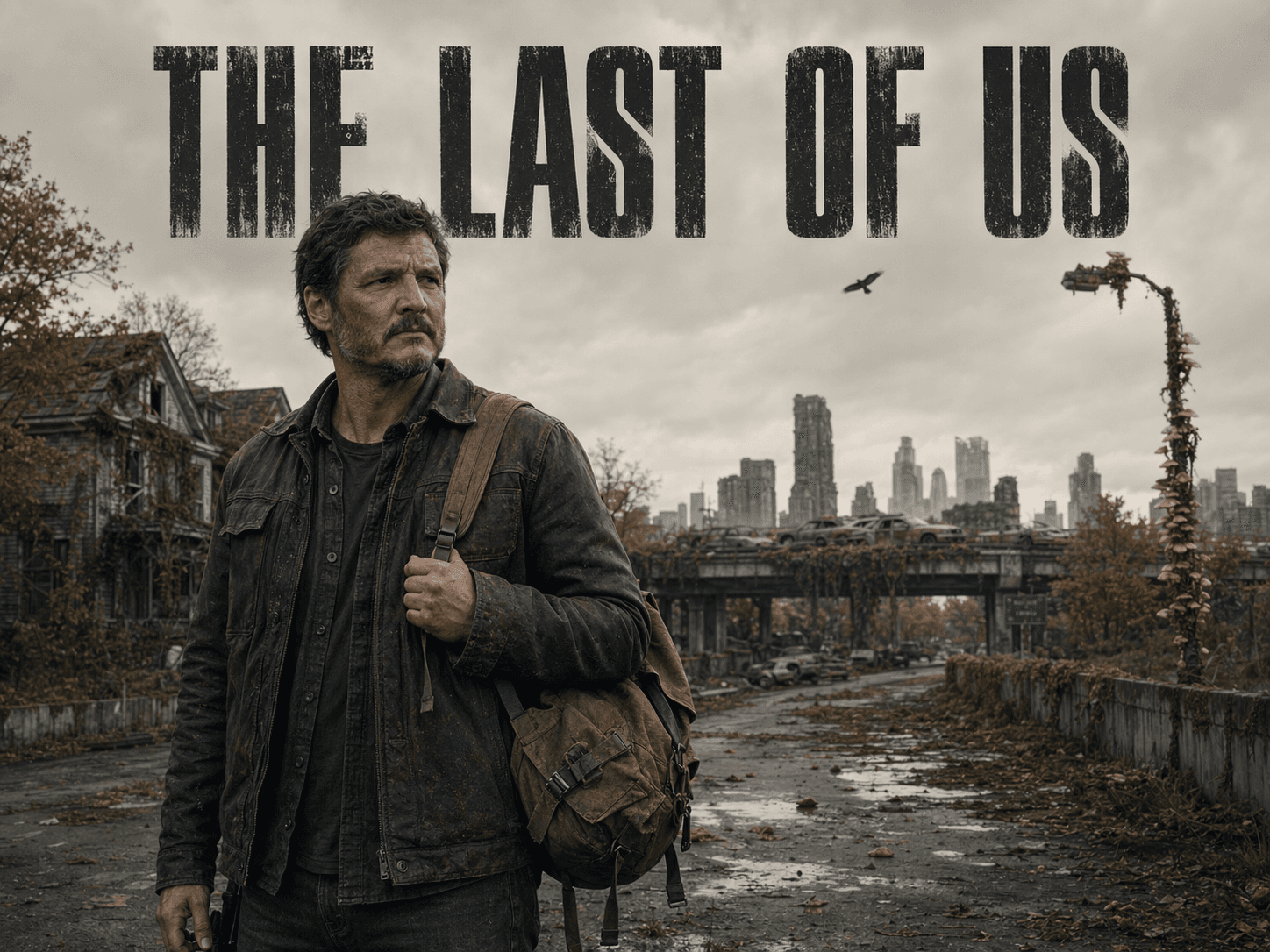
That reputation for understatement made her a strong fit for HBO's adaptation of The Last of Us, in which she played Tess opposite Pedro Pascal's Joel in the opening episodes of the first season in 2023. Tess is on screen briefly but pivotally, and Torv's performance, culminating in a fiercely played stand against the infected in the second episode, was widely regarded as one of the early high points of a series that went on to dominate awards conversations. The role demonstrated again her ability to give weight and history to a character in limited screen time, leaving an impression disproportionate to the page count.
She has continued to work prolifically in Australia alongside her American assignments. The acclaimed ABC period drama The Newsreader, set in a Melbourne television station in the 1980s, gave her a sustained role as veteran journalist Helen Norville from 2021 onward, a part that won her the AACTA Award for Best Lead Actress in a Drama and reaffirmed her standing at home. She has also voiced the character of Tess again in the video game adaptations and tie-in material associated with The Last of Us universe, and in the mid-2020s she has continued to take on Australian-led projects that prioritise complex women navigating professional pressure.
Off camera she keeps an unusually low public profile, rarely giving extended interviews and largely avoiding the celebrity press circuit even when leading high-profile international productions. She was briefly married to actor Mark Pellegrino in the late 2000s, but her personal life has otherwise remained private, and she has spoken in the few interviews she does give about preferring the work itself to the apparatus that surrounds it. That preference shows in the choices she has made: a career built on craft, repeat collaborations with serious filmmakers, and a willingness to play women whose intelligence is allowed to register without commentary. More than twenty years after leaving NIDA, Anna Torv has settled into a position as one of the most quietly authoritative screen actresses Australia has produced, equally at home in network science fiction, prestige cable drama and homegrown ensemble work.