Anna Chancellor
About Anna Chancellor
Anna Chancellor is a British actress whose four-decade career has made her one of the most recognisable supporting players in modern English drama, equally at home in costume pieces, espionage thrillers, contemporary comedies and the classical theatre. Tall, strikingly featured and possessed of a famously dry, plummy voice, she has spent most of her professional life sliding between leading and character roles, often stealing scenes from nominally bigger names while building a reputation as one of the most reliable interpreters of brittle, intelligent, slightly dangerous women in British screen history.
She was born Anna Elspeth Chancellor on 27 April 1965 in Richmond, in what was then Surrey, into a family with deep roots in English public life. Her father, John Paget Chancellor, was an aristocratic farmer; her mother, Mary Jolliffe, came from a similarly well-connected background. Most famously, she is a direct descendant of the Whig prime minister Herbert Henry Asquith, a piece of family history that has become a fixture of nearly every profile written about her, much to her own bemusement. She has spoken in interviews about a peripatetic and not entirely orthodox upbringing, and was educated at a number of schools including Tudor Hall before training as an actress at the Bristol Old Vic Theatre School.
Her earliest screen work came in the late 1980s, with small parts in television series such as Hannay and the long-running British film and TV staple Inspector Morse. She also began a long association with British legal drama through Kavanagh QC, the John Thaw vehicle that ran through much of the 1990s, in which she appeared as Julia Piper, a junior barrister in the chambers of Thaw's eponymous silk. The role, recurring across multiple seasons, gave her early exposure to the kind of ensemble work in which she would later excel, and audiences became used to seeing her in robes and wig long before she was put into Regency muslin.
Her breakthrough into the wider public consciousness came in 1994 with Mike Newell's Four Weddings and a Funeral. Cast as Henrietta, the unlucky ex-girlfriend of Hugh Grant's Charles, she was nicknamed "Duckface" by his circle of friends, and the moniker stuck so firmly in popular culture that it has trailed her ever since. Her scenes, particularly the climactic wedding interruption, demonstrated her gift for playing wounded pride as something both ridiculous and genuinely affecting. The film's enormous international success put her on a path that might have led to lighter romantic-comedy work; instead, she chose to pivot back towards classical material.
In 1995 she gave what many regard as her definitive screen performance, as Caroline Bingley in the BBC's landmark adaptation of Pride and Prejudice. Opposite Jennifer Ehle's Elizabeth Bennet and Colin Firth's Mr Darcy, her Caroline was a study in barely concealed snobbery and unrequited longing, all narrowed eyes, brittle smiles and beautifully timed put-downs. The performance has become a benchmark for the role, and is regularly cited in retrospectives of the adaptation as one of the finest examples of comic villainy in a Jane Austen screen adaptation.
Through the late 1990s and 2000s she moved fluidly between film, television and a strong stage career. She appeared in films as varied as Crush, What a Girl Wants and St Trinian's, and lent her voice and presence to high-profile theatre work at the Royal Court, the Donmar Warehouse and in the West End. On stage she was particularly admired in plays such as Heartbreak House, The Last of the Duchess, Private Lives and The Browning Version, and she has returned repeatedly to Shakespeare and Shaw alongside her screen commitments.
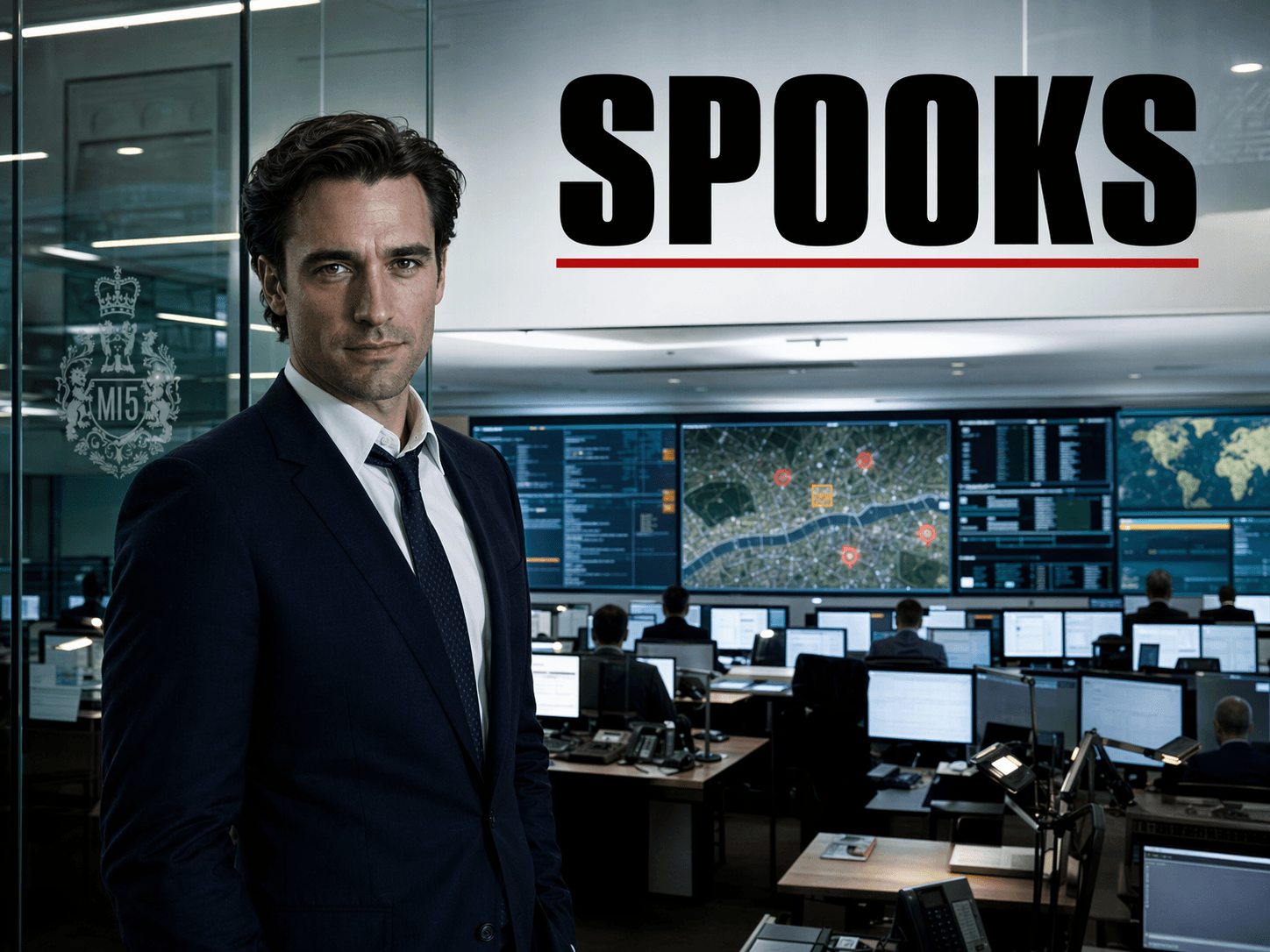
Television, though, has remained her most consistent showcase. She joined the cast of the BBC espionage thriller Spooks (broadcast in the United States as MI-5) for its sixth series in 2007, playing Section D's section chief Connie James, an experienced intelligence officer whose true loyalties were the engine of one of the show's most memorable late-period storylines. The role allowed her to demonstrate a colder, more calculating register than the wittily exasperated women she often played, and confirmed her standing as a leading character actress in mainstream British television.
She followed this with another iconic part in The Hour, Abi Morgan's BBC drama about a 1950s current-affairs programme. As Lix Storm, the chain-smoking, war-weary foreign news editor with a complicated past, she anchored the newsroom alongside Ben Whishaw, Romola Garai and Dominic West, earning some of the strongest notices of her career across the show's two series in 2011 and 2012. Lix became, for many viewers, the role that crystallised her grown-up authority on screen.
Other notable television work has included Fleming: The Man Who Would Be Bond, Mapp and Lucia, The Dresser, the BBC adaptation of And Then There Were None, and a steady stream of guest leads in series such as Doctor Who, Suspicion and Trigger Point. She joined the DC-derived Batman prequel Pennyworth in its first season as Peggy Sykes, mother of the formidable Bet Sykes, bringing a streak of grim-comic menace to the show's heightened alternative-history London. She has also been a regular fixture in literary adaptations and period dramas, from Jericho to Suspicion and beyond.
Off screen she is known for being engagingly candid in interviews, with a self-deprecating humour about the "Duckface" tag and a frankness about the ups and downs of an actor's life. She has one daughter, Poppy, from her marriage to the journalist Jock Scot, and has spoken publicly about valuing privacy in her personal life while remaining open about the realities of long-term work in the industry.
Now in her sixties and still in demand, Anna Chancellor occupies a particular and valuable niche in British acting, the elegant, sharp-tongued woman who can be glacial, vulnerable, funny and threatening in the same scene. From a junior barrister in Kavanagh QC to a duplicitous spymaster in Spooks, from Caroline Bingley to Lix Storm, her career has been a sustained demonstration that supporting roles, played with intelligence and bite, can leave a deeper mark than many leads.