Andre Royo
About Andre Royo
Andre Royo is an American actor whose lived-in, soulful screen presence has made him one of the most quietly indispensable character players of his generation. Born on July 18, 1968, in The Bronx, New York, Royo grew up the son of immigrants from Cuba and Haiti, an upbringing that surrounded him with multiple languages, multiple cultures, and the kind of restless street-level humanism that would later inform almost every role he took. He attended Mayer Sulzberger Junior High and Theodore Roosevelt High School, then drifted between odd jobs and creative pursuits before committing fully to acting in his late twenties, training in New York at the Actors' Studio Drama School and on stage with various Off-Off-Broadway companies.
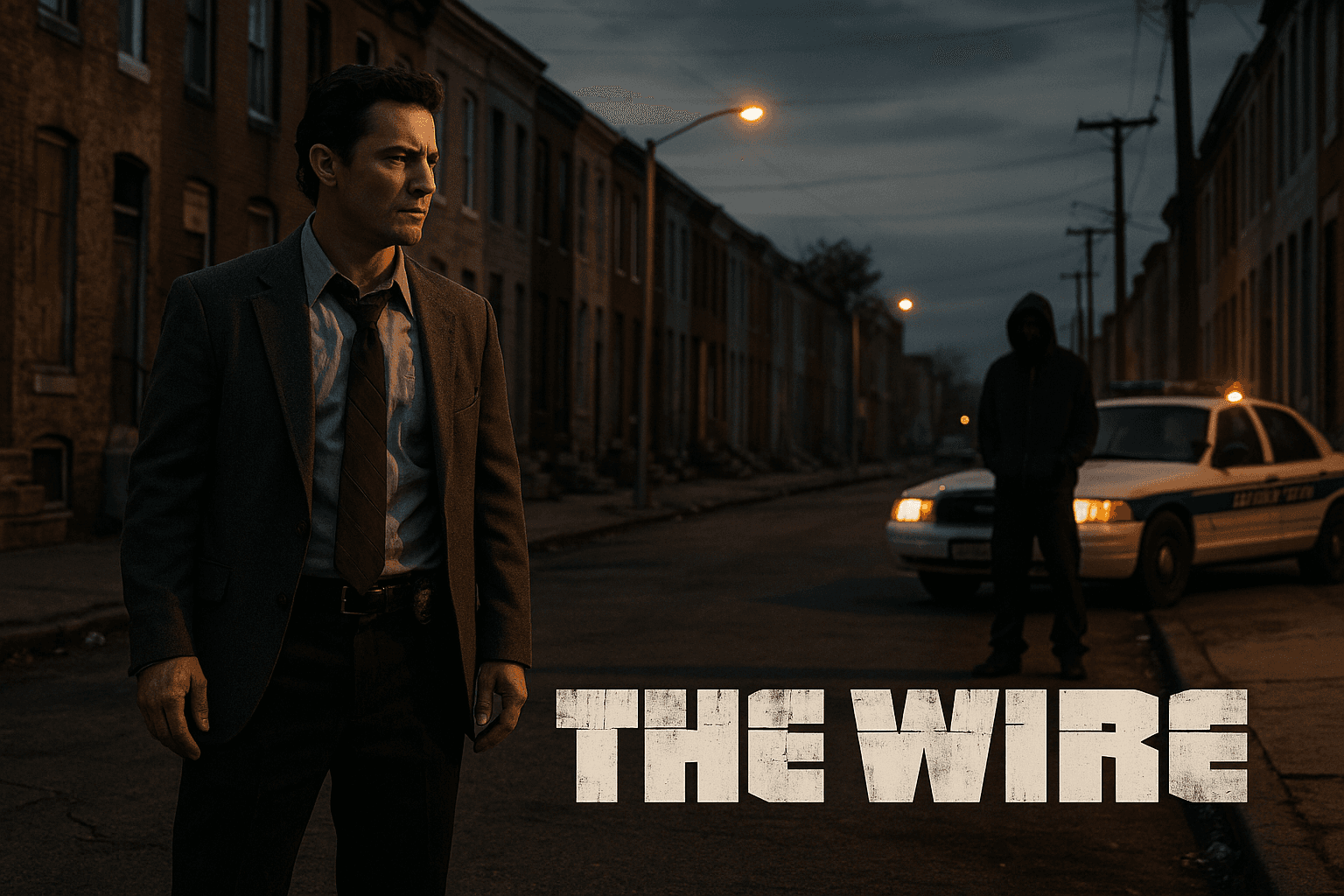
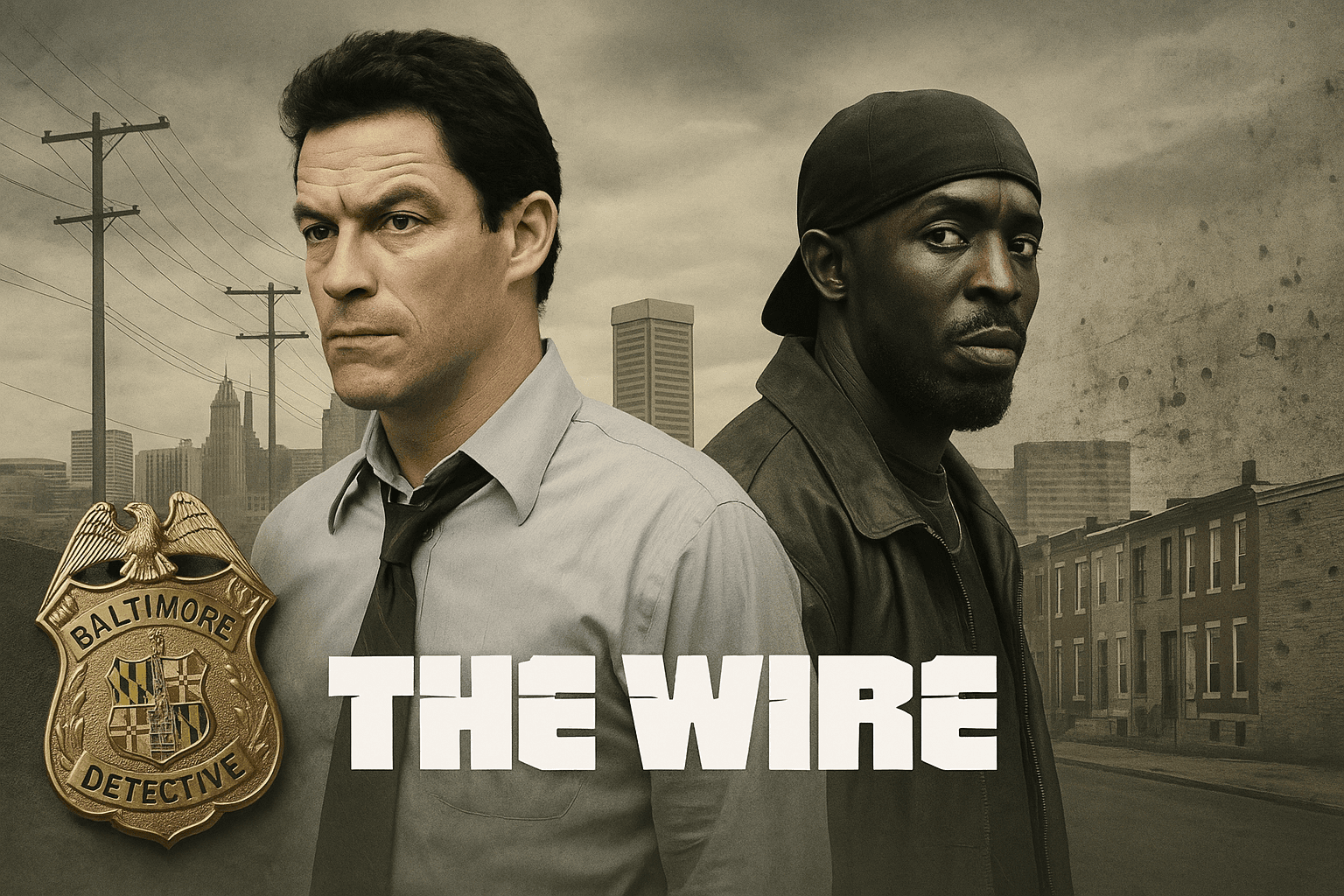
Royo's earliest screen credits came in the late 1990s in independent New York productions, including small parts in Shaft and G alongside television guest spots on Third Watch, Law & Order, and The Beat. The work was sporadic but it was steady enough to keep him in the city, and it placed him in the audition pool that David Simon and Robert F. Colesberry were assembling in 2001 for an HBO pilot called The Wire. Royo read for the part of Reginald "Bubbles" Cousins, a heroin-addicted street informant whose loyalty to a Baltimore homicide detective would shadow the entire run of the series. He won the role, and over five seasons between 2002 and 2008 he turned what could have been a stock figure into one of the defining performances of prestige television.
Bubbles is the connective tissue of The Wire. Royo plays him with a sad-eyed warmth and a feather-light comic touch that lets the character drift between cops, corner boys, junkies, and reformers without ever feeling rehearsed, and the long-form arc, from sidekick to relapsing addict to recovering man writing his own newspaper feature, allowed Royo to stretch from physical comedy to harrowing tragedy and back. The performance has been the subject of repeated retrospective awards conversation, and Bubbles is routinely cited in critics' lists of the best Emmy-snubbed performances in television history, an oversight Royo himself has discussed with characteristic good humor. To get into character on set, he was known to walk the streets of West Baltimore in costume; the actor has told a now-famous story about a stranger who, mistaking him for an actual addict, slipped a small bag into his pocket with the words "you need a fix more than I do," a token he kept for years and called his "street Emmy."
While The Wire was still airing, Royo built a parallel career in independent film. He played the warm-hearted Wendell Baker in Andrew and Luke Wilson's The Wendell Baker Story in 2005, popped up in the urban crime drama Stay by Marc Forster, and headlined the 2008 indie Super High Me. He worked with Spike Lee on Red Hook Summer and again on Pass Over, the filmed version of Antoinette Nwandu's stage play, and he took a key supporting role in George Lucas's long-gestating Tuskegee Airmen passion project Red Tails in 2012, playing Anthony "Coffee" Coleman. He has also been a recurring presence in Ti West's films, appearing in Trigger Man and the horror outing The Sacrament in 2013.
After The Wire, television opened up. Royo had a recurring run on Fringe as the bookshop-owning Ed Markham, an old contact of Walter Bishop, and joined HBO's In Treatment during its Paul Weston years as Tucker, a businessman in couples therapy. He guested on CSI: Miami, Lie to Me, Heroes, and House M.D., and took a satisfying turn on Party Down. From 2015 to 2017 he co-starred on Amazon's twisty Marc Forster-produced drama Hand of God, playing the slick, sharp-tongued Reverend Paul Curtis opposite Ron Perlman's morally collapsing judge, a role that asked him to navigate sermonising charisma and barely concealed con-artistry in the same breath. He overlapped that work with a recurring stretch on Lee Daniels' Fox juggernaut Empire, where he played the music journalist and antagonist Thirsty Rawlings' counterpart Thirsty's foil, and he later booked recurring or guest spots on How to Get Away with Murder, Power Book III: Raising Kanan, To Tell the Truth parodies on Drunk History, and Damon Lindelof's The Leftovers.
Royo's film work in the late 2010s and 2020s has tilted toward leading roles in tightly drawn independents. He produced and starred in Hunter Gatherer in 2016, playing a man recently released from prison and trying to rebuild a life that has moved on without him; the performance won him the Best Actor prize at the Los Angeles Film Festival and broad festival acclaim. He followed it with To Dust, Shaft in 2019 reprising the Royo-as-cop tradition in a smaller way, the Sundance entry Lemon, and a memorable turn in Bottom of the 9th opposite Joe Manganiello. He has continued to work in voice and animation, lending his distinctive New York cadence to projects including the Netflix animated feature The Sea Beast.
Off camera, Royo has become something of an elder statesman among character actors who emerged from the early 2000s HBO renaissance. He is candid in interviews about the slow grind of his early career, the importance of mentors like Sonja Sohn and Wendell Pierce on the The Wire set, and the ways Bubbles' sobriety arc shaped his own thinking about second chances. He has co-hosted podcasts revisiting The Wire episode by episode with castmates and frequently appears at universities and festivals to discuss the show's legacy. He has also moved into directing and producing, developing projects through small production companies focused on stories about working-class New York and immigrant life.
Royo lives in Jersey City with his wife and daughter and continues to take a mix of studio supporting roles, indie leads, and recurring television parts. Tall, gravelly, generous with co-stars, and instantly recognisable for a smile that always seems to know something the rest of the scene does not, he has built the kind of long, varied career that does not depend on a single hit, even as the one hit he is most associated with remains, by wide critical consensus, one of the great pieces of acting American television has produced.