Alyy Khan
About Alyy Khan
Alyy Khan is a British-Pakistani actor whose career has carried him across four distinct industries, with credited work in Hollywood, Bollywood, the British television scene and Pakistan's Lollywood. Born in Karachi in 1968, he has built a reputation as one of the most internationally mobile South Asian actors of his generation, equally at home playing patriarchs in Urdu-language dramas, intelligence officers in American thrillers and silver-haired suitors in glossy Indian streaming productions. The dignified, slightly weary authority he brings to so many of his roles is the product of an unusual peripatetic upbringing that placed him on three continents before he had finished school.
Khan was born into a family that fractured early. After his parents divorced, he moved with his mother to England and then, around the age of ten, to his maternal grandmother's home in Mumbai, where he would remain until he was thirty-five. He was educated at the Bombay Scottish School and trained in drama under the noted Trinity College London-affiliated tutor Hima Devi at her Hima Kala Kendra in Mumbai, before returning to Britain to take a diploma in film and television production from Pimlico Arts and Media College in London. The result is an actor who is fluent in English, Urdu and Hindi, with a working knowledge of Sanskrit, and who can switch register between an upper-middle-class British accent and the cadences of Karachi or Bombay with very little visible seam. The late singer-turned-Islamic preacher Junaid Jamshed was his cousin, a family connection often mentioned in Pakistani profiles of the actor.
His earliest screen work came in Indian television in the 1990s, including the popular Doordarshan sitcom Dekh Bhai Dekh in 1993 and the romantic series Banegi Apni Baat in 1994, followed by recurring appearances in the long-running supernatural anthology Ssshhhh…Koi Hai. Indian audiences came to recognise him as a reliable supporting presence years before his international profile caught up. The crossover began in earnest with Michael Winterbottom's A Mighty Heart in 2007, in which he played alongside Angelina Jolie in the dramatisation of the kidnapping of Wall Street Journal reporter Daniel Pearl. A year later he appeared in Jeffrey Nachmanoff's American thriller Traitor, opposite Don Cheadle and Guy Pearce, a film whose moral complexity and South Asian and North African settings drew on exactly the kind of cross-cultural register Khan has spent his career developing.
British viewers had already encountered him in episodes of The Bill in 2006, and he subsequently appeared in Sky's military thriller Strike Back in 2011 and Channel 4's lavish Raj-era drama Indian Summers in 2015. In Bollywood he popped up as a sleek antagonist's associate in Farhan Akhtar's Don 2 in 2011, and he has remained a familiar face in Hindi cinema ever since, most recently in Zoya Akhtar's Netflix musical The Archies in 2023 and as Nora Fatehi's on-screen father Dhondi Sahab in the streaming series The Royals.
His Pakistani output, often the work he speaks about with most warmth in interviews, has been prolific. He played a parallel lead in the telefilm Anjuman in 2013 and starred in Geo Television's Saat Pardon Mein in 2012 and Geo Entertainment's Aap Ki Kaneez in 2014. The 2021 ARY Digital romantic drama Mere Humsafar, in which he played the kindly father figure Khalil, became one of the most-watched Pakistani serials of recent years and brought him a vast new audience among streaming viewers in the diaspora. He has also lent his voice and presence to local cinema, appearing in the animated children's hit 3 Bahadur in 2015 and the courtroom comedy Actor in Law in 2016.
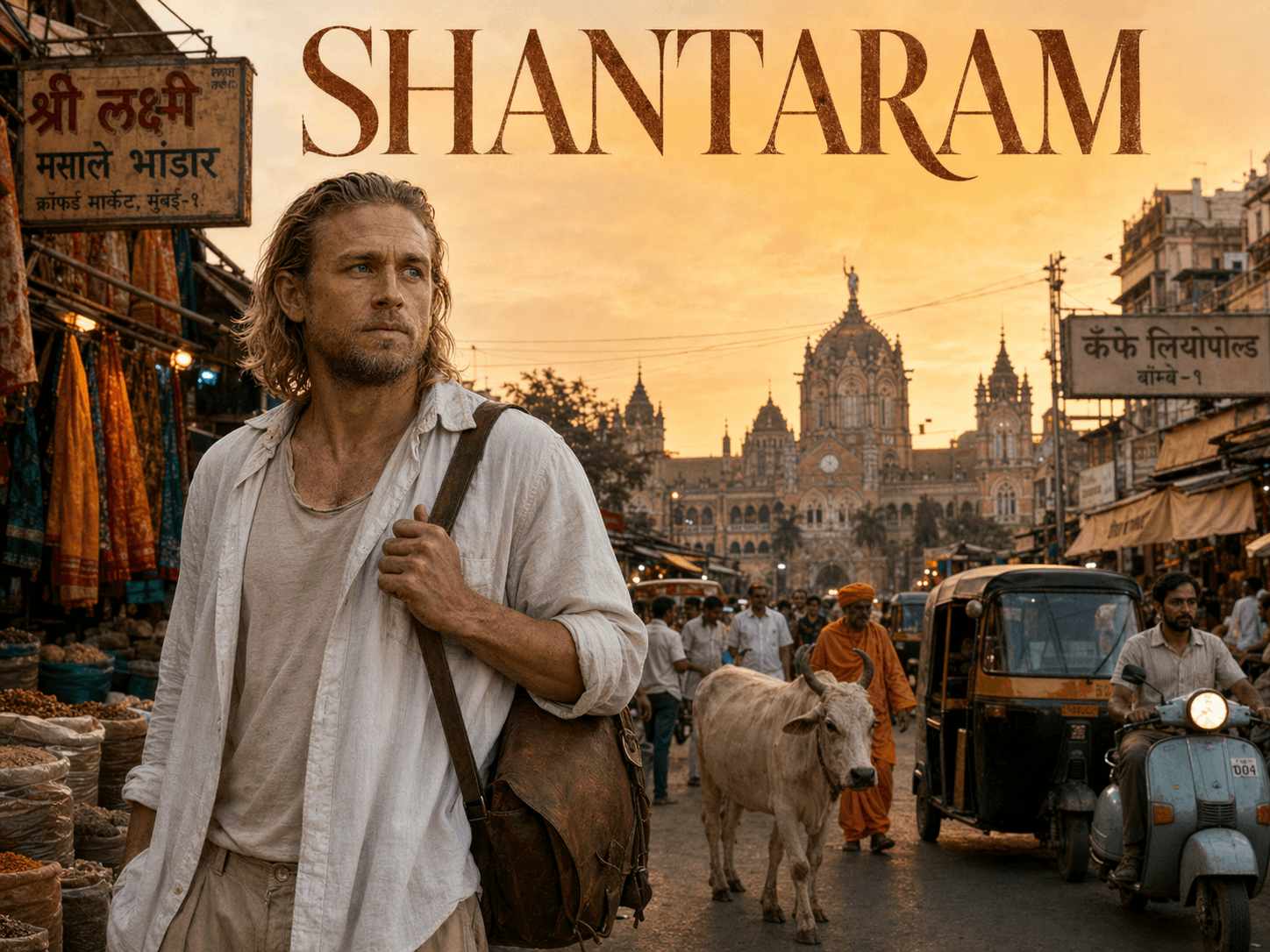
It was Bassam Tariq's BAFTA-nominated Mogul Mowgli in 2020, however, that signalled a critical reappraisal. Cast as Bashir, the bewildered father of Riz Ahmed's ailing rapper protagonist, Khan delivered a performance of such restrained tenderness that he was nominated for Best Supporting Actor at the British Independent Film Awards in 2021. The film premiered in the Panorama section of the 70th Berlin International Film Festival and remains a touchstone in his filmography. Around the same period he featured in the BBC and Netflix co-production The Serpent in 2020 as Deputy Superintendent Tuli, and was cast in Apple TV+'s sprawling adaptation of Gregory David Roberts's novel Shantaram in 2022, playing the gangster Qasim Ali opposite Charlie Hunnam.
That same year Marvel Studios brought him into the Disney+ miniseries Ms. Marvel, the first major superhero project to centre a Pakistani-American protagonist, where he appeared in scenes set in Karachi. He has since continued to alternate between markets, including a role in the 2024 ARY Digital drama Mohabbat Satrangi, and he is regularly mentioned in connection with Pakistani heritage projects exploring the partition era and the legacy of Muhammad Ali Jinnah. In addition to acting he has hosted the cross-border culinary competition Foodistan on NDTV and Geo TV in 2012, and in 2013 he directed the play Aapki Soniya at Karachi's National Academy of Performing Arts, starring Sajid Hasan and Mehwish Hayat.
Off screen, Khan married the educationist Chandni Saigol in 2004 after a famously brief courtship, the couple having decided to wed within months of their first meeting in Karachi. By his own retelling, the first encounter at her family home in February lasted barely a quarter of an hour but was enough to convince him that he had found his future wife. They have two children, a daughter, Inaya, and a son, Rayyan, and divide their time between Karachi and London. He serves as a brand ambassador for the Crossadder Foundation, a charity supporting the education of street children, and has spoken in interviews about the obligation he feels to use a public profile in the service of less visible causes. Quietly spoken, conspicuously bilingual and unusually unfussy about which industry he is currently working in, Alyy Khan has spent more than three decades turning the awkward geography of his early life into one of the most flexible careers in the South Asian acting diaspora, and he shows no sign of slowing down.