Alexander Woo
About Alexander Woo
Alexander Woo is an American television writer, producer, and showrunner whose career has traced an unusual arc from the New York theater world to the upper ranks of premium cable and global streaming television. Best known for his long tenure as a writer and producer on HBO's vampire drama True Blood, his co-creation of AMC's historical horror anthology entry The Terror: Infamy, and his co-creation with David Benioff and D. B. Weiss of the Netflix adaptation 3 Body Problem, Woo has built a body of work notable for its appetite for genre material that carries substantial political, cultural, and historical weight.
Woo grew up in the United States as the son of Chinese immigrants, an upbringing he has credited with shaping his later interest in stories about outsiders, diaspora, and the friction between inherited identity and American life. He attended Harvard University, where he studied English and became involved in student writing and theater, and later earned a Master of Fine Arts degree in dramatic writing from New York University's Tisch School of the Arts. That theatrical grounding preceded his move into television and remained a visible influence on his later writing, particularly in the weight he places on ensemble scenes and on dialogue that does more than simply advance plot.
Before breaking into television he worked as a playwright in New York, with plays produced at venues including the Public Theater and Ma-Yi Theater Company, where he was associated with a generation of Asian American dramatists reshaping the city's downtown stages. His early plays explored Asian American family life, cultural inheritance, and, in one case, a satirical look at reality television, themes that would echo through his later screen work. He also wrote for film on a smaller scale before making the transition into a television writers' room.
Woo's breakthrough in television came when Alan Ball hired him as a staff writer on True Blood, the HBO adaptation of Charlaine Harris's Sookie Stackhouse novels. He joined the show in its first season in 2008 and remained with it through its entire run, rising through the ranks of the writers' room and eventually serving as an executive producer on its final seasons. Over seven seasons he wrote or co-wrote numerous episodes of the series, which used its Louisiana vampire-and-supernatural setting as a flexible allegory for questions of civil rights, sexuality, religion, and American regional identity. The show's willingness to be pulpy and politically pointed in the same breath became a template for much of Woo's subsequent career.
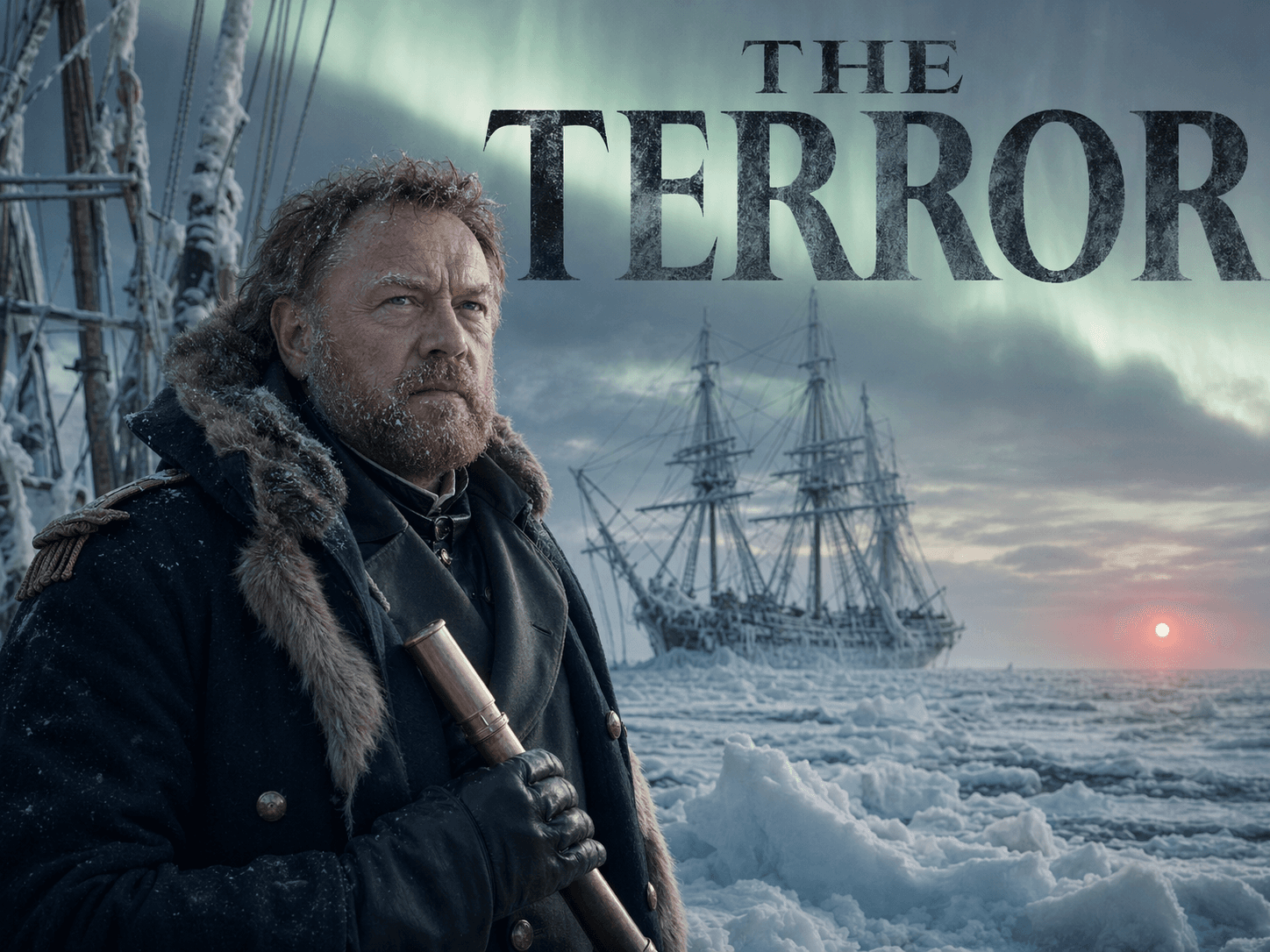
After True Blood ended in 2014, Woo worked on a series of projects before reuniting with genre storytelling on a larger scale. He developed material for cable and premium outlets, contributing to the broader post-True Blood appetite for prestige horror and supernatural television. His next major credit came when he co-created The Terror: Infamy with Max Borenstein, the second season of AMC's The Terror anthology. The series, which premiered in 2019, combined the real history of the Japanese American internment camps of the Second World War with a traditional Japanese ghost story, following a Japanese American family haunted by a vengeful yurei as they are forced from their California home into a camp in the American interior. Woo served as co-showrunner and wrote multiple episodes, and the series was praised for using horror conventions to illuminate a chapter of American history that had rarely received sustained dramatic treatment on television.
In 2020 it was announced that Woo would partner with David Benioff and D. B. Weiss, the creators of HBO's Game of Thrones, on an ambitious Netflix adaptation of Liu Cixin's The Three-Body Problem novel trilogy. The three men served as co-creators, showrunners, and executive producers, with Woo joining as an equal creative partner rather than a junior collaborator. The resulting series, 3 Body Problem, premiered on Netflix in 2024 and represented one of the streamer's largest science fiction investments to date. The show compressed and reshaped Liu's sprawling narrative about humanity's first contact with an alien civilization, moving some of the action from China to the United Kingdom and restructuring the ensemble around a group of Oxford-educated scientists while preserving the Cultural Revolution sequences that open the first novel. Woo was widely credited in press coverage with bringing a more character-driven, emotionally grounded sensibility to material that on the page is often defined by its ideas and its scale, and with advocating for the preservation of the Chinese historical and scientific detail that grounds the source trilogy.
Across these projects several throughlines recur. Woo has repeatedly been drawn to stories in which genre machinery, whether vampires, ghosts, or extraterrestrials, serves as a vehicle for historical and political inquiry rather than as an end in itself. He has also worked consistently with international and immigrant subject matter, from the Chinese astrophysics community of 3 Body Problem to the Japanese American families of The Terror: Infamy, and he has been a visible advocate within the industry for expanded opportunities for Asian American writers, actors, and crew members. Interviews and profiles have emphasized his willingness to take on material that other writers find daunting in its cultural specificity, whether because of language, historical research, or the need to coordinate with communities whose stories are being dramatized.
Woo's pace remains closer to that of a careful builder than a prolific stylist, with long tenures on a handful of shows rather than a constantly rotating slate of credits. His collaborators have described him as a writer who treats the room as a space for argument and revision, and as a producer attentive to craft departments outside of writing. With 3 Body Problem renewed for further seasons at Netflix, he is positioned to shape one of the more closely watched science fiction properties of the streaming era, while his theater background and earlier television work continue to inform a career that has moved deliberately from downtown Manhattan stages to some of the largest productions in contemporary television.