Aleksandr Yatsenko
About Aleksandr Yatsenko
Aleksandr Viktorovich Yatsenko is a Russian stage and screen actor whose unassuming, deeply lived-in performances have made him one of the most respected figures in post-Soviet cinema. Born on 22 May 1977 in Volgograd, in the Volga region of southern Russia, he grew up far from the theatrical centres of Moscow and Saint Petersburg and initially looked set for a very different career. After finishing school he enrolled at a local institute studying radiophysics, a pragmatic technical path that he quickly realised did not suit him. He left without completing his degree and, by 1994, had moved to Tambov to study directing and theatre at Tambov State University, where he trained under the teacher N. V. Belyakov. That first formal exposure to the stage confirmed the direction he wanted his life to take.
In 2000 Yatsenko was admitted to the Russian Academy of Theatre Arts in Moscow, known as GITIS, joining the workshop of the celebrated director Mark Zakharov. The GITIS years placed him at the heart of the Russian theatrical establishment and exposed him to the rigorous psychological realism that has continued to define his work. His time there ended unhappily, however: he was expelled only a few months before graduation in 2004 after a conflict that by various accounts involved a fight and a clash with a teacher. The incident did not derail him. That same year he joined the company of the Oleg Tabakov Theatre, one of the most prestigious stages in Moscow, and he also worked with the Centre for Drama and Directing founded by Aleksey Kazantsev and Mikhail Roshchin, an institution that nurtured many of the playwrights and actors associated with the Russian new drama movement of the early 2000s.
Yatsenko had already begun appearing in films in 2001, making his screen debut in the picture known in English as The Happiness Service. His first significant role came with Andrey Proshkin's Soldatskiy dekameron (The Soldier's Decameron) in 2005, in which he played Borya Kulshan, a performance that drew the attention of both audiences and critics and opened the door to steady film work. Over the next decade he became a recognisable presence in a wide range of Russian productions, quietly accumulating the kind of filmography that emphasises craft over celebrity. He worked repeatedly with the auteurs of his generation, most notably Boris Khlebnikov, whose restrained, observational style proved an ideal match for Yatsenko's naturalistic technique. In Khlebnikov's A Long and Happy Life (2013) he took the lead as Sasha, the manager of a fading collective farm on the Kola Peninsula caught between his neighbours, the authorities and his own conscience, delivering a quiet, inward performance that anchored the film's bleak modern western atmosphere.
The role that turned him into a genuine star of Russian cinema was Oleg, the gifted but alcohol-soaked paramedic at the centre of Khlebnikov's Arrhythmia (2017). The film follows Oleg as he careers between ambulance shifts that demand total commitment and a crumbling marriage with his equally overworked doctor wife. Yatsenko's performance combined exhaustion, tenderness, stubbornness and a self-destructive streak into a portrait that felt instantly familiar to Russian viewers and moved international audiences as well. Arrhythmia swept the 2017 Kinotavr festival in Sochi, winning the Grand Prix, the Audience Award and the Best Actor prize for Yatsenko, and went on to claim the Jury Grand Prize at the Asia Pacific Screen Awards the same year. The performance also earned him the Nika Award for Best Actor in 2018, consolidating his status as a leading man of his generation. He had already won the Nika for Best Actor in 2016, and he would later add further Golden Eagle Awards to his shelf, including recognition for his screen work in film and, more recently, for leading roles in online series, reflecting the migration of serious Russian drama onto streaming platforms.
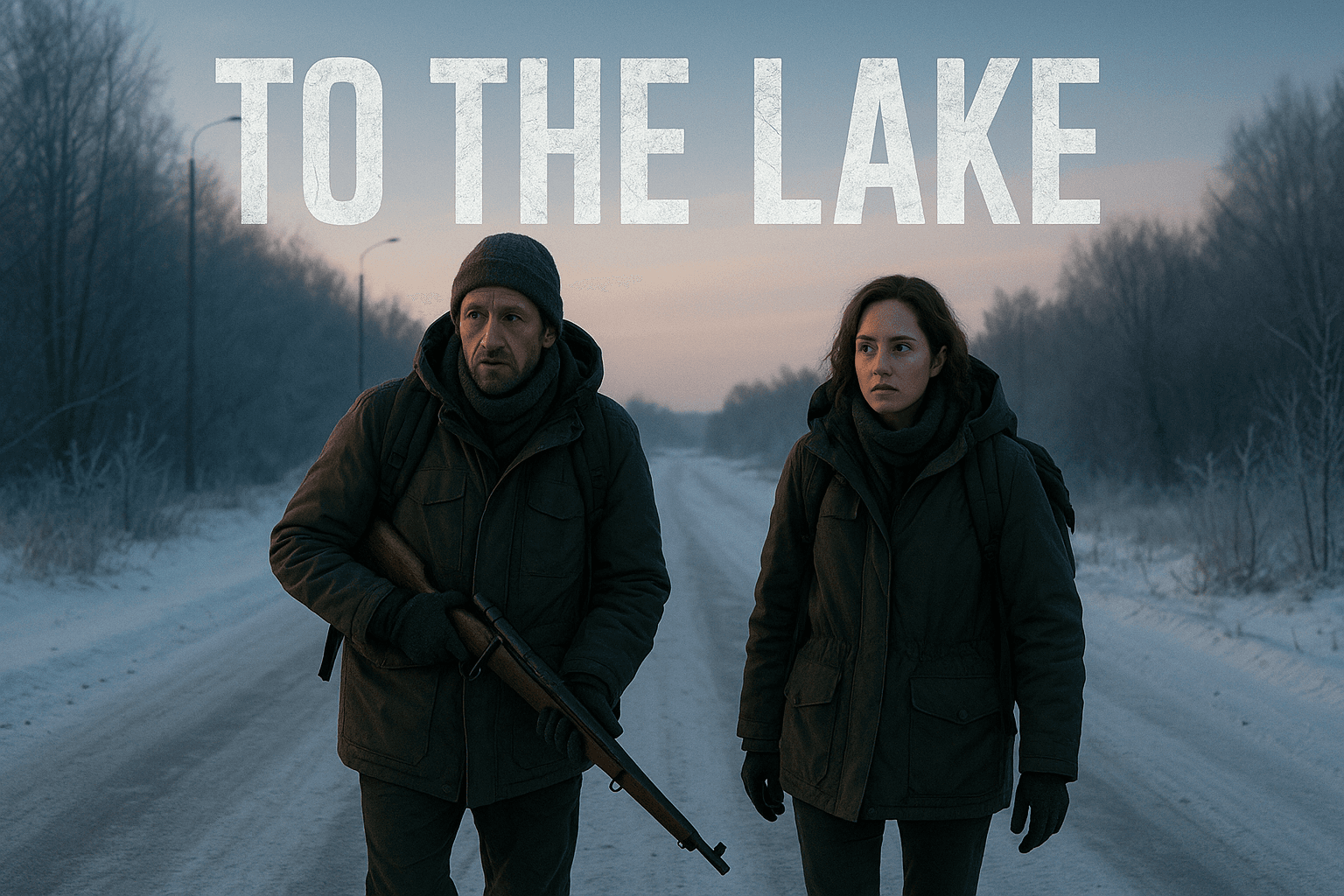
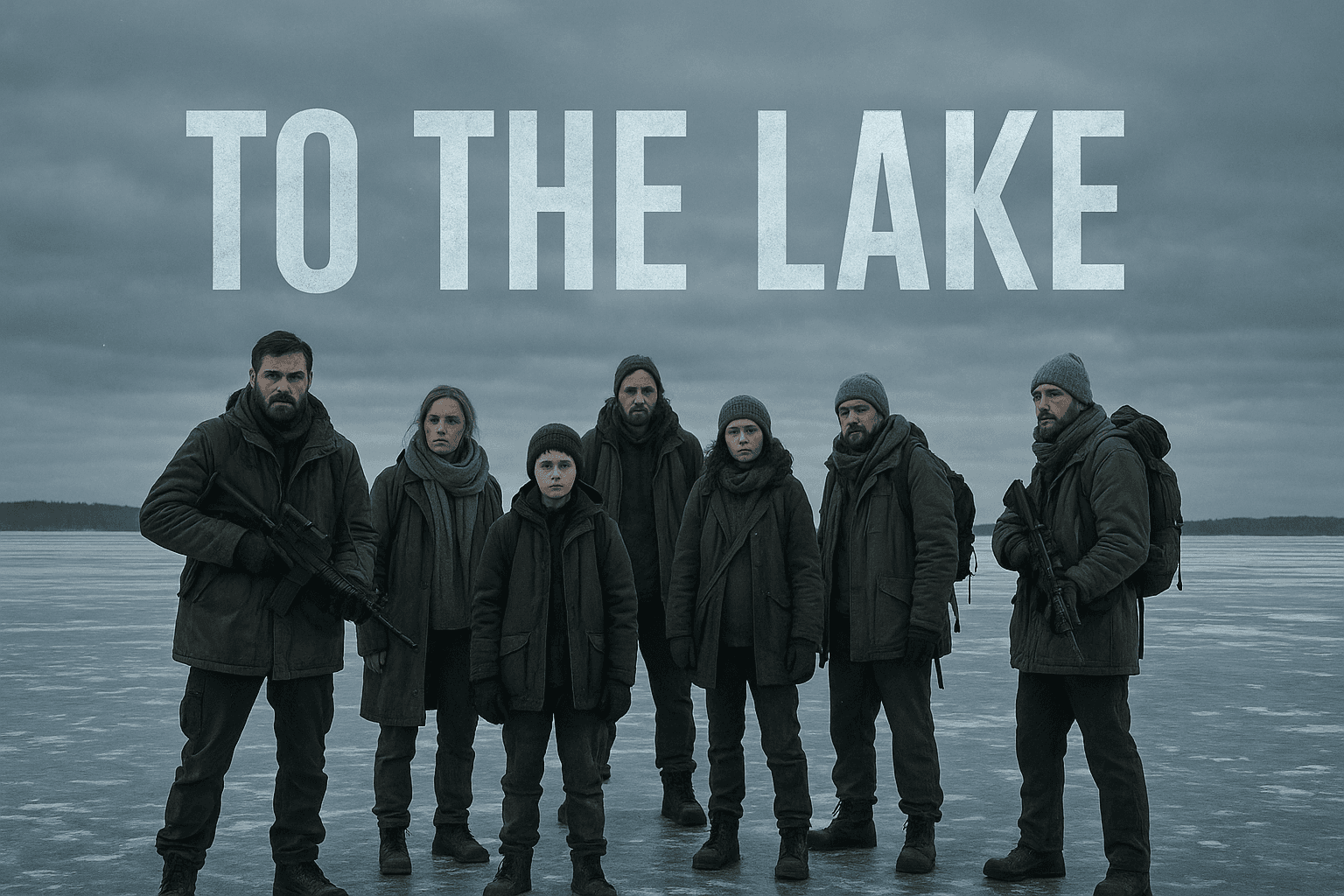
Alongside this art-house trajectory Yatsenko has maintained a steady presence in more commercial fare, appearing in genre films and popular television. International viewers encountered him in Ilya Naishuller's frenetic first-person action picture Hardcore Henry (2015), while on Russian television he took on the historical role of the unfortunate Emperor Peter III in the lavish costume series Ekaterina (2014), about the rise of Catherine the Great. In the post-apocalyptic thriller To the Lake (2019 to 2022), produced for Russian streamers and later distributed globally by Netflix, he played Pavel, an emergency doctor and reluctant leader in a group fleeing a mysterious pandemic, a role that introduced him to audiences well beyond the Russophone world. In 2024 he appeared as the opportunistic tenant Aloisy Mogarych in Michael Lockshin's acclaimed film adaptation of Mikhail Bulgakov's The Master and Margarita, one of the most talked-about Russian releases of the decade.
Offscreen Yatsenko has kept an unusually low profile for an actor of his standing. He is married to Marina Rozhkova and the couple have a child, and he has generally avoided the celebrity circuit in favour of continued stage work and considered choices in film. Colleagues and critics frequently describe him as an actor of the quiet, listening school, more interested in the texture of everyday life than in dramatic fireworks. His roots in provincial Volgograd, his grounding at GITIS and the Tabakov Theatre, and his long association with the Russian new drama scene all feed into a screen presence that can suggest tired decency, muted despair or unexpected warmth with equal conviction. From the collective farm of A Long and Happy Life to the ambulances of Arrhythmia and the haunted landscapes of To the Lake, Aleksandr Yatsenko has become the face of a generation of Russian heroes who endure rather than triumph, and in doing so he has quietly established himself as one of the defining actors of contemporary Russian film and television.